
AI Zone Debuts at 4th Chain Expo, Impacting TBM Export Certification





At the 4th China International Supply Chain Promotion Expo (Chain Expo), held in late 2023, an AI-themed exhibition zone was introduced for the first time — marking a strategic shift toward recognizing AI’s role in real-world applications within high-end equipment. This development directly affects manufacturers and exporters of intelligent tunnel-boring machines (TBMs), earth pressure balance (EPB) shield machines, and smart drill jumbos — particularly those targeting markets in North America, Europe, the Middle East, and Southeast Asia. Industry stakeholders in intelligent infrastructure equipment, cross-border trade compliance, and industrial AI certification should pay close attention, as this signals evolving technical gateways for global market access.
Event Overview
The 4th Chain Expo featured its inaugural Artificial Intelligence Zone, focusing on practical AI integration in advanced machinery — specifically highlighting AI-powered perception, SLAM-based navigation, and autonomous trajectory correction capabilities embedded in hard-rock TBMs, EPB shields, and intelligent凿岩台车 (drill jumbos). As confirmed by official expo communications, this structural change reflects a formal institutional acknowledgment of AI functionality as a distinct compliance dimension in high-end equipment exports. No specific regulatory text or certification mandate has been issued to date; the zone itself serves as a platform for demonstration and dialogue, not enforcement.
Industries Affected
Export-Oriented Equipment Manufacturers
Manufacturers producing AI-integrated掘进 systems face potential adjustments in pre-market conformity assessment workflows. Because the AI Zone explicitly links AI features (e.g., real-time path correction, sensor fusion logic) to export readiness, future technical documentation — especially for EU CE marking, U.S. FCC/UL coordination, or GCC certification — may require supplementary evidence on algorithmic transparency and functional safety of AI subsystems.
International Procurement Entities
Overseas buyers — including government infrastructure agencies and EPC contractors — now encounter more structured technical evaluation criteria. The introduction of the AI Zone suggests that procurement tenders in priority markets may begin referencing AI-specific assurance requirements (e.g., audit trails for decision logic, failure mode coverage reports) as part of bid eligibility, even before formal regulation is enacted.
Supply Chain Compliance Service Providers
Firms offering conformity assessment, testing, or technical file preparation must adapt service scopes to include AI-related documentation support — such as traceability matrices linking AI inputs/outputs to safety goals, or explainability summaries for black-box models. Current service offerings typically cover mechanical, electrical, and EMC compliance but rarely address AI system-level verification.
What Stakeholders Should Monitor and Do Now
Track official guidance from standardization bodies and trade authorities
Monitor updates from SAC (Standardization Administration of China), ISO/IEC JTC 1/SC 42 (AI standards), and regional regulators (e.g., EU’s AI Office, U.S. NIST AI RMF implementation notes). While no binding rule has emerged yet, early-stage technical white papers or pilot frameworks may inform upcoming certification expectations.
Identify high-priority export markets and product categories
Focus initial compliance scoping on markets where AI-specific regulatory activity is most advanced — notably the EU (under the AI Act’s high-risk systems provisions) and select Gulf Cooperation Council (GCC) member states piloting AI governance frameworks. Prioritize products with closed-loop AI control (e.g., real-time steering correction in TBMs) over those using AI only for diagnostics or reporting.
Distinguish between policy signaling and operational requirements
Recognize that the AI Zone is currently a coordination and awareness mechanism — not a compliance checkpoint. No exporter has been denied entry or required to submit AI-specific test reports solely due to the Zone’s launch. However, procurement RFPs issued in 2024 may begin embedding AI assurance language as ‘preferred’ or ‘future mandatory’ criteria.
Initiate internal documentation and traceability mapping
For AI-enabled subsystems, begin compiling functional safety arguments, data lineage records for training datasets, and simplified explanation narratives for key decision pathways (e.g., how SLAM-derived pose estimates trigger corrective actuation). These materials support both internal design review and future third-party assessment — without requiring immediate external certification.
Editorial Perspective / Industry Observation
Observably, the AI Zone’s debut functions primarily as a forward-looking signal — not an immediate regulatory trigger. It reflects growing institutional recognition that AI functionality in physical infrastructure equipment cannot be treated as a ‘software add-on’, but rather as an integral safety- and performance-critical component. Analysis shows this aligns with parallel developments in ISO 21448 (SOTIF) and IEC 61508 extensions for AI-based control, suggesting convergence rather than divergence in global expectations. From an industry standpoint, this is less about imminent certification mandates and more about preparing for a multi-year transition toward AI-aware conformity frameworks — where technical credibility, not just regulatory checkboxing, becomes central to market access.
In summary, the introduction of the AI Zone at the 4th Chain Expo does not introduce new legal obligations — but it does redefine the technical narrative around intelligent excavation equipment in global supply chains. It underscores a shift from ‘does it work?’ to ‘how does it decide — and how safely?’ For stakeholders, the current implication is preparatory: building documentation discipline, monitoring early regulatory signals, and aligning engineering practices with emerging AI assurance principles. This is best understood not as a deadline, but as the opening phase of a longer-term alignment process between industrial AI deployment and international trust frameworks.
Source: Official announcements and exhibition program materials from the 4th China International Supply Chain Promotion Expo (Chain Expo), hosted in Beijing in November 2023. Note: Specific AI certification requirements referenced in the event summary remain pending formal publication by relevant national or regional standardization or regulatory authorities — ongoing observation is recommended.
Related News
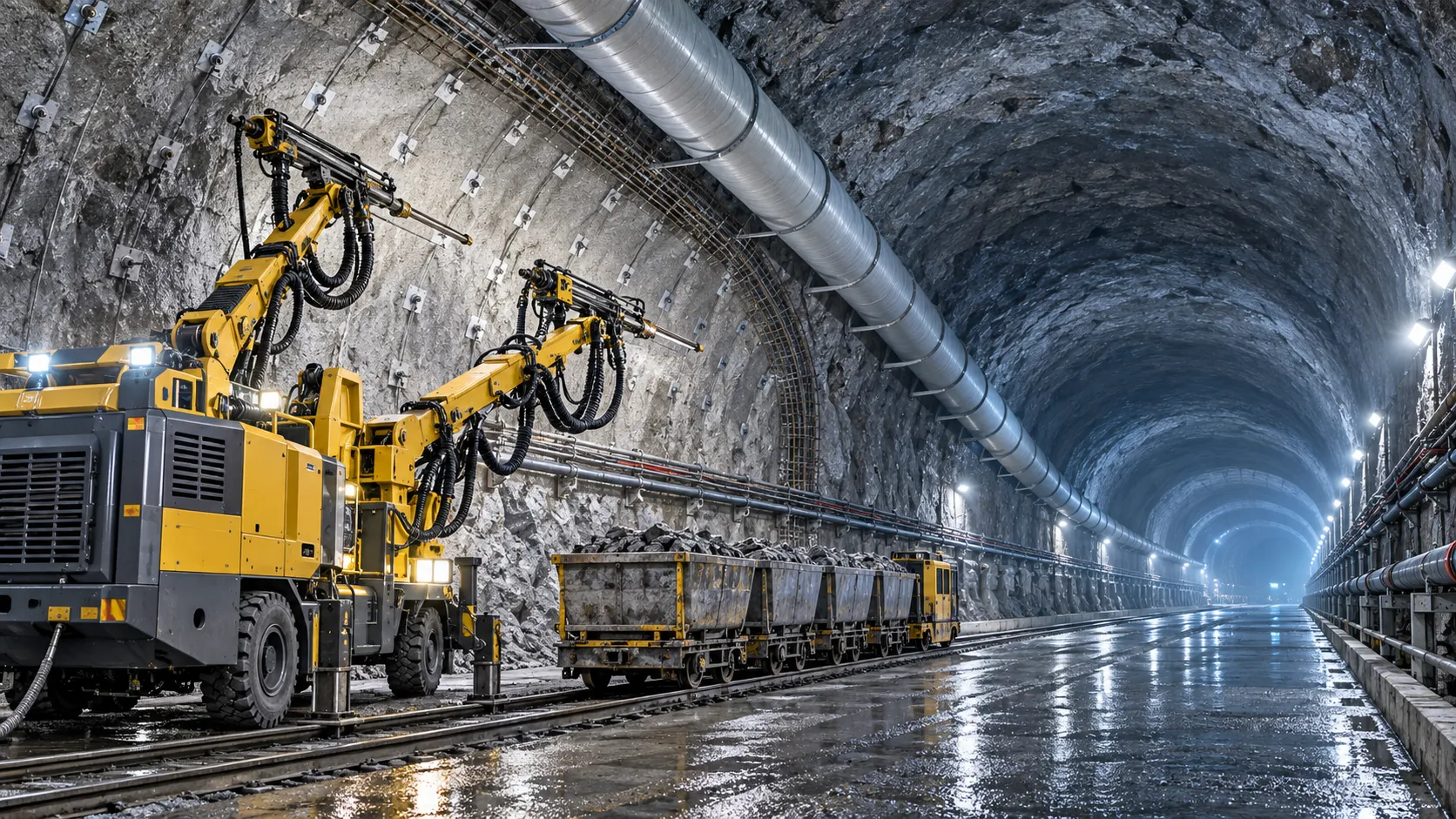
How to Evaluate European Drill-and-Blast Tunnelling Contractors for Complex Projects
Drill and blast tunnelling contractors Europe: learn how to assess geology expertise, blast control, equipment reliability, safety, and programme resilience for complex projects.
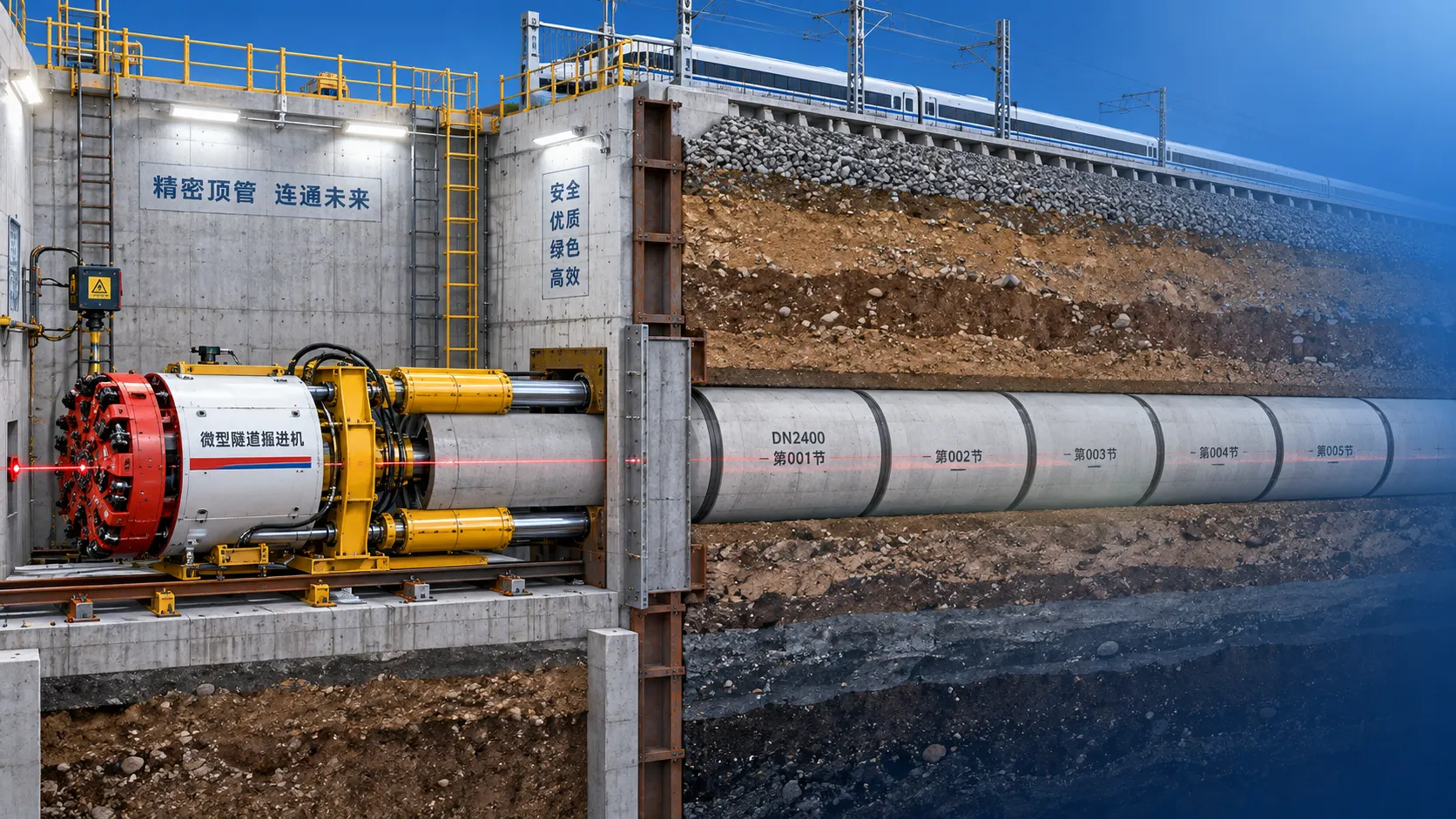
Which Trenchless Construction Technique Fits Your Utility Crossing Conditions?
Trenchless construction techniques compared for utility crossings: choose HDD, microtunnelling, pipe jacking, or auger boring based on ground, accuracy, access, and risk.
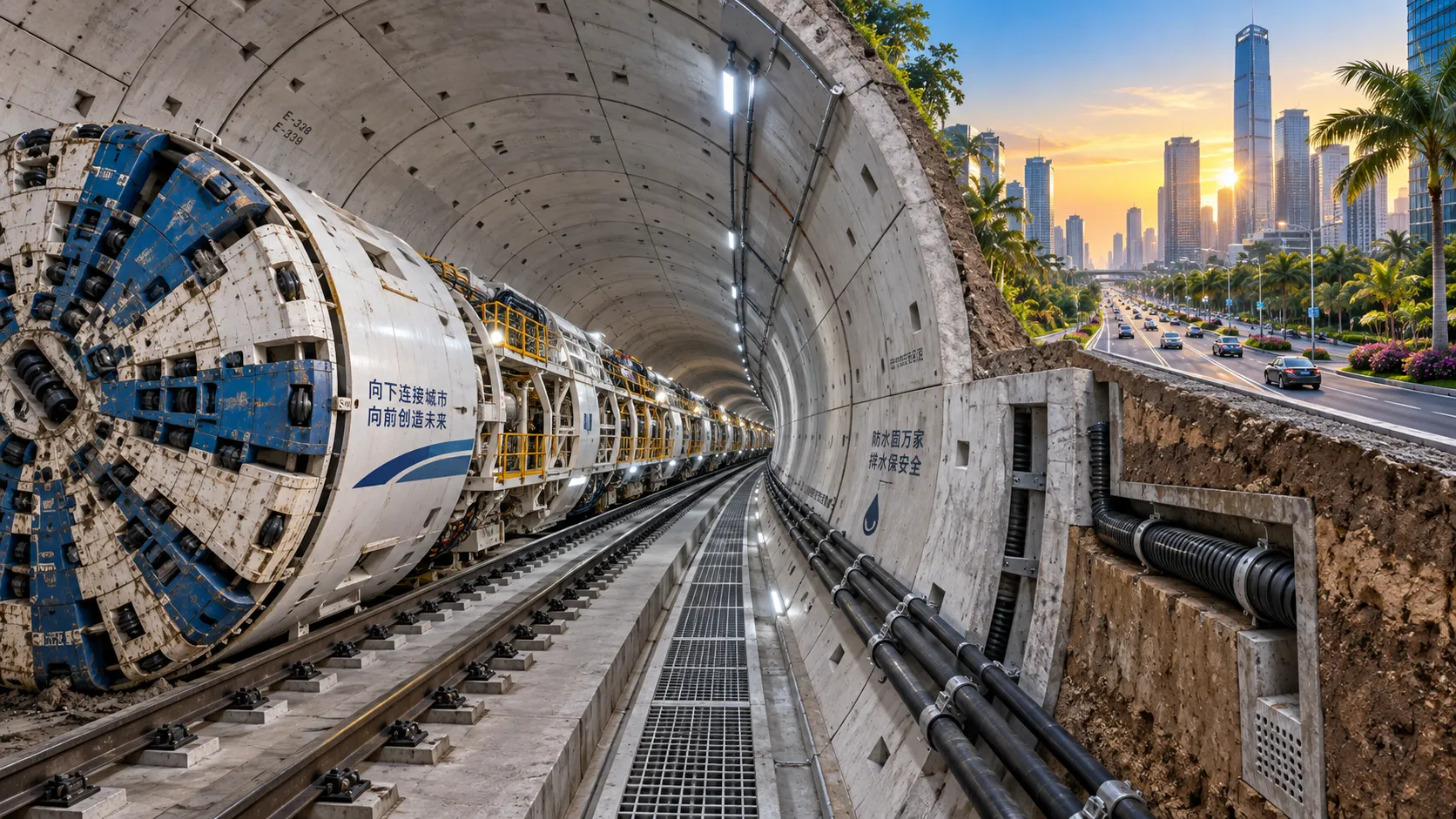
What Is Driving Metro Tunnelling Demand Across Southeast Asia’s Major Cities?
Metro tunnelling Southeast Asia is accelerating as major cities tackle congestion, flooding, and connectivity. Explore the market forces, technical risks, and opportunities shaping demand.
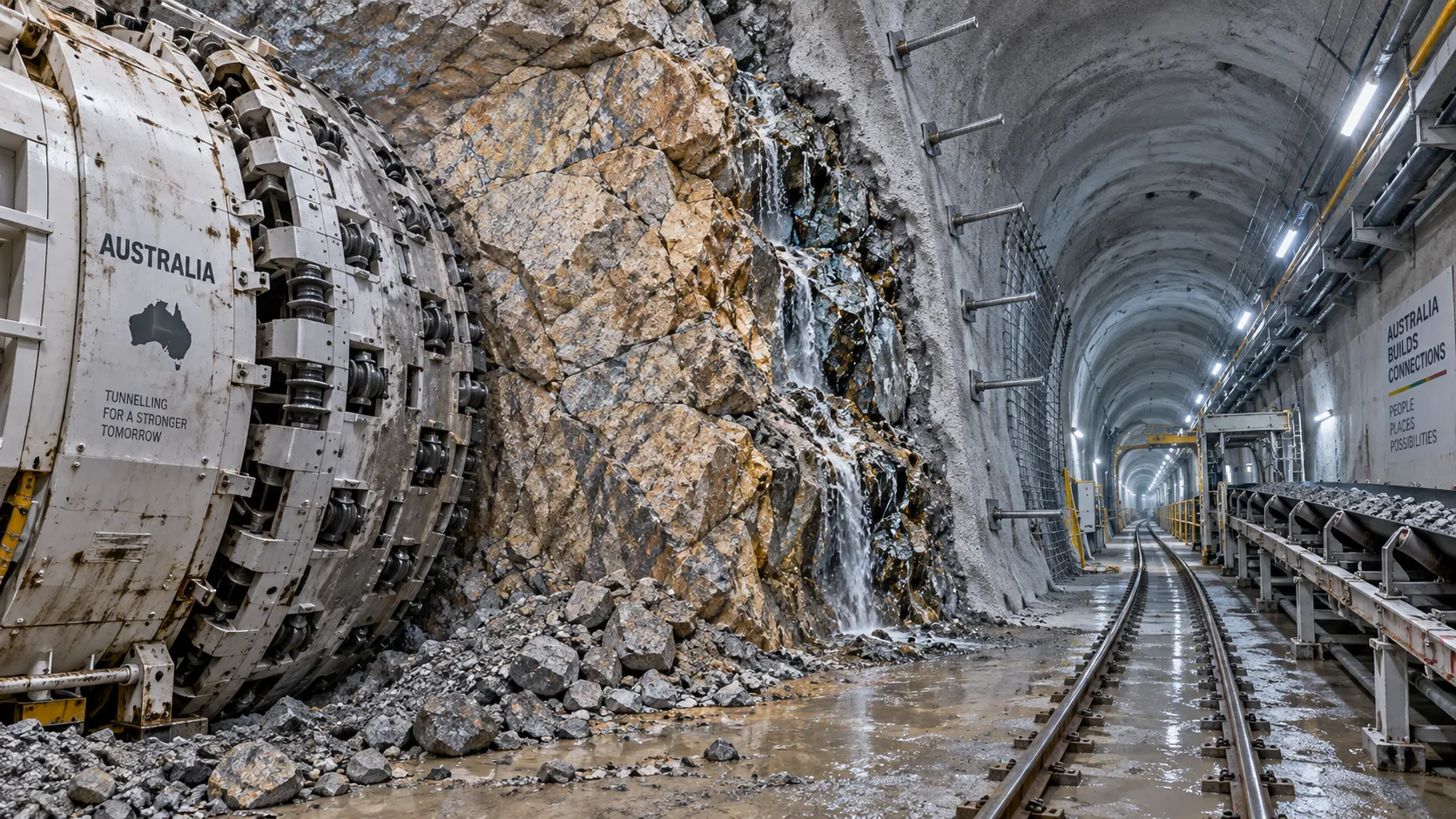
Hard Rock Tunnelling in Australia: Selecting Methods for Variable Ground Conditions
Hard rock tunnelling in Australia: compare TBM, drill-and-blast and hybrid methods to manage variable ground, reduce risk and protect project costs.
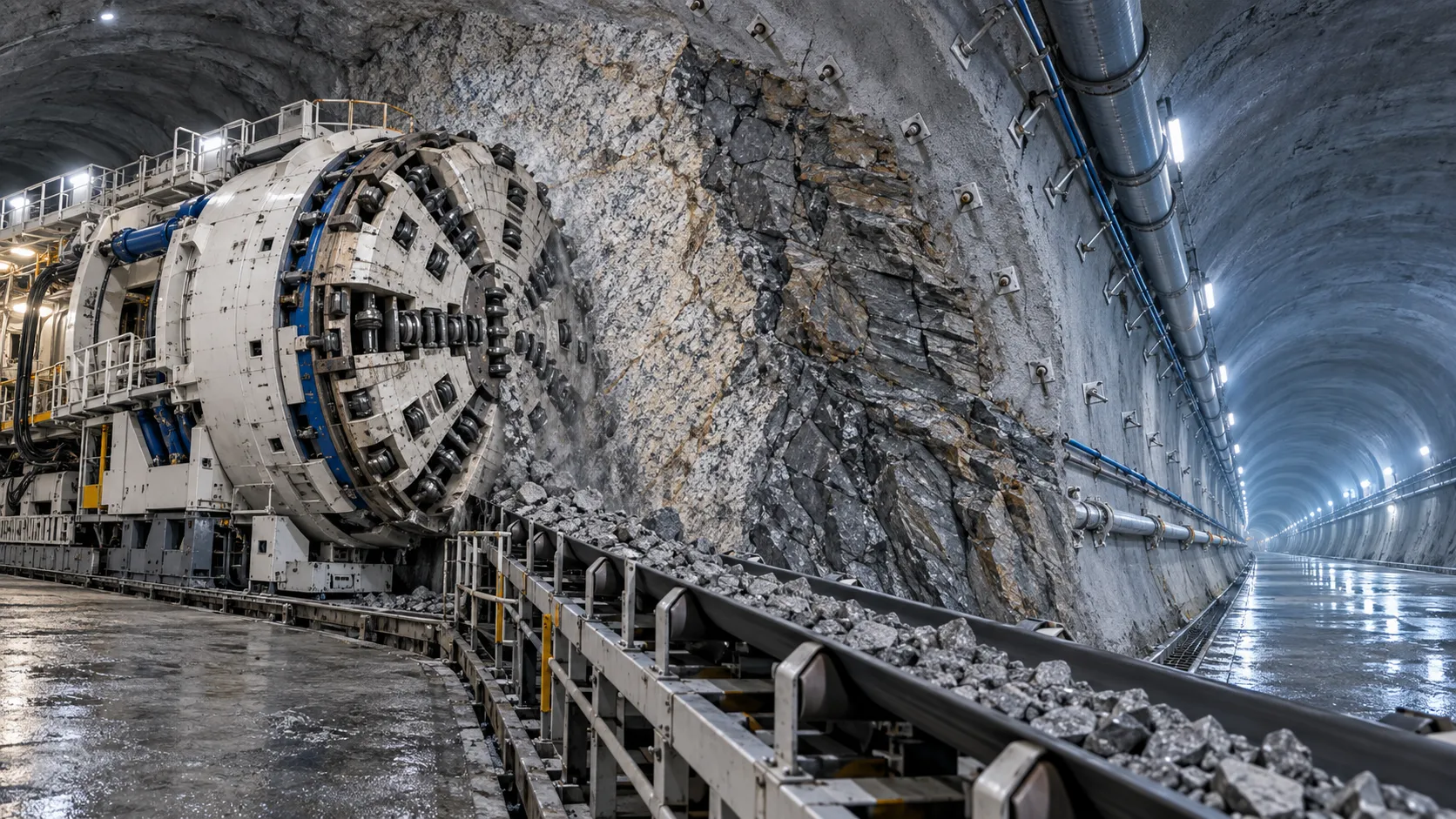
Hydropower Tunnel Excavation: Selecting Methods for Variable Rock Conditions
Hydropower tunnel excavation methods for variable rock conditions: compare TBM, drill-and-blast, and hybrid strategies to improve safety, progress, and project control.
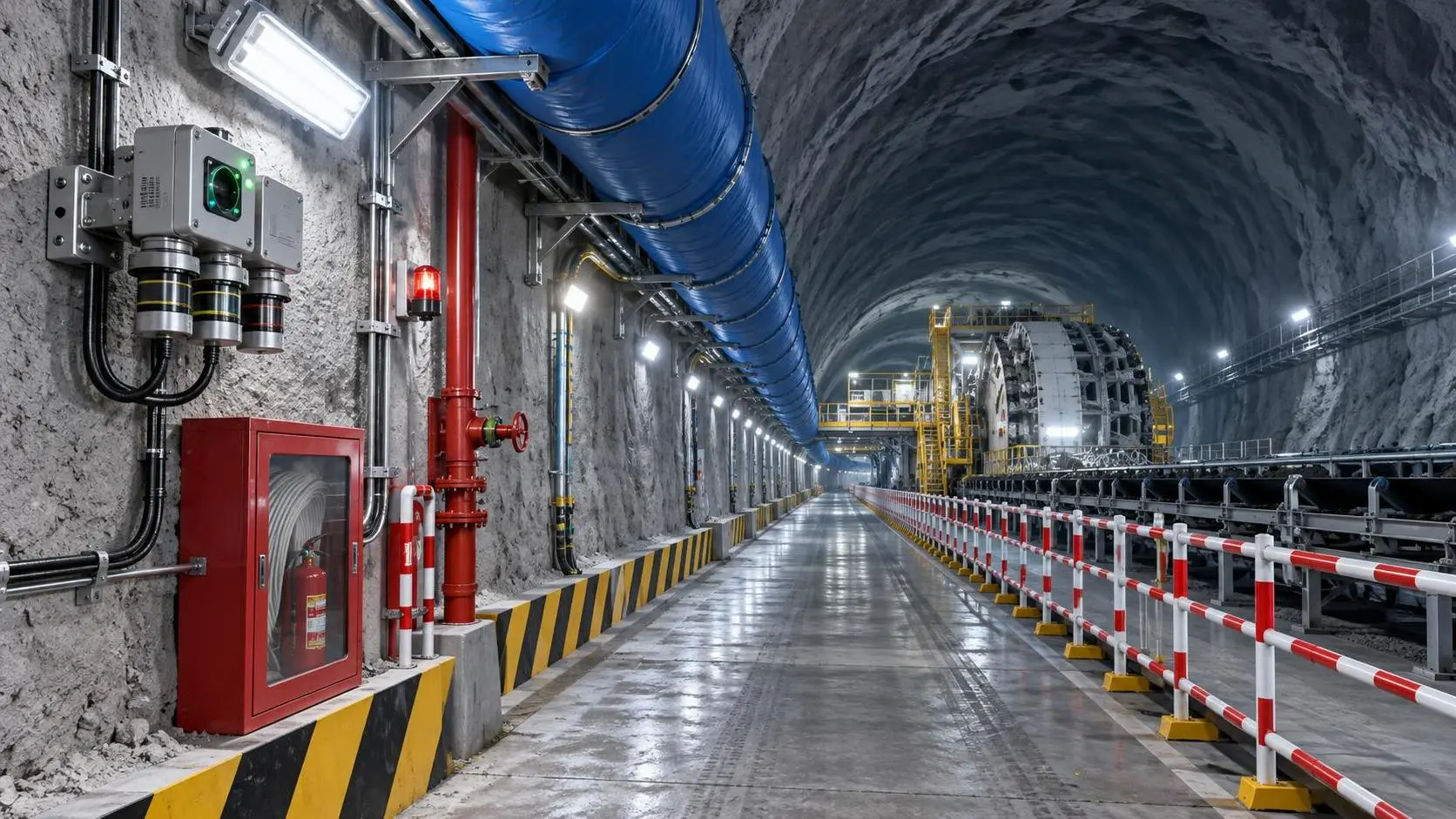
How to Select Underground Safety Equipment for Tunnelling by Hazard and Work Zone
Underground Safety Equipment for tunnelling: match protection to hazards, work zones, compliance, and emergency needs with this practical selection guide.
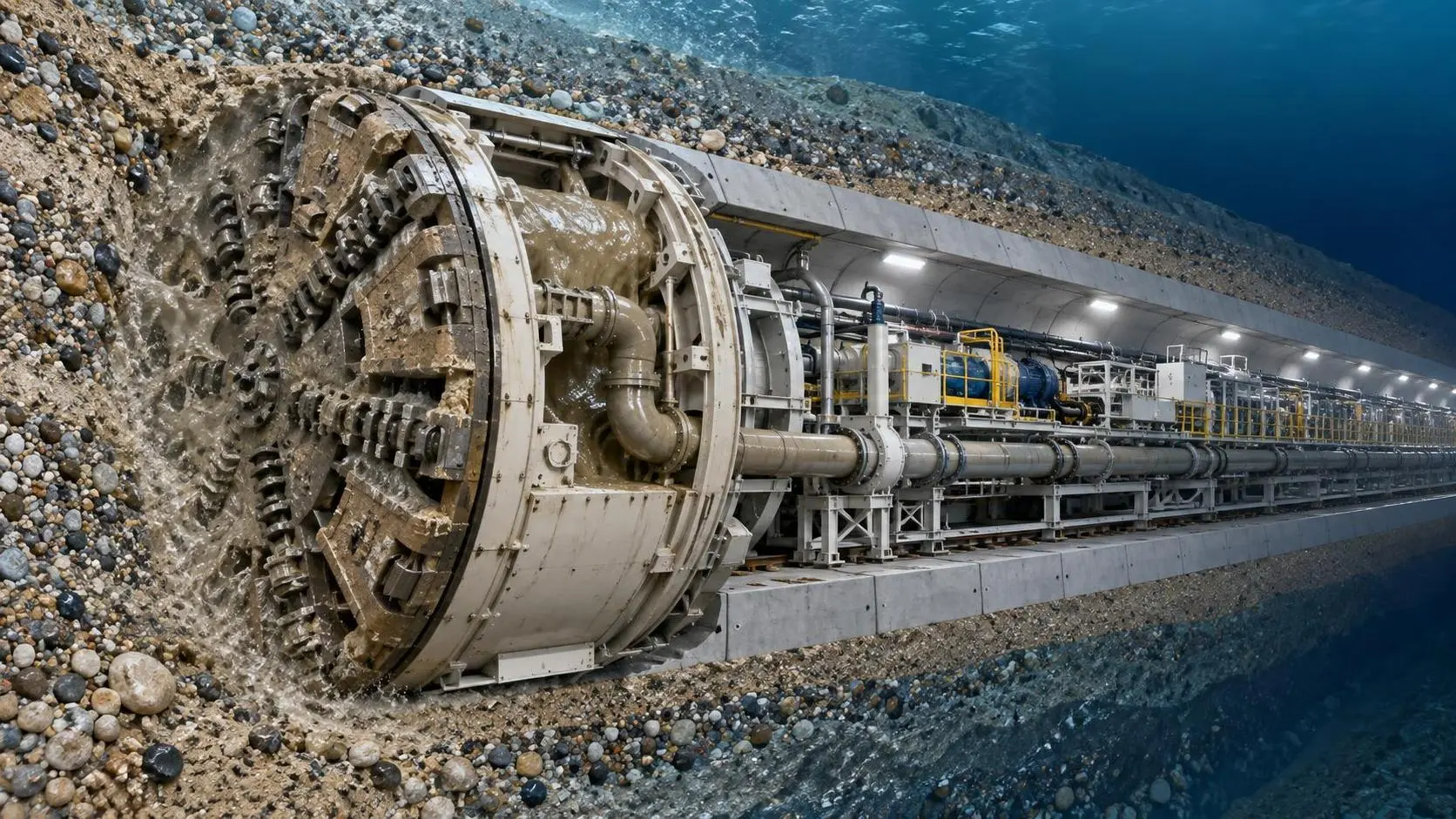
EPB or Slurry Shield? Selecting Soft-Ground Tunnelling Equipment by Soil Conditions
Tunnel Excavation Equipment for soft ground: compare EPB and slurry shields by soil, groundwater, settlement risk, and project logistics to choose confidently.
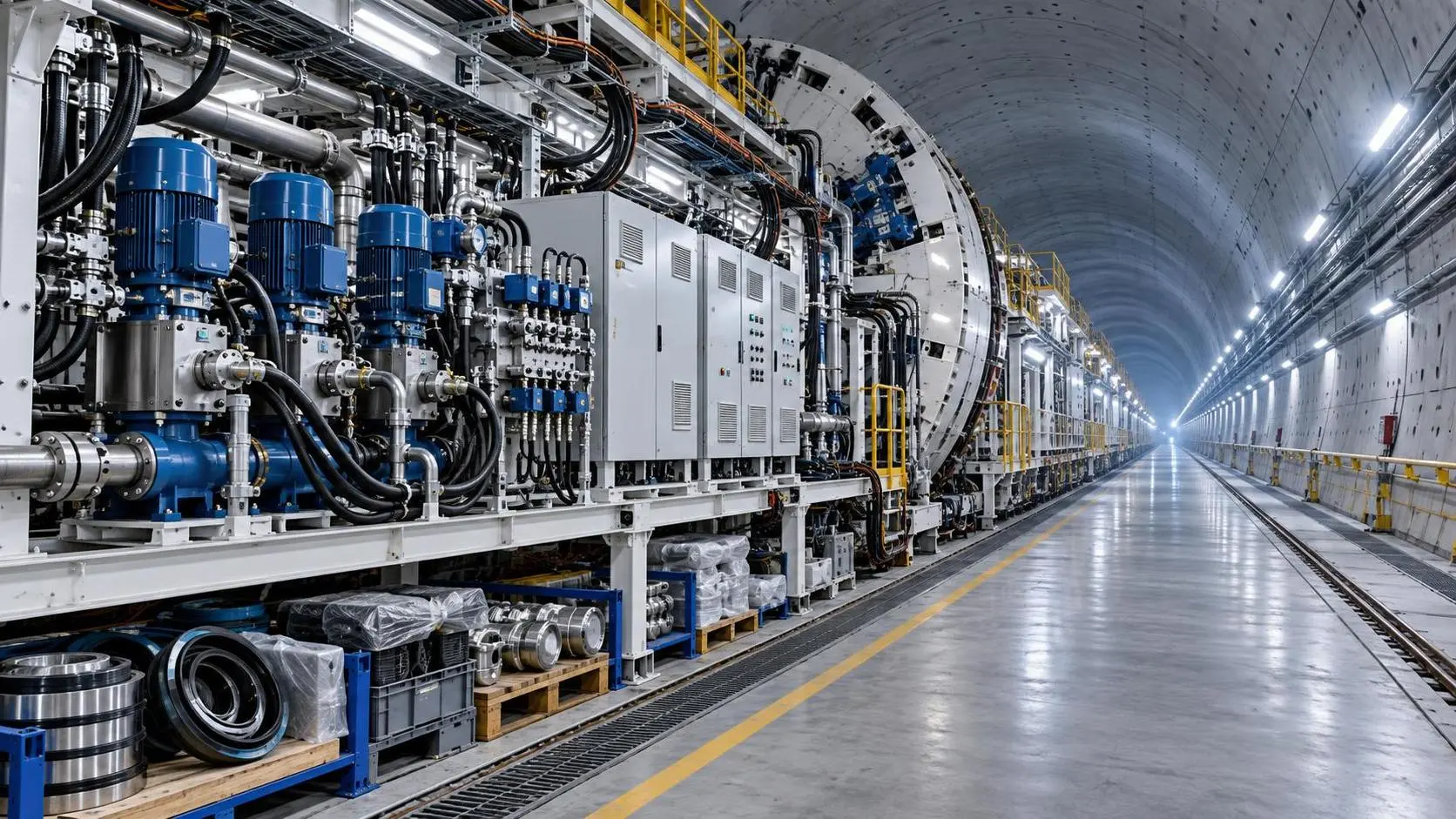
How to Specify TBM Backup System Parts for Reliable Long-Distance Tunnelling
TBM backup system parts: learn how to specify reliable spares for long-distance tunnelling, reduce downtime, ensure compatibility, and speed underground recovery.

How to Size Open Pit Mining Trucks for Haul Distance, Grade, and Payload?
Open Pit Mining Trucks: learn how to match payload, haul distance, grade, road resistance, and loading capacity for safer, lower-cost mine operations.
Related News
- 00
0000-00
How to Evaluate European Drill-and-Blast Tunnelling Contractors for Complex Projects - 00
0000-00
Which Trenchless Construction Technique Fits Your Utility Crossing Conditions? - 00
0000-00
What Is Driving Metro Tunnelling Demand Across Southeast Asia’s Major Cities? - 00
0000-00
Hard Rock Tunnelling in Australia: Selecting Methods for Variable Ground Conditions - 00
0000-00
Hydropower Tunnel Excavation: Selecting Methods for Variable Rock Conditions
Weekly Insights
Stay ahead with our curated technology reports delivered every Monday.