When tunnel lining systems fail, what usually went wrong?





When tunnel lining systems fail, the root cause is rarely a single defect. For underground projects, failure usually reflects accumulated weakness across design, materials, installation, drainage, monitoring, and lifecycle control.
That is why tunnel lining systems have become a strategic risk indicator, not just a structural component. In modern tunnelling, the lining records how well geology, equipment, sequencing, and quality assurance truly matched reality.
Across metro tunnels, utility drives, mining drifts, and long transportation corridors, operators are seeing a clear pattern. Tunnel lining systems fail most often when assumptions remain static while underground conditions keep changing.
Tunnel lining systems are under greater pressure than before
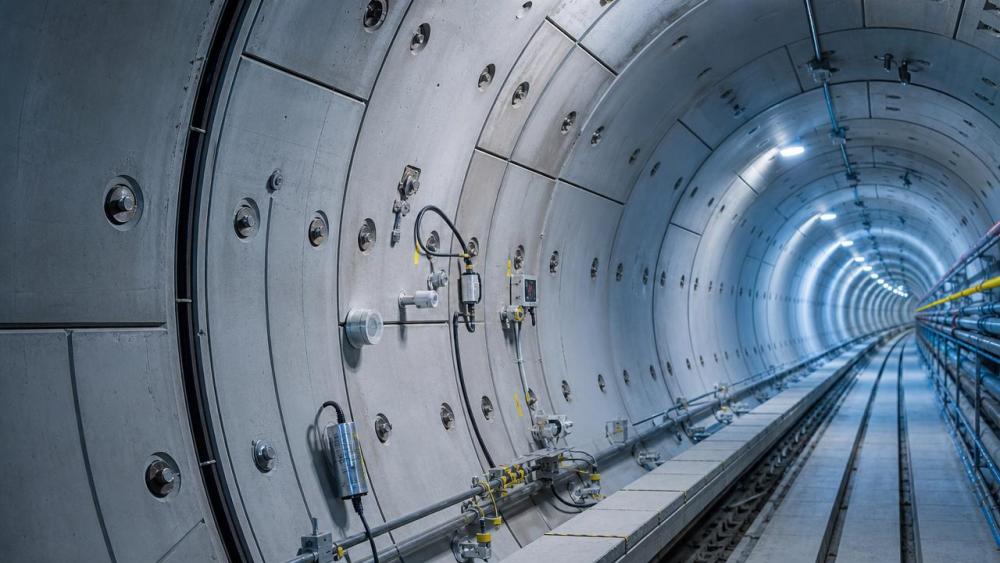
The underground sector is changing fast. Deeper alignments, mixed-face geology, tighter settlement limits, faster schedules, and ESG-driven asset reliability targets are redefining acceptable performance for tunnel lining systems.
Full-face TBM projects now move through variable strata with little tolerance for interruption. In that environment, small errors in segment geometry, gasket seating, bolt tightening, or annular grouting can escalate into structural distress.
Mining and civil tunnels also face longer service expectations. A lining no longer serves only excavation support. It must resist water, chemical exposure, load redistribution, vibration, and maintenance access constraints over time.
This means tunnel lining systems are no longer judged only by initial strength. They are judged by durability, tolerance management, drainage behavior, and how well they perform under uncertain long-term ground response.
The strongest trend signal is this: failures begin before damage is visible
Visible cracking, leakage, joint opening, spalling, or deformation usually appears late. The earlier warning signs are hidden in design drift, construction deviation, and incomplete field feedback.
Many tunnel lining systems fail gradually. The process often starts with underestimated loads, inconsistent concrete quality, inadequate waterproofing interfaces, or poor contact between lining and surrounding ground.
A second trend is the growing gap between digital design confidence and field execution variability. Sophisticated models cannot protect tunnel lining systems if surveying, segment handling, or grouting control is weak.
A third signal comes from rehabilitation records. Rework is often concentrated at transitions, cross passages, curves, portal zones, faulted ground, and sections with water pressure fluctuations.
What usually went wrong in tunnel lining systems
Why these failures are becoming more common in complex underground work
The rise in tunnel lining systems issues is not only a technical story. It is also an operational story shaped by project speed, fragmented accountability, and difficult subsurface uncertainty.
- Ground models are sometimes based on limited investigation density.
- Excavation and lining cycles are accelerated beyond practical quality windows.
- Segment manufacturing quality may vary across batches or suppliers.
- Waterproofing details receive less attention than structural calculations.
- Instrumentation exists, but trigger levels are poorly integrated with field action.
- Long-term maintenance planning is often separated from construction decisions.
In TBM tunnelling, annular gap control is especially important. If backfill grouting is delayed, uneven, or insufficient, tunnel lining systems may carry load patterns never intended in the design stage.
In drill-and-blast and mining environments, overbreak and changing stress conditions matter more. Tunnel lining systems can fail when support classes are not updated quickly enough after actual rock mass behavior becomes evident.
The impact spreads across safety, uptime, cost, and reputation
When tunnel lining systems deteriorate, the first concern is structural safety. However, the wider business impact can be just as serious, especially in transport tunnels, utilities, and underground mining infrastructure.
Water ingress can damage electrical systems, reduce track quality, corrode embedded parts, and interrupt operations. In mining, lining distress can limit ventilation efficiency, haulage access, and service installation reliability.
Repair work in confined spaces is expensive and disruptive. Access windows are short, inspection conditions are difficult, and temporary stabilization can affect logistics, production, or public service continuity.
Where the impact is felt most
- Structural integrity and regulatory compliance
- Asset life and rehabilitation cost forecasting
- Waterproofing performance and drainage reliability
- Operational availability and maintenance planning
- Project credibility in future tenders and partnerships
What deserves closer attention before tunnel lining systems show distress
The most effective response is early attention to indicators that often appear routine. Tunnel lining systems usually provide clues through geometry, moisture patterns, data trends, and recurring localized defects.
Core points to watch
- Ring build accuracy at curves, transitions, and mixed-ground zones
- Concrete strength variation, curing discipline, and microcrack control
- Gasket compression, joint cleanliness, and segment edge damage
- Annular grouting volume, pressure balance, and void detection
- Drainage continuity, clogging risk, and groundwater pressure changes
- Instrumentation trend review linked to intervention thresholds
- Reconciliation between as-designed and as-built conditions
For advanced underground programs, these checks should not be isolated. Tunnel lining systems perform best when structural, geotechnical, construction, and maintenance data are reviewed as one connected evidence chain.
A practical way to judge risk and respond earlier
This approach reflects a wider underground engineering trend. Tunnel lining systems should be managed as living assets, not static finished works. Performance verification must continue after construction handover.
The next step is better intelligence stitching across the tunnel lifecycle
The future of tunnel lining systems lies in integrated judgment. Geological data, TBM parameters, segment quality records, grouting logs, drainage behavior, and inspection findings should inform one decision framework.
That is especially important for mega-infrastructure and underground mining networks, where downtime and rehabilitation costs compound quickly. The best prevention strategy is coordinated visibility from excavation to long-term asset operation.
If the goal is more reliable tunnel lining systems, start by questioning what appears routine. Recheck assumptions, verify execution, monitor change, and treat minor defects as early signals rather than isolated incidents.
UTMD continues tracking the engineering signals behind tunnel lining systems performance, from TBM segment behavior to underground asset reliability trends. Better decisions begin with connected field intelligence, not isolated inspection snapshots.
Related News
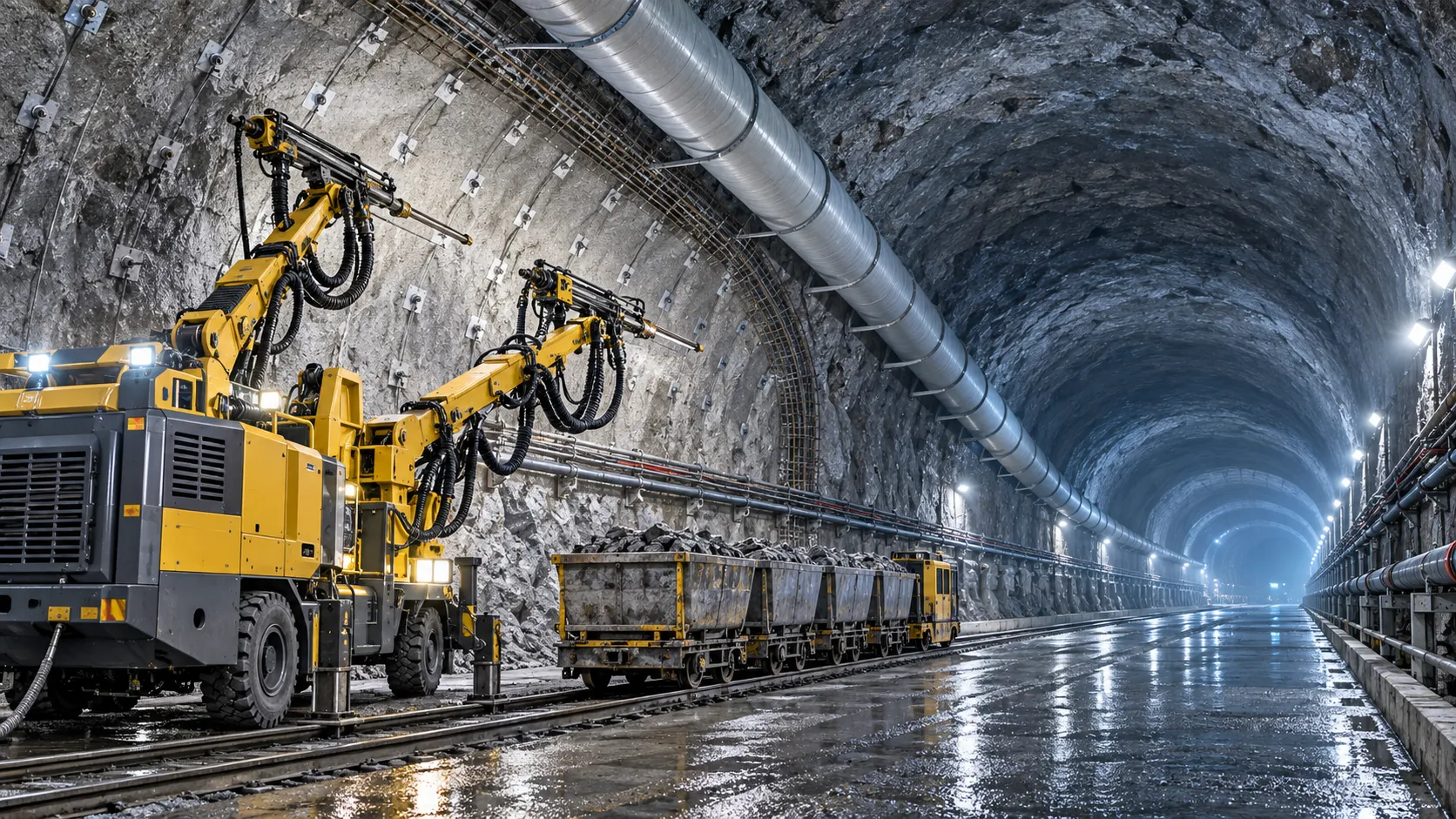
How to Evaluate European Drill-and-Blast Tunnelling Contractors for Complex Projects
Drill and blast tunnelling contractors Europe: learn how to assess geology expertise, blast control, equipment reliability, safety, and programme resilience for complex projects.
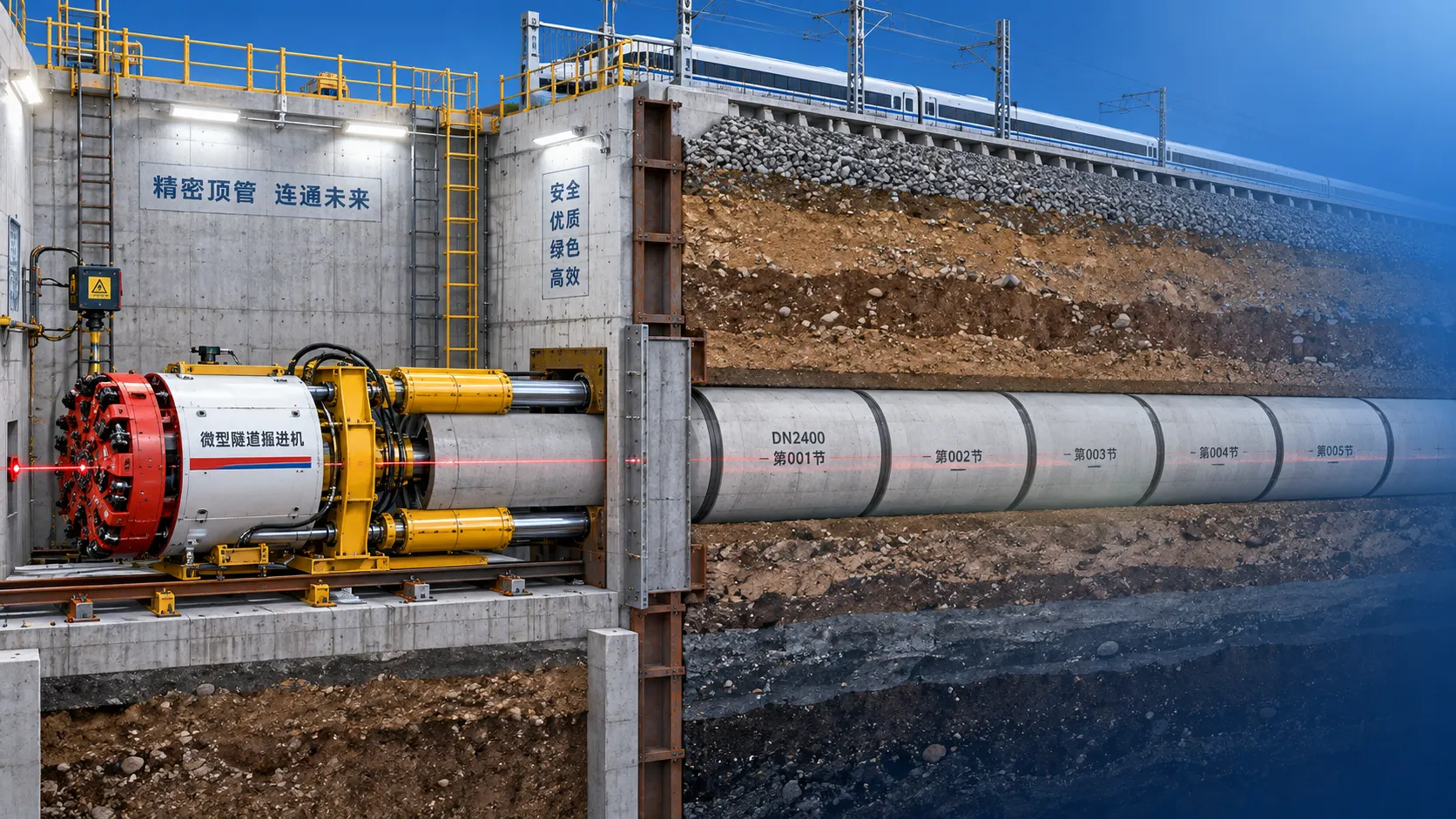
Which Trenchless Construction Technique Fits Your Utility Crossing Conditions?
Trenchless construction techniques compared for utility crossings: choose HDD, microtunnelling, pipe jacking, or auger boring based on ground, accuracy, access, and risk.
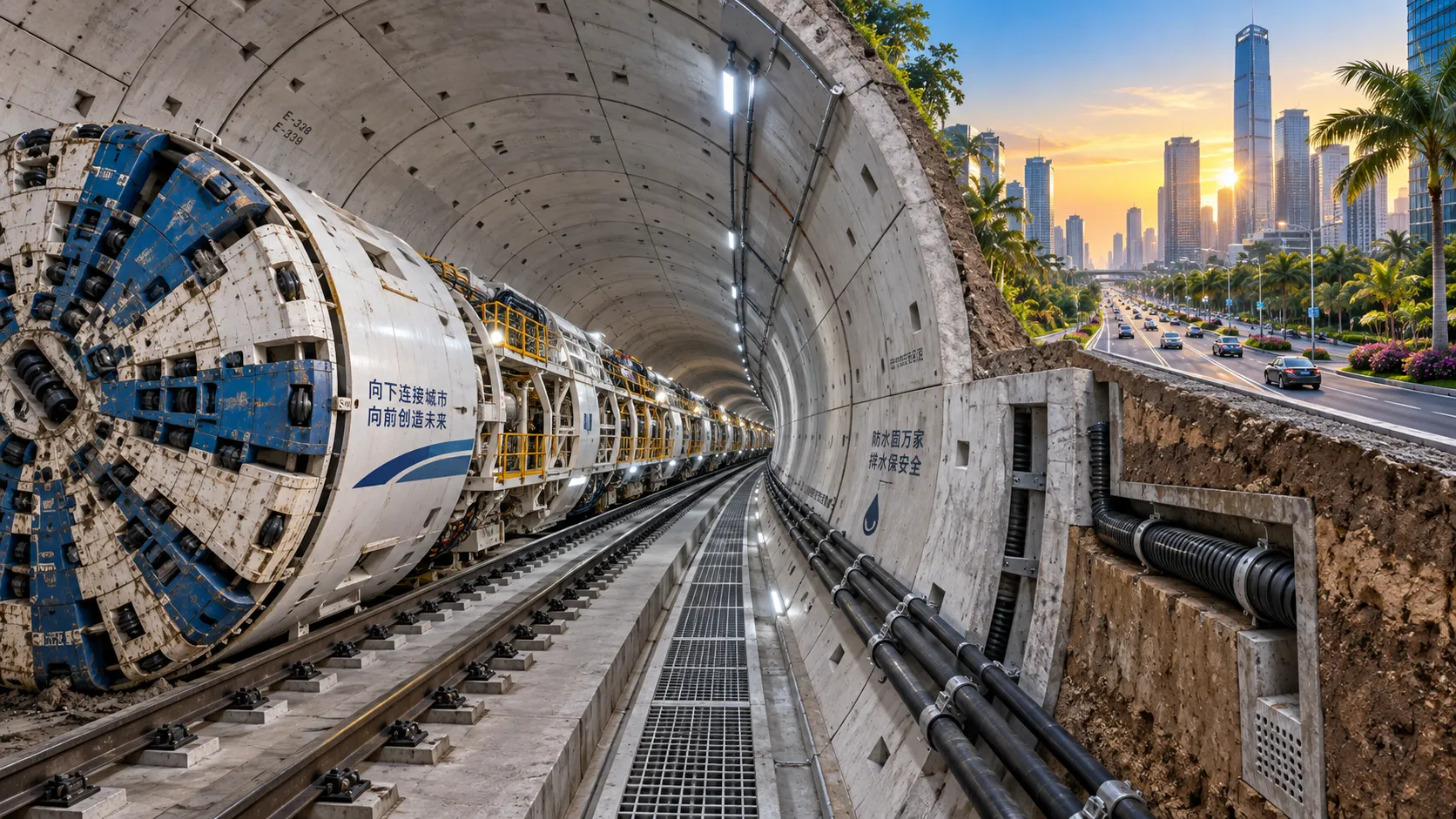
What Is Driving Metro Tunnelling Demand Across Southeast Asia’s Major Cities?
Metro tunnelling Southeast Asia is accelerating as major cities tackle congestion, flooding, and connectivity. Explore the market forces, technical risks, and opportunities shaping demand.
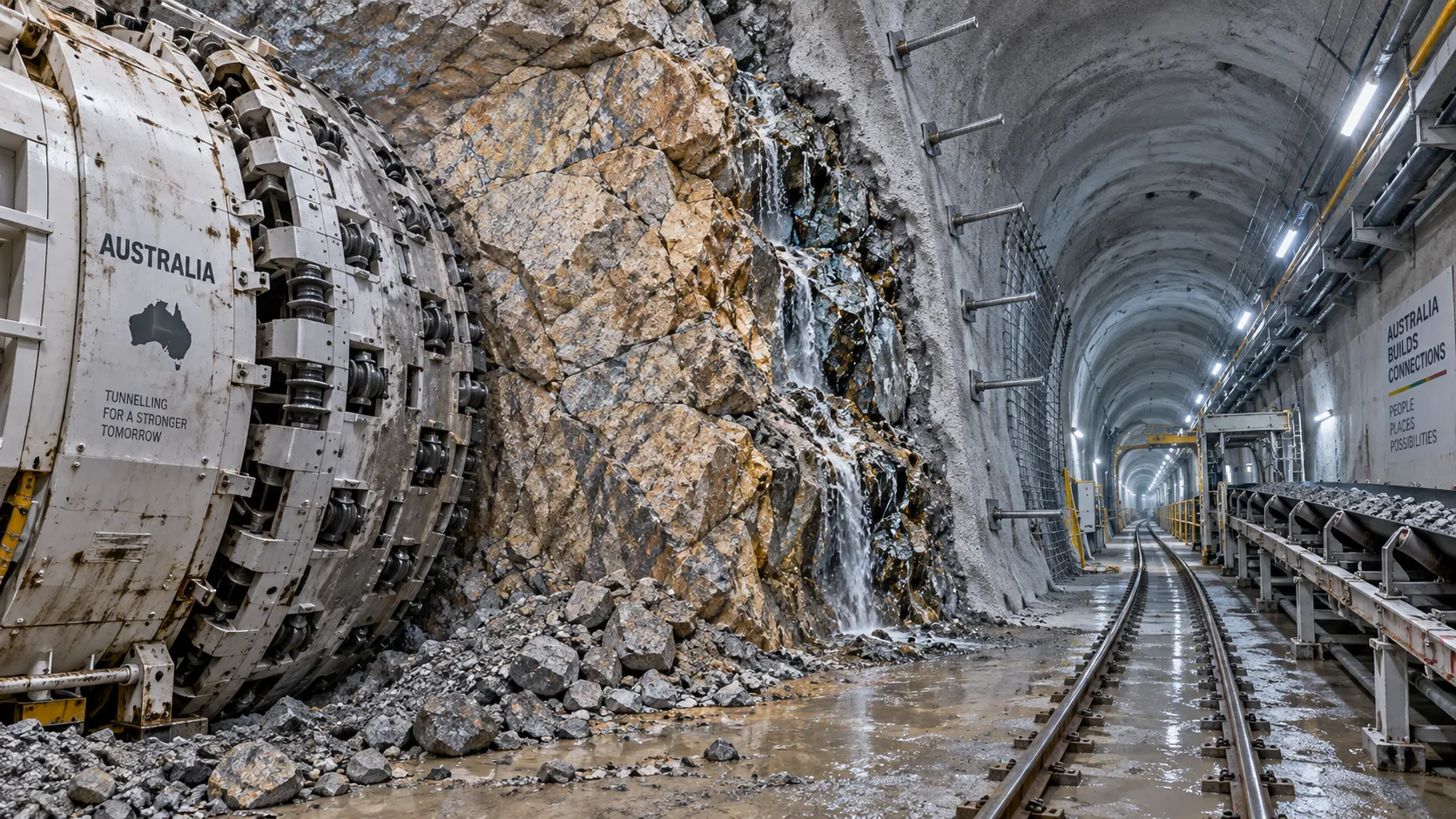
Hard Rock Tunnelling in Australia: Selecting Methods for Variable Ground Conditions
Hard rock tunnelling in Australia: compare TBM, drill-and-blast and hybrid methods to manage variable ground, reduce risk and protect project costs.
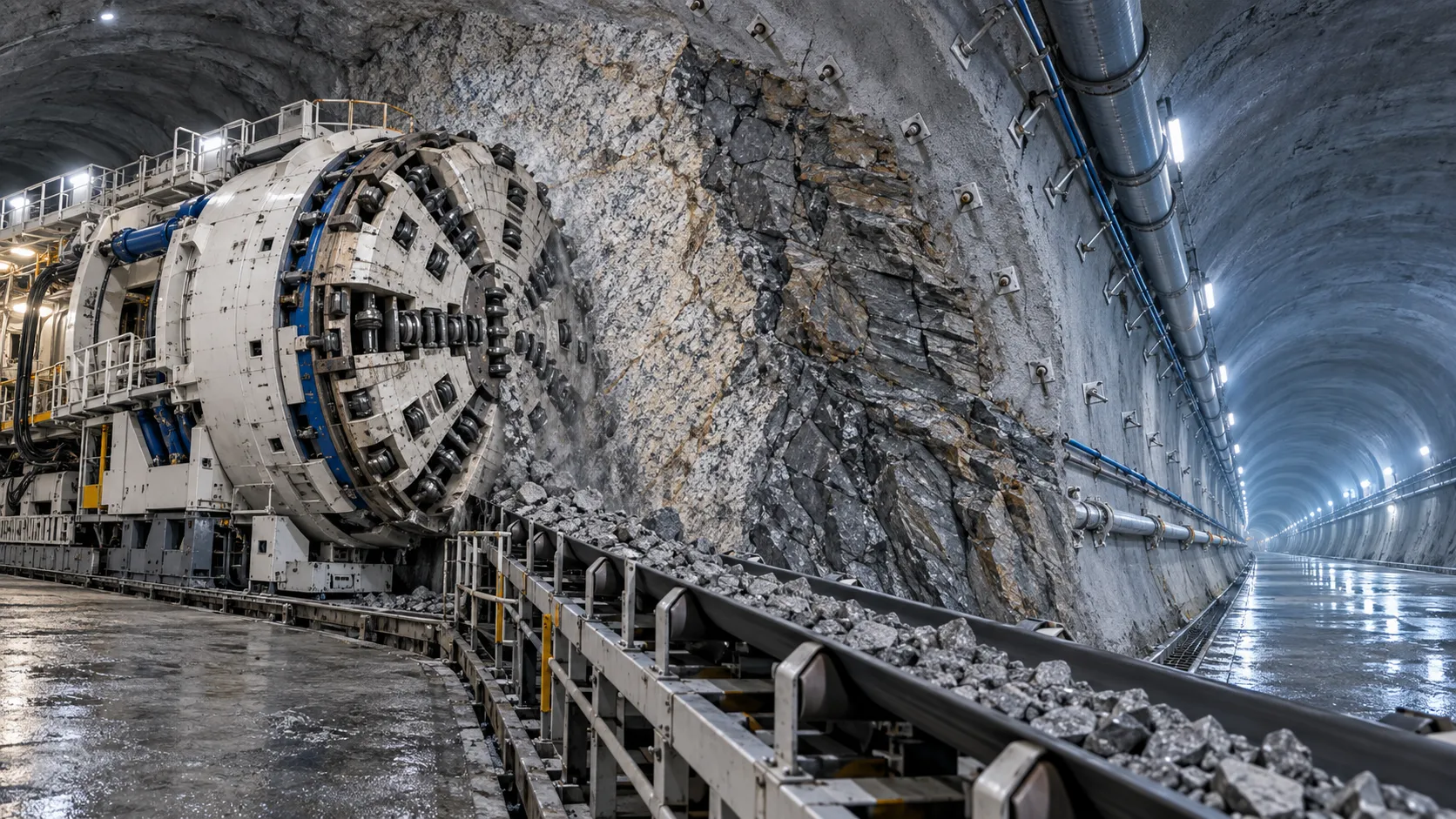
Hydropower Tunnel Excavation: Selecting Methods for Variable Rock Conditions
Hydropower tunnel excavation methods for variable rock conditions: compare TBM, drill-and-blast, and hybrid strategies to improve safety, progress, and project control.
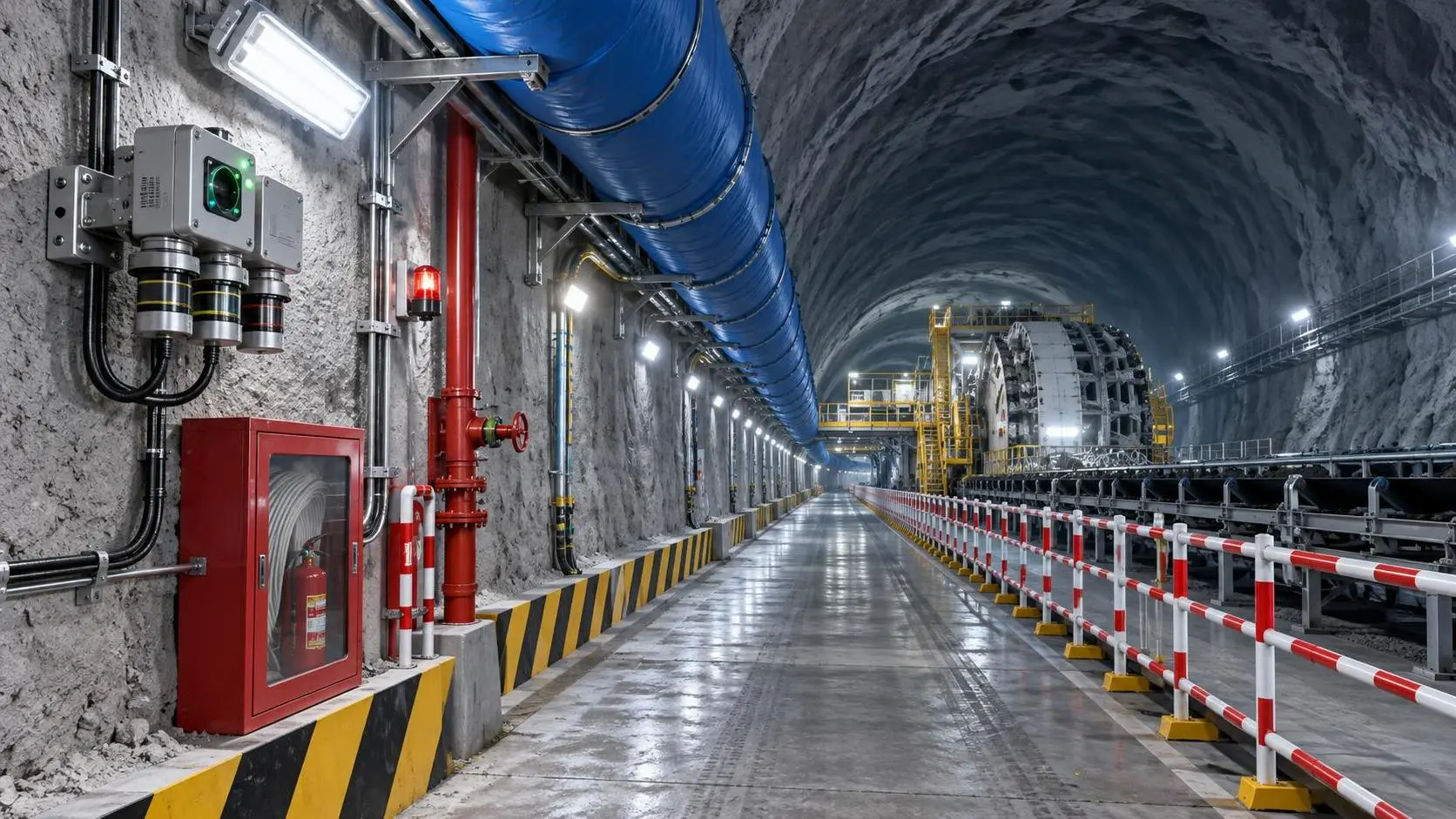
How to Select Underground Safety Equipment for Tunnelling by Hazard and Work Zone
Underground Safety Equipment for tunnelling: match protection to hazards, work zones, compliance, and emergency needs with this practical selection guide.
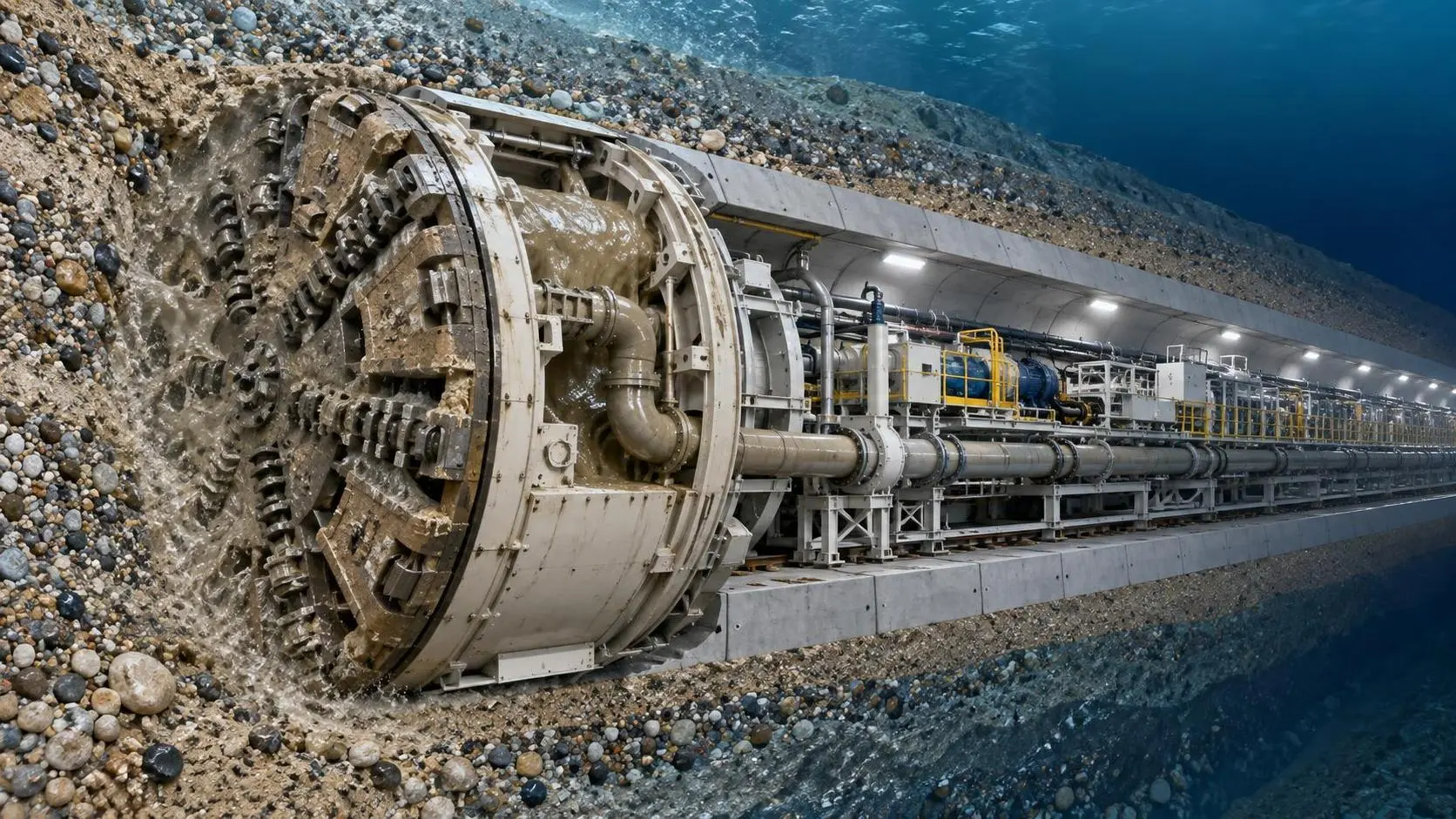
EPB or Slurry Shield? Selecting Soft-Ground Tunnelling Equipment by Soil Conditions
Tunnel Excavation Equipment for soft ground: compare EPB and slurry shields by soil, groundwater, settlement risk, and project logistics to choose confidently.
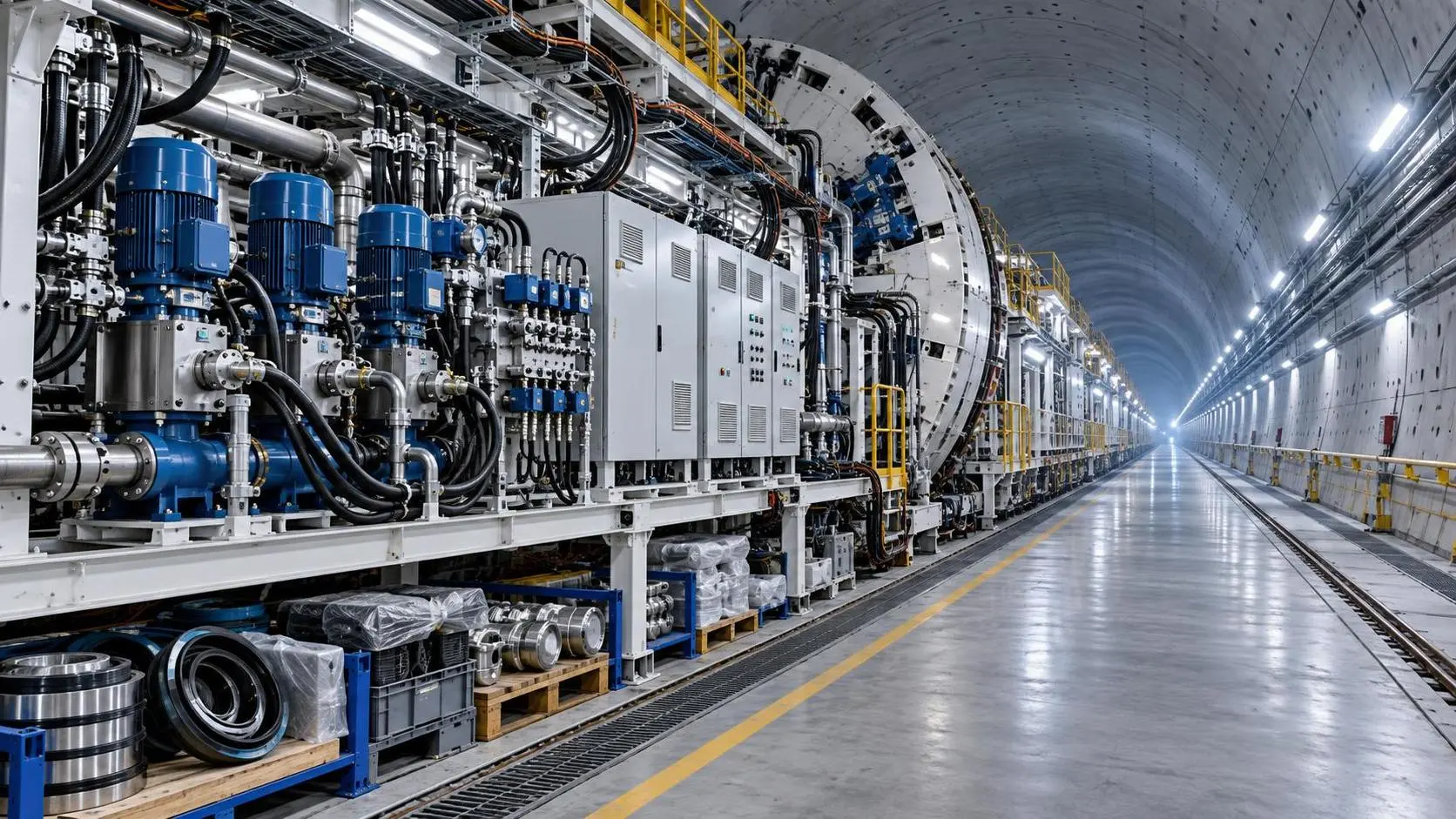
How to Specify TBM Backup System Parts for Reliable Long-Distance Tunnelling
TBM backup system parts: learn how to specify reliable spares for long-distance tunnelling, reduce downtime, ensure compatibility, and speed underground recovery.
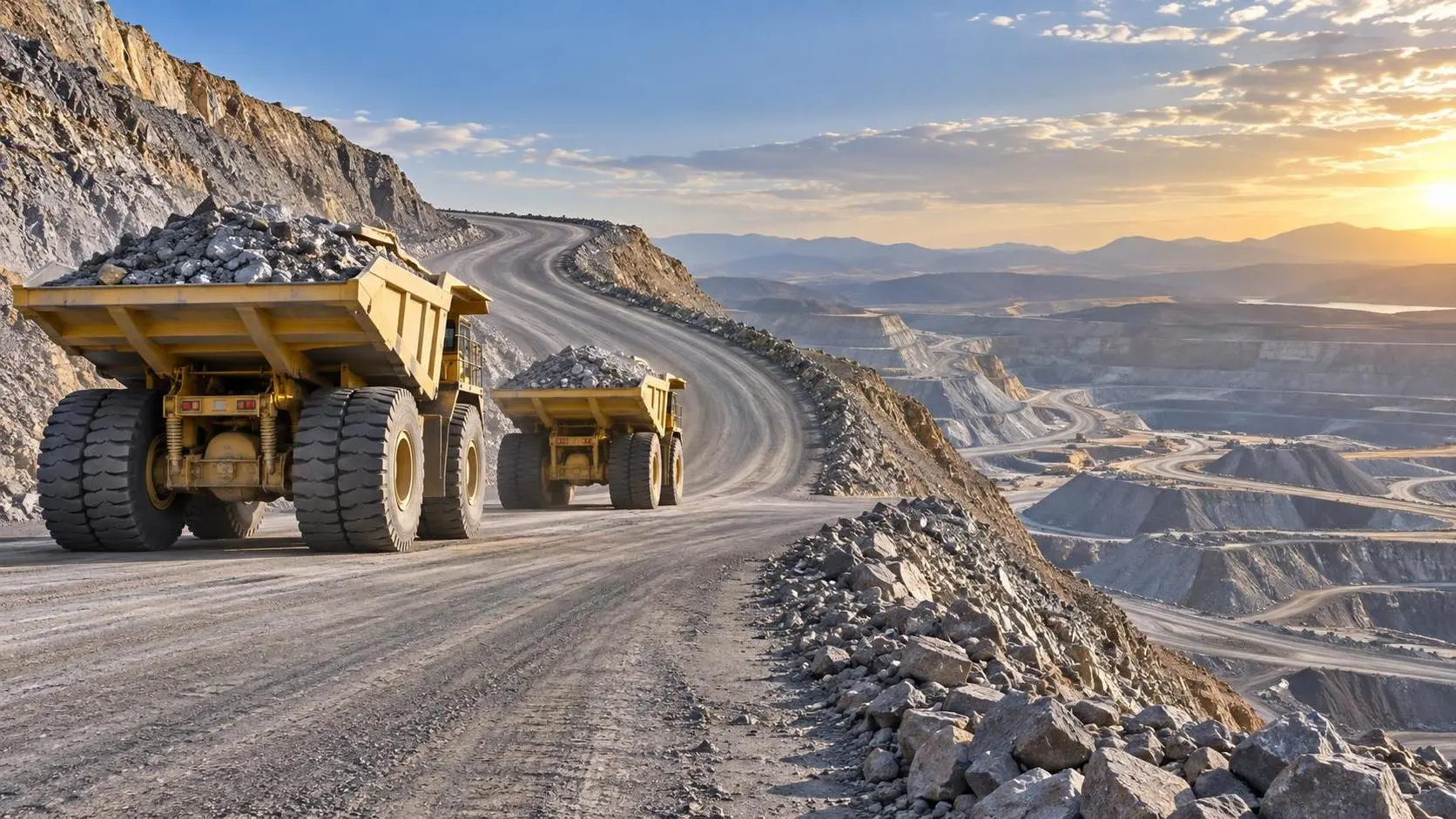
How to Size Open Pit Mining Trucks for Haul Distance, Grade, and Payload?
Open Pit Mining Trucks: learn how to match payload, haul distance, grade, road resistance, and loading capacity for safer, lower-cost mine operations.
Related News
- 00
0000-00
How to Evaluate European Drill-and-Blast Tunnelling Contractors for Complex Projects - 00
0000-00
Which Trenchless Construction Technique Fits Your Utility Crossing Conditions? - 00
0000-00
What Is Driving Metro Tunnelling Demand Across Southeast Asia’s Major Cities? - 00
0000-00
Hard Rock Tunnelling in Australia: Selecting Methods for Variable Ground Conditions - 00
0000-00
Hydropower Tunnel Excavation: Selecting Methods for Variable Rock Conditions
Weekly Insights
Stay ahead with our curated technology reports delivered every Monday.