
China Export Curbs Reach TBM Hydraulic Systems





Effective on November 8, 2026, China’s updated export controls for lithium battery equipment introduce a clearer restriction on the export of cell formulas, process parameters, and core control algorithms. Although the rule is aimed at the battery sector, the reported impact has already extended into the supply chain for high-end underground equipment, where overseas TBM integrators say Chinese-made intelligent hydraulic power units used in Slurry/EPB Shields and cutterhead control systems may face limits on technical support and delays in spare-parts firmware updates. For companies involved in procurement, export delivery, aftermarket service, and technical compliance, this is worth close attention because the issue is no longer only about physical equipment, but also about embedded software, diagnostic models, and support continuity.
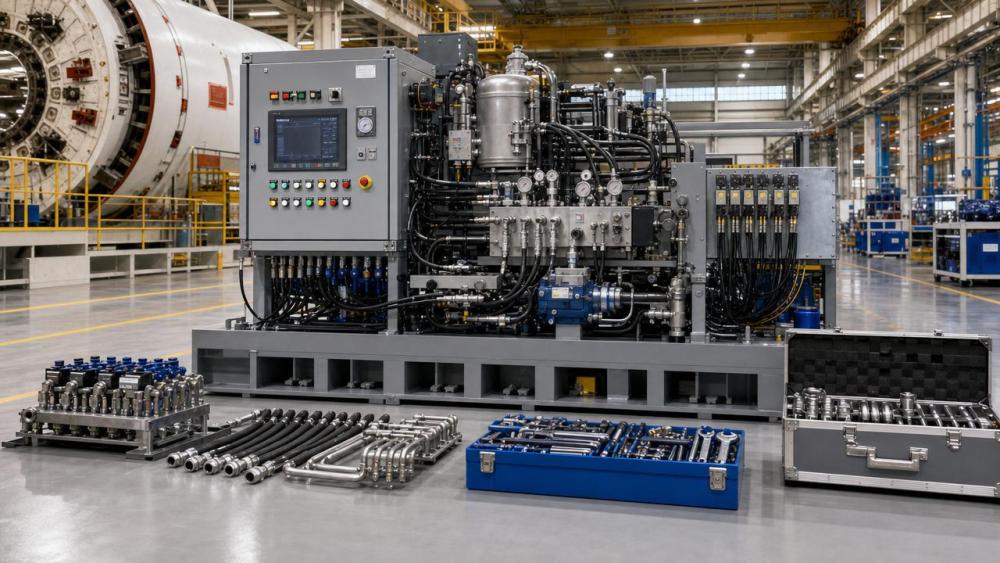
What the New Restriction Covers and Why It Is Being Noticed
The confirmed facts are limited but significant. A new Chinese export control rule for lithium battery equipment takes effect on November 8, 2026. The rule expressly prohibits the export of cell formulas, process parameters, and core control algorithms. The policy is described as battery-focused, yet multiple overseas TBM integrators have reported knock-on effects in their purchases of Chinese intelligent hydraulic power units for Slurry/EPB Shields and cutterhead control systems. According to the event summary provided, the concern is that these products rely on a shared embedded real-time operating system and fault-diagnosis model, creating risks of restricted technical support from the Chinese side and delayed firmware upgrades for spare parts.
Where the Pressure May Appear in the Supply Chain
Imported system packages with embedded control dependence
From an industry perspective, overseas buyers and TBM integrators may be affected not simply because of hardware sourcing, but because some hydraulic power units appear tied to software and model-based support elements that could become more sensitive under the new rule. The most exposed business links may include technical clarification during procurement, configuration matching before delivery, and post-installation support where firmware or control logic updates are needed.
Export-side delivery and support commitments
Analysis shows that Chinese exporters and supporting service providers may need to pay closer attention to how product scope, software content, technical documents, and service obligations are described in contracts and shipping files. If a delivered unit depends on embedded systems or diagnostic capabilities that overlap with restricted technical content, the practical pressure may emerge in licensing review, technical handover, remote support, or the timing of spare-parts release rather than in the mechanical shipment alone.
After-sales and maintenance arrangements
What deserves closer attention is the aftermarket side. Service teams, maintenance contractors, and parts coordinators may need to reassess whether firmware updates, fault-diagnosis support, or technical troubleshooting pathways remain available on the same timetable as before. Even where a machine has already been supplied, support continuity can become a compliance and delivery issue if critical updates depend on technology that falls within a tighter control boundary.
What Companies Should Track Now
Review how technical content is defined
Observably, companies should examine whether product files, bid documents, maintenance manuals, and support agreements describe embedded software, diagnostic models, or control logic in ways that could affect export handling or technical cooperation. This is especially relevant where a hydraulic unit is purchased as part of a wider TBM control package rather than as a standalone component.
Check spare-parts and firmware planning
Analysis shows that procurement teams should pay attention to whether future spare-parts supply depends on firmware loading, parameter adjustment, or vendor-side technical activation. If those steps are necessary, delivery planning may need to account for possible timing changes in approvals, support response, or document review. The input provided does not confirm a uniform execution outcome, so this remains a point for active monitoring rather than a settled result.
Revisit supplier qualification and service capability
For buyers and project contractors, it is reasonable to verify not only equipment specifications, but also the supplier’s ability to maintain compliant technical support, provide version-controlled documentation, and sustain traceable after-sales processes under a more restrictive rule environment. The key issue is whether compliance risk sits inside the support chain as much as inside the shipment itself.
Watch for changes in tender and compliance language
It is more appropriate to understand this stage as one where companies should monitor how tender documents, technical specifications, and compliance checklists evolve in response to the rule. If project owners or integrators begin asking for clearer disclosures on software origin, update pathways, or service autonomy, that would signal that the policy is being translated into operational procurement requirements.
Why This Looks Like an Execution Signal Rather Than a Closed Case
Analysis shows that this development should not be read only as a battery-sector compliance story. The more important signal is that export controls aimed at one industrial domain may affect adjacent equipment categories when they share embedded operating systems, diagnostic models, or algorithm-dependent support structures. At the same time, the current information does not establish a complete enforcement framework for every affected product scenario. It is therefore more appropriate to understand this as an active execution signal with cross-sector implications, while continuing to observe how compliance boundaries are interpreted in practice.
How the Market May Need to Read This Development
From an industry perspective, the main significance of this event is not that all related TBM hydraulic products have reached a final compliance outcome, but that the rule change has introduced a more practical question for supply chains: whether technical supportability and firmware continuity can remain stable when embedded software and diagnostic functions are connected to controlled know-how. A cautious reading is more suitable than a dramatic one. At this point, the event is best understood as a rule change with visible spillover into equipment procurement and service delivery, and one that still requires continued observation of implementation details and market response.
Basis of This Article and What Still Needs Verification
This article is generated from the user-provided news title, effective date, and event summary. For developments of this type, source categories usually worth checking include official notices, releases from regulatory authorities, customs or trade administration information, industry association updates, standards-related documents, and reporting by established professional media. No specific official source link was provided in the input, so the official source trail remains to be verified on an ongoing basis. Further observation is still needed on implementation details, compliance interpretation, tender document changes, industry feedback, and how companies handle support and delivery in practice.
Related News
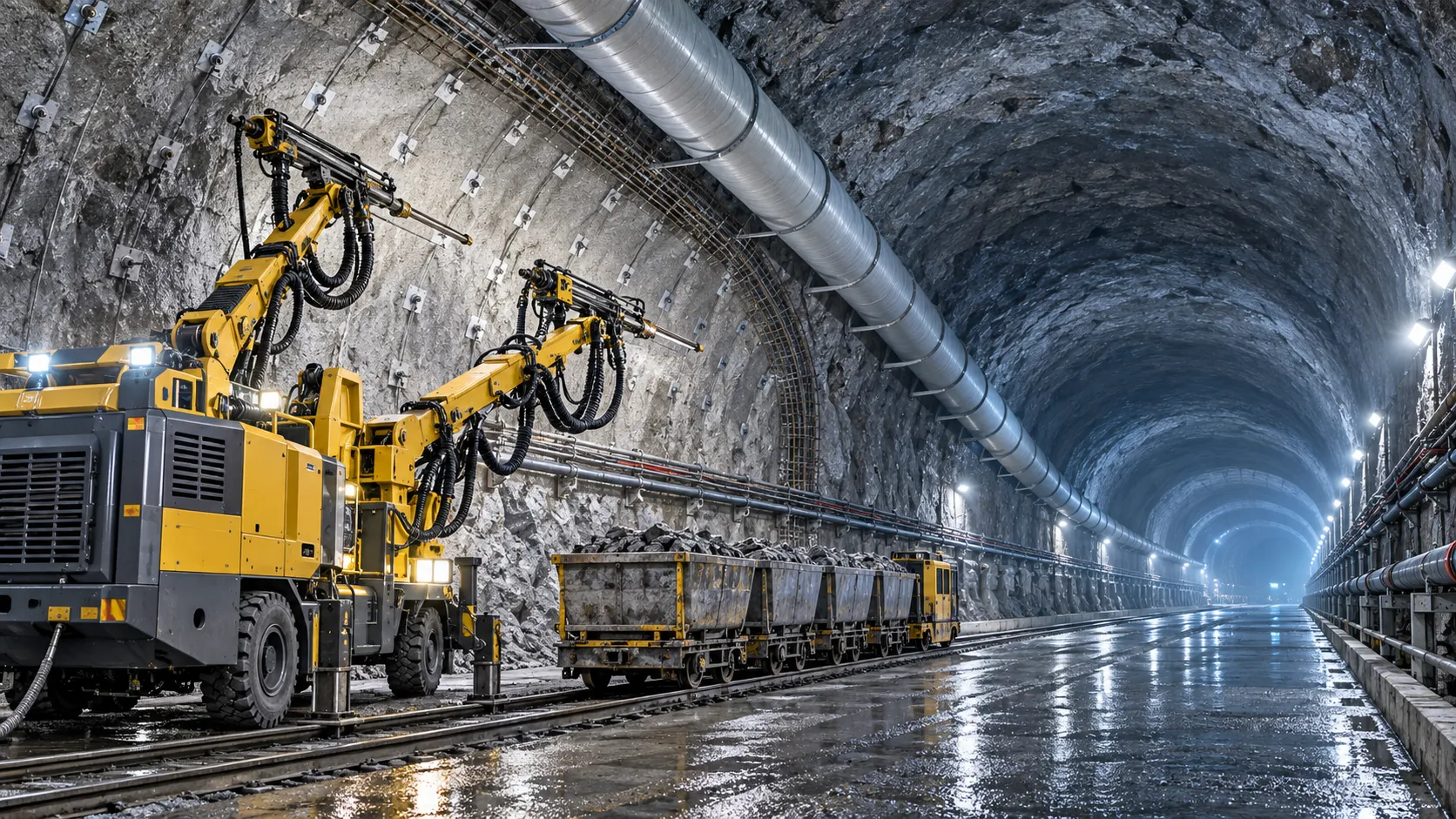
How to Evaluate European Drill-and-Blast Tunnelling Contractors for Complex Projects
Drill and blast tunnelling contractors Europe: learn how to assess geology expertise, blast control, equipment reliability, safety, and programme resilience for complex projects.
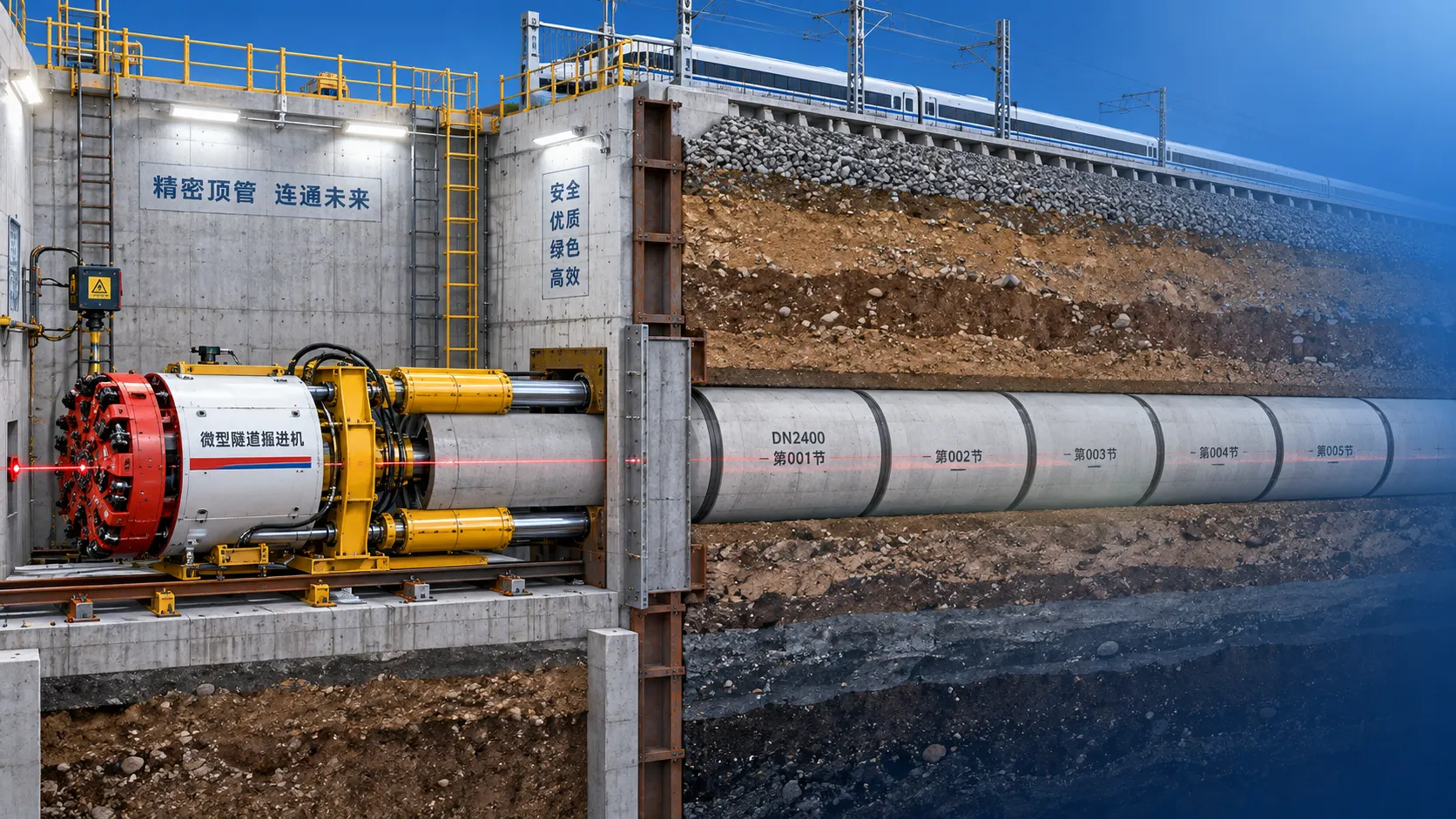
Which Trenchless Construction Technique Fits Your Utility Crossing Conditions?
Trenchless construction techniques compared for utility crossings: choose HDD, microtunnelling, pipe jacking, or auger boring based on ground, accuracy, access, and risk.
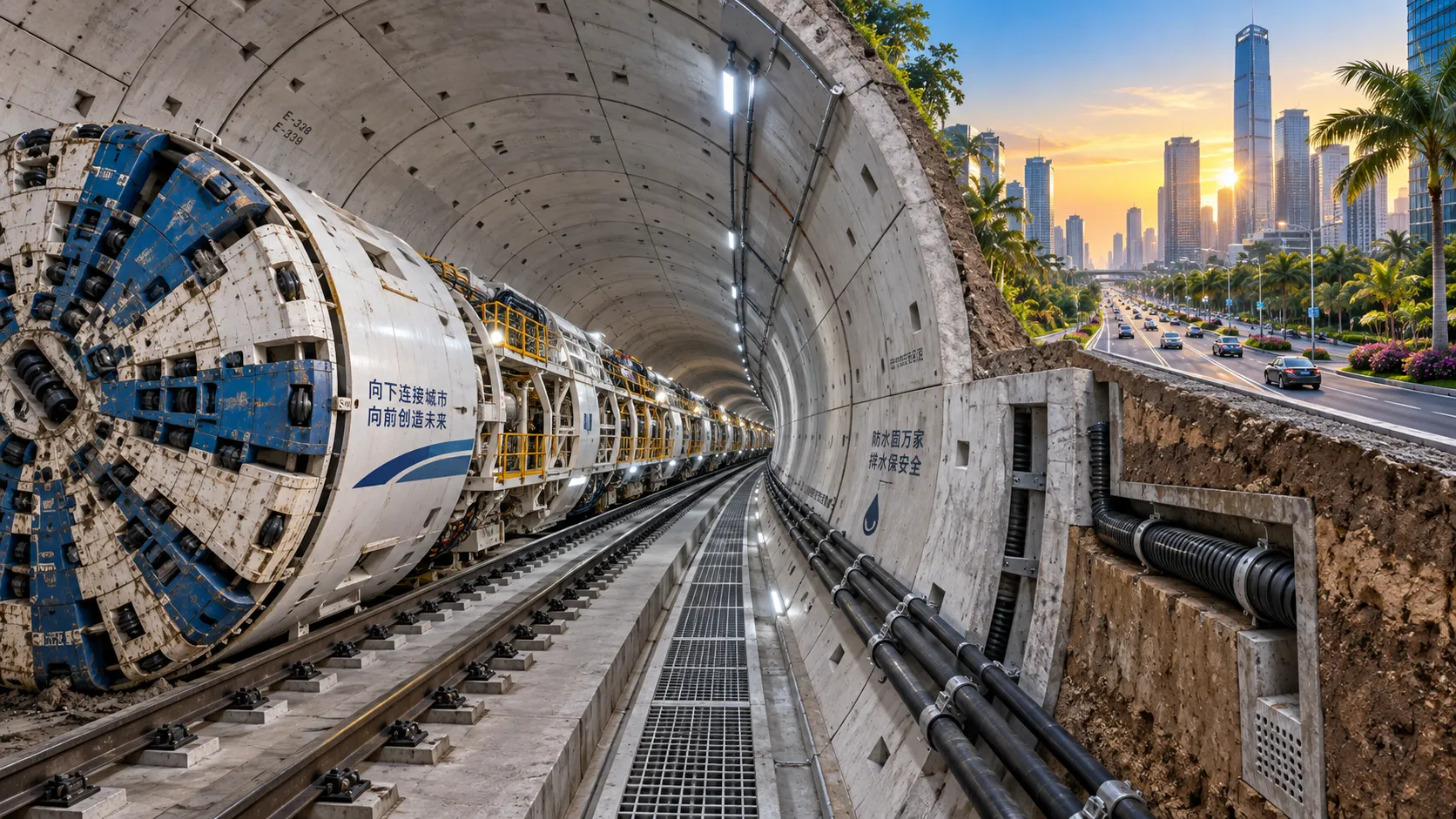
What Is Driving Metro Tunnelling Demand Across Southeast Asia’s Major Cities?
Metro tunnelling Southeast Asia is accelerating as major cities tackle congestion, flooding, and connectivity. Explore the market forces, technical risks, and opportunities shaping demand.
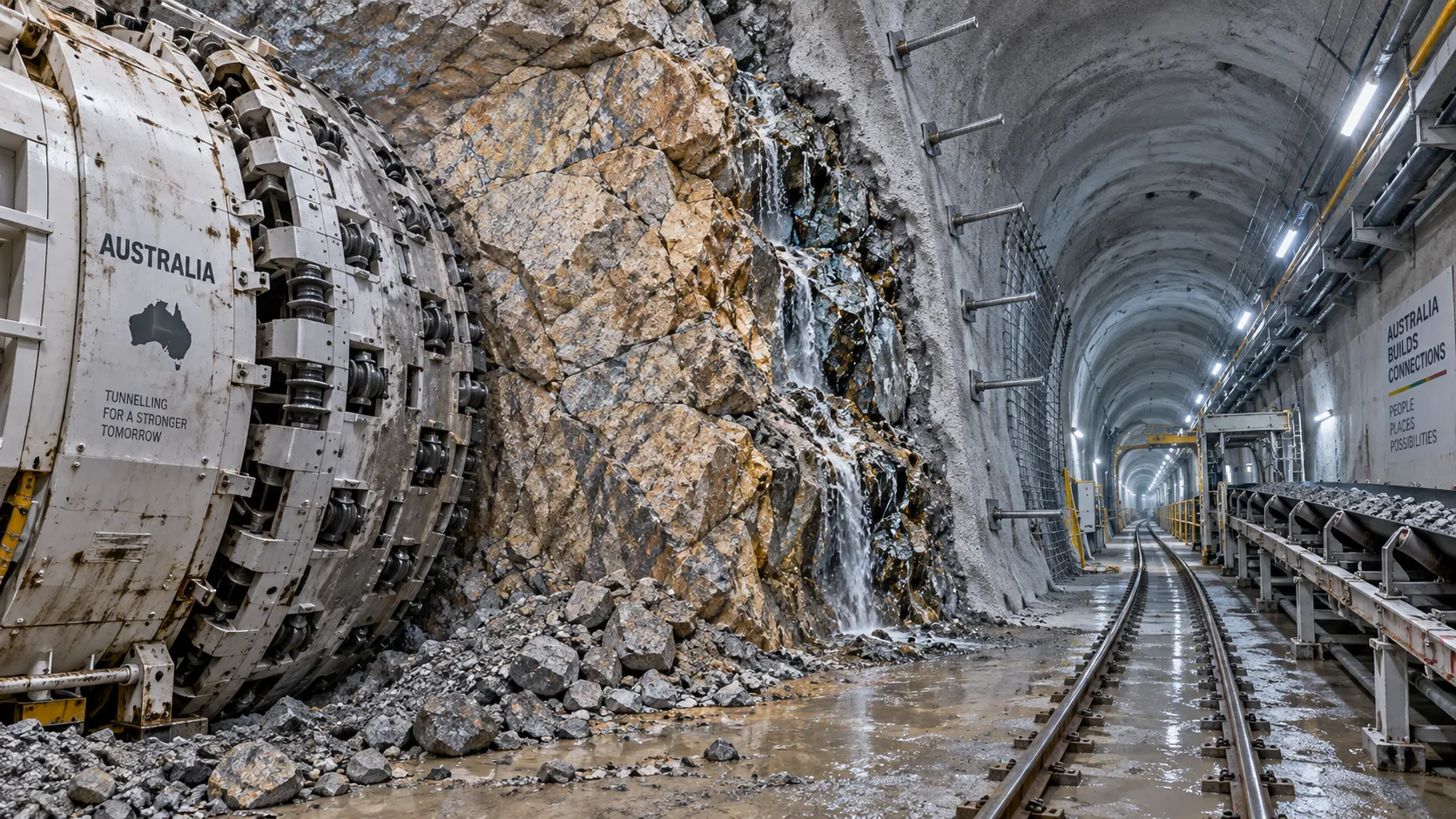
Hard Rock Tunnelling in Australia: Selecting Methods for Variable Ground Conditions
Hard rock tunnelling in Australia: compare TBM, drill-and-blast and hybrid methods to manage variable ground, reduce risk and protect project costs.
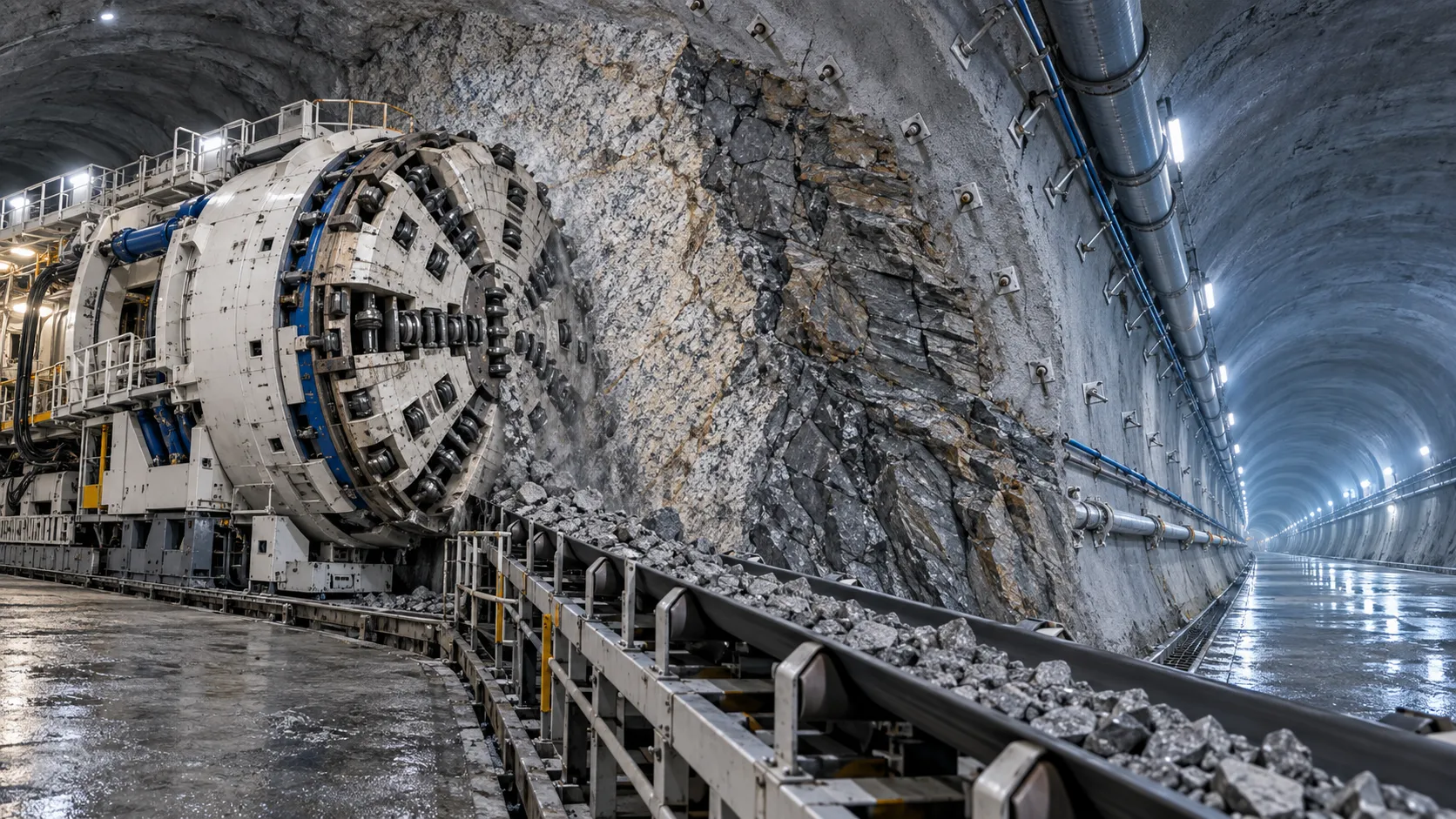
Hydropower Tunnel Excavation: Selecting Methods for Variable Rock Conditions
Hydropower tunnel excavation methods for variable rock conditions: compare TBM, drill-and-blast, and hybrid strategies to improve safety, progress, and project control.
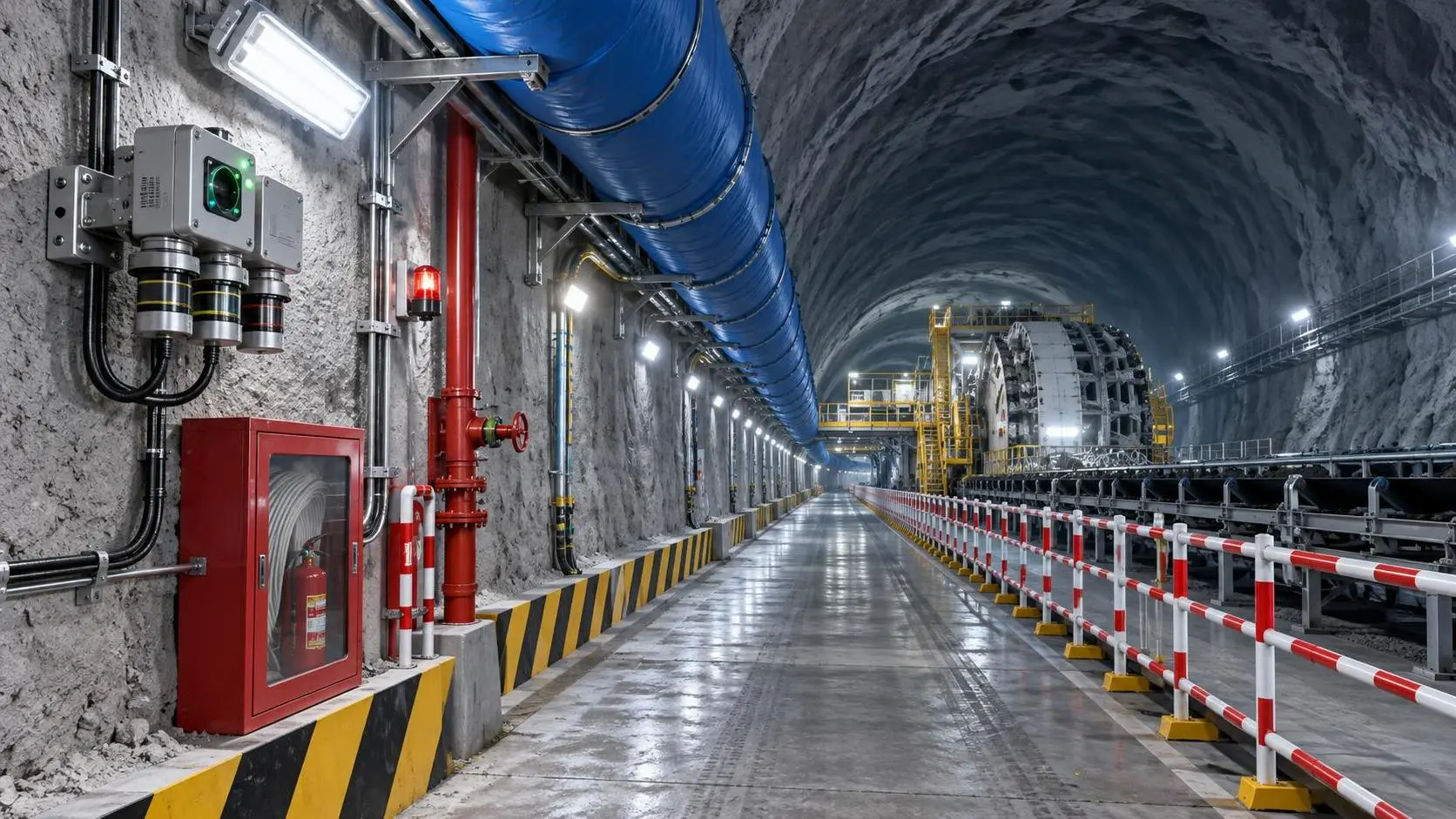
How to Select Underground Safety Equipment for Tunnelling by Hazard and Work Zone
Underground Safety Equipment for tunnelling: match protection to hazards, work zones, compliance, and emergency needs with this practical selection guide.
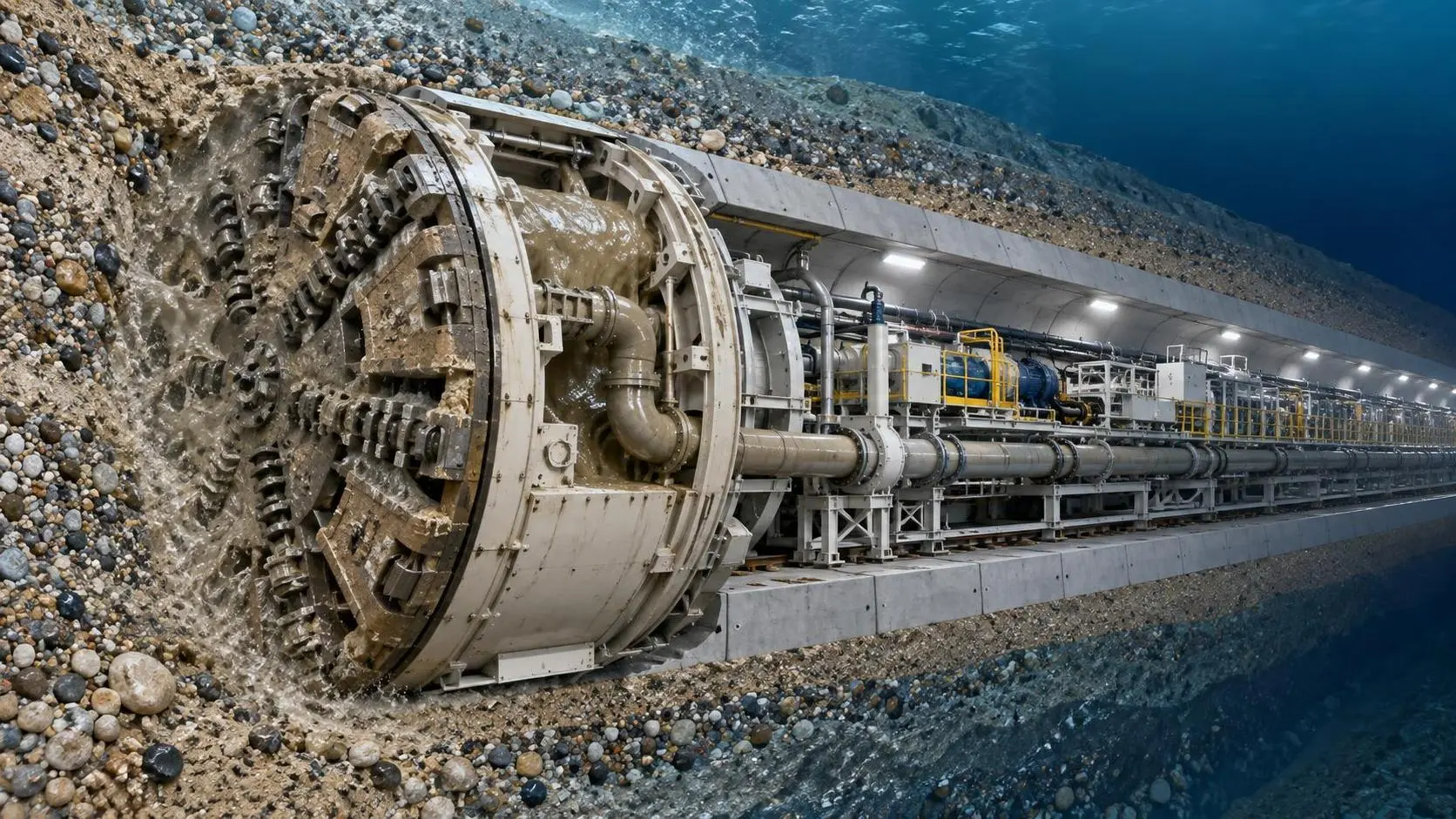
EPB or Slurry Shield? Selecting Soft-Ground Tunnelling Equipment by Soil Conditions
Tunnel Excavation Equipment for soft ground: compare EPB and slurry shields by soil, groundwater, settlement risk, and project logistics to choose confidently.
How to Specify TBM Backup System Parts for Reliable Long-Distance Tunnelling
TBM backup system parts: learn how to specify reliable spares for long-distance tunnelling, reduce downtime, ensure compatibility, and speed underground recovery.

How to Size Open Pit Mining Trucks for Haul Distance, Grade, and Payload?
Open Pit Mining Trucks: learn how to match payload, haul distance, grade, road resistance, and loading capacity for safer, lower-cost mine operations.
Related News
- 00
0000-00
How to Evaluate European Drill-and-Blast Tunnelling Contractors for Complex Projects - 00
0000-00
Which Trenchless Construction Technique Fits Your Utility Crossing Conditions? - 00
0000-00
What Is Driving Metro Tunnelling Demand Across Southeast Asia’s Major Cities? - 00
0000-00
Hard Rock Tunnelling in Australia: Selecting Methods for Variable Ground Conditions - 00
0000-00
Hydropower Tunnel Excavation: Selecting Methods for Variable Rock Conditions
Weekly Insights
Stay ahead with our curated technology reports delivered every Monday.