
Taweelah C EPC Signals New Demand for Slurry/EPB Shields





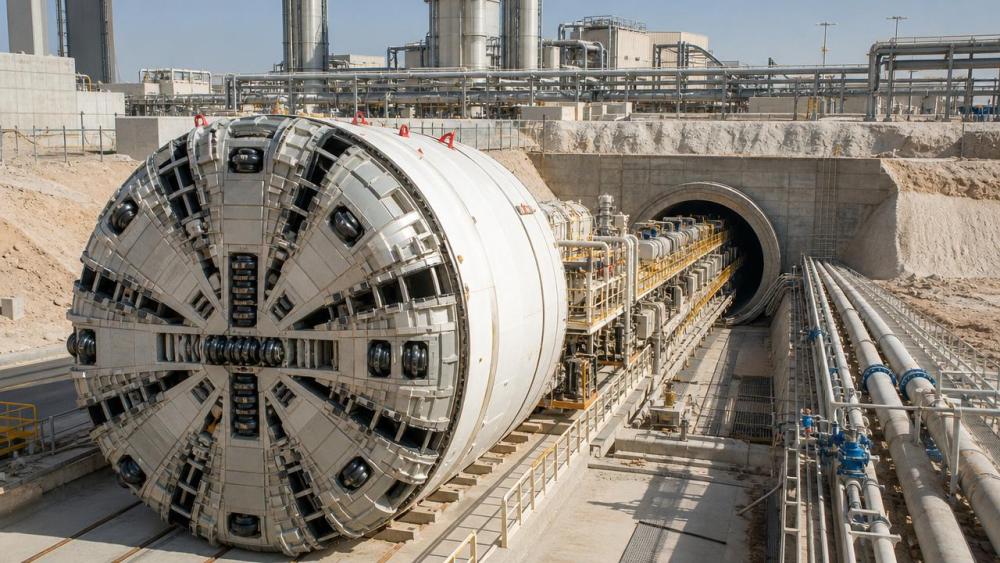
On June 13, 2026, the signing of the EPC contract for the Taweelah C gas-fired combined cycle power project in Abu Dhabi turned a technical equipment choice into a practical market signal: the project requires high-sealing Slurry/EPB Shields for water-bearing sand and mixed ground conditions in associated underground works. For exporters of tunnelling equipment, regional importers, localization partners, and suppliers tied to geology-specific cutterhead solutions, the development is worth attention not simply as a project update, but as an indication that procurement, technical compliance, delivery readiness, and supporting service expectations are moving closer to execution.
What the signed project requirement confirms
Confirmed information shows that on June 13, 2026, a China Energy Engineering consortium formally signed the EPC contract for the Taweelah C gas-fired combined cycle power station in Abu Dhabi, with a contract value of USD 1.687 billion.
The project includes a dual-fuel combined cycle system together with an underground main plant, cooling water tunnels, and pressure pipeline systems.
The project summary also makes clear that high-sealing Slurry/EPB Shields are required to pass through water-bearing sand layers and mixed soft-hard ground conditions.
Based on the provided event summary, the order directly opens an overseas delivery window for high-end shield equipment and sends a clear procurement signal to EPB shield importers in the Middle East, local service partners, and suppliers of geology-adapted cutterheads.
Why this matters across trade and delivery chains
Equipment exporters face a more specification-led sales process
From an industry perspective, exporters of Slurry/EPB Shields may be affected because the project signal is not only about equipment demand, but about demand tied to specific ground adaptability and sealing performance. The business impact is likely to appear first in technical bid alignment, documentation preparation, specification matching, and delivery planning. What deserves closer attention is whether product dossiers, technical descriptions, and performance evidence can clearly respond to project-side requirements rather than relying on general product promotion.
Import and channel participants need closer control of procurement compliance
For importers and channel-side participants serving the regional market, the key influence lies in procurement screening and contract execution. Analysis shows that once a project requirement explicitly points to high-sealing Slurry/EPB Shields, buyers and intermediaries may need to pay closer attention to equipment configuration consistency, supporting technical files, and the completeness of trade and delivery documents. In practical terms, this raises the importance of checking whether procurement packages, supplier qualifications, and shipment documentation are aligned with the stated application conditions.
Local service partners move closer to the delivery threshold
Local service partners may be affected because shield equipment exports are rarely judged only at the point of shipment. Observably, once an overseas delivery window opens, service capability becomes part of commercial feasibility, especially where underground works involve challenging water-bearing and mixed ground conditions. The main impact is likely to fall on installation support, commissioning coordination, maintenance response, and quality traceability. For these participants, the rule change is less about a new written regulation and more about an execution requirement emerging from project-side technical conditions.
Cutterhead and supporting suppliers must align with geology-specific demand
Suppliers connected to geology-adapted cutterheads may also see a more direct procurement path, because the event summary explicitly links equipment choice to ground conditions. Analysis shows that the influence here may center on technical compatibility reviews, supporting component selection, and supply-chain timing. Companies in this segment should watch for changes in tender wording, supporting specifications, and delivery interfaces that could affect whether their products qualify as part of a complete solution.
What companies should monitor next
Check whether technical files can support the stated ground conditions
Companies involved in export, import, or project support should pay attention to whether their technical documents clearly address high sealing performance, water-bearing sand, and mixed soft-hard geology. The event summary does not provide detailed execution standards, so this should be treated as a compliance focus to monitor rather than as a fully defined acceptance framework.
Prepare document sets around procurement and delivery consistency
What deserves closer attention is the completeness and consistency of procurement-facing materials, including technical descriptions, inspection-related records, product configuration lists, and contract-supporting files. Because the provided information points to a clear equipment requirement but not to a full rulebook, companies should be cautious about assuming that standard document packages will be sufficient in every procurement stage.
Track supplier readiness and service interfaces early
For suppliers and service partners, delivery timing is only one part of readiness. Analysis shows that qualification review, supply coordination, and after-sales interface planning may become important earlier in the transaction cycle when projects involve specialized underground construction equipment. Businesses should therefore monitor how future procurement documents define service scope, technical support responsibilities, and traceability expectations.
Watch for follow-up wording in tenders and execution documents
The current information confirms a signed EPC contract and a specified equipment direction, but it does not provide the full downstream execution language. It is more appropriate to understand this as a signal to watch subsequent tender files, technical annexes, and procurement wording closely, especially where they may affect admissibility, equipment matching, or supporting service obligations.
How this signal should be read at this stage
Analysis shows that this development is best understood as an execution-oriented market signal rather than as a broad policy shift announced in abstract terms. The noteworthy point is that project-side technical requirements are now visibly shaping trade opportunities for high-end shield equipment and related service chains. At the same time, it would be premature to treat the event alone as proof of a fully standardized regional procurement framework, because the provided information does not include detailed certification rules, formal regulatory text, or finalized downstream tender clauses.
Observably, the industry should continue to watch whether this requirement remains project-specific or begins to appear more frequently in comparable procurement settings. That distinction matters for exporters, importers, service firms, and component suppliers deciding how much to invest in document preparation, localized support, and inventory planning.
A practical reading for the market
The Taweelah C EPC signing matters because it links a confirmed infrastructure order to a clearly stated equipment requirement, and that linkage affects how companies should think about trade preparation, technical compliance, and delivery support. From an industry perspective, the event is less a standalone news item than a concrete indication that high-specification Slurry/EPB Shield demand may move into actionable procurement pathways.
At the current stage, it is more appropriate to understand this as a landed execution signal with follow-up details still worth tracking, rather than as a completed set of settled market rules. The most rational response is continued attention to procurement wording, supporting technical evidence, and how project requirements translate into actual supplier selection and delivery practice.
Basis of this article and items requiring verification
This article is generated from the user-provided news title, event date, and event summary. For events of this kind, commonly relevant source types may include official project announcements, releases from regulatory bodies, customs or trade authority information, industry association updates, standards organization documents, and reporting by authoritative media.
No specific official source link was provided in the input, so any official source link and downstream execution details still require ongoing verification. Further observation should focus on follow-up policy details, certification interpretations, tender document changes, industry feedback, and actual company-level execution after the contract signing.
Related News
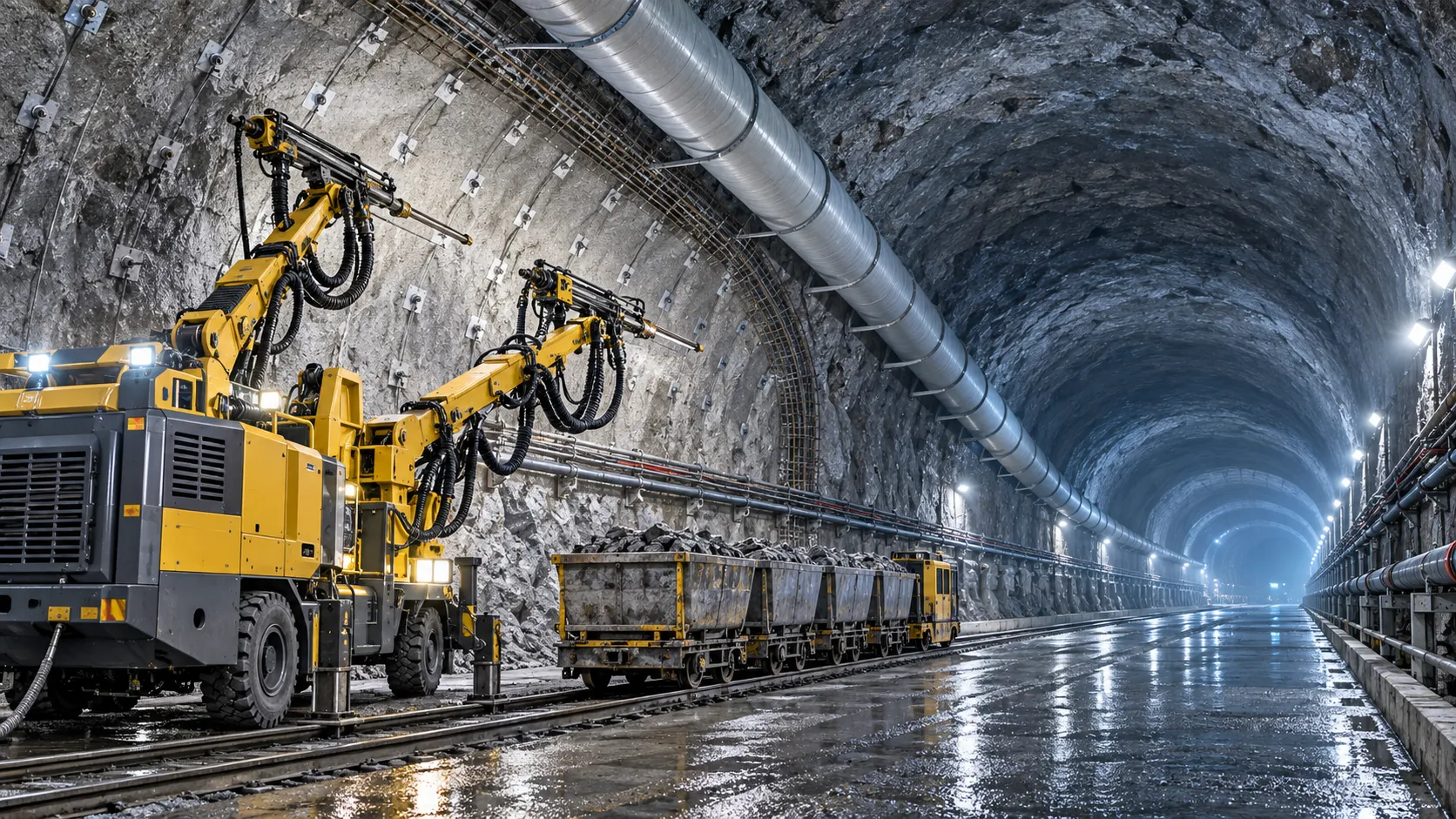
How to Evaluate European Drill-and-Blast Tunnelling Contractors for Complex Projects
Drill and blast tunnelling contractors Europe: learn how to assess geology expertise, blast control, equipment reliability, safety, and programme resilience for complex projects.
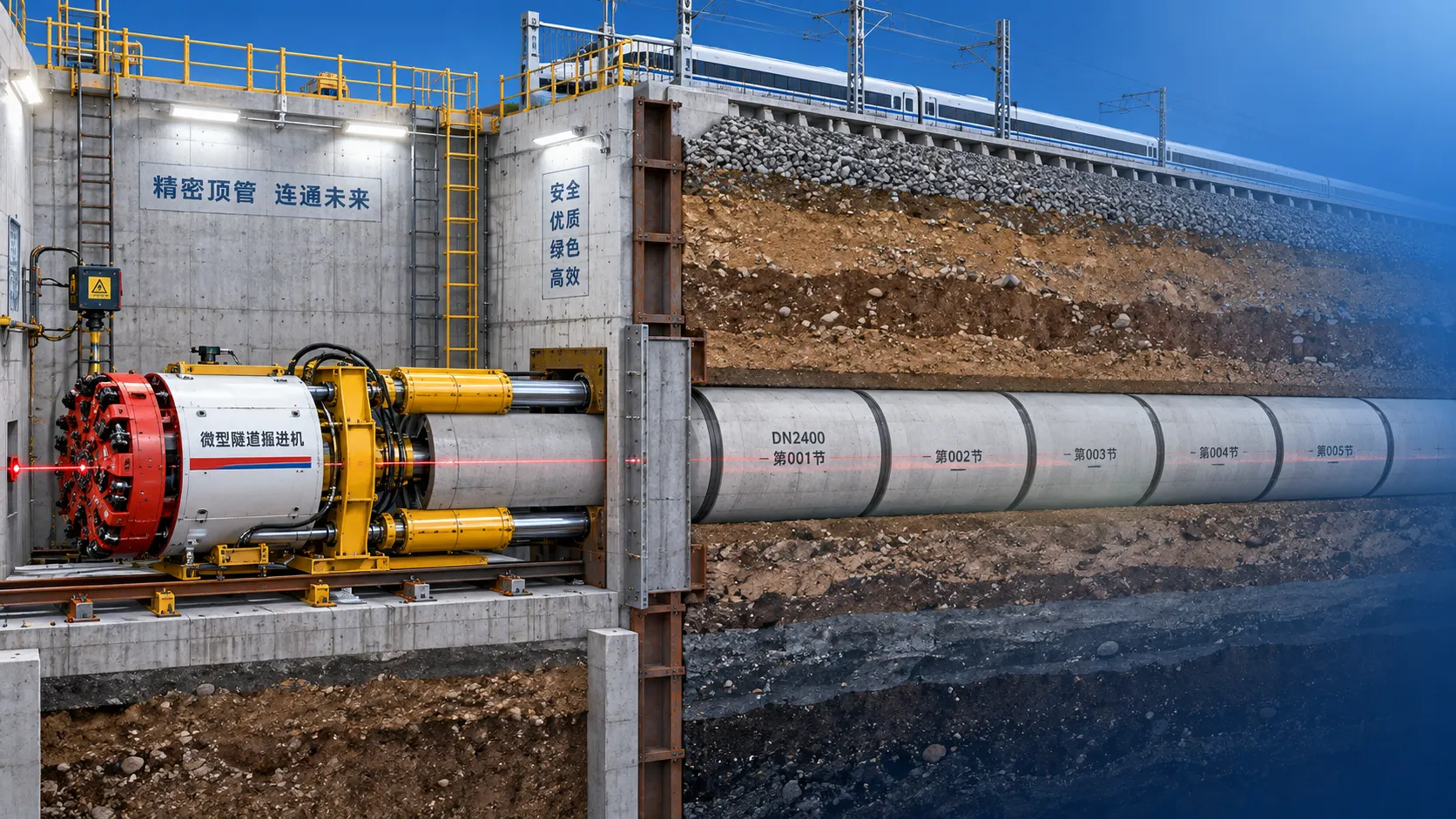
Which Trenchless Construction Technique Fits Your Utility Crossing Conditions?
Trenchless construction techniques compared for utility crossings: choose HDD, microtunnelling, pipe jacking, or auger boring based on ground, accuracy, access, and risk.

What Is Driving Metro Tunnelling Demand Across Southeast Asia’s Major Cities?
Metro tunnelling Southeast Asia is accelerating as major cities tackle congestion, flooding, and connectivity. Explore the market forces, technical risks, and opportunities shaping demand.
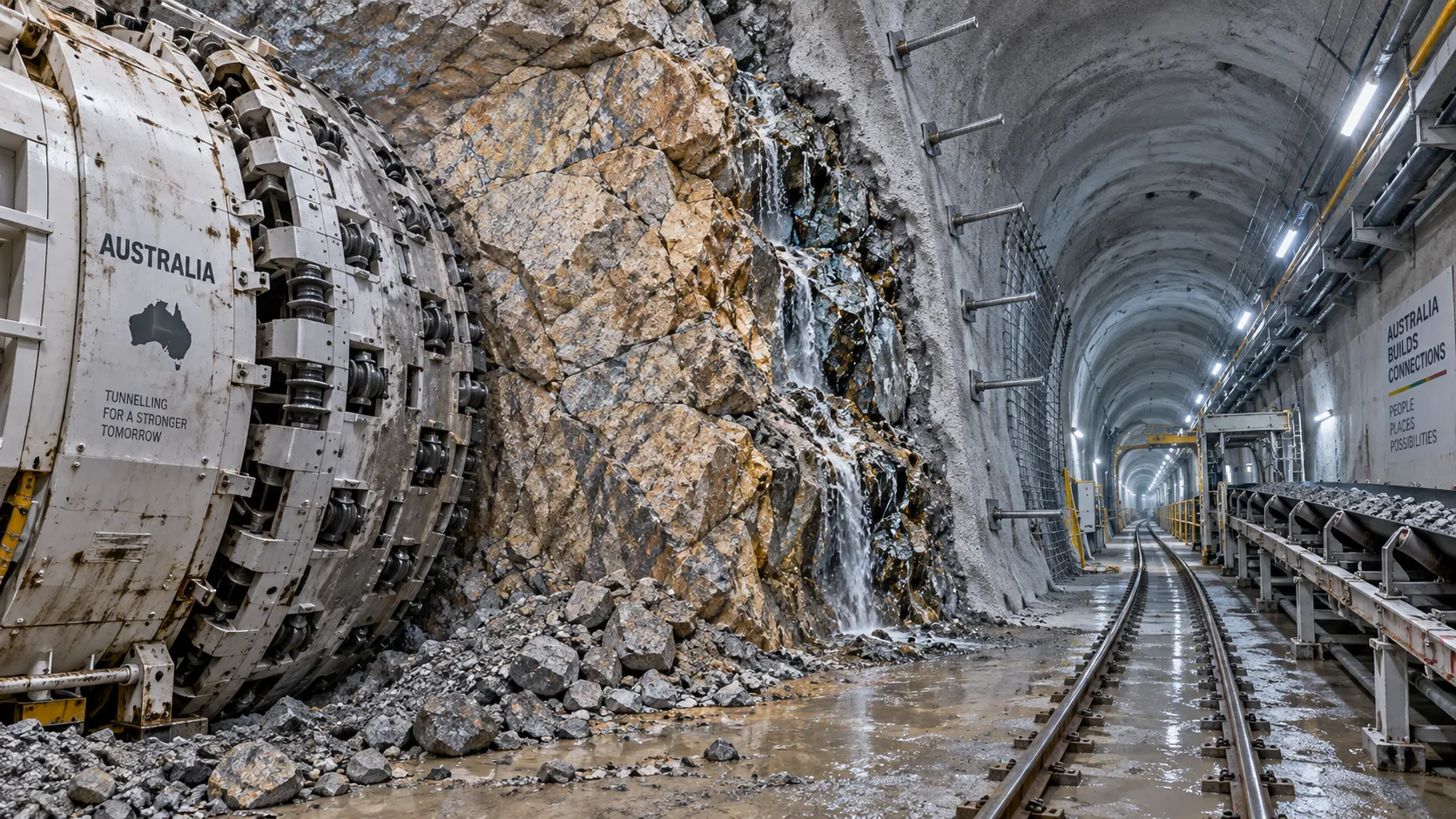
Hard Rock Tunnelling in Australia: Selecting Methods for Variable Ground Conditions
Hard rock tunnelling in Australia: compare TBM, drill-and-blast and hybrid methods to manage variable ground, reduce risk and protect project costs.
Hydropower Tunnel Excavation: Selecting Methods for Variable Rock Conditions
Hydropower tunnel excavation methods for variable rock conditions: compare TBM, drill-and-blast, and hybrid strategies to improve safety, progress, and project control.
How to Select Underground Safety Equipment for Tunnelling by Hazard and Work Zone
Underground Safety Equipment for tunnelling: match protection to hazards, work zones, compliance, and emergency needs with this practical selection guide.

EPB or Slurry Shield? Selecting Soft-Ground Tunnelling Equipment by Soil Conditions
Tunnel Excavation Equipment for soft ground: compare EPB and slurry shields by soil, groundwater, settlement risk, and project logistics to choose confidently.

How to Specify TBM Backup System Parts for Reliable Long-Distance Tunnelling
TBM backup system parts: learn how to specify reliable spares for long-distance tunnelling, reduce downtime, ensure compatibility, and speed underground recovery.

How to Size Open Pit Mining Trucks for Haul Distance, Grade, and Payload?
Open Pit Mining Trucks: learn how to match payload, haul distance, grade, road resistance, and loading capacity for safer, lower-cost mine operations.
Related News
- 00
0000-00
How to Evaluate European Drill-and-Blast Tunnelling Contractors for Complex Projects - 00
0000-00
Which Trenchless Construction Technique Fits Your Utility Crossing Conditions? - 00
0000-00
What Is Driving Metro Tunnelling Demand Across Southeast Asia’s Major Cities? - 00
0000-00
Hard Rock Tunnelling in Australia: Selecting Methods for Variable Ground Conditions - 00
0000-00
Hydropower Tunnel Excavation: Selecting Methods for Variable Rock Conditions
Weekly Insights
Stay ahead with our curated technology reports delivered every Monday.