
EU TBM CE Rule Adds AI Safety Audit Requirement





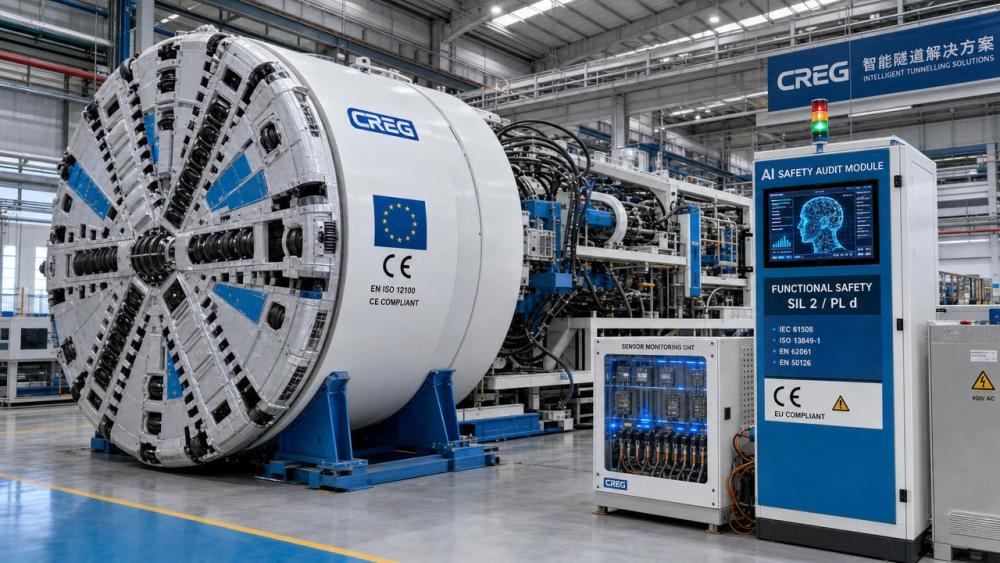
On June 7, 2026, a revised measure under the EU Machinery Directive (2006/42/EC) took effect, introducing a new CE-related compliance requirement for full-face tunnel boring machines entering the EU market from July 1, 2026. The change requires complete TBM units and core subsystems to carry a pre-installed AI-driven safety audit module meeting EN 50128 SIL2 certification, making this a practical issue for equipment manufacturers, exporters, certification-related service providers, procurement teams, and delivery planning across the TBM supply chain.
What the new CE requirement now covers
The confirmed change is that all full-face tunnel boring machines and their core subsystems placed on the EU market from July 1, 2026 must be equipped in advance with an AI-driven safety audit module.
The required module must comply with EN 50128 SIL2 certification.
According to the provided event summary, the module is intended for real-time monitoring of cutterhead torque anomalies, response delays to surrounding rock changes, and the integrity of remote operation links.
The same summary states that the rule directly affects the compliance retrofit cycle and delivery cost of Chinese TBM exporters, and creates urgent technical adaptation pressure for manufacturers of Slurry/EPB Shields and Hard Rock TBMs.
Where the immediate pressure is likely to appear
Export projects moving toward EU market entry
From an industry perspective, exporters are likely to feel the first impact because the requirement is tied to market access timing. The practical pressure point is not only product configuration, but also whether technical files, compliance review materials, and delivery schedules can align with the new CE requirement before equipment enters the EU market.
Manufacturers of complete machines and core subsystems
For OEMs and subsystem suppliers, the rule matters because it applies not only to complete TBM units but also to core subsystems. Analysis shows that design adaptation, embedded module integration, interface verification, and certification preparation may become linked tasks rather than separate steps, especially for Slurry/EPB Shields and Hard Rock TBMs specifically mentioned in the event summary.
Procurement and supply-chain coordination
Procurement teams and supply-chain service participants may need to pay closer attention to supplier qualification, technical specification alignment, and document readiness. What deserves closer attention is whether purchase specifications, bid documents, and delivery acceptance conditions begin to reflect the AI safety audit module requirement as a mandatory item.
Certification and inspection-related services
Certification-related companies and testing service institutions may also face a more active role in project execution. Observably, once EN 50128 SIL2 becomes part of the required configuration path described in the event summary, technical evidence, compliance review logic, and supporting documentation may carry more weight in export preparation and final delivery acceptance.
What companies should review now
Check whether current configurations already match the new threshold
Analysis shows that companies supplying TBMs or core subsystems for the EU market should first review whether current machine architecture already includes an AI-driven safety audit module that can be presented as meeting the stated requirement. If not, the issue is likely to affect both retrofit planning and shipment timing.
Re-examine certification and technical file readiness
Because the provided summary explicitly links the module to EN 50128 SIL2 certification, companies should closely review certification pathways, technical documentation, and internal compliance files. This is especially relevant where CE-related documentation, subsystem descriptions, or control-system materials may need updating.
Watch contract, bidding, and delivery language
It is more appropriate to understand the current stage as one where commercial and technical documents need careful monitoring. Companies should pay attention to whether customers, distributors, or project owners begin adding this requirement to tender specifications, procurement clauses, acceptance criteria, or delivery conditions.
Prepare for after-sales and traceability questions
Observably, a rule focused on real-time monitoring and remote operation link integrity may also lead buyers to ask more detailed questions about post-delivery support, fault records, and traceability arrangements. The provided information does not define those execution details, so this remains an area to monitor rather than a confirmed compliance outcome.
How this change is best interpreted at this stage
Analysis shows that this development is more than a general policy signal because the event summary provides both an effective date and a market-entry trigger tied to specific equipment categories and subsystem scope. At the same time, it should not yet be treated as a fully transparent execution framework, because the input does not provide further detail on official interpretive guidance, review procedures, or project-level enforcement practice.
From an industry perspective, the most relevant takeaway is that CE compliance for TBMs entering the EU market is being linked more directly to embedded functional safety and audit capability. What deserves closer attention is how this requirement is reflected in certification practice, procurement documents, and delivery review across upcoming export projects.
Why the market will keep watching implementation details
This event is best understood as a confirmed rule change with immediate planning implications, rather than as a complete picture of implementation. The requirement is already concrete enough to affect compliance preparation, technical adaptation, and delivery cost considerations, especially for exporters and manufacturers serving the EU market.
At the same time, a neutral reading remains important. The current information supports the conclusion that companies should treat this as a live compliance and project-execution issue, while continuing to monitor how certification interpretation, bid documents, and market feedback evolve in practice.
Basis of this article and points still to verify
This article is generated from the user-provided news title, event date, and event summary. For developments of this kind, commonly relevant source types may include official regulatory notices, releases from supervisory authorities, trade or customs-related information, industry association updates, standards organization documents, and reporting by established professional media.
A specific official source link was not provided in the input, so the exact official publication path still requires follow-up verification. Observably, the areas that remain worth tracking include any further policy detail, certification interpretation, tender document changes, market feedback, and how affected companies implement the requirement in practice.
Related News
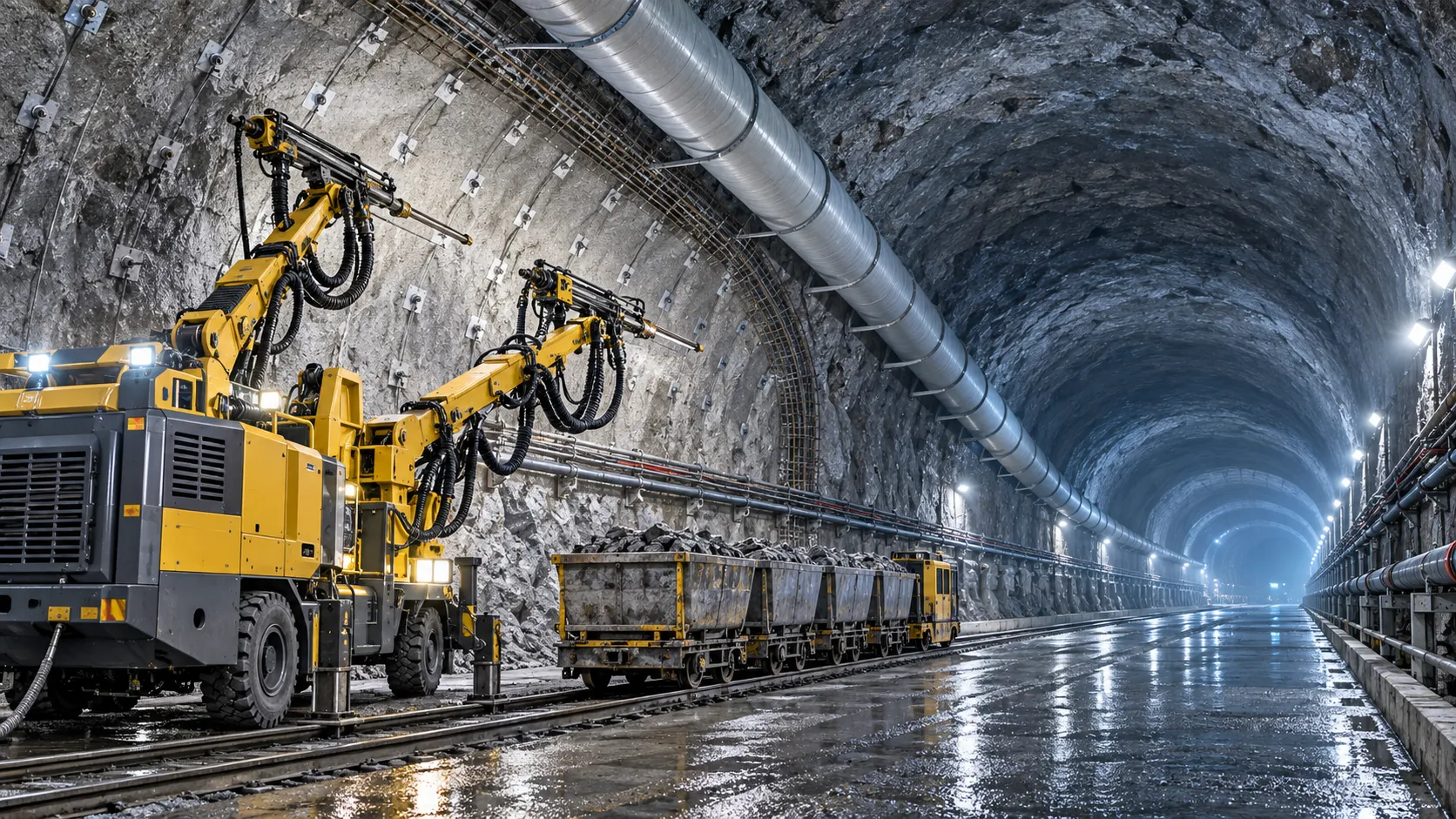
How to Evaluate European Drill-and-Blast Tunnelling Contractors for Complex Projects
Drill and blast tunnelling contractors Europe: learn how to assess geology expertise, blast control, equipment reliability, safety, and programme resilience for complex projects.
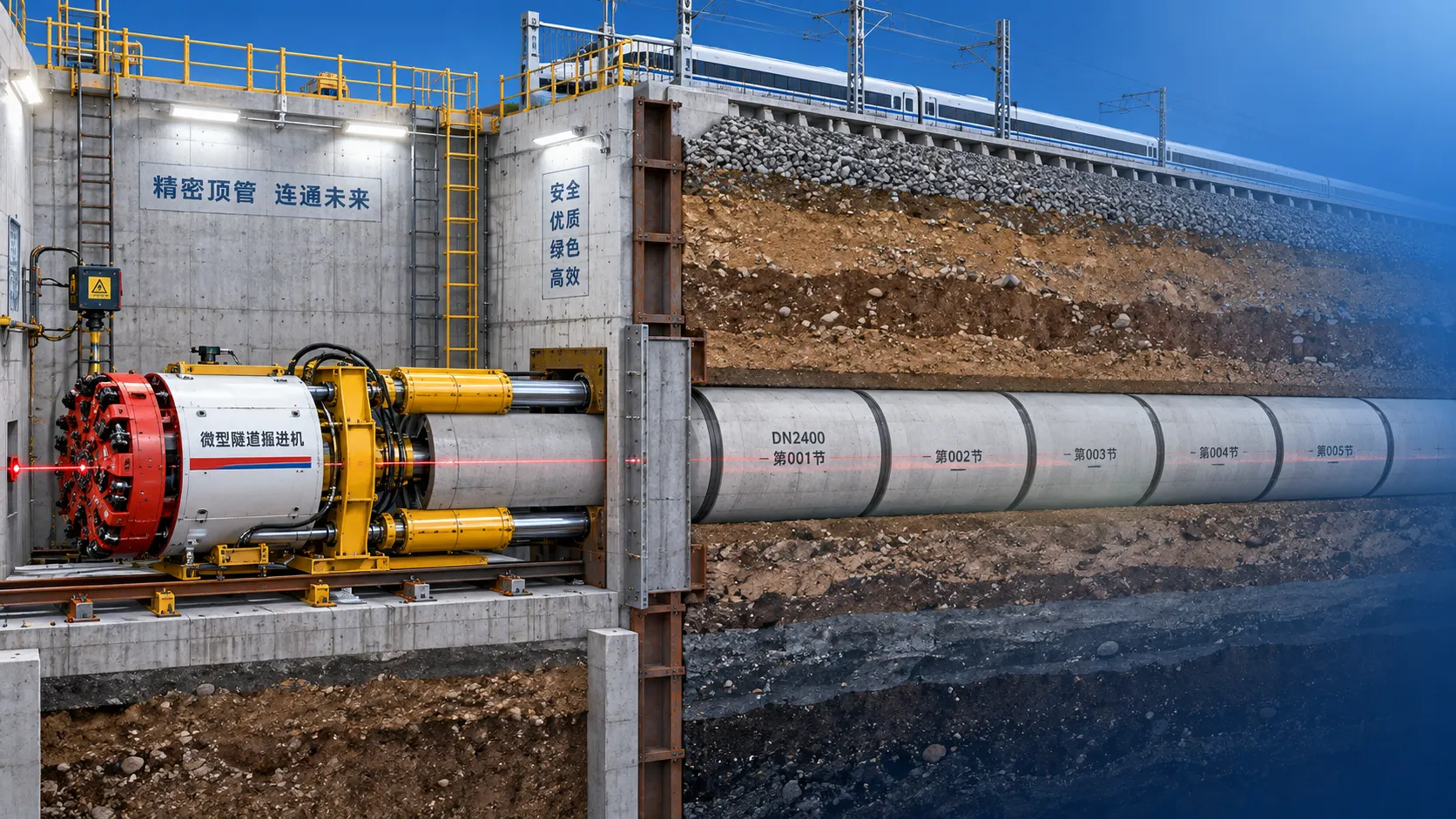
Which Trenchless Construction Technique Fits Your Utility Crossing Conditions?
Trenchless construction techniques compared for utility crossings: choose HDD, microtunnelling, pipe jacking, or auger boring based on ground, accuracy, access, and risk.

What Is Driving Metro Tunnelling Demand Across Southeast Asia’s Major Cities?
Metro tunnelling Southeast Asia is accelerating as major cities tackle congestion, flooding, and connectivity. Explore the market forces, technical risks, and opportunities shaping demand.
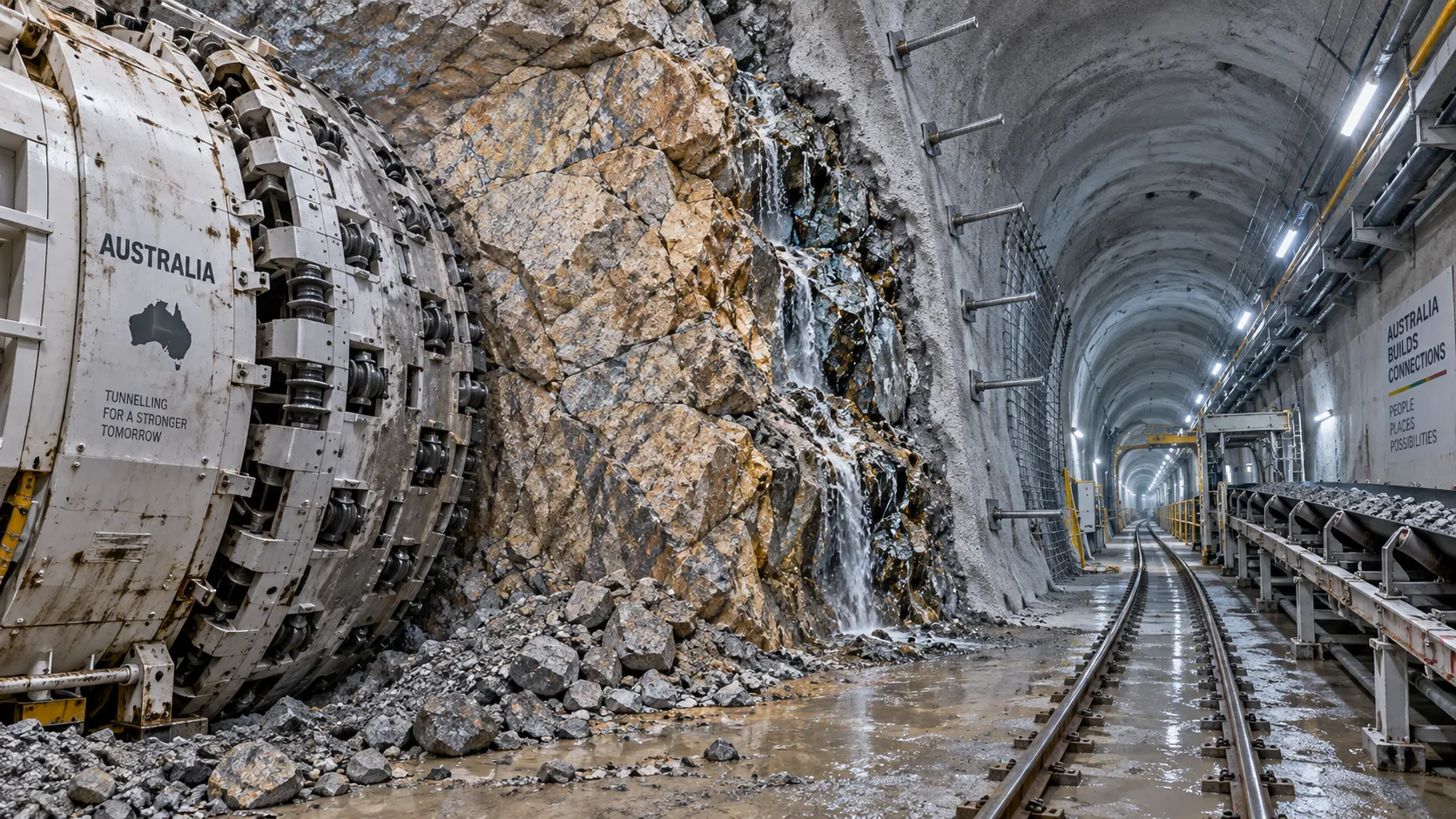
Hard Rock Tunnelling in Australia: Selecting Methods for Variable Ground Conditions
Hard rock tunnelling in Australia: compare TBM, drill-and-blast and hybrid methods to manage variable ground, reduce risk and protect project costs.
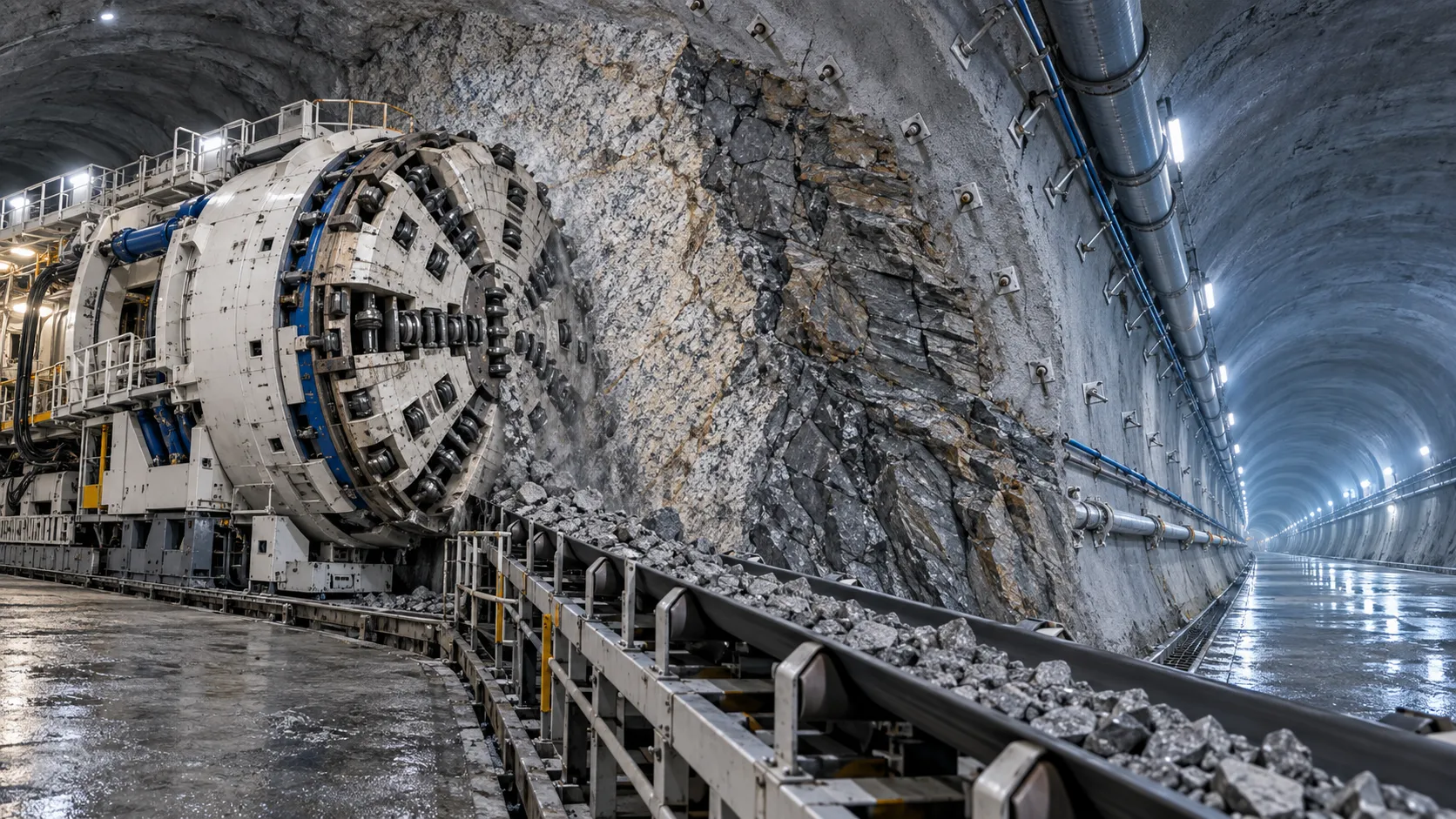
Hydropower Tunnel Excavation: Selecting Methods for Variable Rock Conditions
Hydropower tunnel excavation methods for variable rock conditions: compare TBM, drill-and-blast, and hybrid strategies to improve safety, progress, and project control.
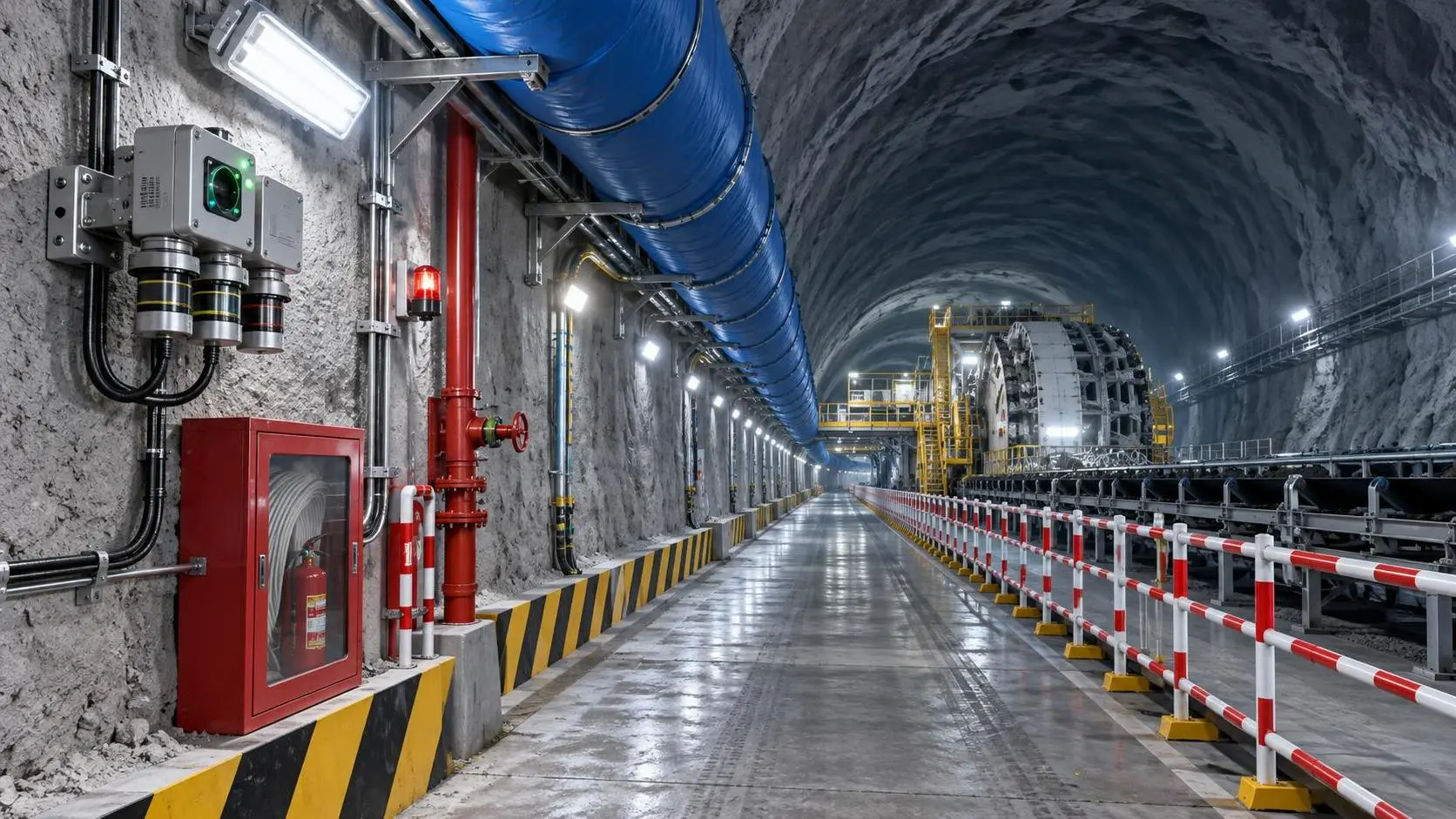
How to Select Underground Safety Equipment for Tunnelling by Hazard and Work Zone
Underground Safety Equipment for tunnelling: match protection to hazards, work zones, compliance, and emergency needs with this practical selection guide.
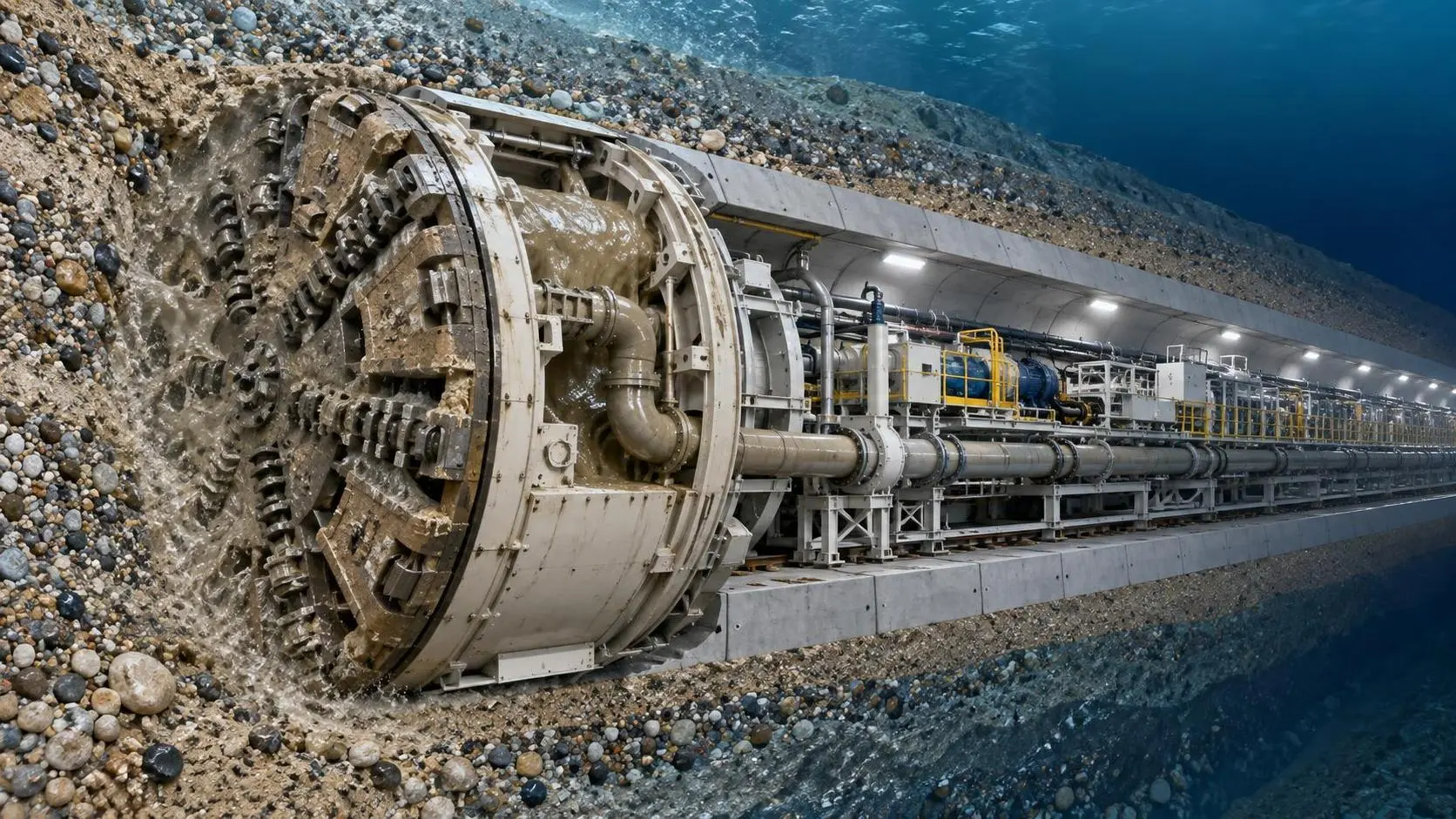
EPB or Slurry Shield? Selecting Soft-Ground Tunnelling Equipment by Soil Conditions
Tunnel Excavation Equipment for soft ground: compare EPB and slurry shields by soil, groundwater, settlement risk, and project logistics to choose confidently.
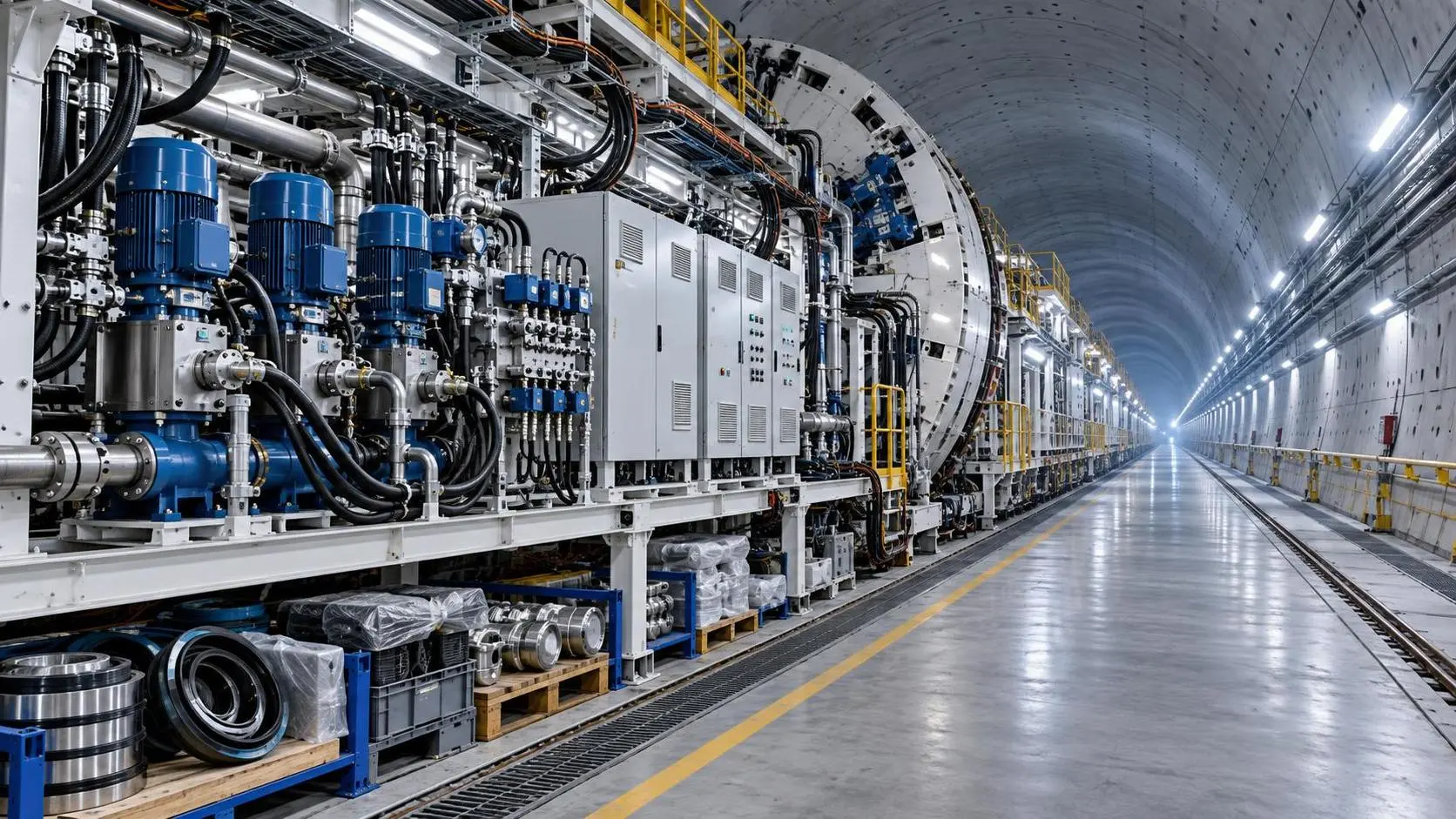
How to Specify TBM Backup System Parts for Reliable Long-Distance Tunnelling
TBM backup system parts: learn how to specify reliable spares for long-distance tunnelling, reduce downtime, ensure compatibility, and speed underground recovery.

How to Size Open Pit Mining Trucks for Haul Distance, Grade, and Payload?
Open Pit Mining Trucks: learn how to match payload, haul distance, grade, road resistance, and loading capacity for safer, lower-cost mine operations.
Related News
- 00
0000-00
How to Evaluate European Drill-and-Blast Tunnelling Contractors for Complex Projects - 00
0000-00
Which Trenchless Construction Technique Fits Your Utility Crossing Conditions? - 00
0000-00
What Is Driving Metro Tunnelling Demand Across Southeast Asia’s Major Cities? - 00
0000-00
Hard Rock Tunnelling in Australia: Selecting Methods for Variable Ground Conditions - 00
0000-00
Hydropower Tunnel Excavation: Selecting Methods for Variable Rock Conditions
Weekly Insights
Stay ahead with our curated technology reports delivered every Monday.