
China-Made TBM Wins First Full AS/NZS 4341 Approval





On June 14, 2026, the Australian Standards body (SA) and Standards New Zealand (SNZ) granted full AS/NZS 4341 certification to CRCHI’s “Linghang” slurry balance tunnel boring machine, marking the first time a Chinese-made shield machine has been cleared to enter bidding for government-led rail and water tunnel projects in Australia. For tunnelling equipment makers, public-sector buyers, and supply-chain service providers, the development is worth watching because it links technical compliance directly to access to a high-spec municipal procurement channel in Australia and New Zealand.
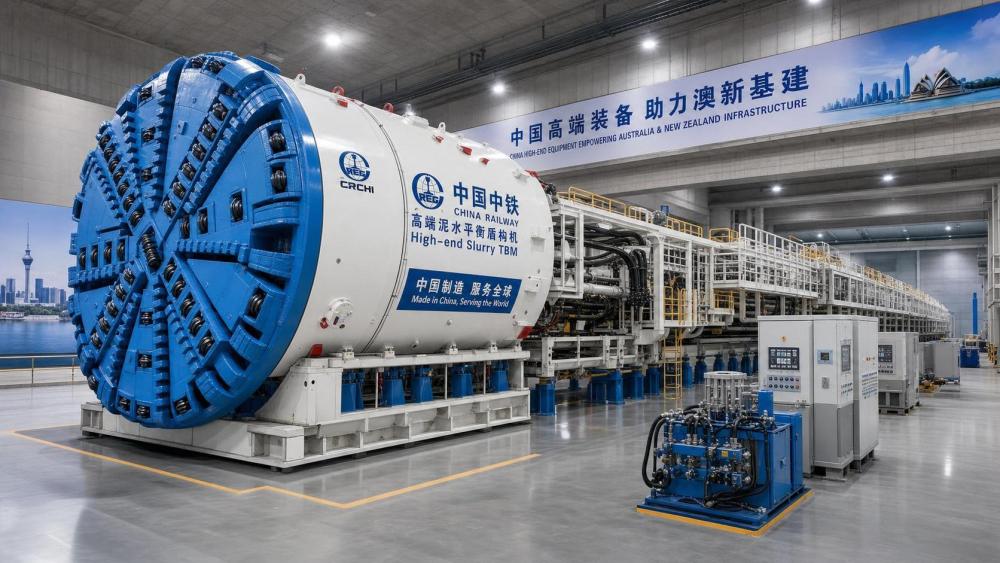
What the certification confirms
According to the provided event information, the certification covers 17 strict indicators, including structural safety, hydraulic sealing, remote control, and emergency shutdown. The machine named in the approval is the “Linghang” slurry balance TBM produced by China Railway Construction Heavy Industry.
The event summary also confirms that this is the first time a Chinese-funded equipment product of this type has been approved in Australia to participate in tenders for government-led railway and water tunnel projects. In the wording provided, this means Chinese Slurry/EPB Shields have formally entered the high-end municipal procurement whitelist covering the Australia-New Zealand market context referenced in the summary.
Why different market participants are paying attention
Public project procurement teams face a wider qualified equipment pool
From an industry perspective, government-led project buyers and tendering teams may pay attention because certification changes who can be considered eligible at the pre-bid stage. The practical impact is not that project awards are guaranteed, but that equipment sourcing options may expand where compliance with recognized standards is a core screening condition.
Equipment manufacturers see compliance as a market-entry threshold
For shield machine manufacturers and related processing businesses, the immediate signal is that technical access to this market depends on passing detailed certification requirements rather than relying only on equipment performance claims. What deserves closer attention is how certification scope—such as safety, sealing, remote operation, and emergency stop capability—can influence product preparation, documentation, and tender-readiness work.
Supply-chain and service partners may face stricter readiness demands
For supply-chain service providers and downstream support partners, the impact may appear in documentation coordination, delivery planning, and communication with project stakeholders. Observably, once equipment is allowed into a government-led bidding environment, supporting parties may need to align more closely with qualification files, technical submissions, and execution timelines tied to certified equipment configurations.
What companies should watch next
Watch for further official wording and scope boundaries
Analysis shows that companies should distinguish between a certification result and the full set of commercial conditions for project participation. The current fact is approval to enter bidding for certain government-led rail and water tunnel projects; businesses should continue tracking whether subsequent official statements clarify application scope, category boundaries, or related procedural requirements.
Prepare technical files around certified indicators
For manufacturers, component suppliers, and bidding support teams, the 17 certified indicators are likely to be a practical reference point for future client communication. Particular attention should be paid to how structural safety, hydraulic sealing, remote control, and emergency shutdown are presented in qualification documents, technical responses, and bid materials.
Separate market access from order conversion
What deserves closer attention is the difference between being admitted to a qualified supplier or procurement list and actually securing project contracts. Companies engaging this opportunity should avoid treating certification alone as a completed market breakthrough and instead prepare for the follow-on work of tender participation, customer communication, and fulfillment planning.
Review supplier and delivery coordination early
For firms connected to equipment delivery and support, it is more appropriate to review supplier credentials, document consistency, and execution lead times early. Where projects involve formal procurement processes, readiness in these operational areas can matter as much as the headline certification itself.
How this should be read at this stage
Observably, this development is best understood as a concrete market-access signal rather than a final commercial outcome. The confirmed fact is that a Chinese-made slurry balance shield machine has passed a full AS/NZS 4341 certification process and gained entry into a defined bidding channel. Analysis shows that the broader industry relevance lies in the way technical standards are functioning as a gatekeeper for participation in higher-spec public infrastructure procurement.
At the same time, it would be premature to treat the event as proof of broad-based order expansion or a settled competitive shift. The more reasonable interpretation is that a compliance barrier has been crossed, and the next phase worth observing is how that access translates—or does not translate—into actual project engagement.
What this development means for the market now
At this point, the most balanced conclusion is that the certification has immediate relevance for equipment eligibility and symbolic relevance for cross-border acceptance of Chinese Slurry/EPB Shields in the Australia-New Zealand municipal procurement context described in the input. It is more appropriate to understand this as a medium- to long-term industry signal with near-term operational implications, especially for bidding preparation, compliance presentation, and supply-chain coordination.
For industry participants, the key takeaway is not simply that one machine has been certified, but that standards-based qualification is shaping access to public tunnelling opportunities. Whether this becomes a broader market trend still requires continued observation.
Basis of this article
This article is generated based on the user-provided news title, event date, and event summary. The specific official source link was not provided in the input, so the underlying information still requires ongoing verification against source materials commonly relevant to this type of development, such as official announcements, company disclosures, industry association information, authoritative media coverage, and standard-organization documents.
Where follow-up observation is needed, priority should be placed on any later official clarification regarding certification scope, tender applicability, and related procurement implementation details.
Related News
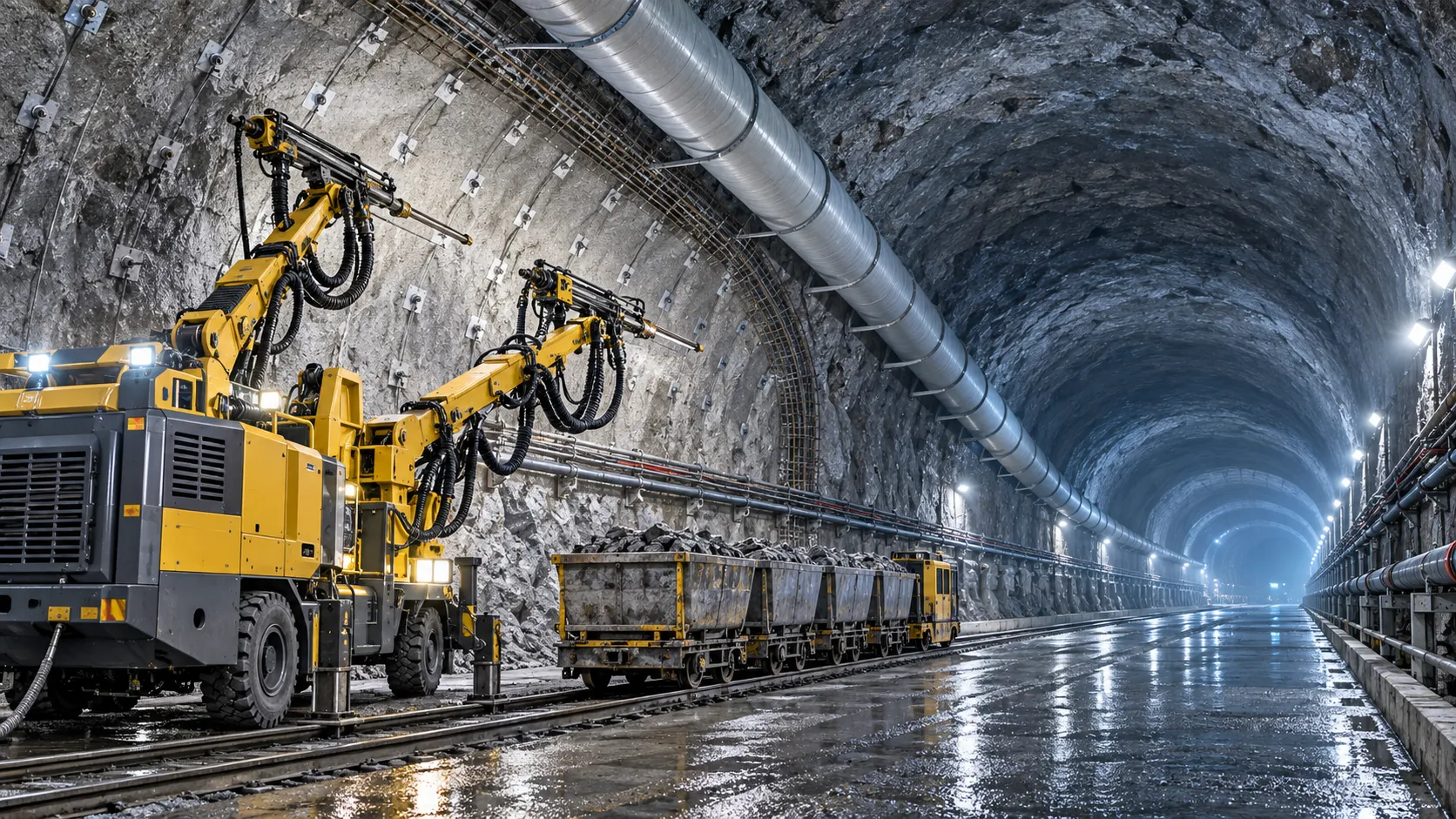
How to Evaluate European Drill-and-Blast Tunnelling Contractors for Complex Projects
Drill and blast tunnelling contractors Europe: learn how to assess geology expertise, blast control, equipment reliability, safety, and programme resilience for complex projects.
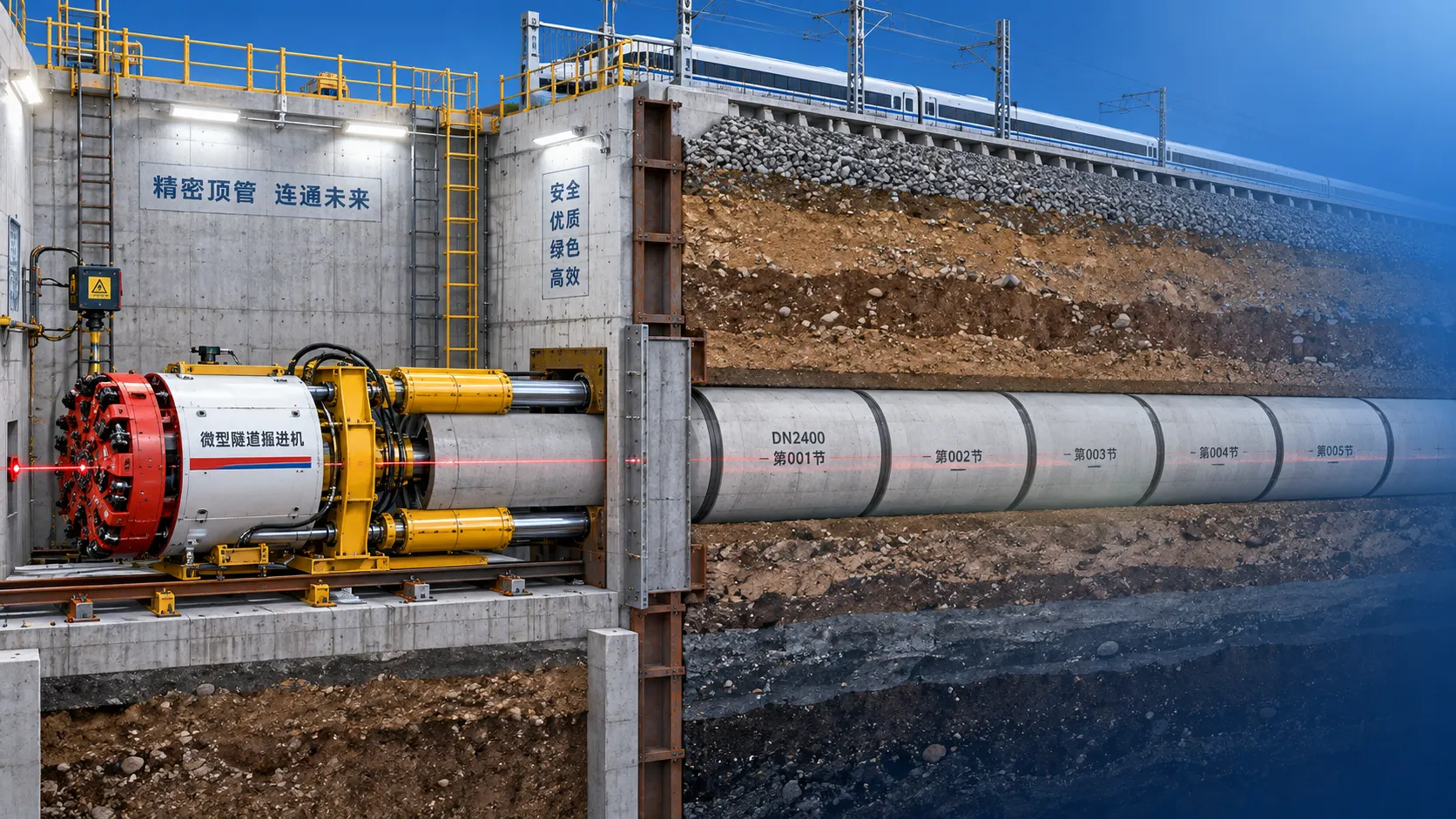
Which Trenchless Construction Technique Fits Your Utility Crossing Conditions?
Trenchless construction techniques compared for utility crossings: choose HDD, microtunnelling, pipe jacking, or auger boring based on ground, accuracy, access, and risk.
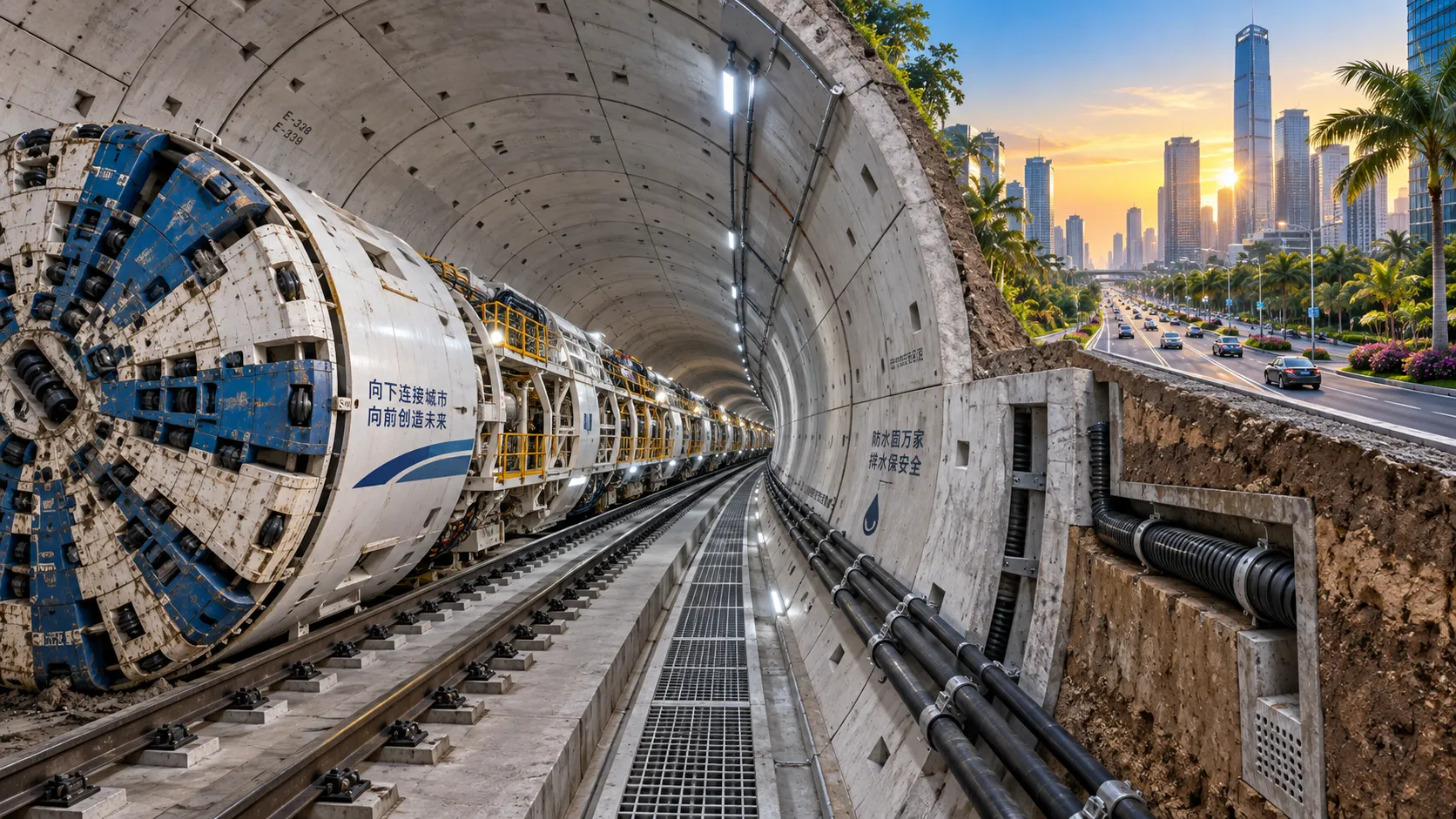
What Is Driving Metro Tunnelling Demand Across Southeast Asia’s Major Cities?
Metro tunnelling Southeast Asia is accelerating as major cities tackle congestion, flooding, and connectivity. Explore the market forces, technical risks, and opportunities shaping demand.
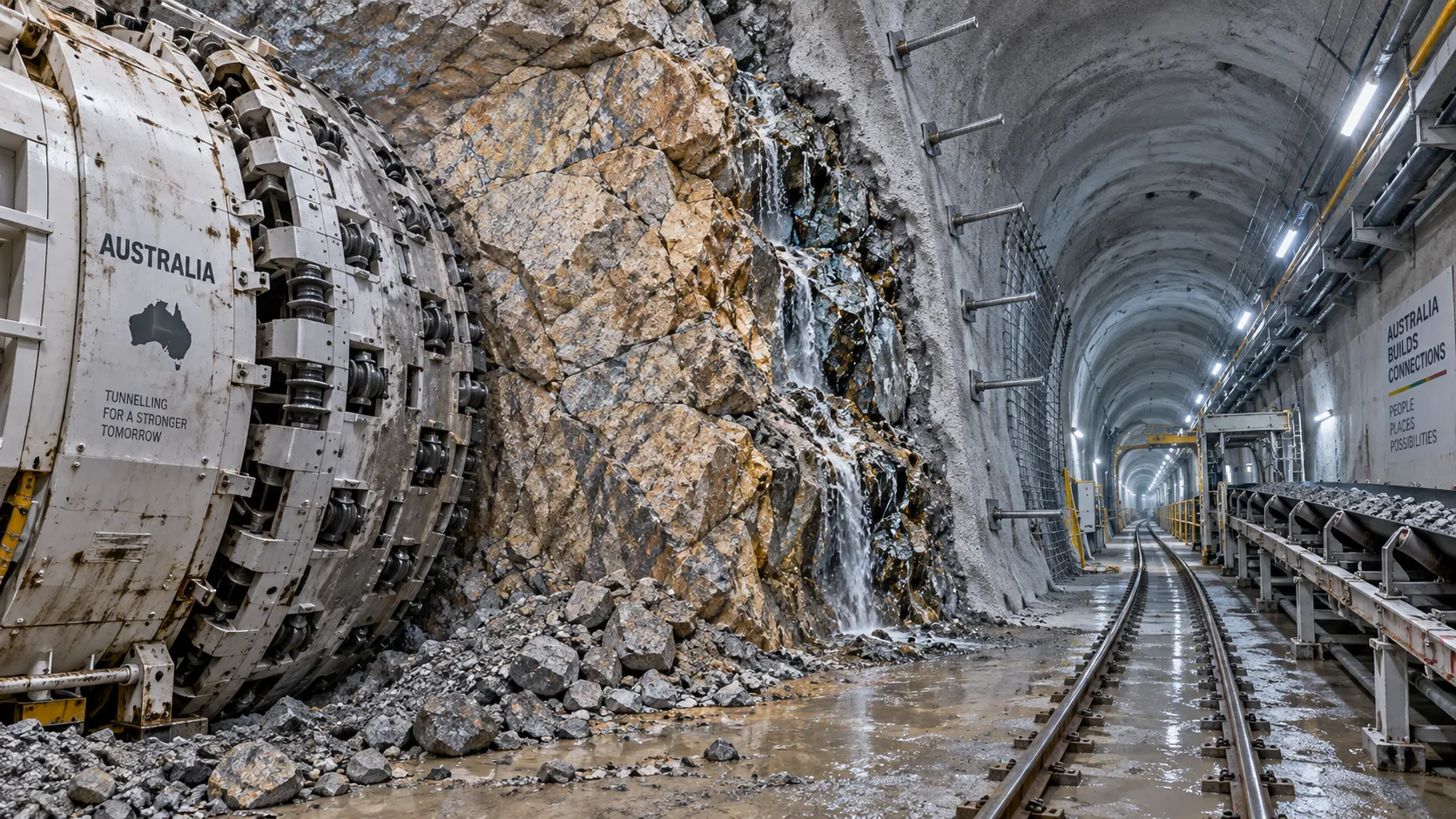
Hard Rock Tunnelling in Australia: Selecting Methods for Variable Ground Conditions
Hard rock tunnelling in Australia: compare TBM, drill-and-blast and hybrid methods to manage variable ground, reduce risk and protect project costs.
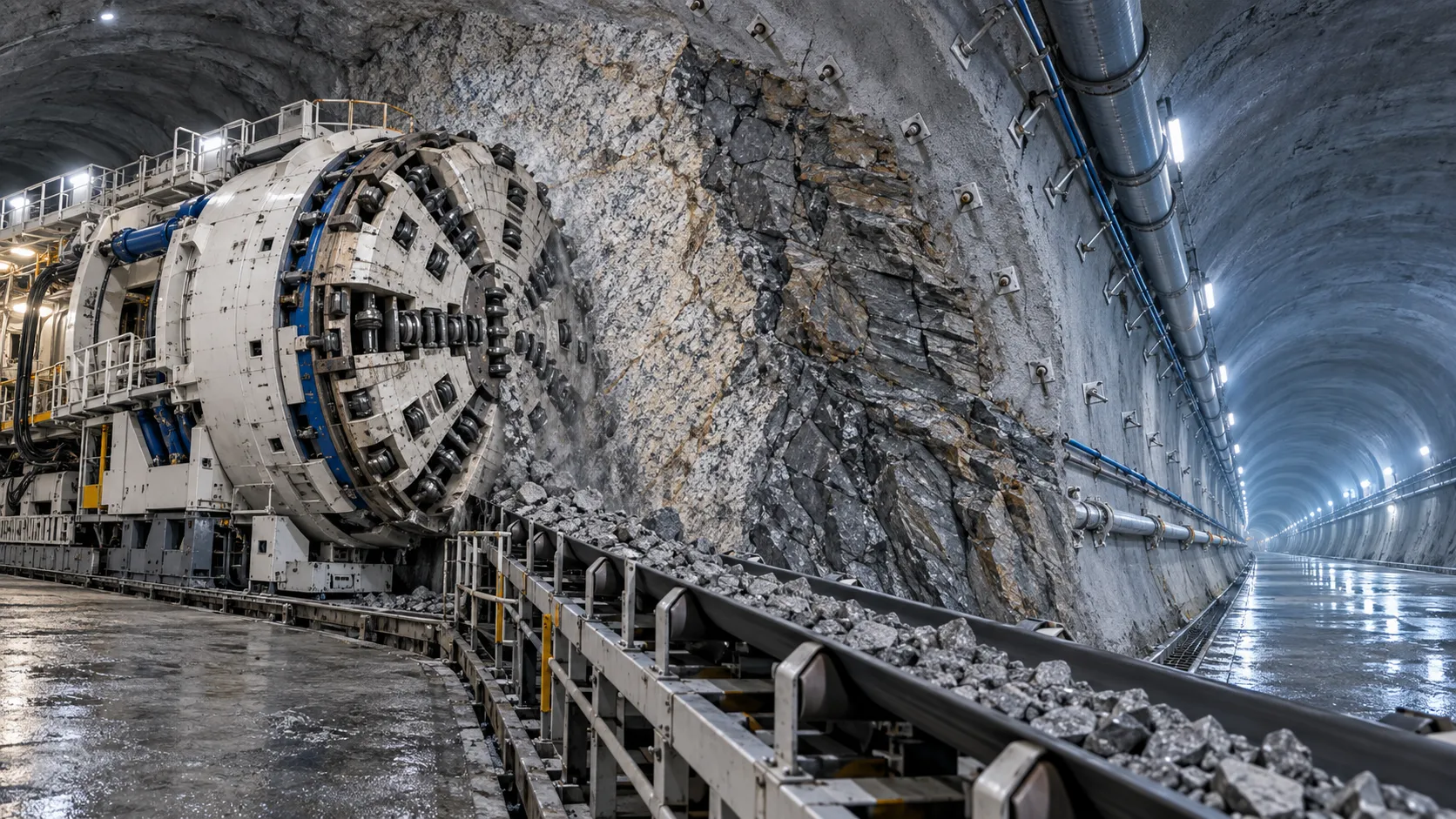
Hydropower Tunnel Excavation: Selecting Methods for Variable Rock Conditions
Hydropower tunnel excavation methods for variable rock conditions: compare TBM, drill-and-blast, and hybrid strategies to improve safety, progress, and project control.
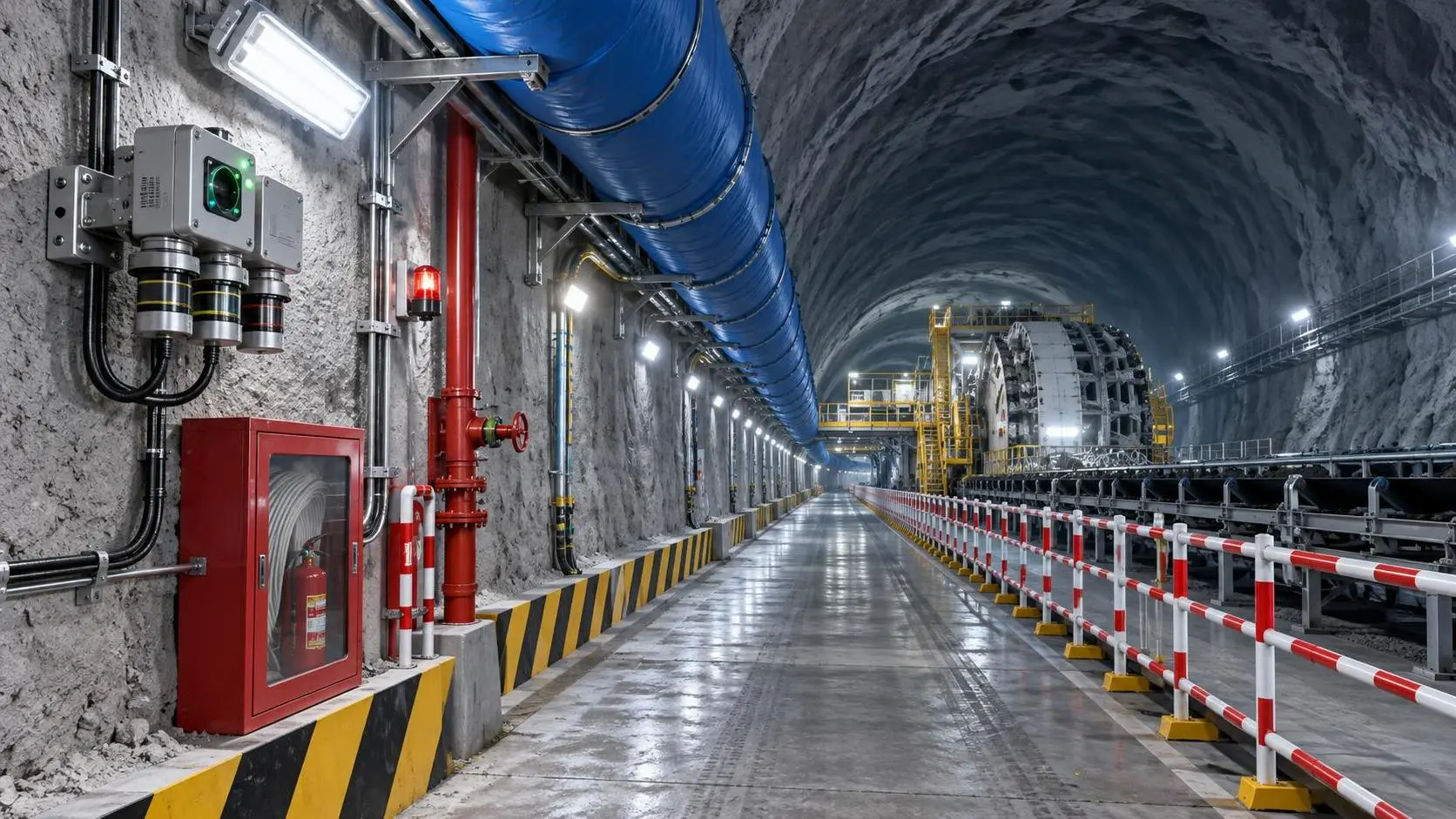
How to Select Underground Safety Equipment for Tunnelling by Hazard and Work Zone
Underground Safety Equipment for tunnelling: match protection to hazards, work zones, compliance, and emergency needs with this practical selection guide.
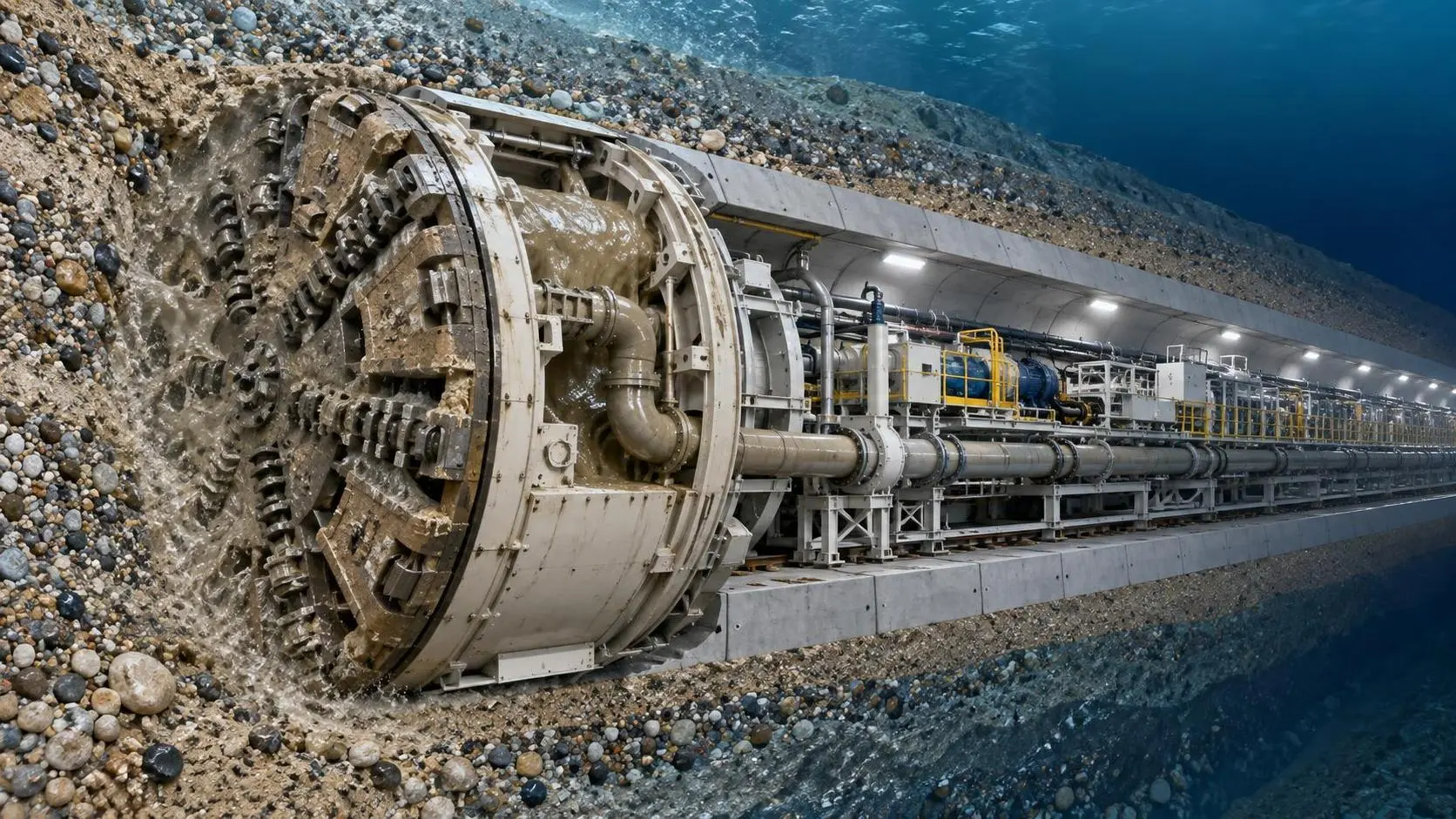
EPB or Slurry Shield? Selecting Soft-Ground Tunnelling Equipment by Soil Conditions
Tunnel Excavation Equipment for soft ground: compare EPB and slurry shields by soil, groundwater, settlement risk, and project logistics to choose confidently.
How to Specify TBM Backup System Parts for Reliable Long-Distance Tunnelling
TBM backup system parts: learn how to specify reliable spares for long-distance tunnelling, reduce downtime, ensure compatibility, and speed underground recovery.

How to Size Open Pit Mining Trucks for Haul Distance, Grade, and Payload?
Open Pit Mining Trucks: learn how to match payload, haul distance, grade, road resistance, and loading capacity for safer, lower-cost mine operations.
Related News
- 00
0000-00
How to Evaluate European Drill-and-Blast Tunnelling Contractors for Complex Projects - 00
0000-00
Which Trenchless Construction Technique Fits Your Utility Crossing Conditions? - 00
0000-00
What Is Driving Metro Tunnelling Demand Across Southeast Asia’s Major Cities? - 00
0000-00
Hard Rock Tunnelling in Australia: Selecting Methods for Variable Ground Conditions - 00
0000-00
Hydropower Tunnel Excavation: Selecting Methods for Variable Rock Conditions
Weekly Insights
Stay ahead with our curated technology reports delivered every Monday.