
China TBM Exports Cut Delivery to Eight Months





The timing of this development is not specified in the source input, but the update is notable because it points to an execution-side change in how overseas tunnel equipment projects are being delivered and supported rather than a simple production milestone. For exporters, project contractors, procurement teams, after-sales providers, and compliance staff, the shorter delivery cycle suggests changing market expectations around schedule certainty, spare-parts readiness, service response, and life-cycle cost control in cross-border infrastructure equipment deals.
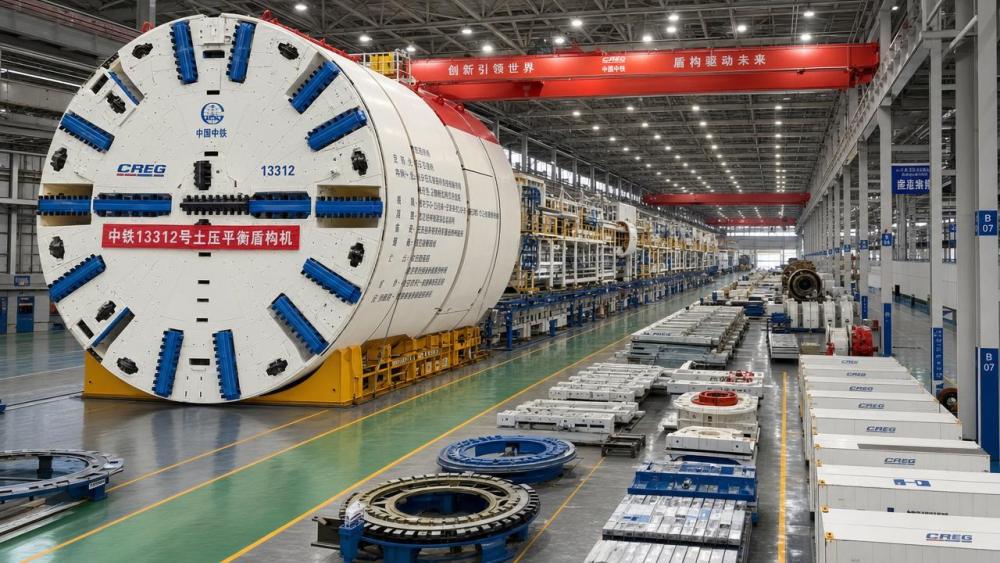
What the disclosed delivery shift confirms
As of June 14, 2026, more than 210 overseas projects using Chinese tunnel boring machines were under construction, covering Southeast Asia, the Middle East, Latin America, and the Australia-New Zealand market. The headline figure indicates that 600 Chinese machines were advancing excavation simultaneously worldwide.
Leading manufacturers including CRCHI and NHI disclosed that, supported by modular design and the establishment of localized spare-parts centers, the average export delivery cycle for EPB tunnel boring machines was reduced from 14 months to 8 months. The disclosed change was described as improving schedule certainty for international customers and directly addressing buyer concerns over delivery stability, after-sales response, and total life-cycle cost.
Why procurement and execution rules may tighten around delivery certainty
For overseas buyers and project procurement teams
From an industry perspective, buyers may place greater weight on delivery commitments that can be evidenced through manufacturing configuration, spare-parts support, and service readiness rather than through price alone. The business impact is likely to fall on tender evaluation, project scheduling, contract negotiation, and supplier qualification. What deserves closer attention is whether technical documents, bid submissions, and delivery commitments are increasingly expected to show clearer support arrangements and implementation capability.
For exporters and equipment manufacturers
Analysis shows that shorter delivery cycles can raise the compliance bar in export execution, because faster delivery promises increase the need for consistent documentation, specification alignment, and traceable fulfillment across manufacturing, shipment, commissioning, and service support. Export-oriented manufacturers should therefore watch for changes in customer requirements related to technical files, delivery schedules, acceptance conditions, and after-sales obligations, even where the current input does not provide formal rule texts.
For supply-chain and service support providers
Observably, localized spare-parts centers move after-sales capability closer to the point of use, which can affect service contracts, replacement-part planning, and response commitments. For logistics, warehousing, and service partners, the practical impact may appear in inventory planning, parts traceability, service documentation, and coordination with project milestones. The underlying signal is that support capacity is becoming part of commercial credibility in overseas equipment delivery.
What companies should monitor next in practice
Track how tender language reflects delivery promises
Companies should closely review whether bid documents and procurement specifications begin to place more explicit emphasis on delivery certainty, modular configuration, spare-parts availability, and response commitments. The current information supports attention to this direction, but it does not confirm that a uniform procurement rule has already been adopted across markets.
Prepare stronger technical and compliance documentation
Where delivery cycles become a more visible decision factor, exporters may need clearer technical files, specification alignment records, acceptance documentation, and service support materials to support their commercial commitments. This is not yet evidence of a new formal compliance regime in itself, but it is a practical area that deserves preparation.
Reassess supplier qualification and support capacity
For contractors and buyers, supplier assessment may increasingly focus on whether a manufacturer can sustain shorter lead times without weakening service response or parts support. What deserves closer attention is not only production capacity, but also the credibility of localized support arrangements and the consistency of execution across multiple overseas projects.
Watch trade and delivery risk through the full project cycle
Because the disclosed change directly addresses buyer concerns over life-cycle cost and after-sales response, companies should monitor whether contractual expectations expand beyond shipment timing into installation support, spare-parts fulfillment, quality traceability, and ongoing service obligations. The present input does not confirm a fixed enforcement standard, so this remains an area for continued review rather than a settled rule outcome.
How this signal is best understood at this stage
Analysis shows that this update is better read as an execution signal from the market than as a newly published regulation or standard. The key point is that delivery performance, local service readiness, and life-cycle support appear to be moving closer to the center of competitive and compliance-related decision-making in overseas TBM business. At the same time, it remains necessary to observe whether this operating model is reflected more clearly in procurement criteria, certification expectations, technical review practice, or project acceptance language.
A practical reading for the sector
For the industry, the main significance of this development lies in the fact that overseas buyers may increasingly treat lead-time reliability and post-delivery support as enforceable commercial conditions rather than optional advantages. It is more appropriate to understand this as a credible market and execution trend with possible implications for trade practice, procurement review, and contract performance, while the detailed rule expression still requires further observation.
Basis of this article and what still needs verification
This article is based on the user-provided news title, event timing, and event summary. For developments of this kind, relevant source categories commonly include official notices, regulator releases, customs or trade authority information, industry association updates, standard-setting documents, tender materials, and reporting by authoritative media. No specific official source link was provided in the input, so further verification is still required. What remains worth tracking includes any later policy detail, certification interpretation, tender-document changes, market feedback, and actual implementation by companies involved in overseas delivery and service.
Related News
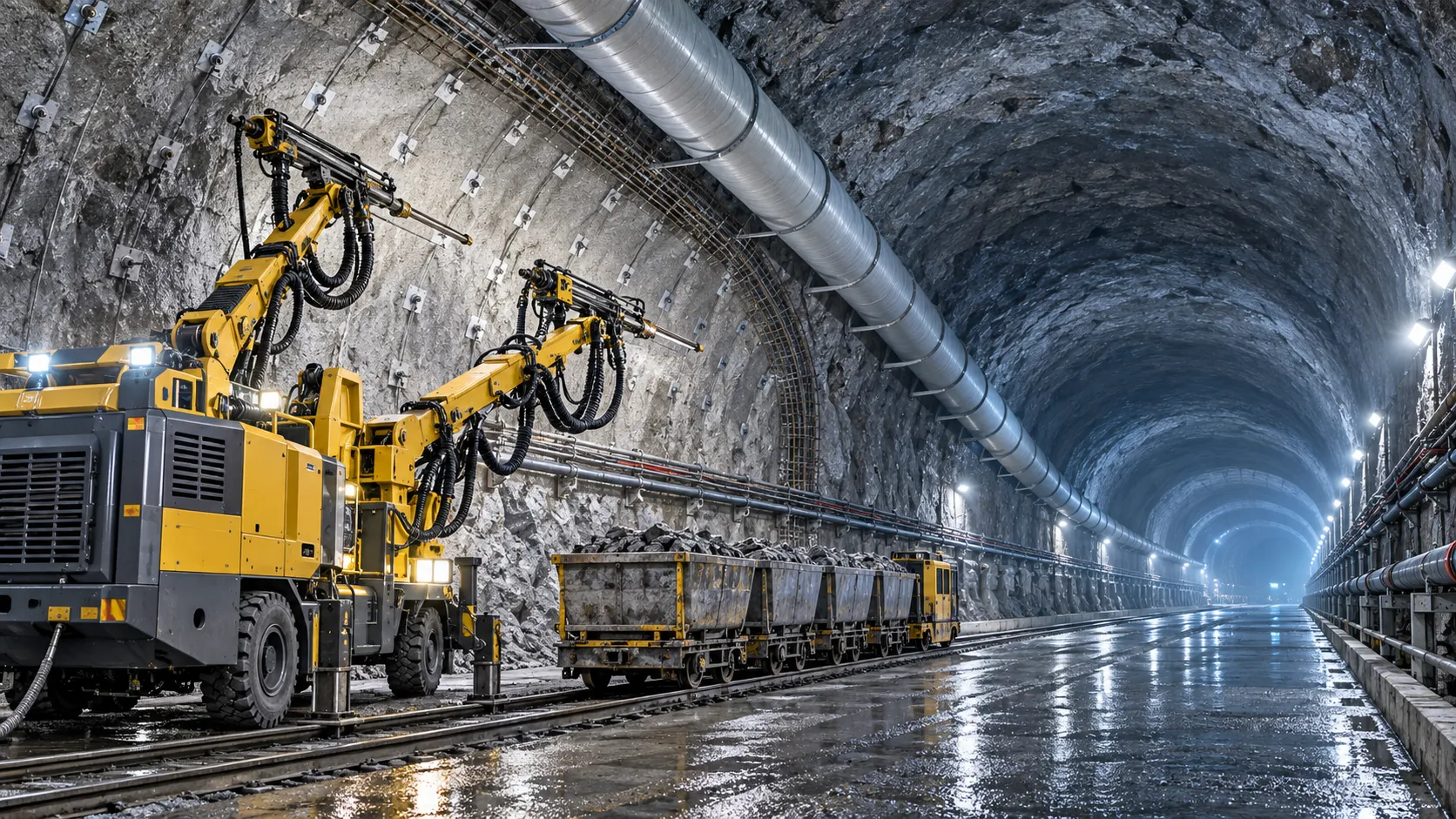
How to Evaluate European Drill-and-Blast Tunnelling Contractors for Complex Projects
Drill and blast tunnelling contractors Europe: learn how to assess geology expertise, blast control, equipment reliability, safety, and programme resilience for complex projects.
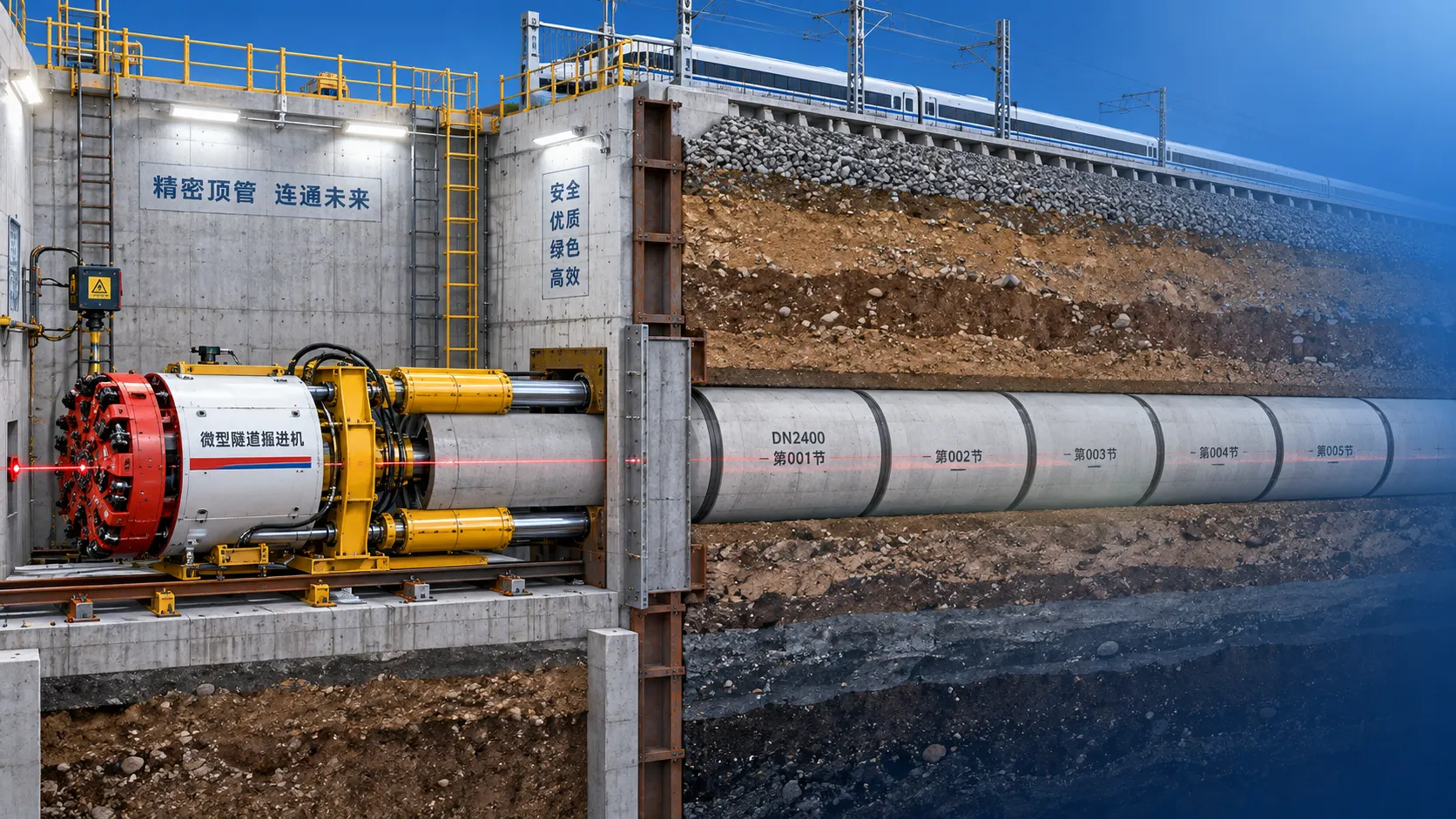
Which Trenchless Construction Technique Fits Your Utility Crossing Conditions?
Trenchless construction techniques compared for utility crossings: choose HDD, microtunnelling, pipe jacking, or auger boring based on ground, accuracy, access, and risk.

What Is Driving Metro Tunnelling Demand Across Southeast Asia’s Major Cities?
Metro tunnelling Southeast Asia is accelerating as major cities tackle congestion, flooding, and connectivity. Explore the market forces, technical risks, and opportunities shaping demand.
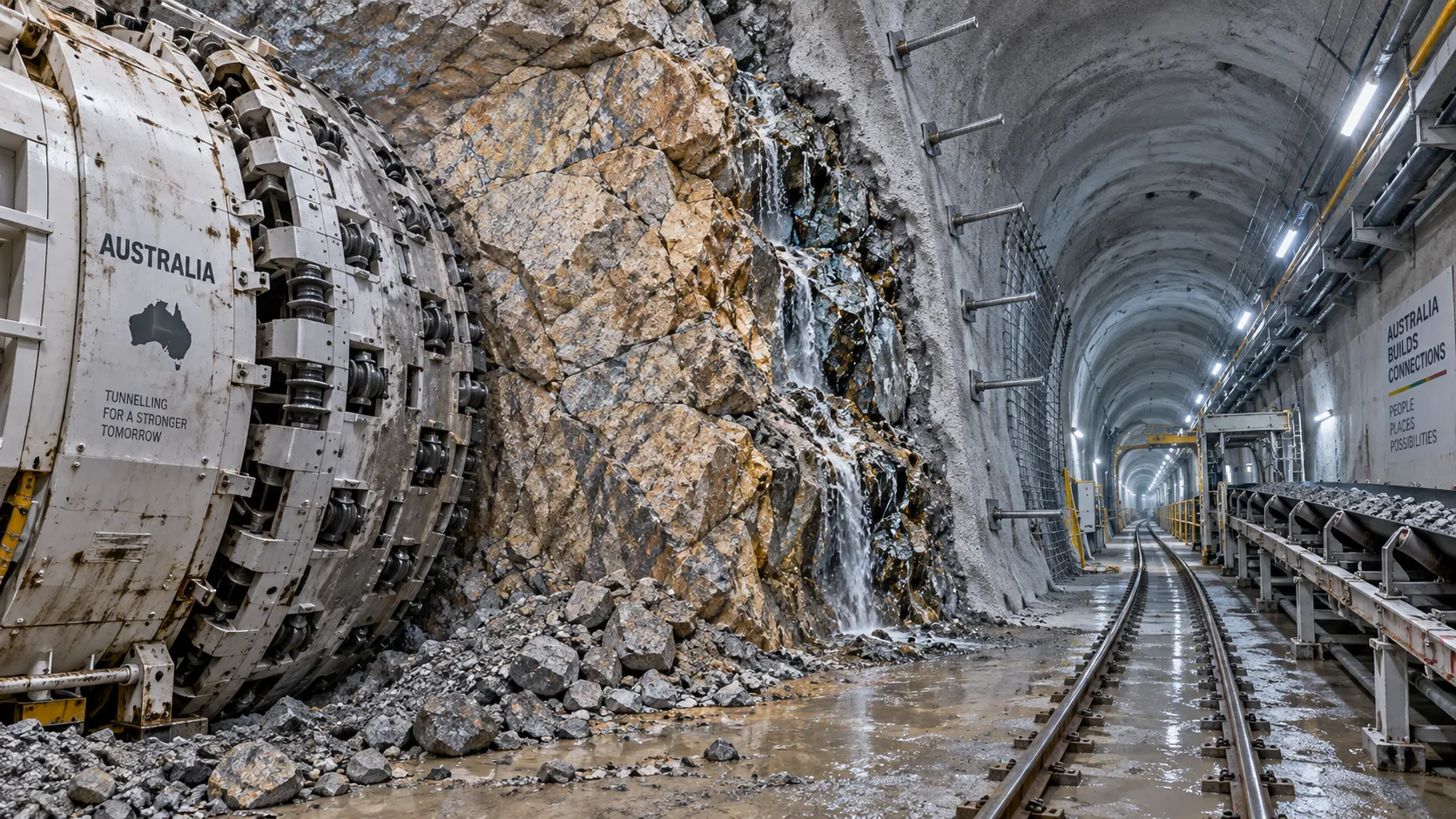
Hard Rock Tunnelling in Australia: Selecting Methods for Variable Ground Conditions
Hard rock tunnelling in Australia: compare TBM, drill-and-blast and hybrid methods to manage variable ground, reduce risk and protect project costs.
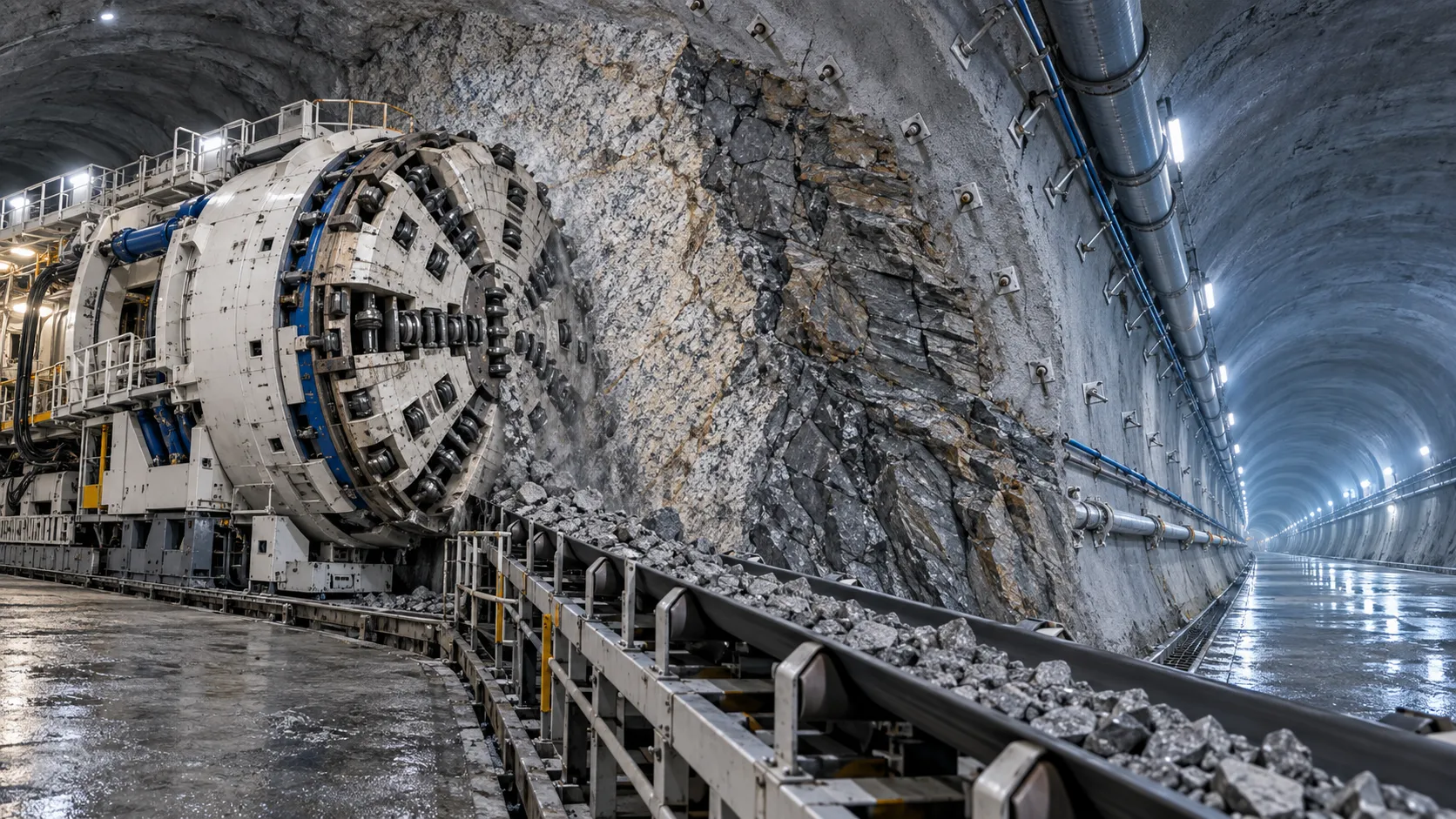
Hydropower Tunnel Excavation: Selecting Methods for Variable Rock Conditions
Hydropower tunnel excavation methods for variable rock conditions: compare TBM, drill-and-blast, and hybrid strategies to improve safety, progress, and project control.
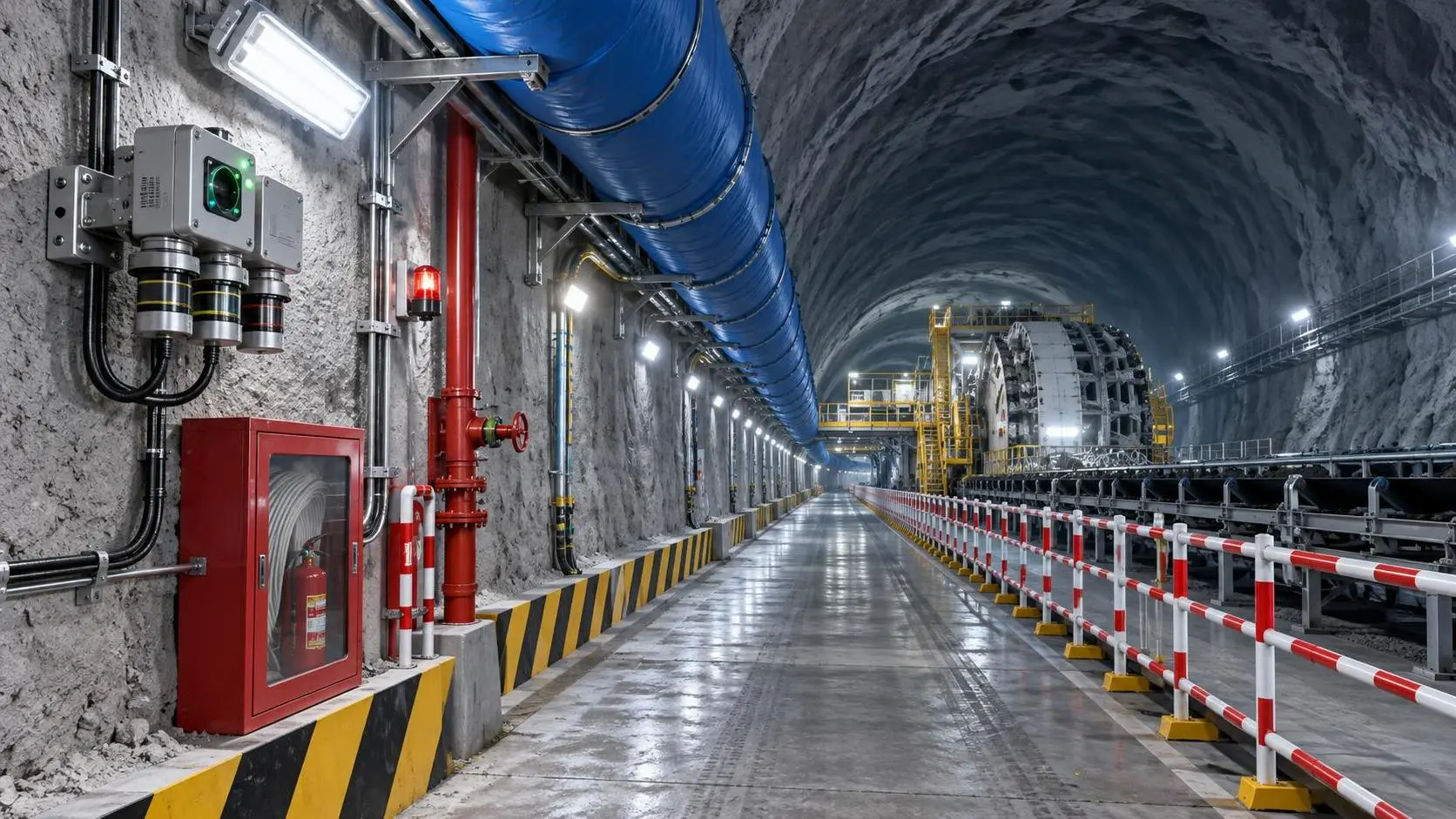
How to Select Underground Safety Equipment for Tunnelling by Hazard and Work Zone
Underground Safety Equipment for tunnelling: match protection to hazards, work zones, compliance, and emergency needs with this practical selection guide.

EPB or Slurry Shield? Selecting Soft-Ground Tunnelling Equipment by Soil Conditions
Tunnel Excavation Equipment for soft ground: compare EPB and slurry shields by soil, groundwater, settlement risk, and project logistics to choose confidently.

How to Specify TBM Backup System Parts for Reliable Long-Distance Tunnelling
TBM backup system parts: learn how to specify reliable spares for long-distance tunnelling, reduce downtime, ensure compatibility, and speed underground recovery.

How to Size Open Pit Mining Trucks for Haul Distance, Grade, and Payload?
Open Pit Mining Trucks: learn how to match payload, haul distance, grade, road resistance, and loading capacity for safer, lower-cost mine operations.
Related News
- 00
0000-00
How to Evaluate European Drill-and-Blast Tunnelling Contractors for Complex Projects - 00
0000-00
Which Trenchless Construction Technique Fits Your Utility Crossing Conditions? - 00
0000-00
What Is Driving Metro Tunnelling Demand Across Southeast Asia’s Major Cities? - 00
0000-00
Hard Rock Tunnelling in Australia: Selecting Methods for Variable Ground Conditions - 00
0000-00
Hydropower Tunnel Excavation: Selecting Methods for Variable Rock Conditions
Weekly Insights
Stay ahead with our curated technology reports delivered every Monday.