
How to Choose Soft Ground Tunnelling Equipment for Urban Utility and Metro Projects





How to Choose Soft Ground Tunnelling Equipment for Urban Utility and Metro Projects
Selecting the right soft ground tunnelling equipment can decide whether an urban utility or metro project stays on schedule, within budget, and inside strict settlement limits.
In dense cities, the choice is rarely about machine size alone.
It is really a decision about geology, water pressure, shaft access, alignment risk, spoil handling, and long-term operating efficiency.
For utility corridors and metro tunnels, soft ground tunnelling equipment must perform reliably under streets, buildings, and live infrastructure with very little room for error.
That is why a good selection process starts with project conditions, not equipment brochures.
Start with Ground and Water Conditions
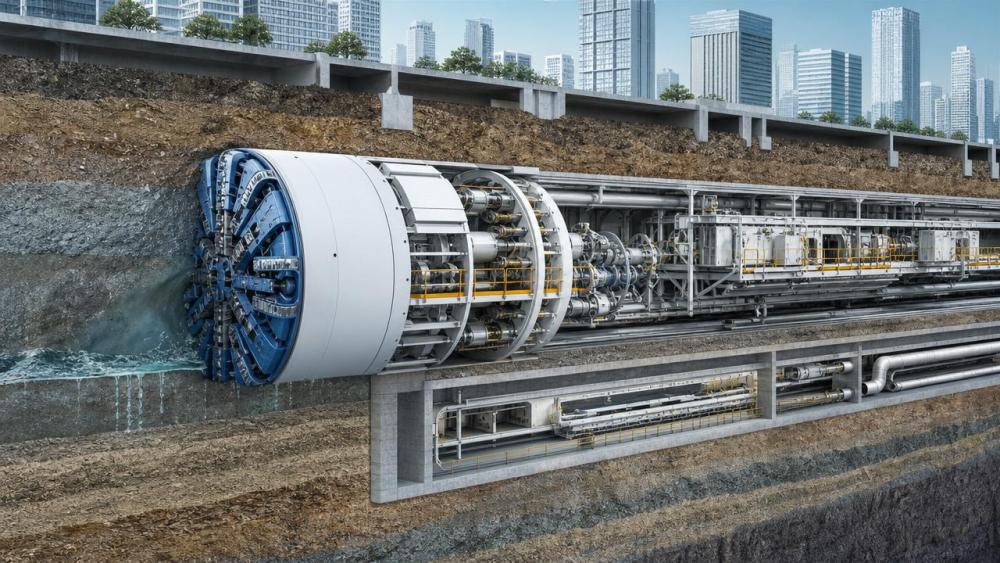
Every soft ground tunnelling equipment decision begins with the geotechnical baseline.
Urban utility and metro routes often pass through clay, silt, sand, mixed fill, and weathered layers within short distances.
That variability changes the pressure balance method, cutterhead design, and spoil extraction system.
If groundwater is high, the wrong machine can trigger face instability, inflow, or unacceptable settlement.
In practice, most soft ground tunnelling equipment choices come down to matching the face support principle to actual ground behavior.
- Use EPB machines when cohesive soils dominate and conditioned spoil can form a stable plastic plug.
- Use slurry machines when water-bearing sands, gravels, or unstable granular soils require stronger pressure control.
- Consider microtunnelling or pipe jacking systems for smaller utility drives with tight surface restrictions.
A common mistake is choosing soft ground tunnelling equipment only from the dominant soil description.
The better approach is to study transition zones, obstructions, boulders, fill material, and groundwater peaks along the full alignment.
Match the Equipment to Tunnel Type and Urban Constraints
Not all urban tunnels demand the same soft ground tunnelling equipment strategy.
A metro running tunnel, a station approach, and a utility pipe installation can face very different constraints even inside one district.
The alignment geometry matters as much as the geology.
Short launch shafts, tight curves, shallow cover, and building foundations can narrow the acceptable equipment options quickly.
Questions that should shape selection
- What is the drive length between shafts or stations?
- How much cover exists above the tunnel crown?
- How sensitive are nearby buildings, rail lines, and buried utilities?
- Will the machine need to pass through mixed or man-made ground?
- How much site area is available for separation plants, segment storage, and muck logistics?
For utility work, pipe jacking and microtunnelling may outperform a larger TBM when access is limited and traffic disruption must stay minimal.
For metro work, soft ground tunnelling equipment often needs higher daily advance rates, stronger guidance accuracy, and better integration with segment erection.
This is where project-specific fit matters more than brand familiarity.
Compare the Main Equipment Options
A simple comparison framework helps narrow the soft ground tunnelling equipment shortlist before procurement goes too far.
This comparison should not replace engineering review.
It simply helps teams connect the project profile to the right soft ground tunnelling equipment family earlier.
Focus on Settlement Control and Risk Tolerance
In city work, settlement control is often the deciding factor.
The best soft ground tunnelling equipment is the one that keeps the ground stable while maintaining production.
That means pressure control, steering precision, and real-time monitoring should carry real weight during selection.
From recent market shifts, owners are asking tougher questions about risk, not just advance rate.
A machine with impressive nominal output can still be the wrong choice if it struggles under sensitive structures.
Selection features that reduce urban risk
- Stable face pressure control across changing soils.
- Accurate guidance systems for narrow tolerance alignments.
- Effective conditioning or slurry separation support.
- Accessible cutterhead inspection and intervention planning.
- Integrated monitoring for torque, thrust, pressure, and volume balance.
In actual delivery, these features often save more money than a lower purchase price.
They reduce claims, rework, emergency grouting, and community disruption.
Check Launch Logistics, Support Systems, and Lifecycle Cost
Soft ground tunnelling equipment never works alone.
A machine may look technically perfect, yet fail commercially because the support setup does not fit the site.
That is especially true in central urban zones where space is expensive and public tolerance is low.
Before final selection, evaluate the full operating ecosystem.
- Confirm launch shaft dimensions, crane limits, and assembly sequence.
- Review spoil transport routes, disposal plans, and shift-based logistics.
- Check power demand, water supply, slurry plant needs, and ventilation.
- Estimate cutter consumption, wear parts access, and planned maintenance windows.
- Compare operator training, digital diagnostics, and vendor response capability.
Lifecycle cost should include downtime risk, intervention complexity, consumables, and support staffing.
This is also where modern intelligence platforms such as UTMD can help teams benchmark soft ground tunnelling equipment options against broader market practice.
The more useful signal is not only what machine was used, but why it succeeded under similar urban conditions.
Build a Practical Selection Framework
A practical evaluation model keeps decision-making consistent when multiple equipment suppliers are involved.
Instead of chasing the lowest capital price, score each soft ground tunnelling equipment option against project-critical criteria.
Suggested decision criteria
- Geological suitability across the complete alignment.
- Ability to manage groundwater and pressure fluctuations.
- Settlement control performance in sensitive urban zones.
- Fit with shaft size, logistics, and working area limitations.
- Productivity under expected maintenance and shift conditions.
- Supplier support, spare parts readiness, and digital service capability.
- Total lifecycle cost, not just purchase or rental value.
This framework keeps teams grounded in project reality.
It also creates a clearer basis for owner review, contractor alignment, and supplier discussions.
Final Takeaway
Choosing soft ground tunnelling equipment for urban utility and metro projects is really a risk management exercise with mechanical consequences.
The right choice aligns ground conditions, water behavior, tunnel purpose, shaft logistics, and settlement tolerance into one workable system.
If the selection process stays disciplined, soft ground tunnelling equipment becomes more than a construction tool.
It becomes a delivery strategy for safer schedules, better urban protection, and stronger whole-life project performance.
A useful next step is to build a short project-specific matrix and compare two or three equipment paths against the actual alignment risks before procurement starts.
Related News
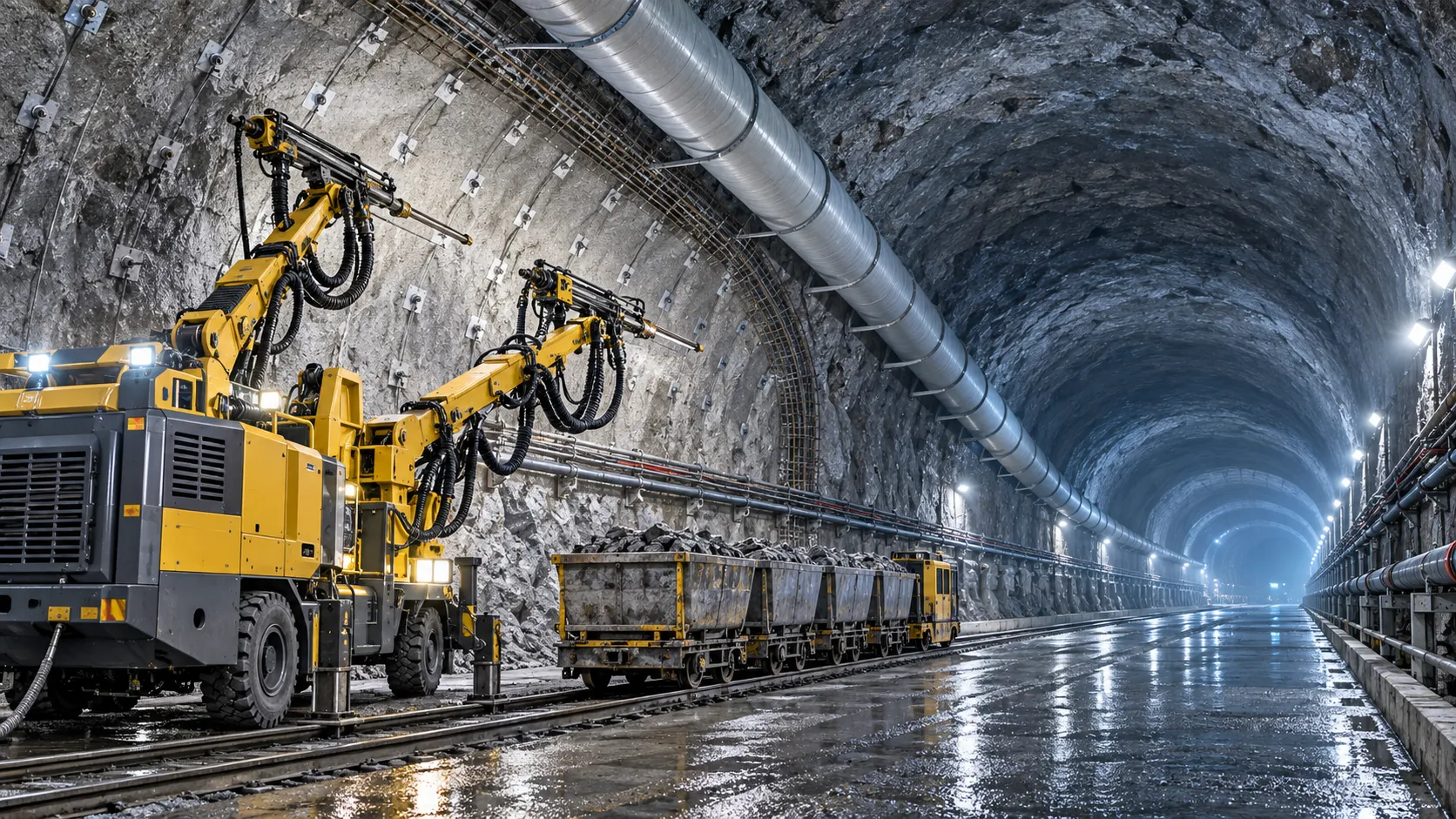
How to Evaluate European Drill-and-Blast Tunnelling Contractors for Complex Projects
Drill and blast tunnelling contractors Europe: learn how to assess geology expertise, blast control, equipment reliability, safety, and programme resilience for complex projects.
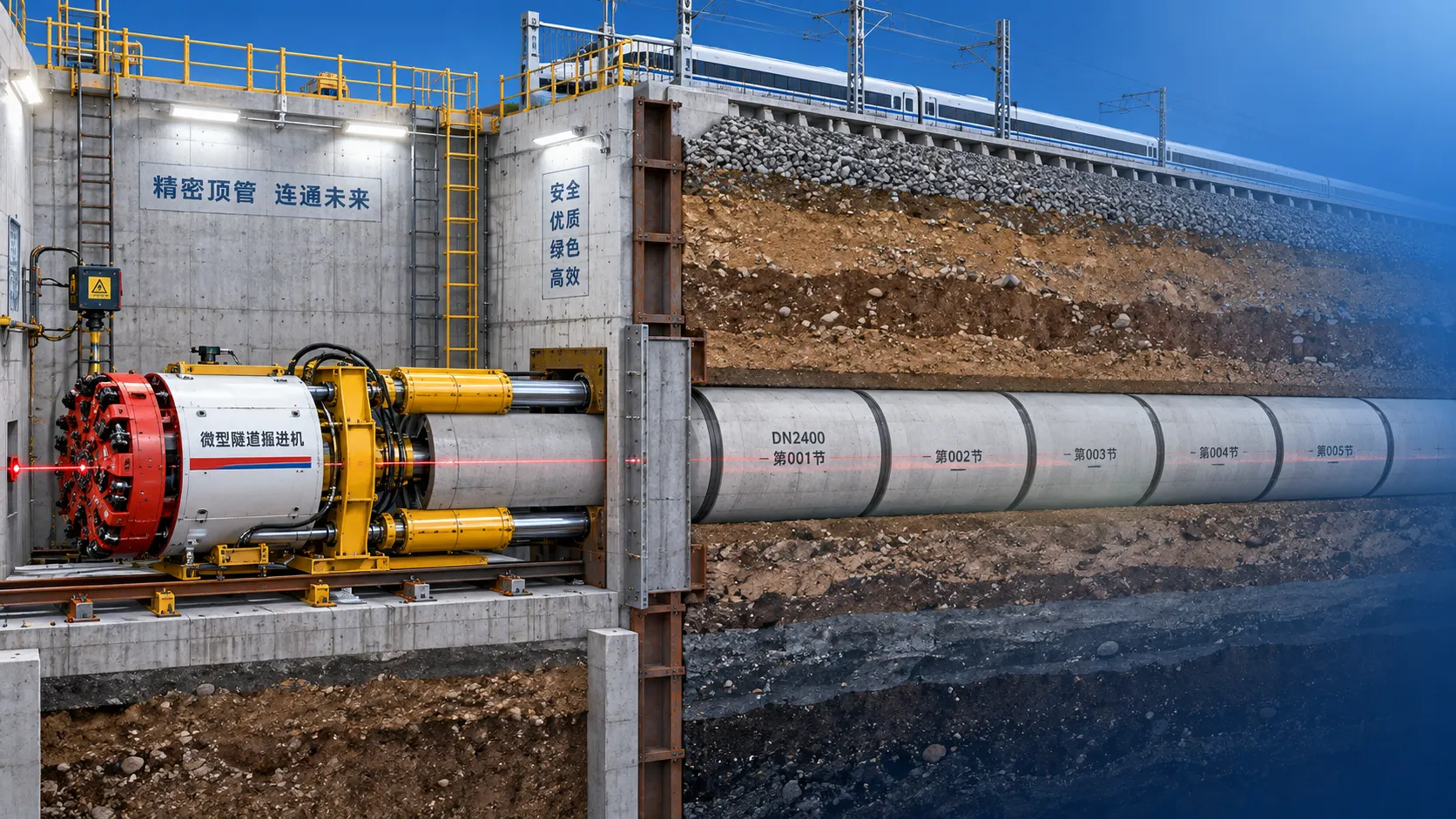
Which Trenchless Construction Technique Fits Your Utility Crossing Conditions?
Trenchless construction techniques compared for utility crossings: choose HDD, microtunnelling, pipe jacking, or auger boring based on ground, accuracy, access, and risk.
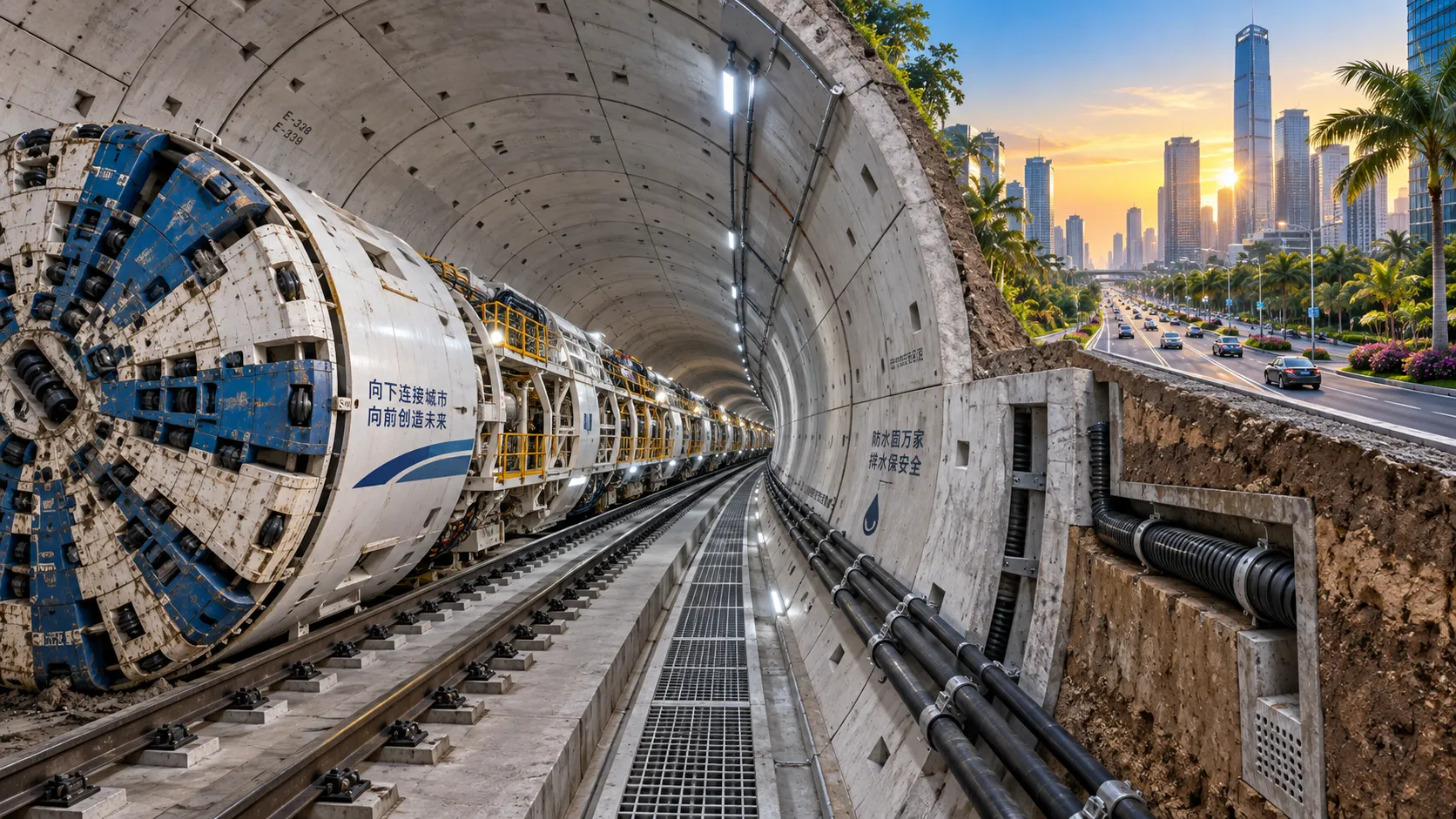
What Is Driving Metro Tunnelling Demand Across Southeast Asia’s Major Cities?
Metro tunnelling Southeast Asia is accelerating as major cities tackle congestion, flooding, and connectivity. Explore the market forces, technical risks, and opportunities shaping demand.
Hard Rock Tunnelling in Australia: Selecting Methods for Variable Ground Conditions
Hard rock tunnelling in Australia: compare TBM, drill-and-blast and hybrid methods to manage variable ground, reduce risk and protect project costs.
Hydropower Tunnel Excavation: Selecting Methods for Variable Rock Conditions
Hydropower tunnel excavation methods for variable rock conditions: compare TBM, drill-and-blast, and hybrid strategies to improve safety, progress, and project control.
How to Select Underground Safety Equipment for Tunnelling by Hazard and Work Zone
Underground Safety Equipment for tunnelling: match protection to hazards, work zones, compliance, and emergency needs with this practical selection guide.
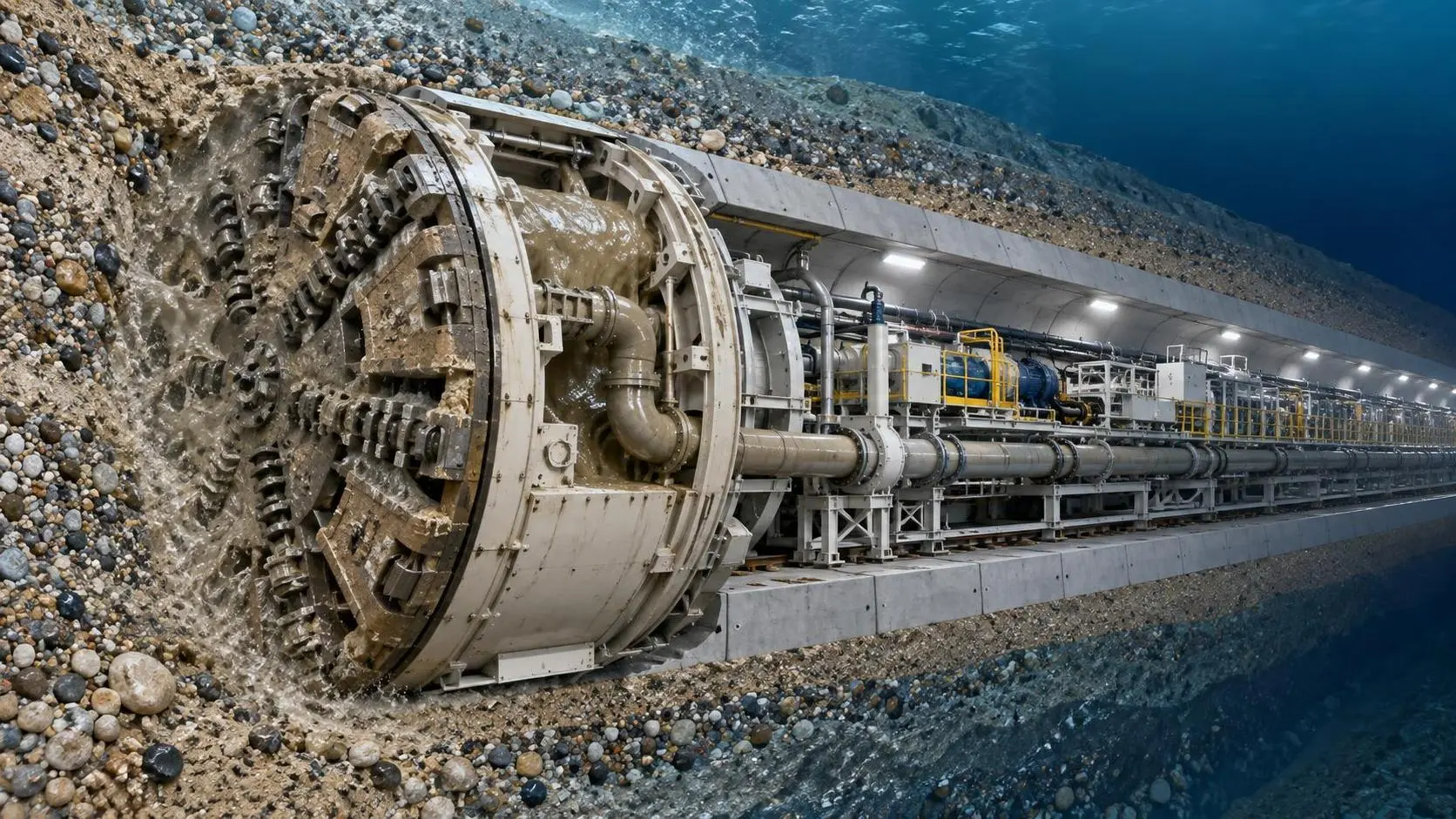
EPB or Slurry Shield? Selecting Soft-Ground Tunnelling Equipment by Soil Conditions
Tunnel Excavation Equipment for soft ground: compare EPB and slurry shields by soil, groundwater, settlement risk, and project logistics to choose confidently.
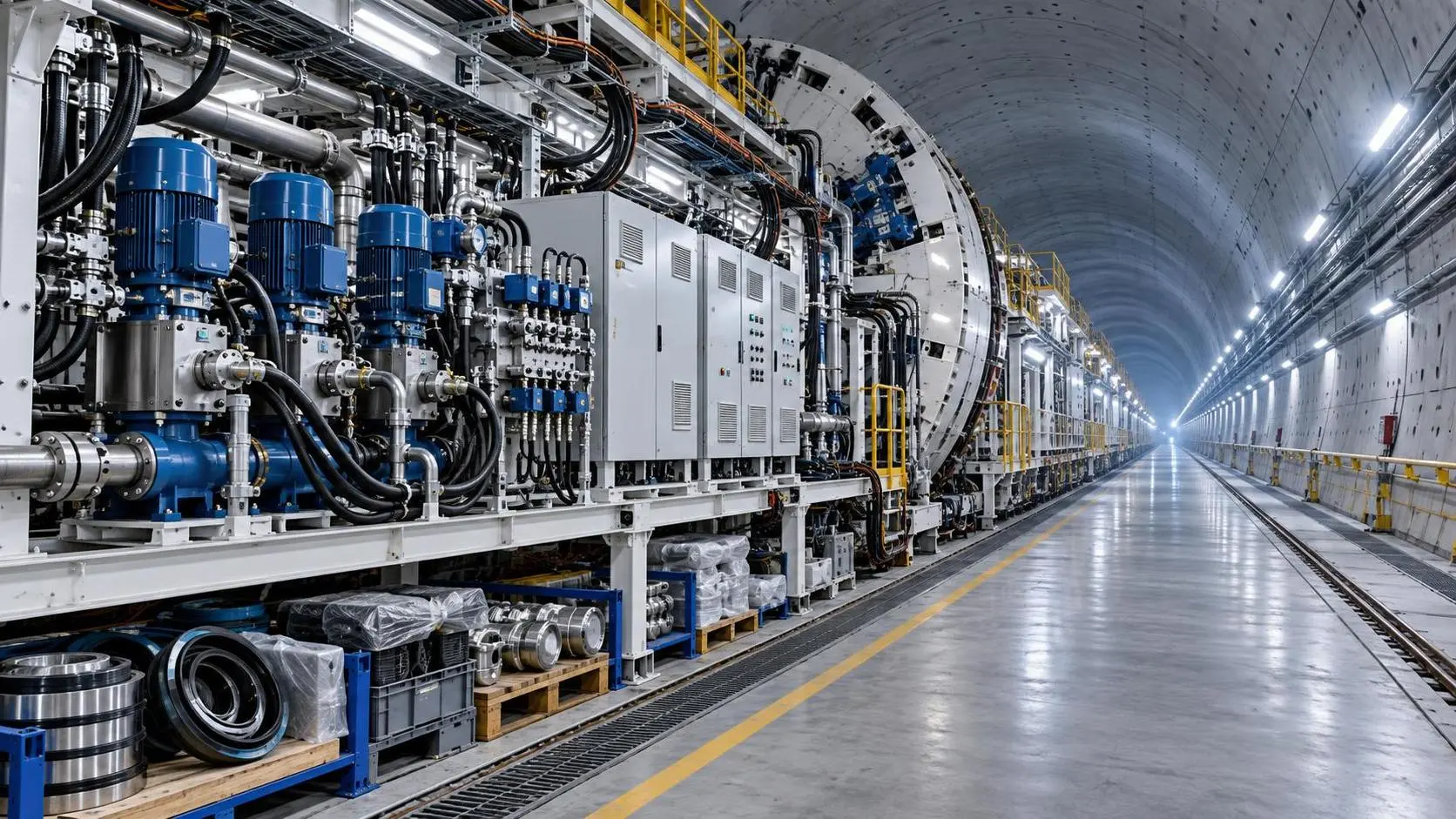
How to Specify TBM Backup System Parts for Reliable Long-Distance Tunnelling
TBM backup system parts: learn how to specify reliable spares for long-distance tunnelling, reduce downtime, ensure compatibility, and speed underground recovery.
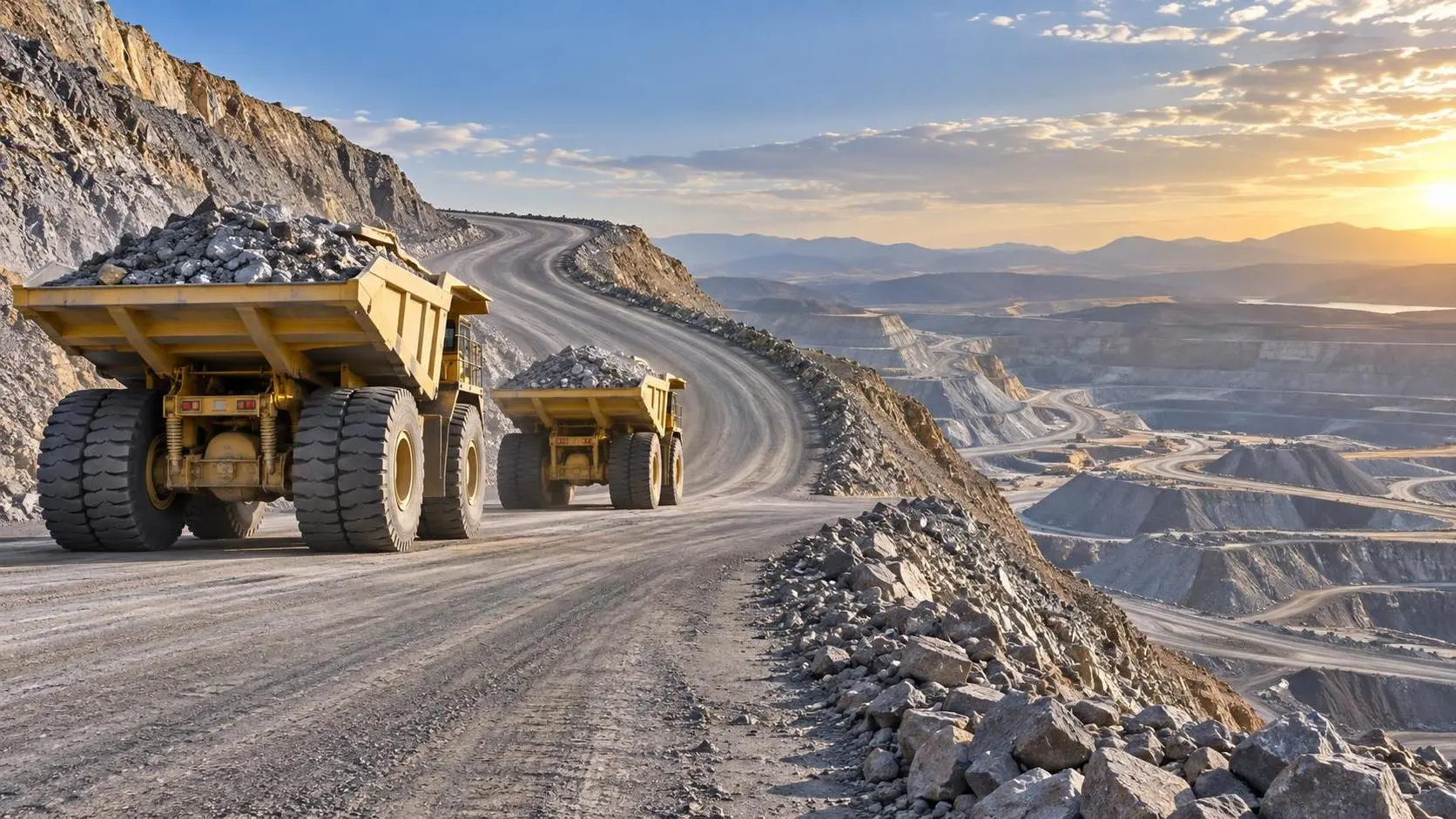
How to Size Open Pit Mining Trucks for Haul Distance, Grade, and Payload?
Open Pit Mining Trucks: learn how to match payload, haul distance, grade, road resistance, and loading capacity for safer, lower-cost mine operations.
Related News
- 00
0000-00
How to Evaluate European Drill-and-Blast Tunnelling Contractors for Complex Projects - 00
0000-00
Which Trenchless Construction Technique Fits Your Utility Crossing Conditions? - 00
0000-00
What Is Driving Metro Tunnelling Demand Across Southeast Asia’s Major Cities? - 00
0000-00
Hard Rock Tunnelling in Australia: Selecting Methods for Variable Ground Conditions - 00
0000-00
Hydropower Tunnel Excavation: Selecting Methods for Variable Rock Conditions
Weekly Insights
Stay ahead with our curated technology reports delivered every Monday.