
Xinjiang Agri-Machinery Expo Opens as CRCHI Signs 3 Central Asia Purchase Intentions





On May 26, 2026, the Xinjiang International Agricultural Machinery Expo opened with buying delegations from Kazakhstan, Uzbekistan, and Turkmenistan engaging in on-site business matching. At the event, CRCHI presented newly released agricultural machinery and a customized segment transport vehicle, and reached three equipment purchase intentions, including one lightweight EPB shield-support logistics system designed for sandy soft-rock tunnel construction in Central Asia. For equipment manufacturers, cross-border suppliers, procurement teams, and delivery service providers, the development is worth watching because it points to closer linkage between exhibition-based demand matching and the emerging export channel for equipment manufacturing along the northern Belt and Road route.
What was confirmed at the Xinjiang exhibition
The confirmed facts are limited and clear. The exhibition opened on May 26, 2026. According to the provided event summary, purchasing groups from Kazakhstan, Uzbekistan, and Turkmenistan were brought together for concentrated matchmaking at the Xinjiang agricultural machinery show. CRCHI appeared at the exhibition with newly released agricultural machinery and a customized segment transport vehicle, and signed three purchase intentions with Central Asian counterparties.
Among those three intentions was one involving a lightweight EPB shield-related logistics system adapted to tunnel construction in sandy soft-rock conditions in Central Asia. The event summary also indicates that the exhibition highlighted the accelerated formation of an export channel for equipment manufacturing along the northern Belt and Road route.
Why different business roles may be paying attention
For equipment manufacturers, the signal is about matched demand rather than broad market proof
From an industry perspective, manufacturers may read this as evidence that Central Asian demand is being connected to Chinese equipment suppliers through a more direct exhibition and procurement interface. The immediate impact is most relevant in product positioning, export-oriented model selection, and adaptation work for use conditions that differ from domestic projects. What deserves closer attention is whether demand continues to center on customized or condition-specific equipment rather than standard catalog products.
For procurement teams, the focus shifts to category fit and project-use clarity
Analysis shows that procurement-side interest is not limited to general agricultural machinery. The inclusion of a customized segment transport vehicle and a lightweight EPB shield-support logistics system suggests that some buyers are evaluating equipment by actual operating environment and project compatibility. For buyers, the affected business links are technical communication, equipment selection, and pre-order coordination. The change to watch is whether future procurement discussions increasingly require clearer use-case definition before intent can move toward execution.
For supply chain and delivery service providers, export readiness becomes more practical
Observably, once purchase intentions involve customized transport or shield-support logistics systems, supply chain participants may need to prepare for more than standard outbound shipment. The potentially affected areas include documentation, coordination on specifications, delivery sequencing, and communication between supplier and buyer. What deserves closer attention is not just order volume, but whether export handling for specialized equipment can keep pace with cross-border demand formation.
What companies should monitor after the exhibition
Watch how purchase intentions are described in follow-up disclosures
Analysis shows that the current information confirms purchase intentions, not completed deliveries or finalized contracts. Companies following this event should pay attention to later official wording on whether the intentions progress into signed orders, delivery plans, or further technical agreements. That distinction matters for sales forecasting and resource planning.
Track which equipment categories continue to attract Central Asian buyers
The current event highlights three visible directions: newly released agricultural machinery, a customized segment transport vehicle, and a lightweight EPB shield-support logistics system adapted to local geological conditions. For manufacturers and channel partners, the practical issue is whether future interest remains concentrated in specialized categories with adaptation requirements, or broadens to more standard equipment lines.
Prepare for higher demands in technical communication and compliance materials
From an industry perspective, once cross-border procurement moves from exhibition contact to operational follow-up, suppliers may need clearer technical descriptions, product configuration records, and fulfillment-related documents. The current event does not provide detailed rules or paperwork requirements, but companies involved in export-facing equipment business should be prepared for tighter buyer-side scrutiny of specification alignment and delivery commitments.
Separate policy signaling from actual business conversion
The event summary states that the exhibition highlighted the accelerated formation of an export channel along the northern Belt and Road route. What deserves closer attention is the difference between a route becoming more visible as a business channel and individual transactions reaching full commercial closure. Companies should avoid treating a positive exhibition signal as proof that every cross-border opportunity will move quickly into execution.
How this news is best understood at this stage
Observably, this development is better understood as a directional industry signal than as proof of completed market expansion. The combination of Central Asian procurement presence, three purchase intentions, and the inclusion of a condition-adapted logistics system suggests that demand discussions are becoming more specific and application-driven. At the same time, the information provided does not confirm final contract value, shipment timing, or project delivery status, so the market effect should not be overstated.
Analysis shows that the stronger message is structural: exhibitions in Xinjiang are functioning not only as display venues, but also as connection points between manufacturing supply and nearby regional demand. Whether that becomes a durable trade pattern still requires continued observation through later disclosures and actual order execution.
A practical reading of the broader industry meaning
The significance of this event lies less in the number of intentions alone and more in what the mix of products implies. It suggests that cross-border demand linked to Central Asia may involve both agricultural machinery and specialized supporting equipment, with customization and operating-condition fit becoming part of the discussion earlier in the procurement process. For the industry, it is more appropriate to understand this as an early but concrete sign of channel formation and product-demand matching, rather than as a settled outcome.
A neutral conclusion is that the May 26 exhibition development deserves continued attention from manufacturers, procurement teams, and export service providers, especially those evaluating the northern Belt and Road equipment route. The current stage still calls for verification through follow-up order progress and execution details.
Basis of this report and what still needs verification
This article is based on the user-provided news title, event date, and event summary. For this type of industry update, commonly relevant source categories may include official event announcements, company statements, industry association releases, authoritative media coverage, and technical or standards-related documents where applicable. A specific official source link was not provided in the input, so the underlying details should continue to be verified against subsequent official disclosures.
Key follow-up points include whether the three purchase intentions develop into formal orders, whether additional public information clarifies delivery or technical scope, and whether later announcements further define the role of the northern Belt and Road route in equipment export matching.
Related News
How to Evaluate European Drill-and-Blast Tunnelling Contractors for Complex Projects
Drill and blast tunnelling contractors Europe: learn how to assess geology expertise, blast control, equipment reliability, safety, and programme resilience for complex projects.
Which Trenchless Construction Technique Fits Your Utility Crossing Conditions?
Trenchless construction techniques compared for utility crossings: choose HDD, microtunnelling, pipe jacking, or auger boring based on ground, accuracy, access, and risk.

What Is Driving Metro Tunnelling Demand Across Southeast Asia’s Major Cities?
Metro tunnelling Southeast Asia is accelerating as major cities tackle congestion, flooding, and connectivity. Explore the market forces, technical risks, and opportunities shaping demand.
Hard Rock Tunnelling in Australia: Selecting Methods for Variable Ground Conditions
Hard rock tunnelling in Australia: compare TBM, drill-and-blast and hybrid methods to manage variable ground, reduce risk and protect project costs.
Hydropower Tunnel Excavation: Selecting Methods for Variable Rock Conditions
Hydropower tunnel excavation methods for variable rock conditions: compare TBM, drill-and-blast, and hybrid strategies to improve safety, progress, and project control.
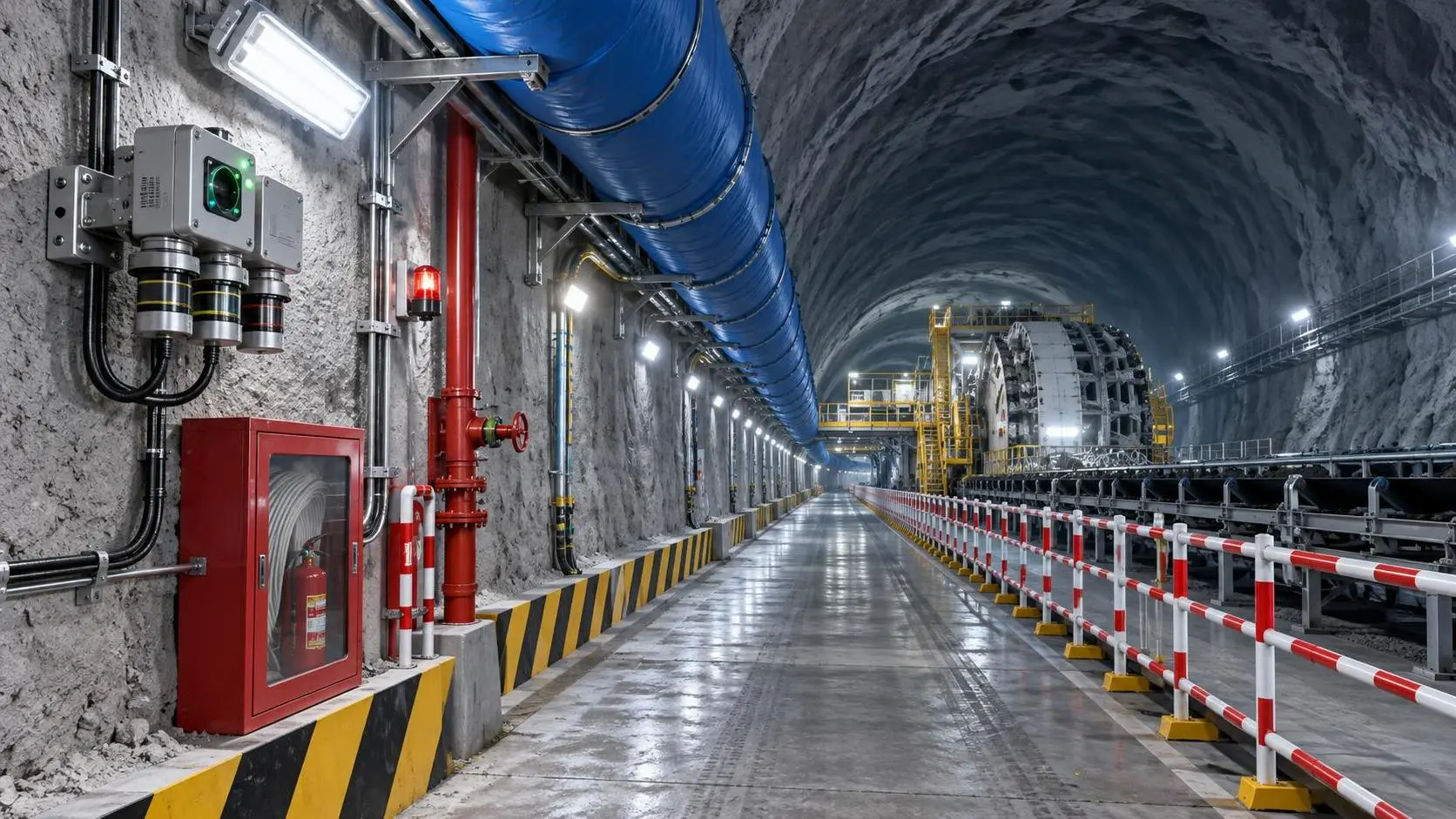
How to Select Underground Safety Equipment for Tunnelling by Hazard and Work Zone
Underground Safety Equipment for tunnelling: match protection to hazards, work zones, compliance, and emergency needs with this practical selection guide.

EPB or Slurry Shield? Selecting Soft-Ground Tunnelling Equipment by Soil Conditions
Tunnel Excavation Equipment for soft ground: compare EPB and slurry shields by soil, groundwater, settlement risk, and project logistics to choose confidently.
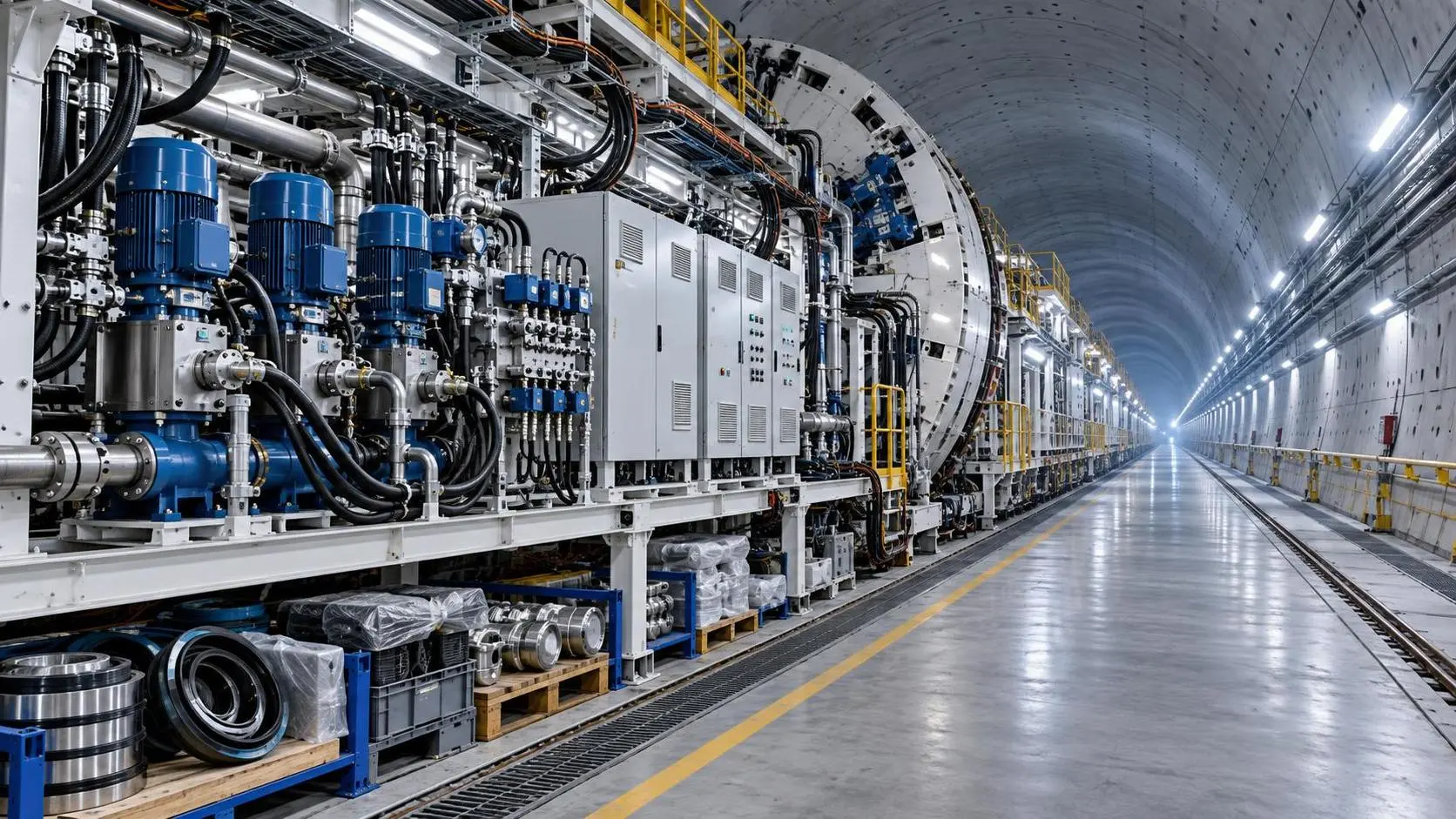
How to Specify TBM Backup System Parts for Reliable Long-Distance Tunnelling
TBM backup system parts: learn how to specify reliable spares for long-distance tunnelling, reduce downtime, ensure compatibility, and speed underground recovery.

How to Size Open Pit Mining Trucks for Haul Distance, Grade, and Payload?
Open Pit Mining Trucks: learn how to match payload, haul distance, grade, road resistance, and loading capacity for safer, lower-cost mine operations.
Related News
- 00
0000-00
How to Evaluate European Drill-and-Blast Tunnelling Contractors for Complex Projects - 00
0000-00
Which Trenchless Construction Technique Fits Your Utility Crossing Conditions? - 00
0000-00
What Is Driving Metro Tunnelling Demand Across Southeast Asia’s Major Cities? - 00
0000-00
Hard Rock Tunnelling in Australia: Selecting Methods for Variable Ground Conditions - 00
0000-00
Hydropower Tunnel Excavation: Selecting Methods for Variable Rock Conditions
Weekly Insights
Stay ahead with our curated technology reports delivered every Monday.