
East China Cargo Launches Chongqing Supply Chain Co. for TBM Export





On May 21, 2026, China Eastern Logistics officially established East China Cargo Western Supply Chain (Chongqing) Co., Ltd., marking a strategic expansion of its freight network in western China and signaling intensified institutional support for cross-border logistics of oversized mining and tunneling equipment.
Event Overview
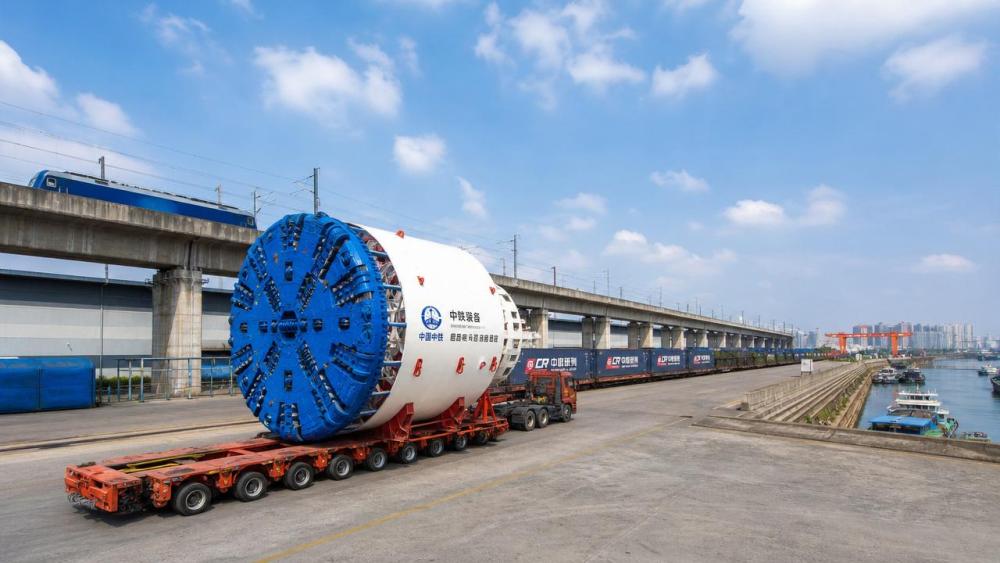
East China Cargo Logistics incorporated East China Cargo Western Supply Chain (Chongqing) Co., Ltd. on May 21, 2026. The new entity forms the third node—alongside Shanghai and Shenzhen—in the company’s ‘one core, two wings’ air cargo network. It leverages China Cargo Airlines’ Boeing 777F freighter fleet and China Eastern Airlines’ more than 800 passenger aircraft with belly-hold capacity to enhance international multimodal transport capabilities for oversized and overweight equipment—including Tunnel Boring Machines (TBMs), hard-rock tunneling systems, and large-scale mining trucks—originating from the Chengdu–Chongqing economic corridor.
Industries Affected
Direct Export Trading Enterprises
Exporters of TBMs and heavy mining equipment face tighter delivery windows for infrastructure projects in South America, the Middle East, and Southeast Asia. With enhanced scheduling reliability and integrated rail-water/rail-road ‘single-document’ customs clearance now available via this new Chongqing hub, such enterprises may reduce transit time variability by up to 20–30% for key routes—though actual gains depend on local terminal coordination and inland haulage performance.
Raw Material Procurement Enterprises
Suppliers sourcing steel forgings, gearboxes, or hydraulic components for TBM manufacturers may experience upstream pressure to align production cycles with accelerated export schedules. While not directly handling logistics, procurement firms must now anticipate shorter lead-time buffers—especially when supplying to OEMs that have adopted just-in-time export planning tied to Chongqing-based consolidation windows.
Equipment Manufacturing Enterprises
TBM and mining truck OEMs headquartered in Sichuan or Chongqing gain improved access to scheduled, high-capacity air freight alternatives for urgent spare parts, prototype shipments, or emergency field replacements. This does not replace ocean freight for full-machine exports but introduces a viable hybrid model—e.g., shipping critical subsystems by air while moving main frames by sea—potentially improving overall project uptime guarantees.
Supply Chain Service Providers
Third-party logistics providers (3PLs), freight forwarders, and customs brokers operating in Southwest China must adapt to new documentation protocols and intermodal handover standards introduced under the ‘single-document’ framework. Those lacking certified integration with the Chongqing hub’s digital platform may see reduced tender eligibility for contracts linked to state-backed infrastructure projects requiring traceable, end-to-end compliance.
Key Considerations and Recommended Actions
Review Multimodal Contract Clauses
Exporters should audit existing Incoterms® and service-level agreements to verify whether ‘single-document’ rail-water or rail-road legs are contractually recognized—and whether liability coverage extends across all modes. Gaps here may expose parties to unexpected demurrage or insurance exclusions.
Validate Equipment Dimensional Compliance Early
Given the specialized nature of TBM components, shippers must pre-clear dimensional and weight profiles with both Chongqing hub operations and destination port authorities—not only for air transport but also for connecting inland rail or barge segments where axle-load or height restrictions apply.
Assess Integration with Digital Freight Platforms
Firms relying on legacy EDI or manual reporting systems should evaluate compatibility with the Chongqing hub’s real-time tracking and customs data exchange interface. Delayed adoption may hinder visibility into transshipment status and delay response to border hold-ups.
Editorial Perspective / Industry Observation
Observably, this move reflects a broader shift in China’s export logistics strategy—from optimizing container throughput at coastal ports toward building inland multimodal nodes anchored by air capacity. Analysis shows the Chongqing initiative is less about replacing maritime dominance and more about de-risking delivery for time-sensitive, high-value capital goods where schedule certainty outweighs cost sensitivity. From an industry perspective, it signals growing recognition that ‘infrastructure export competitiveness’ increasingly hinges on logistics orchestration—not just product capability.
Conclusion
The establishment of East China Cargo’s Chongqing supply chain arm represents a calibrated response to structural bottlenecks in exporting complex engineering equipment—not a wholesale reconfiguration of global trade flows. Its true impact will be measured not in tonnage handled, but in how reliably it compresses the gap between order commitment and site readiness across volatile overseas construction markets.
Source Attribution
Official announcement issued by China Eastern Logistics Group (May 21, 2026); supporting details confirmed via China Cargo Airlines operational briefing and Chongqing Municipal Transport Commission press release. Note: Implementation timelines for full ‘single-document’ interoperability with national rail and customs systems remain subject to pilot-phase evaluation through Q4 2026.
Related News
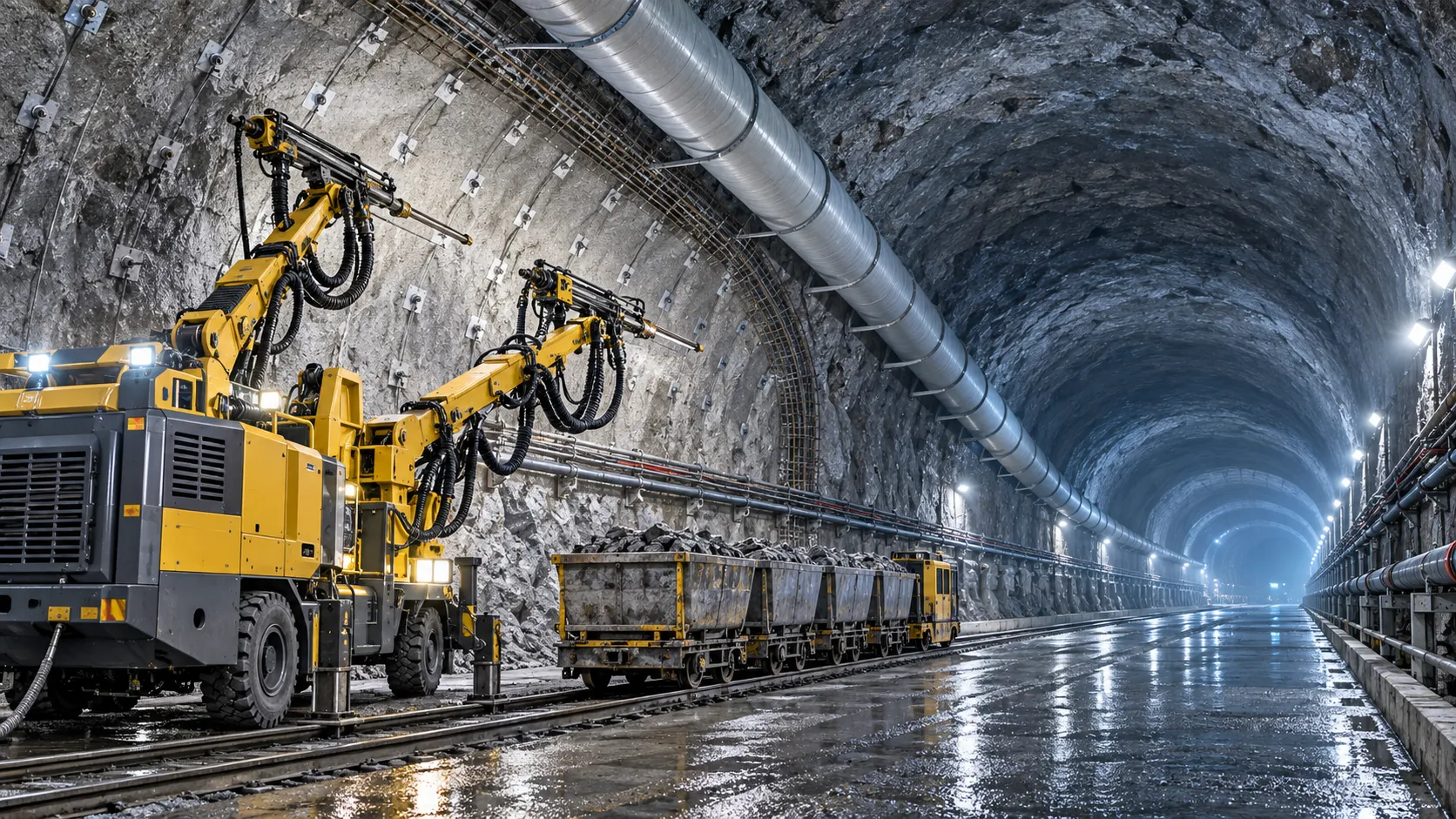
How to Evaluate European Drill-and-Blast Tunnelling Contractors for Complex Projects
Drill and blast tunnelling contractors Europe: learn how to assess geology expertise, blast control, equipment reliability, safety, and programme resilience for complex projects.
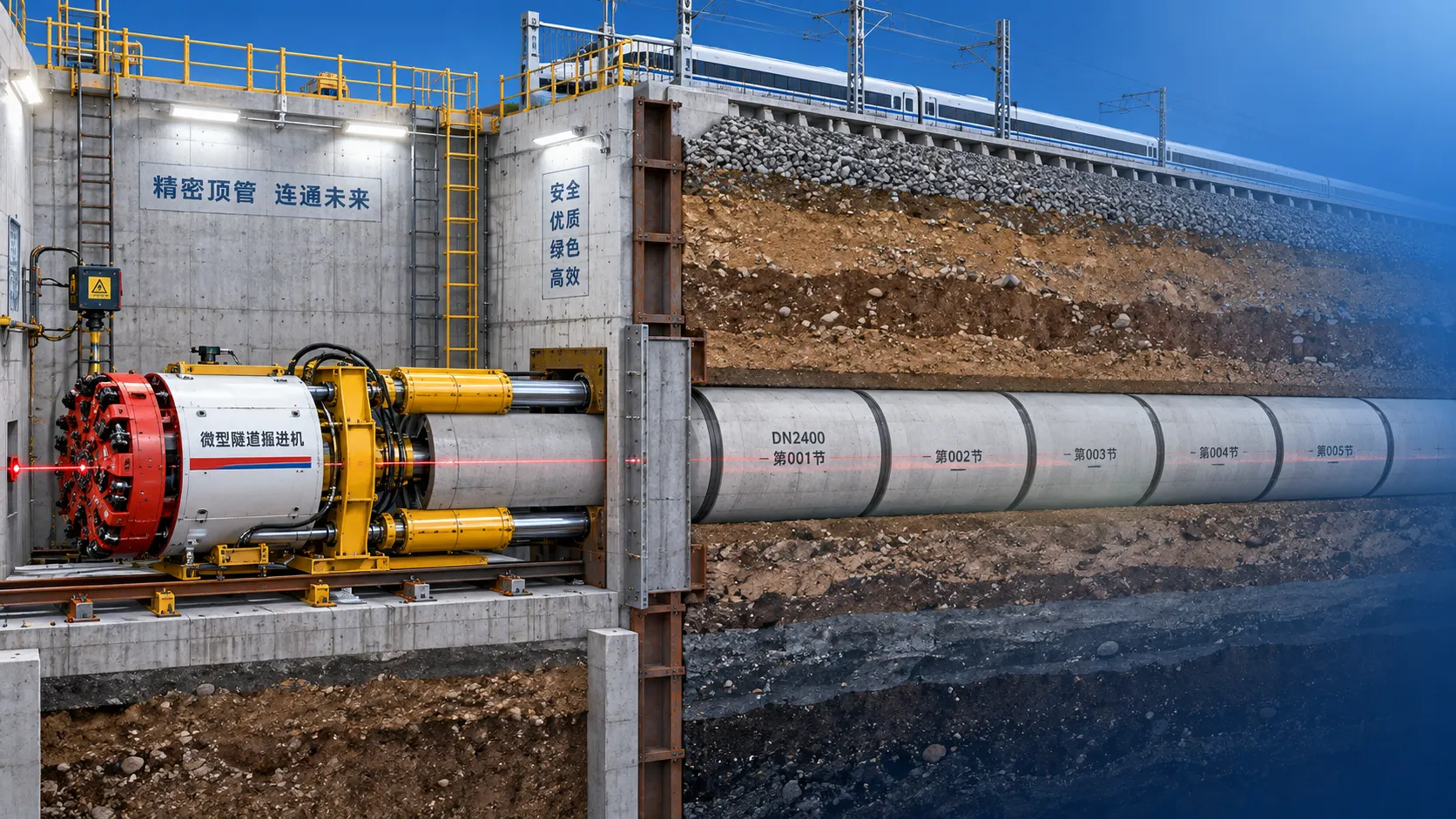
Which Trenchless Construction Technique Fits Your Utility Crossing Conditions?
Trenchless construction techniques compared for utility crossings: choose HDD, microtunnelling, pipe jacking, or auger boring based on ground, accuracy, access, and risk.
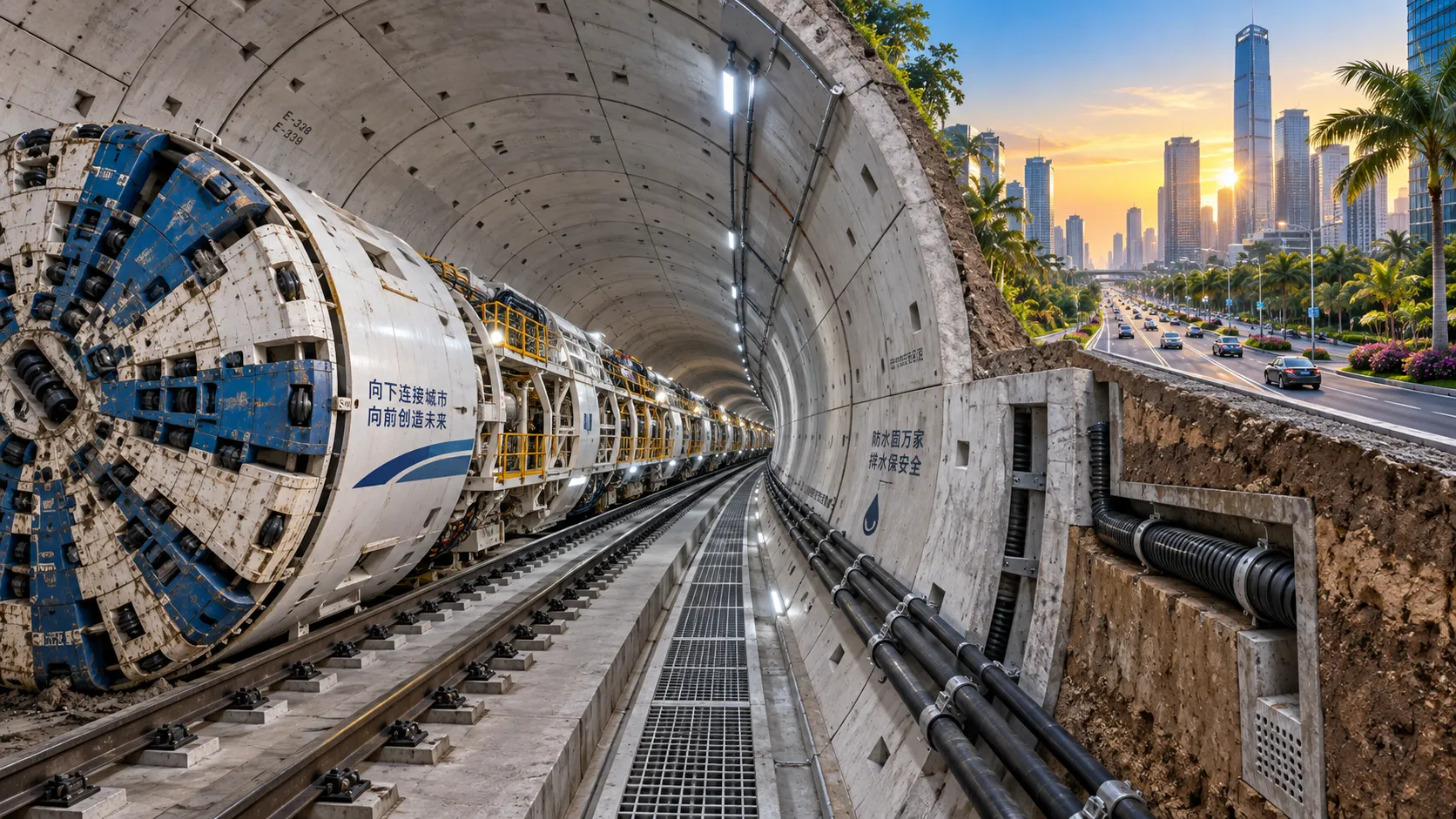
What Is Driving Metro Tunnelling Demand Across Southeast Asia’s Major Cities?
Metro tunnelling Southeast Asia is accelerating as major cities tackle congestion, flooding, and connectivity. Explore the market forces, technical risks, and opportunities shaping demand.
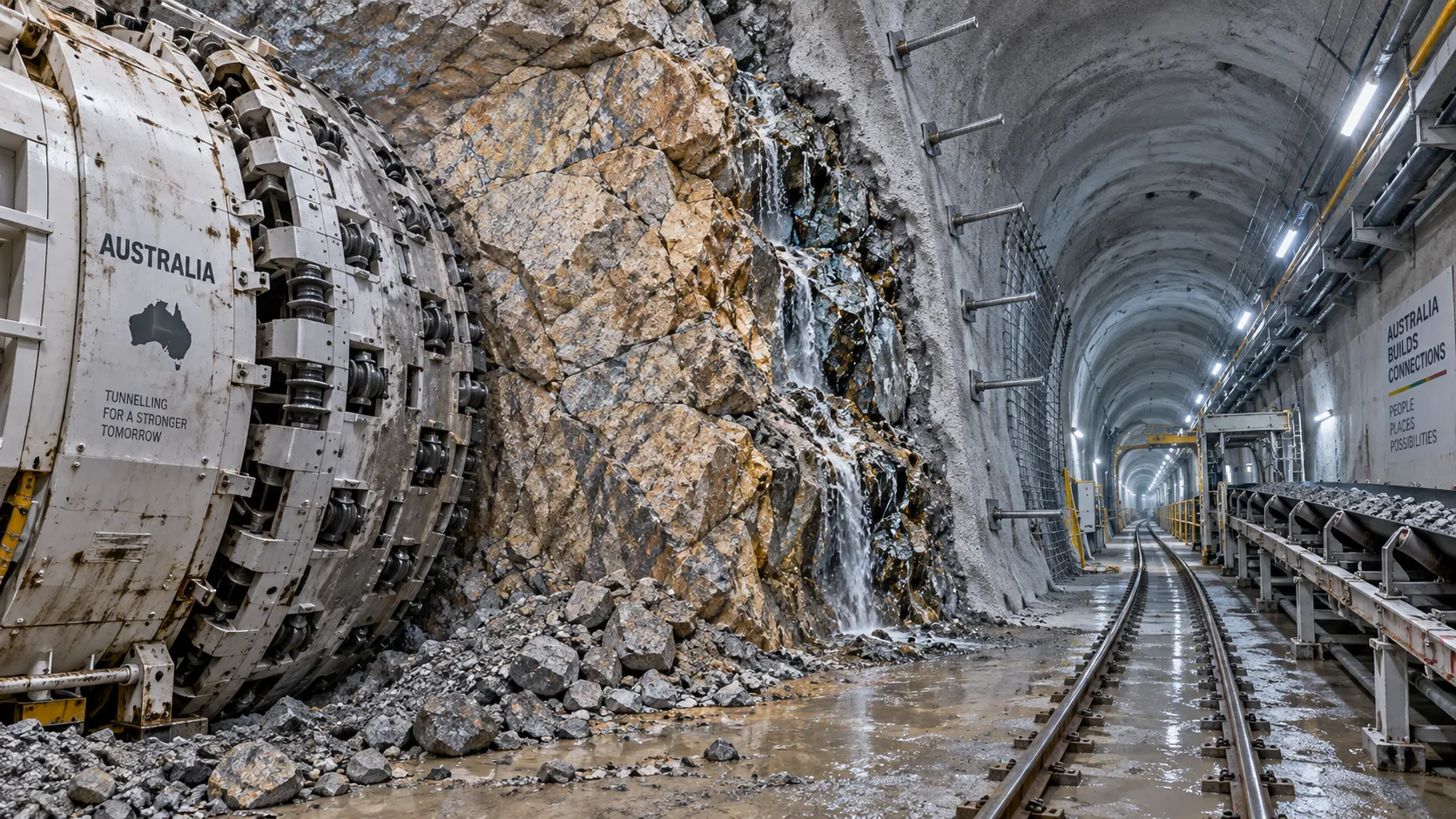
Hard Rock Tunnelling in Australia: Selecting Methods for Variable Ground Conditions
Hard rock tunnelling in Australia: compare TBM, drill-and-blast and hybrid methods to manage variable ground, reduce risk and protect project costs.
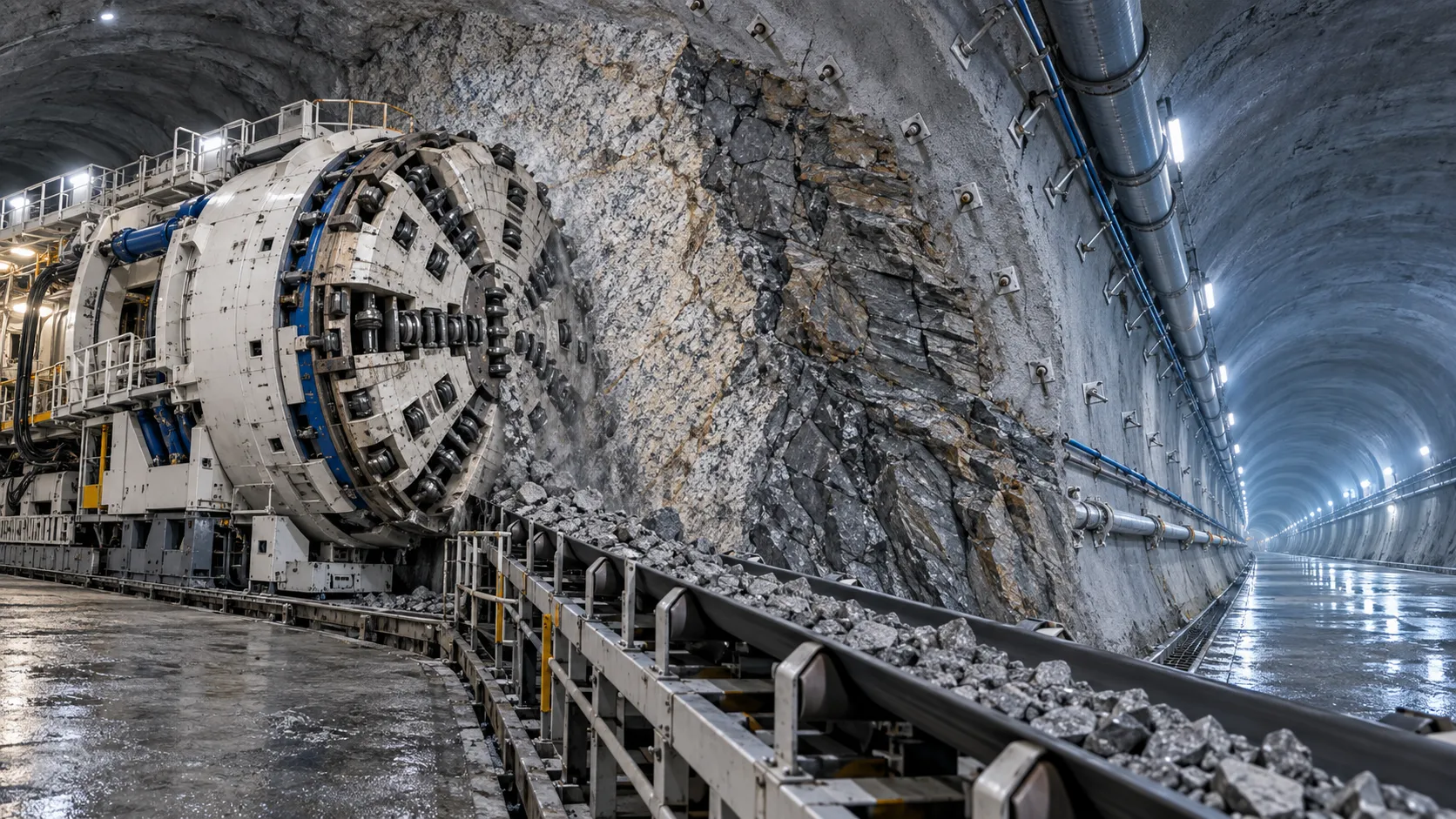
Hydropower Tunnel Excavation: Selecting Methods for Variable Rock Conditions
Hydropower tunnel excavation methods for variable rock conditions: compare TBM, drill-and-blast, and hybrid strategies to improve safety, progress, and project control.
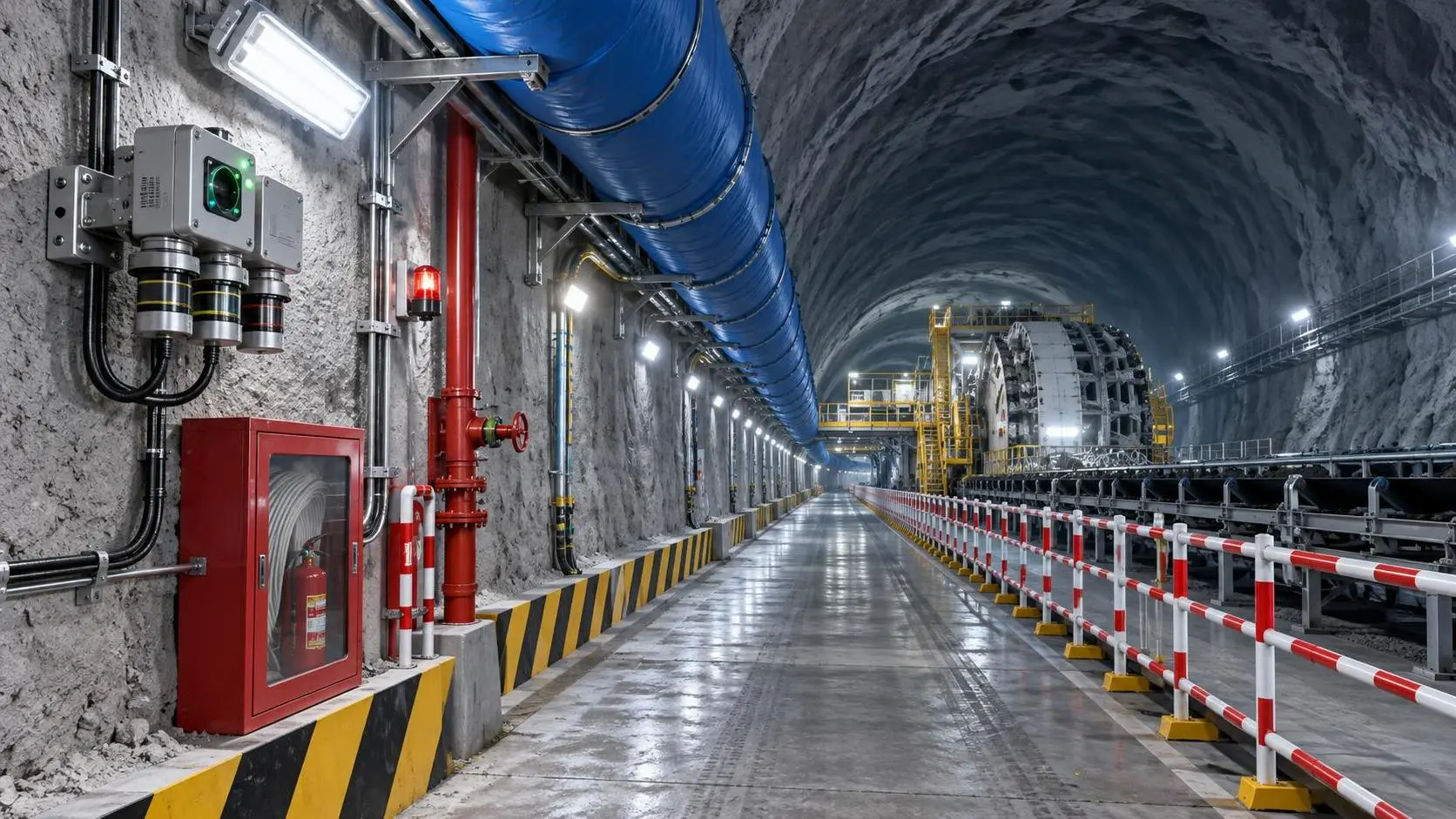
How to Select Underground Safety Equipment for Tunnelling by Hazard and Work Zone
Underground Safety Equipment for tunnelling: match protection to hazards, work zones, compliance, and emergency needs with this practical selection guide.
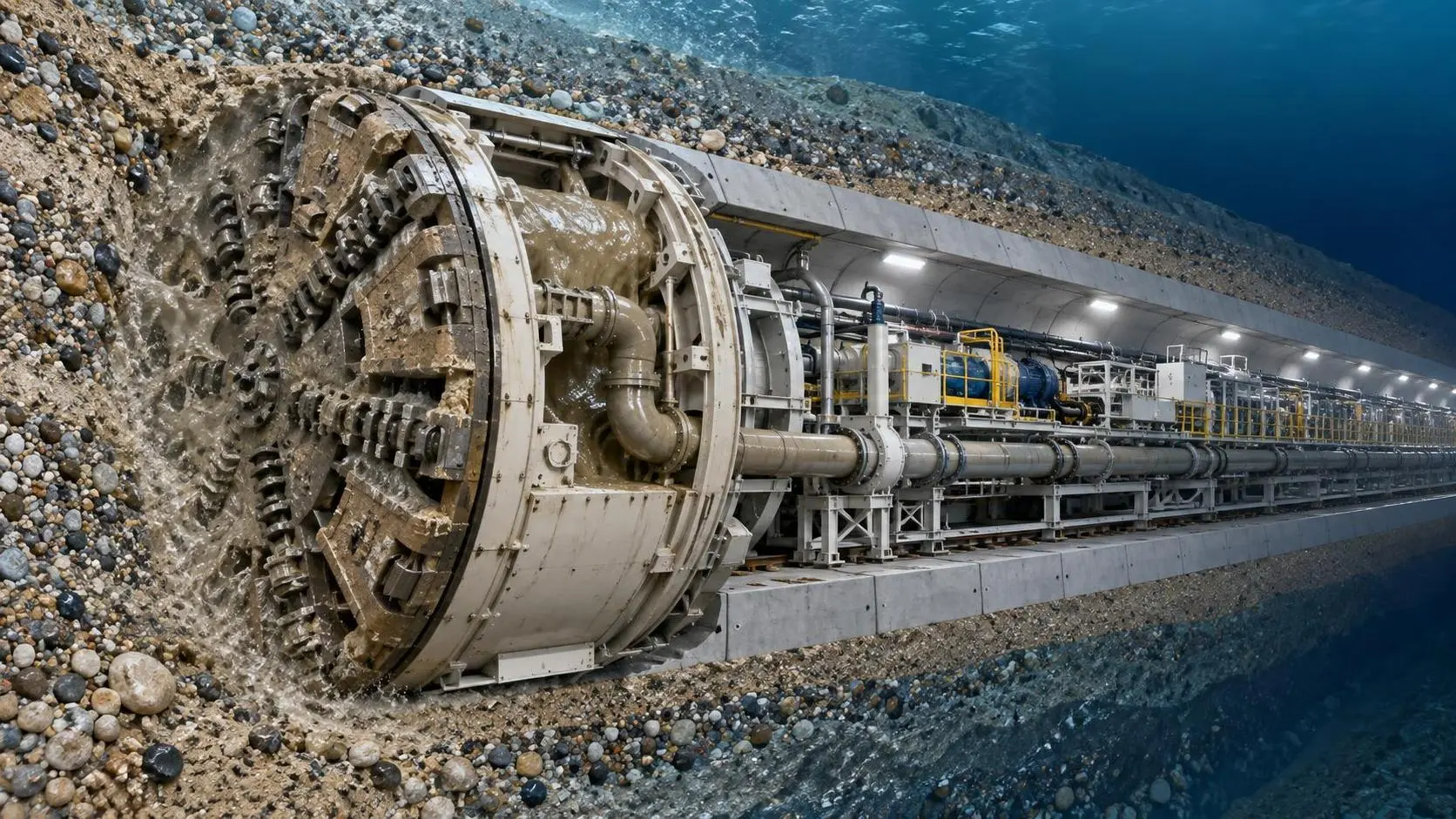
EPB or Slurry Shield? Selecting Soft-Ground Tunnelling Equipment by Soil Conditions
Tunnel Excavation Equipment for soft ground: compare EPB and slurry shields by soil, groundwater, settlement risk, and project logistics to choose confidently.
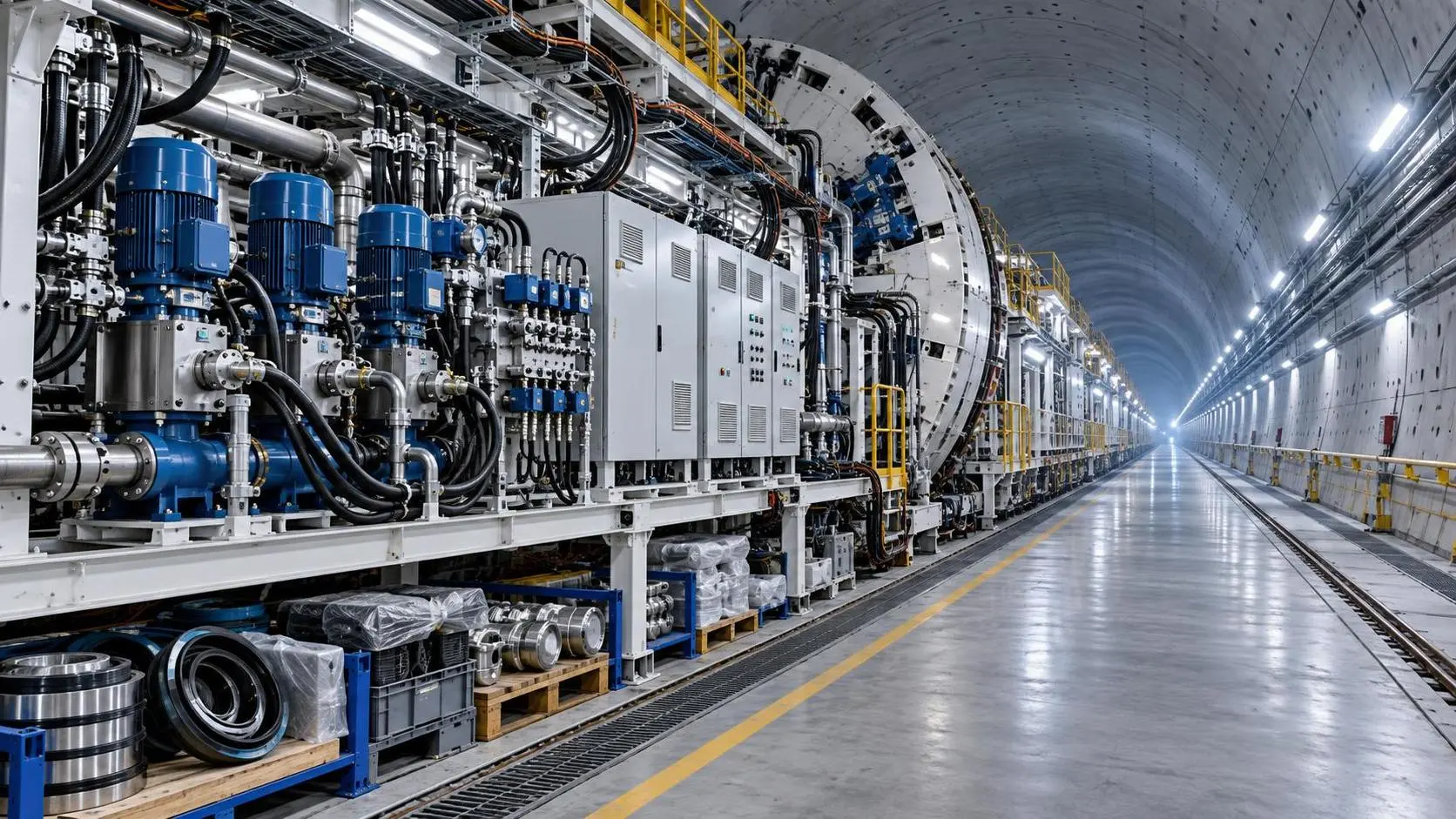
How to Specify TBM Backup System Parts for Reliable Long-Distance Tunnelling
TBM backup system parts: learn how to specify reliable spares for long-distance tunnelling, reduce downtime, ensure compatibility, and speed underground recovery.

How to Size Open Pit Mining Trucks for Haul Distance, Grade, and Payload?
Open Pit Mining Trucks: learn how to match payload, haul distance, grade, road resistance, and loading capacity for safer, lower-cost mine operations.
Related News
- 00
0000-00
How to Evaluate European Drill-and-Blast Tunnelling Contractors for Complex Projects - 00
0000-00
Which Trenchless Construction Technique Fits Your Utility Crossing Conditions? - 00
0000-00
What Is Driving Metro Tunnelling Demand Across Southeast Asia’s Major Cities? - 00
0000-00
Hard Rock Tunnelling in Australia: Selecting Methods for Variable Ground Conditions - 00
0000-00
Hydropower Tunnel Excavation: Selecting Methods for Variable Rock Conditions
Weekly Insights
Stay ahead with our curated technology reports delivered every Monday.