
Three Gorges Reservoir Releases Over 10B m³ of Water in Dry Season





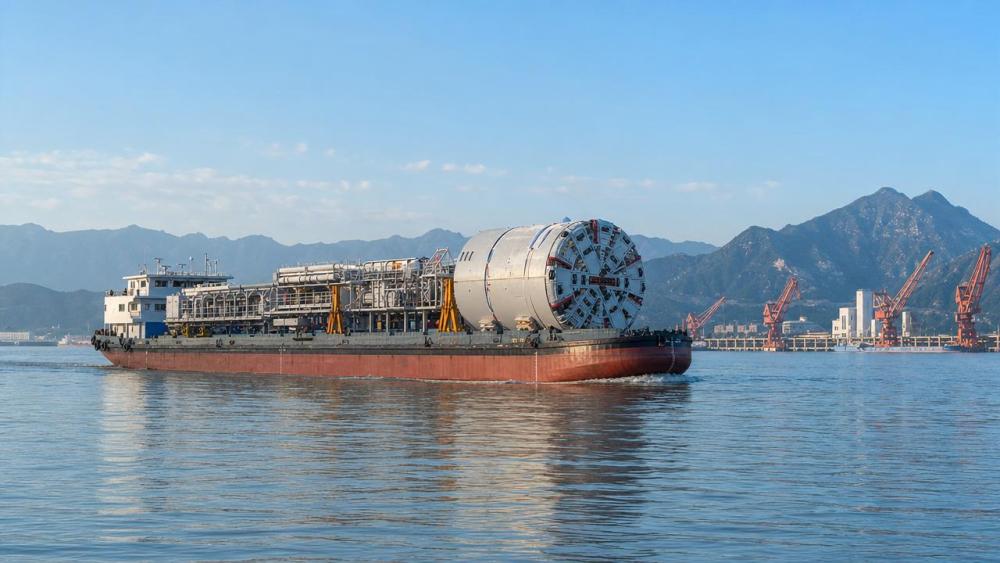
As of May 12, 2026, the Three Gorges Reservoir has released more than 10 billion cubic meters of water during the 2025–2026 dry season to sustain navigable depths on the Yangtze River’s middle and lower reaches. This operational adjustment directly supports logistics stability for heavy-equipment exports — particularly for manufacturers and exporters of tunnel-boring machines (TBMs), shield machines, and large mining trucks — making it highly relevant for heavy machinery exporters, inland port operators, and multimodal freight service providers.
Event Overview
According to official updates, by May 12, 2026, the Three Gorges Reservoir had cumulatively supplemented over 10 billion cubic meters of water into the Yangtze River during the 2025–2026 dry season. The average daily outflow exceeded 7,000 m³/s — approximately 60% higher than natural flow levels. This intervention maintained sufficient channel depth at key inland ports including Wuhan, Nanjing, and Nantong, enabling full-load passage of vessels transporting oversized heavy equipment.
Industries Affected
Heavy Equipment Exporters
These enterprises rely on uninterrupted inland waterway access to move oversized cargo — such as fully assembled TBMs and mining trucks — from manufacturing hubs to coastal terminals. Reduced draft due to low water levels would otherwise force partial loading or transshipment, increasing costs and delaying schedules.
Inland Port Operators & Terminal Service Providers
Ports like Wuhan and Nanjing serve as critical intermodal nodes for heavy-equipment logistics. Sustained water depth ensures berth availability, crane operability, and synchronized barge-to-vessel transfer — all of which depend on predictable hydrological conditions.
Multimodal Freight Forwarders & Logistics Integrators
Forwarders managing end-to-end export shipments must coordinate barge schedules, customs clearance windows, and ocean carrier bookings. Stable river flow reduces uncertainty in transit time estimation and minimizes risk of demurrage or container repositioning penalties.
Domestic Heavy Machinery Manufacturers
Manufacturers with just-in-time delivery commitments — especially those supplying infrastructure projects overseas — face cascading delays if river transport is disrupted. Consistent water levels help maintain production planning cadence and contractual delivery timelines.
What Stakeholders Should Monitor and Act On
Track official reservoir operation announcements through the Yangtze River Hydrological Bureau
Supplemental releases are adjusted weekly based on rainfall forecasts and downstream demand. Stakeholders should subscribe to real-time discharge data and seasonal operation plans — not just current figures — to anticipate potential mid-season adjustments.
Verify draft requirements for specific vessel types and cargo configurations
While general channel depth is stabilized, individual barge drafts vary by hull design and load distribution. Exporters should confirm minimum under-keel clearance thresholds with their barge operators before finalizing loading plans — especially for non-standard cargo.
Distinguish between hydrological support and long-term infrastructure readiness
The current补水 (water supplementation) is an operational measure, not a structural upgrade to lock capacity or channel dredging. It does not replace the need for ongoing investment in navigation aids, lock scheduling systems, or shallow-draft barge fleets.
Update contingency protocols for dry-season shipping windows
Even with enhanced reservoir management, peak dry-season months (December–March) remain vulnerable to sudden flow drops. Exporters should pre-negotiate alternative routing options — including rail-water intermodal fallbacks — and align internal logistics teams with updated dry-season SOPs.
Editorial Perspective / Industry Observation
Observably, this milestone reflects a maturing of integrated water-resource management for industrial logistics — where hydropower infrastructure serves dual roles: energy generation and navigational reliability. Analysis shows the 10-billion-cubic-meter threshold is not merely a volume metric but signals institutional prioritization of export-critical freight corridors. However, it remains a short-term operational response rather than a systemic resolution to climate-driven hydrological volatility. From an industry standpoint, this is best understood as a reinforcing signal — confirming that river-based heavy-equipment logistics will continue to be actively safeguarded, but not as evidence of permanent resilience without complementary investments.
Conclusion: The Three Gorges Reservoir’s dry-season water release underscores the strategic linkage between water resource operations and global heavy-equipment supply chains. It confirms continued institutional support for Yangtze River export logistics — yet should be interpreted as a managed mitigation effort, not a de-risked baseline. Stakeholders are better advised to treat it as a stabilizing factor within a broader, still-volatile hydrological and logistical environment.
Source: Official data released by the Yangtze River Hydrological Bureau as of May 12, 2026. Ongoing monitoring is recommended for updates on the 2026–2027 dry season operational plan, which is expected to be published in Q4 2026.
Related News
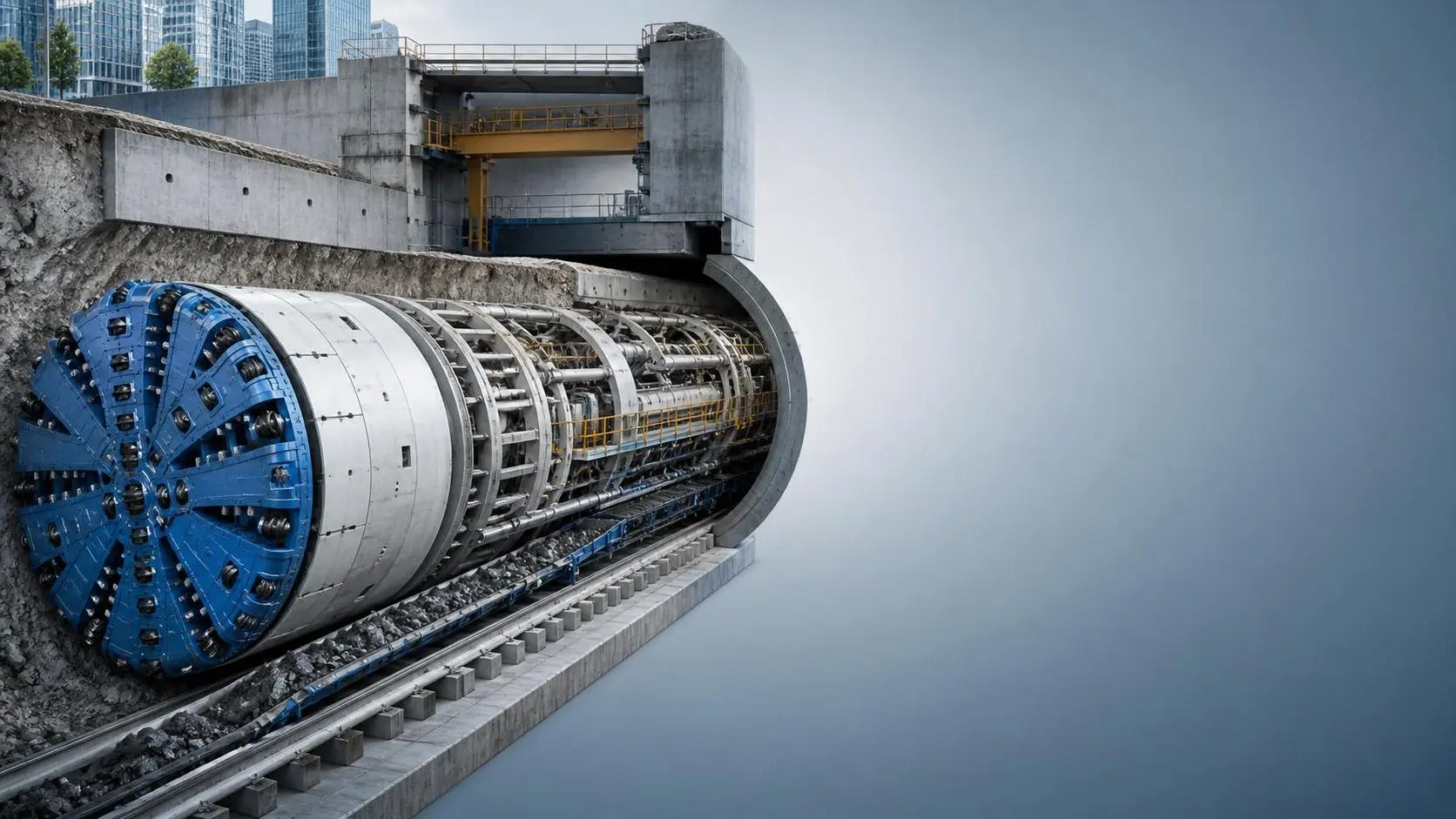
What Drives TBM Excavation Cost in Urban Tunneling Projects?
tbm excavation cost in urban tunneling depends on geology, shafts, segment lining, logistics, and risk. Discover the key cost drivers and compare bids with greater confidence.
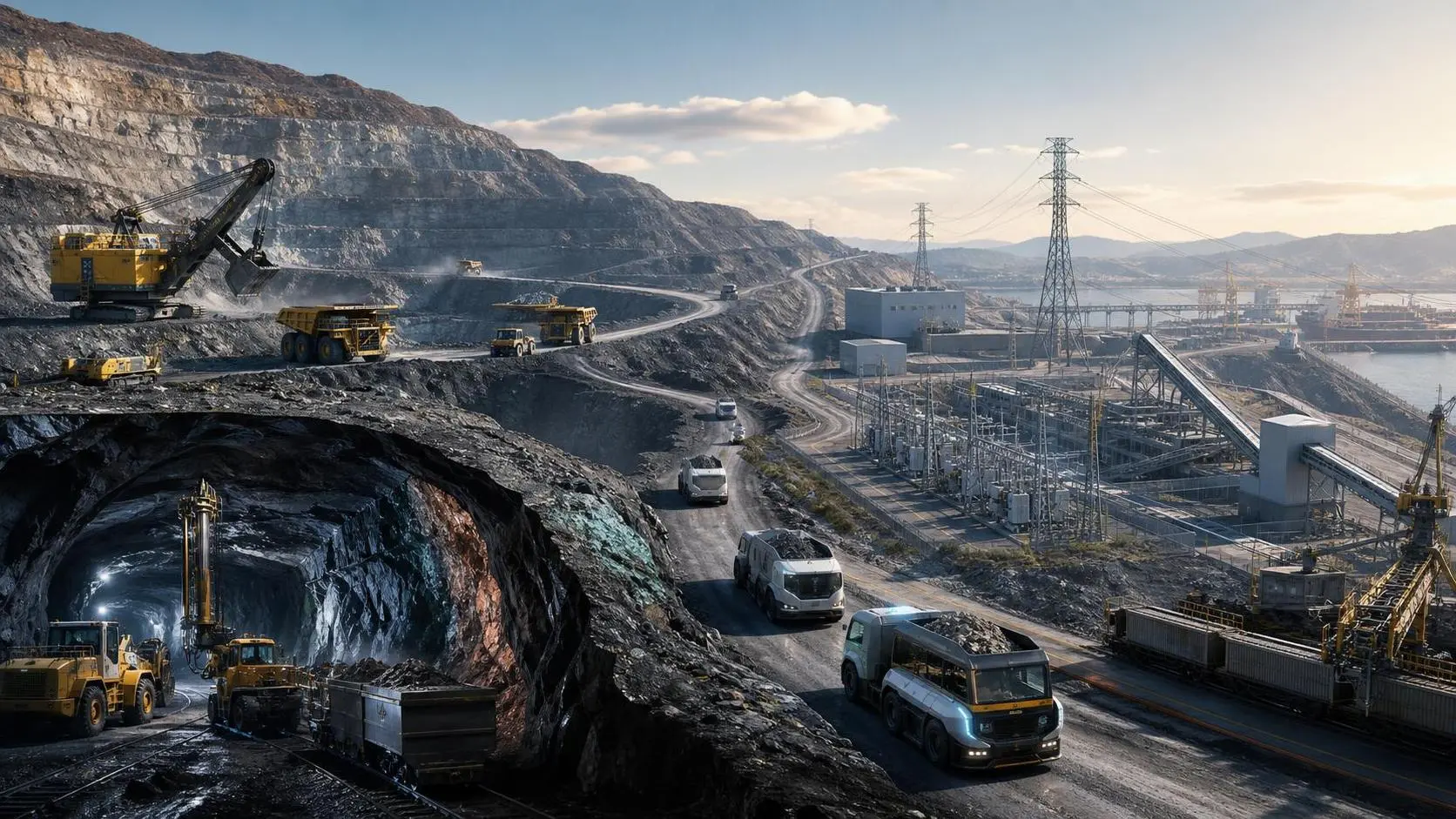
What Does Energy Metals Mining in Australia Mean for Supply, Cost, and Project Risk?
Energy metals mining Australia is reshaping supply, cost, and project risk. Discover what it means for buyers, investors, and operators.
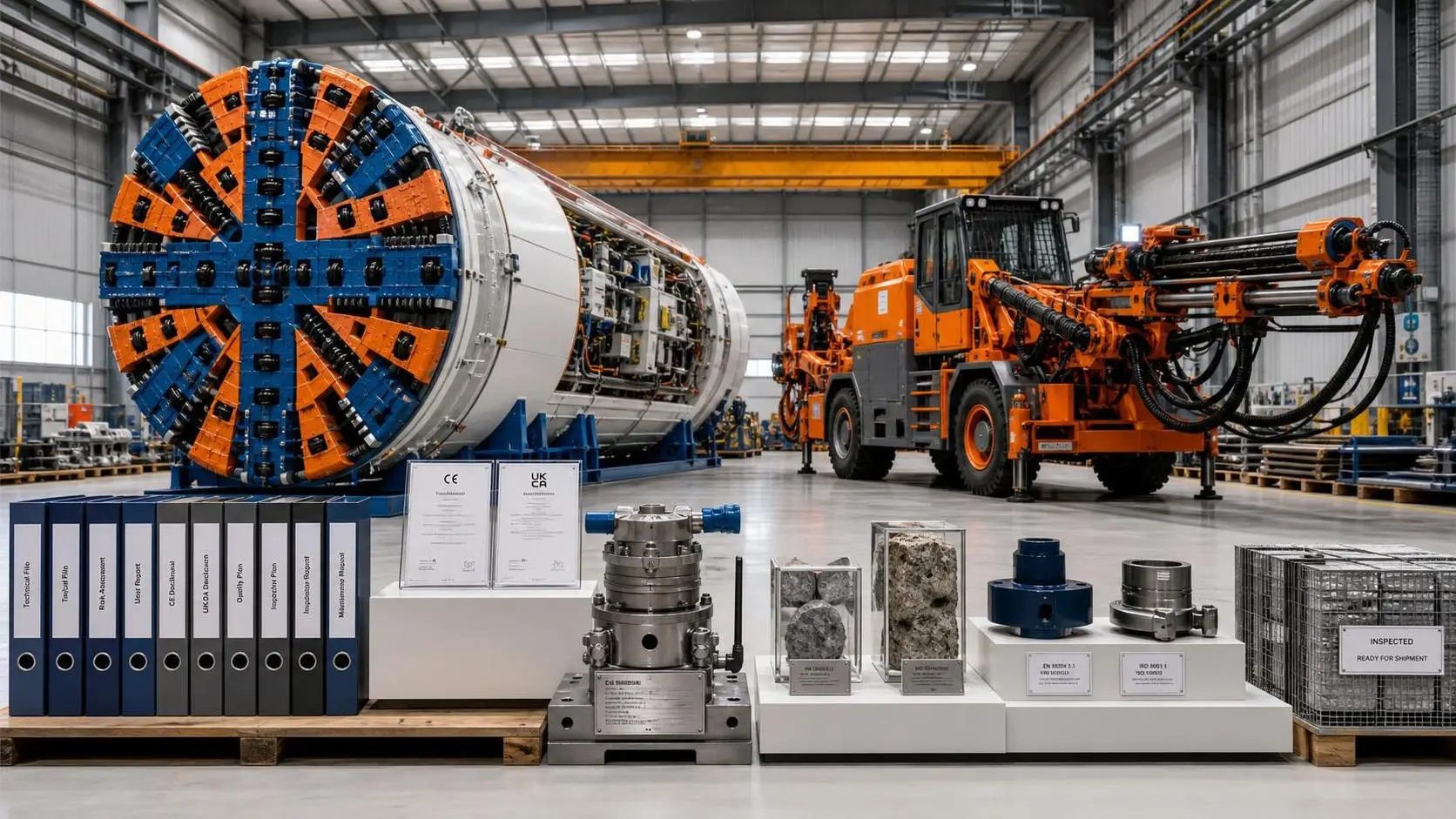
EU Eases Dual CE and UKCA Path for Chinese Tunnel Boring Equipment
EU eases CE and UKCA certification for Chinese tunnel boring equipment, cutting compliance time and helping importers move faster.
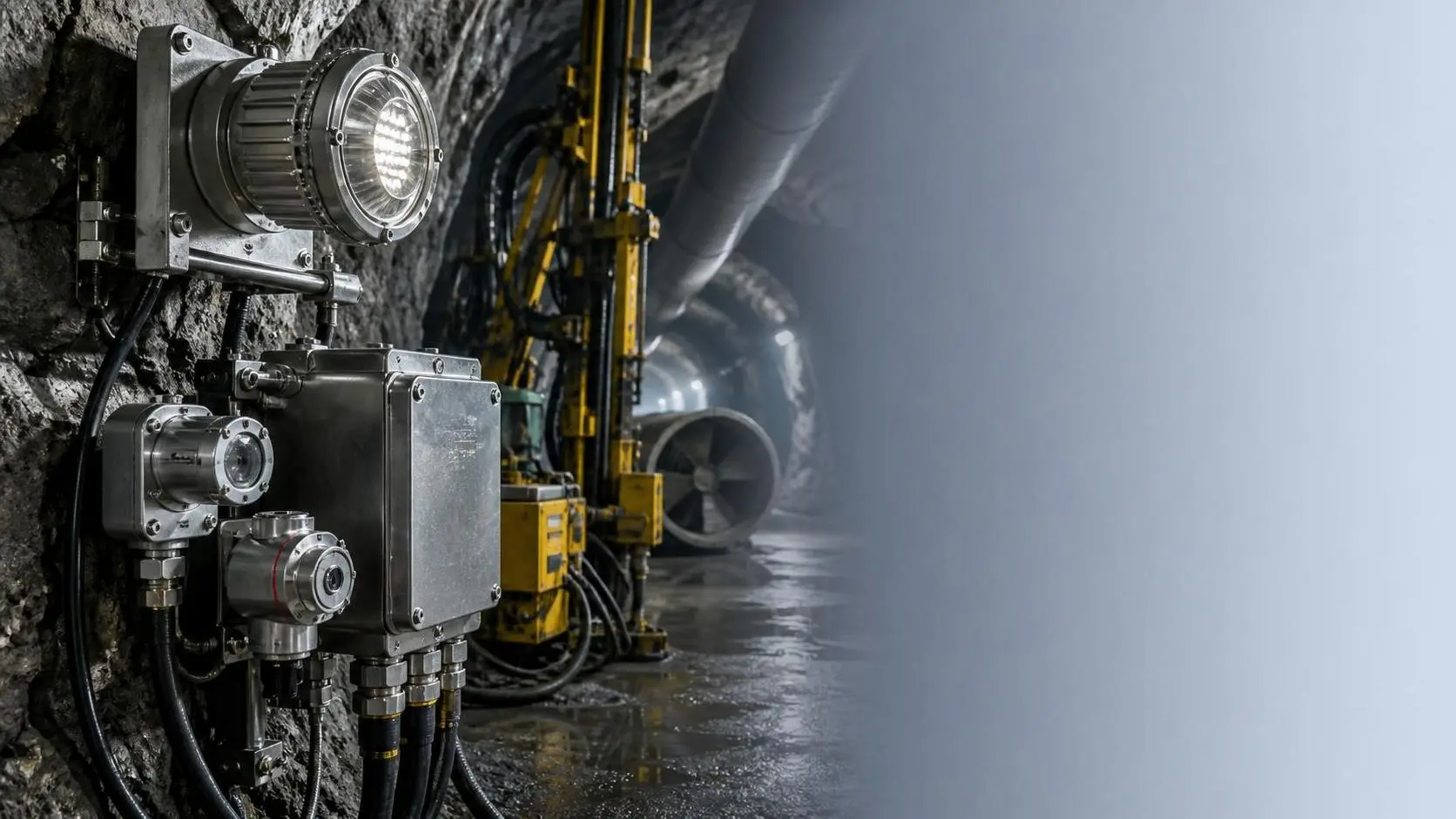
Flameproof Underground Safety Equipment: What Mine Teams Should Check Before Buying
Underground Safety Equipment flameproof buying guide: learn how mine teams should verify certification, durability, serviceability, and supplier support before purchase.
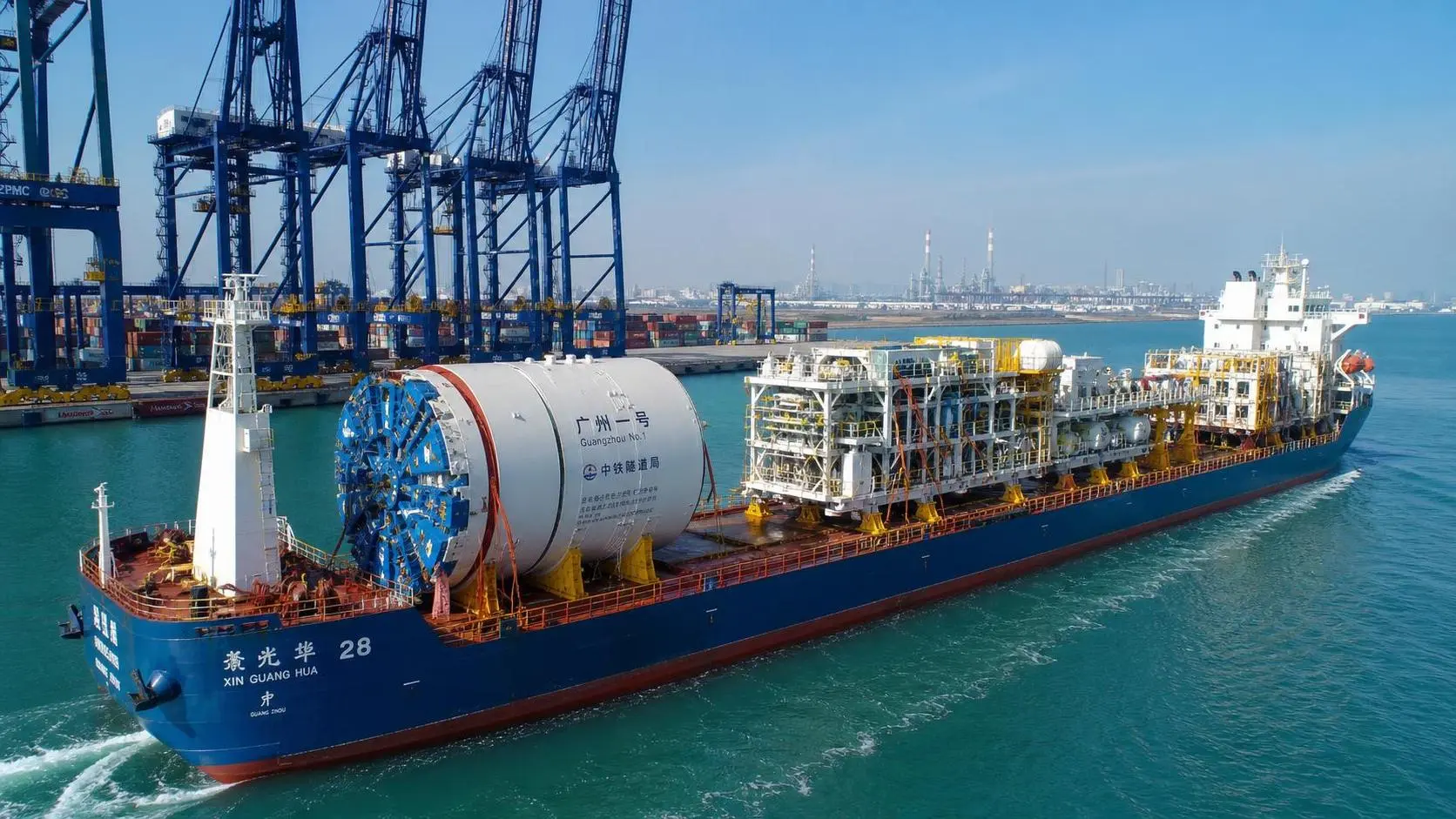
China-UAE Direct Sea Route Cuts TBM and Large Tunneling Equipment Lead Times
China-UAE direct sea route shortens TBM and large tunneling equipment lead times by 12–15 days, improving delivery predictability for major infrastructure projects. Read the full impact.
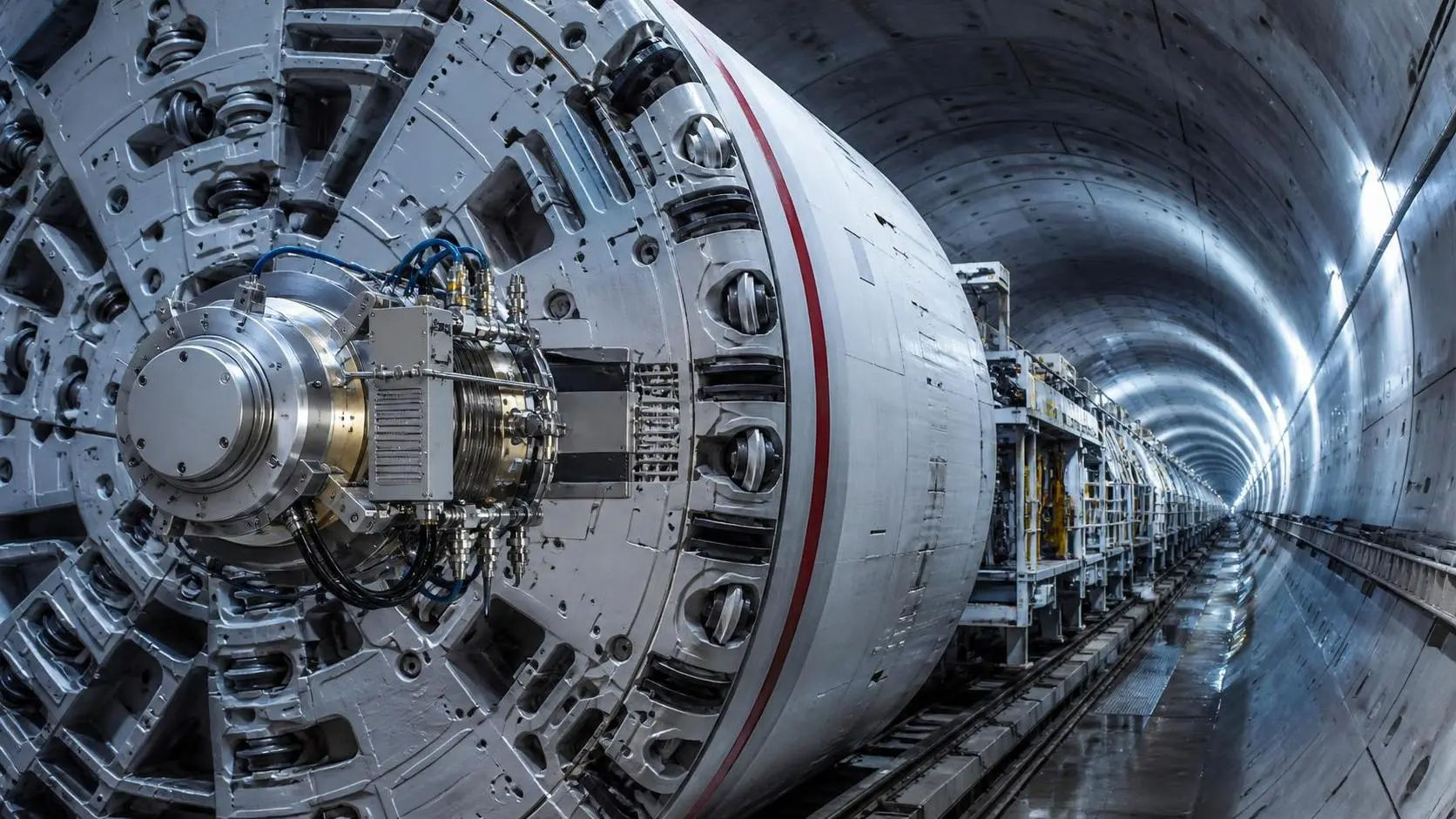
What Is a TBM Guidance System Gyroscope, and Why Does It Matter Underground?
TBM Guidance Systems gyroscope improves underground accuracy, reduces drift, and helps tunnel boring machines stay on line in harsh conditions.

China to Roll Out Nationwide Local and Foreign Currency Cash Pools for Multinationals on Sept. 14
China will roll out nationwide local and foreign currency cash pools for multinationals on Sept. 14, streamlining cross-border treasury management and boosting liquidity efficiency.
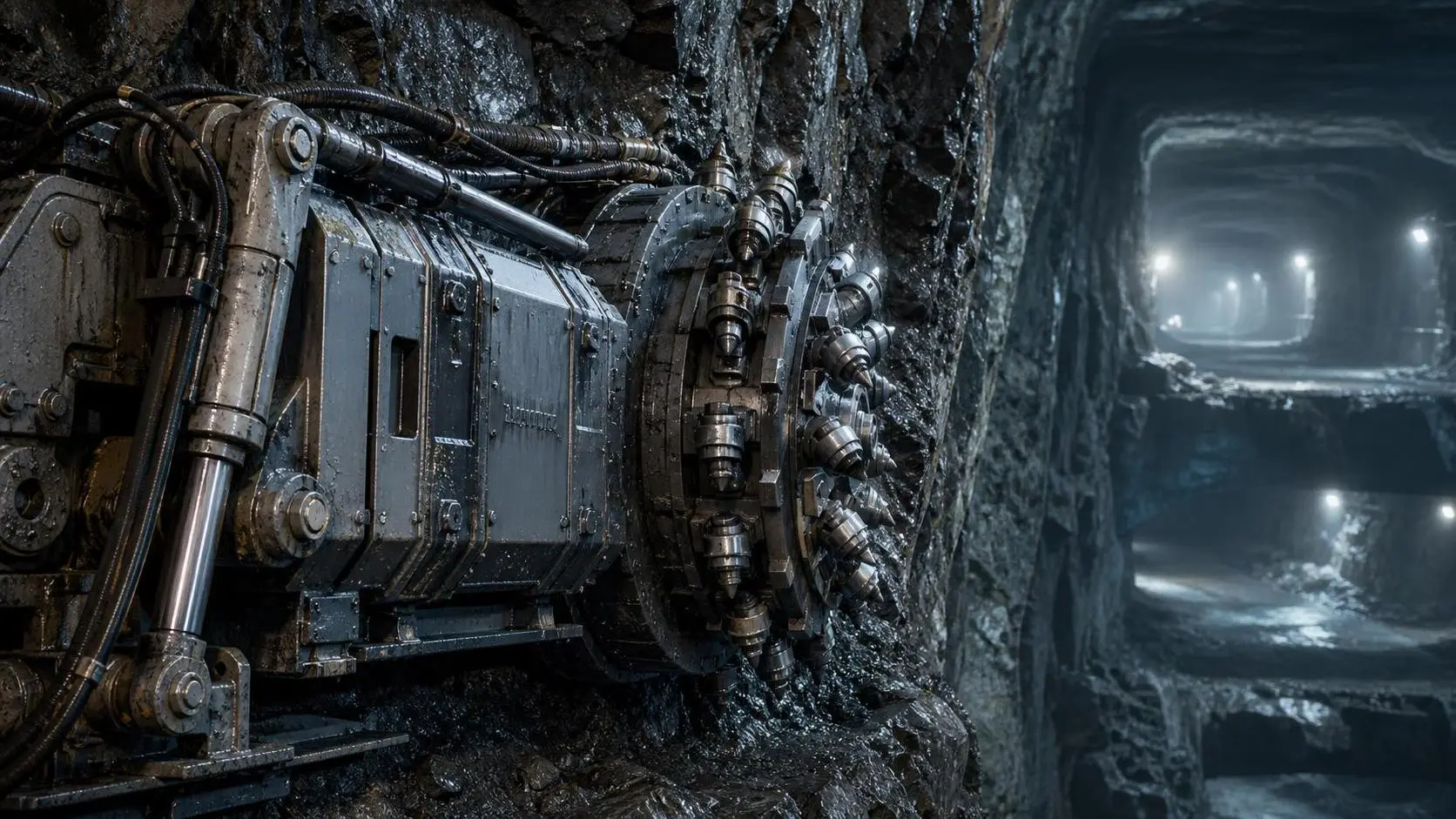
How to Choose a Reliable Underground Mining Equipment Supplier for Harsh Site Conditions
Find a reliable underground mining equipment supplier for harsh site conditions with rugged, maintainable solutions that boost uptime, reduce risk, and support long-term production.
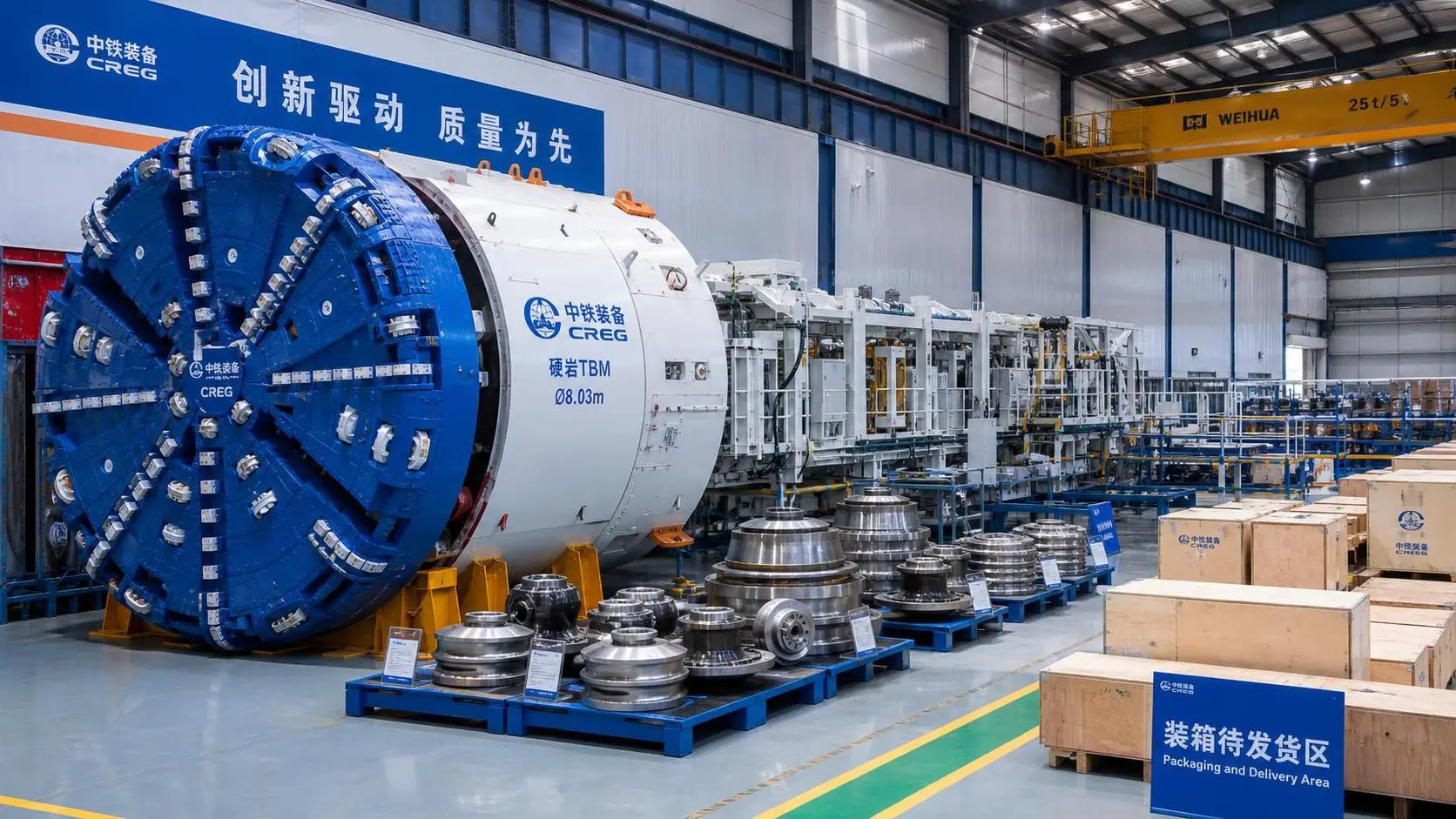
China Customs Tightens TBM Export Checks from Aug. 16
China Customs tightens TBM export checks from Aug. 16, 2026. Learn how new mandatory inspections may affect tunnelling equipment shipments, compliance, and delivery plans.
Related News
- 00
0000-00
What Drives TBM Excavation Cost in Urban Tunneling Projects? - 00
0000-00
What Does Energy Metals Mining in Australia Mean for Supply, Cost, and Project Risk? - 00
0000-00
EU Eases Dual CE and UKCA Path for Chinese Tunnel Boring Equipment - 00
0000-00
Flameproof Underground Safety Equipment: What Mine Teams Should Check Before Buying - 00
0000-00
China-UAE Direct Sea Route Cuts TBM and Large Tunneling Equipment Lead Times
Weekly Insights
Stay ahead with our curated technology reports delivered every Monday.