
TBM Maintenance Services for EPB Shields: What to Inspect to Prevent Costly Downtime





Why TBM Maintenance Services for EPB Shields Need a Scenario-Based Inspection Lens
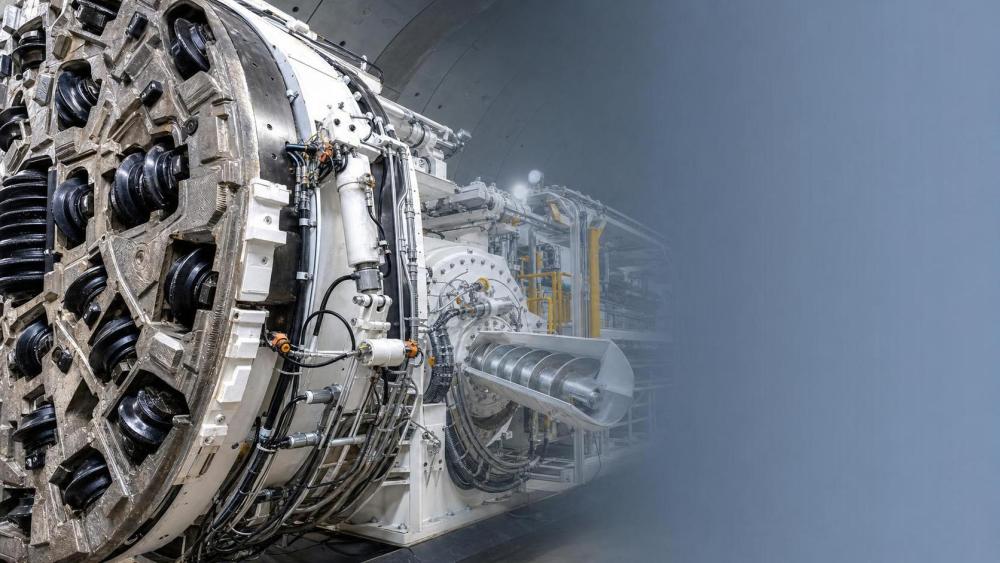
TBM Maintenance Services for EPB shields sit at the point where mechanical reliability meets project economics.
A delayed inspection underground rarely stays a small issue.
It often expands into slower advance, unstable face pressure, segment risks, and emergency repair windows.
That is why strong TBM Maintenance Services for EPB shields are judged by what they prevent, not only by what they repair.
In practice, inspection priorities change with geology, alignment length, groundwater behavior, and machine utilization rhythm.
A city tunnel under mixed ground does not create the same maintenance profile as a long drive through sticky clay.
UTMD tracks these differences across underground equipment because real asset reliability comes from linking wear mechanics, service data, and operating context.
For EPB shields, that usually means looking beyond visible wear and checking how subsystems interact under pressure.
The cutterhead, screw conveyor, seals, hydraulic circuits, conditioning lines, and guidance sensors do not fail in isolation.
When one area drifts, another area often carries the hidden stress first.
Different Ground Conditions Change What TBM Maintenance Services for EPB Shields Should Inspect First
In soft, plastic soils, the first concern is usually flow consistency rather than pure cutting resistance.
Here, TBM Maintenance Services for EPB shields should inspect conditioning injection points, foam delivery stability, and screw conveyor discharge behavior.
Uneven spoil flow can signal line blockage, worn wear plates, or pressure imbalance long before a major stoppage appears.
Mixed-face ground shifts the judgment.
Inspection must pay closer attention to cutterhead opening condition, tool retention, hub area stress, and abnormal vibration patterns.
This is where local overloading damages components unevenly and makes standard interval-based checks less reliable.
In abrasive formations, wear life becomes the main planning variable.
The key is not just measuring cutter consumption.
It is understanding whether wear is symmetrical, whether the head is cleaning properly, and whether slurry or fines are accelerating seal damage.
Long drives with high groundwater add another layer.
Main bearing seals, tail seals, grease delivery, and pressure retention performance deserve earlier inspection than many teams expect.
A machine may still advance while protection margins are already shrinking.
What shifts from one site to another
On High-Utilization Drives, Downtime Often Starts in Overlooked Support Systems
Projects chasing aggressive daily advance often focus too heavily on front-end cutting tools.
That is necessary, but it is not sufficient.
In these conditions, TBM Maintenance Services for EPB shields should inspect the support systems that quietly govern continuity.
Hydraulic hoses, cylinder seals, rotary unions, lubrication lines, and electrical connectors become critical because they degrade under repetitive load and vibration.
A damaged hose clamp or contaminated oil sample may look minor on paper.
Underground, it can remove a shift from production.
This is also the setting where trend analysis adds more value than one-off inspection notes.
Pressure fluctuation history, temperature drift, grease consumption, and torque deviation tell a more useful story than isolated readings.
UTMD regularly highlights this wider systems view across TBMs and mining fleets.
Heavy underground assets increasingly depend on data-linked maintenance, especially where electrification, automation, and long operating cycles reduce tolerance for reactive service.
Support systems worth checking before they become stoppage points
- Hydraulic oil cleanliness and filter differential pressure
- Lubrication delivery consistency to bearings and articulation points
- Sensor calibration drift in pressure, temperature, and guidance systems
- Cable routing damage near moving interfaces
- Wear in segment erector components affecting ring build quality
When Short Urban Drives and Long Mega-Project Drives Need Different Inspection Logic
Not every EPB project should use the same maintenance rhythm.
Short urban drives often involve tighter access constraints, frequent stops, utility sensitivity, and stronger pressure to avoid visible settlement issues.
In that setting, TBM Maintenance Services for EPB shields should prioritize checks that protect face control and sealing continuity.
The acceptable threshold for leakage, conditioning inconsistency, or erector misalignment is usually lower.
Long drives create a different balance.
They reward inspection planning that predicts cumulative wear and aligns intervention windows with logistics.
Here, spare parts positioning, tool change forecasting, and remote diagnostics matter almost as much as the physical inspection itself.
A practical mistake is to treat both situations as simple variants of the same checklist.
They are not.
One is driven by tight environmental tolerance.
The other is driven by compounding wear and service accessibility.
A more useful way to adapt the inspection plan
- Map inspection points to the highest-cost failure mode, not to a generic service calendar.
- Separate daily observation items from planned intervention items.
- Use wear trend thresholds for long drives instead of relying only on fixed intervals.
- Increase seal and pressure control checks where settlement sensitivity is high.
Common Misjudgments in TBM Maintenance Services for EPB Shields
One frequent error is to judge machine health mainly from advance still being possible.
EPB shields often keep moving while inefficiency and risk are already accumulating.
Another is to inspect visible wear while ignoring system contamination.
Fine particles in grease, water ingress into hydraulic circuits, or unstable conditioning dosage can shorten component life across several subsystems.
A third misjudgment is assuming similar geology means identical service needs.
Drive length, machine age, intervention access, and operator habits can change the correct inspection order.
There is also a cost mistake.
Some teams compare service options using visible maintenance price only.
For TBM Maintenance Services for EPB shields, the real comparison should include stoppage probability, spare inventory pressure, and recovery time after failure.
How to Turn Inspection Findings Into a More Reliable Maintenance Program
Useful inspection work ends with decisions, not with completed forms.
The better approach is to rank findings by operational consequence.
Issues affecting face stability, sealing integrity, or screw discharge continuity should move to the top.
Wear items with predictable decay can stay on a planned replacement path.
This is where UTMD’s intelligence perspective is useful.
Across underground engineering, the strongest maintenance strategies connect field inspection with failure patterns, asset data, and mission-critical operating limits.
For EPB shields, that means building a live inspection matrix around actual ground response, machine condition, and downtime exposure.
A practical next step is to review the last stoppages by subsystem, then match them against current inspection frequency.
After that, confirm which readings are being trended, which wear points are only checked visually, and which hidden systems lack early-warning thresholds.
That exercise usually reveals where TBM Maintenance Services for EPB shields can reduce downtime most effectively.
The goal is not more inspection everywhere.
It is sharper inspection where project risk actually lives.
Related News
What Should a Mine Decarbonization Roadmap Include to Cut Emissions Without Hurting Output?
Mine decarbonization roadmap essentials: learn how to cut mining emissions with phased electrification, ventilation planning, and infrastructure readiness—without sacrificing output.
How to Evaluate Underground Mine Automation Companies for Safety and ROI
Underground mine automation companies vary widely in safety, interoperability, and ROI. Learn how to compare vendors, reduce deployment risk, and choose a scalable solution.
How to Evaluate Underground Haulage Systems for Ore Output, Ramp Grade, and Ventilation Limits
Underground haulage systems should be evaluated by ore output, ramp grade, and ventilation limits—not brochures. Learn how to compare trucks, LHDs, and electric options for smarter mine planning.
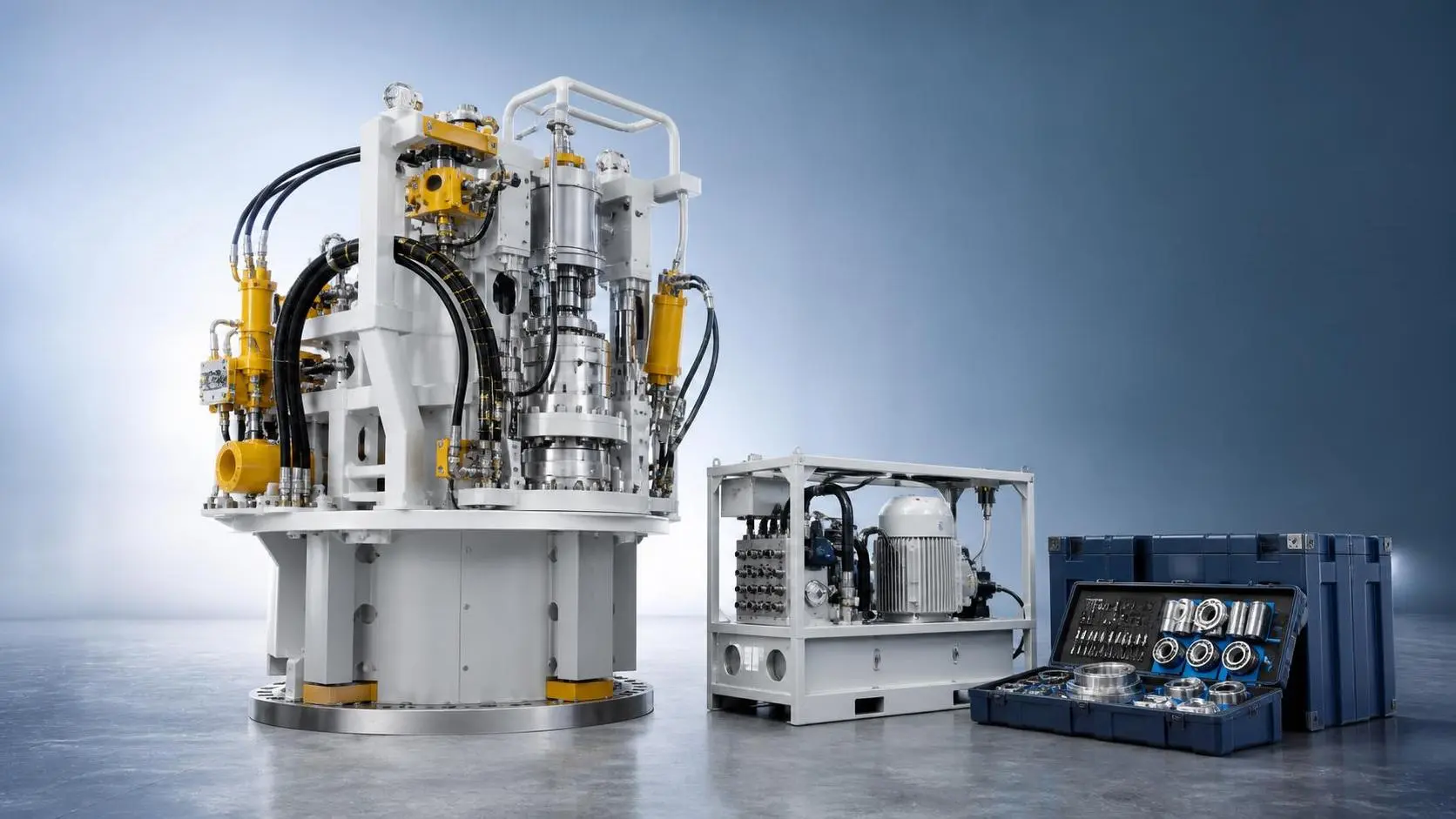
How to Evaluate a Pipe Jacking Equipment Distributor for Project Support and Uptime
Pipe jacking equipment distributor evaluation made practical: learn how to assess parts support, service response, training, and technical readiness to reduce downtime and protect project uptime.
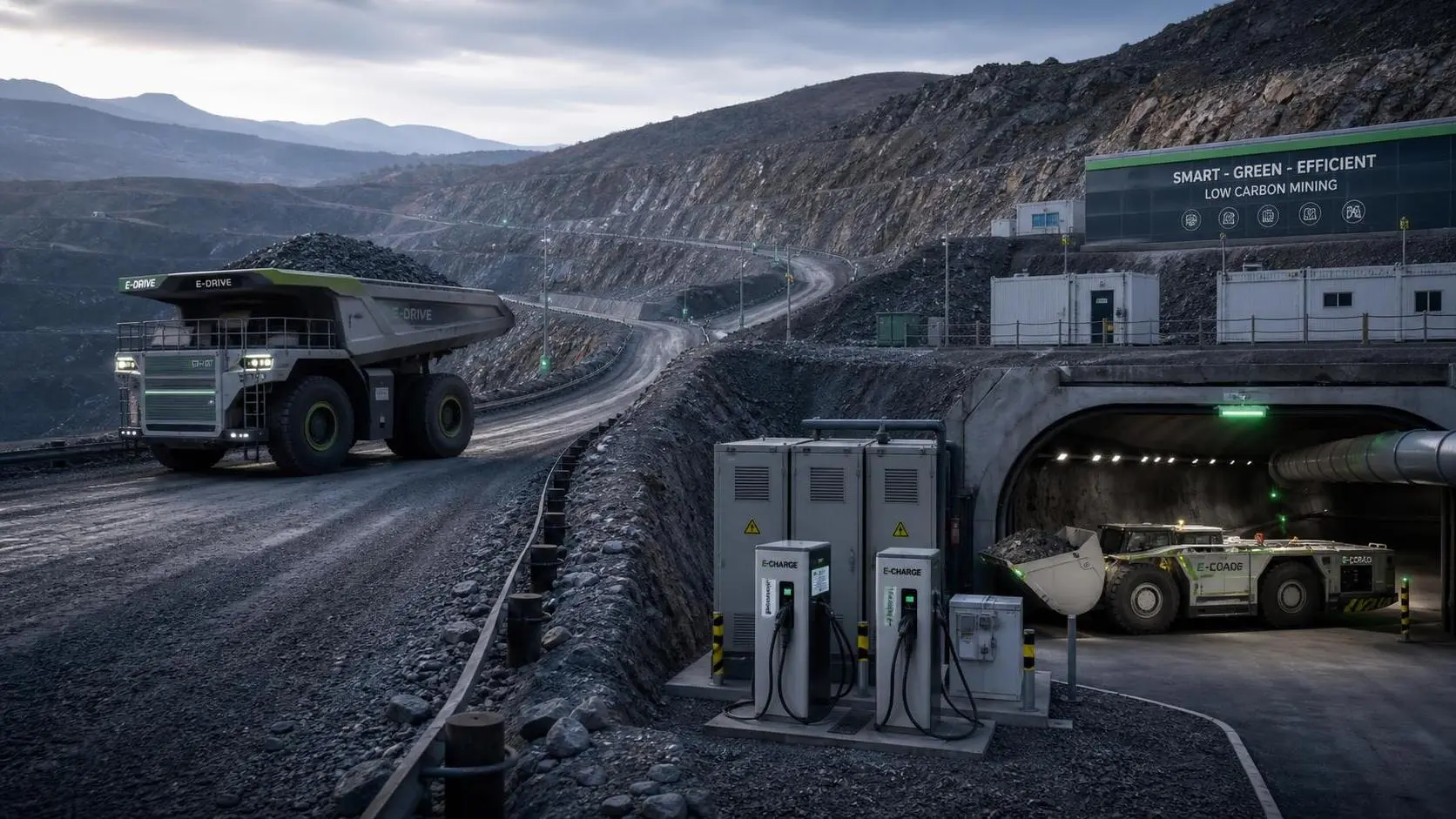
How to Build a Mining Decarbonization Strategy That Balances Emissions, Cost, and Fleet Reality
Mining decarbonization strategy starts with fleet reality. Learn how to cut emissions, control cost, and align power, ventilation, and production for a practical mine transition.
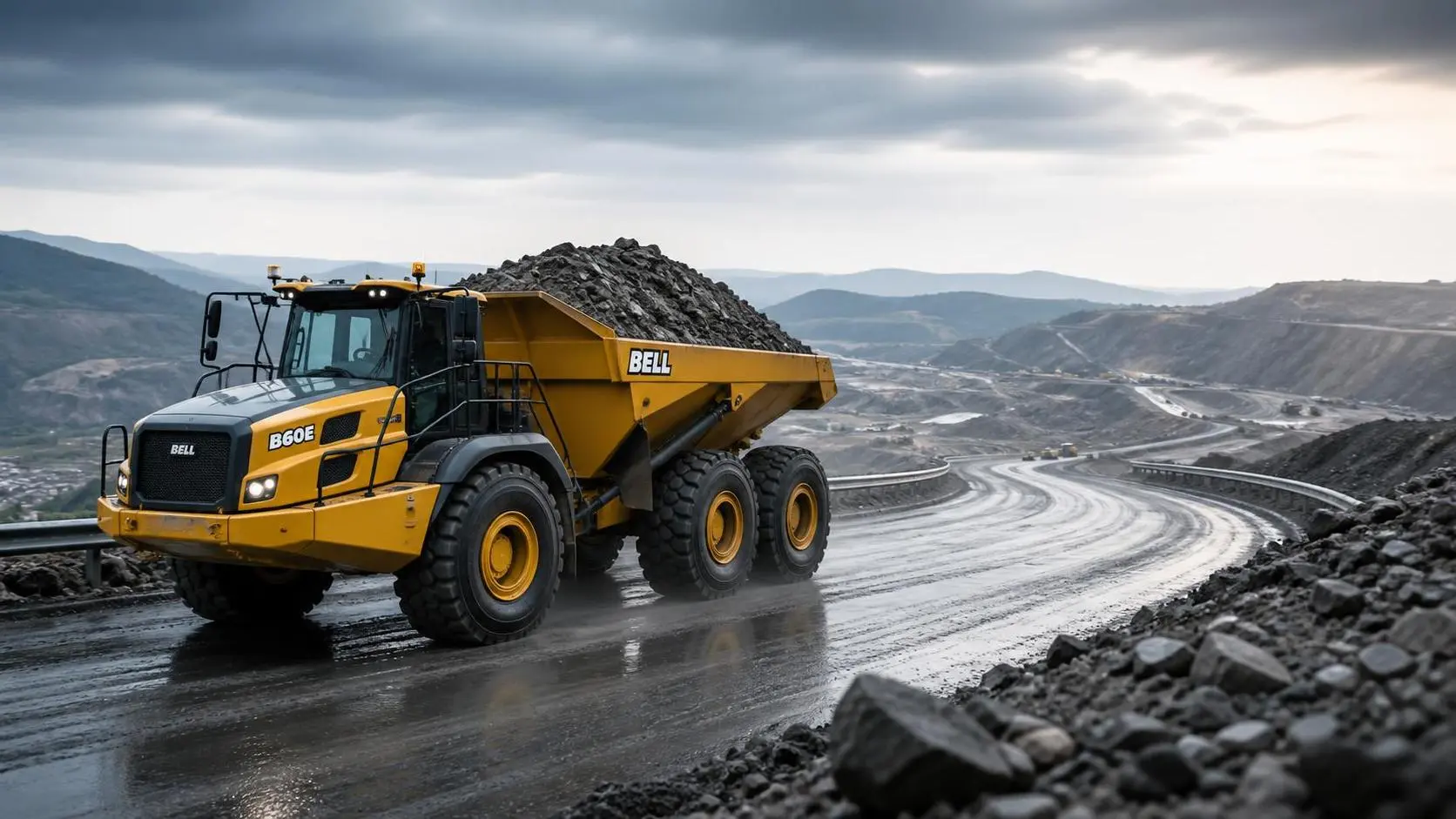
How to Evaluate Articulated Dump Trucks Payload for Haul Road Conditions and Cycle Efficiency
Articulated Dump Trucks payload evaluation starts with real haul road conditions, not brochure numbers. Learn how to balance payload, traction, grades, and cycle efficiency for safer, higher output.
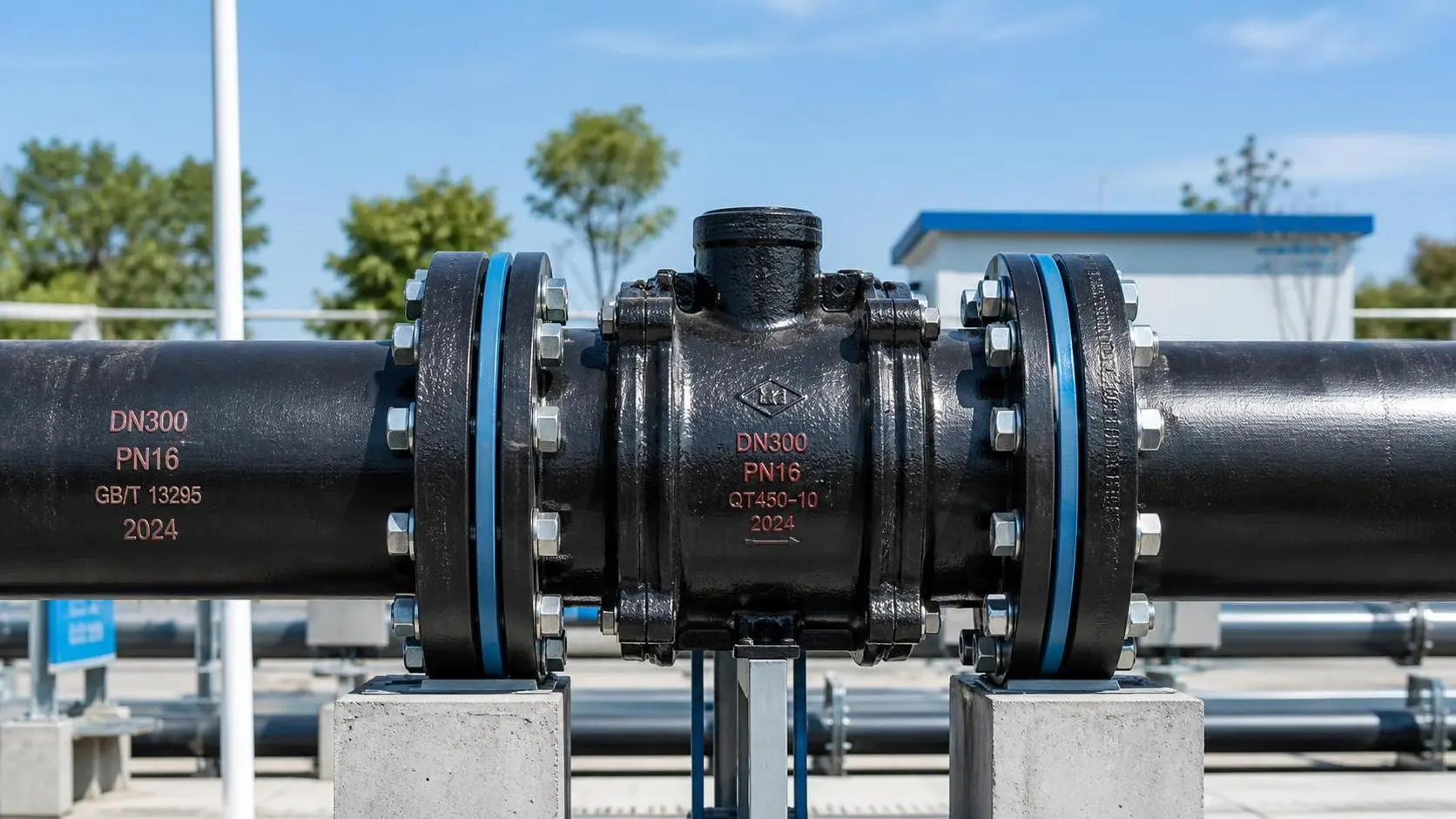
How Pipe Fittings Material and Pressure Class Affect Water Line Selection
Pipe fittings selection starts with material and pressure class. Learn how these factors affect water line reliability, corrosion resistance, installation, and long-term cost.
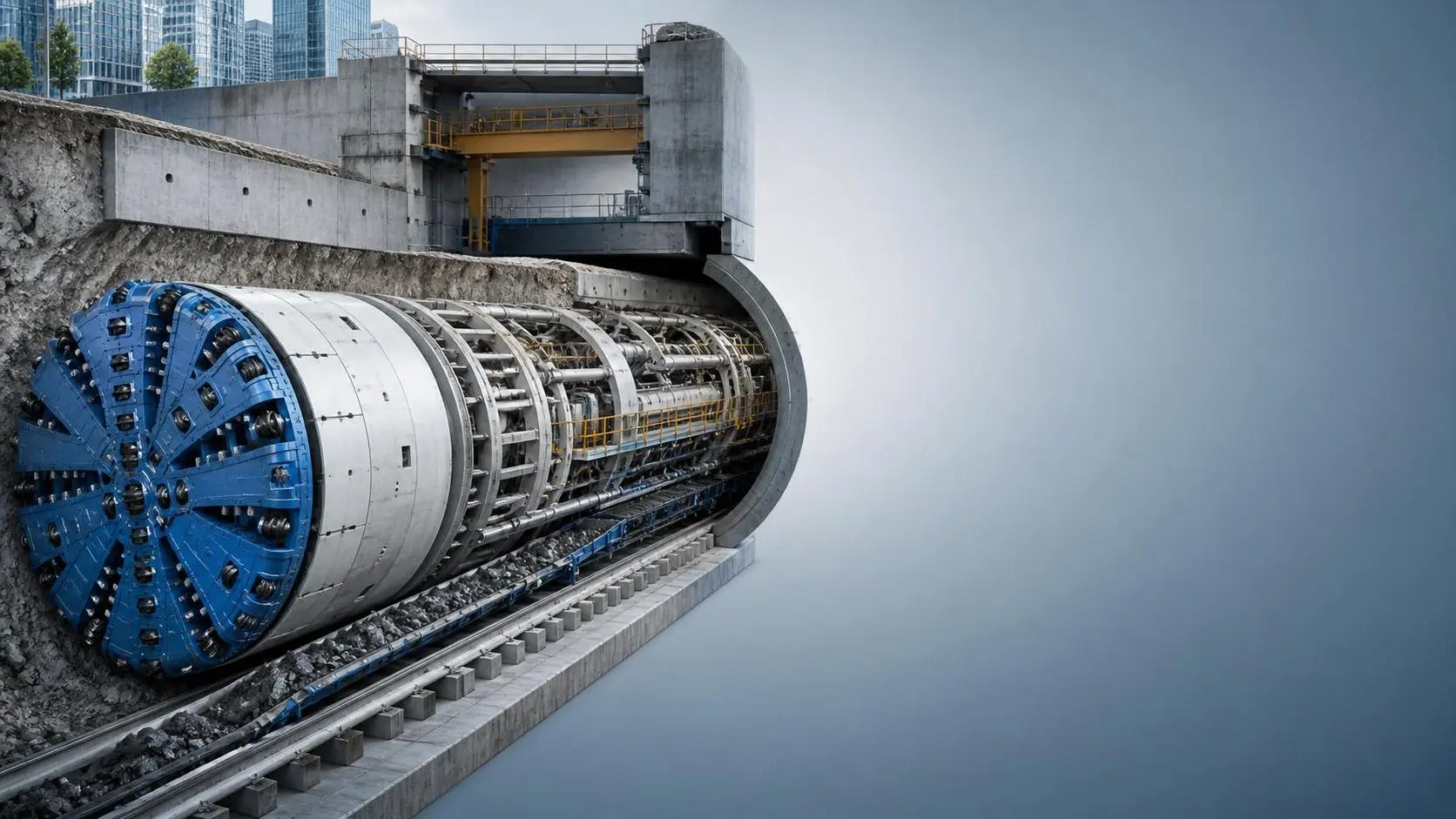
What Drives TBM Excavation Cost in Urban Tunneling Projects?
tbm excavation cost in urban tunneling depends on geology, shafts, segment lining, logistics, and risk. Discover the key cost drivers and compare bids with greater confidence.
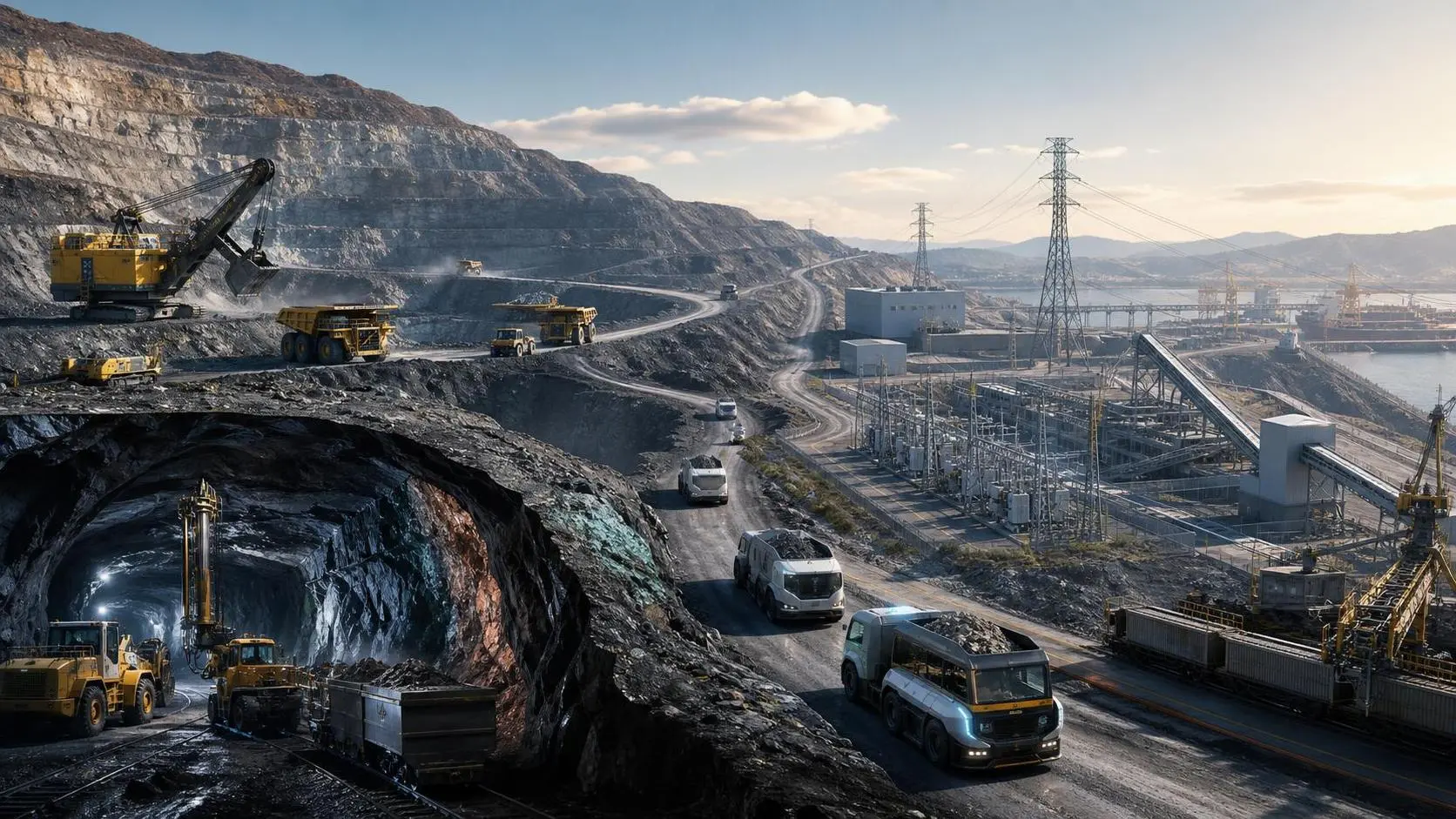
What Does Energy Metals Mining in Australia Mean for Supply, Cost, and Project Risk?
Energy metals mining Australia is reshaping supply, cost, and project risk. Discover what it means for buyers, investors, and operators.
Related News
- 00
0000-00
What Should a Mine Decarbonization Roadmap Include to Cut Emissions Without Hurting Output? - 00
0000-00
How to Evaluate Underground Mine Automation Companies for Safety and ROI - 00
0000-00
How to Evaluate Underground Haulage Systems for Ore Output, Ramp Grade, and Ventilation Limits - 00
0000-00
How to Evaluate a Pipe Jacking Equipment Distributor for Project Support and Uptime - 00
0000-00
How to Build a Mining Decarbonization Strategy That Balances Emissions, Cost, and Fleet Reality
Weekly Insights
Stay ahead with our curated technology reports delivered every Monday.