
Patent Adds Compliance Support for Tropical Shield Exports





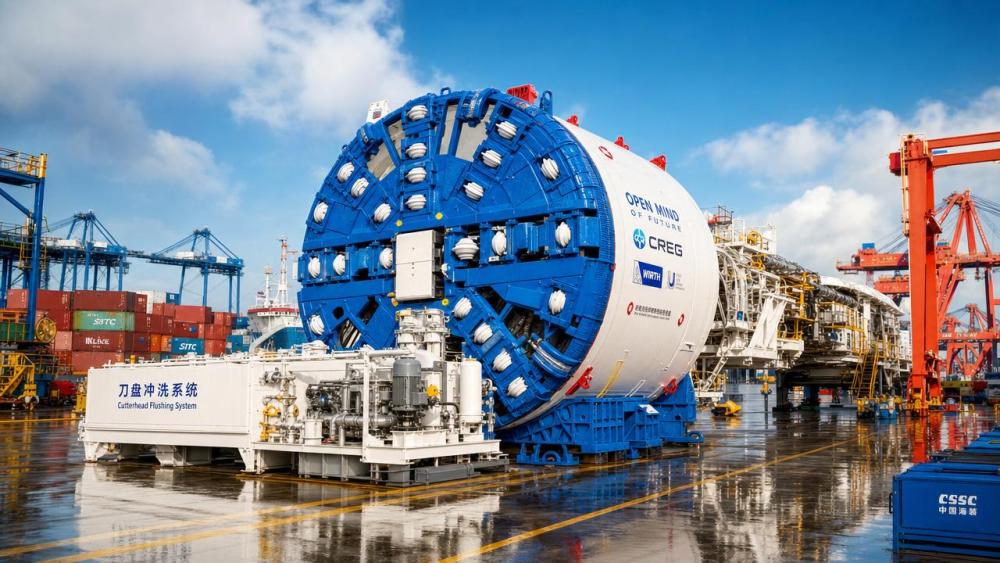
On June 3, 2026, China Railway Construction Heavy Industry received invention patent authorization for a cutterhead flushing device and shield machine, a development that matters not only as a product update but also as a compliance and export signal for Slurry/EPB Shields entering high-temperature, high-humidity markets. Because the patent has also moved into the PCT process and is described as key technical support for CE and UL certification in tropical export scenarios, equipment manufacturers, exporters, certification-related firms, buyers, and after-sales service providers should pay attention to how technical suitability is increasingly tied to certification review, delivery readiness, and overseas project execution.
What Has Been Confirmed So Far
The confirmed facts are limited and clear. On June 3, 2026, China Railway Construction Heavy Industry obtained authorization for the invention patent titled “cutterhead flushing device and shield machine.” According to the provided summary, the device addresses mud cake buildup on the cutterhead and sudden torque increases under high-temperature and high-humidity operating conditions in places such as Southeast Asia and the Middle East. The same summary states that this can extend single-drive excavation distance and reduce maintenance frequency. It also confirms that a PCT international application has been initiated in parallel, and that the patent provides key technical support for CE and UL certification for Slurry/EPB Shields exported to tropical markets.
Why This Matters Across Trade, Certification, and Delivery
For shield machine exporters, technical adaptation is becoming part of market access preparation
Analysis shows that the relevance of this development goes beyond patent ownership. For exporters of Slurry/EPB Shields and EPB equipment, technical adaptation to harsh operating conditions may increasingly affect certification preparation, bid documentation, and buyer confidence in overseas projects. What deserves closer attention is whether export-facing technical files, conformity materials, and application descriptions will need to show clearer linkage between equipment design and tropical operating suitability when CE or UL-related processes are involved.
For project buyers and procurement teams, specification review may become more detailed
From an industry perspective, buyers and procurement teams involved in tunnel equipment selection may pay closer attention to how suppliers explain mitigation of cutterhead mud cake buildup, torque fluctuation risk, maintenance intervals, and service performance in hot and humid environments. The practical impact may appear in technical bid alignment, supplier qualification review, and delivery acceptance documentation. Even without any confirmed rule change in a formal sense, the event signals that condition-specific design features can become more important in cross-border procurement decisions.
For certification and testing-related participants, supporting documents may draw more scrutiny
Observably, firms involved in certification preparation, testing coordination, and compliance file assembly may be affected because the summary directly links this patented solution to CE and UL support for exports. The likely impact is not that a new rule has been confirmed, but that evidence packages may need to present more complete technical logic around environmental suitability, operating risk control, and equipment consistency. Companies in this chain should therefore watch how patent-backed technical features are reflected in product descriptions, reports, and certification submissions.
For after-sales and supply chain service providers, service commitments may become more explicit
For after-sales service providers and supply chain partners, the reported reduction in maintenance frequency and extension of single-drive excavation distance could influence spare-parts planning, maintenance scheduling, and service-response commitments in export projects. Analysis shows that if overseas buyers increasingly view tropical-condition adaptability as part of procurement and compliance review, then downstream service teams may also need better documentation on configuration, traceability, and maintenance support at the delivery stage.
Near-Term Issues Companies Should Track
Watch how certification language is translated into practical review requirements
The summary states that the patent offers key technical support for CE and UL certification, but it does not provide detailed execution requirements, review criteria, or document lists. Companies should therefore avoid treating the event as proof of completed certification outcomes. Instead, they should monitor how such technical features are described in compliance submissions, product manuals, and export dossiers.
Prepare technical and bid documents with clearer operating-condition descriptions
Exporters and manufacturers should review whether technical documentation, bid files, and product descriptions adequately explain performance under high-temperature and high-humidity service conditions. This is especially relevant where buyers or certification processes may expect a stronger connection between design measures and operating reliability. The current information does not confirm any mandatory new format, but closer documentation discipline appears worth attention.
Check delivery planning against maintenance and service representations
Because the provided summary links the patented device to longer single-drive excavation distance and lower maintenance frequency, companies should be careful about how these points are represented in commercial, technical, and after-sales materials. What deserves closer attention is consistency across sales claims, service commitments, and traceable technical records, particularly in export deliveries where certification and procurement review may intersect.
Follow developments related to international IP coverage
The parallel start of the PCT international application matters for companies involved in overseas sales, licensing, and market entry planning. Analysis shows that this is relevant not because the final outcome is already known, but because international IP positioning can affect later commercialization, technical cooperation, and competitive compliance strategies in export markets.
How This Signal Should Be Read at This Stage
Observably, this event is better understood as an execution signal rather than a fully settled rule change. The confirmed facts point to a growing connection between patented technical adaptation, export certification support, and project suitability in demanding overseas environments. However, the available information does not establish a new formal regulation, a revised certification rulebook, or a completed market-wide implementation path. Continued attention is needed on how certification language, buyer specifications, and project-level documentation evolve in response.
A Practical Reading for the Market
At this stage, the most balanced interpretation is that the patent authorization and parallel PCT filing strengthen the compliance and export narrative for shield equipment aimed at tropical markets, especially where CE and UL processes are relevant. It is more appropriate to understand this as a meaningful market and compliance indicator, not as a definitive conclusion about certification approval, procurement preference, or broad rule enforcement. Companies active in export manufacturing, certification support, procurement, and after-sales execution should keep watching how this technical direction is reflected in future documents and market practice.
Basis of This Article and What Still Needs Verification
This article is based on the user-provided news title, event date, and event summary. For developments of this type, commonly relevant source categories may include official company announcements, regulatory publications, trade or customs authority information, industry association updates, standard-setting documents, certification-related materials, and reporting by authoritative media. No specific official source link was provided in the input, so the underlying official link remains to be further verified. What still requires continued observation includes any later certification execution details, changes in tender documentation, market feedback, industry adoption, and the way companies implement related technical and compliance measures in practice.
Related News
How to Evaluate European Drill-and-Blast Tunnelling Contractors for Complex Projects
Drill and blast tunnelling contractors Europe: learn how to assess geology expertise, blast control, equipment reliability, safety, and programme resilience for complex projects.
Which Trenchless Construction Technique Fits Your Utility Crossing Conditions?
Trenchless construction techniques compared for utility crossings: choose HDD, microtunnelling, pipe jacking, or auger boring based on ground, accuracy, access, and risk.
What Is Driving Metro Tunnelling Demand Across Southeast Asia’s Major Cities?
Metro tunnelling Southeast Asia is accelerating as major cities tackle congestion, flooding, and connectivity. Explore the market forces, technical risks, and opportunities shaping demand.
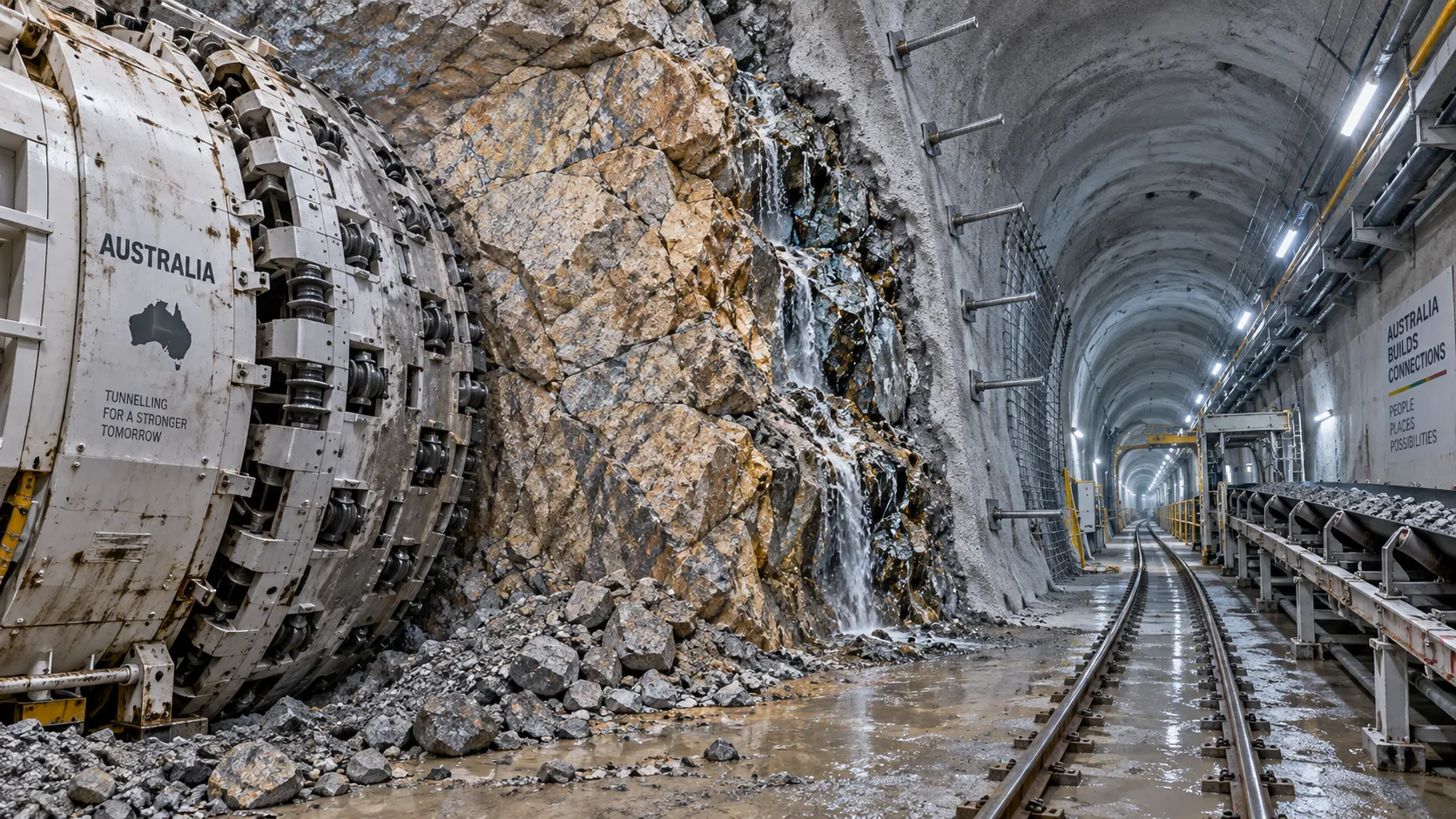
Hard Rock Tunnelling in Australia: Selecting Methods for Variable Ground Conditions
Hard rock tunnelling in Australia: compare TBM, drill-and-blast and hybrid methods to manage variable ground, reduce risk and protect project costs.
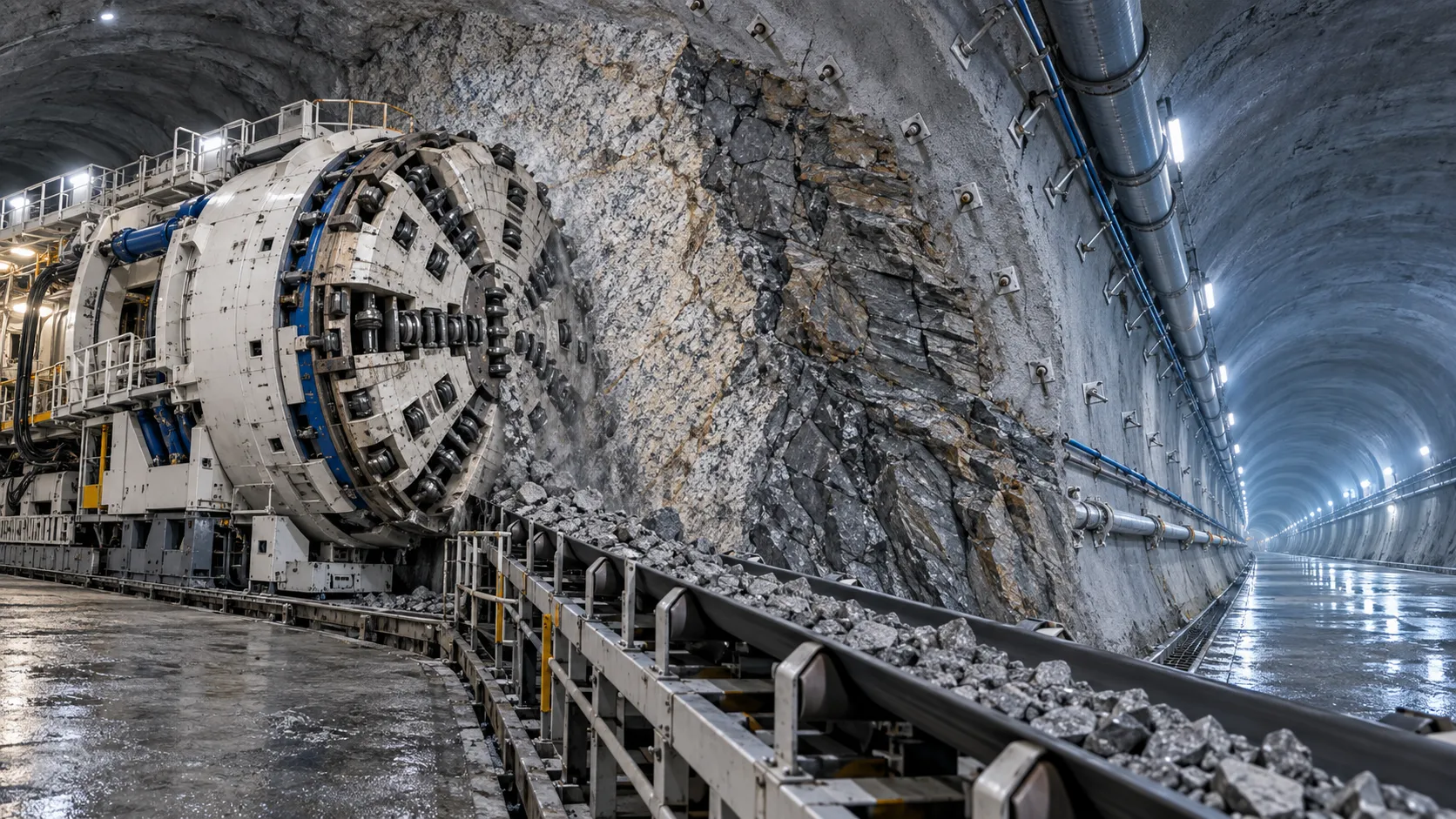
Hydropower Tunnel Excavation: Selecting Methods for Variable Rock Conditions
Hydropower tunnel excavation methods for variable rock conditions: compare TBM, drill-and-blast, and hybrid strategies to improve safety, progress, and project control.
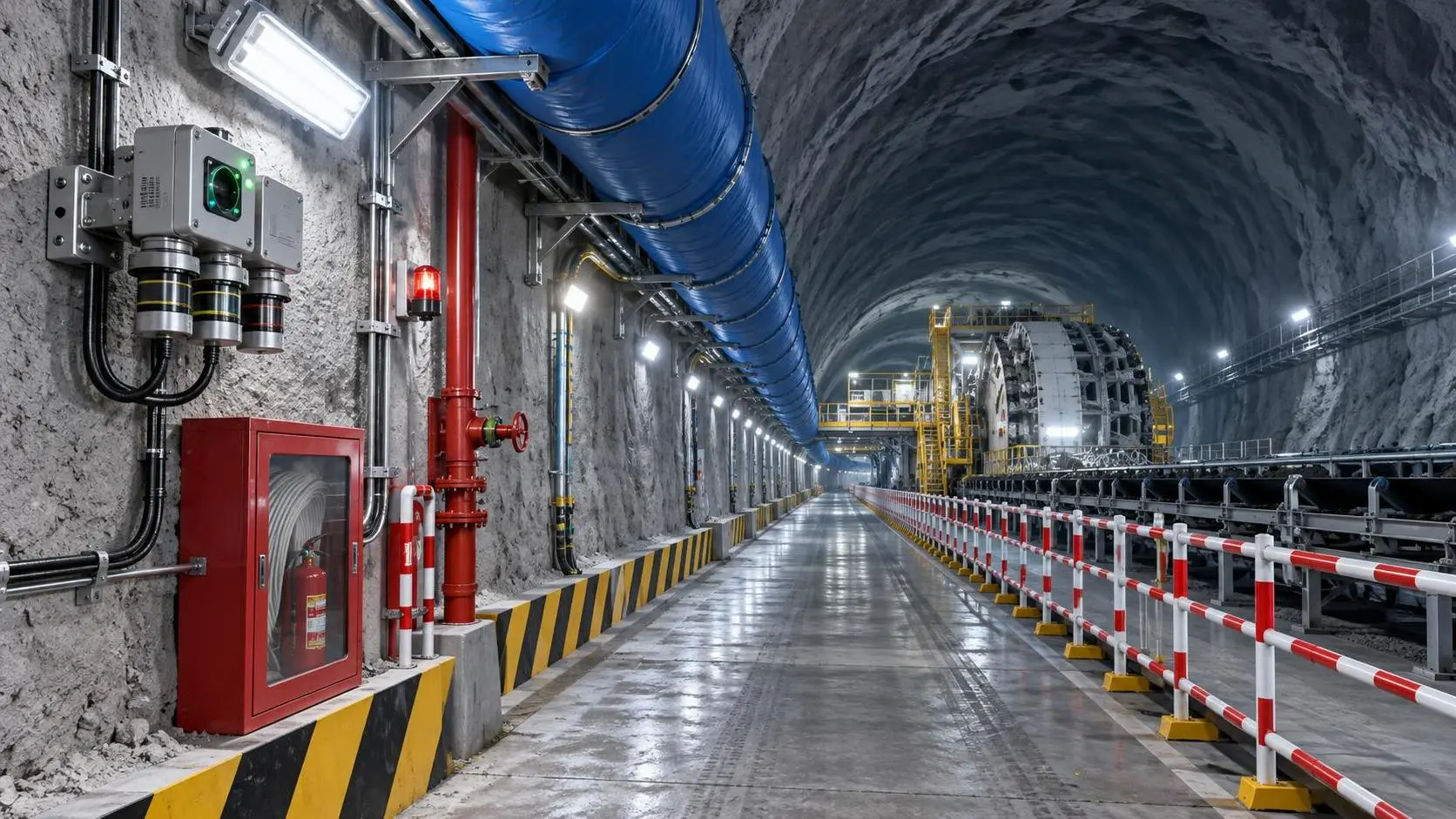
How to Select Underground Safety Equipment for Tunnelling by Hazard and Work Zone
Underground Safety Equipment for tunnelling: match protection to hazards, work zones, compliance, and emergency needs with this practical selection guide.
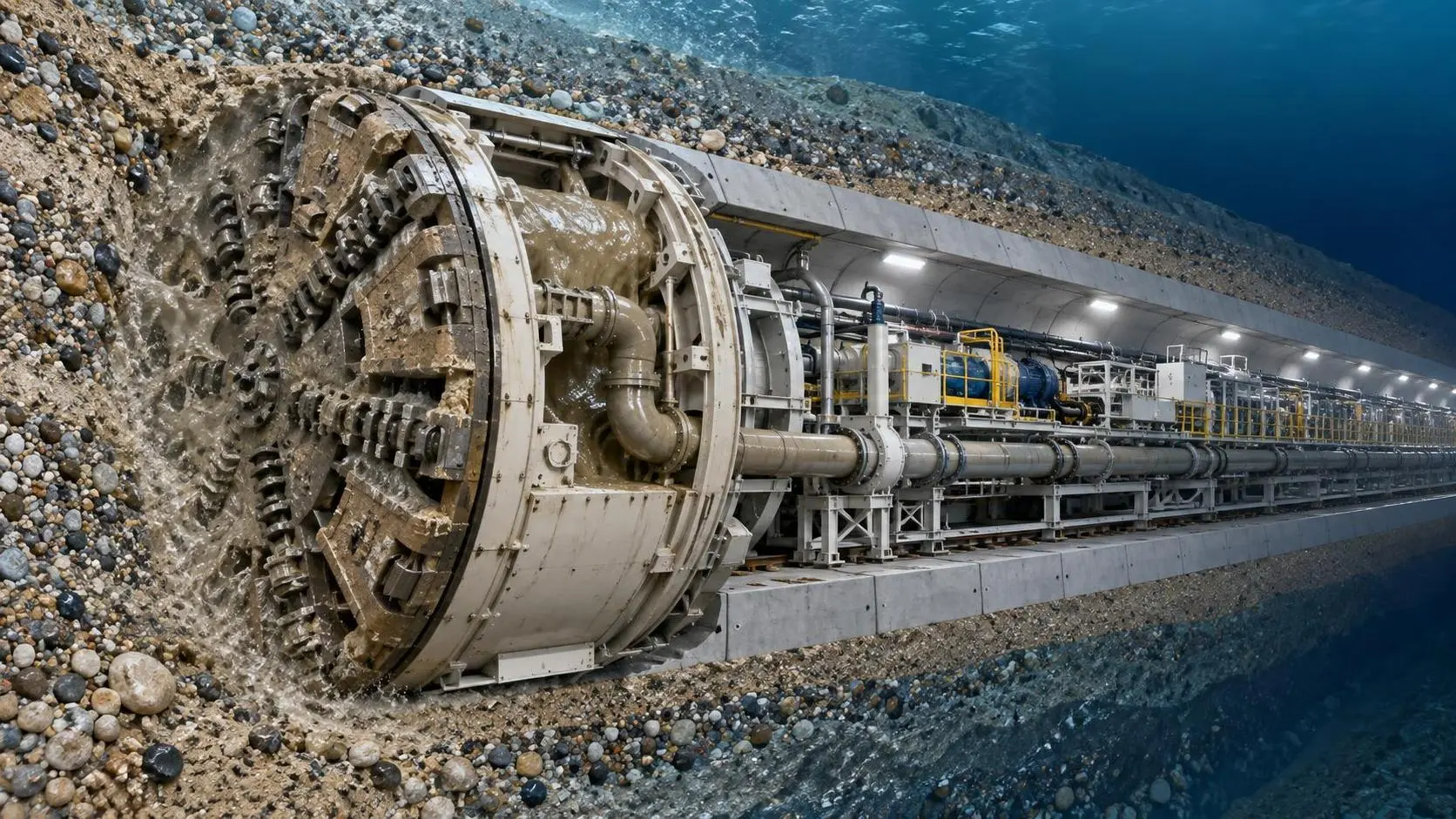
EPB or Slurry Shield? Selecting Soft-Ground Tunnelling Equipment by Soil Conditions
Tunnel Excavation Equipment for soft ground: compare EPB and slurry shields by soil, groundwater, settlement risk, and project logistics to choose confidently.
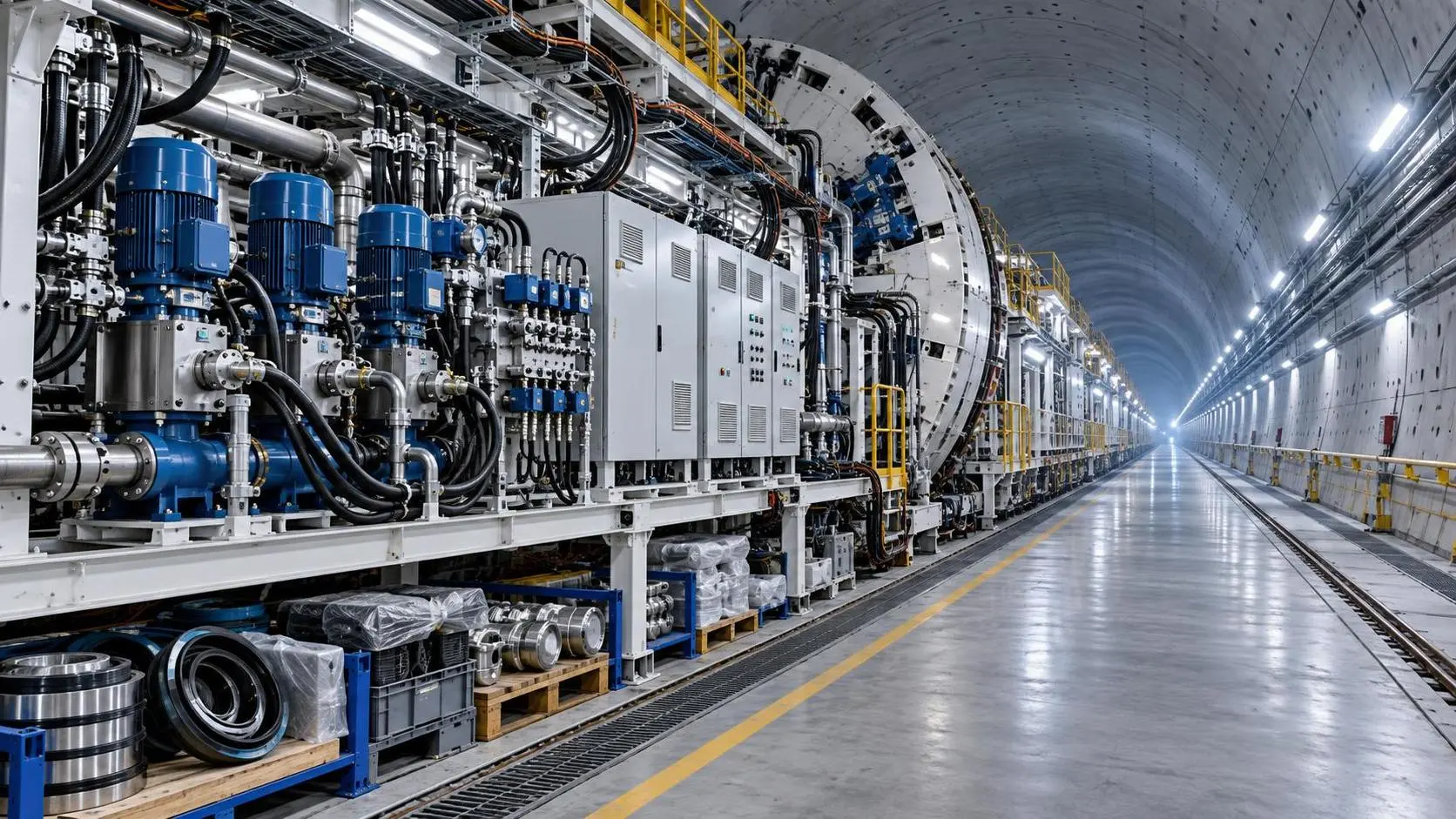
How to Specify TBM Backup System Parts for Reliable Long-Distance Tunnelling
TBM backup system parts: learn how to specify reliable spares for long-distance tunnelling, reduce downtime, ensure compatibility, and speed underground recovery.
How to Size Open Pit Mining Trucks for Haul Distance, Grade, and Payload?
Open Pit Mining Trucks: learn how to match payload, haul distance, grade, road resistance, and loading capacity for safer, lower-cost mine operations.
Related News
- 00
0000-00
How to Evaluate European Drill-and-Blast Tunnelling Contractors for Complex Projects - 00
0000-00
Which Trenchless Construction Technique Fits Your Utility Crossing Conditions? - 00
0000-00
What Is Driving Metro Tunnelling Demand Across Southeast Asia’s Major Cities? - 00
0000-00
Hard Rock Tunnelling in Australia: Selecting Methods for Variable Ground Conditions - 00
0000-00
Hydropower Tunnel Excavation: Selecting Methods for Variable Rock Conditions
Weekly Insights
Stay ahead with our curated technology reports delivered every Monday.