
Choosing Autonomous Underground Loaders: Key Mine Site Requirements





Choosing Autonomous Underground Loaders requires more than comparing payload and cycle times. A machine that performs well on a controlled test route may face a very different task underground: a tight drawpoint approach, a wet ramp, intermittent communications and traffic moving through a shared heading. Technical evaluators need to understand not only whether the loader fits the mine, but whether the mine is ready to support its intended level of autonomy.
The most useful selection process starts with the operating environment and works toward the machine specification. Route geometry, ground conditions, safety arrangements, energy supply and maintenance resources all influence the production a loader can deliver. They also determine how much work must be done before autonomous operation can begin.
Define the job before comparing machines
An underground load-haul-dump vehicle, or LHD, can be automated to different degrees. Some systems support remote operation by a human; others automate travel between defined points, while loading or dumping may still need operator intervention. Do not assume that two suppliers use “autonomous” to describe the same functions.
Describe the intended cycle in operational terms: where material is loaded, how far it travels, where it is discharged and which parts of the cycle should run without continuous human control. Include exceptions such as oversized rock, blocked drawpoints, changing traffic priorities and shift changes. A loader selected for repetitive travel along a segregated route may not be the right choice for a heading where people and equipment interact frequently.
Agree on the measurement period as well. A single fast cycle says little about sustained performance if the machine regularly waits for clearance, loses connectivity or requires remote assistance. Compare production over a representative shift, including foreseeable delays and interventions.
Map the route as an operating envelope
Mine plans provide a starting point, but autonomous loader selection needs a current survey of the actual route. Excavation profiles change, services occupy wall space and floor conditions vary. Evaluate the narrowest and lowest sections with the bucket, lift arms, articulation and any onboard sensors in their operating positions—not just the dimensions of the parked machine.
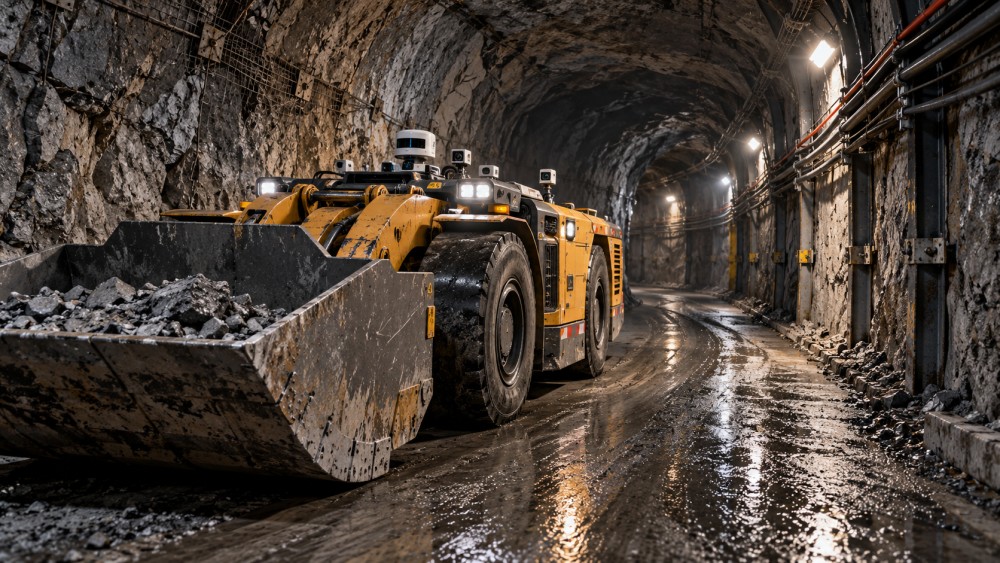
Pay particular attention to the transitions that can be missed in a simple clearance check:
- Intersections and turns: Check swept path, articulation clearance and visibility around corners, including allowance for installed services and ground support.
- Gradients and grade changes: Compare loaded and empty travel requirements with the supplier’s approved operating limits, braking capability and traction assumptions.
- Loading and dumping points: Confirm that the loader can approach, position and discharge safely as muck piles, ore passes and stockpiles change.
- Road surface: Account for ruts, loose material, standing water and maintenance practices that affect traction, speed and sensor performance.
- Temporary obstructions: Identify how hoses, cables, parked equipment and ground-control work will be detected, reported and cleared.
Ask suppliers to assess the full route with representative payloads and site conditions. A machine may physically clear a bend yet require such conservative manoeuvring that the planned cycle time is no longer realistic. Conversely, a modest route modification may make a better-performing loader viable. The decision belongs in the site layout as much as in the equipment specification.
Test autonomy against a changing underground environment
Autonomous navigation depends on the loader knowing where it is and recognizing what lies ahead. Depending on the system, this may involve lidar, cameras, inertial sensors, wheel odometry, mapped features or combinations of these. Dust, spray, darkness, reflective surfaces and repetitive tunnel geometry can affect different sensing methods in different ways.
Request an explanation of how the navigation system establishes and maintains position, how its map is created, and what happens when the mine changes. A newly opened crosscut, a modified muck pile or a repositioned barrier can make an existing map less useful. Determine who can update and validate maps, how long that process takes, and whether a route must be withdrawn from service during the update.
Simultaneous localization and mapping, or SLAM, can support navigation in environments where satellite positioning is unavailable, but its name alone does not establish site suitability. Ask for a demonstration of recovery after localization uncertainty, sensor obstruction and an unexpected object. The important question is not simply whether the loader stops; it is how safely and efficiently the operation returns to normal.
Investigate the limits of autonomous loading
Travel automation and autonomous bucket filling are separate capabilities. Muck fragmentation, pile shape, floor condition and drawpoint configuration can all influence loading consistency. Establish whether the proposed system can select and execute a loading approach, whether an operator must supervise or intervene, and how it responds to a poor bucket fill or an unmovable obstruction.
If autonomous loading is not mature enough for the planned application, a mixed operating model may still be useful. For example, an operator may load remotely while the machine handles defined travel segments. Evaluate the staffing and handover requirements of that model rather than treating it as equivalent to a fully automated cycle.
Connectivity is part of the machine’s operating system
Underground wireless coverage is shaped by bends, elevation changes, equipment placement and the movement of mining activity. Depending on the architecture, the loader may need communications for dispatch, traffic control, remote supervision, video or system health. These functions can have different coverage and network-performance requirements.
Provide suppliers with a route-level network survey and ask them to identify where their system needs connectivity, what network performance is required and which functions can continue locally. Wi-Fi, private cellular and other systems each need to be assessed against the site’s layout and support capability; the presence of a network does not prove that it is suitable for every autonomy function.
Loss of communication deserves a specific scenario test. Establish where the loader stops, whether it remains visible to the traffic management system, how other equipment is protected and what personnel must do to recover it. Include network maintenance, power outages and coverage changes as headings advance in the deployment plan.
Safety design must match the traffic plan
An autonomous LHD does not remove people from the mine. It changes where they work and how they interact with moving equipment. Start with a site-specific risk assessment covering normal operation, access to restricted areas, maintenance, recovery and emergency response.
Some systems rely on segregated operating zones and controlled entry; others are designed for defined interactions with additional traffic controls. Determine the intended operating concept and verify it against local regulatory requirements and the mine’s safety management system. Do not assume that obstacle detection replaces physical exclusion, access procedures or human supervision.
During evaluation, ask for clear documentation and demonstrations of:
- Emergency stopping, safe-state behaviour and restart authorization.
- Entry controls and procedures for personnel who need to enter an autonomous zone.
- Detection and response to unexpected objects or vehicles within the system’s stated operating limits.
- Traffic management at intersections, shared routes and transfer points.
- Recovery procedures for a disabled loader, including isolation before personnel approach.
Also examine functional safety responsibilities at the system boundary. The loader, network, access controls and mine dispatch system may come from different parties. The evaluator needs to know who validates their combined operation and manages changes after commissioning.
Payload is only one part of productive capacity
Rated payload is useful for initial screening, but mine output depends on the material and the whole cycle. Compare bucket size and payload limits with bulk density, fragmentation and expected fill. Then include loading, travel, dumping, queuing, battery or refuelling activities, inspections and interruptions in the production model.
Use the same assumptions for each candidate. If one supplier quotes an ideal travel speed while another provides a complete cycle estimate, the figures are not directly comparable. Ask for the basis of each estimate, including route gradients, traffic controls, availability assumptions and the frequency of operator intervention.
For operations with multiple loaders, system throughput matters more than the speed of an individual machine. A narrow passing point, shared dump pocket or limited charging capacity can constrain the fleet. Model these interactions before increasing loader size or fleet count; additional equipment may otherwise add waiting time rather than useful tonnes.
Energy and maintenance infrastructure can change the decision
Battery-electric autonomous loaders can eliminate diesel exhaust at the machine, but they do not eliminate all underground air-quality or ventilation requirements. Ventilation planning must still account for other equipment, contaminants, heat and applicable regulations. Diesel-powered autonomous machines may also be appropriate for some sites, depending on infrastructure and operating constraints.
For a battery-electric option, evaluate the energy required by the proposed duty cycle, especially loaded uphill travel, frequent acceleration and auxiliary loads. Regenerative braking may recover some energy on suitable descents, but its contribution depends on the route and system limits. Request a site-specific energy model rather than relying on a generic shift-duration claim.
Then examine the practical replenishment strategy. Opportunity charging, scheduled charging and battery swapping impose different requirements for electrical capacity, equipment locations, handling arrangements and production scheduling. The charging or swap area must fit the mine’s layout and be accessible without creating a traffic bottleneck. Include contingency arrangements for a charger, battery or power-supply failure.
Maintenance readiness is equally important. Autonomous equipment adds sensors, computing hardware, network dependencies and software processes to familiar LHD maintenance tasks. Ask what inspections are needed, how sensors are cleaned and calibrated, which diagnostics are available underground, and what faults require specialist support. Confirm spare-parts access, software support arrangements, technician training and procedures for controlled updates.
Use a common scorecard for supplier comparison
A structured scorecard makes trade-offs visible without reducing the decision to a single headline number. Set mandatory pass-or-fail requirements first, particularly for route clearance, approved operating limits, safety arrangements and regulatory compliance. Score remaining criteria against evidence rather than sales descriptions.
Weight the scored criteria according to the operation. A mine planning a segregated, repetitive haul may prioritize sustained autonomous travel and network resilience. A mine with rapidly changing headings may give more weight to mapping effort, redeployment time and recovery procedures. Record uncertainties alongside scores so that an unsupported assumption does not look like a verified advantage.
Make the trial answer the remaining questions
A pilot should be designed around the risks that could change the purchase decision. Select a representative route and agree in advance on the test conditions, responsibilities and acceptance criteria. Measure productive tonnes or cycles over defined periods, intervention frequency, delay causes and the time needed to recover from expected disruptions. Record road condition, traffic and network availability so results can be interpreted fairly.
Include exceptional situations as controlled tests where safe to do so: an obstructed route, a changed loading area, loss of coverage and a planned entry into the operating zone. Review not just the machine response but the workload placed on supervisors, network staff and maintenance crews.
The best choice is the loader whose capabilities, infrastructure needs and operating procedures fit the mine’s actual plan. By resolving route, safety and support questions before procurement, technical teams can distinguish a promising demonstration from a system ready for sustained underground work.
Related News
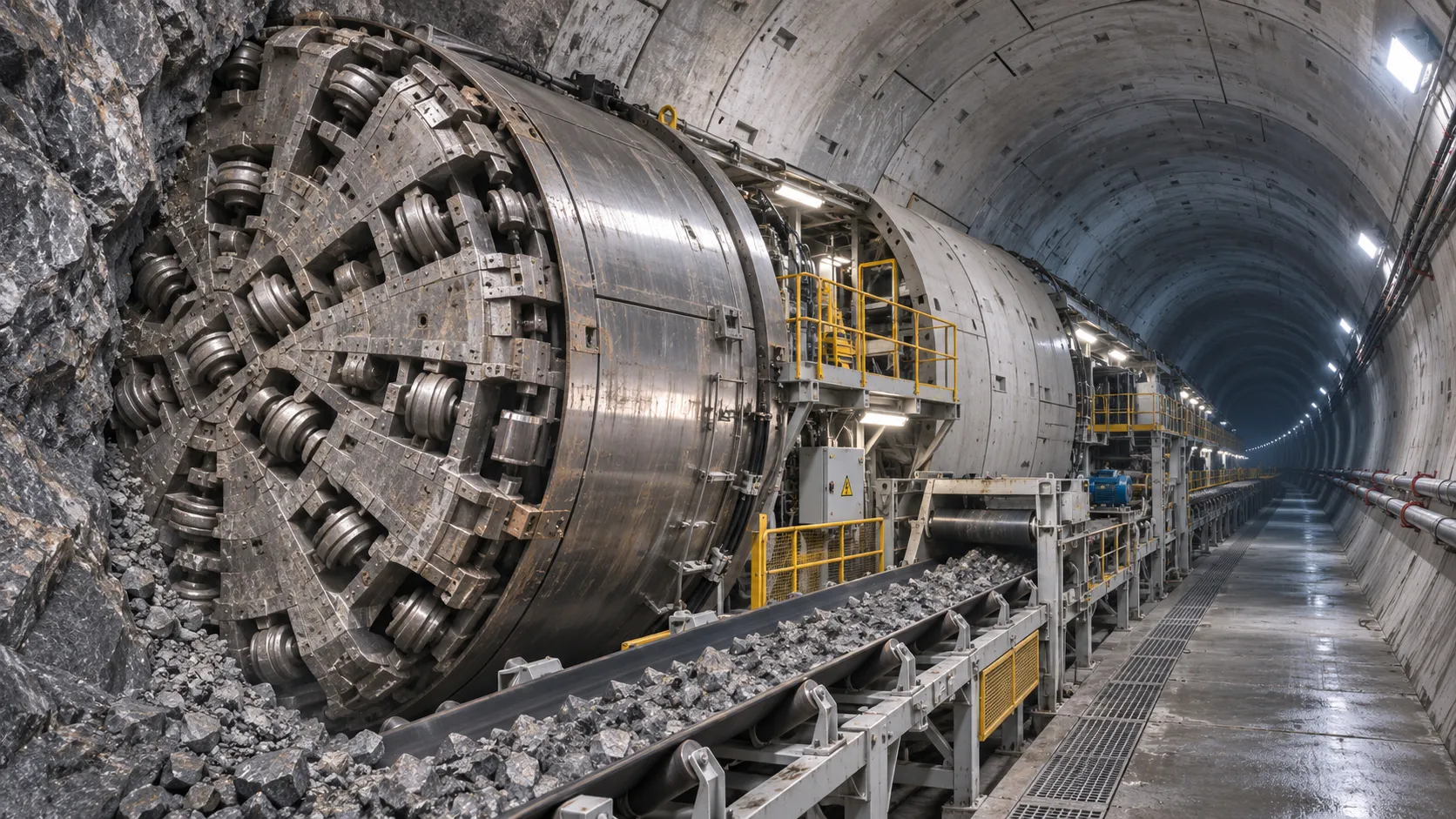
How TBM Excavation Works in Rock and Soft Ground: A Practical Guide
TBM Excavation in rock and soft ground explained: compare machine types, ground support, spoil removal, and the factors that guide smarter project planning.
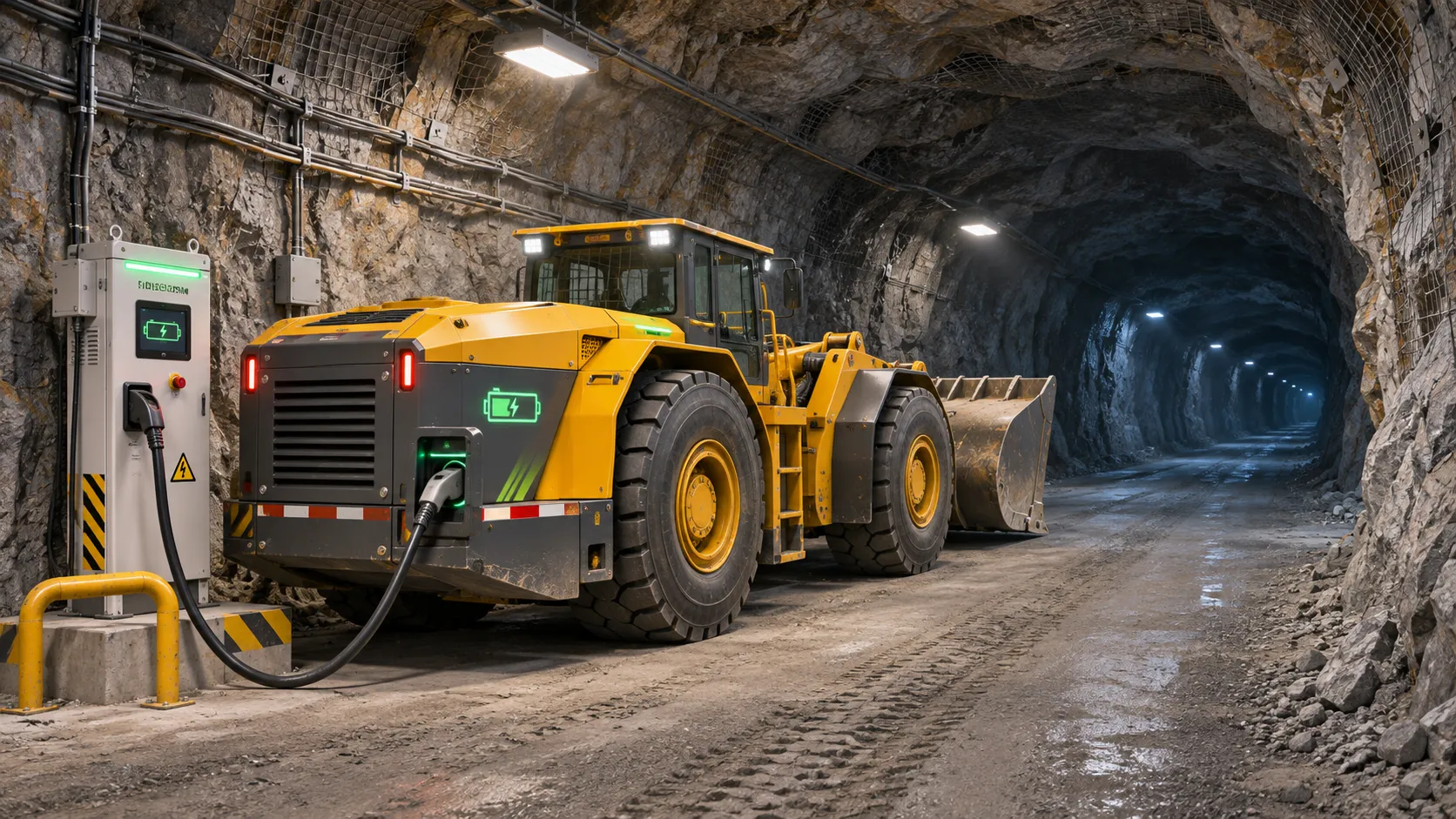
Choosing a Zero-Emission Underground Equipment Supplier: What to Check
Choosing a zero emission underground equipment supplier? Compare duty-cycle performance, charging, safety, total costs and support before you commit.
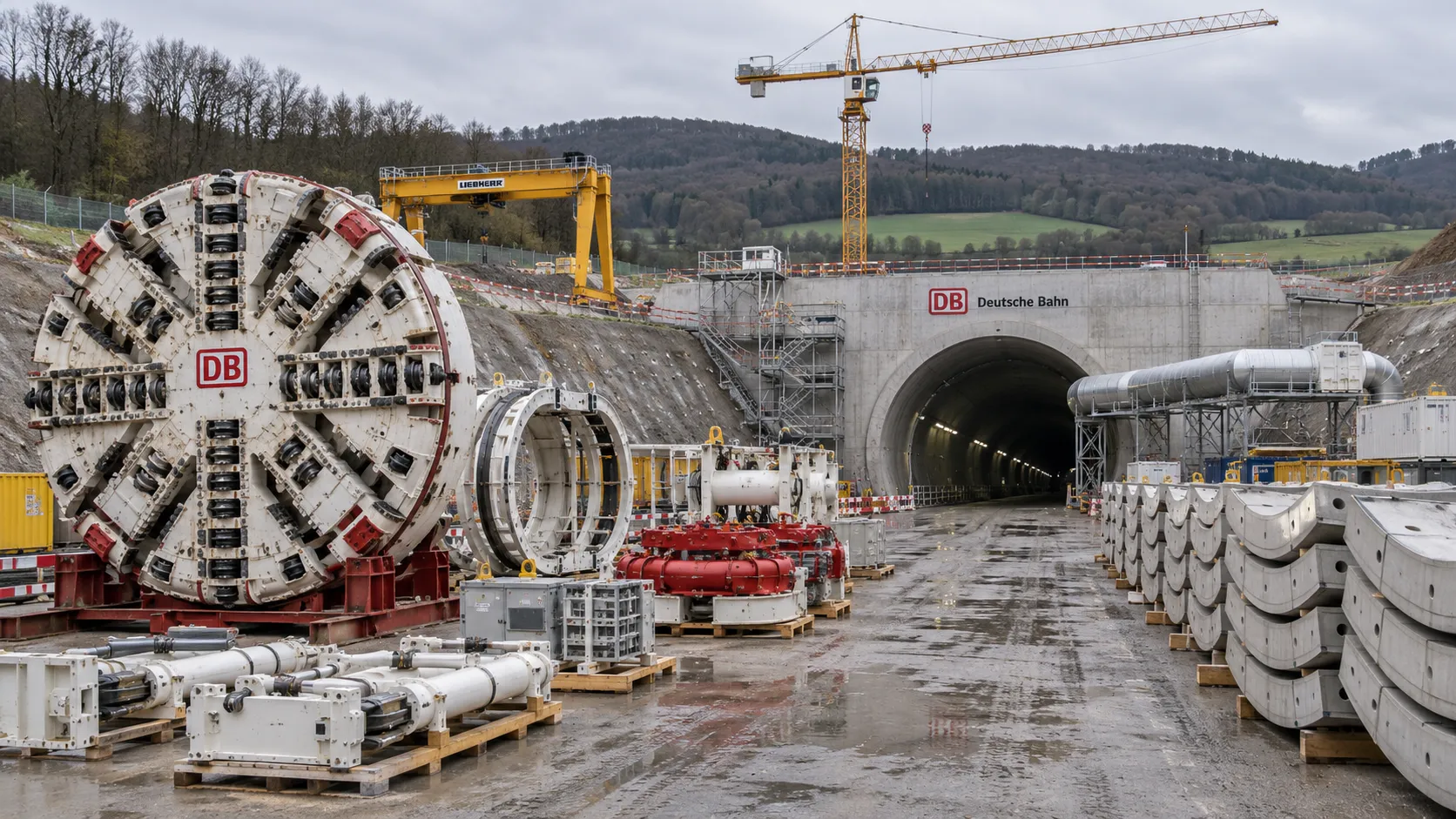
Construction Starts on Germany's Pfaffensteig Rail Tunnel, With Two TBMs Planned
Pfaffensteig rail tunnel construction is underway in Germany. Discover how two planned TBMs will support the 11-kilometre project near Stuttgart.
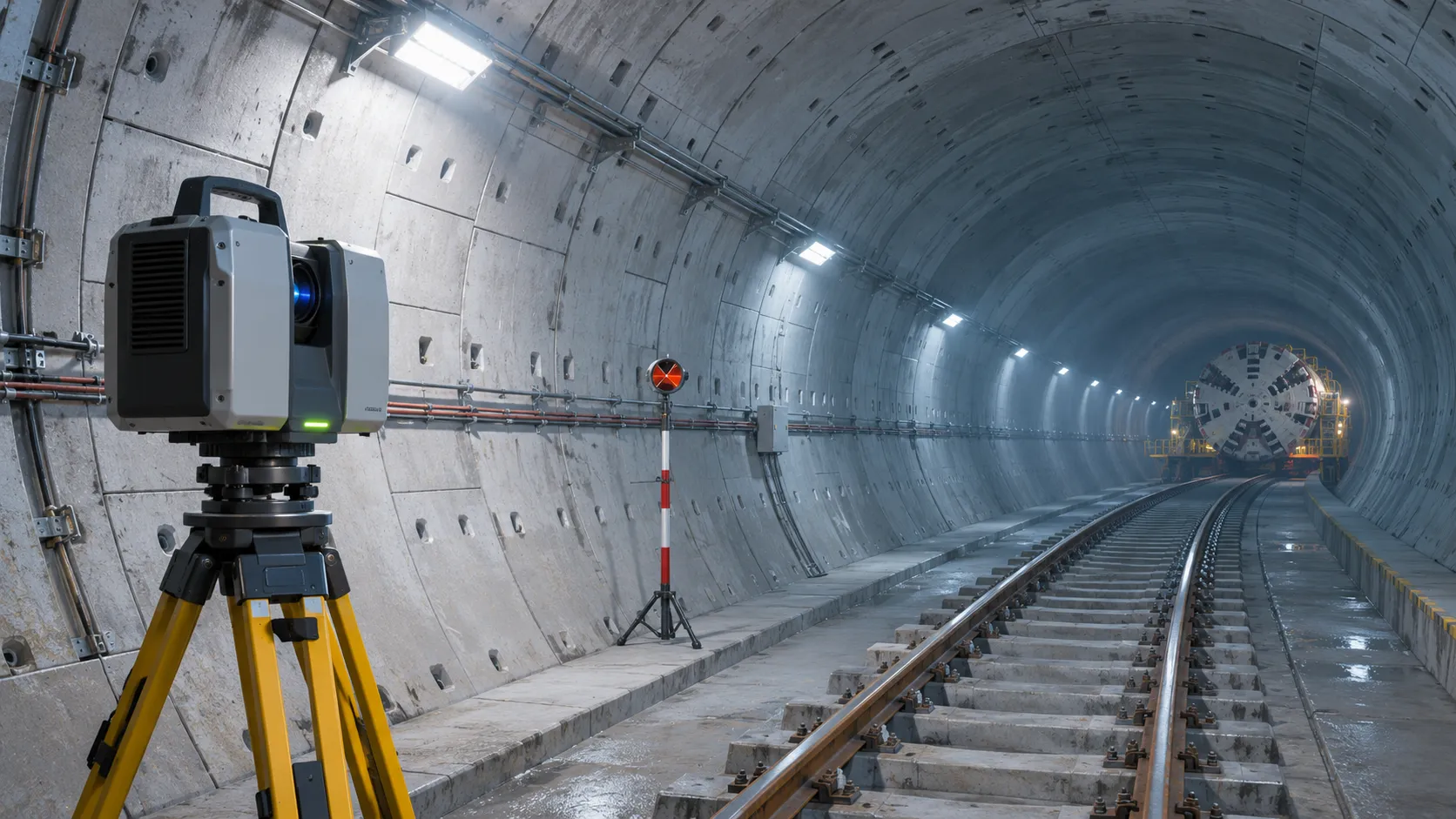
How Real-Time Underground Mapping Systems Work in Tunneling
Discover how real-time underground mapping systems guide tunneling teams, integrate sensor data, and support confident decisions with verified accuracy.
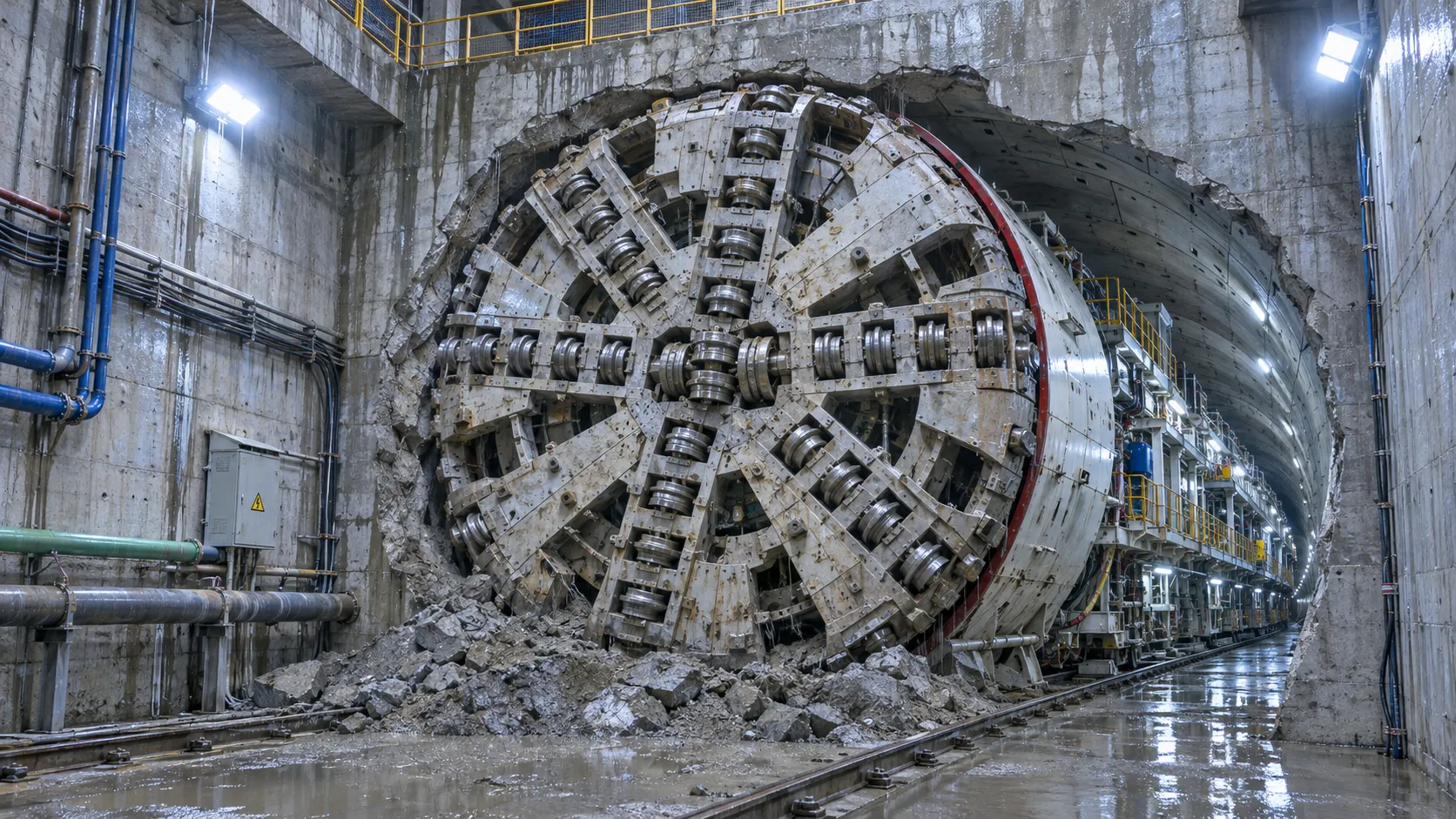
First Mechanized Tunnel Crossing Beneath the Panama Canal Completed
Panama Canal tunnel crossing: Explore the reported Metro Line 3 milestone and what it could mean for future underwater tunneling projects.
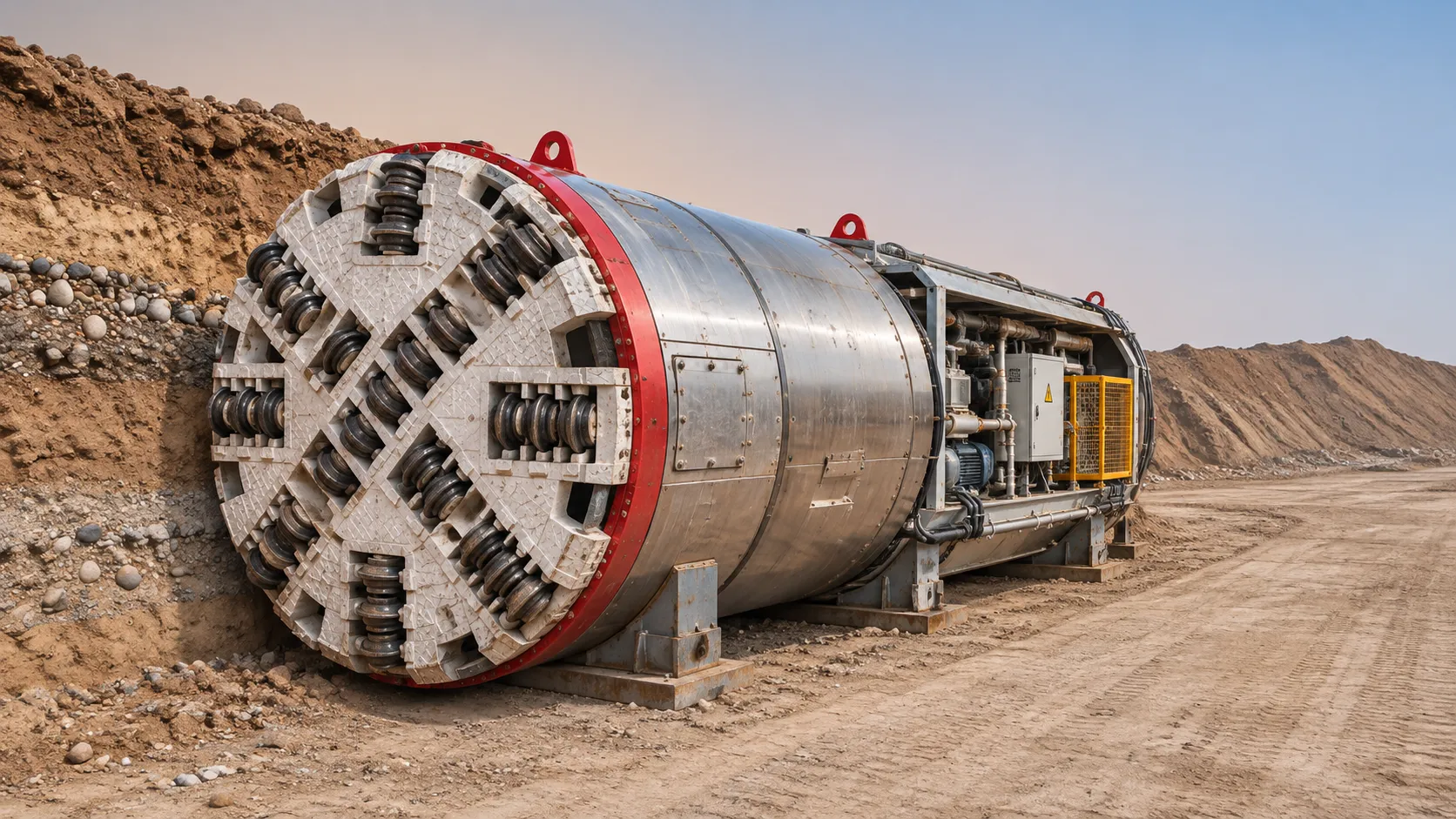
Underground Utility Construction Equipment: Choosing by Ground Conditions
Choose underground utility construction equipment with confidence. Compare trenching, HDD, microtunnelling and TBMs by ground conditions, risk and cost.
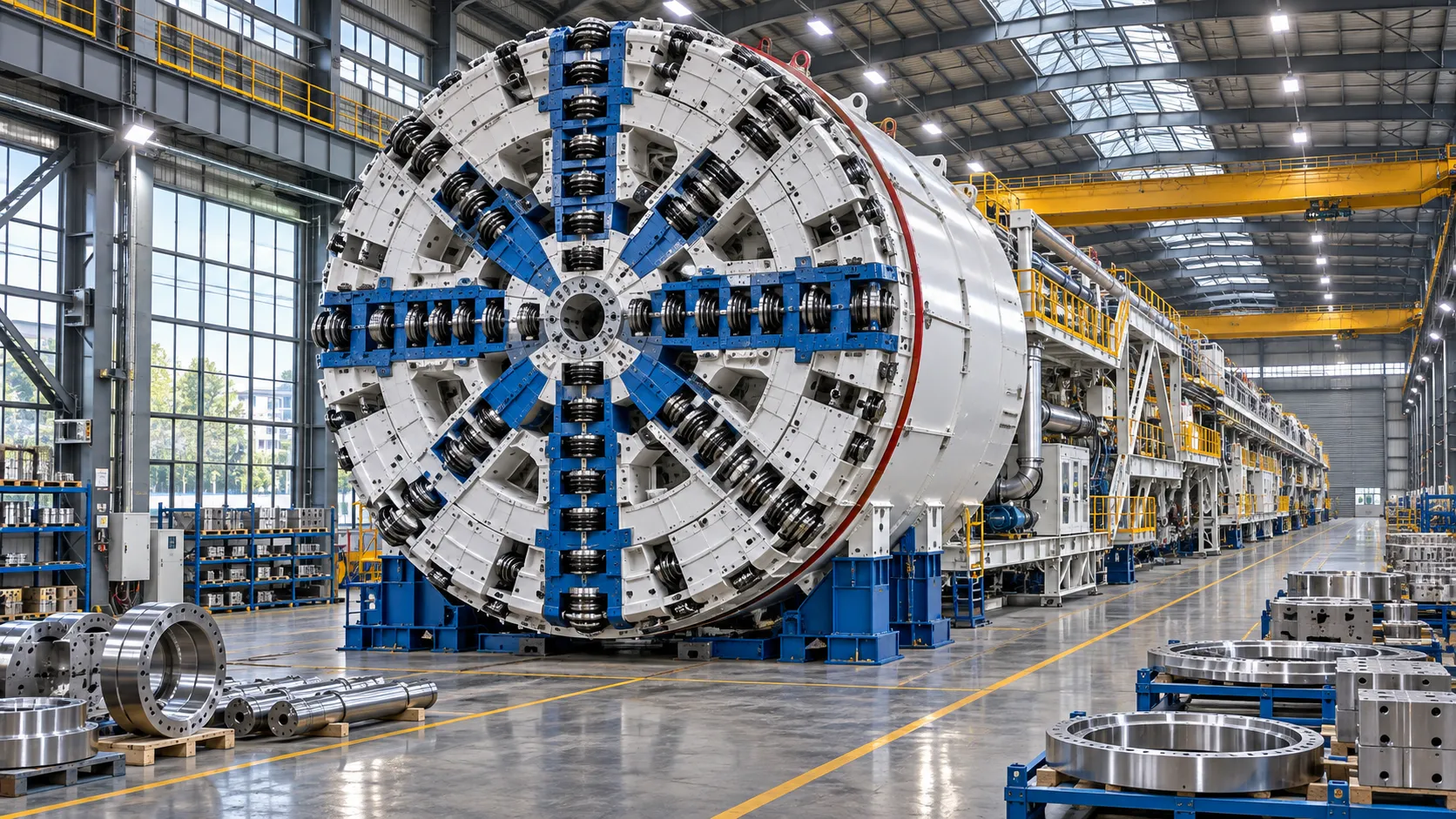
China Sets Tunnel Boring Machine Export Controls as India Pushes Local Production
China tunnel boring machine export controls could reshape procurement as India pushes local production. Explore potential supply and project impacts.
Choosing a Trenchless Pipeline Installation Contractor: Key Qualifications
Choose a trenchless pipeline installation contractor with confidence. Learn how to assess experience, equipment, safety, costs, and project risks before you hire.
China's 70% TBM Share and Export Controls Challenge India's Local Production
China's TBM export controls could challenge India's local production and infrastructure sourcing. Explore the potential risks and procurement options.
Related News
- 00
0000-00
How TBM Excavation Works in Rock and Soft Ground: A Practical Guide - 00
0000-00
Choosing a Zero-Emission Underground Equipment Supplier: What to Check - 00
0000-00
Construction Starts on Germany's Pfaffensteig Rail Tunnel, With Two TBMs Planned - 00
0000-00
How Real-Time Underground Mapping Systems Work in Tunneling - 00
0000-00
First Mechanized Tunnel Crossing Beneath the Panama Canal Completed
Weekly Insights
Stay ahead with our curated technology reports delivered every Monday.