
APEC Auto Dialogue Confirms Semi-Solid Battery Deployment in Vehicles





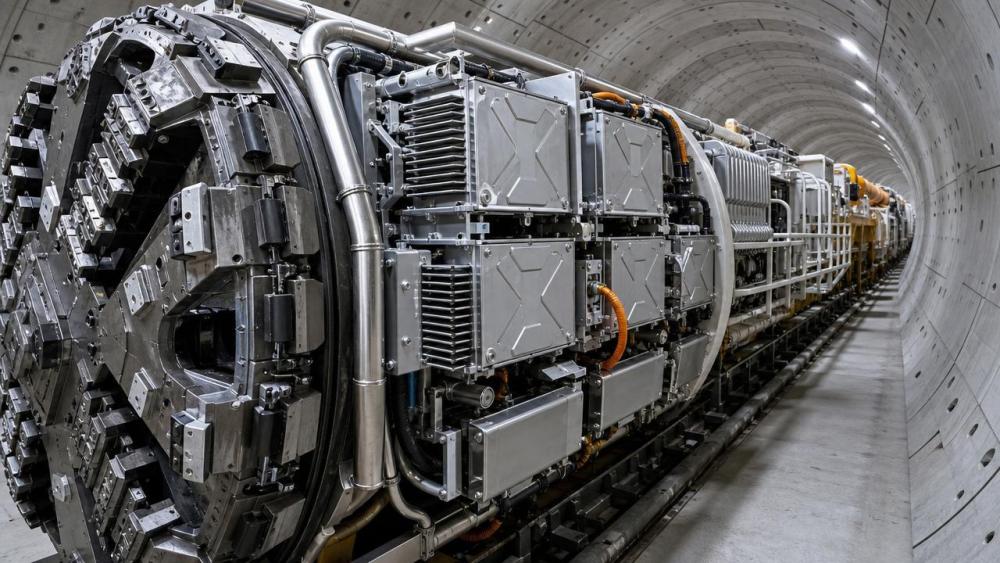
On May 12, 2026, the 43rd APEC Automotive Dialogue confirmed that China’s semi-solid-state batteries have entered mass production and vehicle integration — enabling 80% charging in 15 minutes. This development signals material implications for off-road heavy equipment sectors, particularly tunnel boring machines (TBMs) and battery-powered LHDs (Load-Haul-Dump vehicles), where domestic high-power battery systems are accelerating substitution of imported power solutions. Engineering contractors, equipment exporters, and OEM suppliers involved in infrastructure projects — especially those with zero-emission tunneling requirements — should assess how this shift may compress project timelines and reshape power system specifications.
Event Overview
On May 12, 2026, during the 43rd APEC Automotive Dialogue, it was disclosed that China’s semi-solid-state battery technology has achieved mass production and is now being installed in commercial vehicles. The batteries support a charging rate of up to 80% in 15 minutes. Further, the technology is undergoing adaptation testing for non-road heavy equipment: multiple domestic TBM shield machine suppliers and battery-powered LHD manufacturers have initiated compatibility trials for ≥3C fast-charging battery systems. International engineering EPC contractors collaborating with Chinese equipment exporters are advised to consider how power system upgrades may affect construction scheduling and zero-emission tunneling implementation plans.
Industries Affected
Direct Exporters of Tunneling & Mining Equipment
These firms face evolving technical specifications from overseas clients — particularly EPC contractors requiring integrated, high-power battery systems compliant with fast-charging and zero-emission operational mandates. Impact manifests in revised product certification pathways, extended validation cycles for new powertrain configurations, and potential delays in tender responses if battery system interoperability is not pre-validated.
OEM Suppliers for TBM & LHD Systems
Domestic component and subsystem integrators are under pressure to adapt legacy mechanical and thermal management architectures to accommodate higher C-rate battery modules. Impact includes redesign timelines for battery enclosures, cooling interfaces, and onboard energy management firmware — all of which may trigger supply chain requalification and recalibration of safety validation protocols.
International Engineering EPC Contractors
Contractors managing underground infrastructure projects — especially those with contractual zero-emission or carbon-reduction clauses — must now evaluate whether existing equipment procurement frameworks account for rapid battery system obsolescence and interoperability risks. Impact appears in schedule sensitivity: adoption of 3C+ battery systems could reduce auxiliary power downtime but introduces dependencies on domestic battery supply continuity and after-sales service coverage.
Key Considerations for Enterprises and Practitioners
Monitor official technical roadmaps and standardization updates
Follow upcoming publications from China’s Ministry of Industry and Information Technology (MIIT) and the National Technical Committee for Electric Vehicles regarding semi-solid battery safety, performance, and application standards — especially those covering non-road mobile machinery. These documents may define minimum thresholds for thermal runaway resistance, cycle life under variable load profiles, and communication protocol compliance (e.g., CAN FD or ISO 15118-20 extensions).
Assess power system integration at the subsystem level — not just battery cells
Focus evaluation on full-system readiness: battery management systems (BMS), liquid-cooling integration, DC bus architecture, and charge interface compatibility (e.g., CCS2 vs. GB/T 20234.3). Cell-level performance metrics alone do not guarantee field reliability in high-vibration, dust-prone tunneling environments.
Distinguish between pilot validation and scalable deployment
Recognize that current 3C+ battery testing by TBM and LHD vendors remains in early-stage compatibility assessment — not certified field operation. Avoid treating vendor announcements as de facto readiness for bid submissions or contract commitments without independent verification of thermal stability data and real-world discharge curve consistency across temperature ranges (–10°C to +45°C).
Prepare for updated procurement documentation and logistics planning
Anticipate revisions to equipment datasheets, maintenance manuals, and spare parts catalogs reflecting new battery form factors and service intervals. Logistics teams should verify cold-chain transport requirements (if applicable), storage humidity controls, and on-site commissioning protocols — especially where battery modules require preconditioning prior to first charge.
Editorial Perspective / Industry Observation
Observably, this announcement functions less as a completed market transition and more as a formal signal of technical feasibility crossing into early-stage industrial adaptation. Analysis shows that while cell-level performance targets are now verified in automotive applications, translation to ruggedized, long-duration duty cycles — such as continuous 12-hour TBM operation under variable load — remains unconfirmed. From an industry perspective, the significance lies not in immediate replacement, but in accelerated alignment of domestic battery R&D, equipment OEM design cycles, and international project specification frameworks. Continued attention is warranted because timing mismatches — between battery availability, equipment certification, and client procurement windows — may create short-term bottlenecks even as longer-term substitution gains momentum.
Conclusively, this milestone reflects progress in domestic high-power battery commercialization, but its practical impact remains contingent on cross-sector coordination — not just technological capability. It is more appropriately understood as an inflection point in technical readiness, rather than evidence of widespread deployment. Stakeholders are advised to treat it as a catalyst for internal capability review and supplier engagement — not as an immediate trigger for large-scale procurement shifts.
Source: Official disclosures from the 43rd APEC Automotive Dialogue (May 12, 2026).
Note: Ongoing observation is required for confirmation of field validation results, certification status for non-road applications, and export regulatory treatment of semi-solid battery systems in key markets (e.g., EU Machinery Regulation Annex I updates, U.S. MSHA guidance).
Related News
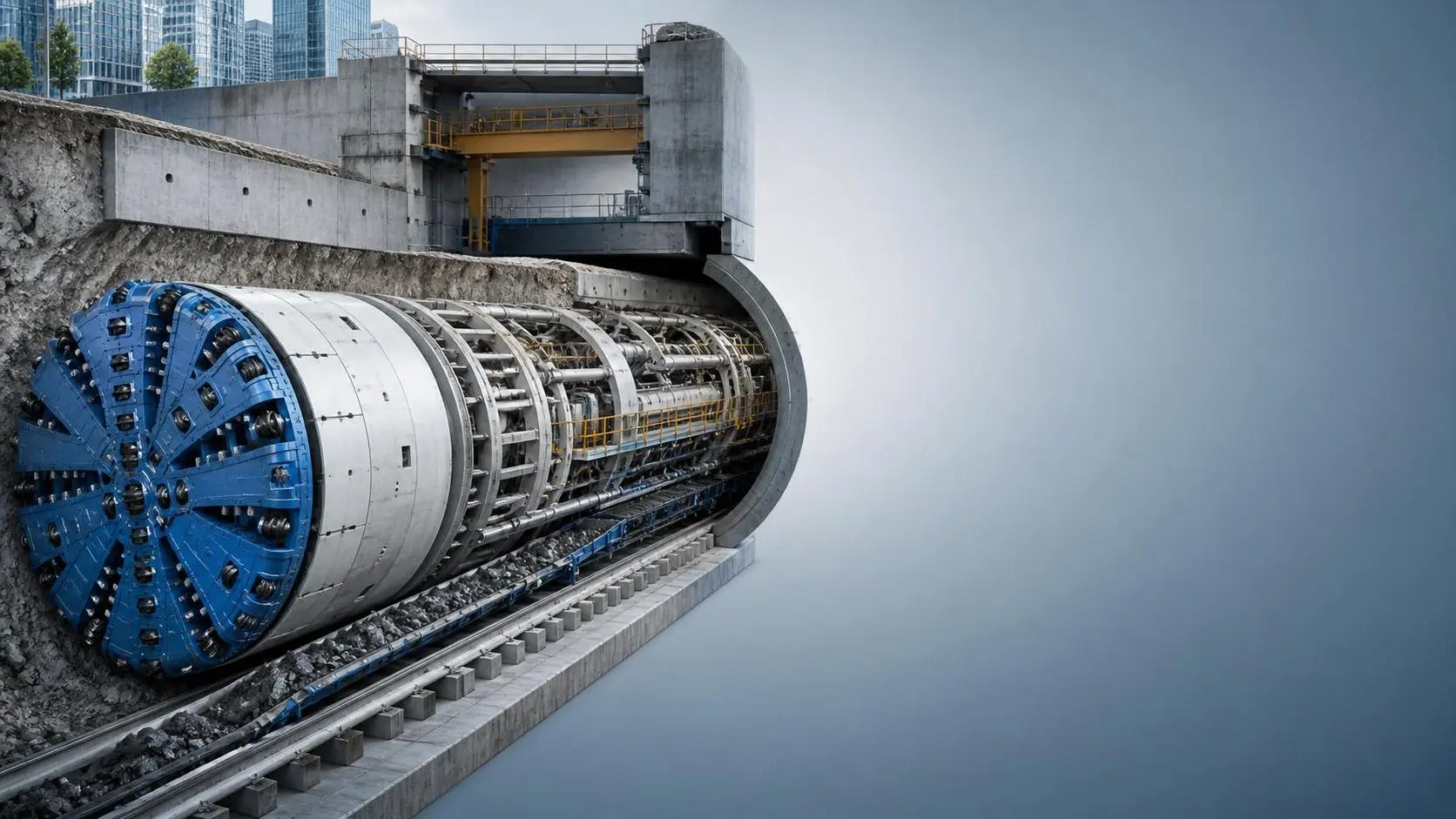
What Drives TBM Excavation Cost in Urban Tunneling Projects?
tbm excavation cost in urban tunneling depends on geology, shafts, segment lining, logistics, and risk. Discover the key cost drivers and compare bids with greater confidence.
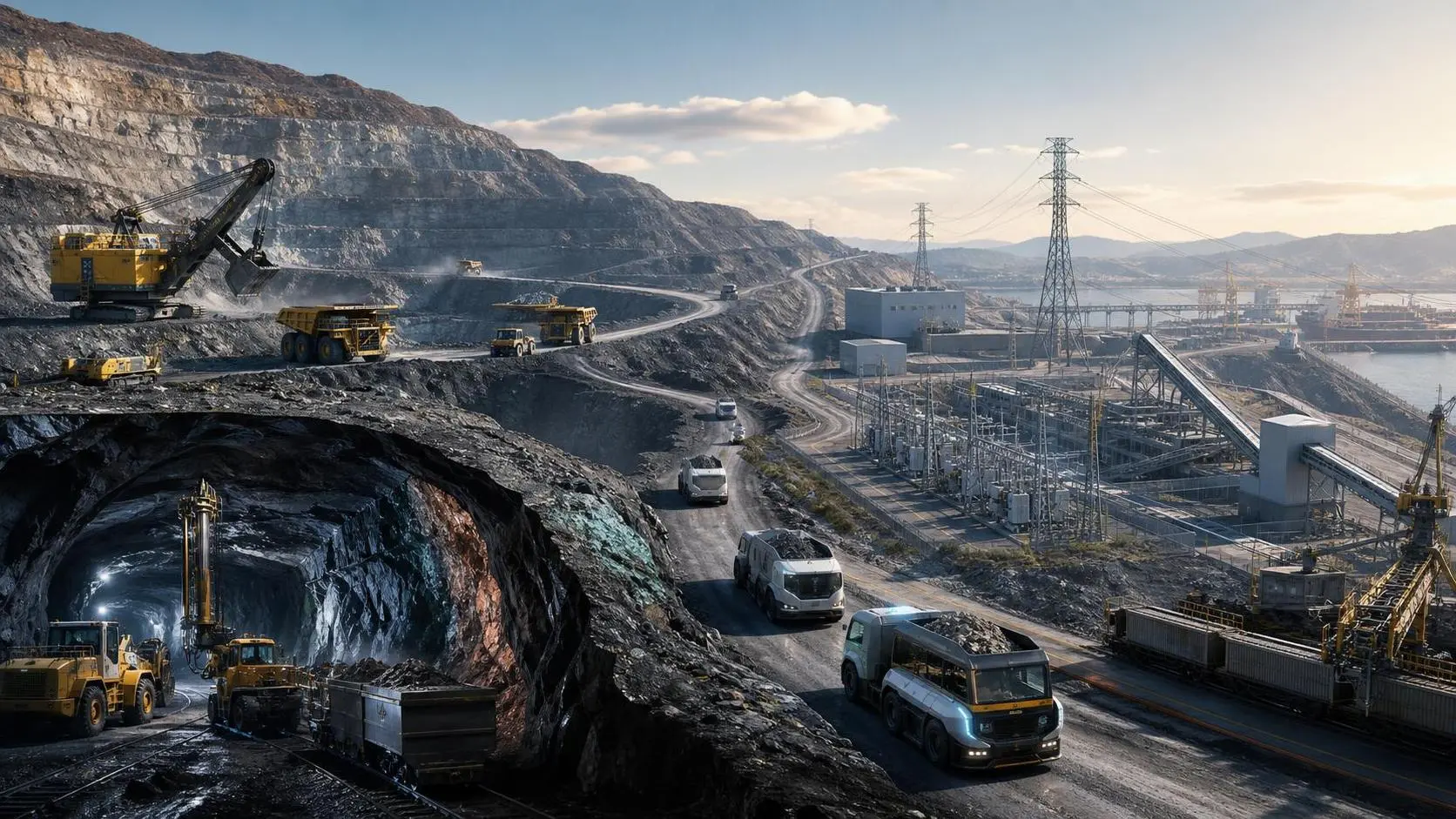
What Does Energy Metals Mining in Australia Mean for Supply, Cost, and Project Risk?
Energy metals mining Australia is reshaping supply, cost, and project risk. Discover what it means for buyers, investors, and operators.
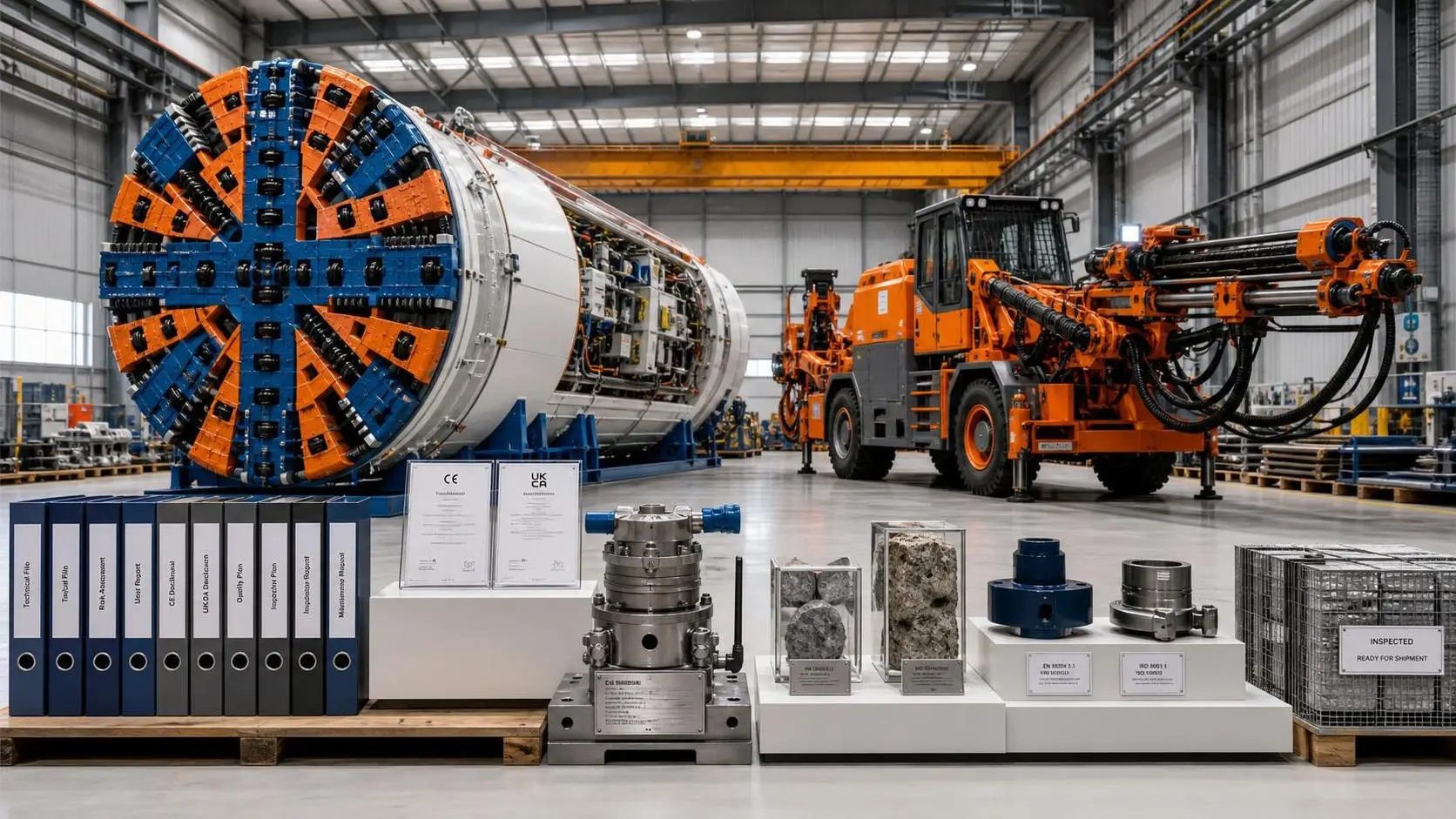
EU Eases Dual CE and UKCA Path for Chinese Tunnel Boring Equipment
EU eases CE and UKCA certification for Chinese tunnel boring equipment, cutting compliance time and helping importers move faster.
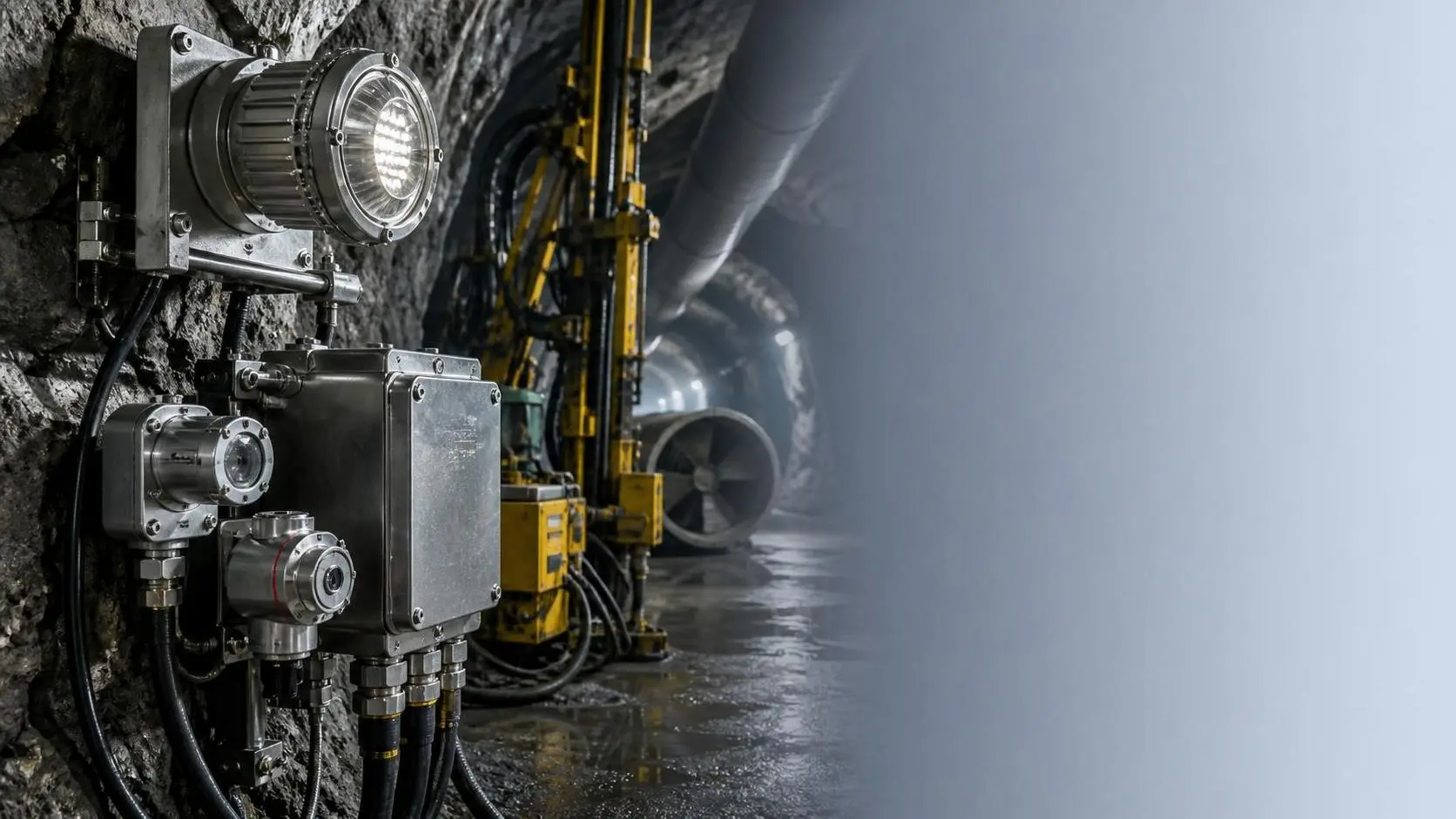
Flameproof Underground Safety Equipment: What Mine Teams Should Check Before Buying
Underground Safety Equipment flameproof buying guide: learn how mine teams should verify certification, durability, serviceability, and supplier support before purchase.
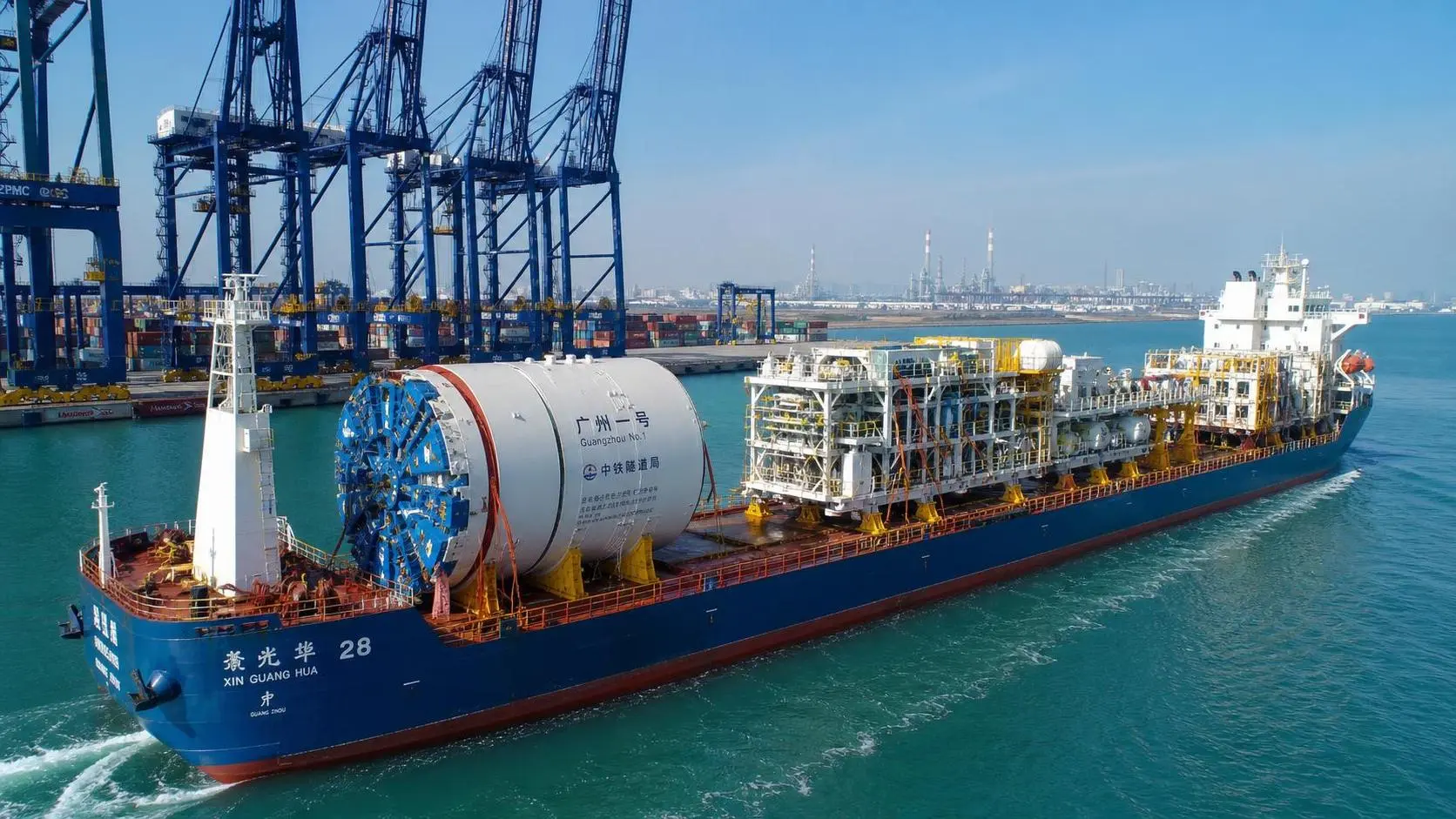
China-UAE Direct Sea Route Cuts TBM and Large Tunneling Equipment Lead Times
China-UAE direct sea route shortens TBM and large tunneling equipment lead times by 12–15 days, improving delivery predictability for major infrastructure projects. Read the full impact.
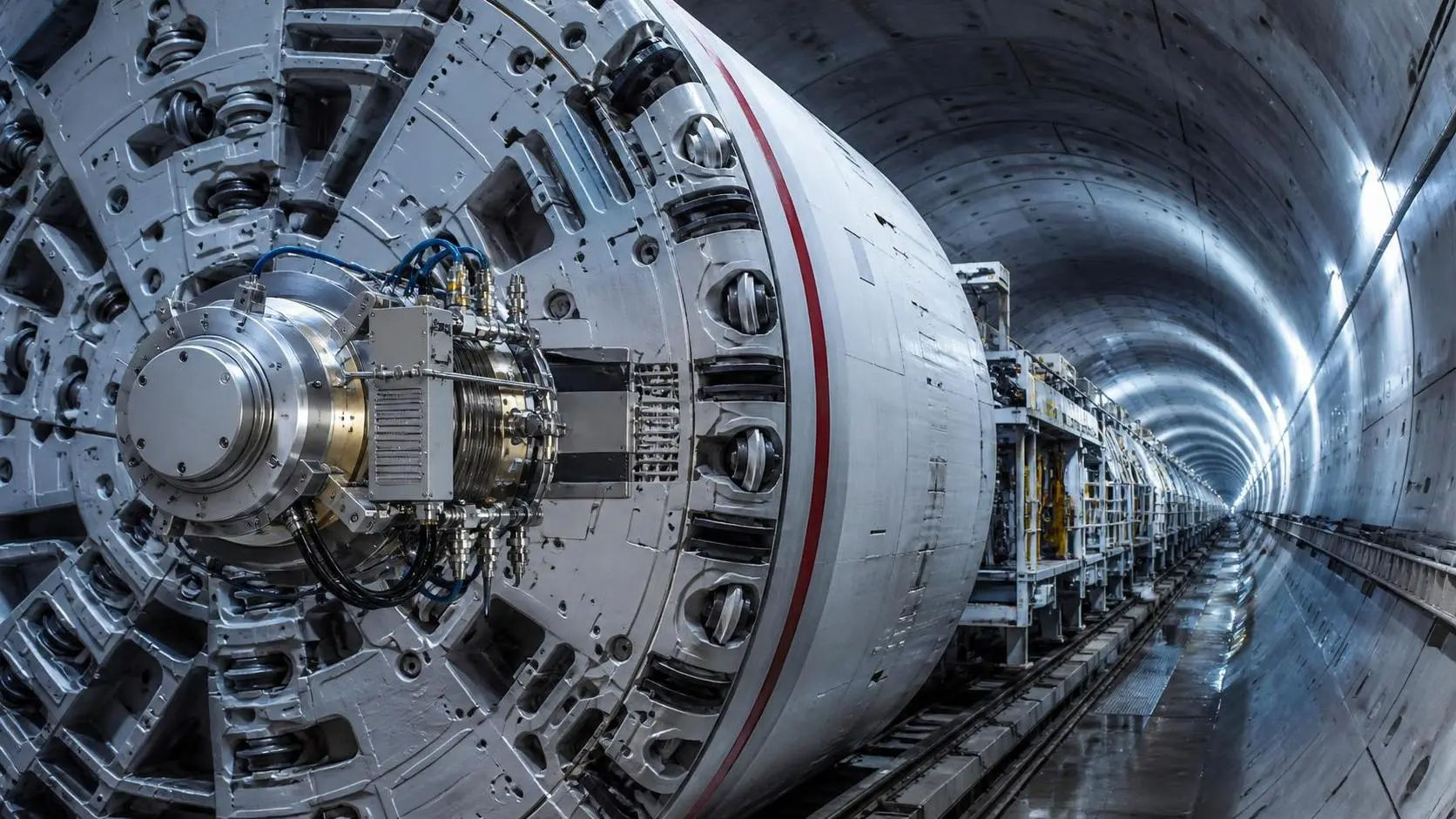
What Is a TBM Guidance System Gyroscope, and Why Does It Matter Underground?
TBM Guidance Systems gyroscope improves underground accuracy, reduces drift, and helps tunnel boring machines stay on line in harsh conditions.
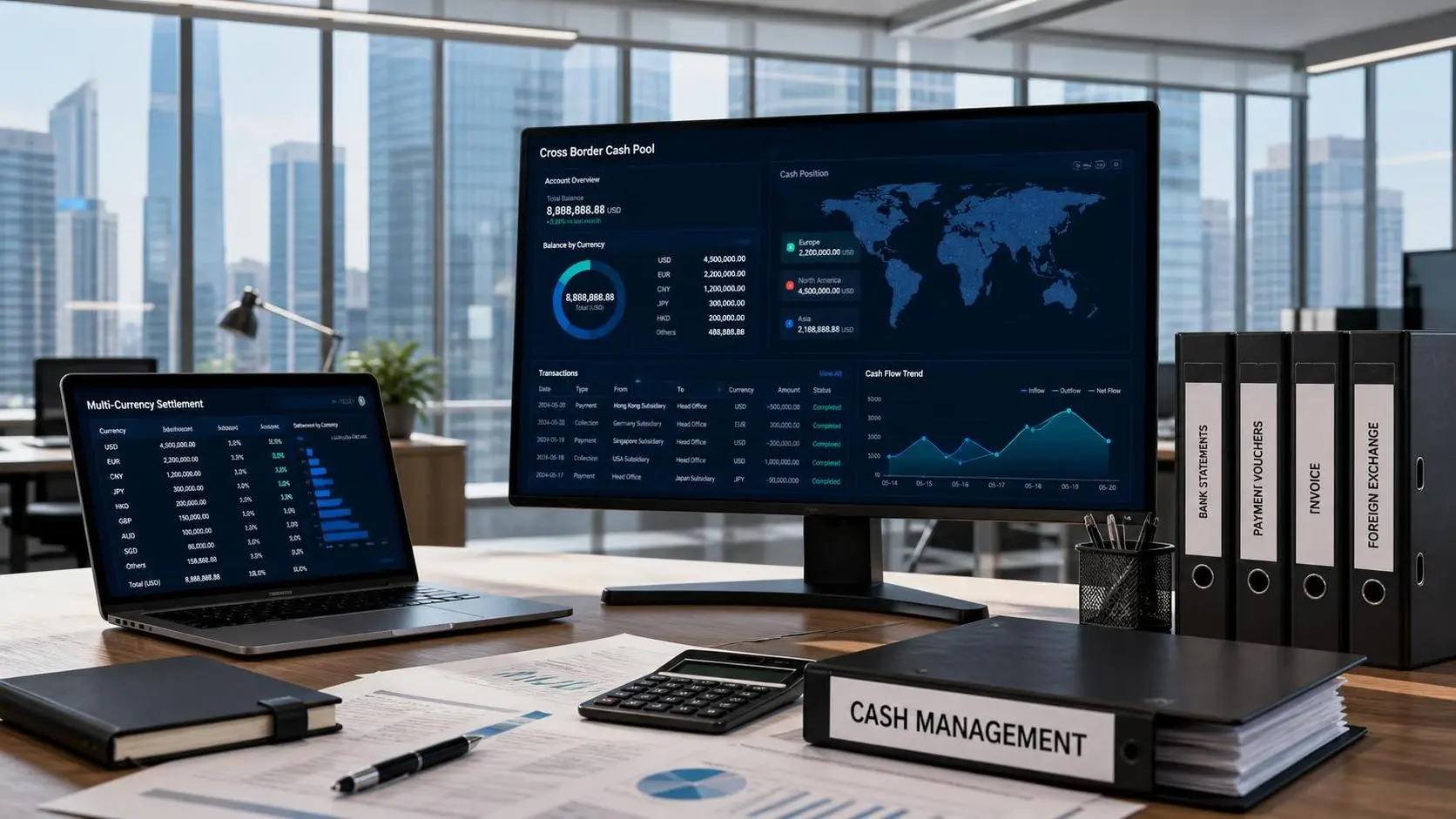
China to Roll Out Nationwide Local and Foreign Currency Cash Pools for Multinationals on Sept. 14
China will roll out nationwide local and foreign currency cash pools for multinationals on Sept. 14, streamlining cross-border treasury management and boosting liquidity efficiency.
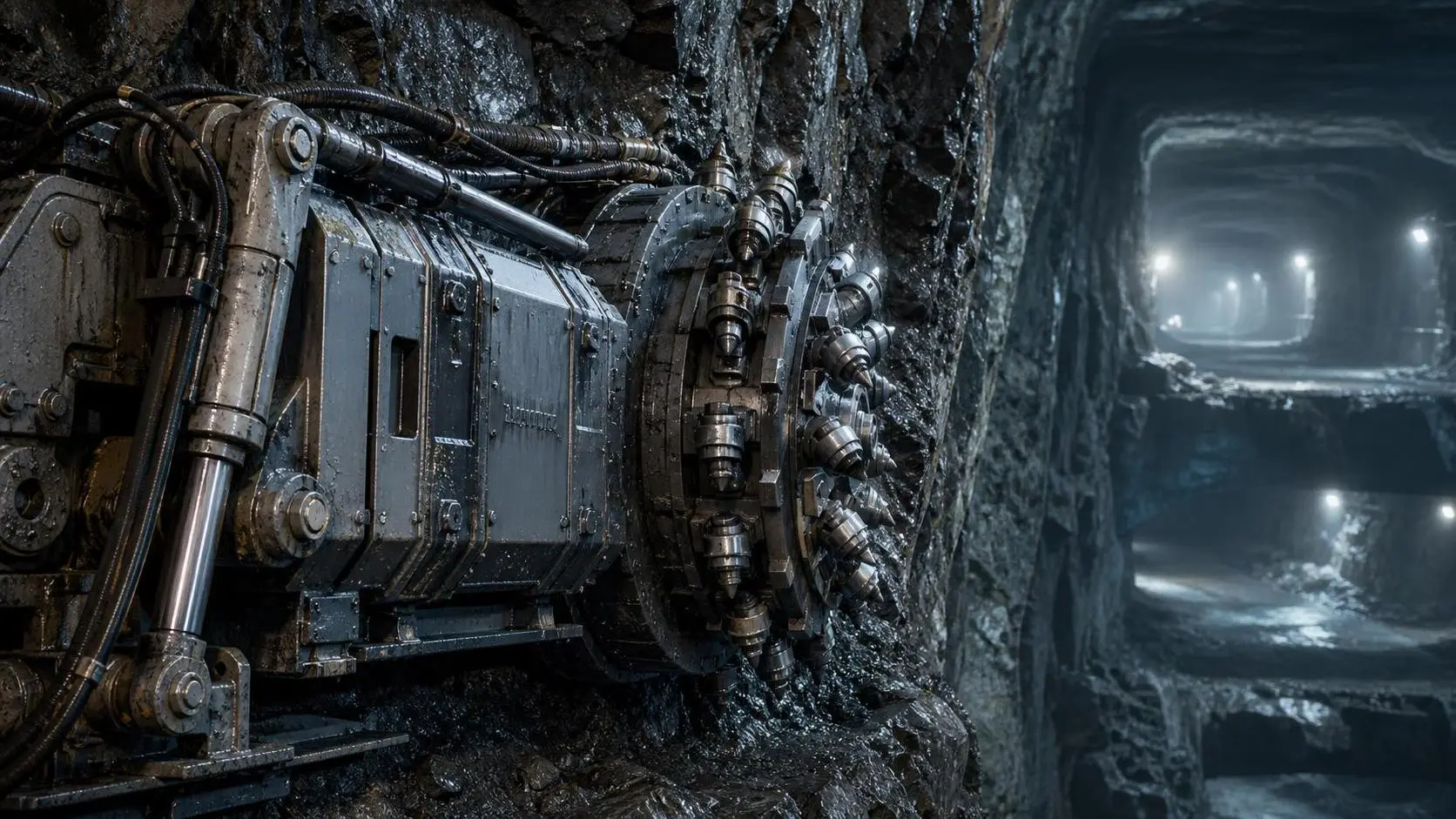
How to Choose a Reliable Underground Mining Equipment Supplier for Harsh Site Conditions
Find a reliable underground mining equipment supplier for harsh site conditions with rugged, maintainable solutions that boost uptime, reduce risk, and support long-term production.
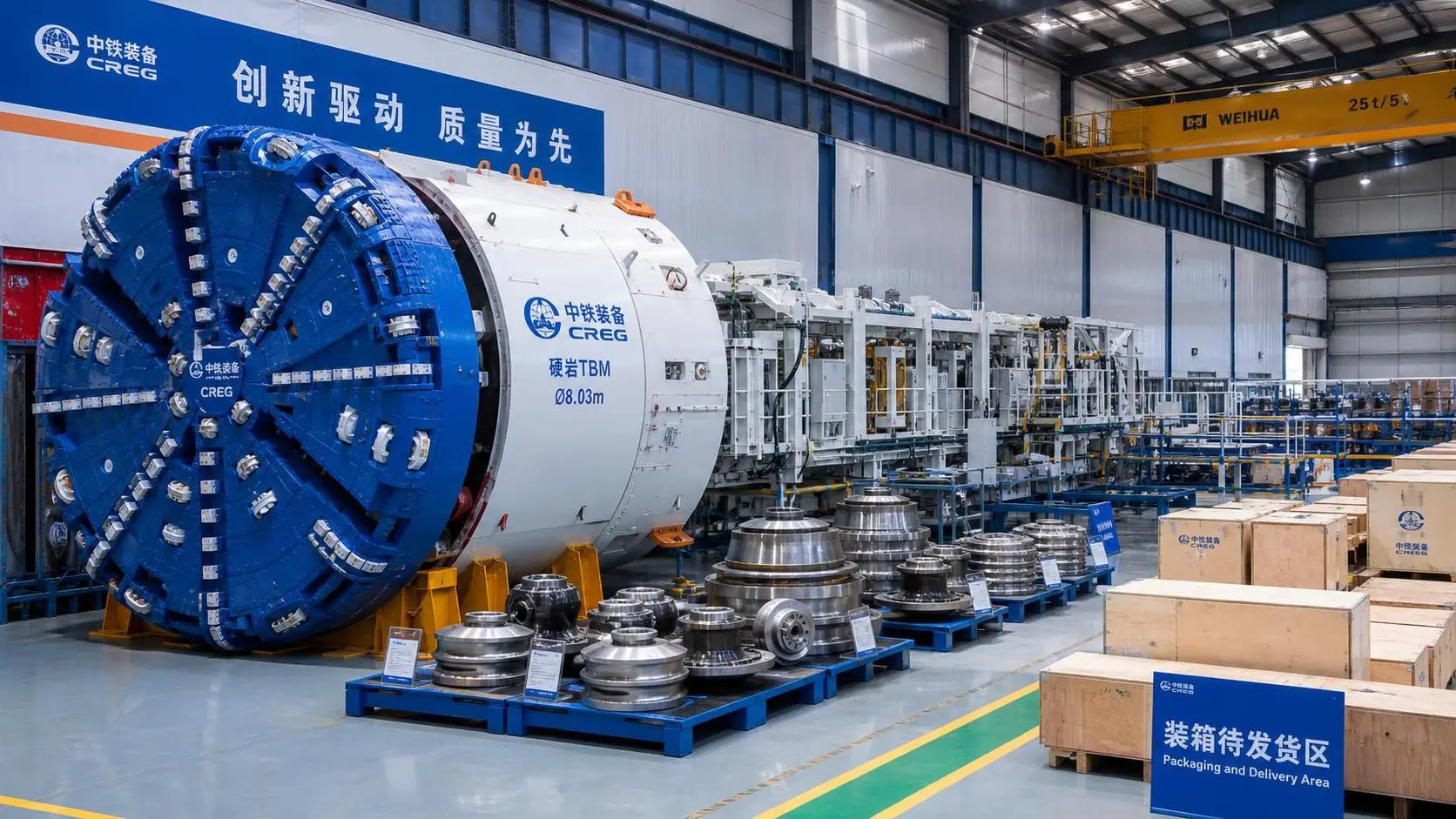
China Customs Tightens TBM Export Checks from Aug. 16
China Customs tightens TBM export checks from Aug. 16, 2026. Learn how new mandatory inspections may affect tunnelling equipment shipments, compliance, and delivery plans.
Related News
- 00
0000-00
What Drives TBM Excavation Cost in Urban Tunneling Projects? - 00
0000-00
What Does Energy Metals Mining in Australia Mean for Supply, Cost, and Project Risk? - 00
0000-00
EU Eases Dual CE and UKCA Path for Chinese Tunnel Boring Equipment - 00
0000-00
Flameproof Underground Safety Equipment: What Mine Teams Should Check Before Buying - 00
0000-00
China-UAE Direct Sea Route Cuts TBM and Large Tunneling Equipment Lead Times
Weekly Insights
Stay ahead with our curated technology reports delivered every Monday.