
APEC Trade Ministers Adopt Green-Procurement Framework in Suzhou





On May 22–23, 2026, the 32nd APEC Trade Ministers’ Meeting convened in Suzhou, Jiangsu Province, bringing together approximately 700 representatives from all 21 APEC economies. The meeting marked a pivotal alignment on procurement standards for infrastructure equipment—particularly in high-emission industrial sectors—setting new regional expectations for ESG-compliant trade and technology deployment.
Event Overview
The APEC Trade Ministers’ Meeting, held in Suzhou from May 22 to 23, 2026, prioritized three cross-cutting themes: digital economy development, green and low-carbon transition, and supply chain resilience. A key outcome was the endorsement of a regional coordination framework titled the ‘Zero-Emission Infrastructure Equipment Procurement Guidelines’. The framework encourages member economies to prioritize battery-powered Load-Haul-Dump vehicles (Battery LHDs), autonomous LHDs, and slurry-type Earth Pressure Balance (EPB) tunnel boring shields—especially in heavy-duty applications such as tunneling and mining operations.
Industries Affected
Direct trading enterprises: Exporters of mining and tunneling equipment—particularly those certified to international ESG or ISO 14064/50001 standards—will face both opportunity and compliance pressure. The new framework does not constitute binding regulation but establishes a de facto regional benchmark for public-sector tenders; participation in APEC government procurement programs may increasingly require pre-verification against the Guidelines’ technical annexes (e.g., lifecycle emissions reporting, remote operation capability, battery recyclability metrics).
Raw material procurement enterprises: Suppliers of lithium-ion battery cells, high-strength steel alloys for shield segments, and rare-earth-free motor components are likely to see revised demand signals. While no new quotas or tariffs were announced, the Guidelines emphasize ‘domestic content with verifiable decarbonization pathways’, implying tighter traceability requirements—including upstream carbon accounting for cobalt, nickel, and graphite sourcing—starting in 2027 tender cycles.
Manufacturing enterprises: OEMs producing Battery LHDs, Autonomous LHDs, or Slurry EPB Shields must now align product documentation—not just performance specs—with the Guidelines’ interoperability and data transparency provisions (e.g., standardized telemetry formats for remote monitoring, open API access for predictive maintenance logs). This affects certification timelines, not just R&D investment.
Supply chain service enterprises: Third-party verification bodies, logistics providers specializing in oversized equipment transport, and customs brokers handling dual-use tech exports (e.g., AI-enabled control systems embedded in LHDs) will need updated competency frameworks. Notably, the Guidelines reference harmonized classification under the APEC Environmental Goods List (EGL) Annex, which may trigger revised HS code guidance for battery-integrated machinery by Q3 2026.
Key Considerations and Recommended Actions
Verify alignment with the Guidelines’ technical annexes—not just marketing claims
Manufacturers should conduct gap assessments against the draft annexes (published June 2026, per APEC Secretariat notice), especially regarding battery end-of-life management plans and real-time energy consumption logging capabilities. Self-declaration is insufficient for priority procurement lanes.
Engage national APEC focal points early on domestic implementation roadmaps
Each APEC economy will translate the framework into national procurement policies at varying paces. For example, Canada and Mexico have signaled pilot adoption in federal mining infrastructure tenders by late 2026; Japan and Vietnam plan alignment with existing Green Public Procurement (GPP) rules by mid-2027. Proactive engagement helps anticipate local interpretation variance.
Prepare for enhanced supply chain due diligence beyond Tier 1 suppliers
The Guidelines explicitly reference ‘upstream emissions visibility’ as a procurement evaluation criterion. Enterprises should map Tier 2 and Tier 3 inputs—particularly battery cathode materials and shield segment casting foundries—for Scope 3 emission baselines and audit readiness.
Editorial Perspective / Industry Observation
Observably, this is not the first APEC statement on green procurement—but it is the first to name specific equipment categories and operational contexts (e.g., ‘tunnel and mine heavy-load scenarios’). Analysis shows the language reflects growing convergence between APEC’s trade agenda and the International Energy Agency’s 2025 Net Zero Roadmap for Heavy Industry Equipment. That said, the framework remains voluntary; its influence will depend less on legal enforceability and more on coordinated procurement timing across major economies. From an industry perspective, the real inflection point lies in how quickly national tender documents begin citing the Guidelines’ annexes as evaluation criteria—rather than merely referencing them in preambles.
Conclusion
This consensus signals a structural shift—not a tactical adjustment—in how infrastructure equipment enters APEC markets. It does not replace existing safety or performance regulations, but layers a new dimension of sustainability accountability onto procurement decisions. The practical impact will unfold incrementally, yet the direction is unambiguous: ESG compliance is transitioning from a corporate responsibility initiative to a market-access prerequisite for certain capital goods categories.
Source Attribution
Official outcomes published by the APEC Secretariat (apec.org/2026/suzhou-trade-ministers-summary) and the Ministry of Commerce of the People’s Republic of China (mofcom.gov.cn/article/2026/05/22/suzhou-apec-trade-communique). Note: The technical annexes to the ‘Zero-Emission Infrastructure Equipment Procurement Guidelines’ remain in draft form as of June 2026 and are subject to inter-economy consultation through August 2026; final publication is expected by September 2026. Stakeholders are advised to monitor updates from national APEC policy coordinators and the APEC Business Advisory Council (ABAC) Working Group on Sustainable Infrastructure.
Related News
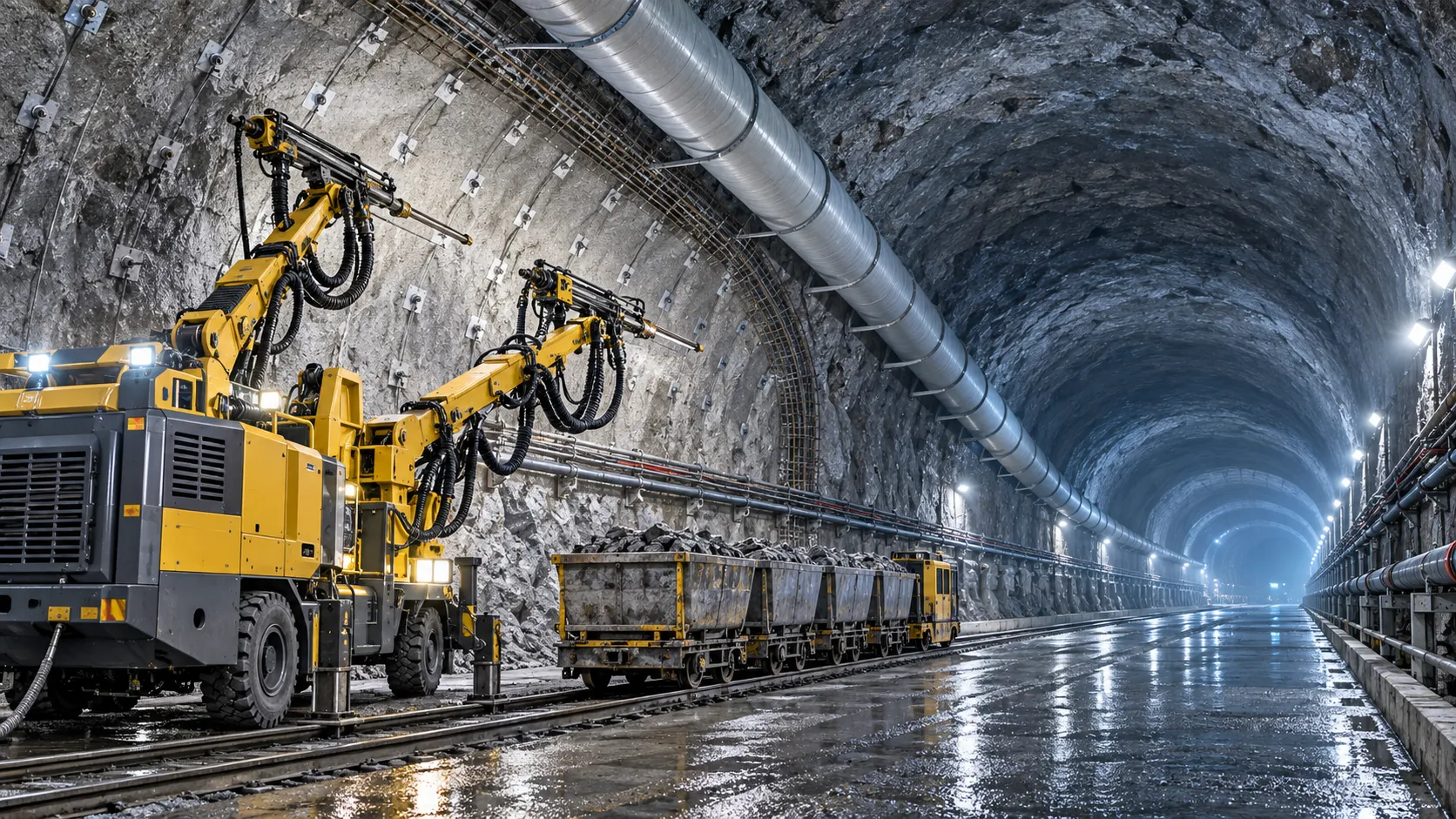
How to Evaluate European Drill-and-Blast Tunnelling Contractors for Complex Projects
Drill and blast tunnelling contractors Europe: learn how to assess geology expertise, blast control, equipment reliability, safety, and programme resilience for complex projects.
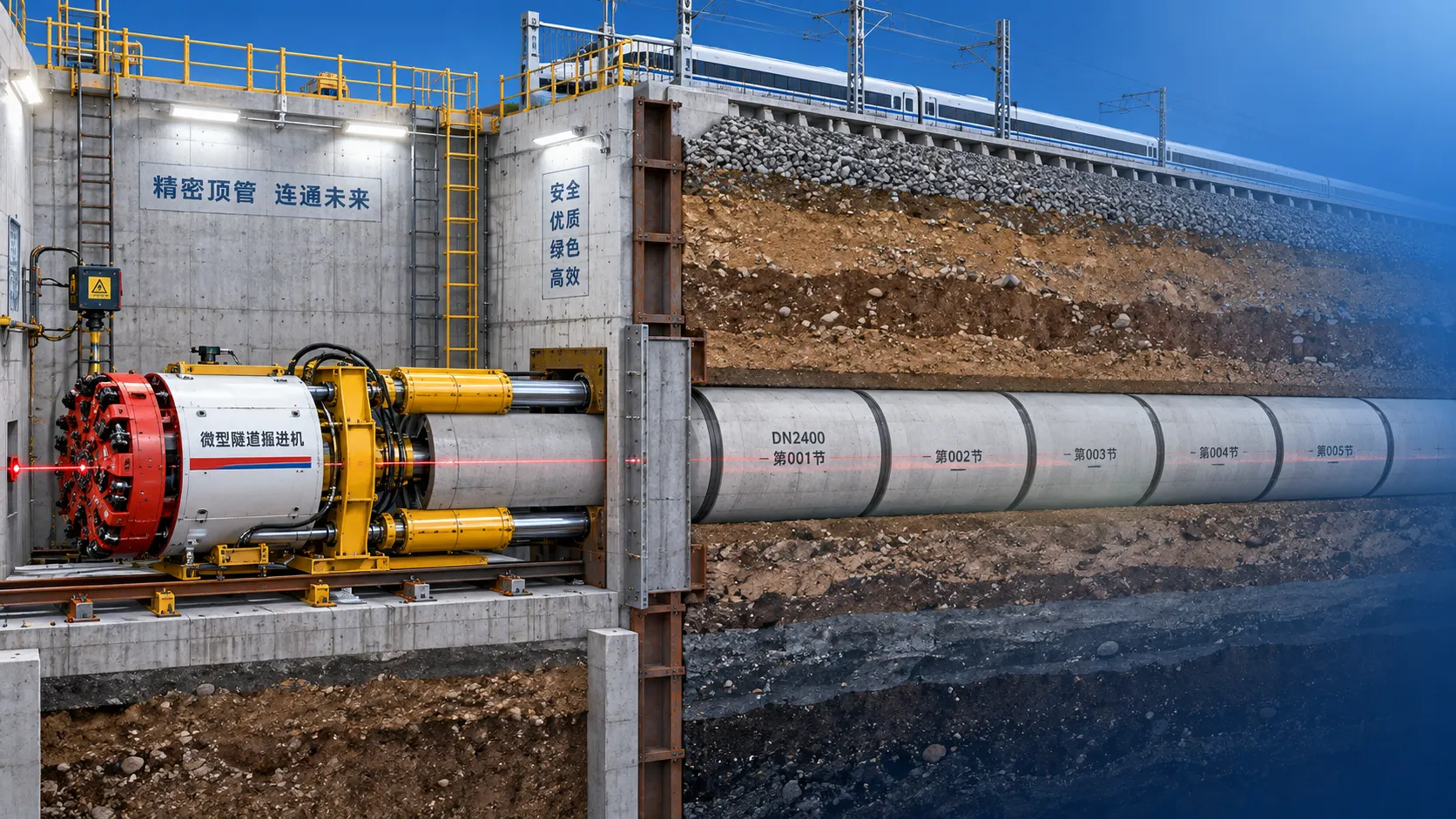
Which Trenchless Construction Technique Fits Your Utility Crossing Conditions?
Trenchless construction techniques compared for utility crossings: choose HDD, microtunnelling, pipe jacking, or auger boring based on ground, accuracy, access, and risk.
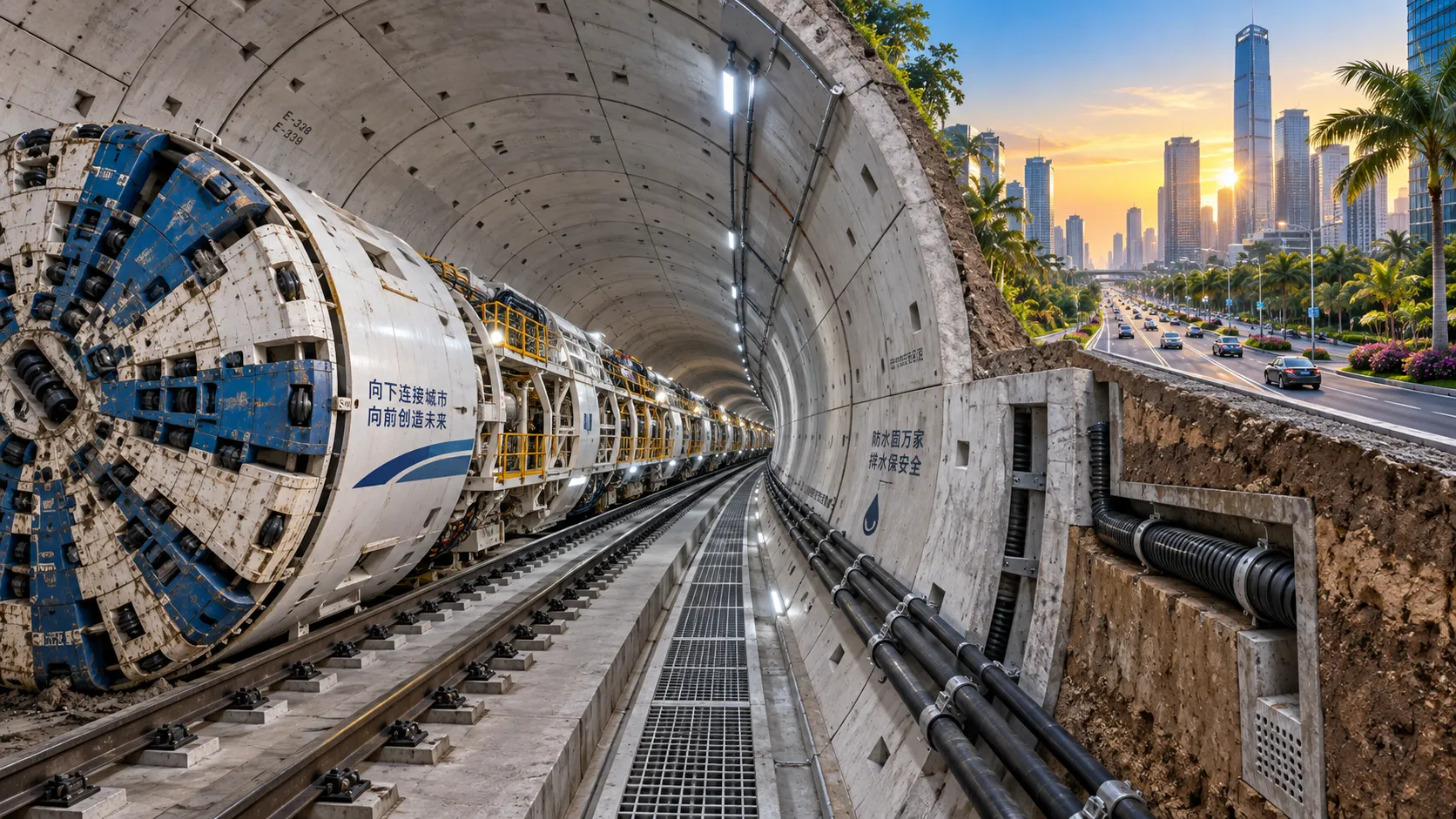
What Is Driving Metro Tunnelling Demand Across Southeast Asia’s Major Cities?
Metro tunnelling Southeast Asia is accelerating as major cities tackle congestion, flooding, and connectivity. Explore the market forces, technical risks, and opportunities shaping demand.
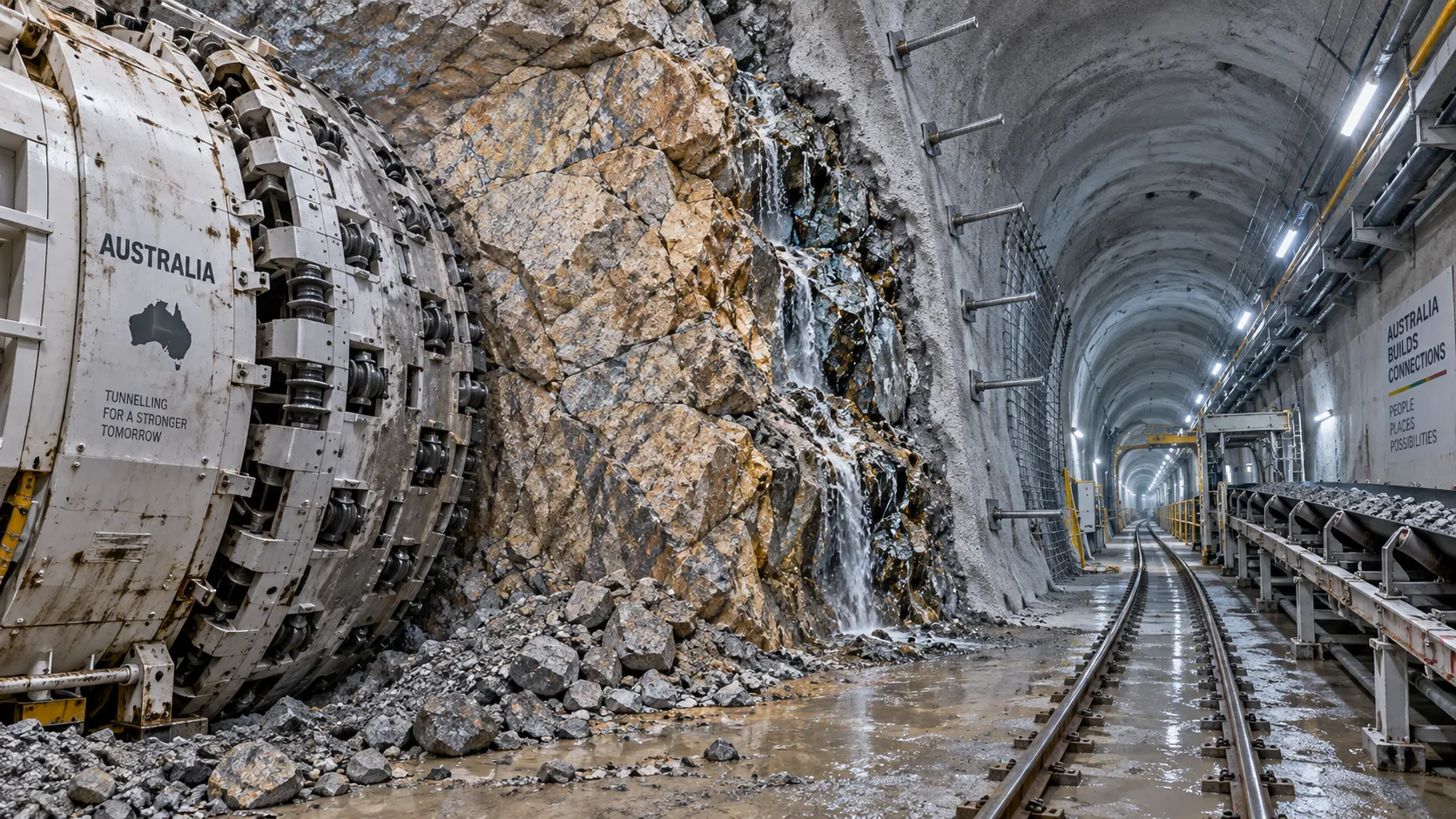
Hard Rock Tunnelling in Australia: Selecting Methods for Variable Ground Conditions
Hard rock tunnelling in Australia: compare TBM, drill-and-blast and hybrid methods to manage variable ground, reduce risk and protect project costs.
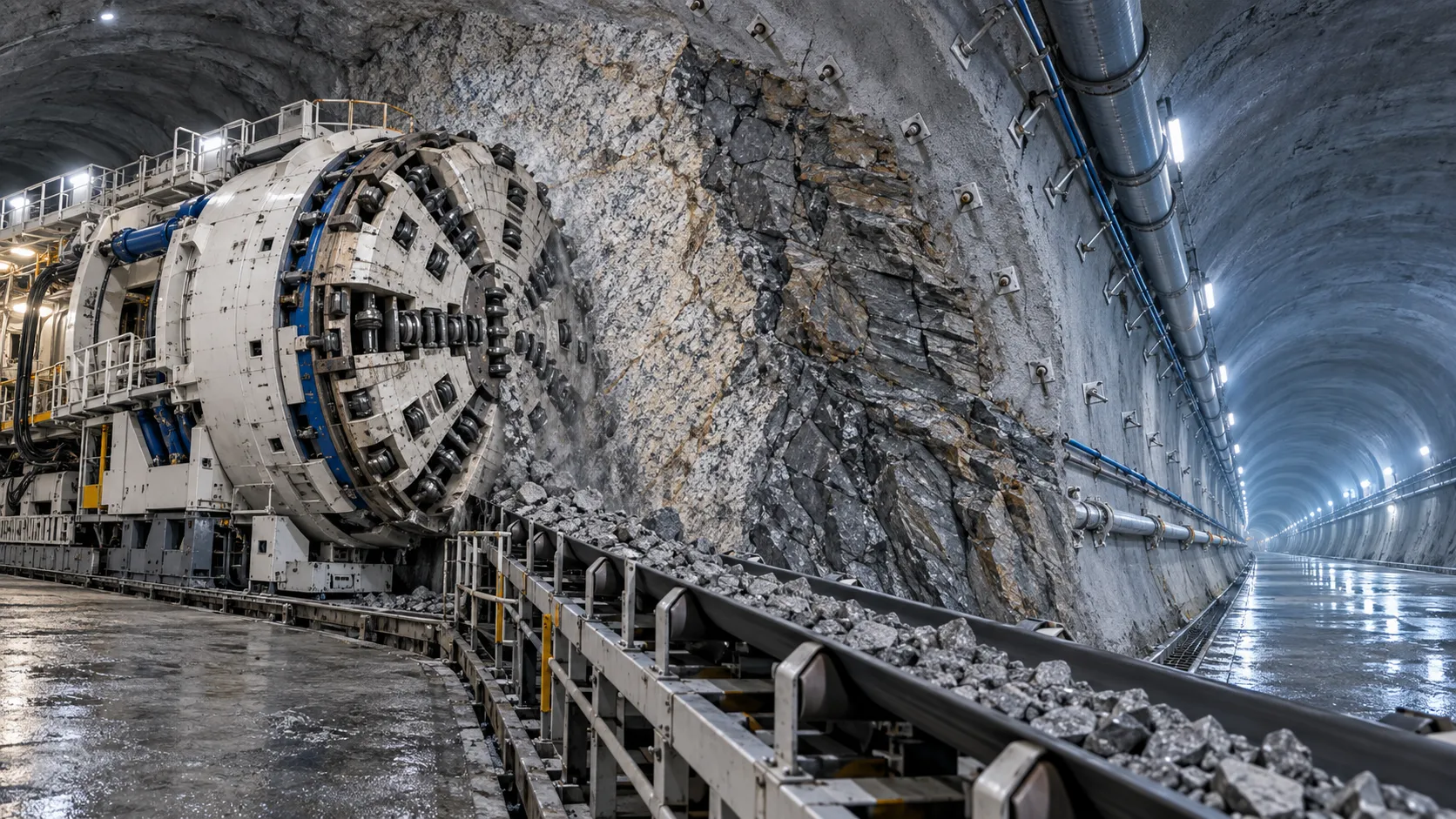
Hydropower Tunnel Excavation: Selecting Methods for Variable Rock Conditions
Hydropower tunnel excavation methods for variable rock conditions: compare TBM, drill-and-blast, and hybrid strategies to improve safety, progress, and project control.
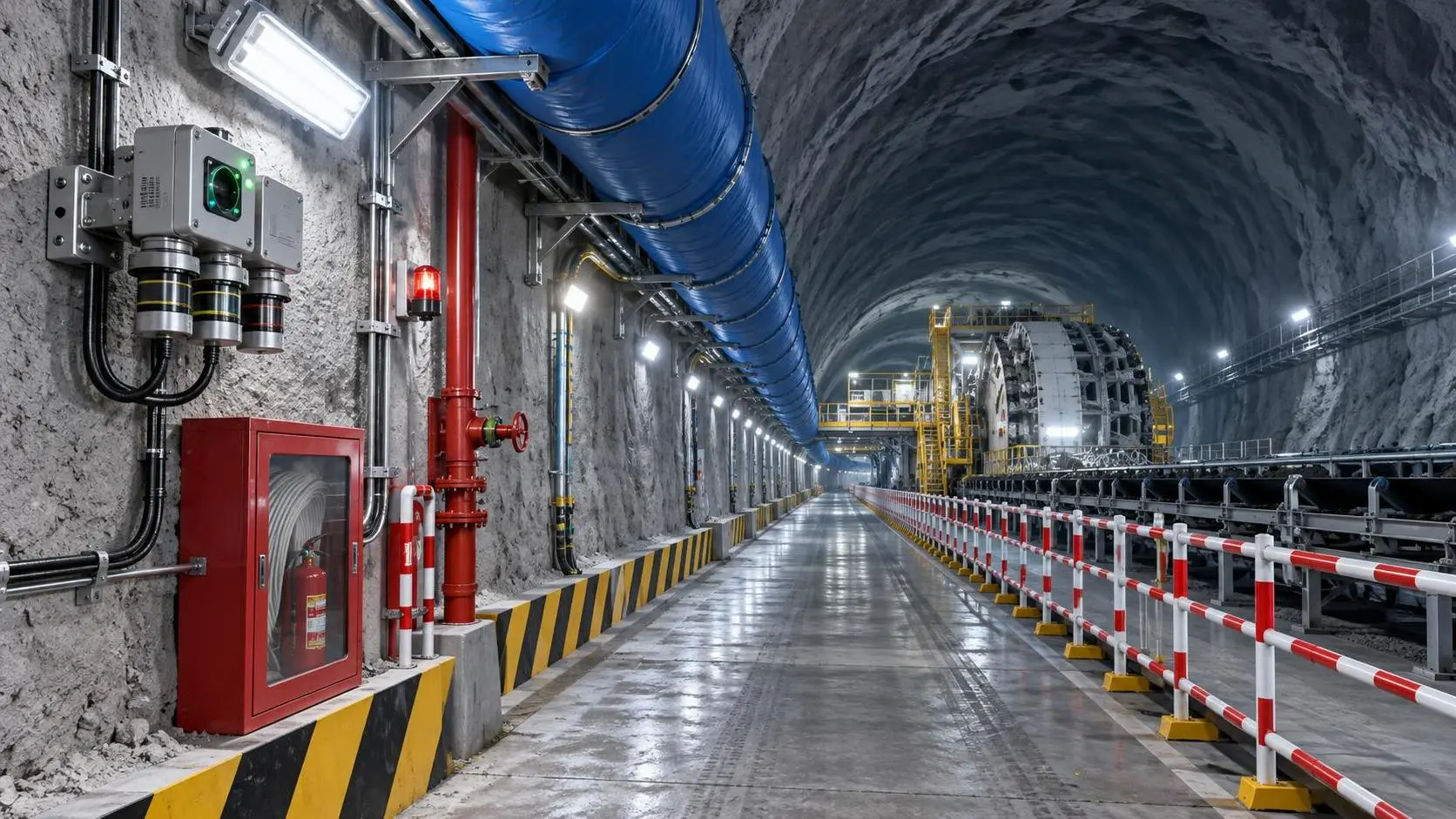
How to Select Underground Safety Equipment for Tunnelling by Hazard and Work Zone
Underground Safety Equipment for tunnelling: match protection to hazards, work zones, compliance, and emergency needs with this practical selection guide.
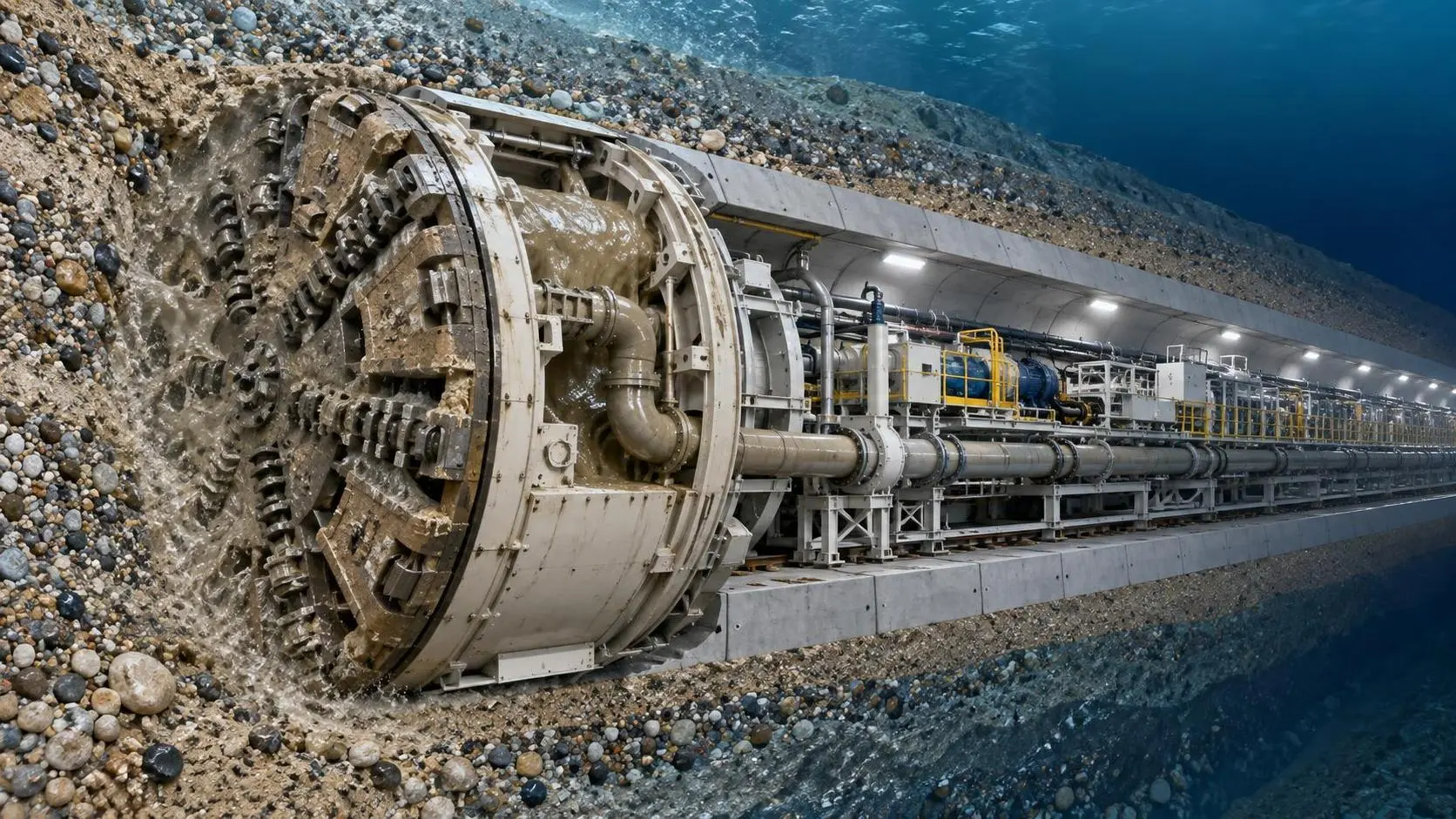
EPB or Slurry Shield? Selecting Soft-Ground Tunnelling Equipment by Soil Conditions
Tunnel Excavation Equipment for soft ground: compare EPB and slurry shields by soil, groundwater, settlement risk, and project logistics to choose confidently.
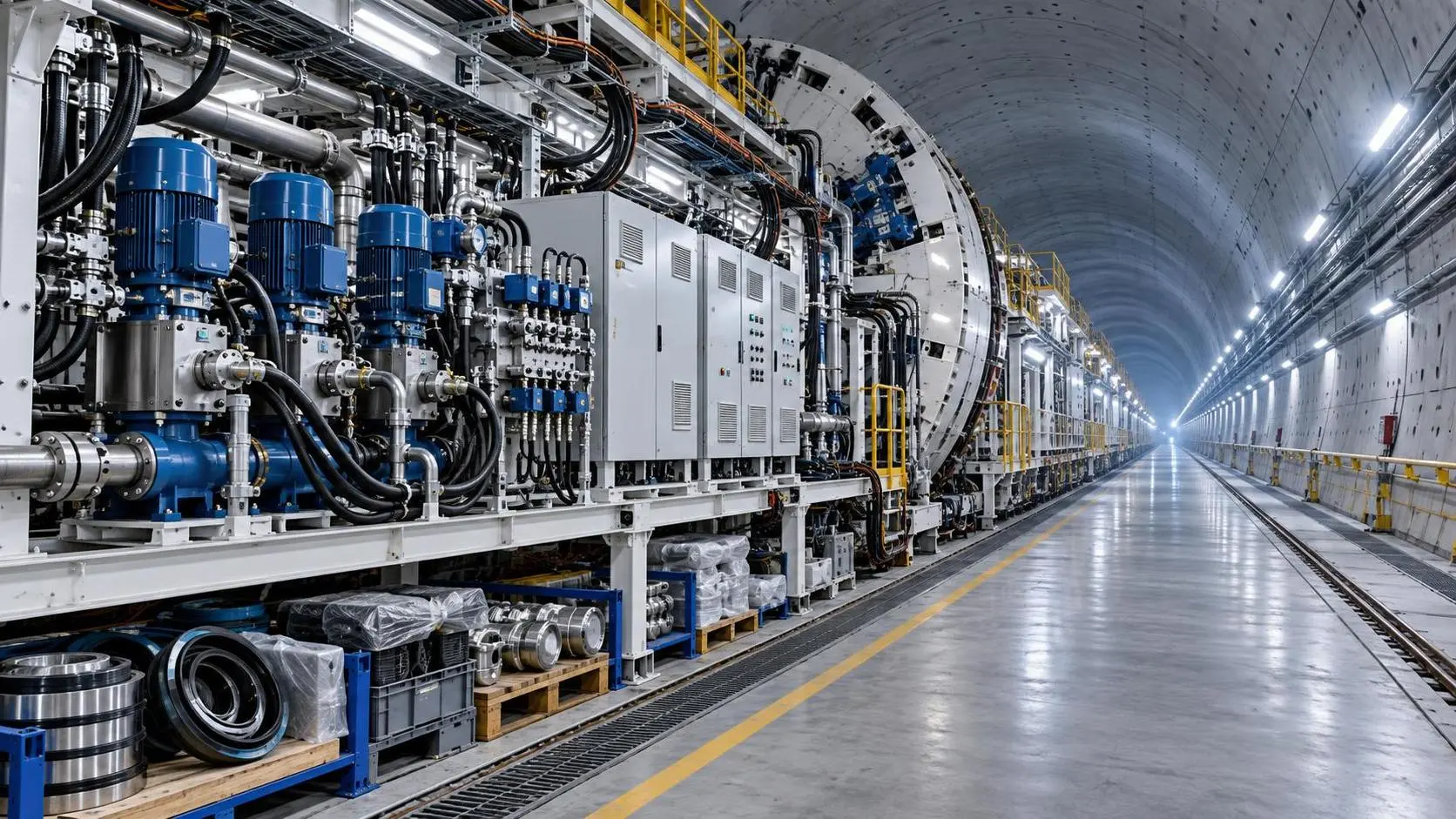
How to Specify TBM Backup System Parts for Reliable Long-Distance Tunnelling
TBM backup system parts: learn how to specify reliable spares for long-distance tunnelling, reduce downtime, ensure compatibility, and speed underground recovery.

How to Size Open Pit Mining Trucks for Haul Distance, Grade, and Payload?
Open Pit Mining Trucks: learn how to match payload, haul distance, grade, road resistance, and loading capacity for safer, lower-cost mine operations.
Related News
- 00
0000-00
How to Evaluate European Drill-and-Blast Tunnelling Contractors for Complex Projects - 00
0000-00
Which Trenchless Construction Technique Fits Your Utility Crossing Conditions? - 00
0000-00
What Is Driving Metro Tunnelling Demand Across Southeast Asia’s Major Cities? - 00
0000-00
Hard Rock Tunnelling in Australia: Selecting Methods for Variable Ground Conditions - 00
0000-00
Hydropower Tunnel Excavation: Selecting Methods for Variable Rock Conditions
Weekly Insights
Stay ahead with our curated technology reports delivered every Monday.