
Codelco’s 2026 Tender Signals Battery LHD Shift





On May 31, 2026, Chilean state-owned copper producer Codelco issued a tender preview for its 2026–2030 deep mine zero-emission upgrade plan, requiring all newly purchased underground loading equipment to be Battery LHDs. The development deserves close attention from mining equipment manufacturers, export traders, supply chain service providers, and underground mine operators because it points to a sharper electrification requirement in deep mining equipment procurement.
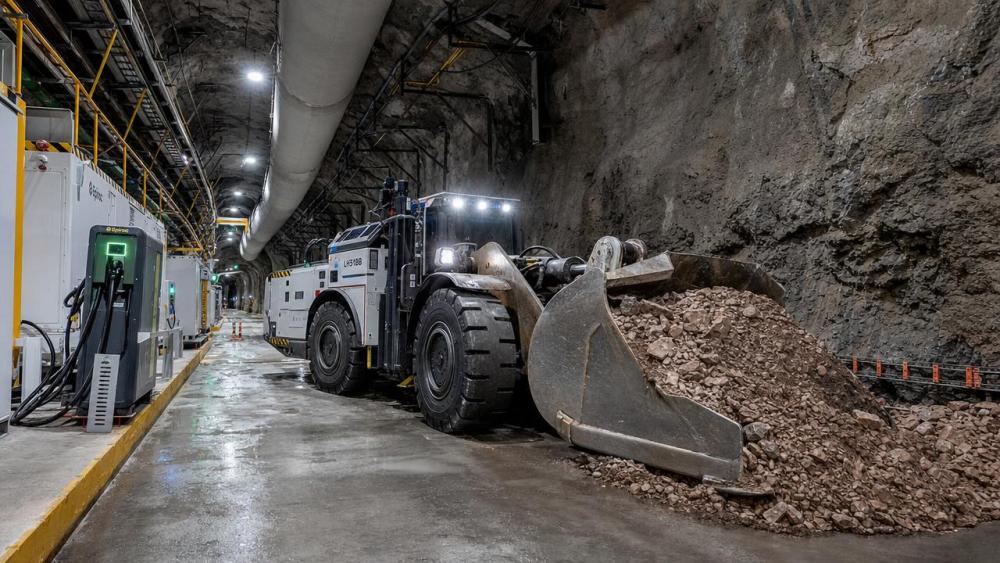
Event Overview
According to the released information, Codelco published the tender preview on May 31, 2026, under the title of its 2026–2030 deep mine zero-emission upgrade plan. The notice clearly states that all newly procured underground loading equipment must be Battery LHDs, meaning battery-powered load-haul-dump machines.
The notice also sets a threshold that, from 2027, newly commissioned production levels must reach a 100% electrification rate. This tender round is expected to release demand for more than 420 units of equipment, representing a 300% increase compared with the actual procurement volume in 2025. The information also indicates that this directly brings forward the export order window for leading Chinese manufacturers to the third quarter.
Which Segments May Be Affected
Battery LHD and Underground Mining Equipment Manufacturers
Equipment manufacturers are the most directly affected because the tender preview specifies Battery LHDs as the required category for newly purchased underground loading equipment. The impact is mainly reflected in product readiness, delivery capacity, technical documentation, and the ability to respond to procurement requirements within a shortened order window.
From an industry perspective, the rise from the 2025 actual procurement level to an expected demand of more than 420 units means manufacturers may need to reassess production scheduling and export project coordination. However, this should still be understood in relation to the tender preview and subsequent tender details rather than as completed orders.
Export Traders and International Equipment Trade Companies
Export traders and international trade companies may be affected because the information points to an earlier export order window for leading Chinese manufacturers, potentially moving attention to the third quarter. Their role may become more important in documentation preparation, communication with buyers, logistics coordination, and alignment with tender timelines.
Analysis shows that the key impact for trading companies is not only the larger equipment demand, but also the need to match the tender’s specific electrification direction. Companies that handle underground mining equipment exports may need to focus more closely on Battery LHD-related qualifications, product descriptions, delivery schedules, and after-sales coordination requirements.
Supply Chain and Procurement Service Providers
Supply chain service providers may be affected because a demand release of more than 420 units creates higher requirements for equipment delivery coordination, parts planning, shipping arrangements, and procurement process support. The tender preview does not provide detailed implementation schedules beyond the stated plan period and 2027 electrification threshold, so service providers should avoid assuming a fixed delivery rhythm before further official information is available.
Observably, the practical pressure for this segment may come from the need to support faster response cycles. If manufacturers prepare export orders earlier, supply chain partners may need to align internal capacity, supplier communication, and transport planning around the third-quarter order window mentioned in the information.
Underground Mine Operators and Equipment Users
Underground mine operators outside this specific tender may also monitor the development because it reflects a defined procurement requirement from a major copper producer for deep mine electrification. The impact is not that all operators must immediately follow the same path, but that Battery LHDs may receive more attention in future equipment evaluation and project planning.
It is more appropriate to understand this as a reference signal for equipment selection in deep mining scenarios. Operators considering new underground loading equipment may need to pay closer attention to electrification thresholds, equipment compatibility, and procurement timing, while still basing decisions on their own mine conditions and confirmed project requirements.
What Companies and Practitioners Should Watch and How to Respond
Track Subsequent Official Tender Details
Companies should continue to monitor Codelco’s official tender documents and any subsequent clarifications related to the 2026–2030 deep mine zero-emission upgrade plan. The current information confirms the tender preview, the Battery LHD requirement, the 2027 electrification threshold, the expected scale of more than 420 units, and the 300% increase compared with 2025 actual procurement.
More worth watching at present is whether later documents further define equipment specifications, delivery batches, qualification requirements, service obligations, and acceptance criteria. These details will determine how companies should prepare actual bids, export plans, and technical responses.
Focus on Battery LHD Readiness Rather Than General Equipment Capacity
Because the tender requirement specifically targets Battery LHDs for newly purchased underground loading equipment, manufacturers and traders should not treat this as a broad underground machinery opportunity. Practical preparation should focus on the exact equipment category named in the notice.
From an industry perspective, companies may need to review whether their Battery LHD product materials, technical files, export documentation, and delivery plans are aligned with deep mine electrification procurement requirements. This is more practical than making broad assumptions about demand for unrelated mining machinery.
Distinguish Tender Signals From Confirmed Business Results
The tender preview indicates a strong procurement direction, but companies should distinguish between a policy and procurement signal and actual business results. The expected release of more than 420 units and the earlier export order window provide important market information, but they do not by themselves confirm final contract awards.
Analysis shows that companies should use the information to prepare resources and communication plans, while avoiding overcommitting production, inventory, or commercial promises before official tender outcomes and contract terms are confirmed.
Prepare Export, Supply Chain, and Communication Plans in Advance
Given that the information points to the export order window for leading Chinese manufacturers moving forward to the third quarter, relevant companies should prepare earlier for cross-border communication, documentation review, logistics coordination, and internal capacity checks.
Observably, the most practical response is to build a preparation plan around confirmed tender information: Battery LHD category focus, 2027 electrification threshold, expected large-scale equipment demand, and the Q3 export order window. This allows companies to respond faster while maintaining caution before final tender results are released.
Editor’s View / Industry Observation
From an industry perspective, Codelco’s tender preview is significant because it turns deep mine electrification from a general direction into a clearly stated procurement requirement for newly purchased underground loading equipment. The specified use of Battery LHDs makes the signal more concrete for manufacturers, traders, and supply chain service providers.
It is more appropriate to understand this development as a strong market signal rather than a completed procurement result. The announced demand scale, 2027 electrification threshold, and expected third-quarter export order window indicate that related companies may need to move earlier in preparation, but final business impact still depends on subsequent tender details and contract execution.
More worth watching at present is how the tender requirements are translated into actual procurement processes, equipment specifications, delivery schedules, and supplier participation. For the industry, the value of this information lies not only in the reported demand increase, but also in the clearer direction it gives to Battery LHD planning for deep mining applications.
Conclusion
Codelco’s May 31, 2026 tender preview highlights a clear electrification direction for deep mine underground loading equipment, with Battery LHDs placed at the center of new procurement. Its industry significance lies in the potential impact on equipment manufacturing, export trade, procurement services, and mine equipment planning.
At this stage, the development should be viewed rationally as a strong procurement signal supported by specific published requirements, rather than as a finalized market outcome. Companies are better positioned if they track official updates, focus on Battery LHD readiness, and prepare supply chain and export coordination based on confirmed information.
Information Source Statement
- Main source: Codelco tender preview for the 2026–2030 deep mine zero-emission upgrade plan, released on May 31, 2026.
- Information referenced: requirement that all newly purchased underground loading equipment be Battery LHDs; 100% electrification threshold for newly commissioned production levels from 2027; expected demand of more than 420 units; 300% increase compared with actual procurement volume in 2025; export order window for leading Chinese manufacturers moving forward to the third quarter.
- Items requiring continued observation: subsequent official tender documents, detailed equipment specifications, supplier qualification requirements, delivery schedules, contract awards, and actual order implementation.
Related News

How to Evaluate European Drill-and-Blast Tunnelling Contractors for Complex Projects
Drill and blast tunnelling contractors Europe: learn how to assess geology expertise, blast control, equipment reliability, safety, and programme resilience for complex projects.

Which Trenchless Construction Technique Fits Your Utility Crossing Conditions?
Trenchless construction techniques compared for utility crossings: choose HDD, microtunnelling, pipe jacking, or auger boring based on ground, accuracy, access, and risk.

What Is Driving Metro Tunnelling Demand Across Southeast Asia’s Major Cities?
Metro tunnelling Southeast Asia is accelerating as major cities tackle congestion, flooding, and connectivity. Explore the market forces, technical risks, and opportunities shaping demand.

Hard Rock Tunnelling in Australia: Selecting Methods for Variable Ground Conditions
Hard rock tunnelling in Australia: compare TBM, drill-and-blast and hybrid methods to manage variable ground, reduce risk and protect project costs.

Hydropower Tunnel Excavation: Selecting Methods for Variable Rock Conditions
Hydropower tunnel excavation methods for variable rock conditions: compare TBM, drill-and-blast, and hybrid strategies to improve safety, progress, and project control.

How to Select Underground Safety Equipment for Tunnelling by Hazard and Work Zone
Underground Safety Equipment for tunnelling: match protection to hazards, work zones, compliance, and emergency needs with this practical selection guide.

EPB or Slurry Shield? Selecting Soft-Ground Tunnelling Equipment by Soil Conditions
Tunnel Excavation Equipment for soft ground: compare EPB and slurry shields by soil, groundwater, settlement risk, and project logistics to choose confidently.

How to Specify TBM Backup System Parts for Reliable Long-Distance Tunnelling
TBM backup system parts: learn how to specify reliable spares for long-distance tunnelling, reduce downtime, ensure compatibility, and speed underground recovery.

How to Size Open Pit Mining Trucks for Haul Distance, Grade, and Payload?
Open Pit Mining Trucks: learn how to match payload, haul distance, grade, road resistance, and loading capacity for safer, lower-cost mine operations.
Related News
- 00
0000-00
How to Evaluate European Drill-and-Blast Tunnelling Contractors for Complex Projects - 00
0000-00
Which Trenchless Construction Technique Fits Your Utility Crossing Conditions? - 00
0000-00
What Is Driving Metro Tunnelling Demand Across Southeast Asia’s Major Cities? - 00
0000-00
Hard Rock Tunnelling in Australia: Selecting Methods for Variable Ground Conditions - 00
0000-00
Hydropower Tunnel Excavation: Selecting Methods for Variable Rock Conditions
Weekly Insights
Stay ahead with our curated technology reports delivered every Monday.