
UK-GCC FTA Boosts China-Made Battery LHDs for Middle East Mining





On 20 May 2026, the UK government announced a comprehensive free trade agreement (FTA) with the Gulf Cooperation Council (GCC), opening new pathways for Chinese-made battery-powered Load-Haul-Dump (LHD) vehicles to enter infrastructure and mining projects across Saudi Arabia, the UAE, and other GCC states — not directly, but via enhanced UK-based regulatory alignment, financing channels, and EPC coordination.
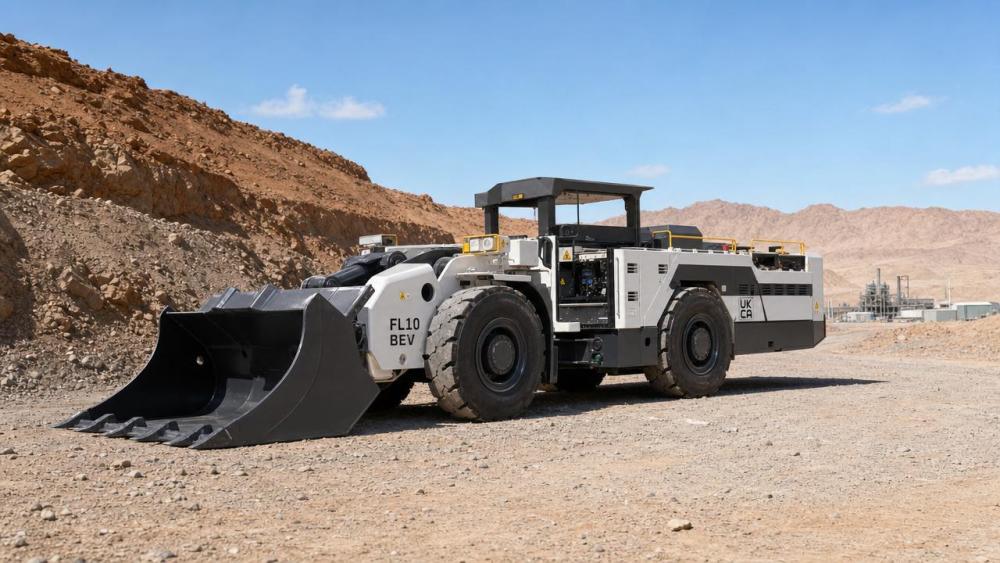
Event Overview
The UK and the GCC concluded negotiations on a bilateral free trade agreement on 20 May 2026. The agreement includes significant tariff reductions on industrial goods and streamlined rules of origin. It does not extend membership or regulatory authority to third countries, including China. The UK government confirmed the deal is subject to domestic ratification and will enter into force following legal implementation procedures.
Industries Affected
This agreement does not create automatic market access for Chinese exporters. However, its structural implications ripple across several industry segments due to the UK’s established role in GCC project finance, standards harmonisation (e.g., BS/EN–GCC standard equivalency frameworks), and engineering procurement construction (EPC) leadership in regional mining modernisation.
Direct Trading Enterprises
Exporters of battery-electric LHDs and autonomous underground loaders from China may benefit indirectly through UK-based distributors or joint ventures that now face lower import duties and simplified customs documentation when re-exporting compliant equipment to GCC markets. Impact is conditional on UK-origin certification pathways being leveraged — not guaranteed, but newly feasible.
Raw Material Procurement Enterprises
Suppliers of lithium-ion battery cells, rare-earth-free motors, or fire-resistant hydraulic fluids used in Chinese LHD manufacturing may see increased demand visibility. This stems not from direct policy change, but from longer-term procurement planning by GCC mining firms now anticipating accelerated fleet electrification timelines aligned with UK-financed project milestones.
Manufacturing Enterprises
Chinese OEMs producing battery LHDs must assess whether their current product certifications (e.g., ATEX, IECEx, BS EN 60079 series) meet both UKCA and GCC Type Approval requirements. The UK-GCC FTA does not harmonise safety or emissions standards, but it strengthens institutional coordination — meaning future alignment efforts may accelerate. Manufacturers with dual-certified platforms are better positioned to respond.
Supply Chain Service Providers
Logistics firms offering UK-based warehousing, conformity assessment support, or technical documentation translation services may experience rising inquiries from Chinese equipment exporters seeking ‘UK gateway’ strategies. Demand hinges on actual adoption rates of such routing — currently unconfirmed but now technically viable.
Key Considerations and Recommended Actions
Verify UKCA-to-GCC Certification Pathways
Chinese manufacturers should engage UK-accredited Notified Bodies early to map how existing UKCA-marked LHD models could be adapted for GCC Standardisation Organisation (GSO) certification — especially regarding battery thermal management and explosion-proof control systems.
Monitor UK-EU-GCC Regulatory Convergence Signals
Although the UK-GCC FTA is independent of EU agreements, observers note parallel workstreams on mining equipment interoperability standards. Companies should track joint UK-GCC technical working groups launching in Q3 2026, as outcomes may influence GSO’s upcoming revision of GD-02 (Underground Mining Equipment Safety Requirements).
Evaluate UK-Based Project Finance Linkages
Chinese equipment suppliers with prior experience in UK-funded infrastructure tenders (e.g., via UK Export Finance or Commonwealth Development Corporation programmes) should revisit those relationships. UK contractors active in GCC mining — such as Petrofac or Mott MacDonald — are now more likely to specify UKCA-compliant, zero-emission LHDs in tender documents.
Editorial Perspective / Industry Observation
Observably, the UK-GCC FTA functions less as a trade shortcut and more as a regulatory catalyst: it lowers transactional friction for equipment already meeting high-safety benchmarks, rather than enabling entry for non-compliant products. Analysis shows that its greatest near-term value lies in reinforcing the UK’s role as a ‘standards bridge’ — not a tariff conduit. From an industry perspective, this agreement is better understood as a signal of accelerating regional demand for certified zero-emission underground equipment, with China’s competitive advantage resting more on speed of certification adaptation than on cost alone.
Conclusion
This agreement does not guarantee market share gains for Chinese battery LHD producers. Rather, it recalibrates the conditions under which they can credibly compete in high-value GCC mining tenders — shifting emphasis from price to compliance readiness, service integration, and alignment with UK-led EPC consortia. A rational interpretation is that it expands optionality, not inevitability.
Source Attribution
Official announcement: UK Department for Business and Trade, Press Release ‘UK and GCC Agree Landmark Free Trade Deal’, 20 May 2026. Confirmed by GCC Secretariat statement, 20 May 2026. Technical annexes on rules of origin and product coverage remain unpublished pending ratification. Ongoing monitoring advised for: (i) UK parliamentary ratification timeline; (ii) GSO’s planned 2026 update to mining equipment conformity guidelines; (iii) UK Export Finance’s forthcoming sector-specific guidance for battery-powered mining machinery exports.
Related News
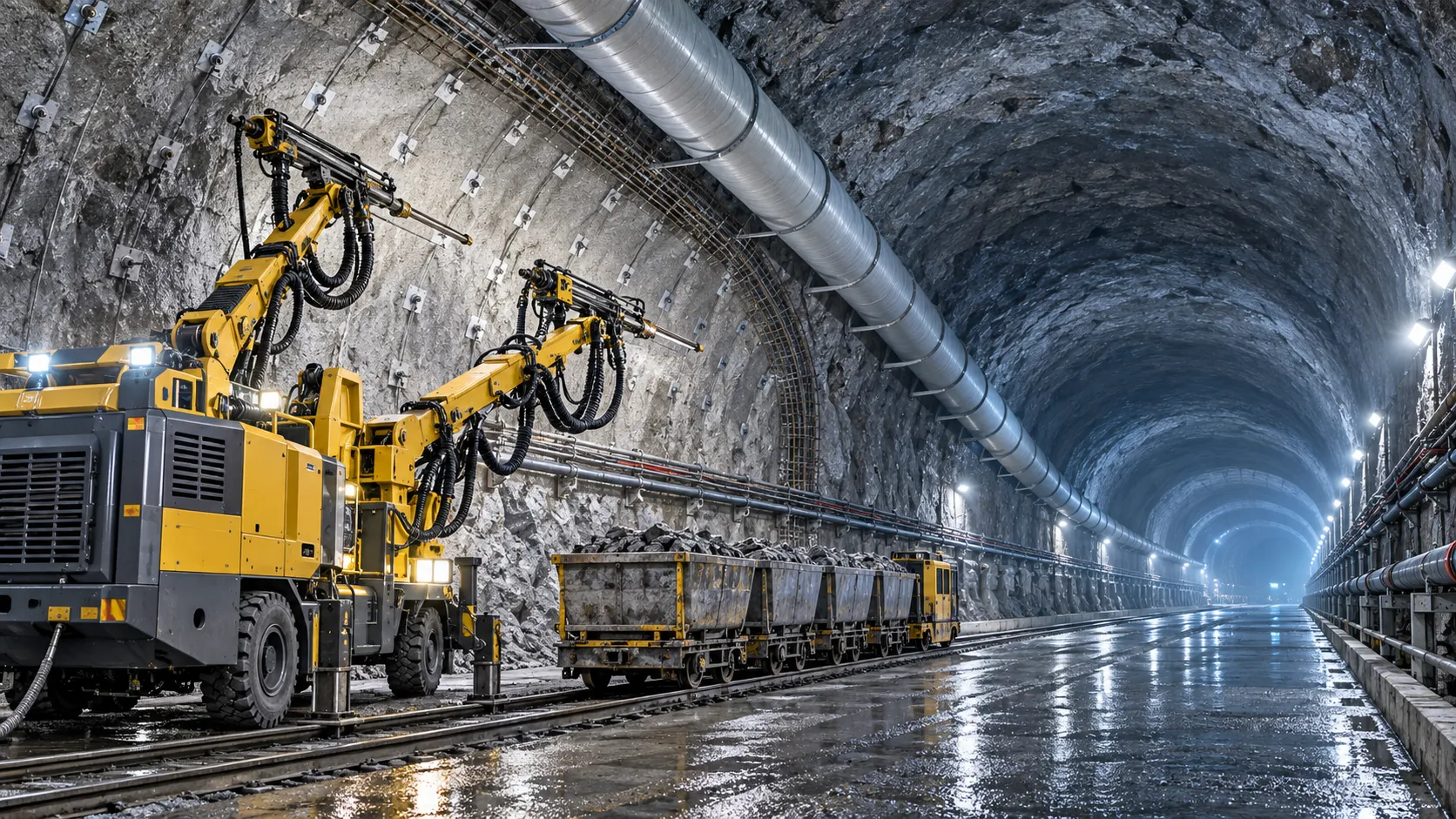
How to Evaluate European Drill-and-Blast Tunnelling Contractors for Complex Projects
Drill and blast tunnelling contractors Europe: learn how to assess geology expertise, blast control, equipment reliability, safety, and programme resilience for complex projects.
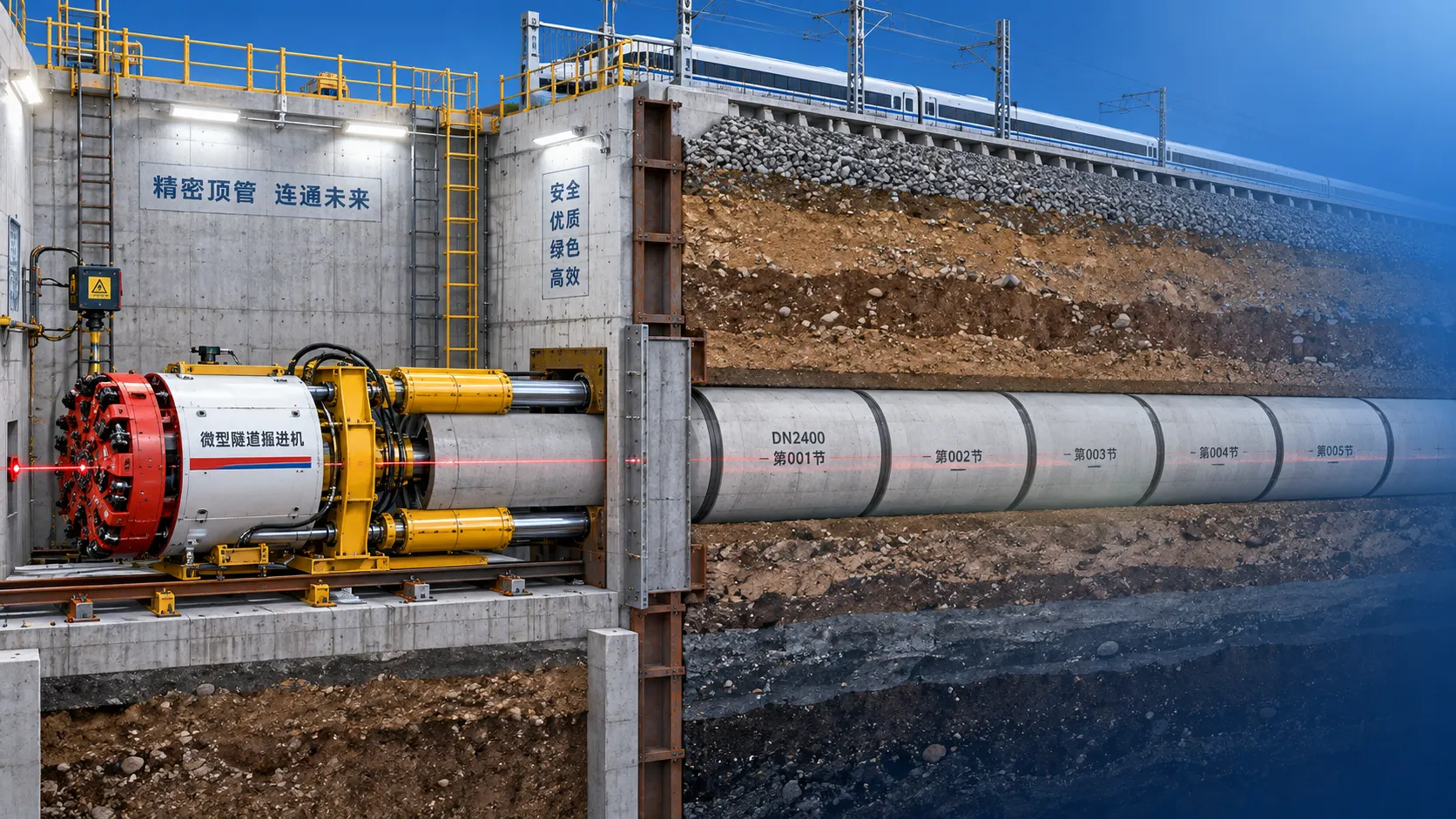
Which Trenchless Construction Technique Fits Your Utility Crossing Conditions?
Trenchless construction techniques compared for utility crossings: choose HDD, microtunnelling, pipe jacking, or auger boring based on ground, accuracy, access, and risk.
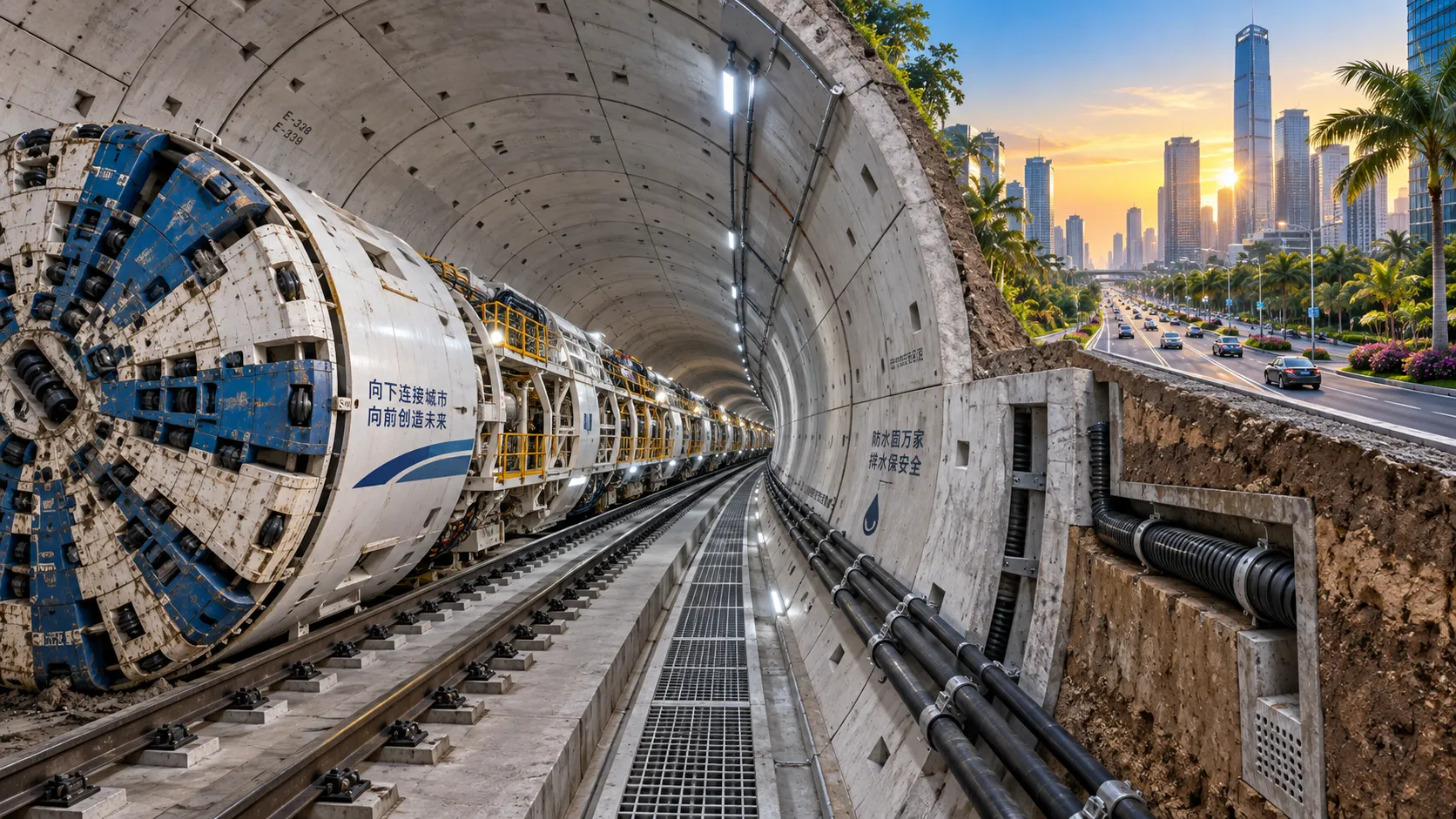
What Is Driving Metro Tunnelling Demand Across Southeast Asia’s Major Cities?
Metro tunnelling Southeast Asia is accelerating as major cities tackle congestion, flooding, and connectivity. Explore the market forces, technical risks, and opportunities shaping demand.
Hard Rock Tunnelling in Australia: Selecting Methods for Variable Ground Conditions
Hard rock tunnelling in Australia: compare TBM, drill-and-blast and hybrid methods to manage variable ground, reduce risk and protect project costs.
Hydropower Tunnel Excavation: Selecting Methods for Variable Rock Conditions
Hydropower tunnel excavation methods for variable rock conditions: compare TBM, drill-and-blast, and hybrid strategies to improve safety, progress, and project control.
How to Select Underground Safety Equipment for Tunnelling by Hazard and Work Zone
Underground Safety Equipment for tunnelling: match protection to hazards, work zones, compliance, and emergency needs with this practical selection guide.
EPB or Slurry Shield? Selecting Soft-Ground Tunnelling Equipment by Soil Conditions
Tunnel Excavation Equipment for soft ground: compare EPB and slurry shields by soil, groundwater, settlement risk, and project logistics to choose confidently.
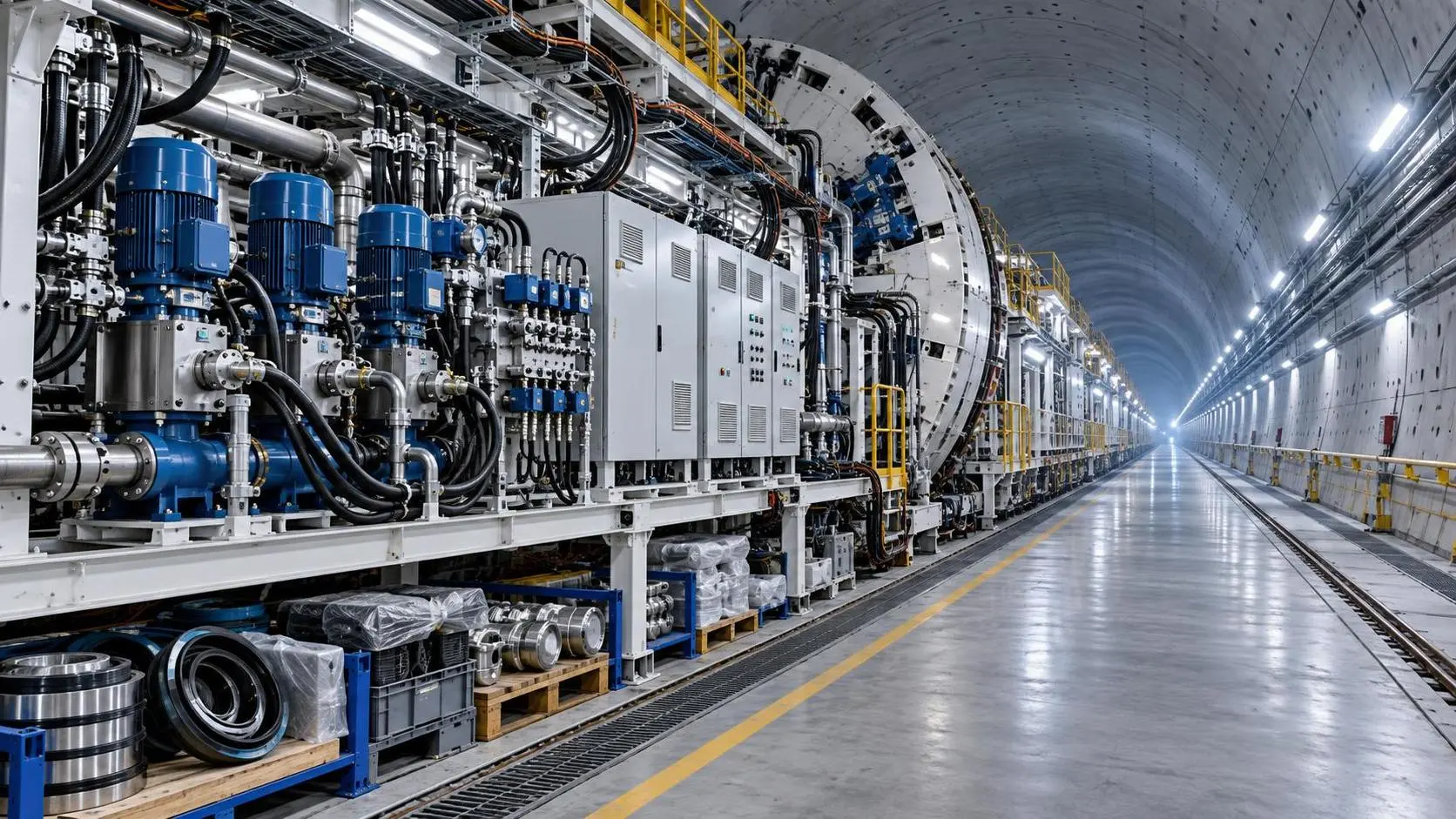
How to Specify TBM Backup System Parts for Reliable Long-Distance Tunnelling
TBM backup system parts: learn how to specify reliable spares for long-distance tunnelling, reduce downtime, ensure compatibility, and speed underground recovery.
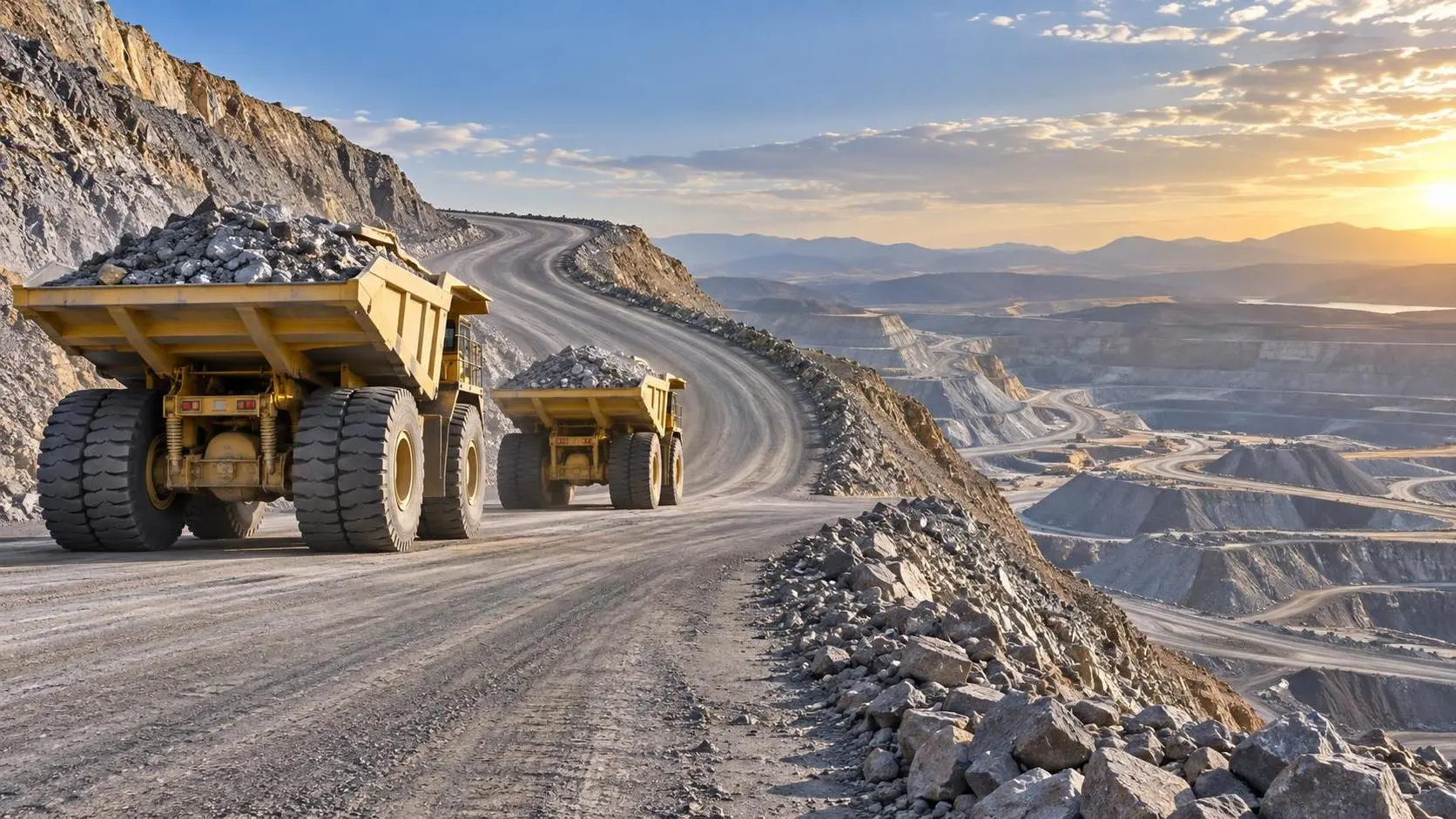
How to Size Open Pit Mining Trucks for Haul Distance, Grade, and Payload?
Open Pit Mining Trucks: learn how to match payload, haul distance, grade, road resistance, and loading capacity for safer, lower-cost mine operations.
Related News
- 00
0000-00
How to Evaluate European Drill-and-Blast Tunnelling Contractors for Complex Projects - 00
0000-00
Which Trenchless Construction Technique Fits Your Utility Crossing Conditions? - 00
0000-00
What Is Driving Metro Tunnelling Demand Across Southeast Asia’s Major Cities? - 00
0000-00
Hard Rock Tunnelling in Australia: Selecting Methods for Variable Ground Conditions - 00
0000-00
Hydropower Tunnel Excavation: Selecting Methods for Variable Rock Conditions
Weekly Insights
Stay ahead with our curated technology reports delivered every Monday.