
Codelco 2026 Battery LHD Tender Raises Fire-Certification Bar





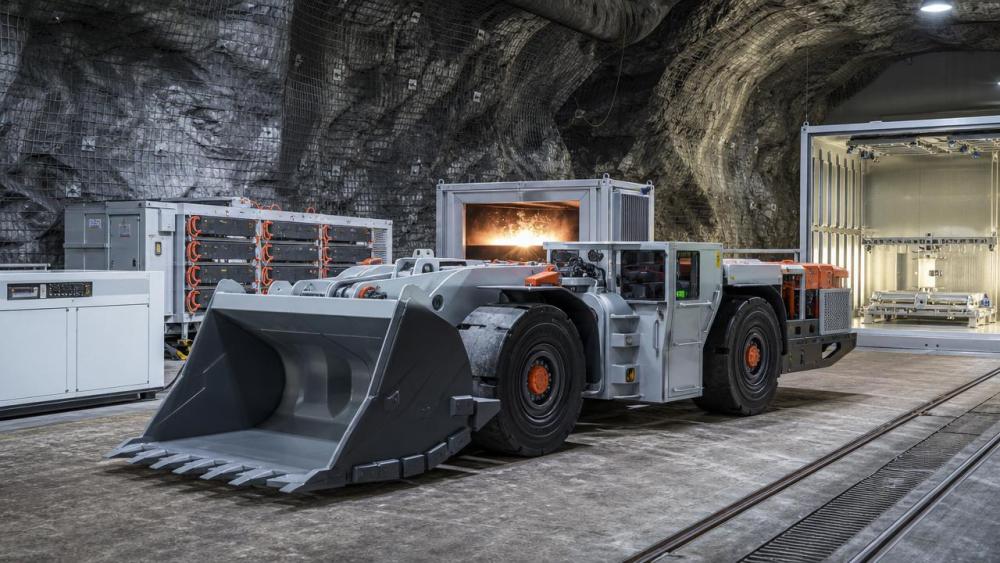
On June 6, 2026, Codelco launched its 2026 international tender for underground load-haul-dump equipment, with a clear access condition for battery-powered LHDs: bids must align with ISO 19453-3:2025 fire-safety certification and include type-test reports from laboratories recognized by IECEx or UL. For battery LHD manufacturers, testing partners, export teams, and mine equipment suppliers, this is worth close attention because it links a large procurement opportunity to a newly specified compliance threshold rather than price or product positioning alone.
A procurement notice with a defined technical gate
According to the provided information, Codelco, Chile's state-owned copper mining company, issued the tender notice on June 6 for its 2026 underground LHD procurement. The tender covers 12 core models, and the total contract value is expected to exceed US$180 million.
The confirmed requirement is that all battery LHDs submitted into the bidding process must comply with the latest ISO 19453-3:2025 standard covering fire performance for battery-powered underground mining equipment. Bidders are also required to provide type-test reports issued by laboratories recognized by IECEx or UL.
The same information indicates that this tender creates an important market-entry window for Chinese battery LHD exporters.
Where the impact is likely to be felt first
Battery LHD manufacturers face a higher pre-bid threshold
From an industry perspective, the most direct impact falls on equipment makers planning to participate in international underground mining tenders. The key change is not only product availability, but whether the model lineup can be supported by the specified certification and test documentation before bid submission. What deserves closer attention is whether certification readiness exists across the full range of products intended for export, not only on a single flagship unit.
Testing and compliance service providers become part of the bidding timeline
Laboratories and compliance partners may be affected because the tender explicitly ties bid eligibility to type-test reports from IECEx- or UL-recognized labs. Analysis shows that certification support is no longer an auxiliary task after commercial engagement; it becomes part of the immediate tender preparation workflow. For service providers, the business impact centers on testing schedules, document validity, and the ability to support model-specific submissions.
Export and bid-management teams need tighter document control
For trading entities and cross-border sales teams, the impact is likely to appear in qualification review, customer communication, and submission planning. Observably, the requirement shifts attention toward technical files, report provenance, and consistency between the product offered and the evidence package attached to the bid. Teams involved in export documentation may need to focus more closely on how compliance materials are presented and verified.
What companies should track now
Watch for any refinement in tender wording
Companies preparing to bid should monitor whether Codelco issues any further clarification on how the ISO 19453-3:2025 requirement is to be interpreted in practice. The distinction between a headline certification requirement and the exact bid-review criteria may affect how suppliers organize testing evidence and model coverage.
Confirm report readiness model by model
The tender covers 12 core models, so the practical issue is whether each battery LHD offered into the process is backed by the required type-test report from a recognized laboratory. Analysis shows that a partial documentation strategy may not be enough if the commercial target is broader fleet participation.
Align compliance work with bidding and delivery preparation
For manufacturers and export teams, the immediate operational focus should be the connection between certification status, submission timing, and internal coordination. This includes checking document completeness, validating laboratory recognition status, and ensuring that commercial and technical teams are working from the same version of the bid package.
Prepare for more detailed customer communication
Because the tender requirement is explicit, suppliers may need to be ready for deeper discussions with procurement counterparts on fire-safety compliance and supporting documentation. What deserves closer attention is not only whether a report exists, but whether it can be presented in a way that matches the buyer's qualification expectations.
Why this reads as more than a single tender detail
Analysis shows that this notice can be read as a concrete compliance signal within the battery underground mining equipment market. It does not by itself prove a broader market shift across all buyers, but it does show that fire-performance certification is being written directly into a major procurement process.
It is more appropriate to understand this as a near-term commercial requirement with possible longer-term signaling value. The confirmed fact is the tender condition itself; the broader industry implication still needs continued observation, especially regarding whether similar procurement language appears in other projects or buyer groups.
How this development is best understood today
At this stage, the clearest takeaway is that access to a major 2026 battery LHD tender is being tied to specific fire-safety certification and recognized test evidence. For the industry, the significance lies less in a general market conclusion and more in the practical message that technical compliance can now define bid eligibility at the front end of export business.
A neutral reading is that this is both an immediate procurement requirement and a signal worth monitoring. It should not yet be treated as a universal market rule, but it is strong enough to influence how suppliers prioritize certification, documentation, and tender preparation.
Basis of this report and what still needs verification
This article is based on the user-provided news title, event date, and event summary. For this type of development, commonly relevant source categories include official tender notices, company announcements, industry association updates, authoritative media reporting, and documents from standards organizations.
A specific official source link was not provided in the input, so the exact original notice and any follow-up clarification still require ongoing verification. Further attention should be paid to any updated tender language, formal explanatory documents, and any subsequent disclosure related to certification scope or bid implementation details.
Related News
How to Evaluate European Drill-and-Blast Tunnelling Contractors for Complex Projects
Drill and blast tunnelling contractors Europe: learn how to assess geology expertise, blast control, equipment reliability, safety, and programme resilience for complex projects.
Which Trenchless Construction Technique Fits Your Utility Crossing Conditions?
Trenchless construction techniques compared for utility crossings: choose HDD, microtunnelling, pipe jacking, or auger boring based on ground, accuracy, access, and risk.
What Is Driving Metro Tunnelling Demand Across Southeast Asia’s Major Cities?
Metro tunnelling Southeast Asia is accelerating as major cities tackle congestion, flooding, and connectivity. Explore the market forces, technical risks, and opportunities shaping demand.
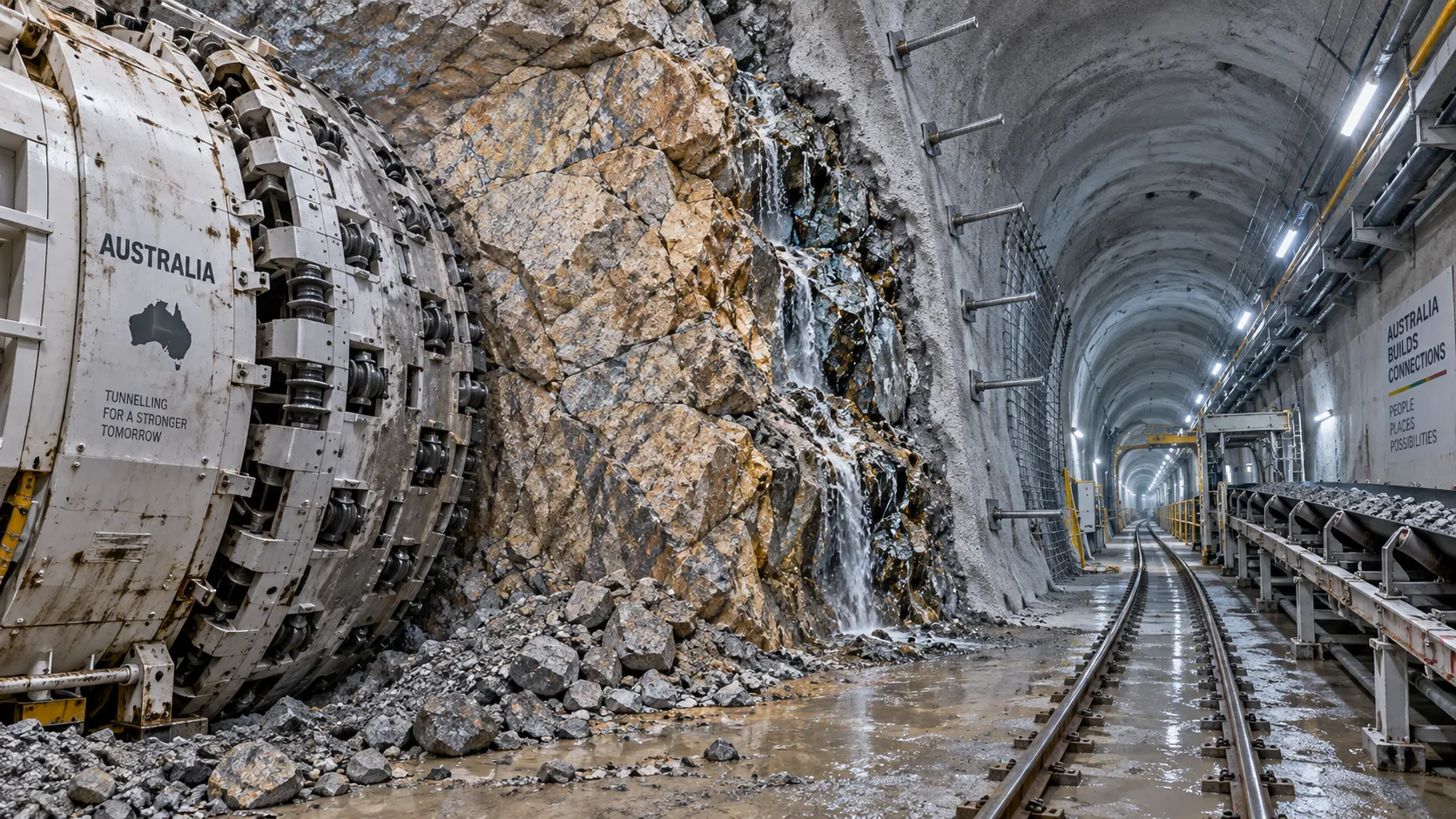
Hard Rock Tunnelling in Australia: Selecting Methods for Variable Ground Conditions
Hard rock tunnelling in Australia: compare TBM, drill-and-blast and hybrid methods to manage variable ground, reduce risk and protect project costs.
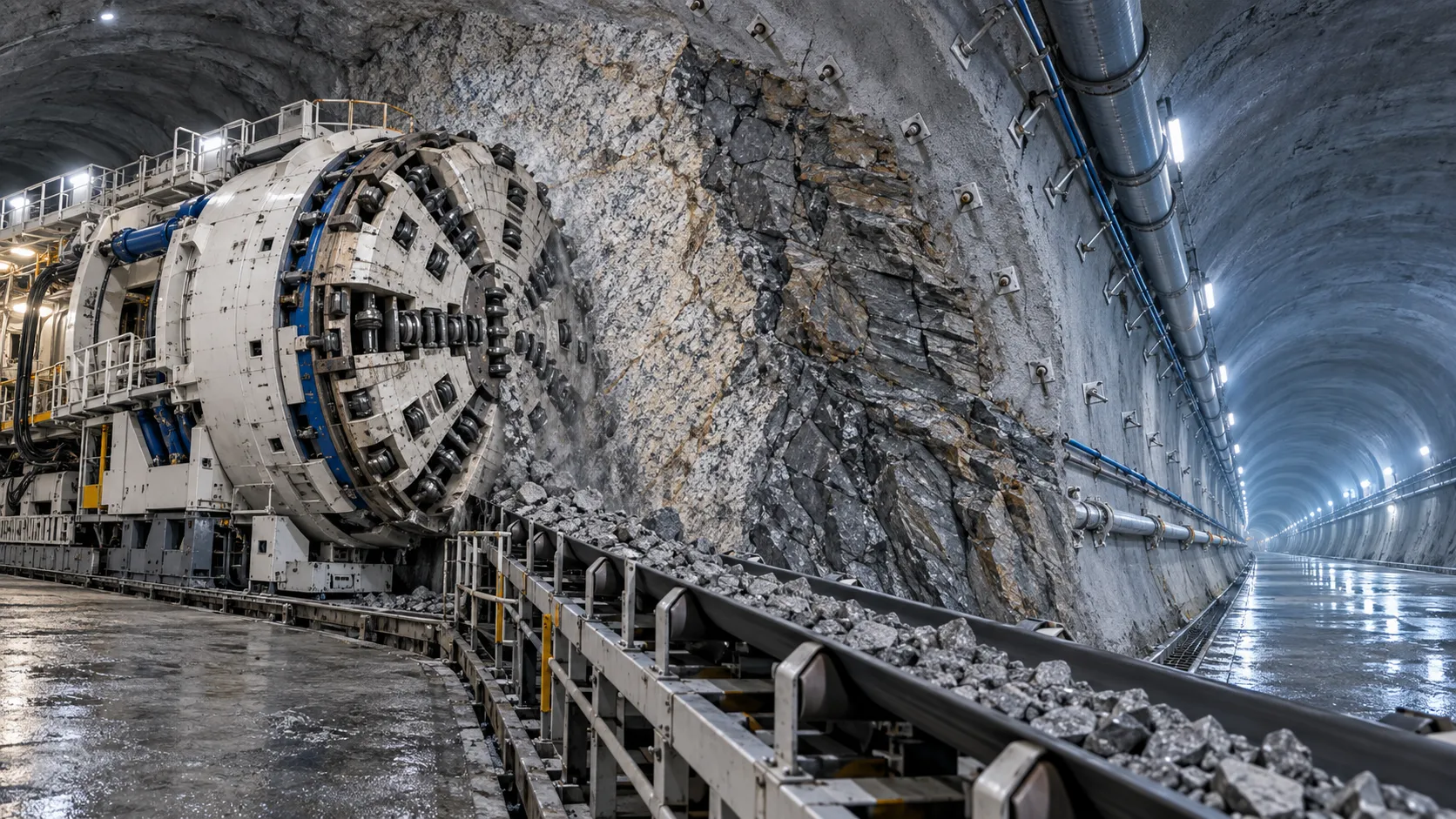
Hydropower Tunnel Excavation: Selecting Methods for Variable Rock Conditions
Hydropower tunnel excavation methods for variable rock conditions: compare TBM, drill-and-blast, and hybrid strategies to improve safety, progress, and project control.
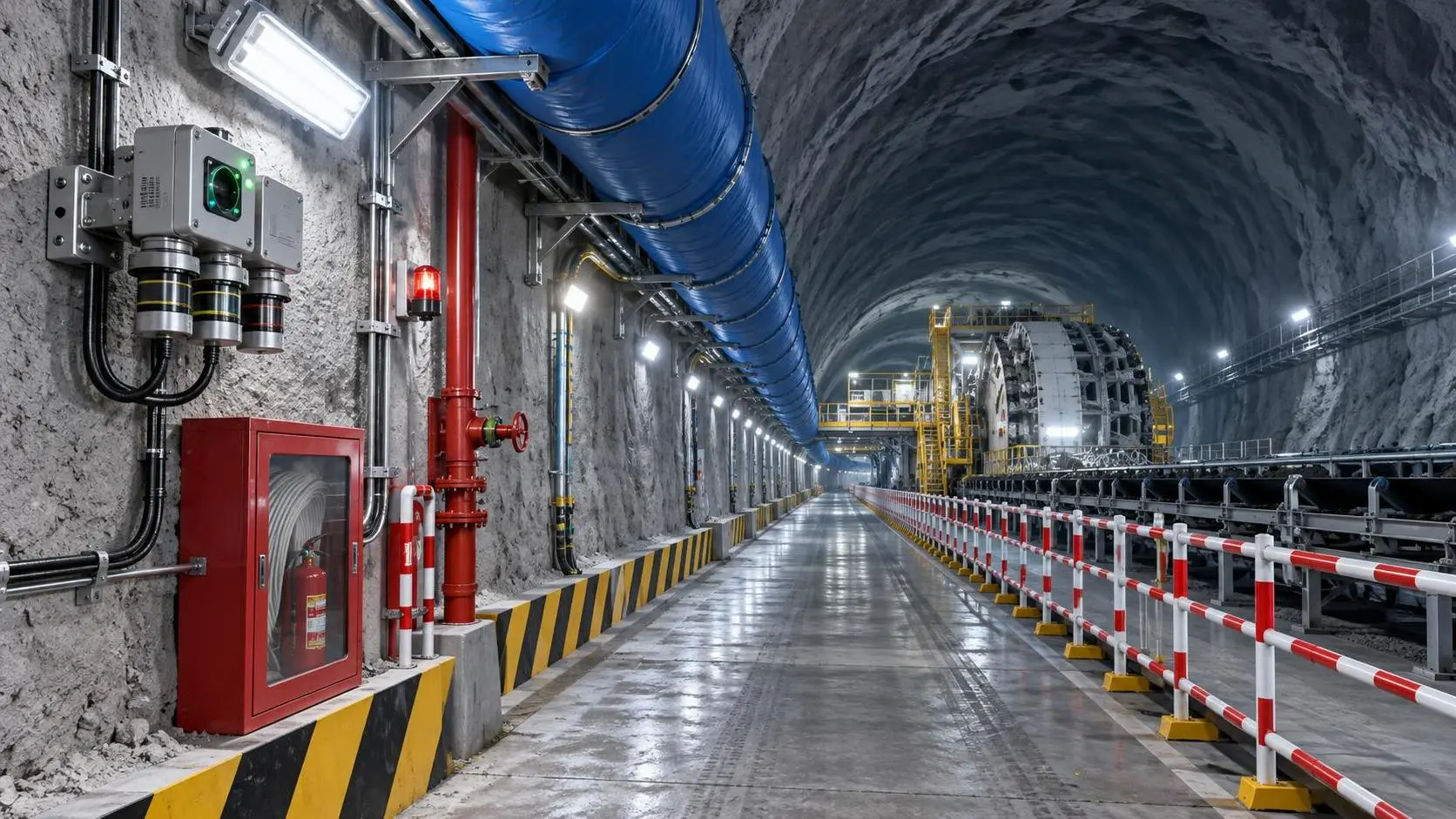
How to Select Underground Safety Equipment for Tunnelling by Hazard and Work Zone
Underground Safety Equipment for tunnelling: match protection to hazards, work zones, compliance, and emergency needs with this practical selection guide.
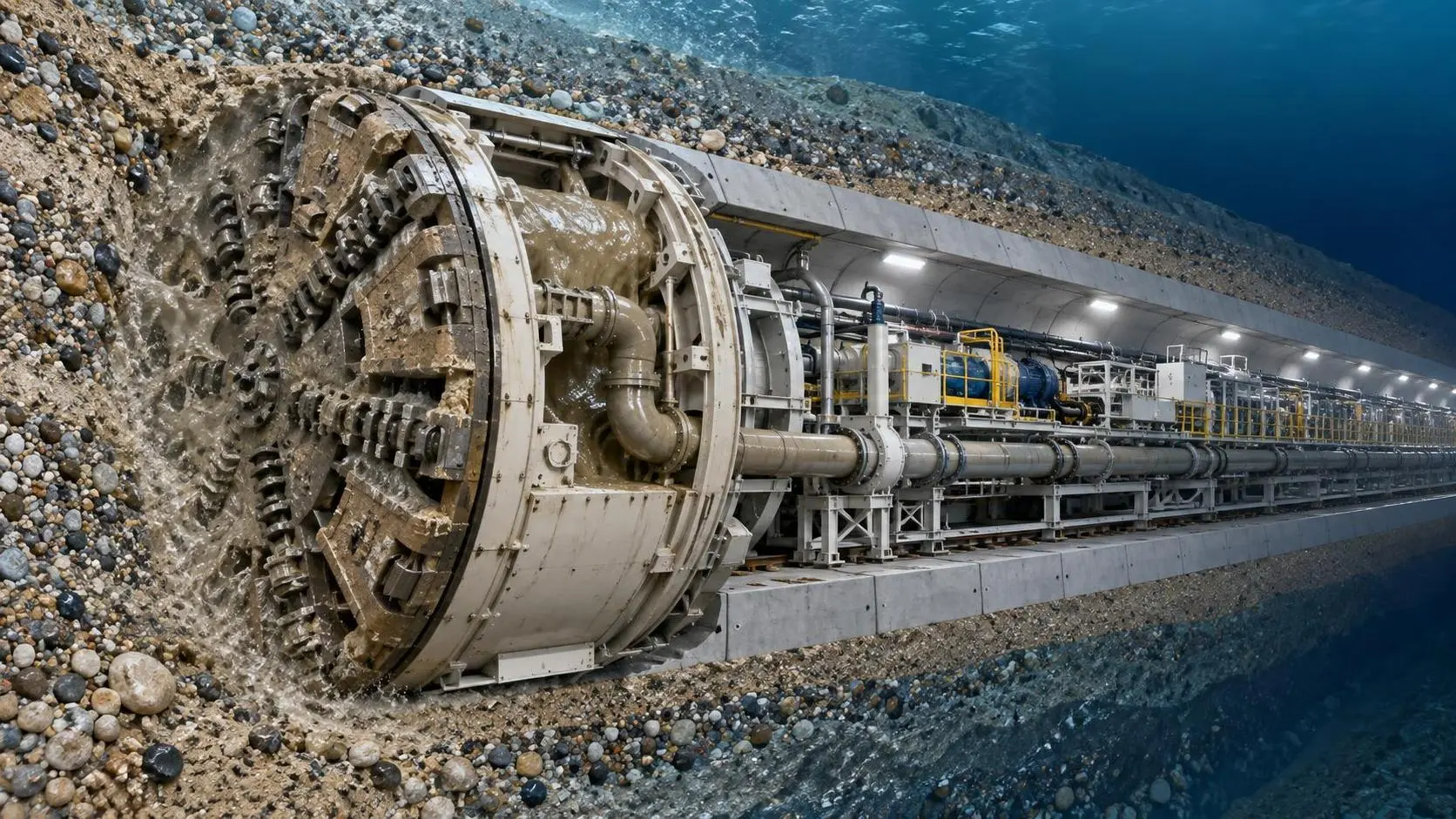
EPB or Slurry Shield? Selecting Soft-Ground Tunnelling Equipment by Soil Conditions
Tunnel Excavation Equipment for soft ground: compare EPB and slurry shields by soil, groundwater, settlement risk, and project logistics to choose confidently.
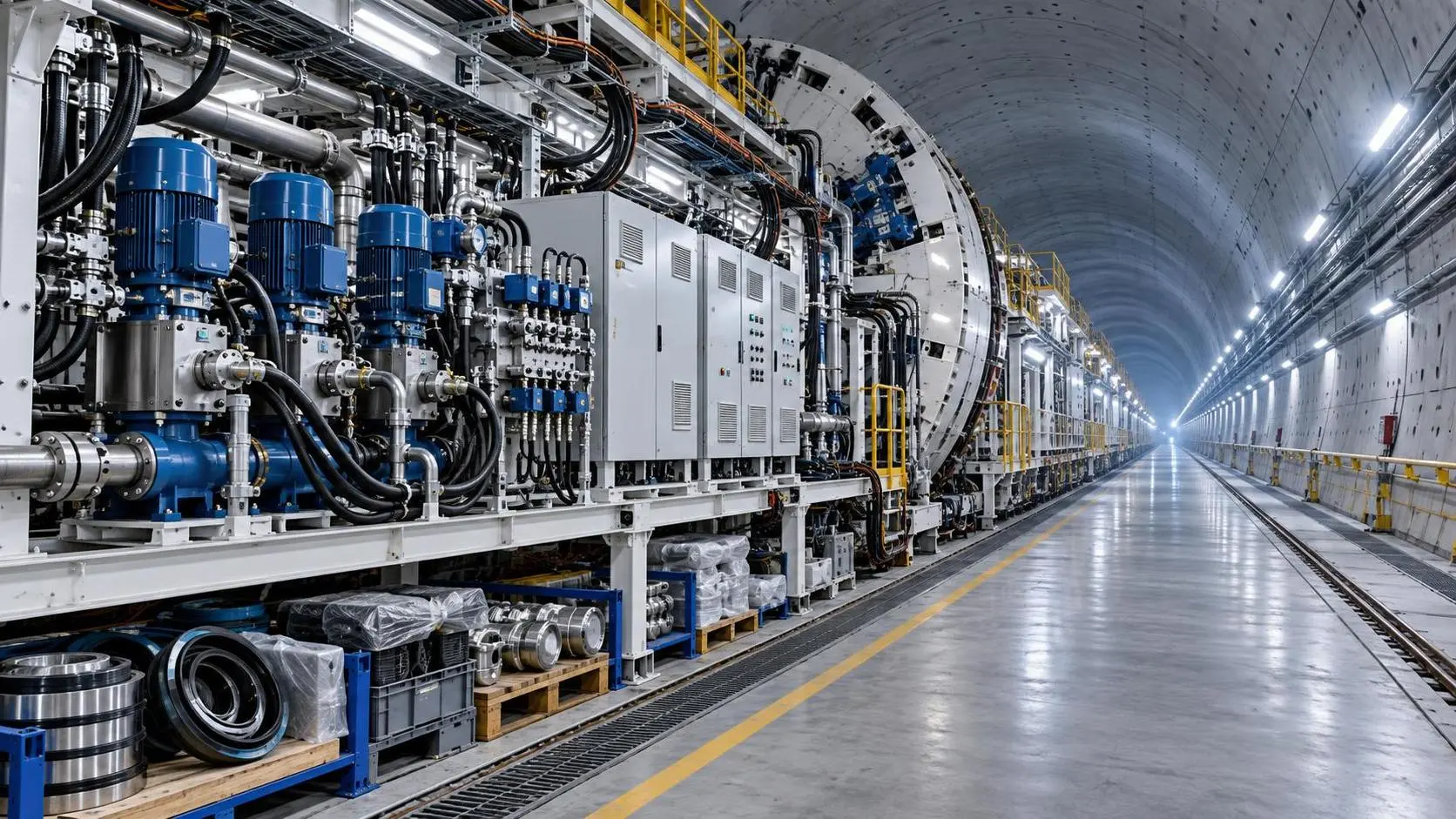
How to Specify TBM Backup System Parts for Reliable Long-Distance Tunnelling
TBM backup system parts: learn how to specify reliable spares for long-distance tunnelling, reduce downtime, ensure compatibility, and speed underground recovery.
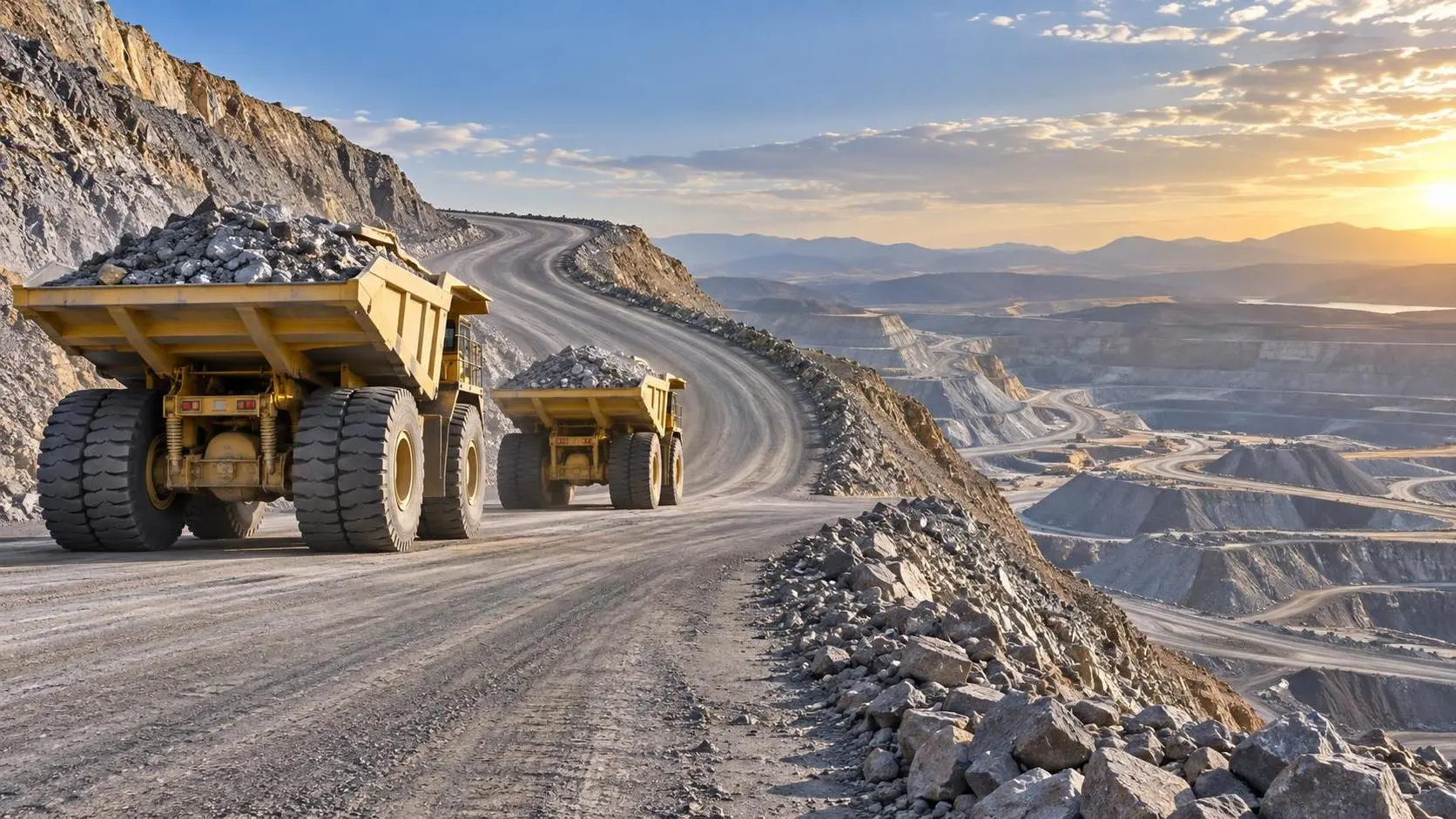
How to Size Open Pit Mining Trucks for Haul Distance, Grade, and Payload?
Open Pit Mining Trucks: learn how to match payload, haul distance, grade, road resistance, and loading capacity for safer, lower-cost mine operations.
Related News
- 00
0000-00
How to Evaluate European Drill-and-Blast Tunnelling Contractors for Complex Projects - 00
0000-00
Which Trenchless Construction Technique Fits Your Utility Crossing Conditions? - 00
0000-00
What Is Driving Metro Tunnelling Demand Across Southeast Asia’s Major Cities? - 00
0000-00
Hard Rock Tunnelling in Australia: Selecting Methods for Variable Ground Conditions - 00
0000-00
Hydropower Tunnel Excavation: Selecting Methods for Variable Rock Conditions
Weekly Insights
Stay ahead with our curated technology reports delivered every Monday.