
Huangpu Hub Marks 2 Years with 1-Hour Clearance





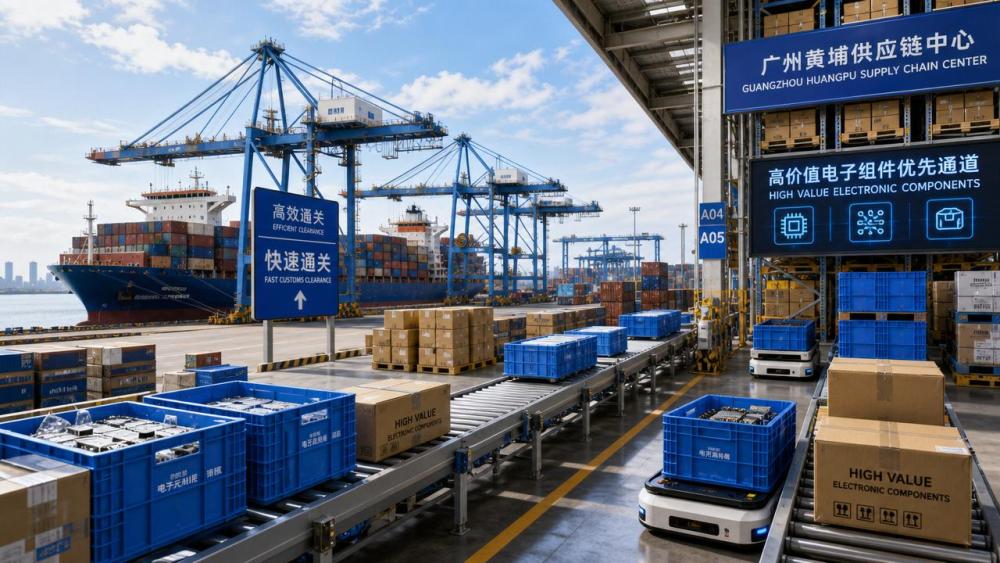
On June 4, 2026, market attention turned to the two-year operation milestone of Guangzhou’s global supply chain center in Huangpu. The update is notable not simply because of throughput value, but because it points to a working customs-clearance model for high-value electronic components: a full process from unloading to release completed within one hour. For exporters, manufacturers, procurement teams, and supply chain service providers involved in BMS battery management modules, 5G remote-control chips, and other precision smart components used in Battery LHDs, this is a development worth watching as an operational signal rather than just a local logistics headline.
What the two-year update confirms
According to the provided event summary, the Guangzhou Huangpu global supply chain center has been in operation for two years and has supervised goods worth RMB 6.6 billion in total. More than 80% of that value has come from high-end precision electronic components.
The confirmed process model is a one-hour chain covering unloading, tallying, declaration, inspection, and release. The same summary states that this model has already provided a reusable fast-clearance approach for high-value intelligent parts relied on by Battery LHDs, including BMS battery management modules and 5G remote-control chips.
Why this matters across the supply chain
For exporters of high-value smart modules
From an industry perspective, exporters may be affected first because time sensitivity is especially relevant for precision electronic parts with high unit value. The practical impact is likely to appear in customs preparation, shipment scheduling, and delivery commitments. What deserves closer attention is whether companies handling similar module categories can align their documentation and declaration work with a process designed for rapid release.
For manufacturers relying on component continuity
Analysis shows that manufacturers using BMS modules, control chips, and related intelligent components may view this as an operational reference for supply continuity. The direct relevance lies in inbound and outbound coordination: when critical parts move faster through customs, production planning and export delivery windows may become easier to manage. Companies in this position should pay attention to which component categories appear most compatible with this fast-clearance pattern.
For supply chain and customs service providers
Observably, service providers may see this as a sign that execution speed is becoming more closely tied to product category, document readiness, and process coordination. The main effect would be on declaration support, cargo handoff, inspection coordination, and client communication. Their key concern should be whether customers in high-end electronics can standardize submissions well enough to benefit from a repeatable one-hour workflow.
For procurement and end-use business teams
For procurement functions and downstream business units, the relevance is less about customs procedure itself and more about delivery reliability for intelligent modules embedded in exported equipment. The issue to watch is not only speed, but whether this model changes how procurement teams discuss lead times, shipment buffers, and customer expectations with internal operations teams and external suppliers.
What companies should monitor now
Distinguish a proven case from a universal rule
Analysis shows that the reported one-hour process should be read as a confirmed operating model in this specific context, not automatically as a blanket outcome for every shipment. Companies should therefore separate a demonstrated benchmark from assumptions about universal applicability.
Review document and declaration readiness
Because the confirmed process covers unloading, tallying, declaration, inspection, and release in a compressed chain, businesses dealing in BMS modules, 5G remote-control chips, and similar parts should closely review whether their product descriptions, shipment files, and declaration materials are organized for fast handoff between each step.
Focus on high-value component categories
The fact that over 80% of supervised value comes from high-end precision electronic components suggests that product structure matters. What deserves closer attention is whether a company’s core export or import items fall into comparable categories where time savings would have the greatest commercial effect on delivery cycles and customer commitments.
Keep customer communication realistic
Observably, firms should be careful not to overpromise based on a single operational benchmark. A more practical response is to use this development in customer communication as evidence of improving clearance efficiency for certain smart components, while still preserving contingency planning around shipment timing and execution details.
How this update is best understood
In editorial observation, this news points to a concrete efficiency signal in the handling of high-end electronic components rather than a broad claim about all cross-border trade flows. It is more appropriate to understand this as a meaningful operational benchmark with potential relevance for Battery LHD-related smart modules and similar parts.
At the same time, it should still be treated as an industry development that merits continued observation. The current information confirms the scale handled, the component mix, and the one-hour process model, but it does not by itself establish how widely this model can be replicated across products, routes, or enterprises beyond the described context.
A logistics signal with practical, not automatic, implications
The main industry significance of this update lies in showing that fast customs clearance for high-value intelligent components is not being discussed only in principle; a specific one-hour workflow has been reported in operation. For companies linked to Battery LHDs, BMS battery management modules, 5G remote-control chips, and similar electronics, the most rational reading is that this is a useful benchmark for process design, shipment planning, and customer coordination.
It is not yet best understood as a fully generalized industry result. Instead, it is a practical signal with potential long-term relevance if similar execution can be sustained and referenced in comparable trade scenarios.
Basis of this article and ongoing verification
This article is based on the user-provided news title, event date, and event summary. The specific official source link was not provided in the input and still needs to be verified on an ongoing basis.
For this type of industry update, commonly relevant source categories may include official notices, company disclosures, industry association information, authoritative media coverage, and standard-setting or compliance-related documents. The areas that warrant follow-up attention are whether subsequent official wording adds scope or conditions to the reported model, and whether additional clarification emerges regarding applicable product categories and operating requirements.
Related News
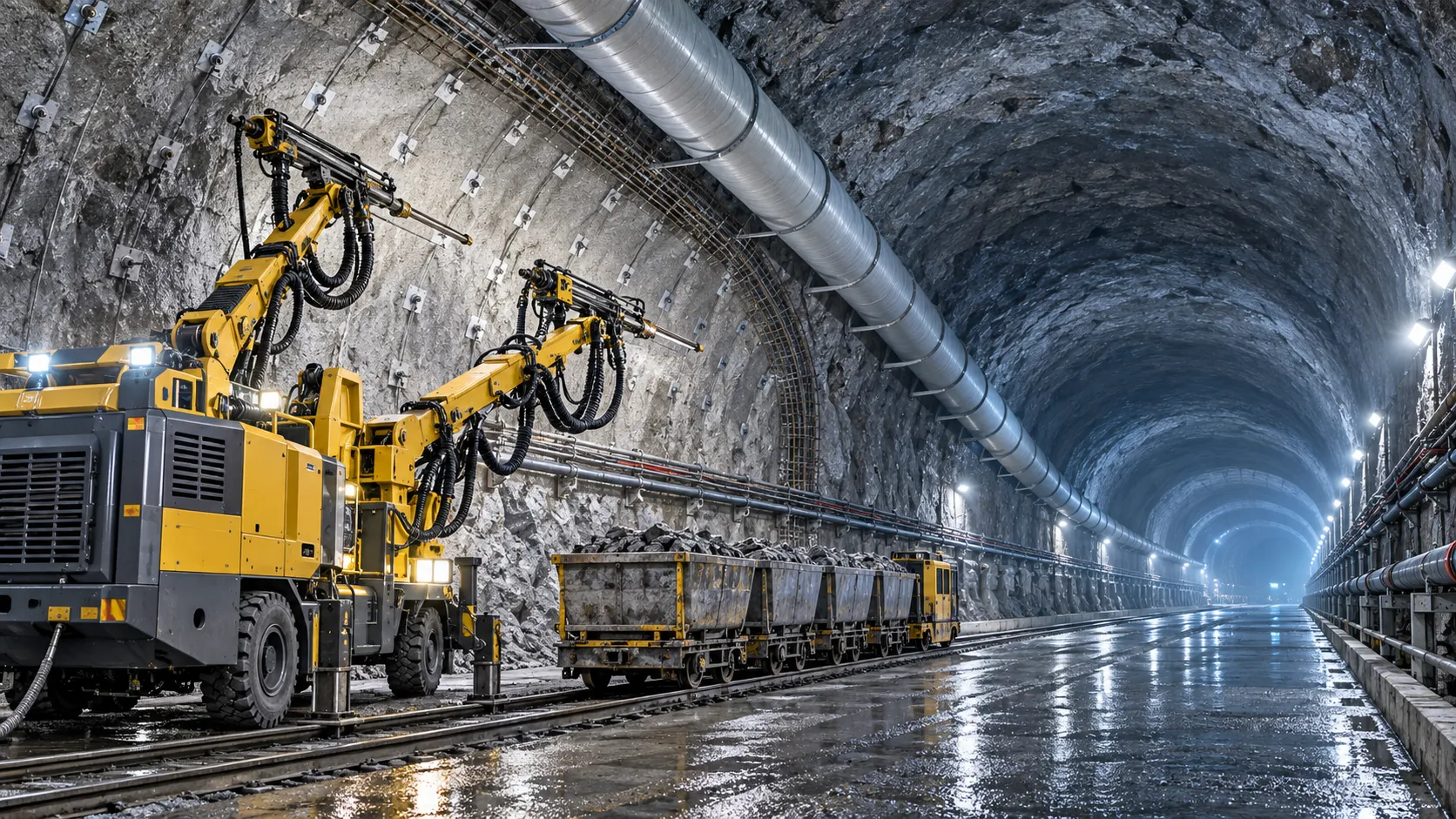
How to Evaluate European Drill-and-Blast Tunnelling Contractors for Complex Projects
Drill and blast tunnelling contractors Europe: learn how to assess geology expertise, blast control, equipment reliability, safety, and programme resilience for complex projects.
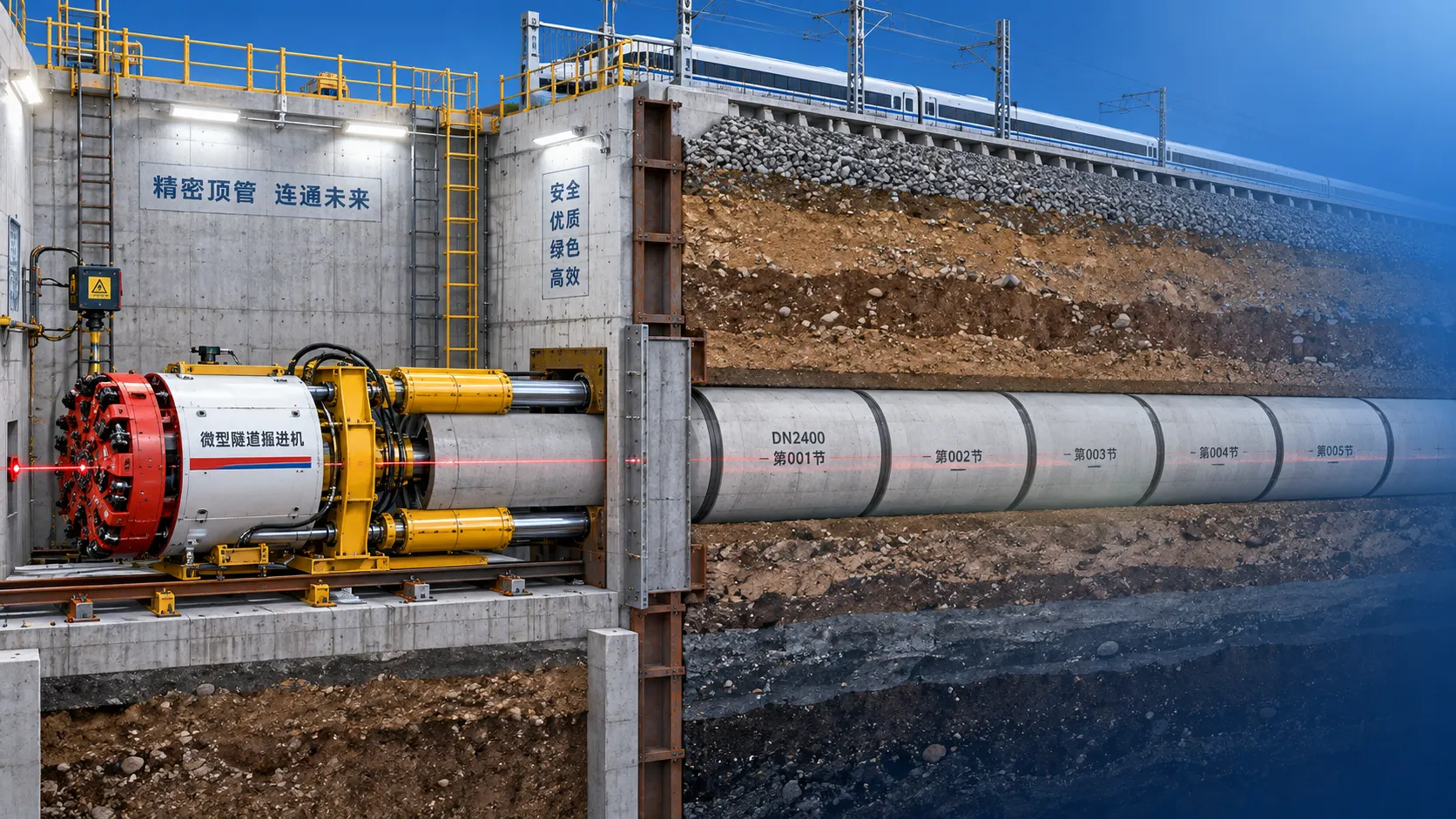
Which Trenchless Construction Technique Fits Your Utility Crossing Conditions?
Trenchless construction techniques compared for utility crossings: choose HDD, microtunnelling, pipe jacking, or auger boring based on ground, accuracy, access, and risk.
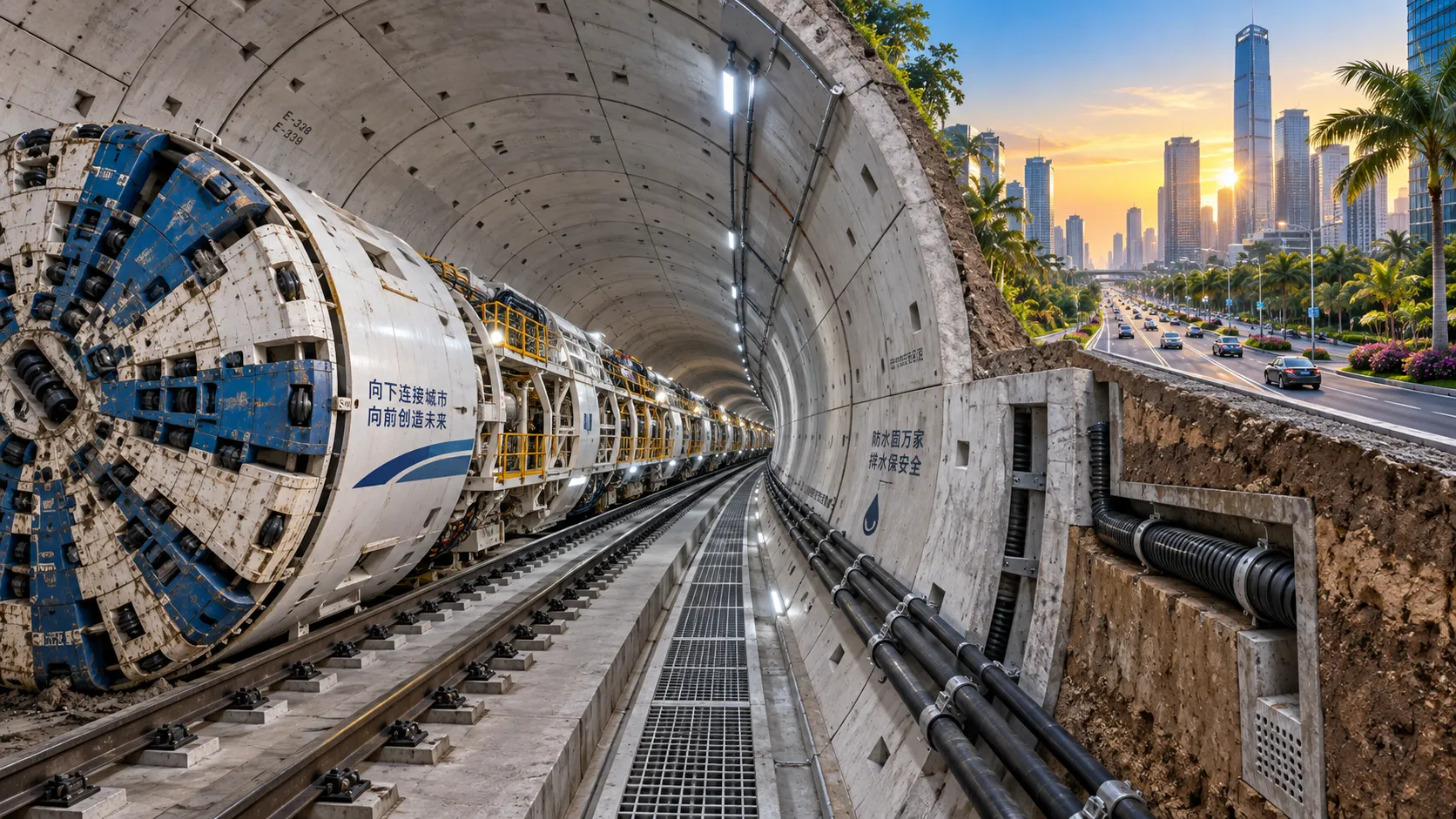
What Is Driving Metro Tunnelling Demand Across Southeast Asia’s Major Cities?
Metro tunnelling Southeast Asia is accelerating as major cities tackle congestion, flooding, and connectivity. Explore the market forces, technical risks, and opportunities shaping demand.
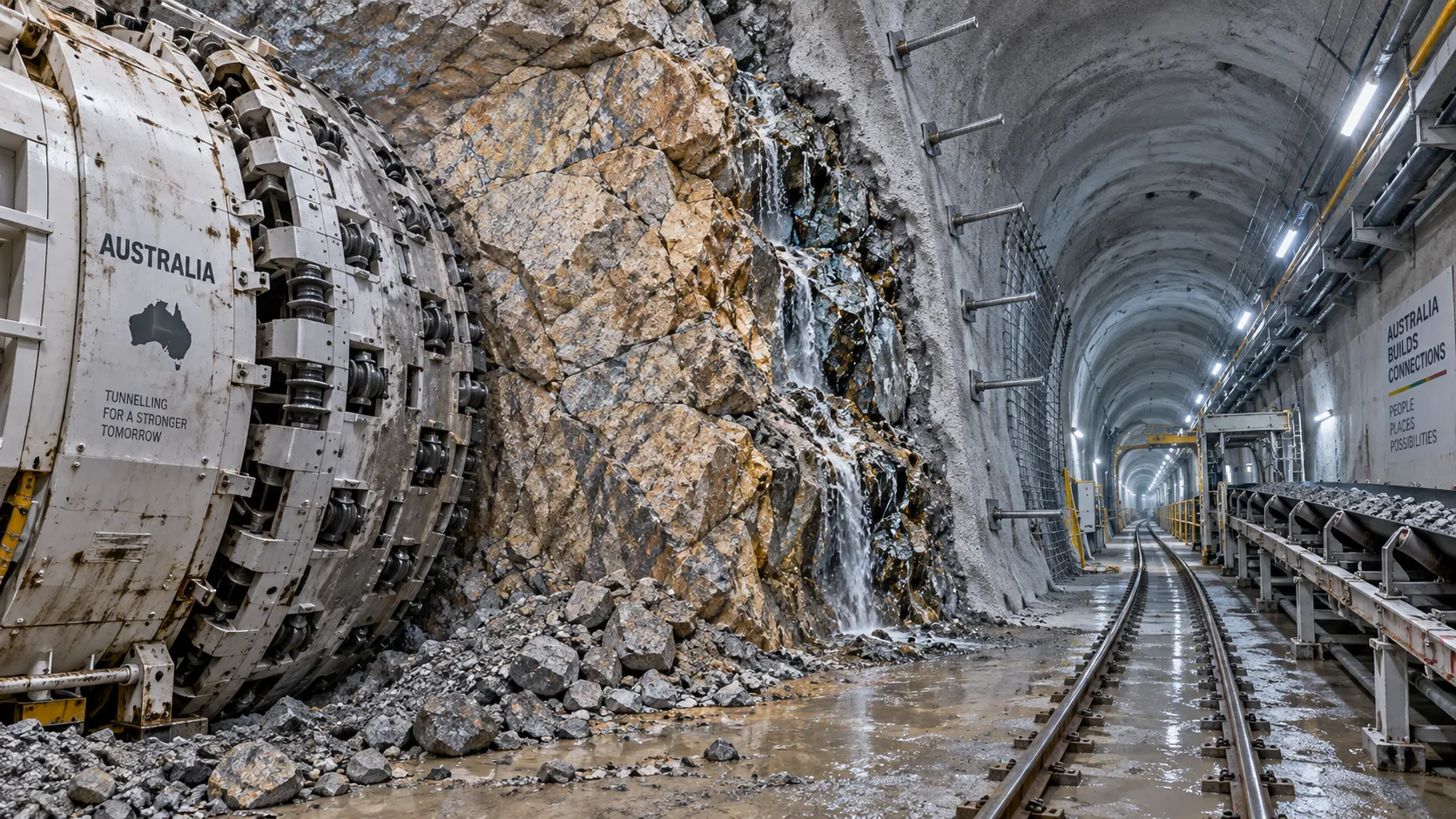
Hard Rock Tunnelling in Australia: Selecting Methods for Variable Ground Conditions
Hard rock tunnelling in Australia: compare TBM, drill-and-blast and hybrid methods to manage variable ground, reduce risk and protect project costs.
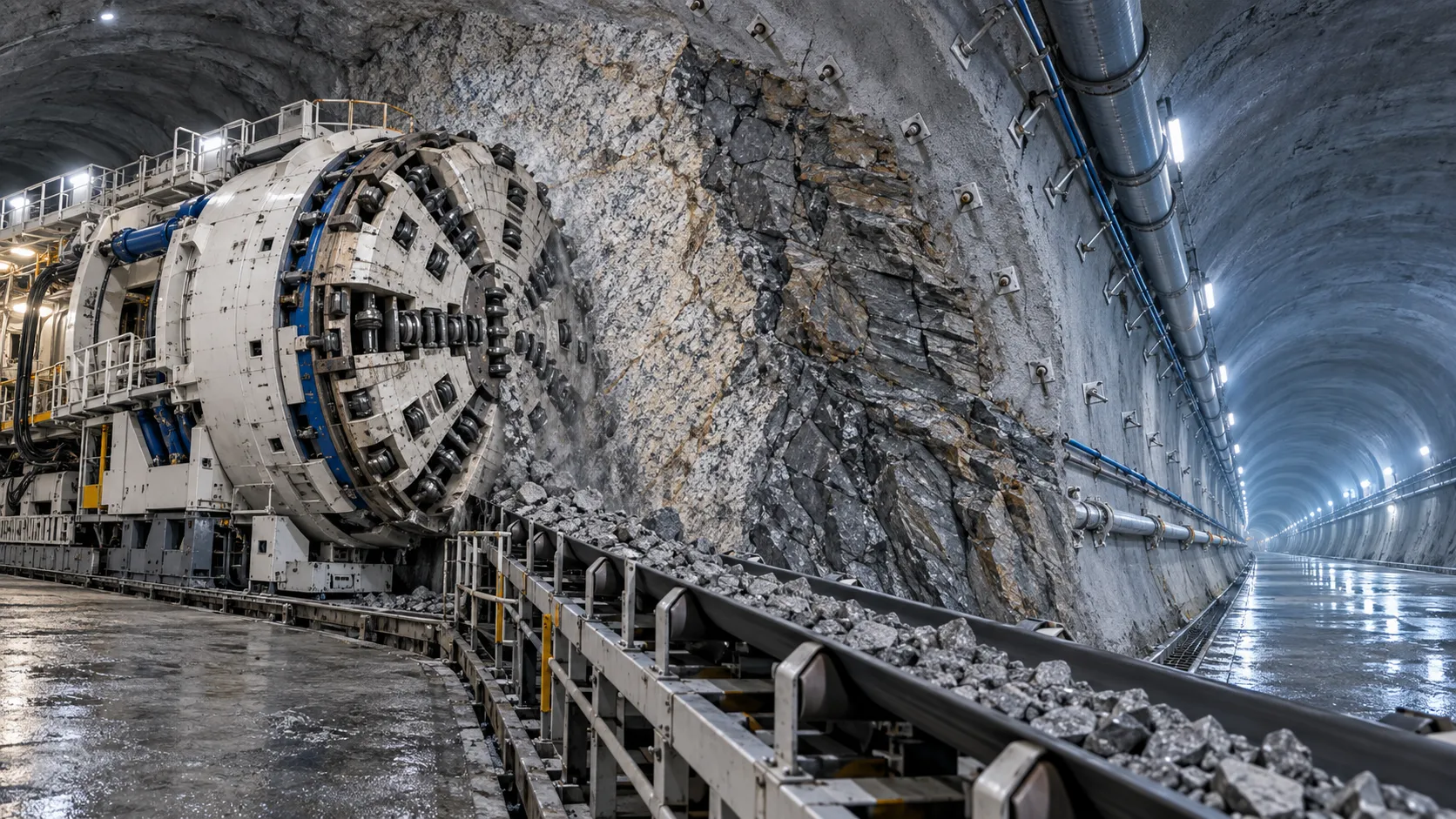
Hydropower Tunnel Excavation: Selecting Methods for Variable Rock Conditions
Hydropower tunnel excavation methods for variable rock conditions: compare TBM, drill-and-blast, and hybrid strategies to improve safety, progress, and project control.
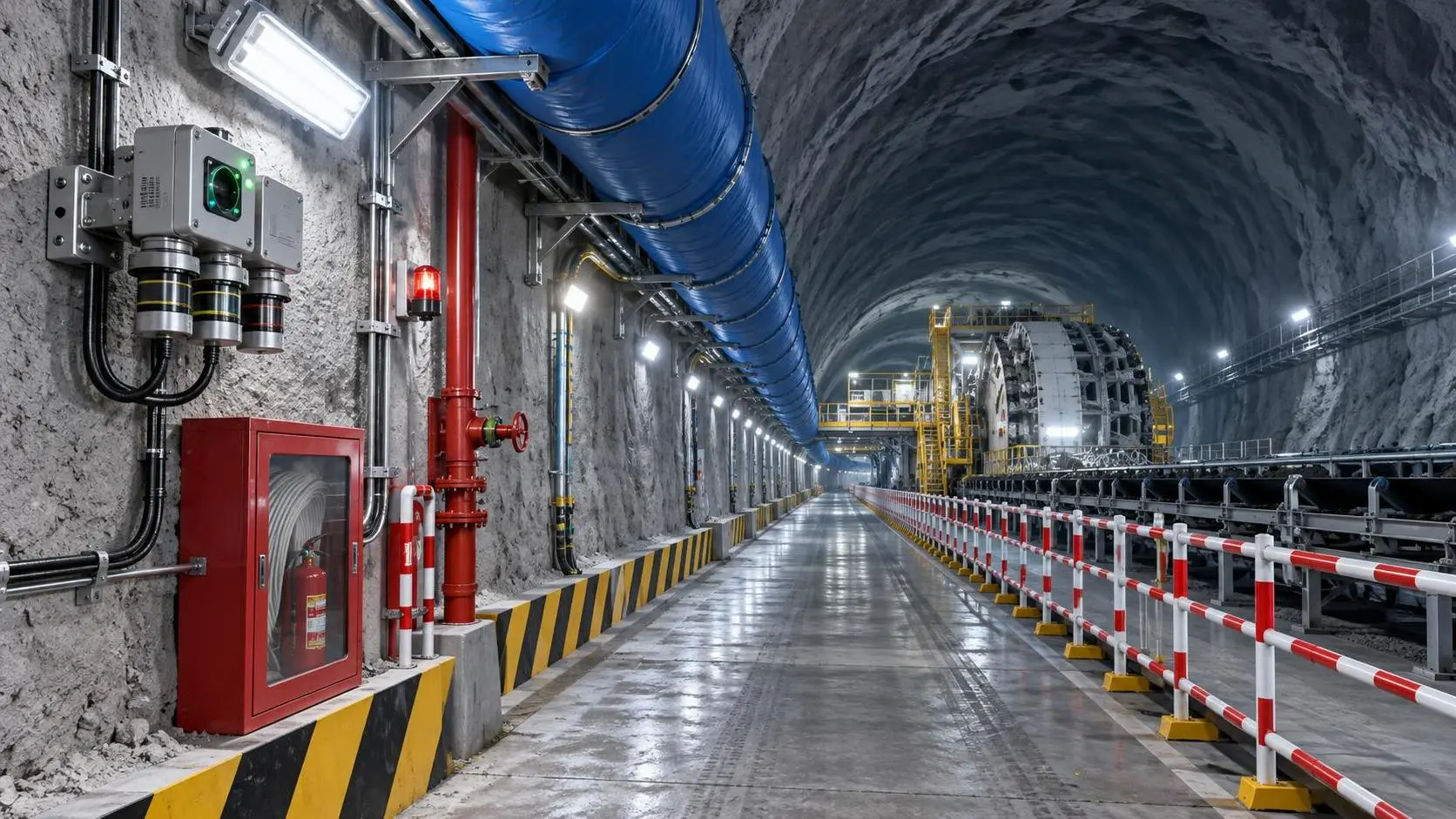
How to Select Underground Safety Equipment for Tunnelling by Hazard and Work Zone
Underground Safety Equipment for tunnelling: match protection to hazards, work zones, compliance, and emergency needs with this practical selection guide.

EPB or Slurry Shield? Selecting Soft-Ground Tunnelling Equipment by Soil Conditions
Tunnel Excavation Equipment for soft ground: compare EPB and slurry shields by soil, groundwater, settlement risk, and project logistics to choose confidently.
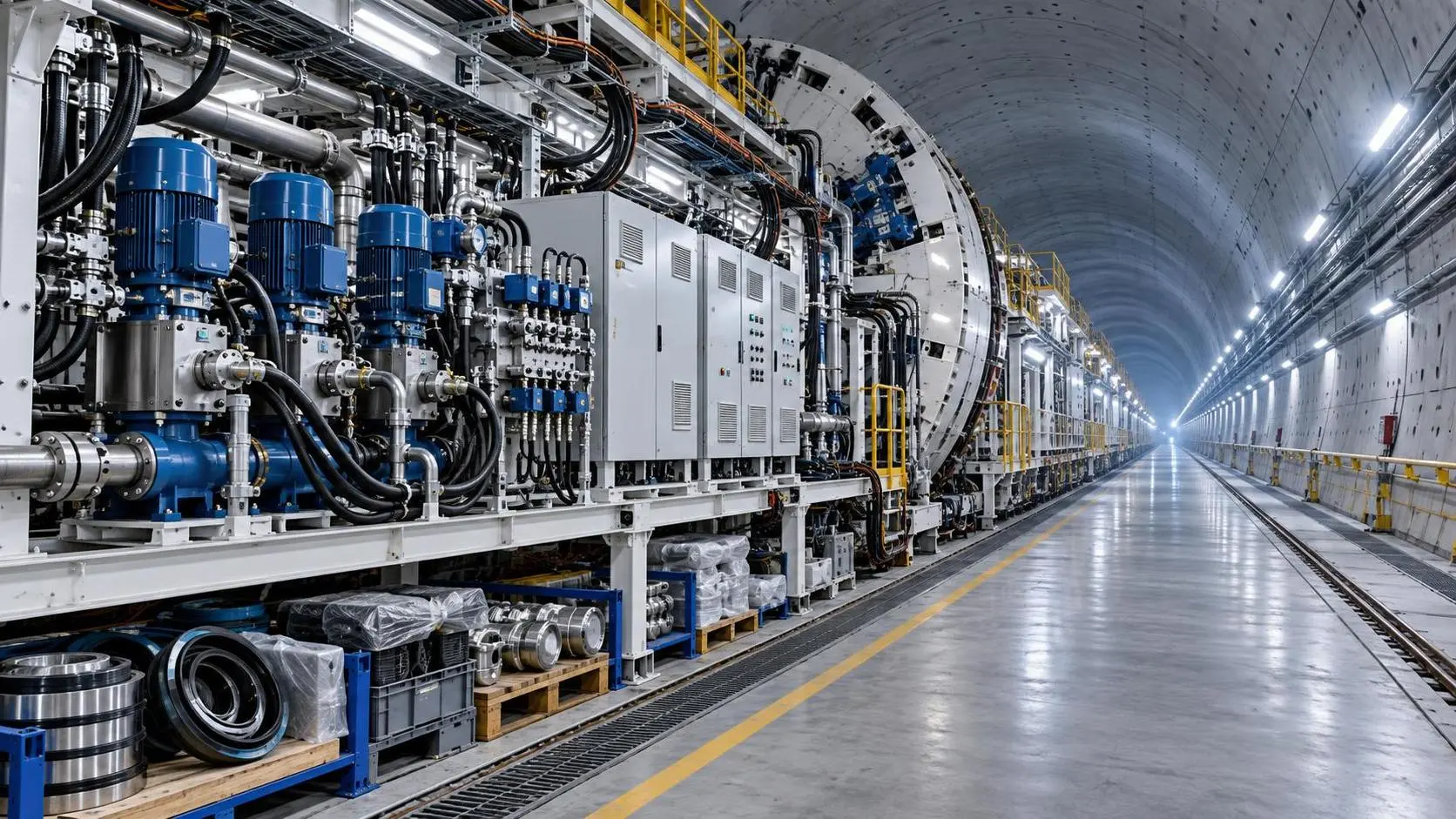
How to Specify TBM Backup System Parts for Reliable Long-Distance Tunnelling
TBM backup system parts: learn how to specify reliable spares for long-distance tunnelling, reduce downtime, ensure compatibility, and speed underground recovery.

How to Size Open Pit Mining Trucks for Haul Distance, Grade, and Payload?
Open Pit Mining Trucks: learn how to match payload, haul distance, grade, road resistance, and loading capacity for safer, lower-cost mine operations.
Related News
- 00
0000-00
How to Evaluate European Drill-and-Blast Tunnelling Contractors for Complex Projects - 00
0000-00
Which Trenchless Construction Technique Fits Your Utility Crossing Conditions? - 00
0000-00
What Is Driving Metro Tunnelling Demand Across Southeast Asia’s Major Cities? - 00
0000-00
Hard Rock Tunnelling in Australia: Selecting Methods for Variable Ground Conditions - 00
0000-00
Hydropower Tunnel Excavation: Selecting Methods for Variable Rock Conditions
Weekly Insights
Stay ahead with our curated technology reports delivered every Monday.