
Iran Rebuild Gap Tops $100B as Middle East Localization Speeds Up





On March 31, 2026, a UNDP report brought renewed attention to the scale of infrastructure damage linked to conflict in the Middle East, including a reconstruction funding gap of more than $100 billion in Iran. At the same time, preparations related to the 2027 APEC meeting in Phu Quoc are coinciding with faster localization moves by leading Chinese construction machinery companies in Saudi Arabia, the UAE, and Qatar. For equipment makers, service networks, procurement teams, and project contractors, this matters because the discussion is no longer only about equipment demand, but also about delivery speed, spare-parts support, and the growing requirement for zero-emission construction solutions.
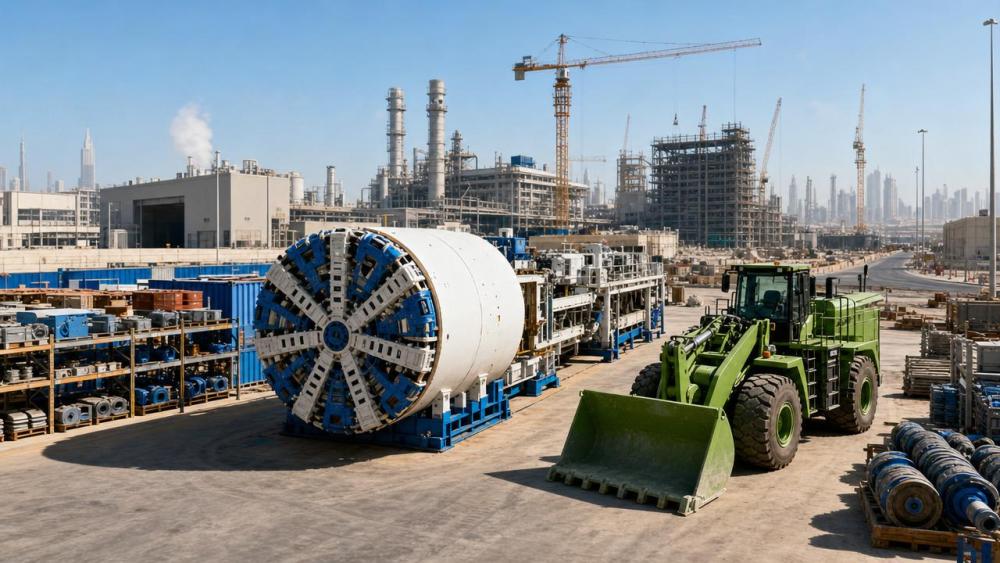
What the latest report and market moves confirm
According to the information provided, the UNDP said in a report released on March 31, 2026 that conflict in the Middle East has caused severe infrastructure losses in Arab countries. The same information states that Iran faces a reconstruction funding gap exceeding $100 billion.
The input also indicates that, against the backdrop of preparations for the 2027 APEC meeting in Phu Quoc, leading Chinese construction machinery companies are accelerating the establishment of TBM remanufacturing centers and LHD battery swap stations in Saudi Arabia, the UAE, and Qatar.
The stated purpose of these deployments is to respond to rigid customer demand in the Middle East for faster delivery, local spare parts availability, and zero-emission construction equipment.
Why different parts of the chain are paying attention
Equipment manufacturers are watching localization more closely
From an industry perspective, machinery producers may be affected because the reported market signal points to demand that is tied not only to equipment supply, but also to local service capability. The business impact is likely to center on product support, remanufacturing capacity, and the ability to align equipment offerings with zero-emission jobsite expectations. What deserves closer attention is whether local facilities become a practical requirement for winning and serving projects rather than a supplementary option.
Contractors and project buyers may put more weight on delivery certainty
For contractors and procurement-side organizations, the development may matter because reconstruction and event-related preparation usually place pressure on timelines. Analysis shows that the most relevant business links are equipment availability, replacement parts access, and service responsiveness. These market participants should closely watch whether supplier selection increasingly reflects local inventory and service readiness instead of headline machine specifications alone.
Aftermarket and service providers face a more operational role
Service providers may also be affected, as the information provided highlights local spare parts and battery swap capability as direct customer needs. Observably, the impact is likely to be felt in maintenance planning, parts circulation, and uptime support. The key change to watch is whether customers begin to treat these service elements as part of core project execution rather than post-sale support.
What companies should focus on now
Separate confirmed demand signals from eventual project conversion
Analysis shows that the reported funding gap and localization activity are clear signals of market attention, but they are not the same as confirmed project awards or completed reconstruction programs. Companies should distinguish between strategic positioning and actual order realization when planning market entry, resource allocation, and customer communication.
Track which equipment categories are being localized
What deserves closer attention is the fact that the input specifically mentions TBM remanufacturing centers and LHD battery swap stations. For companies operating around these categories or adjacent services, the practical issue is whether local customers increasingly expect not only machine supply, but also lifecycle support and low-emission operating solutions in the same package.
Review delivery and spare-parts commitments in customer discussions
Because the stated customer demand includes fast delivery and local spare parts, companies should pay closer attention to the operational side of quotations, fulfillment promises, and support planning. This is less about broad management language and more about whether teams can substantiate lead times, parts readiness, and service arrangements in market-facing discussions.
Keep documentation and partner readiness under review
Observably, when localization becomes part of the market conversation, supplier qualification, service capability descriptions, and execution coordination tend to become more visible in commercial exchanges. Companies should therefore review whether their local partner setup, supporting documents, and communication materials match the expectations implied by the current signal.
How this signal is best understood at this stage
In editorial observation, this development is better understood as a strong directional signal rather than a fully formed market outcome. The confirmed facts point to three linked themes: large-scale infrastructure repair pressure, a visible funding gap in Iran, and an operational response from Chinese construction machinery leaders through localization in key Middle Eastern markets.
Analysis shows that the most important takeaway is the shift in what counts as competitiveness. The information provided suggests that customers are focusing on local responsiveness and emissions-related equipment capability alongside basic supply. Even so, it remains necessary to continue observing how these signals translate into concrete procurement patterns and sustained project demand.
What this means for the industry narrative
At this point, it is more appropriate to understand the news as a meaningful market indicator with both short-term and longer-horizon relevance. In the short term, it highlights where customer attention is concentrating: delivery speed, local parts support, and zero-emission equipment readiness. Over a longer horizon, it suggests that regional localization may become more tightly linked to participation in infrastructure-related opportunities.
A neutral reading is that the reconstruction theme and localization trend now reinforce each other, but the final scale of business outcomes still requires further verification. For industry participants, the practical value of this update lies in using it to reassess market priorities rather than assuming that all signals have already converted into results.
About the basis of this article
This article is generated based on the user-provided news title, event date, and event summary. The content basis includes the reported March 31, 2026 release timing, the UNDP-related description in the input, the stated reconstruction funding gap in Iran, and the described localization actions involving TBM remanufacturing centers and LHD battery swap stations in Saudi Arabia, the UAE, and Qatar.
For this type of industry update, commonly relevant source categories may include official announcements, company disclosures, industry association information, authoritative media reporting, and standard-setting documents. However, a specific official source link was not provided in the input, so the exact source path still requires ongoing verification. Further observation should focus on whether later official statements, corporate disclosures, or project-side updates provide clearer evidence on implementation pace and commercial conversion.
Related News
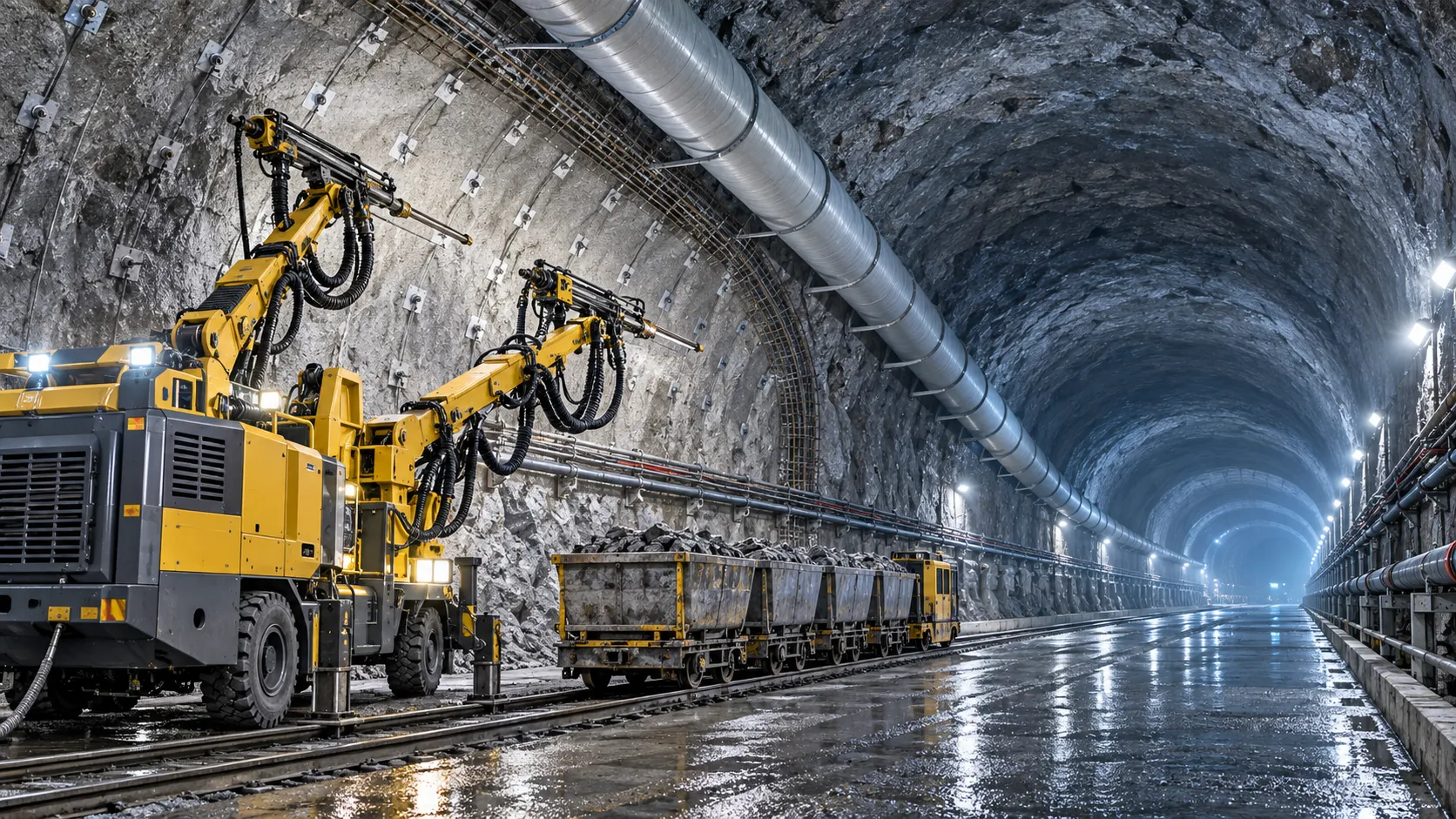
How to Evaluate European Drill-and-Blast Tunnelling Contractors for Complex Projects
Drill and blast tunnelling contractors Europe: learn how to assess geology expertise, blast control, equipment reliability, safety, and programme resilience for complex projects.
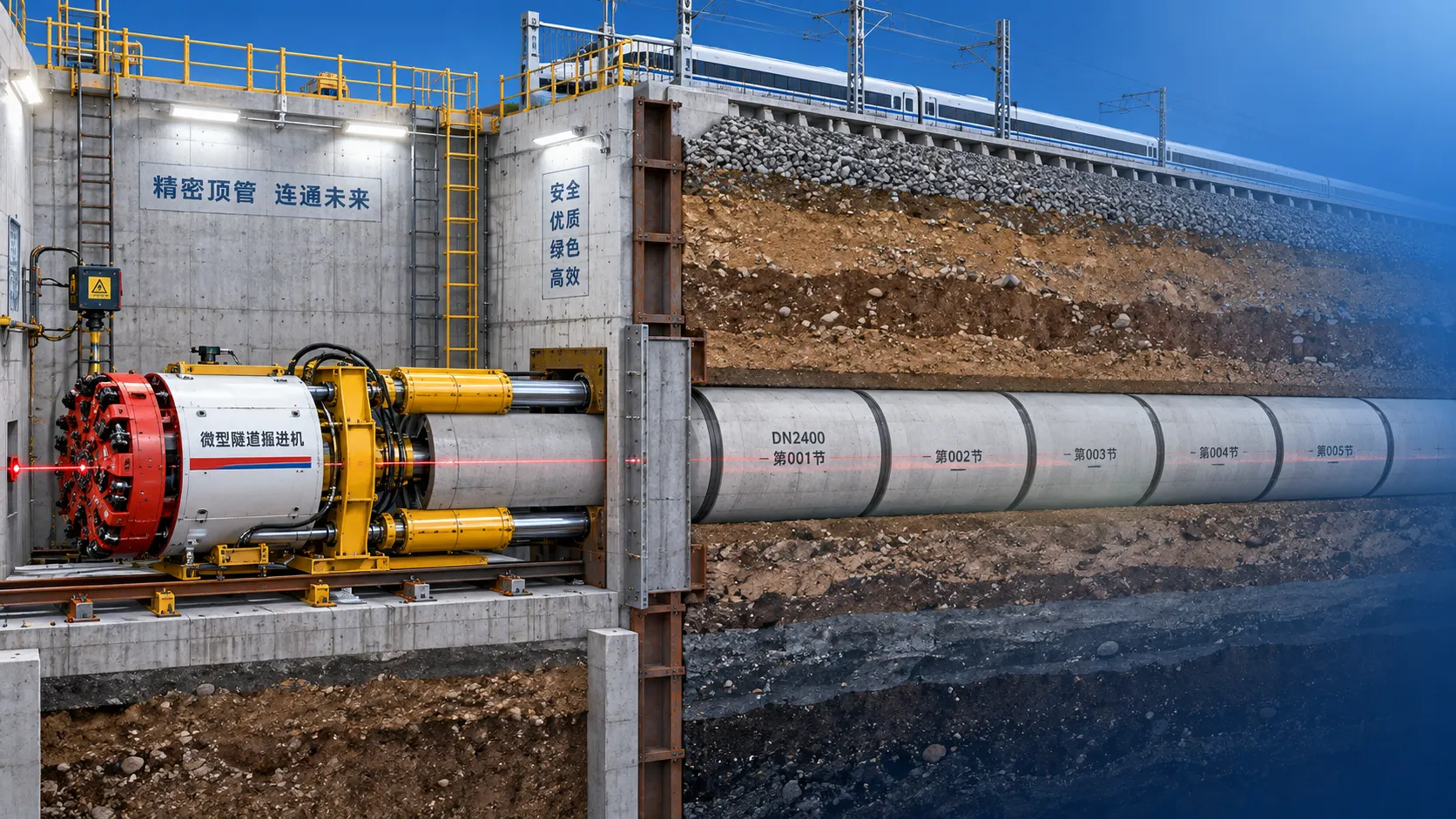
Which Trenchless Construction Technique Fits Your Utility Crossing Conditions?
Trenchless construction techniques compared for utility crossings: choose HDD, microtunnelling, pipe jacking, or auger boring based on ground, accuracy, access, and risk.
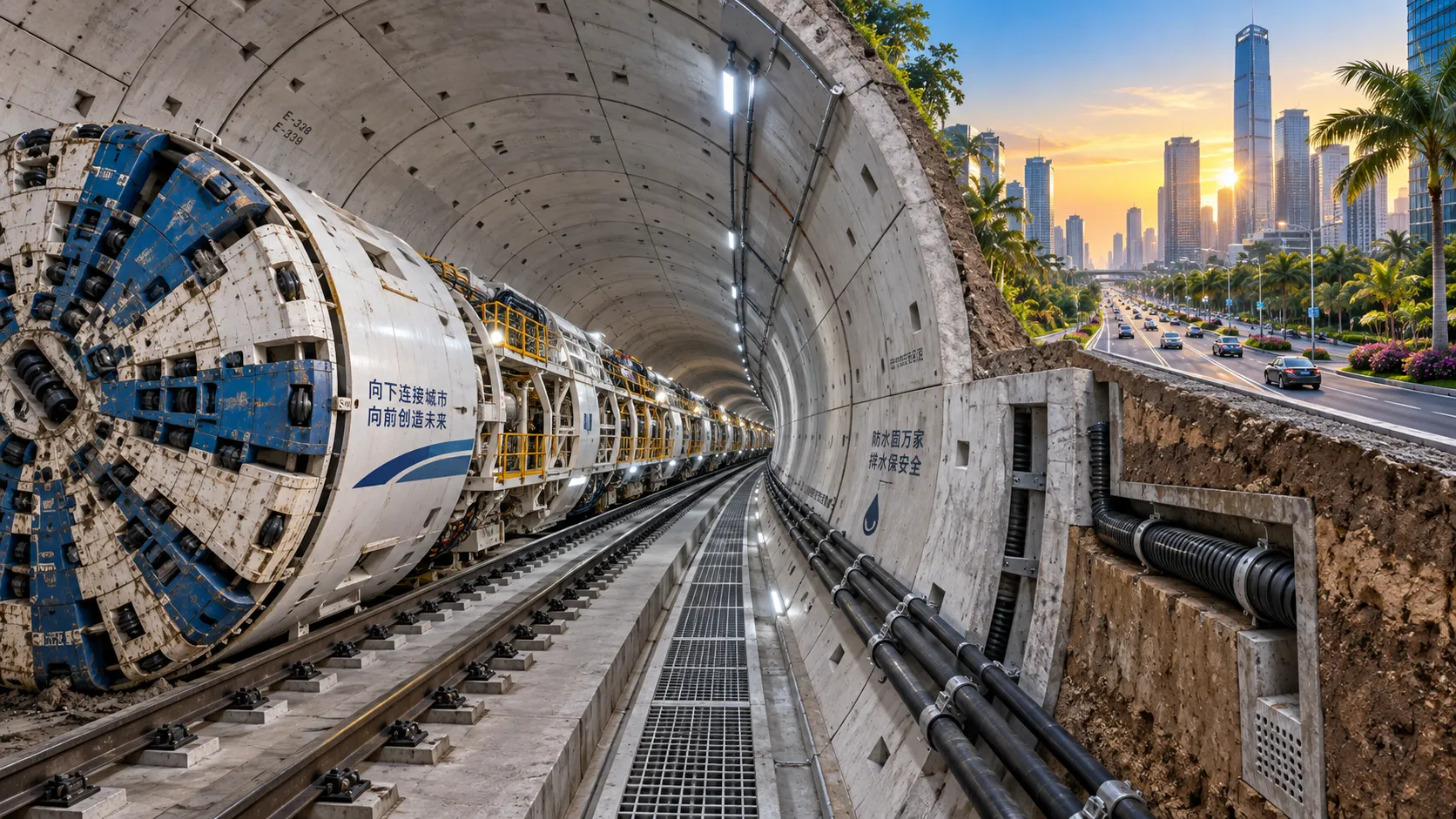
What Is Driving Metro Tunnelling Demand Across Southeast Asia’s Major Cities?
Metro tunnelling Southeast Asia is accelerating as major cities tackle congestion, flooding, and connectivity. Explore the market forces, technical risks, and opportunities shaping demand.
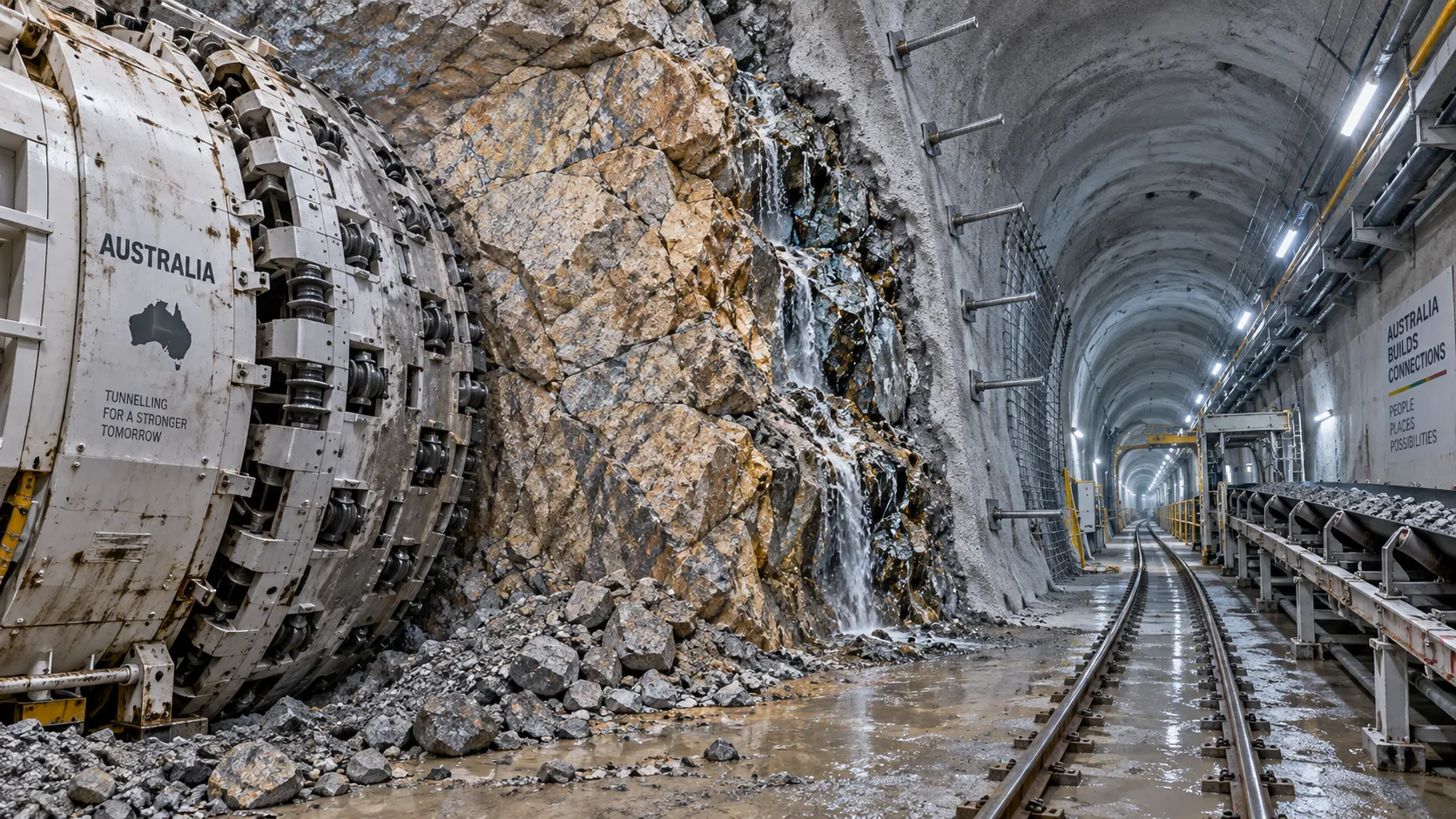
Hard Rock Tunnelling in Australia: Selecting Methods for Variable Ground Conditions
Hard rock tunnelling in Australia: compare TBM, drill-and-blast and hybrid methods to manage variable ground, reduce risk and protect project costs.
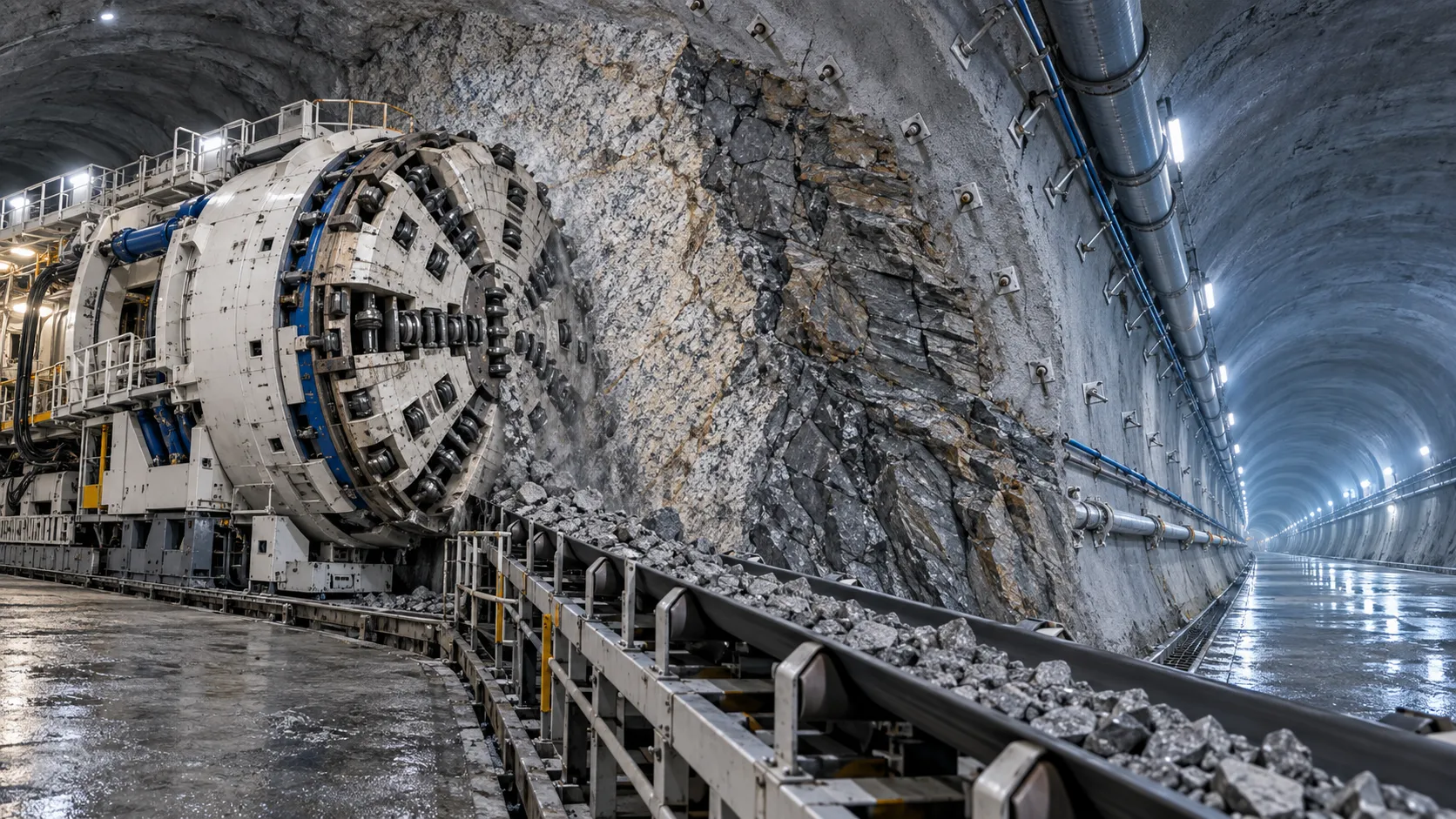
Hydropower Tunnel Excavation: Selecting Methods for Variable Rock Conditions
Hydropower tunnel excavation methods for variable rock conditions: compare TBM, drill-and-blast, and hybrid strategies to improve safety, progress, and project control.
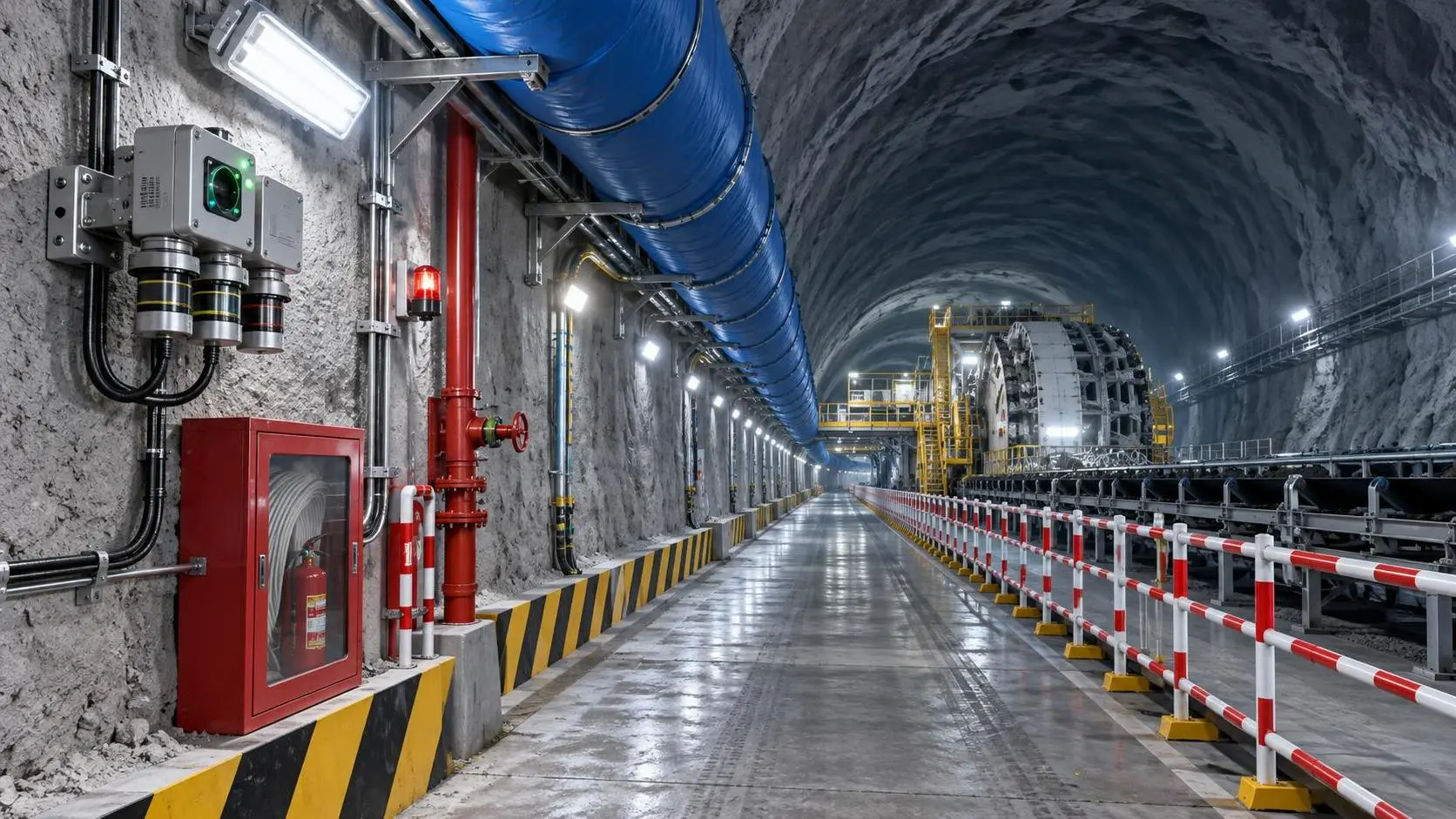
How to Select Underground Safety Equipment for Tunnelling by Hazard and Work Zone
Underground Safety Equipment for tunnelling: match protection to hazards, work zones, compliance, and emergency needs with this practical selection guide.
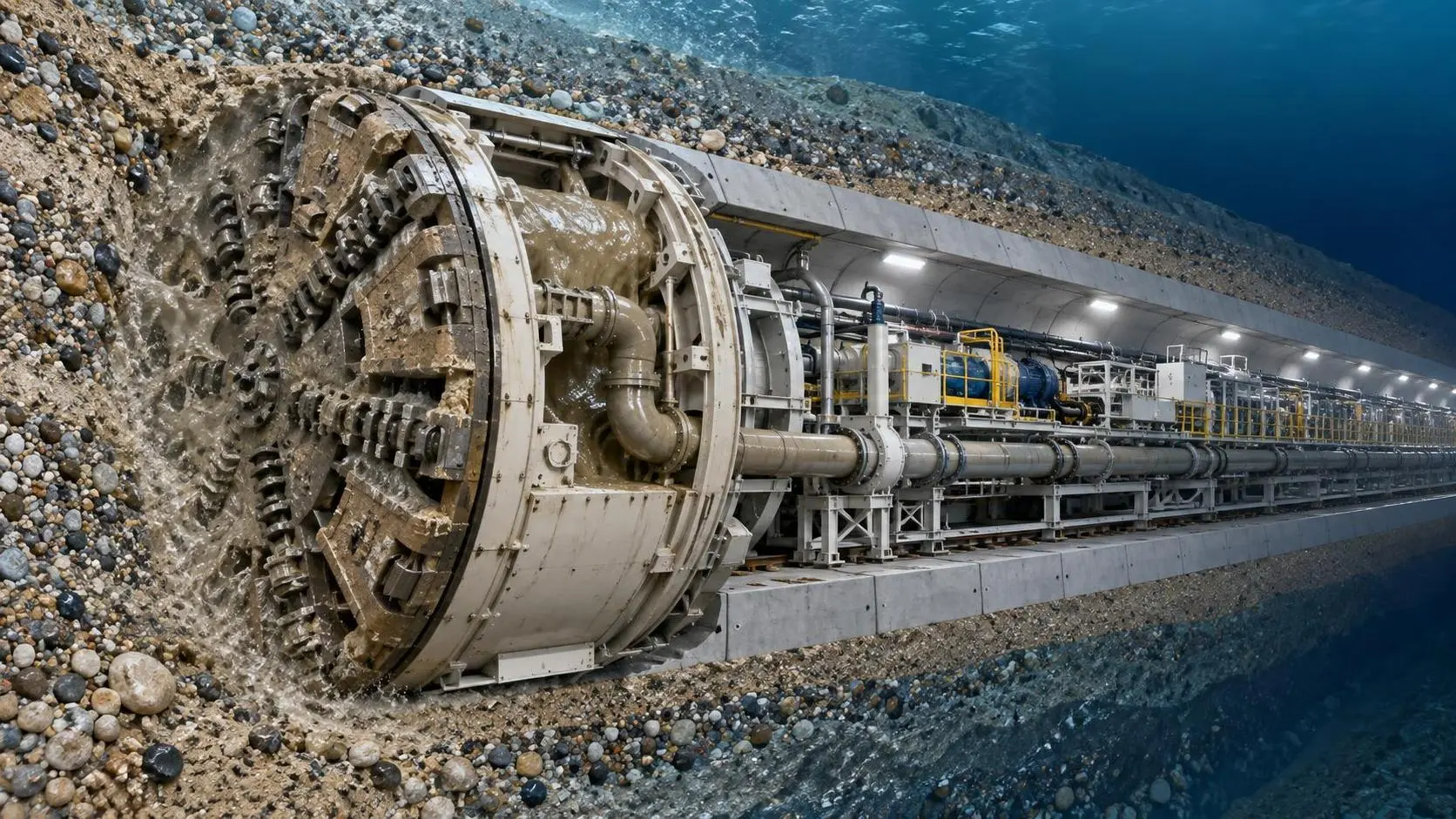
EPB or Slurry Shield? Selecting Soft-Ground Tunnelling Equipment by Soil Conditions
Tunnel Excavation Equipment for soft ground: compare EPB and slurry shields by soil, groundwater, settlement risk, and project logistics to choose confidently.
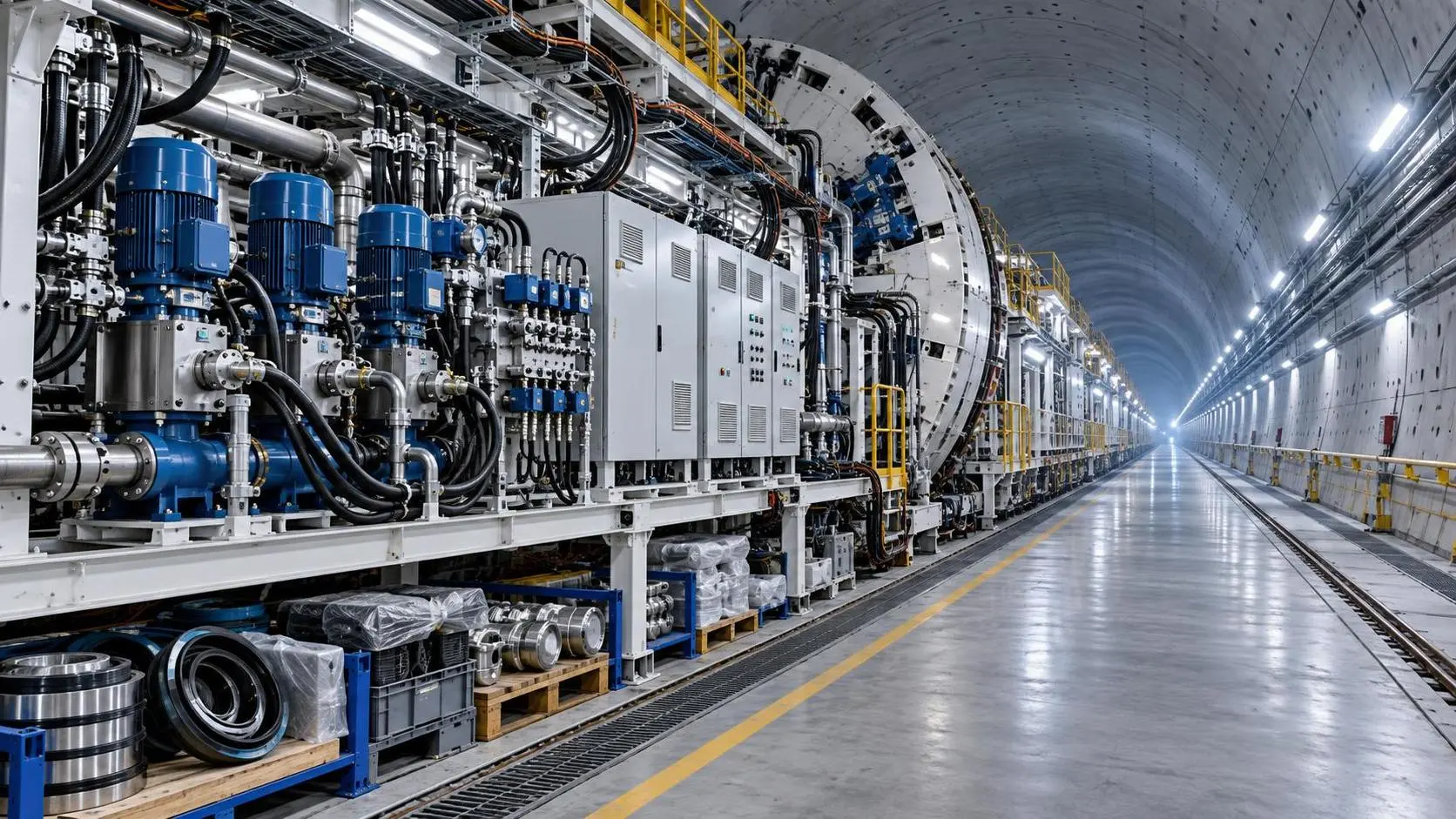
How to Specify TBM Backup System Parts for Reliable Long-Distance Tunnelling
TBM backup system parts: learn how to specify reliable spares for long-distance tunnelling, reduce downtime, ensure compatibility, and speed underground recovery.
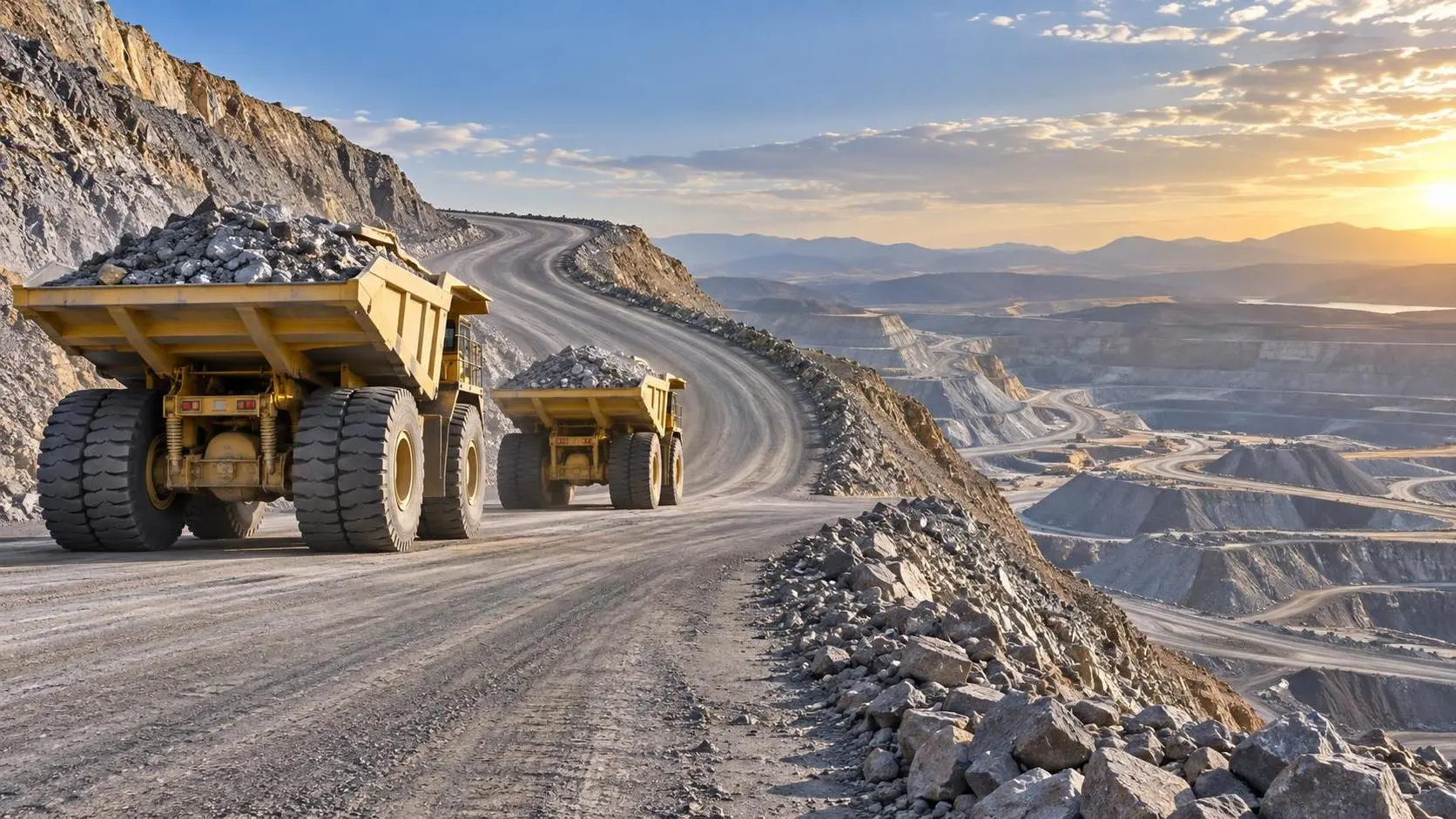
How to Size Open Pit Mining Trucks for Haul Distance, Grade, and Payload?
Open Pit Mining Trucks: learn how to match payload, haul distance, grade, road resistance, and loading capacity for safer, lower-cost mine operations.
Related News
- 00
0000-00
How to Evaluate European Drill-and-Blast Tunnelling Contractors for Complex Projects - 00
0000-00
Which Trenchless Construction Technique Fits Your Utility Crossing Conditions? - 00
0000-00
What Is Driving Metro Tunnelling Demand Across Southeast Asia’s Major Cities? - 00
0000-00
Hard Rock Tunnelling in Australia: Selecting Methods for Variable Ground Conditions - 00
0000-00
Hydropower Tunnel Excavation: Selecting Methods for Variable Rock Conditions
Weekly Insights
Stay ahead with our curated technology reports delivered every Monday.