
Codelco Tender Sets ISO 19453-3:2025 Entry Requirement





In June 2026, Codelco released its global tender for 2026 battery-powered underground loaders, making compliance with ISO 19453-3:2025 and a third-party type test report a mandatory bidding condition. Because the standard has been in force globally since January 1, 2026, this is not just a procurement detail for one project; it is a direct execution signal for equipment makers, component suppliers, testing bodies, exporters, and procurement teams involved in Battery LHD business.
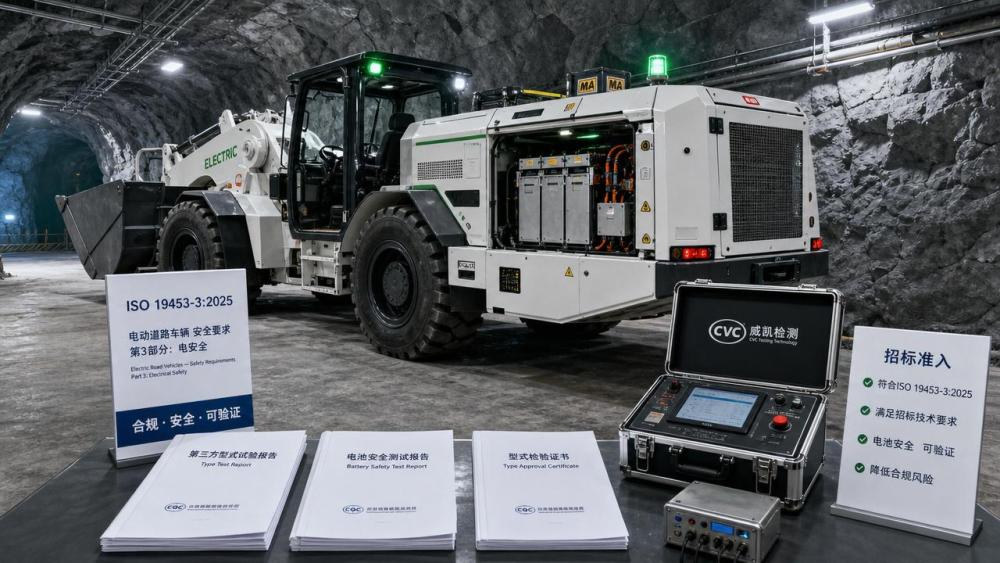
What the tender requirement now confirms
The confirmed facts are limited but clear. Codelco formally issued its 2026 global tender documents for Battery LHDs in June 2026. The tender states that all bidding products must comply with ISO 19453-3:2025, titled Underground mining equipment—Safety requirements for battery power systems—Part 3: thermal runaway propagation blocking and remote monitoring. The tender also requires bidders to provide a third-party type test report. According to the provided information, this standard became globally effective on January 1, 2026.
Where the pressure shifts along the business chain
For OEMs preparing bid-compliant equipment
Analysis shows that the most immediate effect falls on manufacturers intending to participate in this procurement cycle. The issue is no longer whether the standard is relevant in principle, but whether the product configuration, safety design, and supporting compliance file can meet a named tender condition. In practice, this can affect technical bid alignment, document readiness, and product eligibility at the submission stage.
For battery system and key component suppliers
From an industry perspective, suppliers linked to the battery power system may also feel the impact because the tender requirement is tied to thermal runaway propagation blocking and remote monitoring. Even when the tender is directed at complete machines, supporting suppliers may face stricter requests from OEM customers for technical data, test support, traceable design information, and document consistency needed for third-party type testing.
For testing and certification-related service providers
Observably, the requirement for a third-party type test report turns testing capability and report availability into a practical market access factor. This matters for laboratories, technical compliance consultants, and certification-related service firms because bid timing may depend not only on product readiness, but also on whether the necessary report package can be obtained, reviewed, and accepted within procurement deadlines.
For exporters, procurement teams, and delivery coordinators
What deserves closer attention is the link between compliance proof and commercial execution. Export-facing companies and procurement teams may need to review whether tender documents, technical schedules, report sets, and delivery commitments are internally aligned. If compliance evidence is incomplete or inconsistent, the impact may appear not only at bid entry, but later in contracting, shipment planning, acceptance, or after-sales traceability.
What companies should review now
Check whether existing models truly match the named standard
Analysis shows that companies should first distinguish between general battery safety claims and demonstrated conformity to ISO 19453-3:2025 specifically. Where internal testing or legacy reports were prepared against other frameworks, firms may need to verify whether those materials are sufficient for this tender requirement or whether additional testing and document updates are necessary.
Review the status and scope of third-party type test reports
The tender language makes the report itself a core compliance document rather than a secondary attachment. Companies involved in bidding should pay close attention to report scope, product-model correspondence, supporting technical descriptions, and whether the report package is consistent with the tendered configuration. If the execution details in the tender evolve, this remains an area requiring continued monitoring rather than assumption.
Align procurement timing with compliance preparation
From a practical standpoint, qualification work and procurement planning may need to move in parallel. Where product compliance, component readiness, and third-party testing are handled separately, schedule risk can emerge before delivery is discussed. Companies should therefore pay attention to whether supplier qualification, testing preparation, and bid documentation are being advanced on the same timeline.
Track wording changes and acceptance practice
Because the provided information confirms the tender requirement but does not define every execution detail, companies should continue to monitor any later clarification in tender language, acceptance criteria, document expectations, or compliance interpretation. This is especially relevant for businesses that depend on external testing, cross-border supply coordination, or multiple equipment variants.
Why this reads as an execution signal
Observably, this development is better understood as a concrete market-side application of a standard that is already in force, rather than as a theoretical policy discussion. Analysis shows that once a buyer formally writes a named standard and a third-party type test report into tender access conditions, the compliance threshold becomes operational for suppliers seeking entry. At the same time, it is still too early to treat this single tender as a full market-wide conclusion; the broader industry response, acceptance practice, and replication in other procurement settings still need observation.
How the market may read this stage
From an industry perspective, the significance of this event lies in the combination of standard effectiveness and procurement enforcement. The message is not merely that ISO 19453-3:2025 exists, but that compliance with it can now function as a documented entry requirement in actual equipment tenders. It is more appropriate to understand this as a landed compliance signal with practical implications for bidding and supply preparation, while leaving room for continued observation on how consistently similar requirements are applied across future projects.
Basis of this article and what still needs verification
This article is generated from the user-provided title, event date, and event summary. For events of this type, commonly relevant source categories may include official tender notices, regulatory releases, trade or customs authority information, industry association updates, standards organization documents, and reporting by authoritative media. No specific official source link was provided in the input, so the underlying documents and any later updates still require ongoing verification. Observably, the points that merit continued tracking include any detailed implementation language, the acceptance approach for third-party type test reports, possible changes in tender documentation, market feedback, and how participating companies execute against the requirement.
Related News
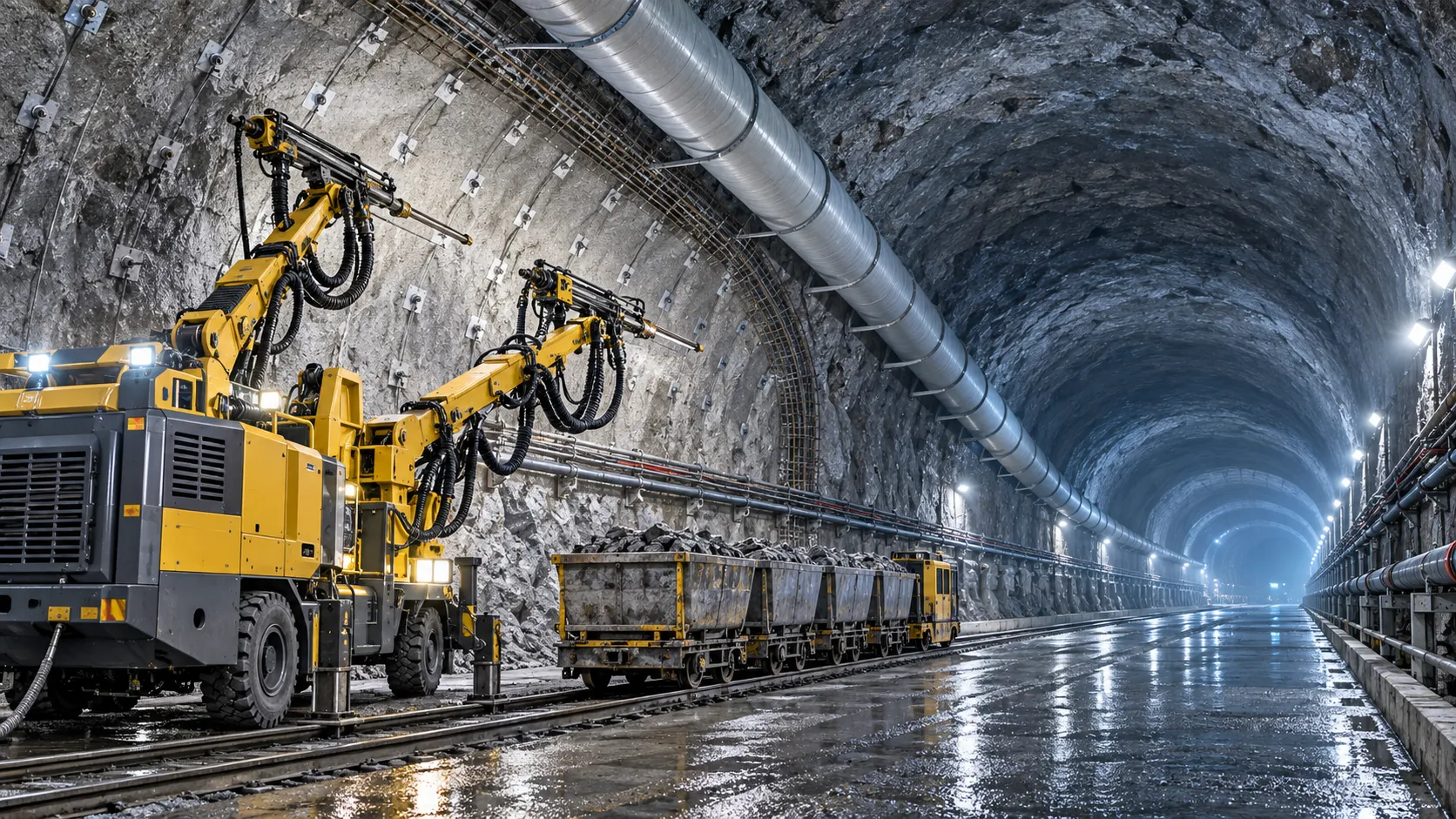
How to Evaluate European Drill-and-Blast Tunnelling Contractors for Complex Projects
Drill and blast tunnelling contractors Europe: learn how to assess geology expertise, blast control, equipment reliability, safety, and programme resilience for complex projects.
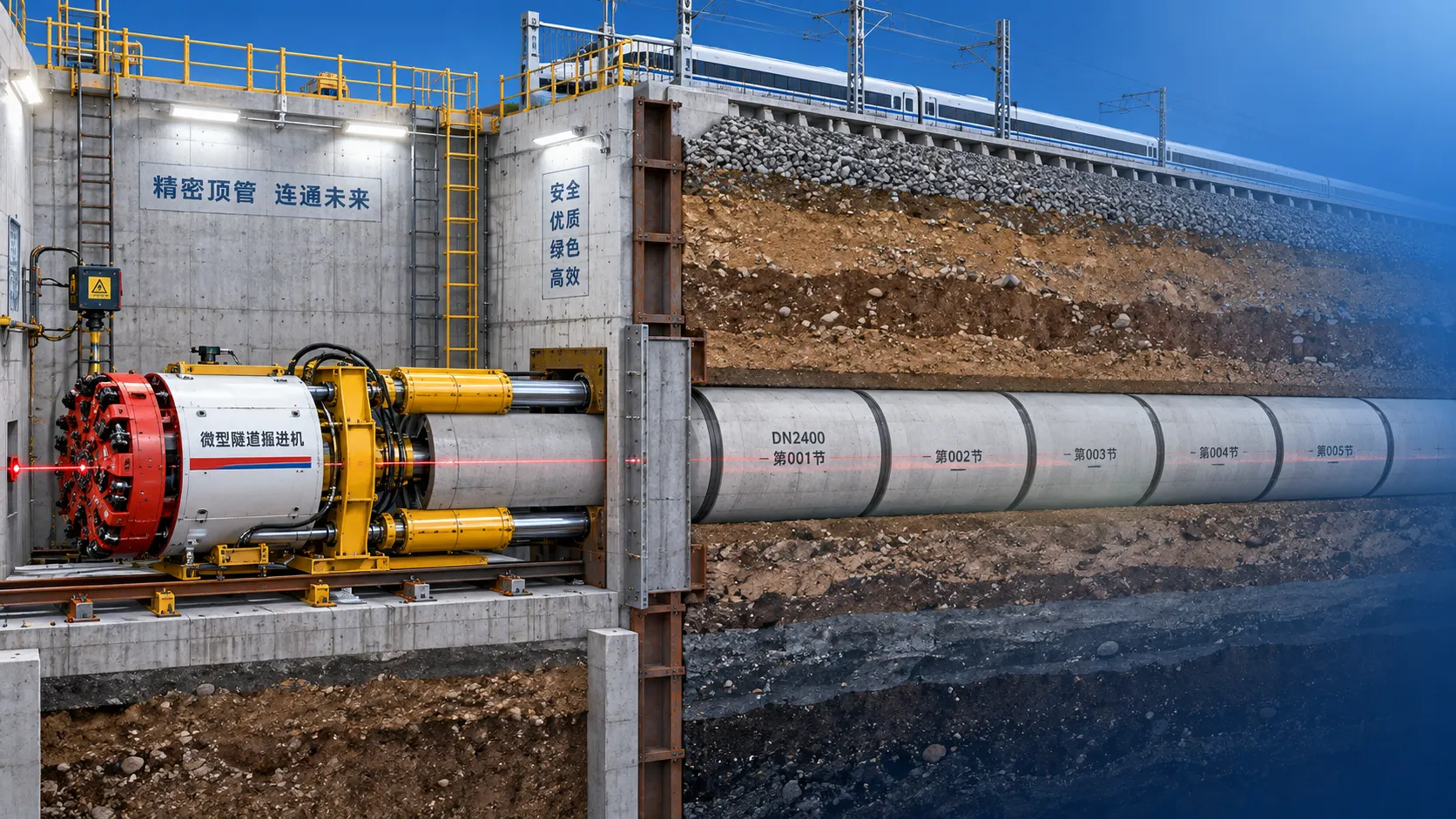
Which Trenchless Construction Technique Fits Your Utility Crossing Conditions?
Trenchless construction techniques compared for utility crossings: choose HDD, microtunnelling, pipe jacking, or auger boring based on ground, accuracy, access, and risk.
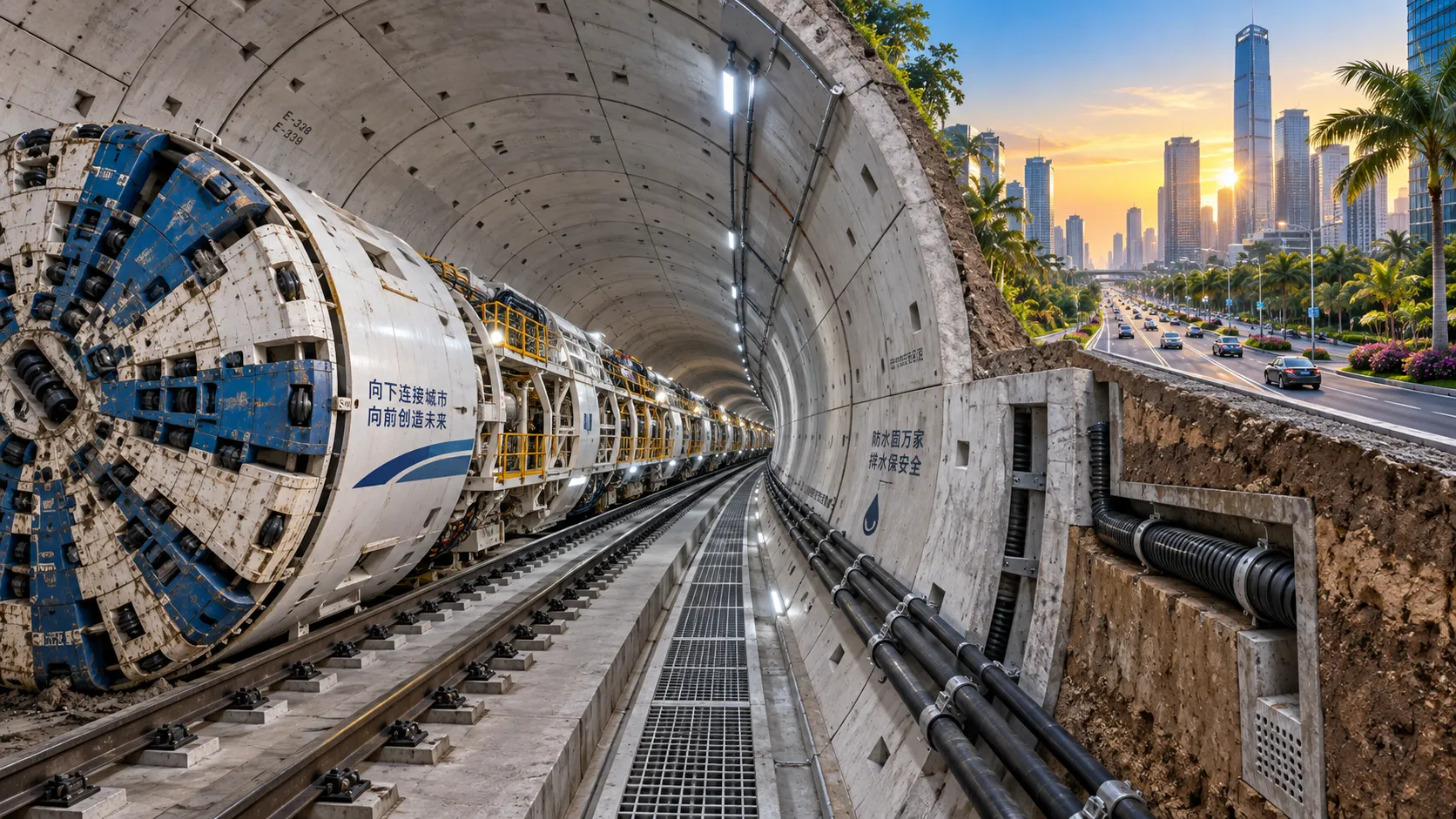
What Is Driving Metro Tunnelling Demand Across Southeast Asia’s Major Cities?
Metro tunnelling Southeast Asia is accelerating as major cities tackle congestion, flooding, and connectivity. Explore the market forces, technical risks, and opportunities shaping demand.
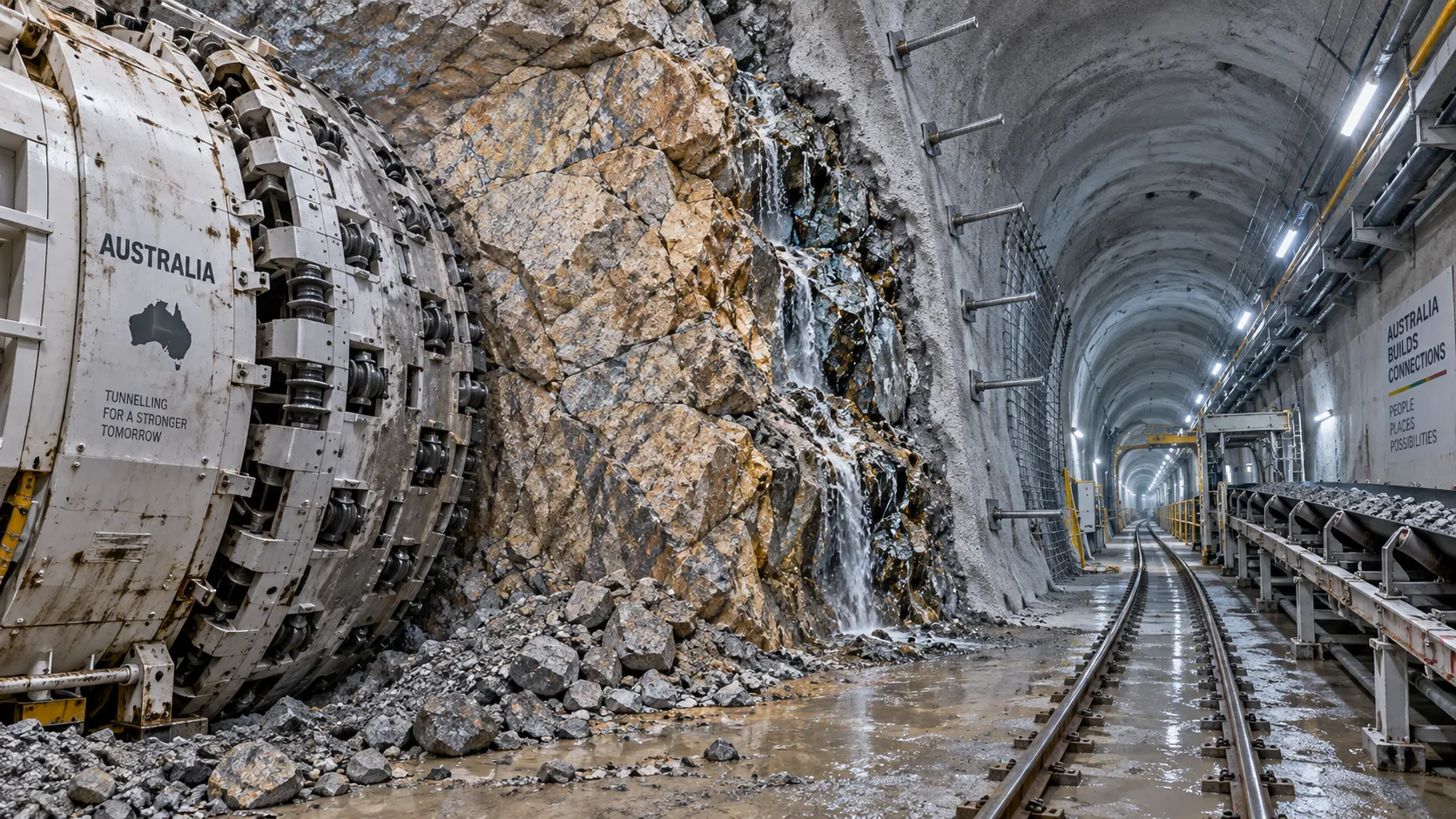
Hard Rock Tunnelling in Australia: Selecting Methods for Variable Ground Conditions
Hard rock tunnelling in Australia: compare TBM, drill-and-blast and hybrid methods to manage variable ground, reduce risk and protect project costs.
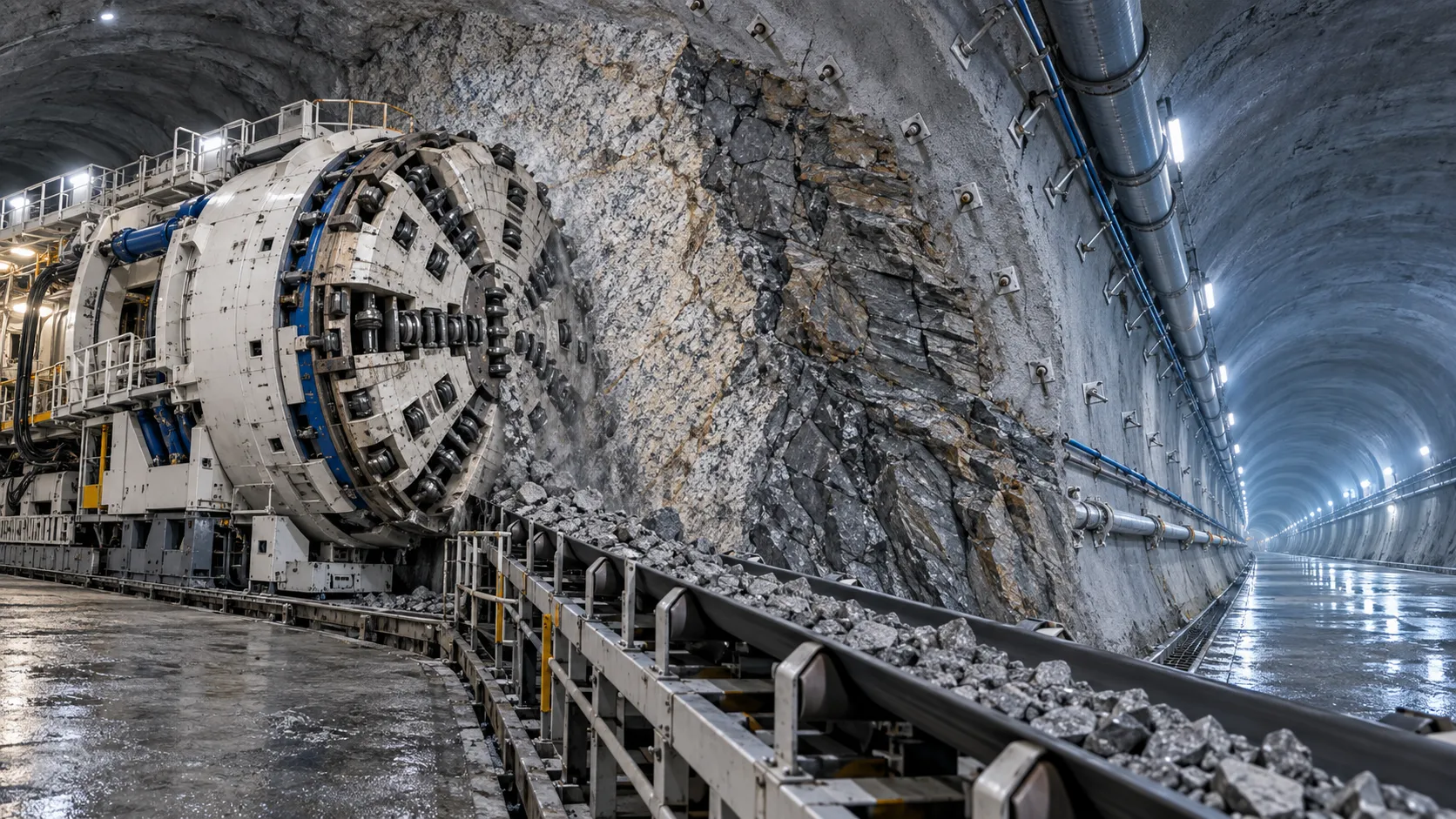
Hydropower Tunnel Excavation: Selecting Methods for Variable Rock Conditions
Hydropower tunnel excavation methods for variable rock conditions: compare TBM, drill-and-blast, and hybrid strategies to improve safety, progress, and project control.
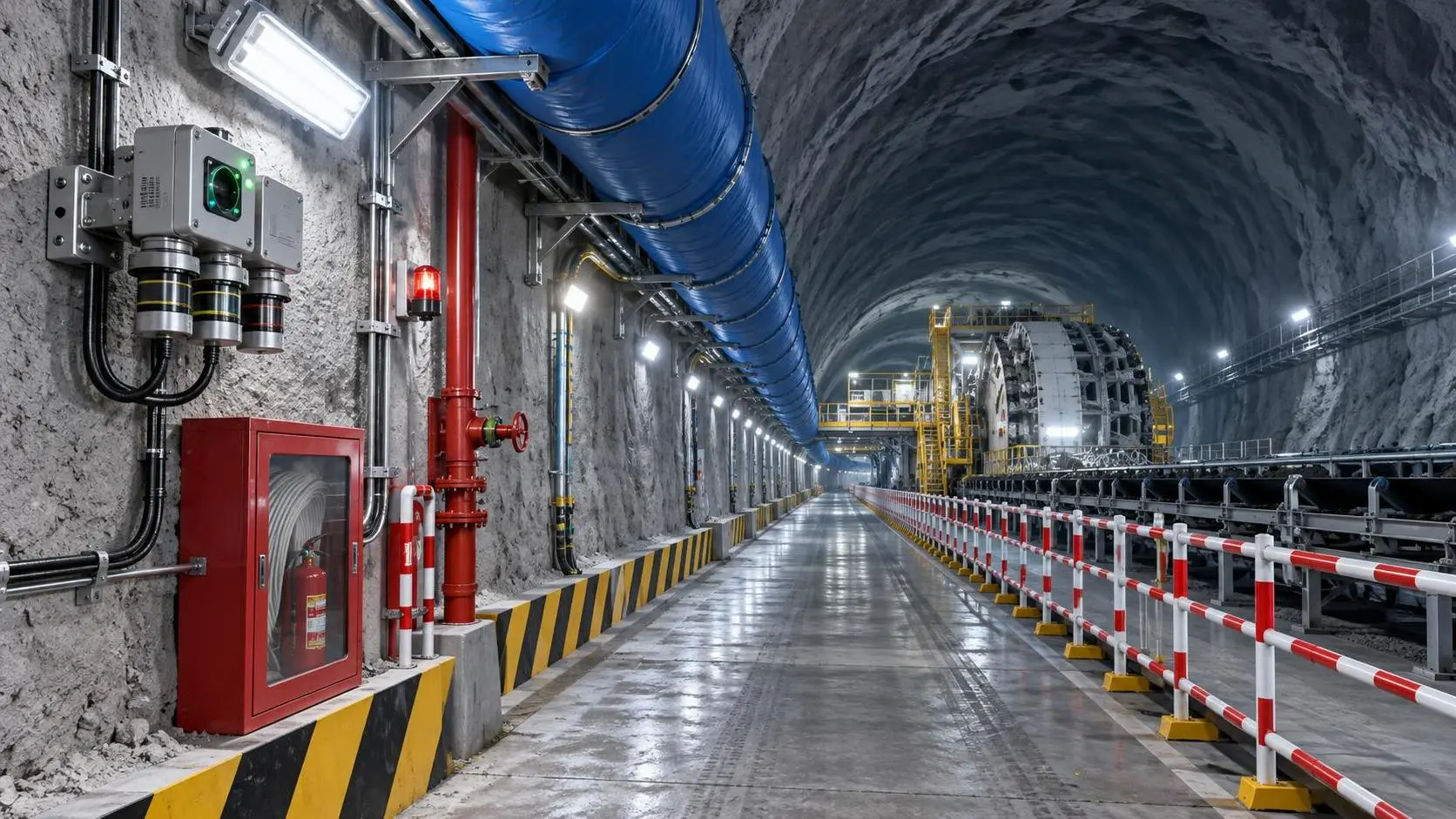
How to Select Underground Safety Equipment for Tunnelling by Hazard and Work Zone
Underground Safety Equipment for tunnelling: match protection to hazards, work zones, compliance, and emergency needs with this practical selection guide.
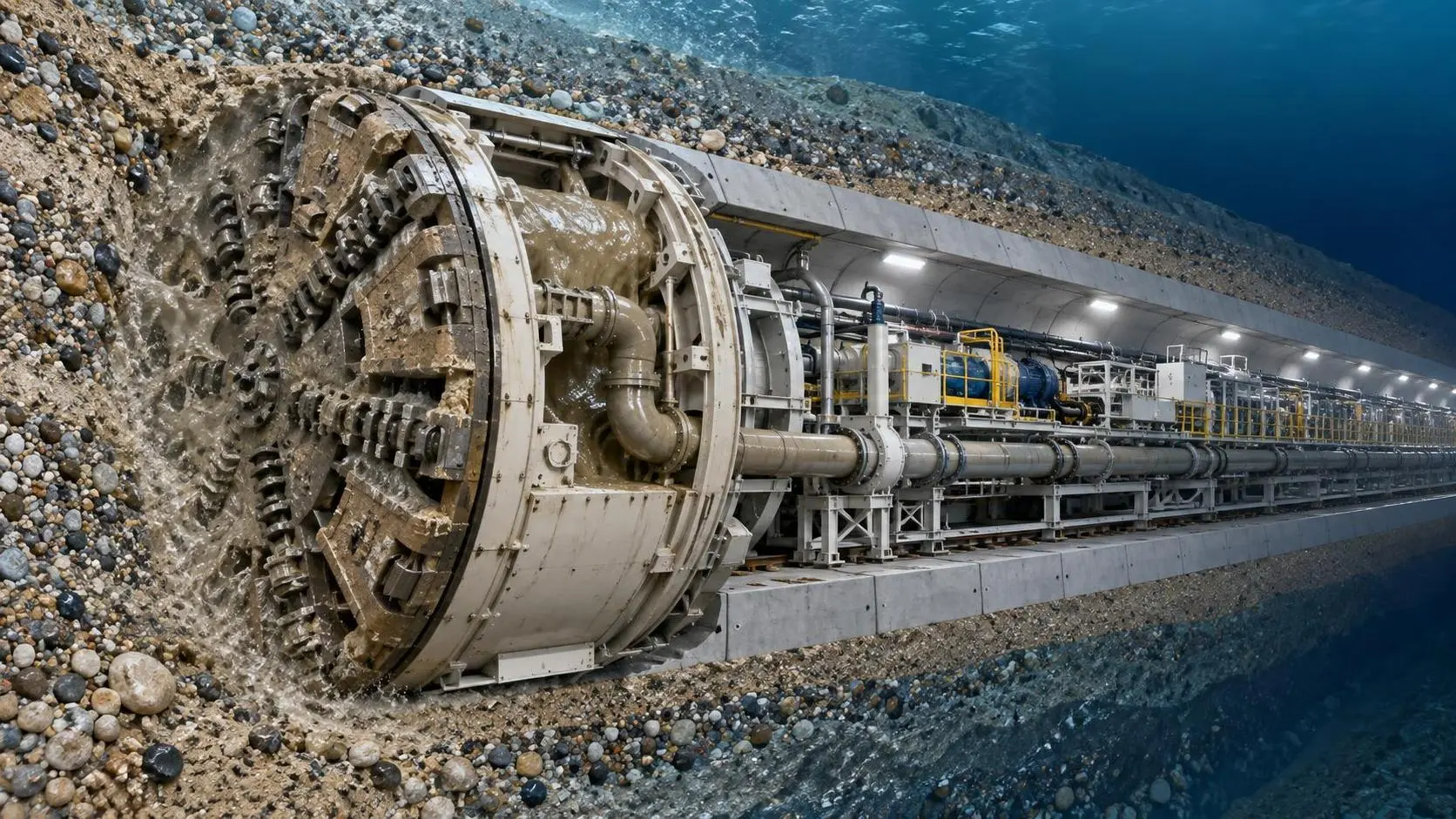
EPB or Slurry Shield? Selecting Soft-Ground Tunnelling Equipment by Soil Conditions
Tunnel Excavation Equipment for soft ground: compare EPB and slurry shields by soil, groundwater, settlement risk, and project logistics to choose confidently.
How to Specify TBM Backup System Parts for Reliable Long-Distance Tunnelling
TBM backup system parts: learn how to specify reliable spares for long-distance tunnelling, reduce downtime, ensure compatibility, and speed underground recovery.

How to Size Open Pit Mining Trucks for Haul Distance, Grade, and Payload?
Open Pit Mining Trucks: learn how to match payload, haul distance, grade, road resistance, and loading capacity for safer, lower-cost mine operations.
Related News
- 00
0000-00
How to Evaluate European Drill-and-Blast Tunnelling Contractors for Complex Projects - 00
0000-00
Which Trenchless Construction Technique Fits Your Utility Crossing Conditions? - 00
0000-00
What Is Driving Metro Tunnelling Demand Across Southeast Asia’s Major Cities? - 00
0000-00
Hard Rock Tunnelling in Australia: Selecting Methods for Variable Ground Conditions - 00
0000-00
Hydropower Tunnel Excavation: Selecting Methods for Variable Rock Conditions
Weekly Insights
Stay ahead with our curated technology reports delivered every Monday.