
High-Tech Profit Surge Lifts Battery LHD Export Priority





Image placement plan: one visual should appear near the beginning of the article to highlight the shift in export delivery rules for Battery LHDs and support reader engagement with the core industry update dated June 3, 2026.
On June 3, 2026, an industry update indicated that profit growth in above-designated-size high-tech manufacturing reached 44.8% year on year in China during January to April 2026, with new energy equipment and intelligent mining equipment leading growth. Against this backdrop, leading Battery LHD manufacturers reported that, starting with newly signed export orders for Q3 2026, they have introduced a tiered delivery assurance mechanism driven by improved margins and capacity utilization above 95%.
Confirmed Developments Behind the Delivery Shift
According to the reported information, profits in above-designated-size high-tech manufacturing rose by 44.8% year on year in the first four months of 2026. Among the segments mentioned, new energy equipment and intelligent mining equipment recorded the fastest growth.
Leading Battery LHD manufacturers further stated that better profitability and capacity utilization exceeding 95% have led to a new export order handling approach from Q3 2026 onward. Under this arrangement, newly signed export orders with prepayments of 50% or more receive production priority. The delivery cycle has been reduced to 10 weeks from the previous 14 weeks. Manufacturers have also opened modular optional interfaces for LHD battery packs to support overseas customer customization.
How the Change May Affect Market Participants
Export traders dealing directly with overseas buyers
These companies are likely to be affected first because delivery priority is now linked to prepayment ratios. The impact is concentrated in quotation structure, contract negotiation, order confirmation, and customer expectation management. What deserves closer attention is whether buyers can accept a 50% or higher advance payment threshold in exchange for a shorter lead time and stronger production assurance.
Raw material and component sourcing companies
These businesses may feel the effect through production scheduling changes at OEMs. If more export orders move into priority queues, procurement rhythms for batteries, electrical systems, and related components may become more concentrated. From an industry perspective, sourcing teams may need to monitor whether modular battery pack customization creates more variation in parts preparation, stocking, and specification matching.
Processing and manufacturing enterprises
Manufacturing firms within the equipment supply chain may be influenced by tighter capacity planning and faster delivery commitments. The direct impact may appear in order sequencing, production coordination, technical documentation preparation, and quality control timing. Observably, when capacity utilization is already above 95%, any change in export order priority can place greater pressure on execution discipline and interface alignment across production units.
Supply chain service providers
Logistics, inspection coordination, packaging, and after-sales support providers may also need to adjust. The reason is that a reduced delivery cycle leaves less buffer between order confirmation and shipment readiness. The practical impact may fall on booking schedules, export document timing, spare parts planning, and traceability support. It is more appropriate to understand this as a coordination challenge rather than a simple logistics acceleration.
What Companies Should Prepare for Now
Reassess payment terms and order qualification rules
Companies pursuing Battery LHD export business should closely review how prepayment terms affect access to earlier production slots. Since the reported mechanism gives priority to orders with prepayments of 50% or more, commercial teams may need to revisit bidding terms, contract structures, and customer communication strategies around delivery assurance.
Align technical specifications with modular battery options
The opening of modular optional interfaces for LHD battery packs means technical alignment may become more detailed at the order intake stage. Buyers and intermediaries should pay closer attention to specification confirmation, option matching, test documentation, and technical file consistency so that customization does not delay approval or production release.
Review certification and compliance document readiness
Although no specific certification scheme or regulatory framework was identified in the input, export-oriented companies should still verify whether shorter lead times leave enough room for compliance file review, product documentation checks, and customer-requested technical evidence. This is particularly relevant when configuration options increase and overseas customers request more tailored solutions.
Adjust procurement and delivery planning for shorter cycles
With the stated delivery cycle reduced from 14 weeks to 10 weeks for qualifying orders, procurement and project teams may need to update internal planning assumptions. Attention may be required in component reservation, supplier response time, inspection milestones, and after-sales preparation so that commercial promises remain aligned with executable delivery schedules.
Industry Reading: A Commercial Rule Shift Worth Watching
Analysis shows that the reported change is not merely a production update; it may also signal a more explicit commercial prioritization rule in the Battery LHD export segment. By tying production priority to advance payment levels, manufacturers appear to be strengthening order screening at a time of high capacity utilization.
From an industry perspective, this could reshape how overseas customers approach procurement discussions. Shorter lead times may become linked more closely to financial commitment, while modular battery configuration may raise the importance of earlier technical clarification. What deserves closer attention is whether this combination gradually turns payment discipline and specification readiness into practical market access thresholds for some buyers.
Observably, the development may also increase the operational value of supplier coordination. When production capacity is already tight, companies with stronger documentation control, faster decision-making, and clearer technical interfaces may be better positioned to secure workable delivery arrangements. This should be treated as an industry observation rather than a confirmed long-term trend.
Why This Update Matters for the Sector
The reported profit growth in high-tech manufacturing and the resulting export order prioritization for Battery LHDs together point to a notable change in how supply, capacity, and commercial terms are being balanced. The immediate significance lies less in broad market conclusions and more in the practical adjustment of delivery rules, order qualification, and customization processes.
A rational reading is that companies across the Battery LHD chain should focus on execution details: payment structure, specification alignment, compliance file readiness, and lead-time planning. The longer-term effect will still depend on how manufacturers implement these arrangements and how buyers respond in actual procurement activity.
Source Note and Ongoing Verification
This article was generated based on the user-provided news title, event date, and event summary. It reflects reported information dated June 3, 2026, regarding profit growth in high-tech manufacturing and the export delivery prioritization mechanism adopted by leading Battery LHD manufacturers.
For this type of industry development, commonly relevant authoritative source categories may include financial news services, industrial statistics releases, manufacturer announcements, trade documentation, tender documents, certification records, and customs or regulatory guidance where applicable. Specific official source links were not provided in the input and should be verified continuously.
Items that still merit ongoing attention include any further clarification on implementation rules, customer acceptance of prepayment thresholds, changes in technical specification requirements linked to modular battery pack options, execution standards in tender or procurement documents, and additional feedback from the industry supply chain.
Related News
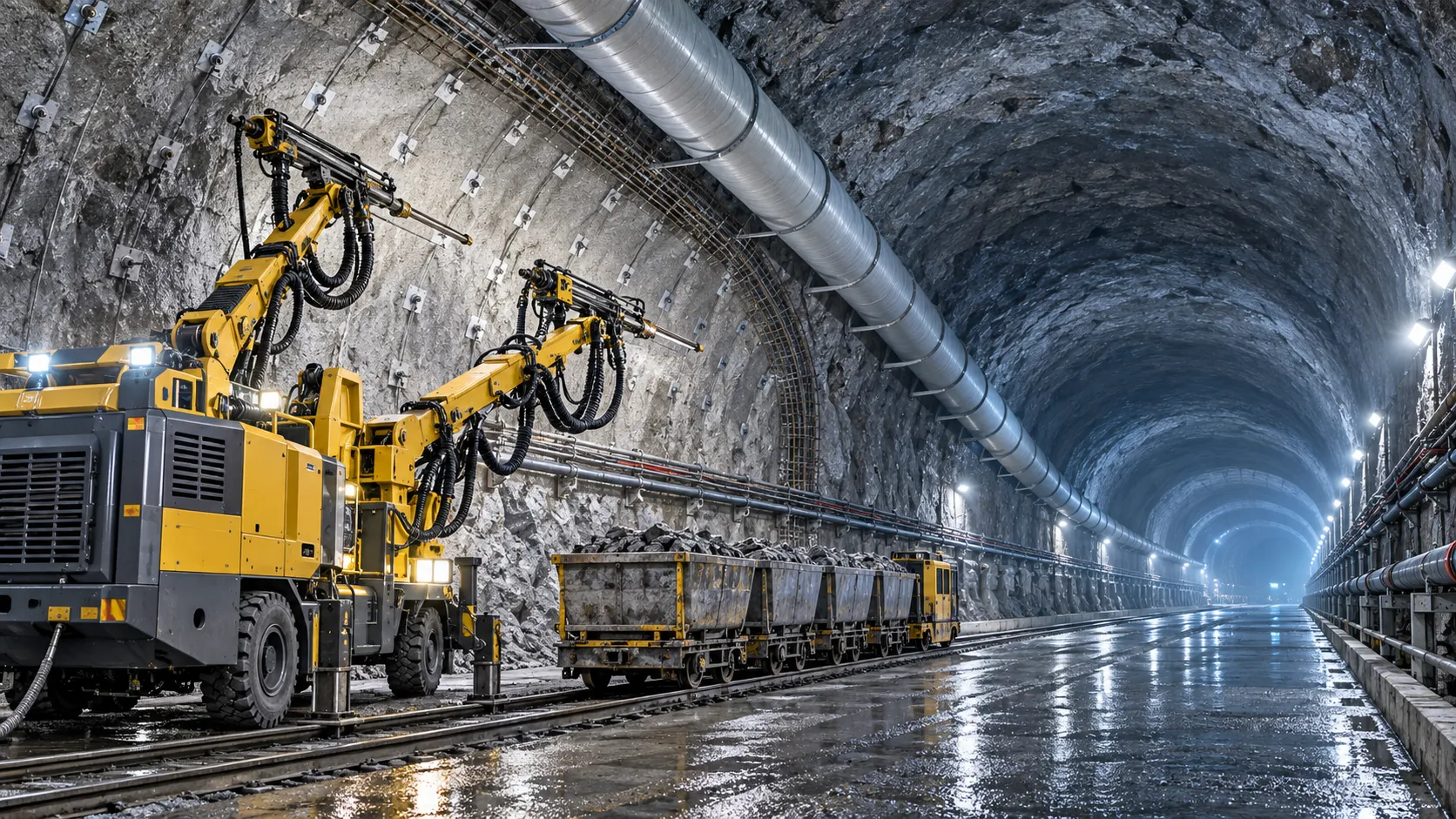
How to Evaluate European Drill-and-Blast Tunnelling Contractors for Complex Projects
Drill and blast tunnelling contractors Europe: learn how to assess geology expertise, blast control, equipment reliability, safety, and programme resilience for complex projects.
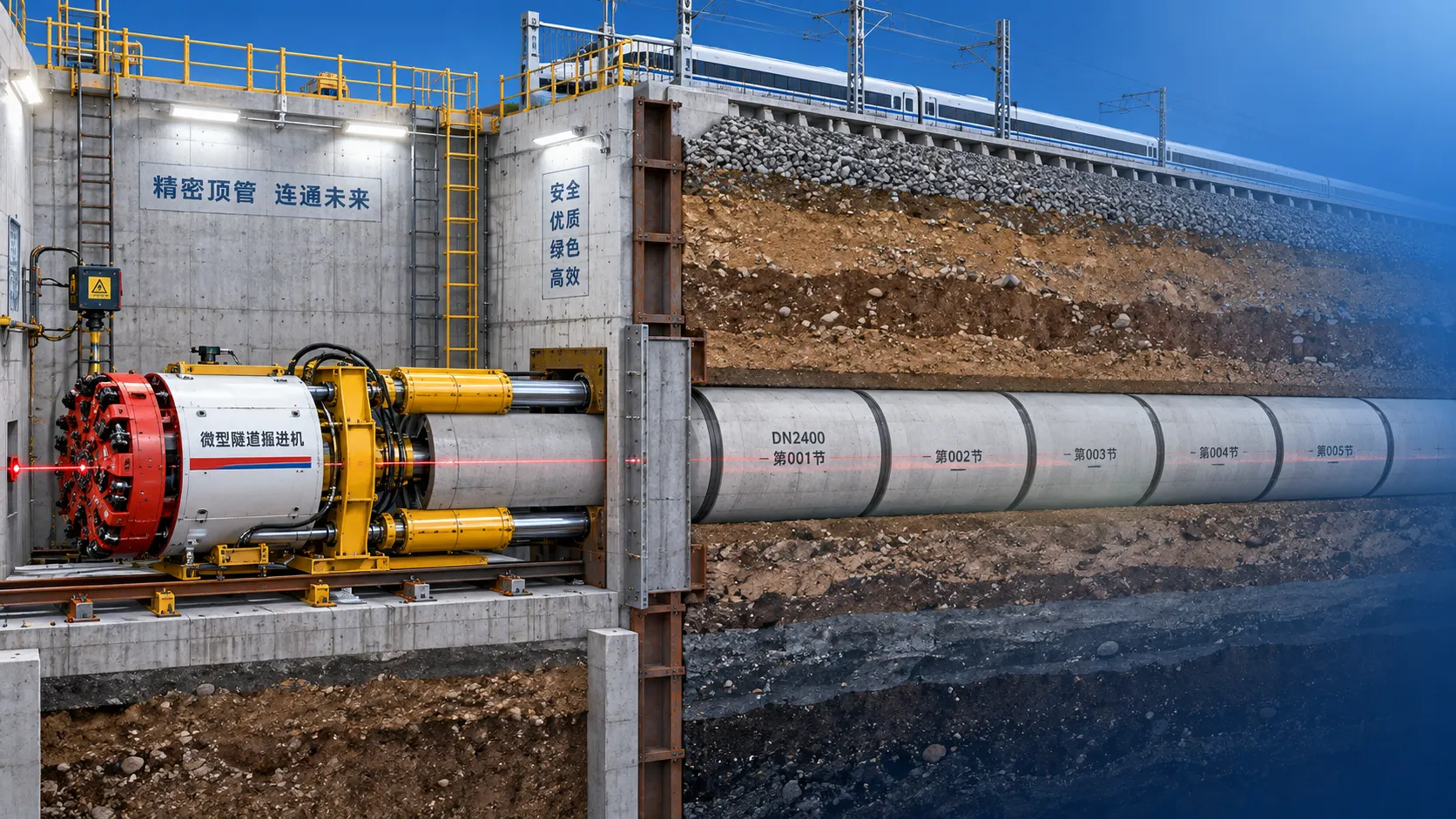
Which Trenchless Construction Technique Fits Your Utility Crossing Conditions?
Trenchless construction techniques compared for utility crossings: choose HDD, microtunnelling, pipe jacking, or auger boring based on ground, accuracy, access, and risk.
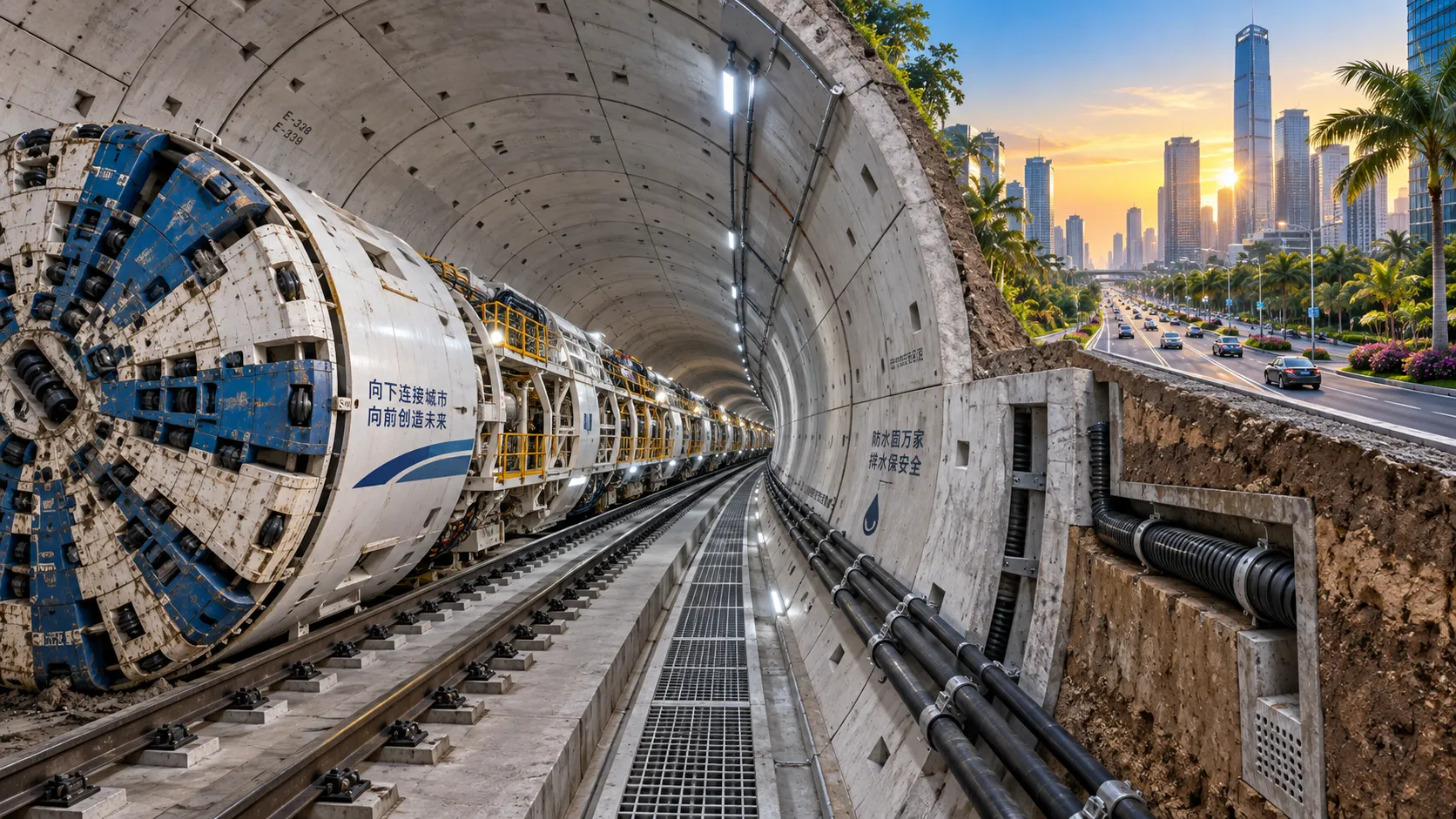
What Is Driving Metro Tunnelling Demand Across Southeast Asia’s Major Cities?
Metro tunnelling Southeast Asia is accelerating as major cities tackle congestion, flooding, and connectivity. Explore the market forces, technical risks, and opportunities shaping demand.
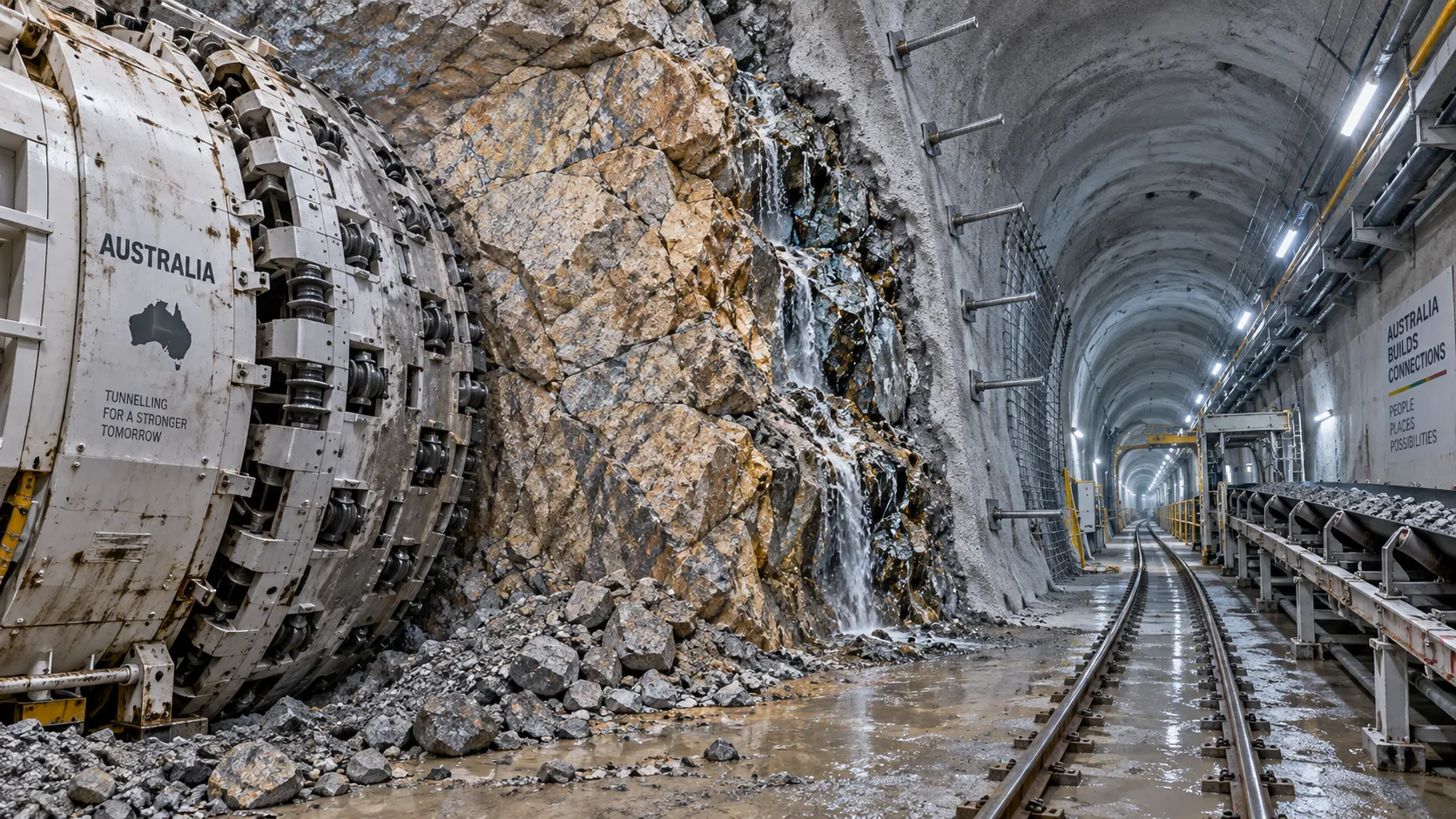
Hard Rock Tunnelling in Australia: Selecting Methods for Variable Ground Conditions
Hard rock tunnelling in Australia: compare TBM, drill-and-blast and hybrid methods to manage variable ground, reduce risk and protect project costs.
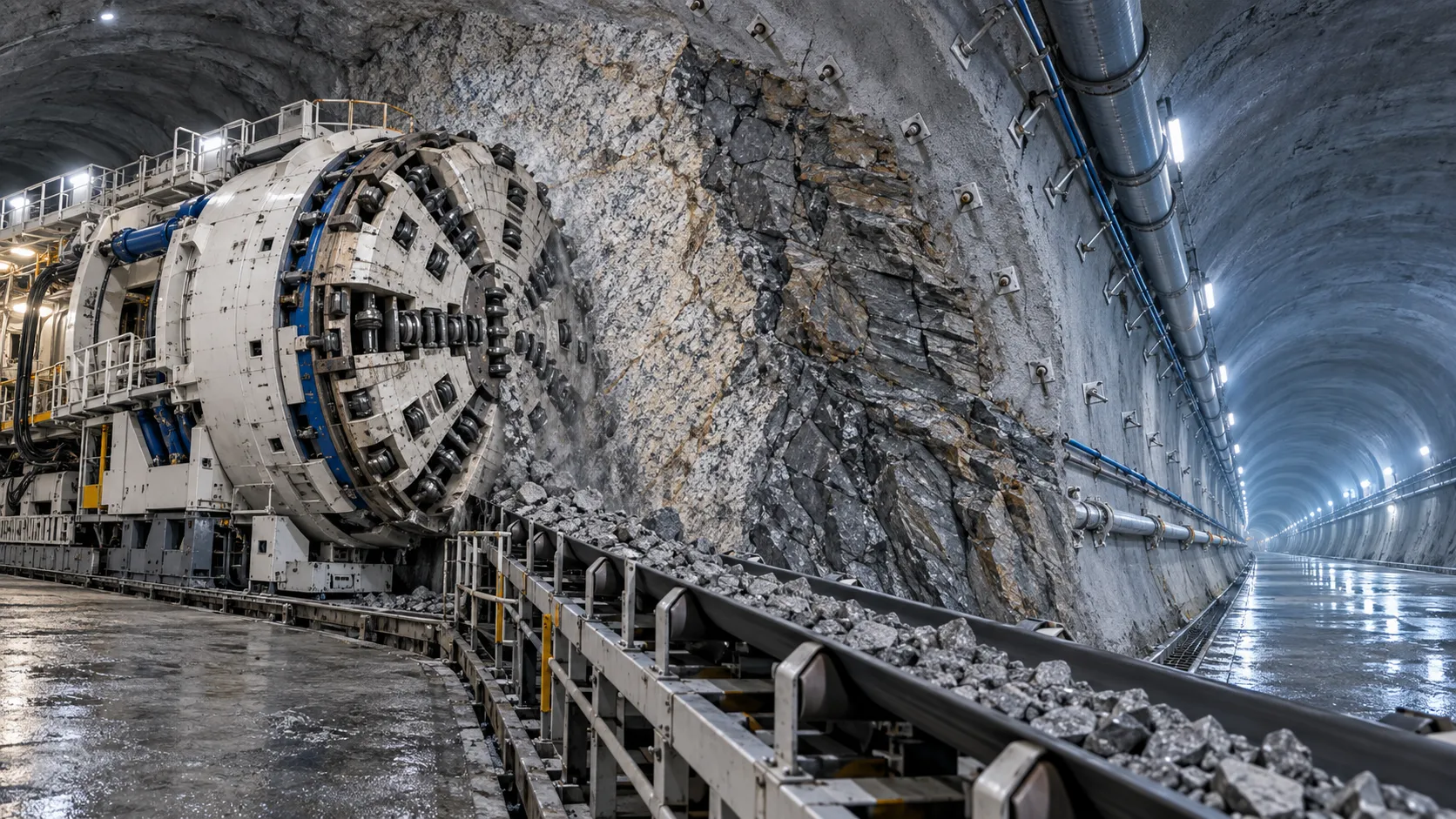
Hydropower Tunnel Excavation: Selecting Methods for Variable Rock Conditions
Hydropower tunnel excavation methods for variable rock conditions: compare TBM, drill-and-blast, and hybrid strategies to improve safety, progress, and project control.
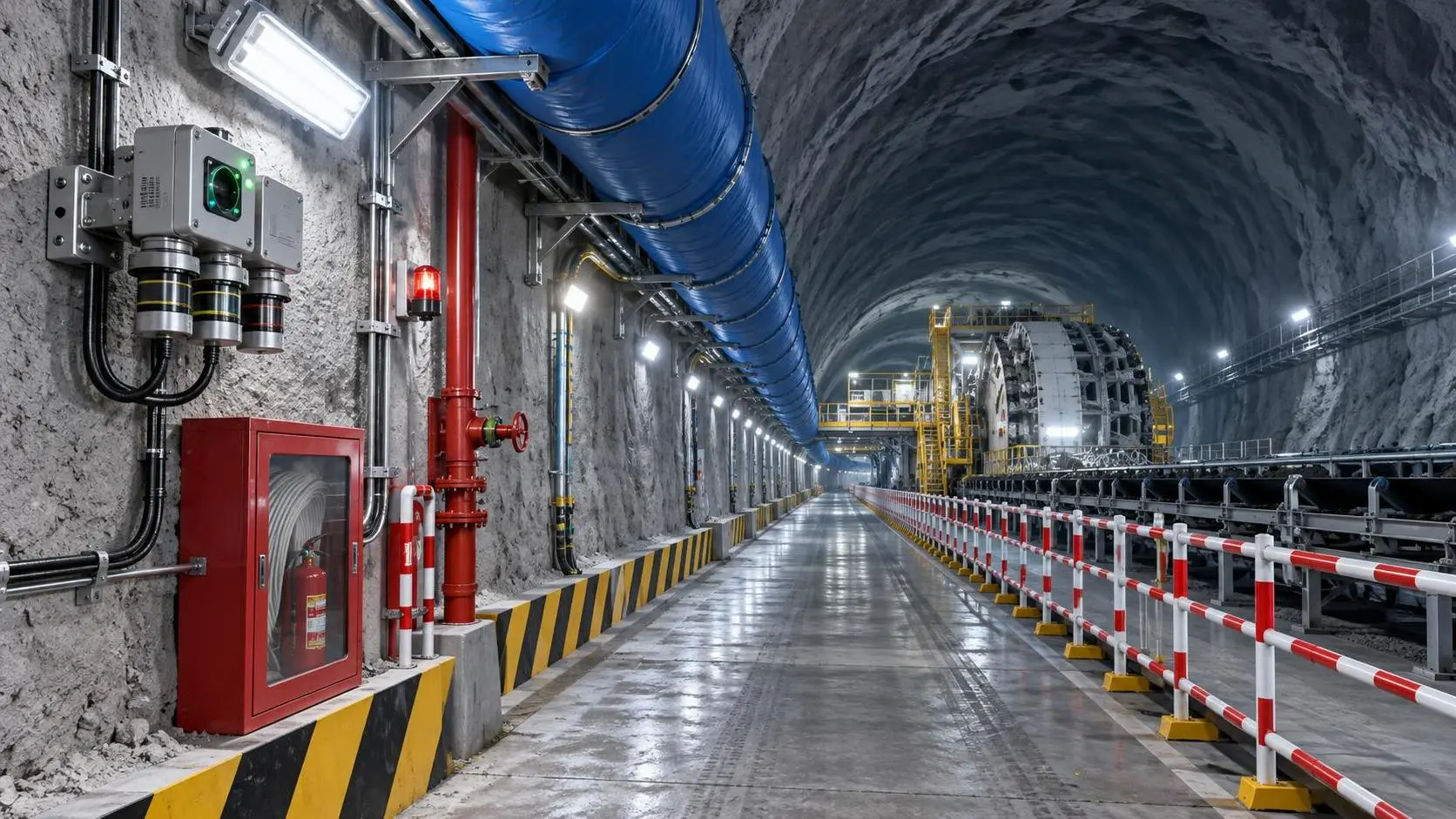
How to Select Underground Safety Equipment for Tunnelling by Hazard and Work Zone
Underground Safety Equipment for tunnelling: match protection to hazards, work zones, compliance, and emergency needs with this practical selection guide.
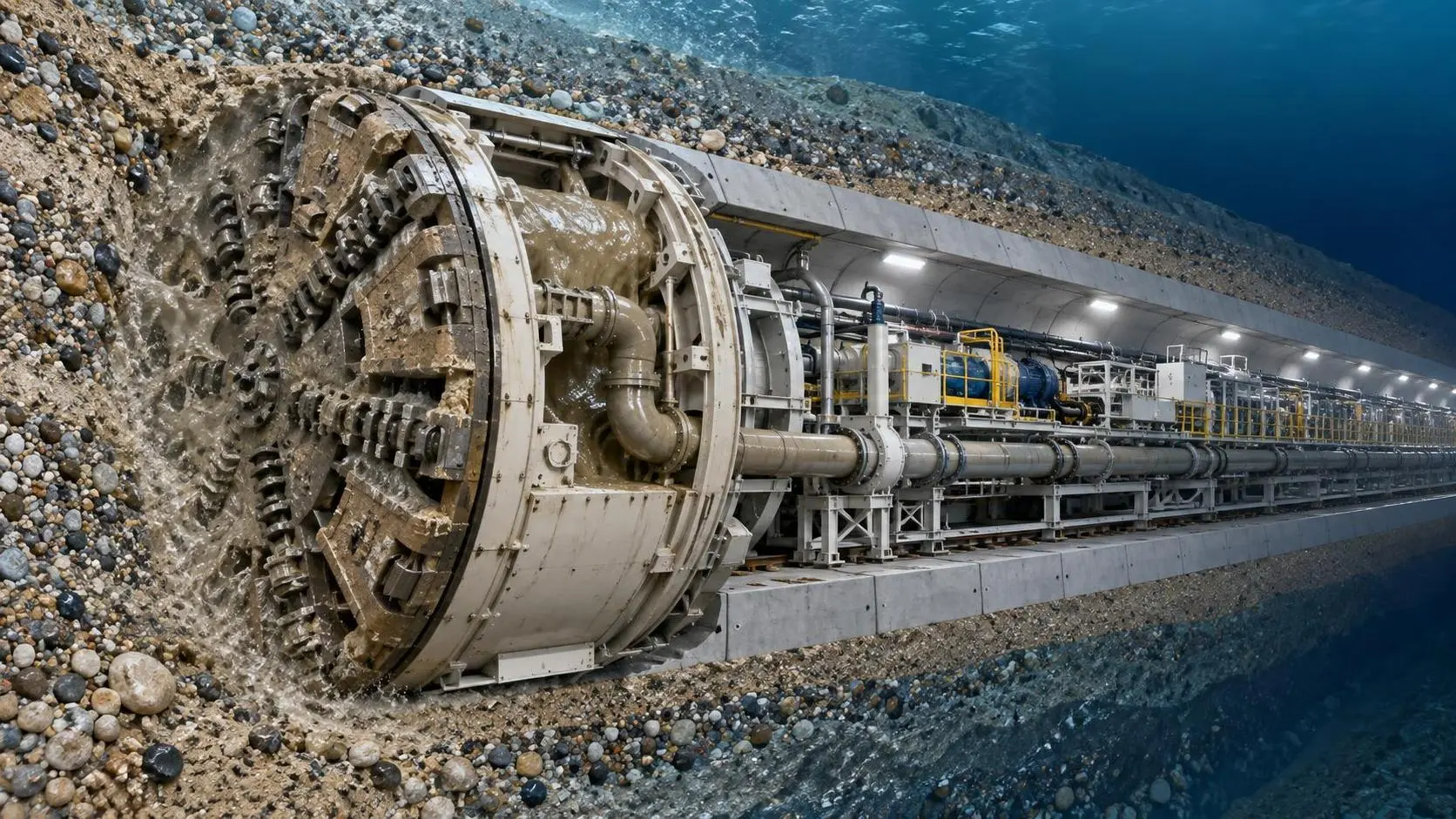
EPB or Slurry Shield? Selecting Soft-Ground Tunnelling Equipment by Soil Conditions
Tunnel Excavation Equipment for soft ground: compare EPB and slurry shields by soil, groundwater, settlement risk, and project logistics to choose confidently.
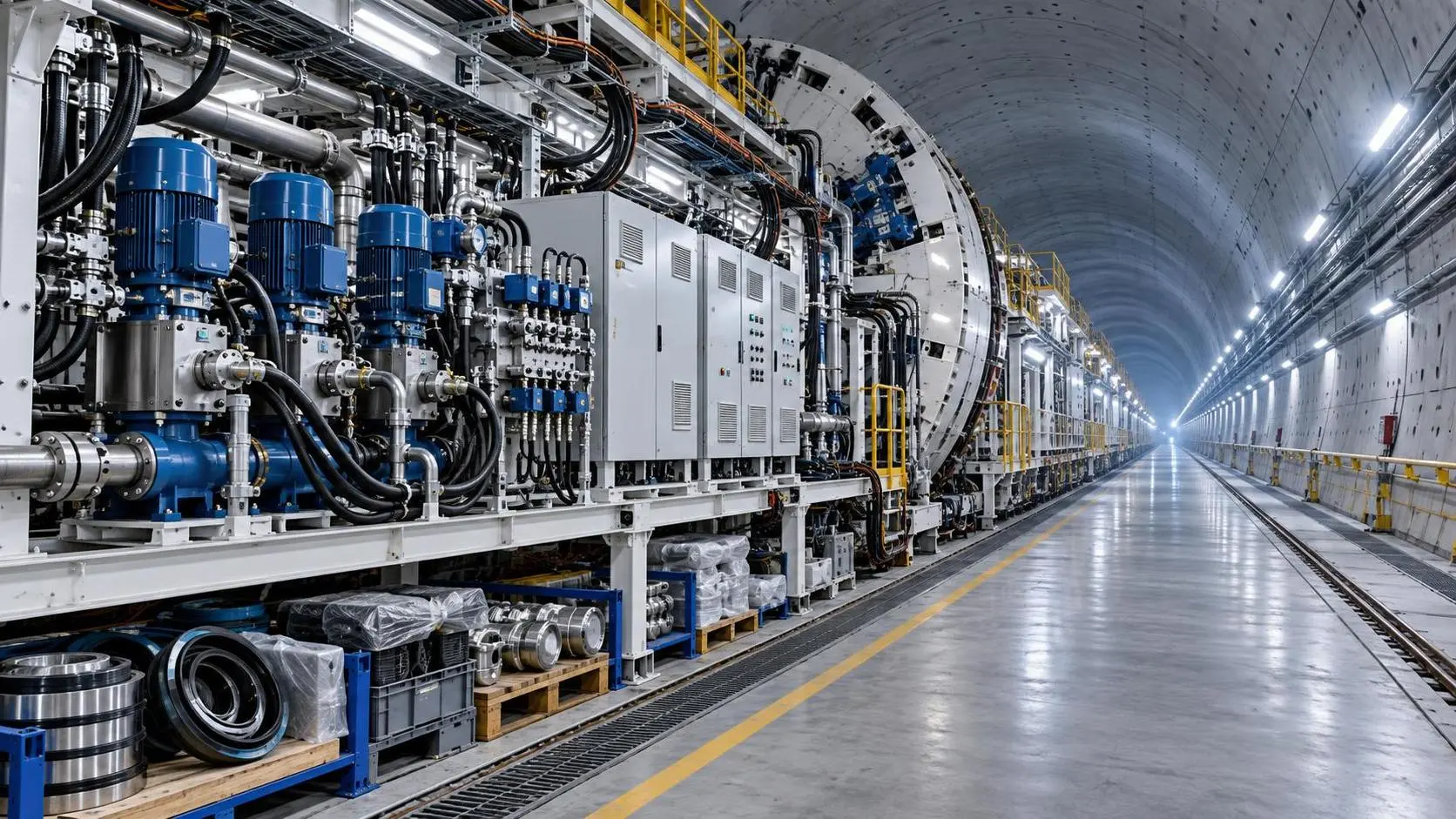
How to Specify TBM Backup System Parts for Reliable Long-Distance Tunnelling
TBM backup system parts: learn how to specify reliable spares for long-distance tunnelling, reduce downtime, ensure compatibility, and speed underground recovery.

How to Size Open Pit Mining Trucks for Haul Distance, Grade, and Payload?
Open Pit Mining Trucks: learn how to match payload, haul distance, grade, road resistance, and loading capacity for safer, lower-cost mine operations.
Related News
- 00
0000-00
How to Evaluate European Drill-and-Blast Tunnelling Contractors for Complex Projects - 00
0000-00
Which Trenchless Construction Technique Fits Your Utility Crossing Conditions? - 00
0000-00
What Is Driving Metro Tunnelling Demand Across Southeast Asia’s Major Cities? - 00
0000-00
Hard Rock Tunnelling in Australia: Selecting Methods for Variable Ground Conditions - 00
0000-00
Hydropower Tunnel Excavation: Selecting Methods for Variable Rock Conditions
Weekly Insights
Stay ahead with our curated technology reports delivered every Monday.