
How to Select a Battery-Electric LHD Loader for Underground Mining Conditions





How to Select a Battery-Electric LHD Loader for Underground Mining Conditions
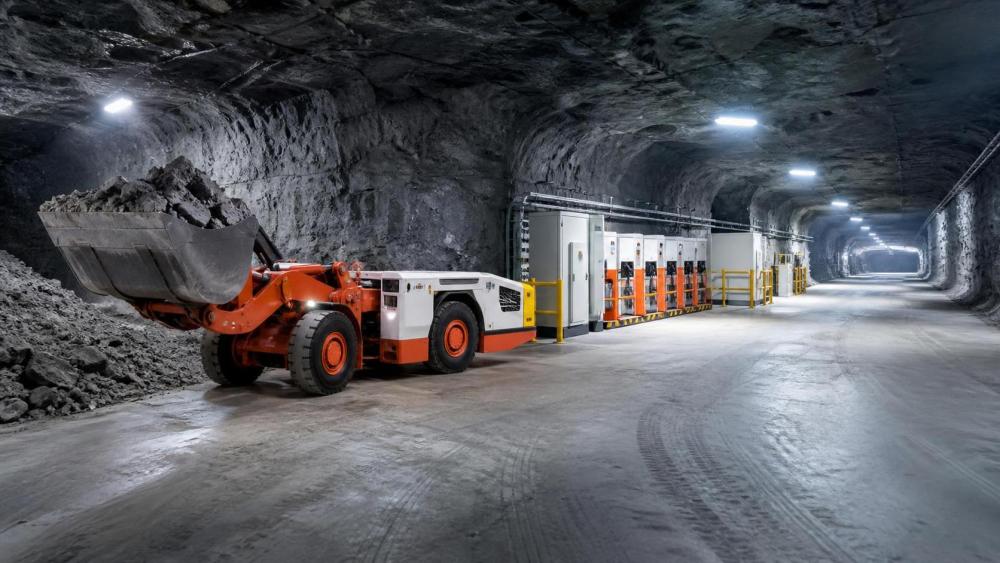
Selecting a battery-electric LHD loader for underground mining is not a simple comparison of nominal payload, battery capacity, or brochure dimensions. In a confined mine, the loader is part of a production system shaped by stope layout, ground conditions, ventilation, traffic rules, ore characteristics, electrical distribution, and maintenance access. A machine that looks well matched on paper can become a bottleneck if its battery-change process interrupts the cycle, its turning envelope does not suit the drift, or its controls cannot integrate with the mine’s automation plan.
For technical evaluators, the right question is not “Which battery-electric LHD has the largest battery?” It is “Which machine can sustain the required tonnes moved per shift under this mine’s actual constraints?” That distinction matters because zero tailpipe emissions improve underground air quality, but electrification also moves part of the engineering challenge into energy logistics, thermal management, electrical infrastructure, and operating discipline.
Battery-electric LHDs are increasingly considered for production stopes, development headings, remuck work, and mines seeking to reduce diesel particulate exposure and ventilation demand. Yet each application produces a different load profile. A short, repetitive loading cycle near an orepass is fundamentally different from a long ramp haul with grade changes, frequent congestion, and variable muck fragmentation. The selection process should begin with the duty cycle, not the equipment catalogue.
Start With the Mine Geometry and Production Route
The physical envelope remains the first filter. Record the minimum drift width and height, intersection geometry, loading-bay dimensions, dump-point approach, grade, crossfall, and available clearance around services. Do not rely only on nominal tunnel dimensions. Rock support, ventilation ducting, cable trays, pipework, uneven floors, and accumulated spillage can materially reduce usable space.
A loader’s width and height are only part of the picture. Technical teams should also check the articulation envelope, outside turning radius, bucket sweep, rear-frame clearance, axle oscillation, and visibility at the loading face. In narrow headings, an operator may be able to physically pass through a drift while still losing cycle time through repeated steering corrections. That lost time is often more consequential than a modest difference in rated bucket capacity.
Haul distance should be separated into loaded and empty travel, rather than treated as one number. The loaded leg may include an uphill ramp, while the empty return may offer regenerative braking potential. Both affect battery energy use, brake loading, traction demand, and achievable cycle consistency. Road condition deserves equal attention: loose material, water, ruts, and sharp rocks can change rolling resistance and tyre wear substantially over a shift.
Match Payload to Material, Not Just to a Rated Figure
Rated payload is useful, but it does not guarantee the same production outcome across mines. Ore density, fragmentation, moisture, dilution, bucket fill factor, and operator loading practice all influence the tonnes carried in each pass. Dense ore can make payload limiting before bucket volume is fully used; low-density broken rock can fill the bucket before reaching the rated payload. Oversized fragments may reduce fill factor or demand a different bucket configuration.
Request bucket options and determine which one reflects the intended material. A machine selected around an oversized bucket may appear productive in a capacity calculation but may repeatedly operate at an unsuitable payload or create visibility and stability concerns. Conversely, a smaller bucket can be the better production choice where fragmentation is inconsistent, headings are tight, or clean floor control matters.
Breakout force, hydraulic response, traction control, and tyre selection should be evaluated together. Poor traction at the pile can add seconds to every bucket fill and increase energy consumption. In wet or abrasive workings, protection for hoses, cylinders, battery enclosures, and high-voltage cables needs inspection-level scrutiny. The underground environment is unforgiving of components that are accessible only in ideal workshop conditions.
Calculate Energy Demand From the Real Shift Profile
Battery capacity stated in kilowatt-hours is not a direct measure of usable production time. The practical question is whether the available energy supports the planned number of cycles, including loading, hauling, dumping, idle time, tramming between work areas, and reserve capacity for unplanned delays. Gradient, rolling resistance, ambient temperature, payload, auxiliary loads, and driving style all influence the result.
A robust evaluation uses a site-specific duty-cycle model. Mine planners should supply representative route profiles and expected cycle times; the equipment supplier should explain the assumptions behind projected energy use. If the proposed duty cycle excludes congestion, poor road sections, or repeated high-force digging, the estimate may be optimistic. It is sensible to test the machine against normal production conditions and against the less tidy conditions that regularly occur after blasting, during shift change, or when traffic patterns change.
Battery Swapping, Charging, and the Hidden System Around the Loader
For many underground operations, battery swapping is attractive because the machine can return to work without waiting for a full recharge. But a swap system is not simply an optional accessory. It introduces battery handling equipment, designated swap bays, charging capacity, traffic interfaces, inventory of battery packs, inspection routines, and trained personnel. Its value depends on how well those elements fit the operating schedule.
Assess where swapping will occur. A central location may simplify electrical infrastructure and maintenance, but it can add unproductive travel. A location close to production areas reduces tramming time but may be difficult to service, ventilate, or protect from blasting activity. The safest layout is not automatically the most productive one, so the design should involve mine planning, electrical engineering, safety, and operations from the outset.
Charging equipment must also be evaluated for compatibility with the mine’s electrical network and site operating conditions. Confirm supply voltage, power quality expectations, protection systems, earthing arrangements, environmental limitations, and any local requirements applicable to electrical equipment underground. Battery condition monitoring, thermal management, isolation procedures, and emergency response arrangements should be reviewed as part of the machine package, not postponed until commissioning.
Safety Review Must Go Beyond “No Diesel Exhaust”
A battery-electric LHD removes diesel exhaust at the point of operation, which can materially change ventilation planning and worker exposure conditions. It does not eliminate the need for a disciplined underground safety assessment. High-voltage isolation, battery damage response, fire detection and suppression arrangements, emergency egress, towing provisions, braking performance, and service access all require site-specific review.
Ask suppliers to walk through credible failure scenarios: a machine immobilized on a ramp, a damaged battery enclosure after rock contact, loss of communications during tele-remote operation, or a charger fault in a constrained bay. The quality of those discussions is often revealing. A practical design will show clear access points, understandable isolation steps, diagnostic visibility, and defined recovery procedures. These details are especially important where emergency teams have limited room to work around the machine.
Operator visibility remains relevant even if a mine plans to move toward remote control. Check camera placement, lighting, detection systems, mirrors where used, windshield protection, and cleaning access. Dust, mud, and water can degrade sensors quickly. Automation and collision-avoidance functions should be tested in the mine’s actual lighting, dust, radio, and traffic environment rather than assumed to perform identically everywhere.
Choose for Automation Compatibility Without Buying an Unused Capability
Battery-electric LHDs are often considered alongside tele-remote or autonomous operation because removing the operator from the production area can improve exposure control in certain tasks. Still, automation readiness is not the same as immediate autonomous production. The mine needs reliable communications, route definition, positioning capability, traffic rules, control-room workflows, and a maintenance team able to support sensors and software.
A sensible procurement approach separates the capabilities needed at commissioning from those required later. For example, a mine may need tele-remote loading now, fleet data integration next year, and more advanced autonomous tramming only after network and traffic-management upgrades. Verify whether the machine architecture can accommodate that path, what hardware is already installed, and what future upgrades would require. Avoid paying for a complex feature set that cannot be supported by the site’s communications or operating model.
This is where underground intelligence should connect equipment selection with the wider mine plan. UTMD follows the intersection of zero-emission machinery, rock-cutting operations, and digital underground transport systems because the loader is rarely an isolated asset. Its performance is tied to drilling and blasting sequencing, orepass availability, service infrastructure, mapping quality, and the evolving role of remote operations in deep mines.
Compare Lifecycle Support, Not Only Purchase Scope
The total cost decision should include more than the machine price and expected energy savings. Review planned maintenance intervals, access to wearable components, diagnostic tools, battery warranty terms, software support, spare-parts availability, technician training, and the supplier’s ability to support the mine’s location. A loader with sophisticated electrical systems still depends on practical fundamentals: access to filters, hoses, pins, tyres, cooling components, and replacement parts.
Ask for a clear responsibility matrix covering the loader, batteries, chargers, swap equipment, communications interfaces, and any automation layer. Ownership gaps often appear when a problem crosses boundaries—for example, when charging performance affects production but the root cause lies in electrical supply, battery condition, or operating practice. The procurement specification should state acceptance criteria and identify the data needed to verify them during commissioning.
A Better Final Selection Process
Before selecting a battery electric LHD loader underground, build a decision file containing surveyed route geometry, material characteristics, production targets, representative duty cycles, power availability, ventilation assumptions, maintenance constraints, and the automation roadmap. Then evaluate shortlisted machines against that file using the same operating assumptions. This makes comparisons more defensible than relying on separate supplier presentations.
The strongest choice is usually not the loader with the most impressive individual specification. It is the one whose payload, energy strategy, physical dimensions, safety design, service model, and digital interfaces fit the mine as a working system. For deep and increasingly automated operations, that systems view is becoming essential. It is also the practical lens through which UTMD tracks underground LHD development: not as a standalone technology shift, but as part of the wider move toward reliable, lower-emission, intelligently managed mining below the surface.
Related News
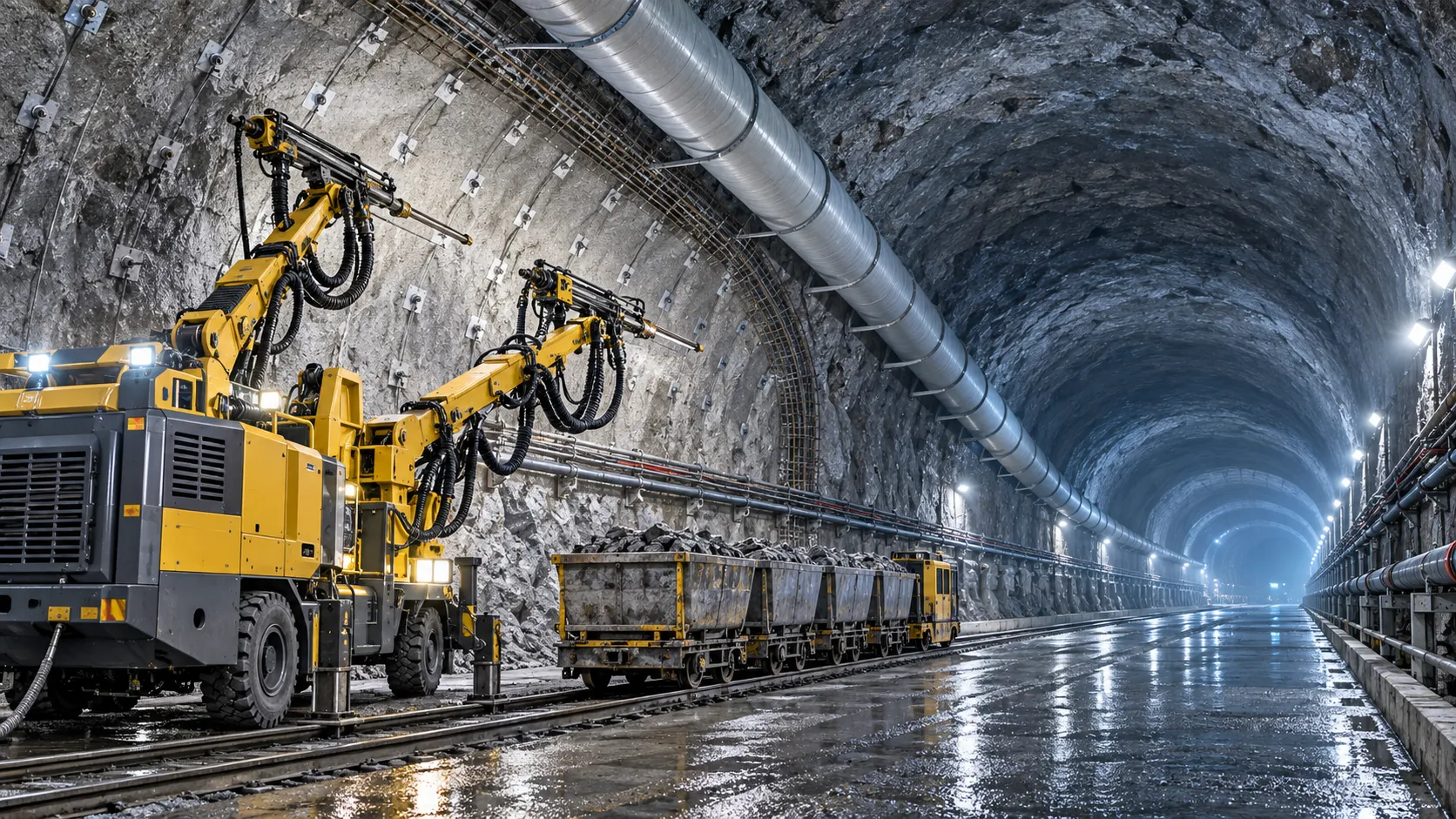
How to Evaluate European Drill-and-Blast Tunnelling Contractors for Complex Projects
Drill and blast tunnelling contractors Europe: learn how to assess geology expertise, blast control, equipment reliability, safety, and programme resilience for complex projects.
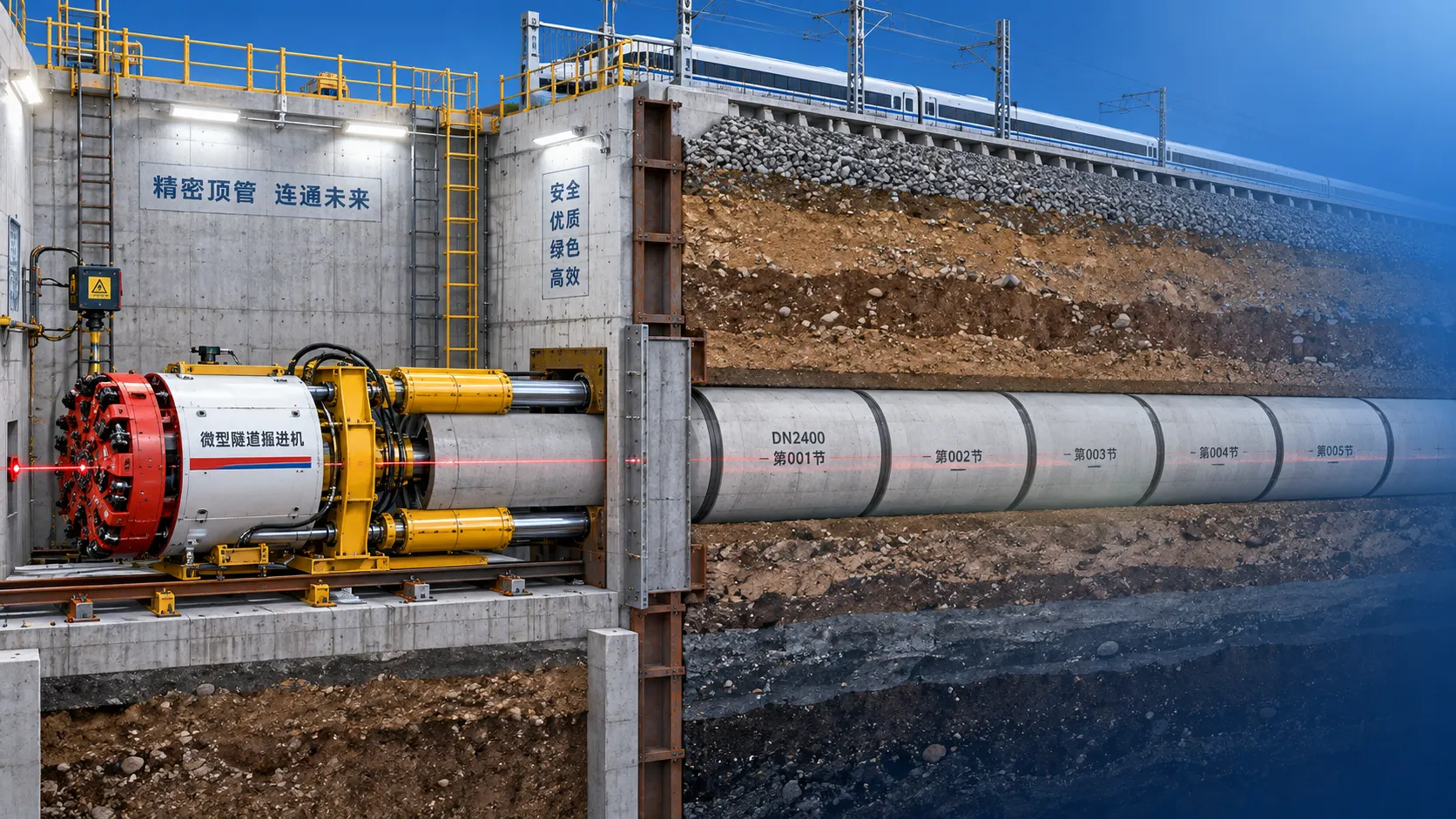
Which Trenchless Construction Technique Fits Your Utility Crossing Conditions?
Trenchless construction techniques compared for utility crossings: choose HDD, microtunnelling, pipe jacking, or auger boring based on ground, accuracy, access, and risk.
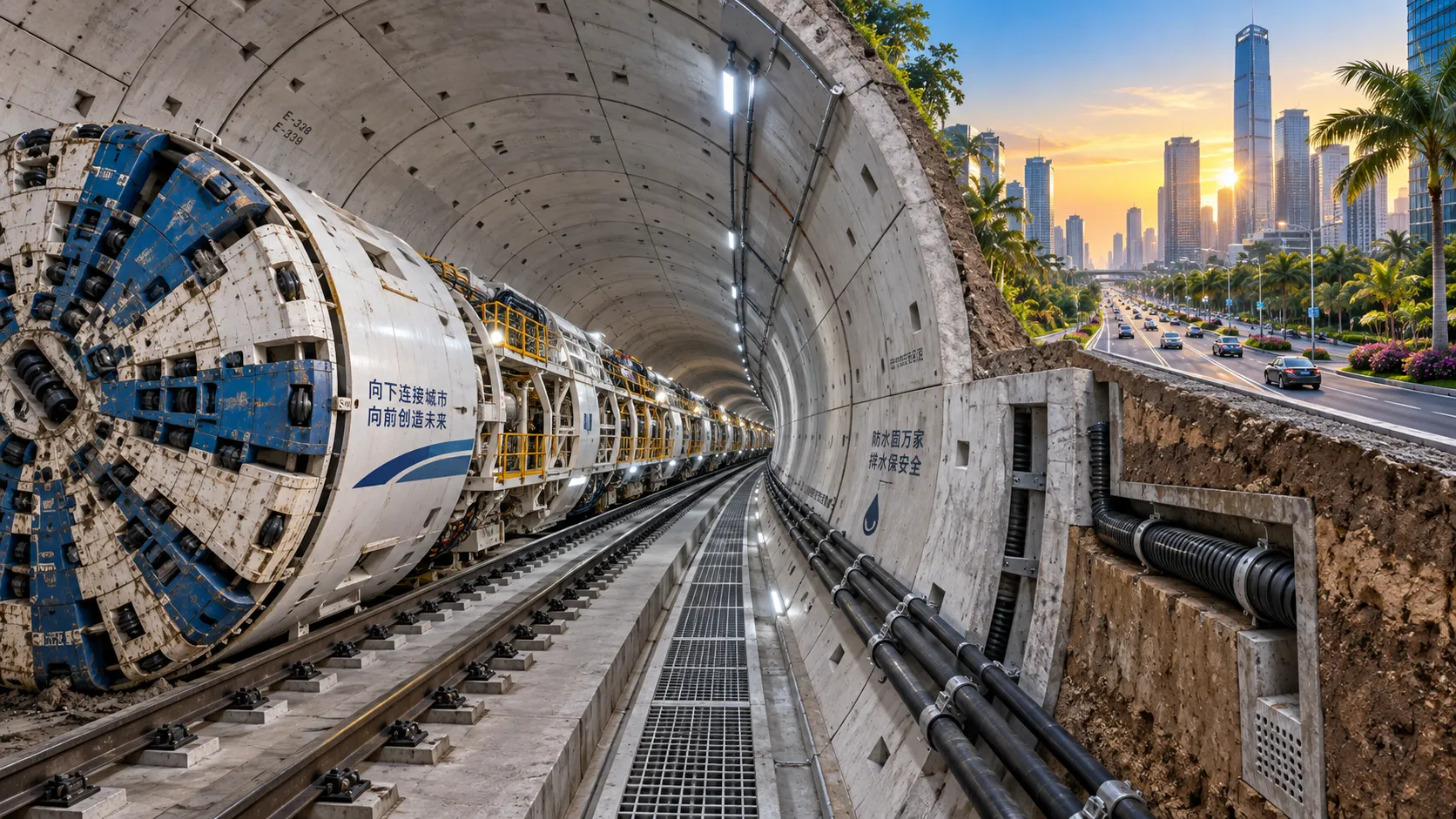
What Is Driving Metro Tunnelling Demand Across Southeast Asia’s Major Cities?
Metro tunnelling Southeast Asia is accelerating as major cities tackle congestion, flooding, and connectivity. Explore the market forces, technical risks, and opportunities shaping demand.
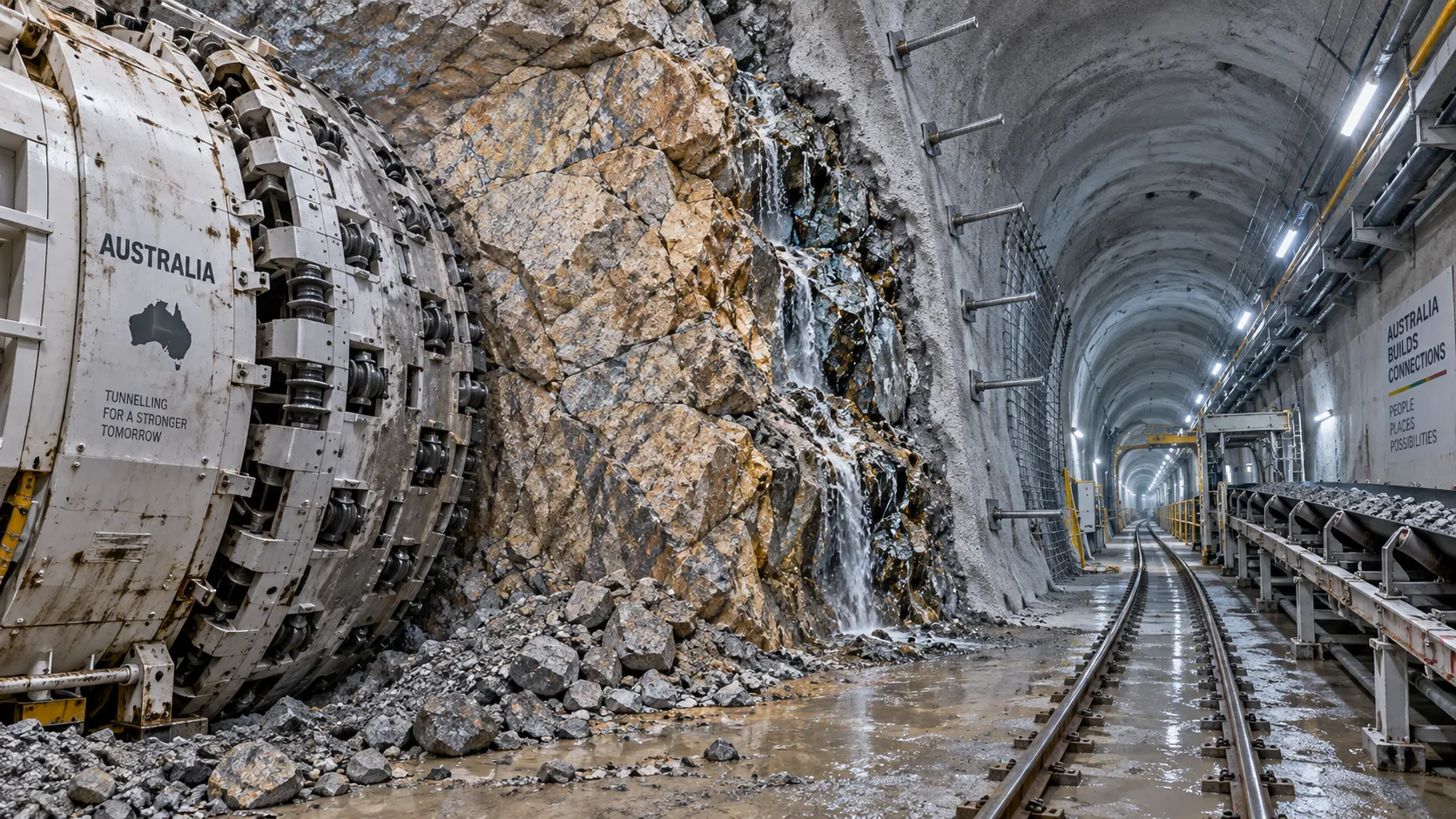
Hard Rock Tunnelling in Australia: Selecting Methods for Variable Ground Conditions
Hard rock tunnelling in Australia: compare TBM, drill-and-blast and hybrid methods to manage variable ground, reduce risk and protect project costs.
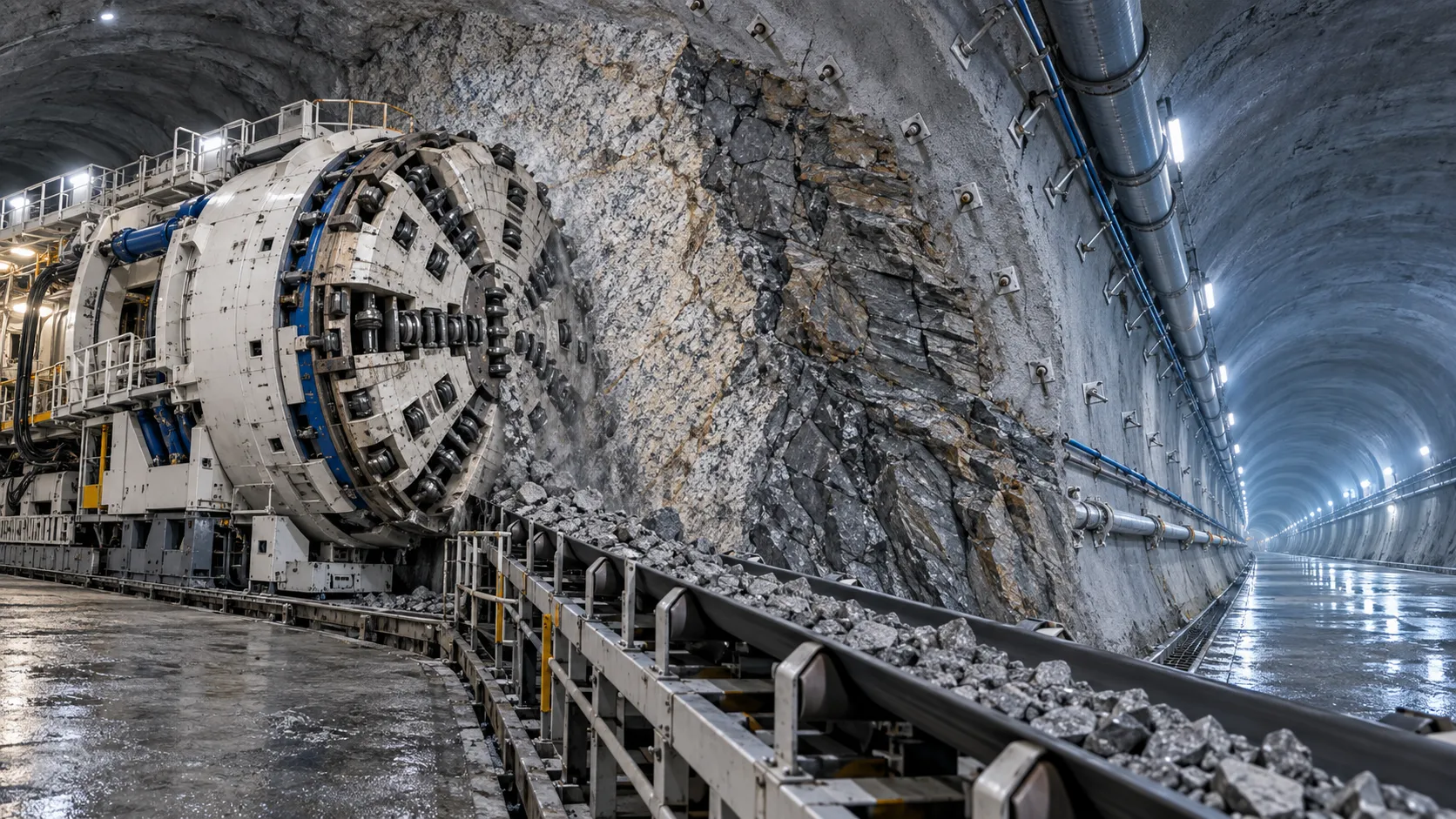
Hydropower Tunnel Excavation: Selecting Methods for Variable Rock Conditions
Hydropower tunnel excavation methods for variable rock conditions: compare TBM, drill-and-blast, and hybrid strategies to improve safety, progress, and project control.
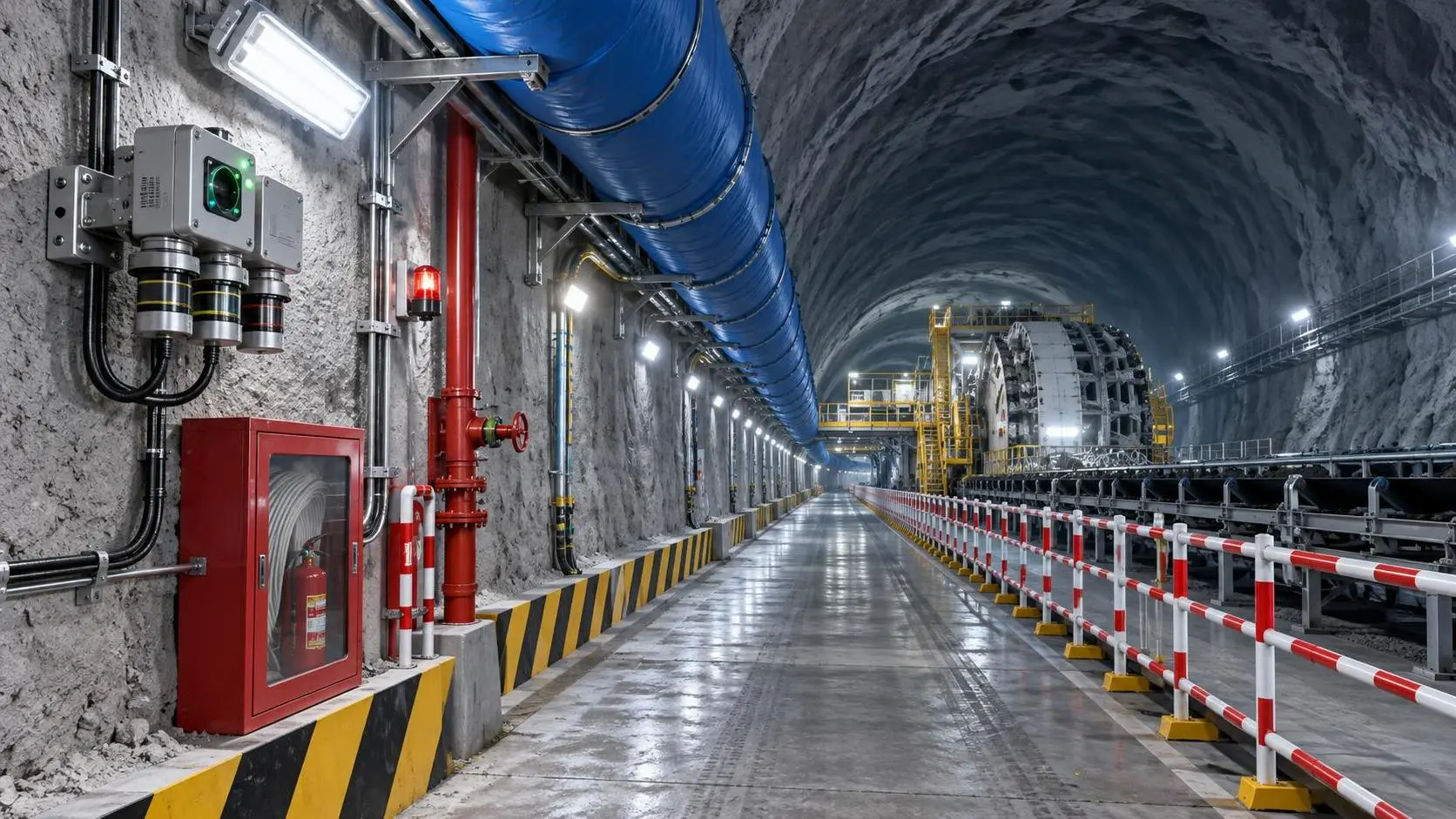
How to Select Underground Safety Equipment for Tunnelling by Hazard and Work Zone
Underground Safety Equipment for tunnelling: match protection to hazards, work zones, compliance, and emergency needs with this practical selection guide.
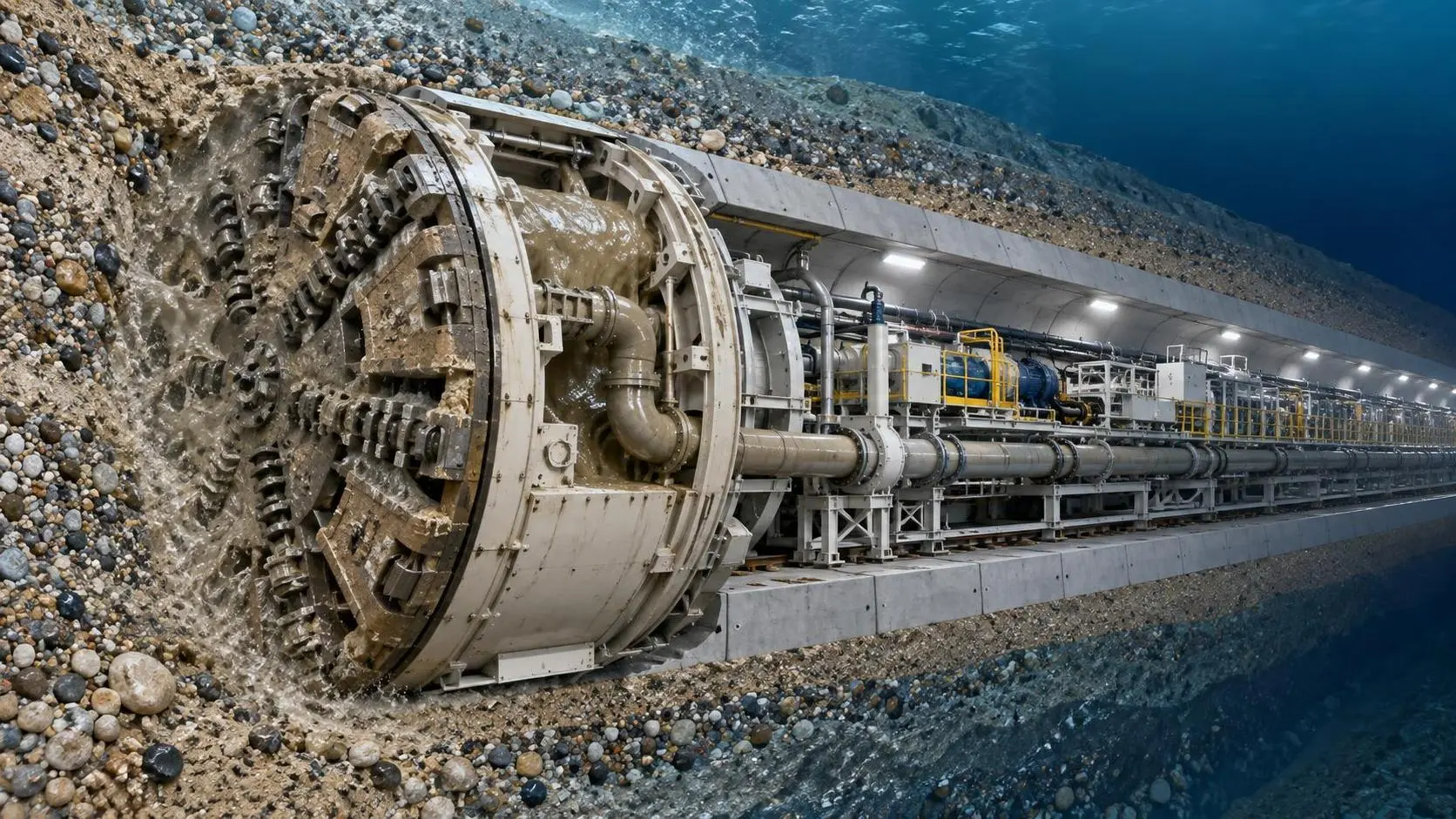
EPB or Slurry Shield? Selecting Soft-Ground Tunnelling Equipment by Soil Conditions
Tunnel Excavation Equipment for soft ground: compare EPB and slurry shields by soil, groundwater, settlement risk, and project logistics to choose confidently.
How to Specify TBM Backup System Parts for Reliable Long-Distance Tunnelling
TBM backup system parts: learn how to specify reliable spares for long-distance tunnelling, reduce downtime, ensure compatibility, and speed underground recovery.
How to Size Open Pit Mining Trucks for Haul Distance, Grade, and Payload?
Open Pit Mining Trucks: learn how to match payload, haul distance, grade, road resistance, and loading capacity for safer, lower-cost mine operations.
Related News
- 00
0000-00
How to Evaluate European Drill-and-Blast Tunnelling Contractors for Complex Projects - 00
0000-00
Which Trenchless Construction Technique Fits Your Utility Crossing Conditions? - 00
0000-00
What Is Driving Metro Tunnelling Demand Across Southeast Asia’s Major Cities? - 00
0000-00
Hard Rock Tunnelling in Australia: Selecting Methods for Variable Ground Conditions - 00
0000-00
Hydropower Tunnel Excavation: Selecting Methods for Variable Rock Conditions
Weekly Insights
Stay ahead with our curated technology reports delivered every Monday.