
MSHA Proposes Silica Rule Update to Protect Miners





On November 10, 2026, the U.S. Department of Labor’s Mine Safety and Health Administration (MSHA) issued an updated proposal aimed at protecting miners from silica dust exposure. The proposal retains a permissible exposure limit for respirable crystalline silica of 50 micrograms per cubic meter of air or less, while clarifying and improving compliance requirements associated with the 2024 final rule.
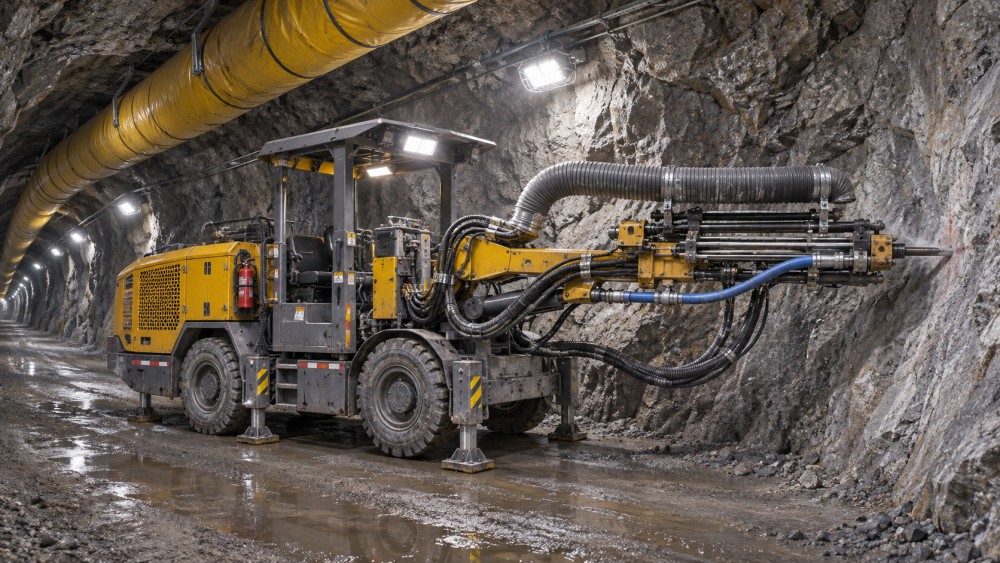
The proposal is relevant to mining operators assessing exposure controls and to suppliers of ventilation, dust suppression and drilling equipment. Underground rock drilling and borehole drilling are among the activities highlighted for their connection to ventilation, dust collection and wet drilling practices.
What the proposed update means
The retained exposure limit gives operators a numerical reference for assessing respirable crystalline silica exposure. The proposed changes to compliance requirements, however, are a separate part of the story: a limit can remain unchanged while the requirements associated with meeting it are clarified or revised.
The announcement describes a proposal, so its treatment as a proposed change matters when assessing its practical implications. The detailed compliance requirements and their eventual application will shape how operators evaluate existing controls and decide whether changes are needed.
For mines, the immediate question is how the proposed requirements relate to conditions in specific work areas. In underground drilling, that could mean examining how ventilation and dust collection work alongside wet drilling methods. The retained limit provides a point of reference, but it does not by itself establish that any particular piece of equipment or technique will be sufficient in every setting.
Potential effects on equipment and operations
The clearest potential impact is on the link between exposure control and equipment selection. If clarified compliance requirements call for changes in how mines manage silica exposure, operators may reassess ventilation and dust control arrangements used around drilling work. Wet drilling technology could also receive closer attention as part of that assessment.
These decisions may involve more than purchasing equipment. Operators may need to consider how a control method fits the drilling activity and the surrounding work area, and whether different controls work effectively together. The outcome will depend on the final requirements and on conditions at each mine.
For equipment suppliers, the proposal creates a reason to examine how their products support customers’ exposure control needs. Manufacturers of ventilation and dust collection systems, as well as suppliers of wet drilling technology, could face different customer questions as operators review their arrangements. Whether those questions translate into equipment upgrades or additional purchases remains dependent on the final rule and individual mine decisions.
The direct regulatory context is the United States. Mining businesses and equipment suppliers operating across markets may also follow the proposal because it can affect equipment decisions connected to U.S. operations. Its release alone does not establish a change in legal requirements elsewhere.
What to watch as the proposal develops
The most consequential detail to follow is how the proposed clarification of the 2024 rule’s compliance requirements takes final form. Operators and suppliers will need to understand which requirements apply to their activities and how those requirements relate to existing exposure controls.
The distinction between the exposure limit and the means of meeting compliance obligations will remain central. A retained numerical limit signals continuity in that measure, while the proposed compliance changes could affect how operators assess their arrangements. The extent of any resulting equipment or operational changes will depend on the rule’s final provisions and their application at individual mines.
Related News
Mega Tunnel Contractors: How to Evaluate Experience and Project Risks
Evaluate mega tunnel contractors with confidence. Learn how to assess relevant experience, ground risks, construction plans, and bid assumptions before award.
Hudson Tunnel Project’s Second TBM Begins Excavating South Tunnel
Hudson Tunnel Project’s second TBM begins south tunnel excavation. Explore what this milestone could mean for contractors and suppliers.
How Bolting Jumbo Automation Works in Underground Rock Support
Explore how bolting jumbo automation coordinates drilling and rock support, and discover what to assess for safer, more consistent underground operations.
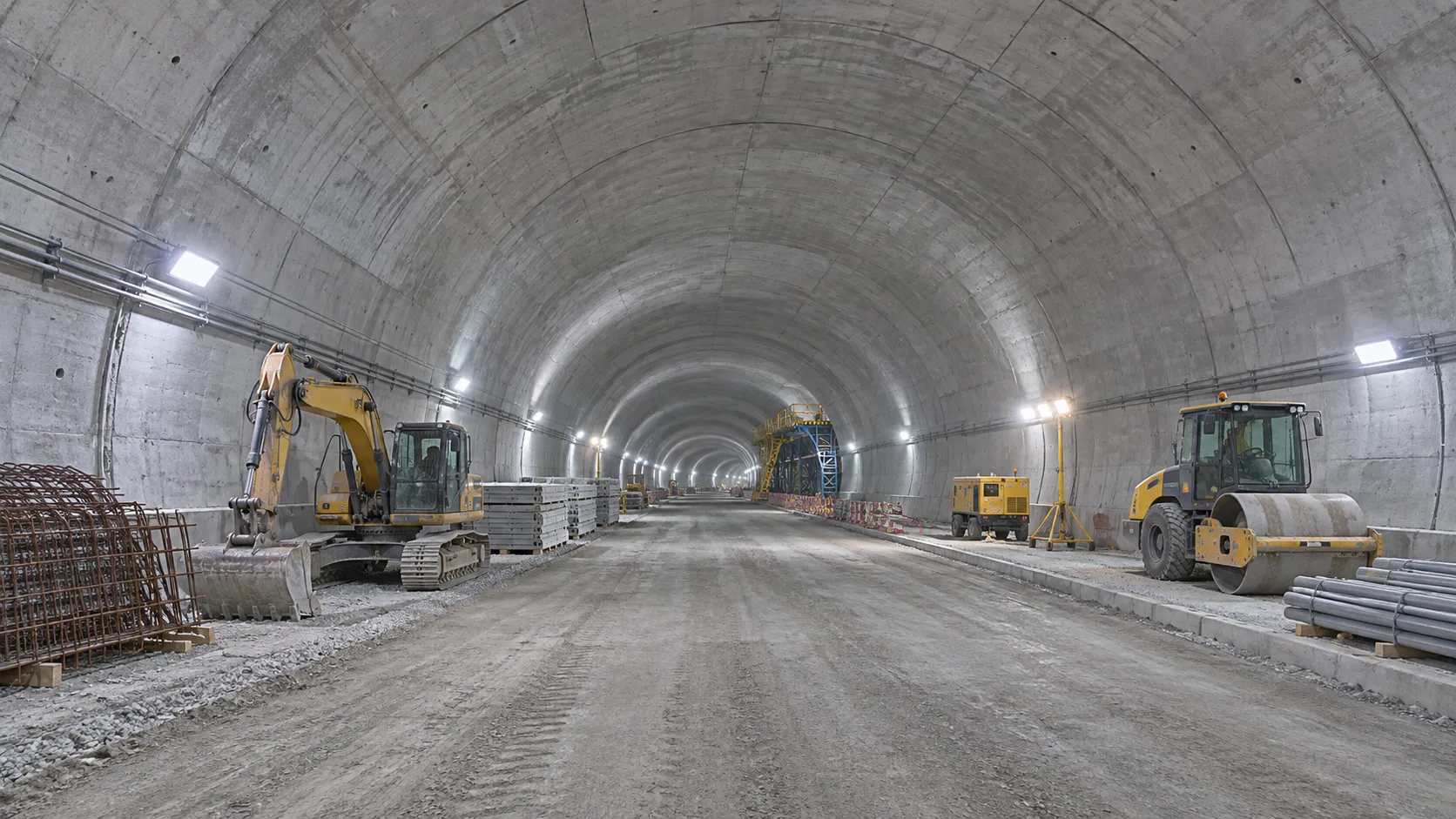
China’s Transport Ministry Issues Highway Tunnel Upgrade Standard
China’s highway tunnel upgrade standard takes effect December 1, 2026. Explore potential implications for contractors, project owners and equipment suppliers.
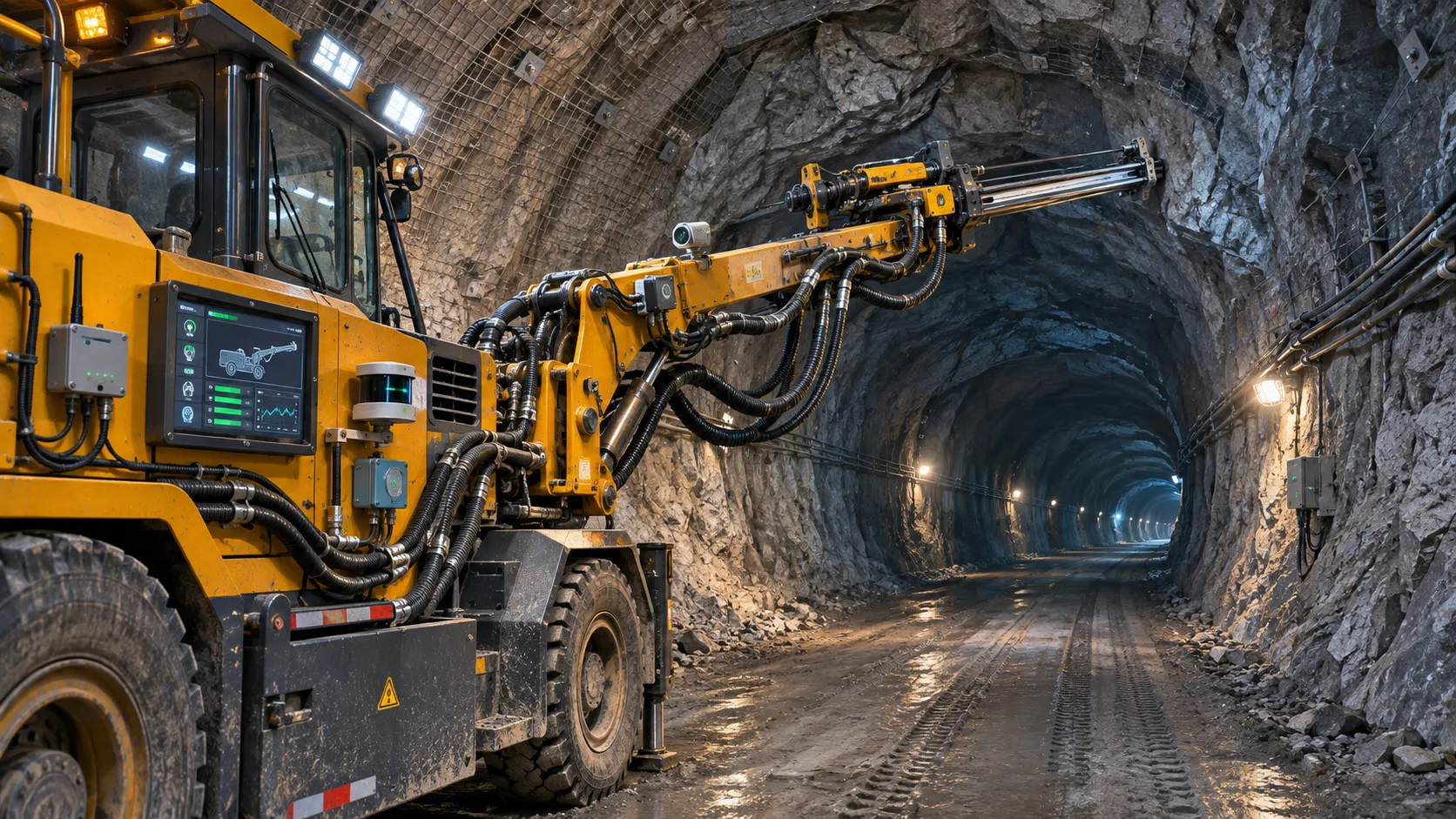
Smart Underground Mining Analytics: Using Equipment Data to Reduce Downtime
Smart underground mining analytics turns equipment data into actionable insights. Discover how to reduce downtime and improve maintenance decisions.
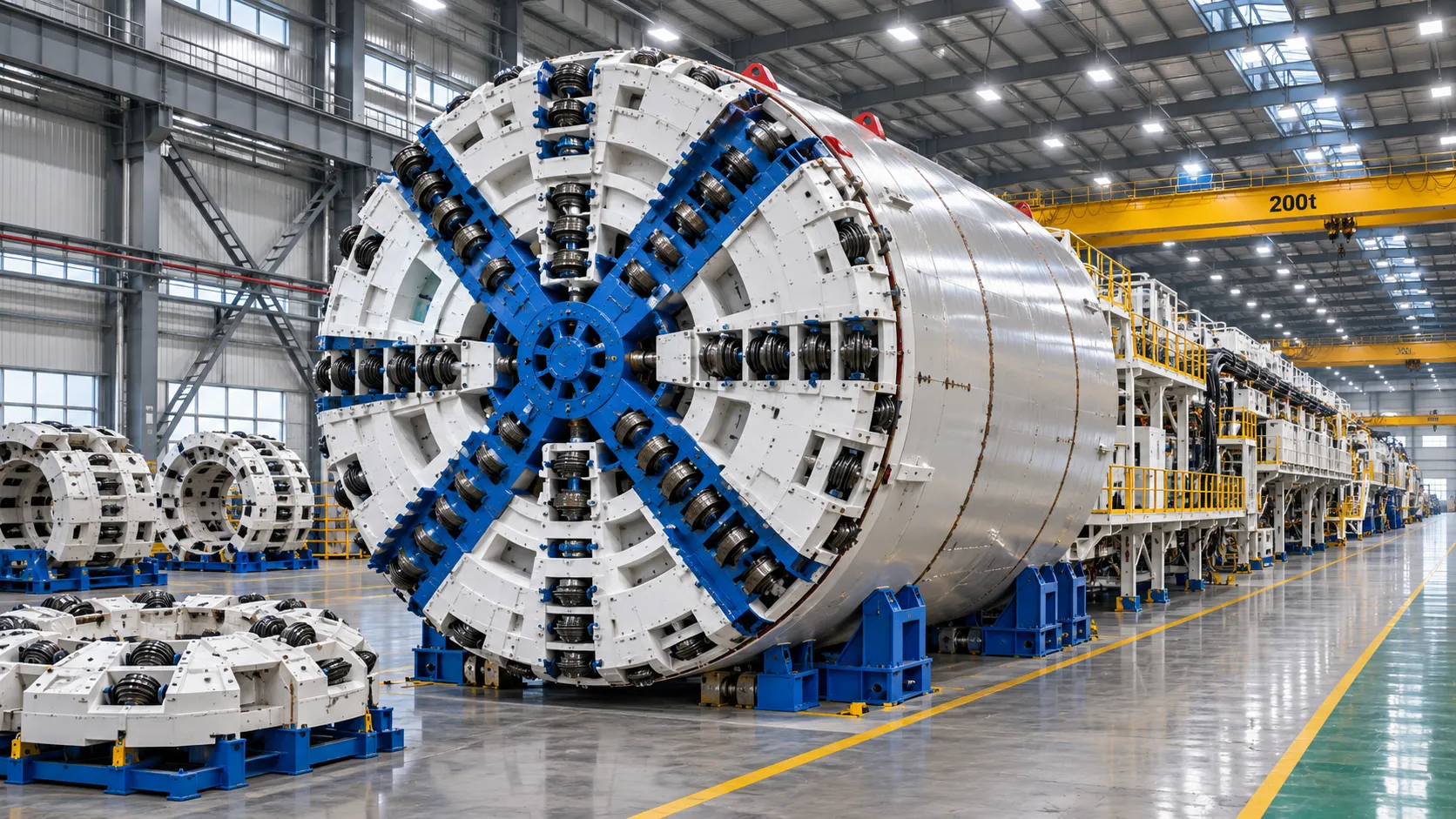
Three Export Control Notices Take Effect November 18, Adding Tunnel Boring Machines
China export controls add tunnel boring machines to the dual-use list. Explore potential licensing implications for equipment, components and project delivery.
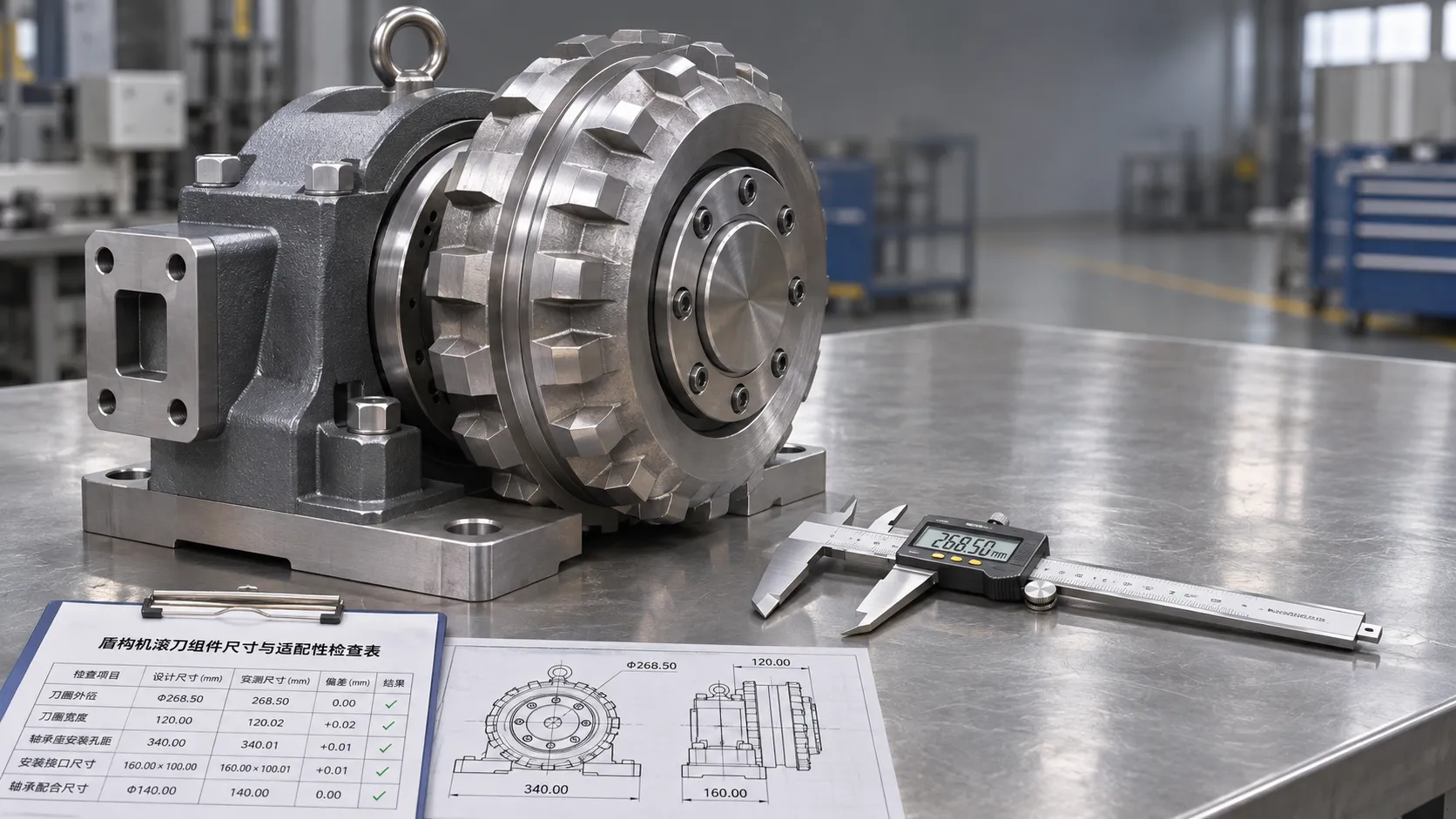
Choosing a TBM Components Supplier: Lead Times, Quality and Compatibility
Choose a TBM components supplier with confidence. Compare lead times, quality evidence and compatibility to reduce procurement risk and keep your project moving.
How Autonomous LHD Collision Avoidance Works in Underground Mines
Discover how autonomous LHD collision avoidance combines sensing, positioning and braking to manage underground hazards and support safer mine operations.

Mining Equipment Market Could Reach $19.42 Billion by 2033, Report Says
Mining equipment market could reach $19.42 billion by 2033. Explore how electrification, automation and surface mining demand are shaping the industry's outlook.
Related News
- 00
0000-00
Mega Tunnel Contractors: How to Evaluate Experience and Project Risks - 00
0000-00
Hudson Tunnel Project’s Second TBM Begins Excavating South Tunnel - 00
0000-00
How Bolting Jumbo Automation Works in Underground Rock Support - 00
0000-00
China’s Transport Ministry Issues Highway Tunnel Upgrade Standard - 00
0000-00
Smart Underground Mining Analytics: Using Equipment Data to Reduce Downtime
Weekly Insights
Stay ahead with our curated technology reports delivered every Monday.