
When Underground Rock Mechanics Data Changes Support Design





When Underground Rock Mechanics data shifts, support design must shift with it. For technical evaluators, small changes in stress, jointing, or rock mass behavior can quickly alter tunnel stability, excavation safety, and reinforcement demand. This article examines how real-world ground response, monitoring results, and design assumptions interact to shape support decisions in underground projects, helping teams move from static plans to adaptive, risk-controlled solutions.
Why the support conversation is changing now
Across tunnelling and mining, the role of Underground Rock Mechanics has moved from a late-stage verification topic to an early decision driver. Projects are being pushed deeper, into harder and more variable ground, while owners expect faster delivery, tighter safety control, and better asset performance. That combination is changing how support design is evaluated. It is no longer enough to rely on a single geological model or a fixed support pattern. Technical teams now need to judge how the rock mass behaves under excavation sequence, groundwater conditions, vibration, blasting damage, and machine-induced stress redistribution.
This shift is especially visible in TBM drives, drill-and-blast headings, and deep mine openings where ground conditions can change within short distances. A section that appeared competent during site investigation may soften after exposure, while a fault zone can widen its influence once excavation begins. For technical evaluators, the key trend is clear: support design is becoming a dynamic response to observed ground behavior, not a static output of the feasibility stage.
What is driving the change in Underground Rock Mechanics decisions
Several forces are pushing design teams to revisit their assumptions. First, deeper projects are exposing more complex stress regimes, including squeezing ground, high in-situ stress, and time-dependent deformation. Second, modern excavation equipment is producing more precise performance data, so operators can compare theoretical response with actual rock mass behavior. Third, ESG and safety expectations are making overdesign and underdesign equally costly: the first wastes capital, the second increases failure risk and downtime.
In practical terms, Underground Rock Mechanics is now tied to operational economics. If support is too light, rehabilitation costs rise and excavation slows. If it is too heavy, material usage, installation time, and cycle efficiency suffer. The best designs increasingly sit between these extremes, using measured behavior to refine what is truly required.
How the impact differs by project type
The effect of changing rock mechanics data is not uniform. Different underground assets face different support priorities, and technical evaluators should avoid using one rule set across all conditions.
For mining dump truck routes, underground LHD accessways, and service tunnels, the trend is similar: if Underground Rock Mechanics data changes, the support strategy must account for traffic loads, clearance retention, and maintenance access. These are not isolated geotechnical issues; they directly affect uptime, electrified fleet safety, and ventilation performance in confined spaces.
What technical evaluators should watch first
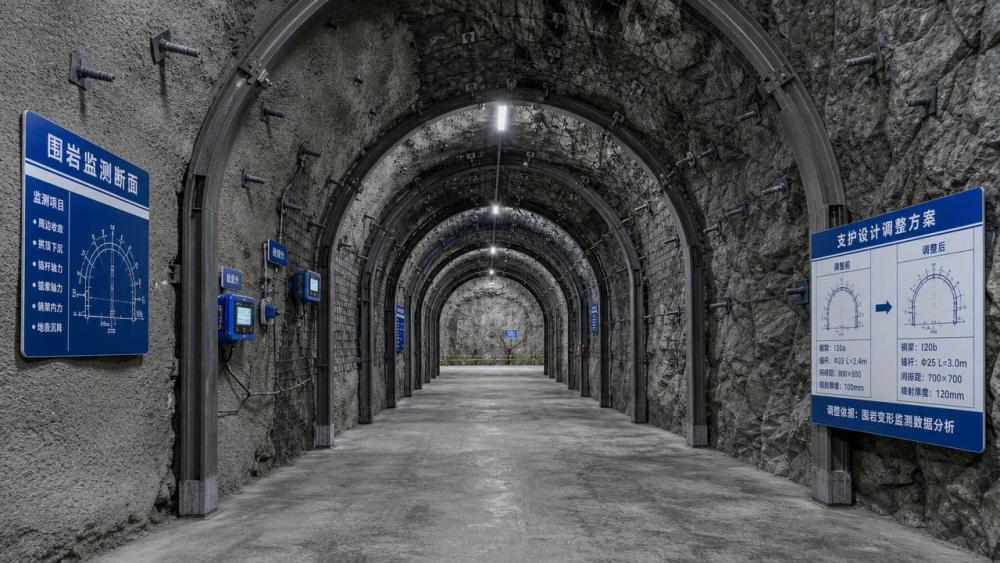
The most valuable change is often not the headline result from a lab test, but the mismatch between prediction and field response. Technical evaluators should focus on a few high-signal indicators: rate of convergence, bolt load development, shotcrete cracking, liner distress, water inflow, and localized spalling. If these signals diverge from the design basis, the support model should be reviewed quickly.
A practical approach is to compare three layers of evidence: pre-excavation classification, during-excavation monitoring, and post-support performance. When all three align, the support design is likely robust. When they do not, the project may need shorter assessment intervals, revised trigger action response plans, or a different support philosophy such as yielding elements, systematic bolting, or staged shotcrete application.
Recommended response path
The strongest trend in Underground Rock Mechanics today is adaptive decision-making. Instead of asking whether a support system is correct in an abstract sense, evaluators should ask whether it remains correct as the ground changes. That means using the design as a living framework with thresholds, review points, and revision rights built in from the start.
For organizations managing TBM, mining, or trenchless assets, this also improves commercial decision-making. Better support design means fewer delays, lower rework risk, and more credible bids in technically difficult ground. It also creates a stronger basis for equipment selection, because machine capability and support philosophy should be aligned from the earliest planning stage.
Final judgment for the market
The market signal is straightforward: Underground Rock Mechanics is no longer a background discipline. It is becoming a live input to support design, equipment strategy, and operational risk control. Technical evaluators who treat ground data as a changing variable will make better calls on cost, safety, and schedule. Those who keep static assumptions too long are more likely to face redesign, delay, or instability.
If your team needs to judge whether a changing rock mass requires a support redesign, start with three questions: what changed in the data, how did the ground actually respond, and which parts of the support system are least tolerant of error? That sequence turns Underground Rock Mechanics from a theoretical input into a practical decision tool.
Related News
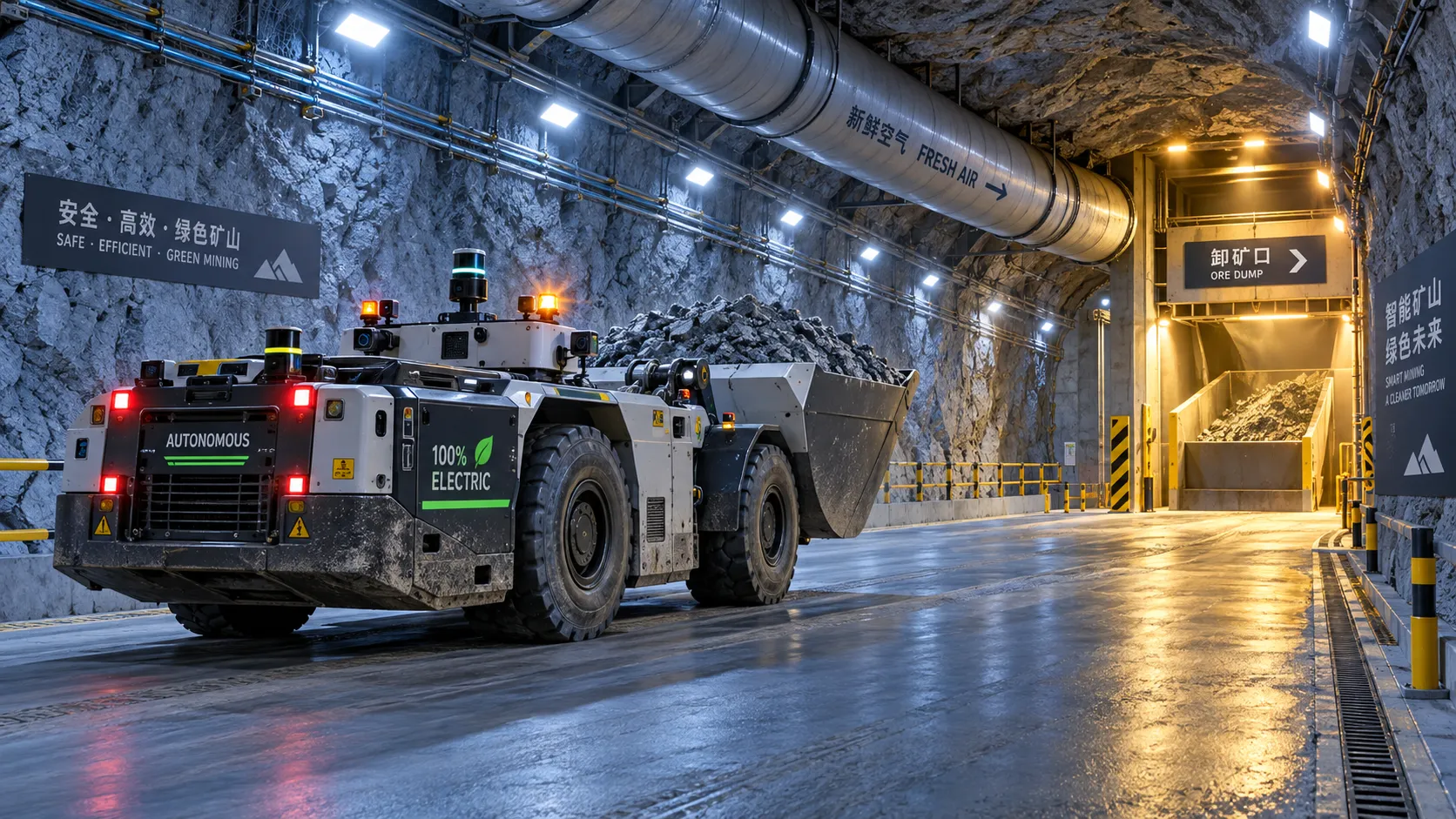
Where Autonomous Mining Loaders Deliver the Most Value in Underground Operations
Autonomous Mining Loaders deliver greater underground value through safer blast-zone work, repeatable haul cycles, and improved ventilation efficiency. Discover the best deployment zones.
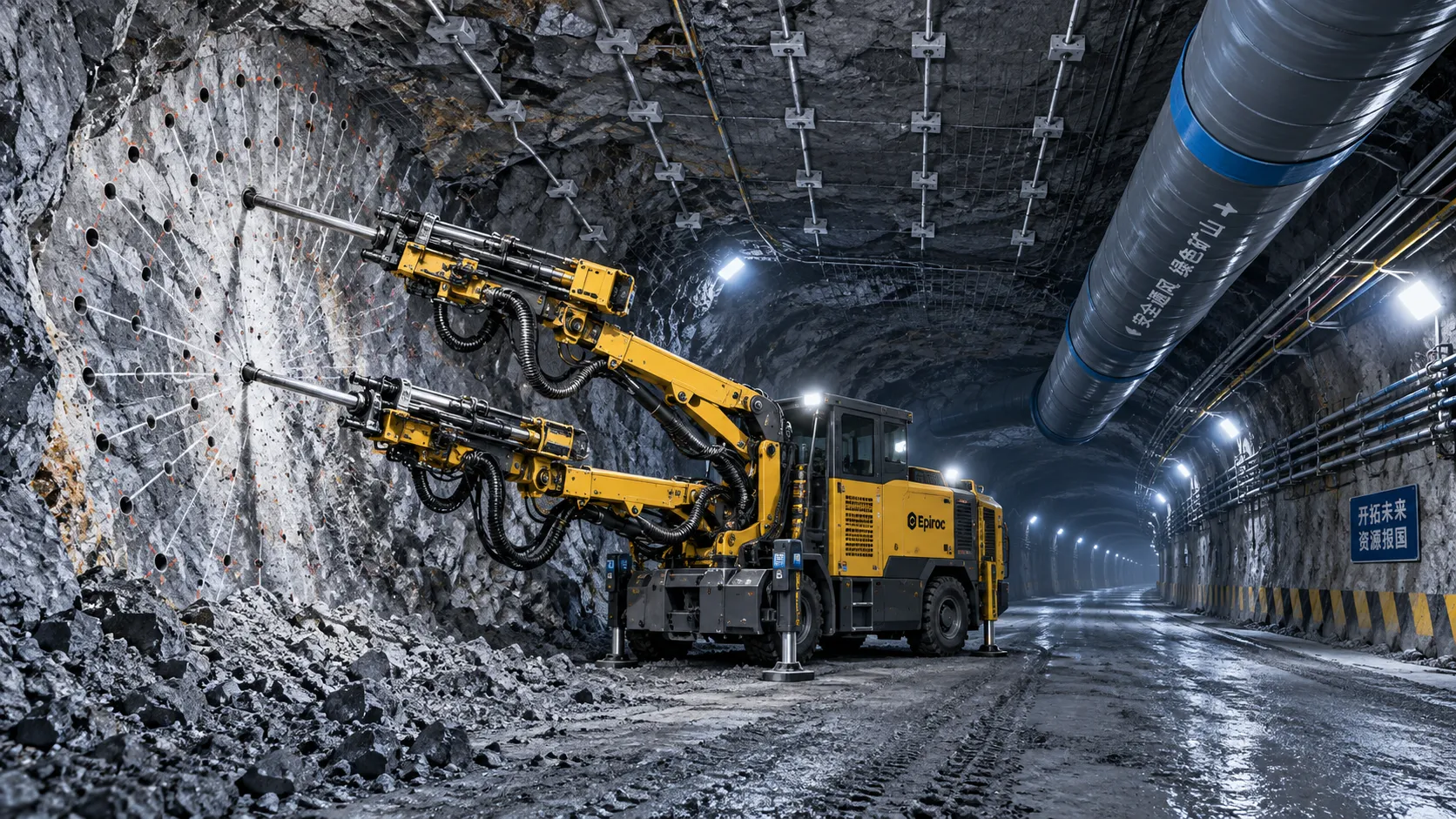
Underground Drilling for Mining: Selecting Methods for Rock Conditions and Mine Layout
Underground drilling for mining: learn how to match drilling methods to rock conditions, mine layout, accuracy needs, ground support, and cycle efficiency.
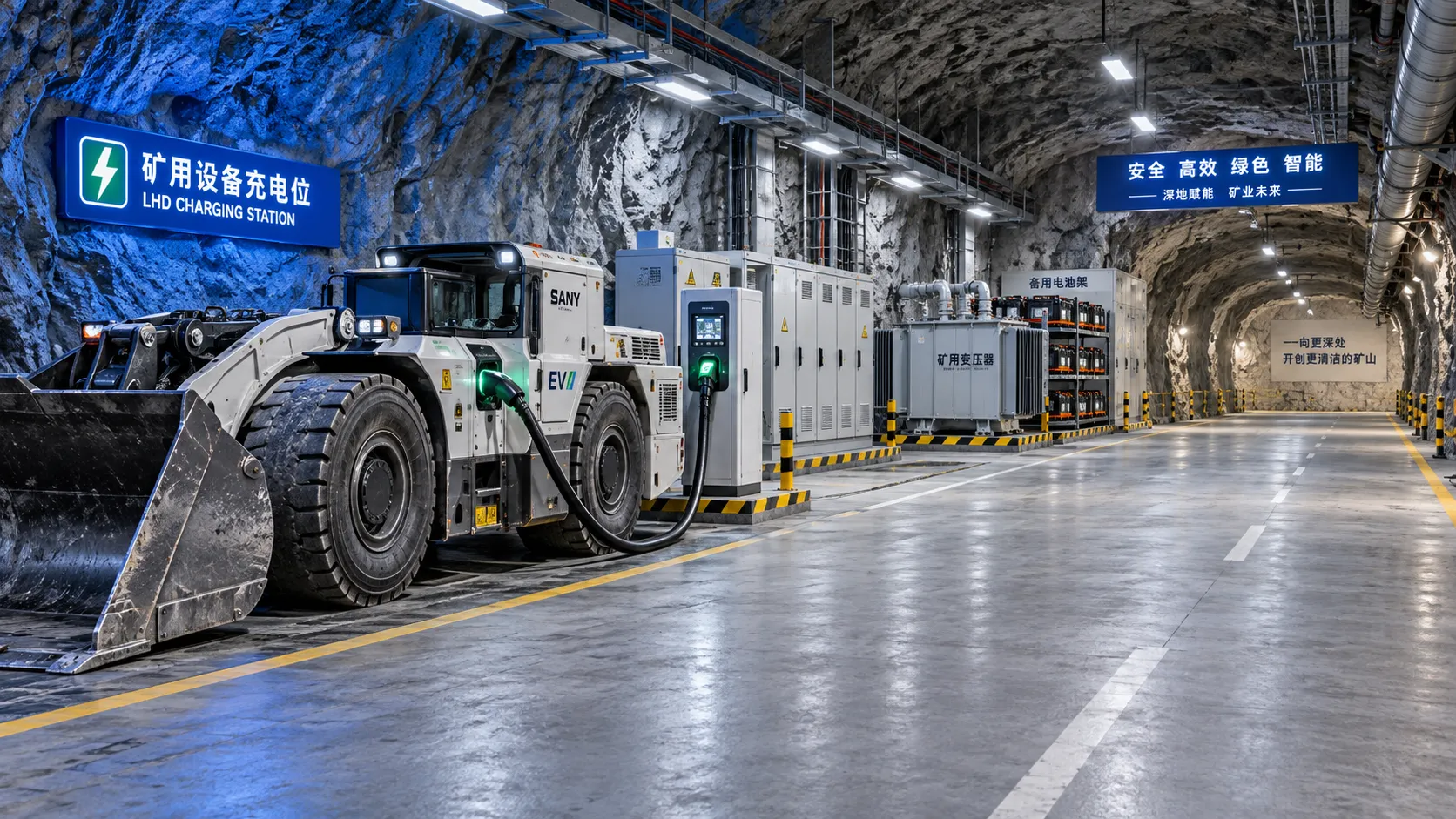
Underground Mine Electrification: How to Size Battery Fleets and Charging Capacity
Mining electrification for underground mines: learn how to size battery fleets, chargers, and power capacity to prevent queues, peak-load issues, and production downtime.
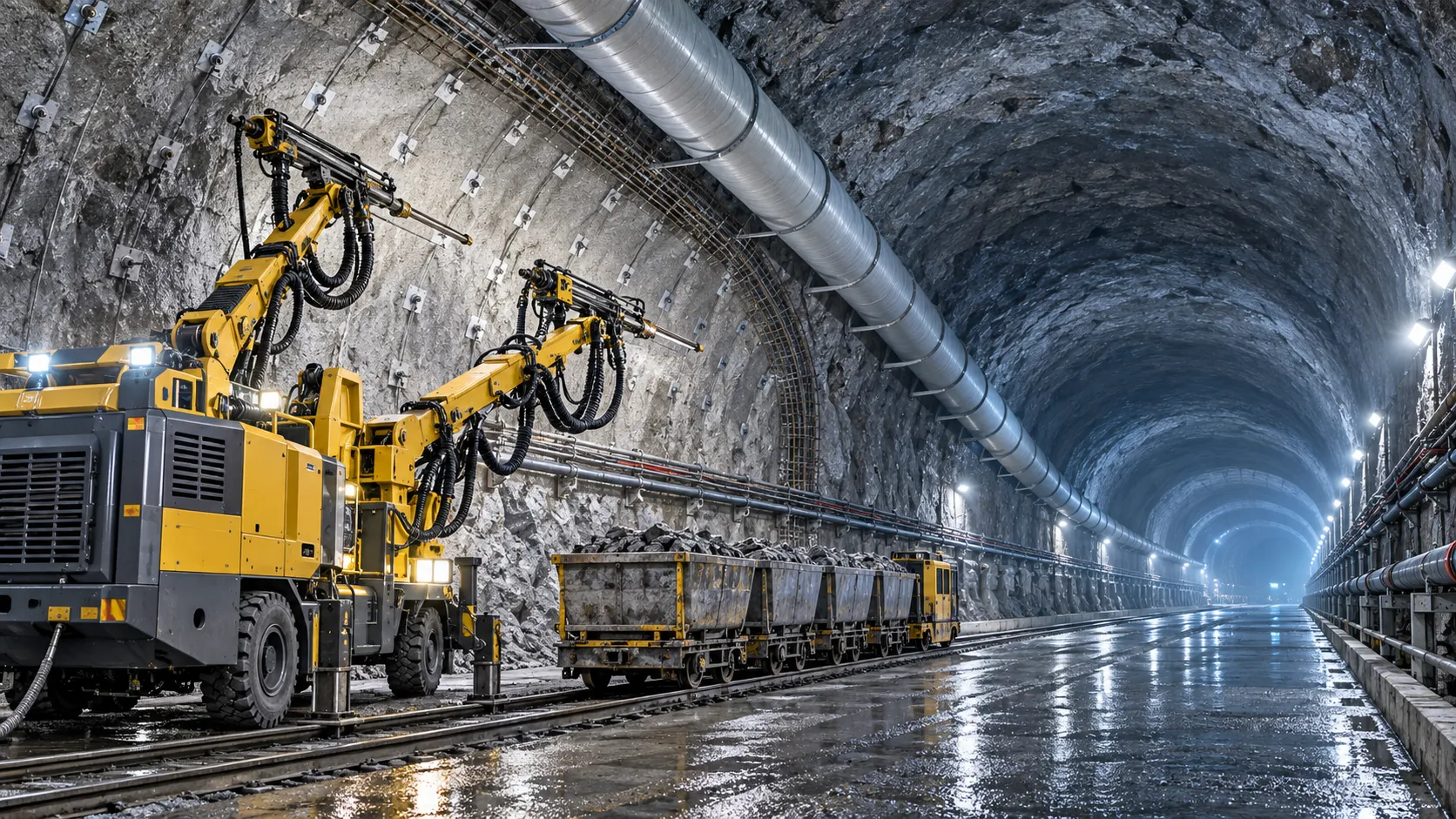
How to Evaluate European Drill-and-Blast Tunnelling Contractors for Complex Projects
Drill and blast tunnelling contractors Europe: learn how to assess geology expertise, blast control, equipment reliability, safety, and programme resilience for complex projects.
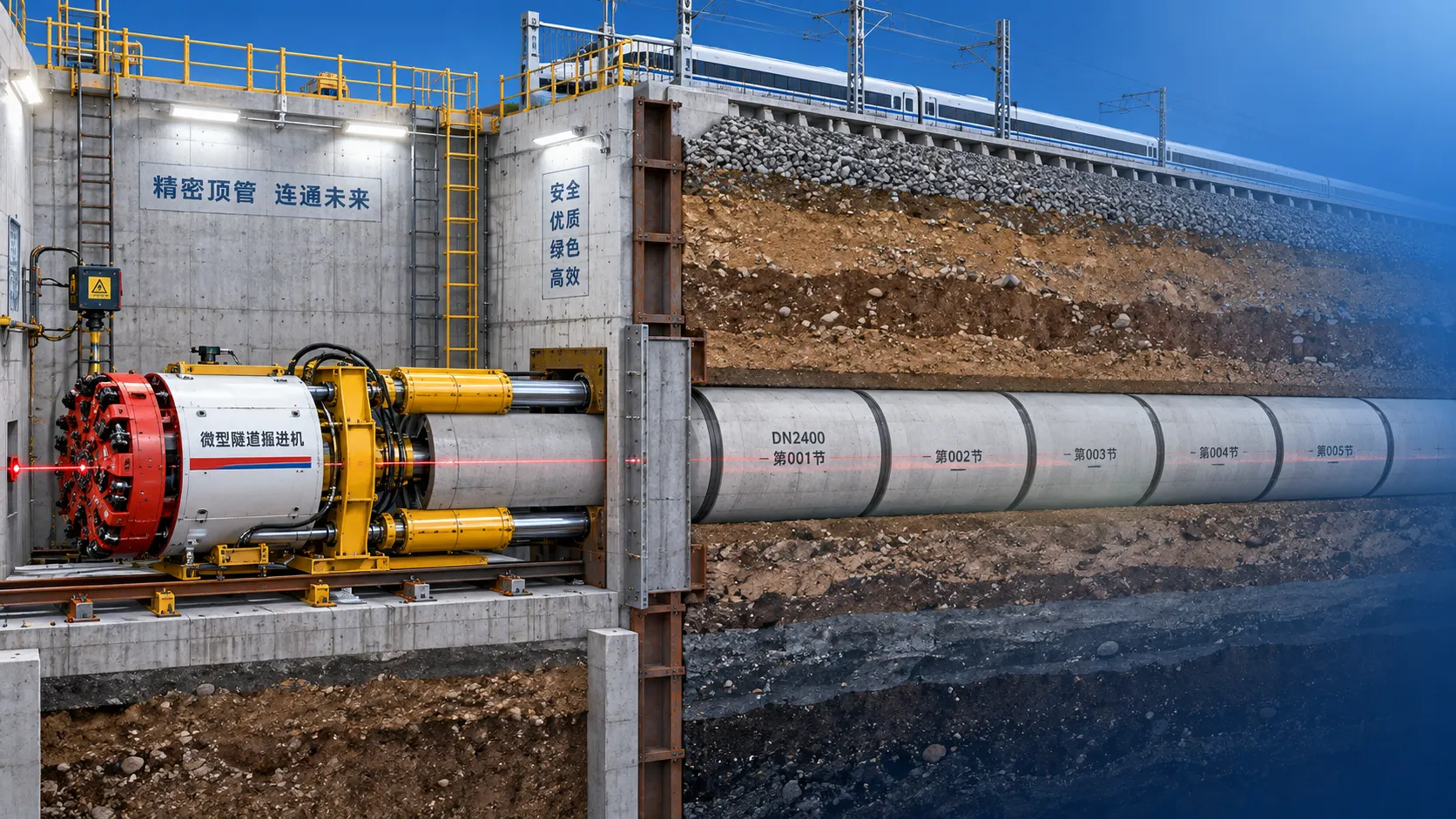
Which Trenchless Construction Technique Fits Your Utility Crossing Conditions?
Trenchless construction techniques compared for utility crossings: choose HDD, microtunnelling, pipe jacking, or auger boring based on ground, accuracy, access, and risk.
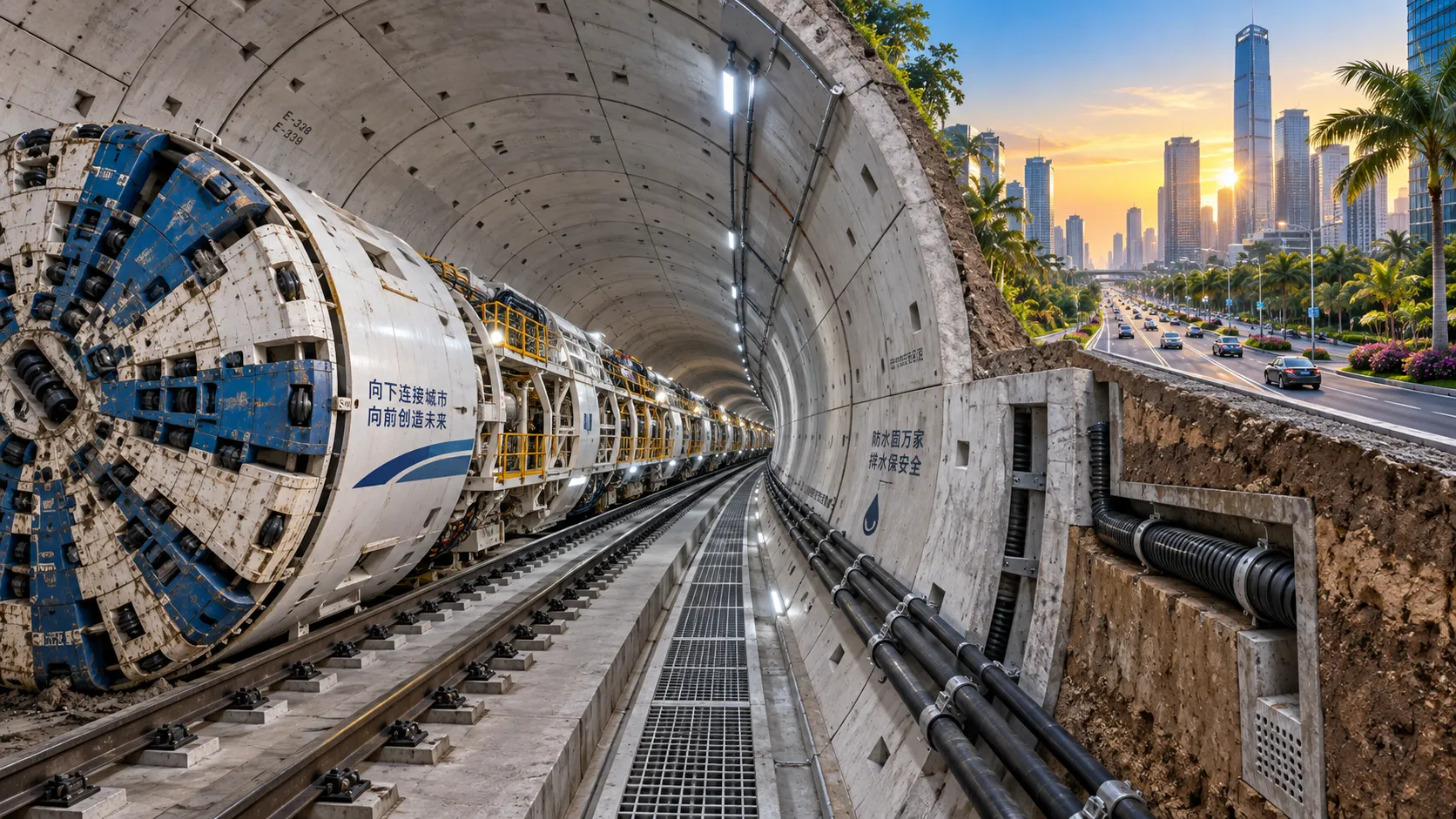
What Is Driving Metro Tunnelling Demand Across Southeast Asia’s Major Cities?
Metro tunnelling Southeast Asia is accelerating as major cities tackle congestion, flooding, and connectivity. Explore the market forces, technical risks, and opportunities shaping demand.
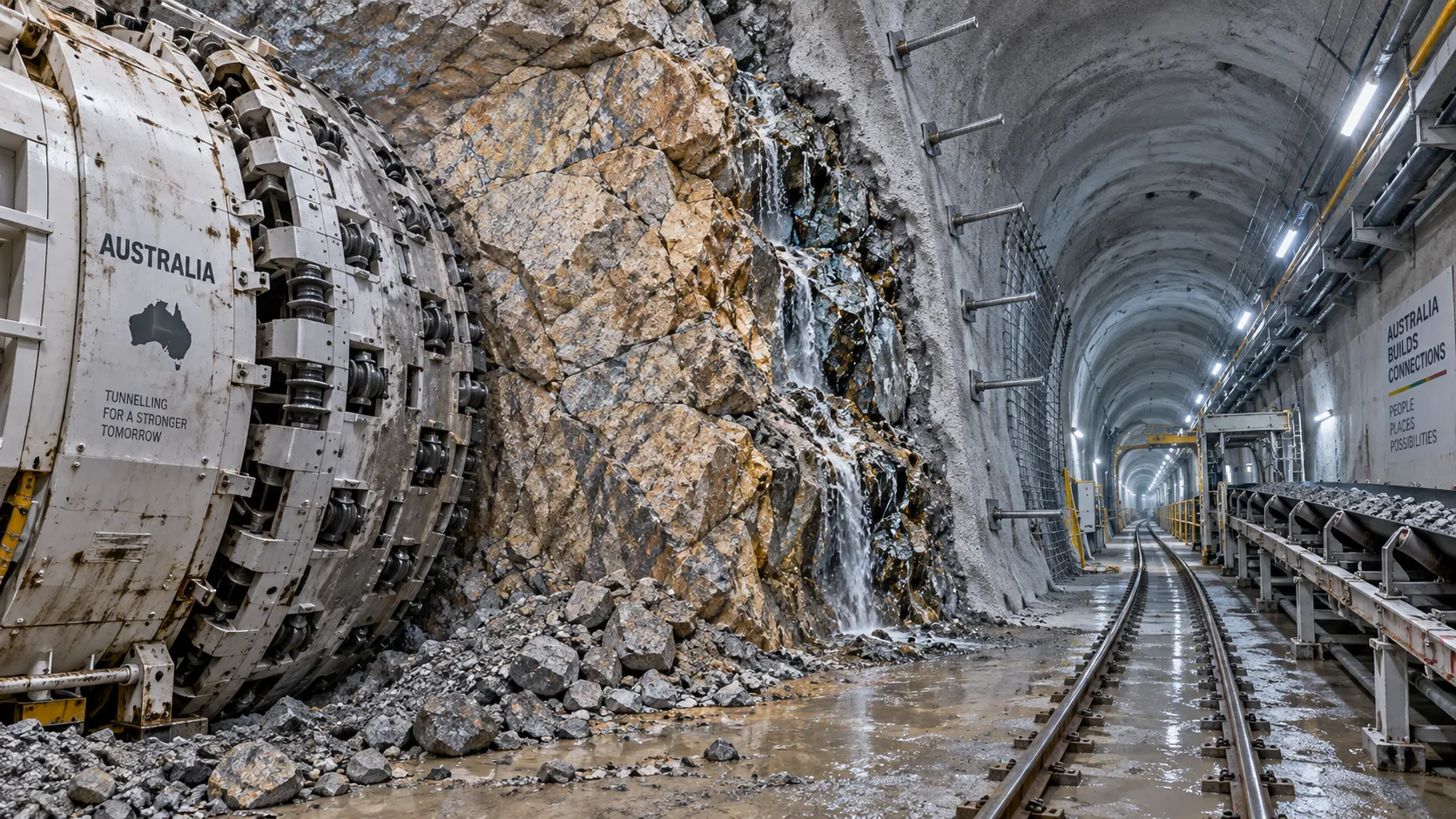
Hard Rock Tunnelling in Australia: Selecting Methods for Variable Ground Conditions
Hard rock tunnelling in Australia: compare TBM, drill-and-blast and hybrid methods to manage variable ground, reduce risk and protect project costs.
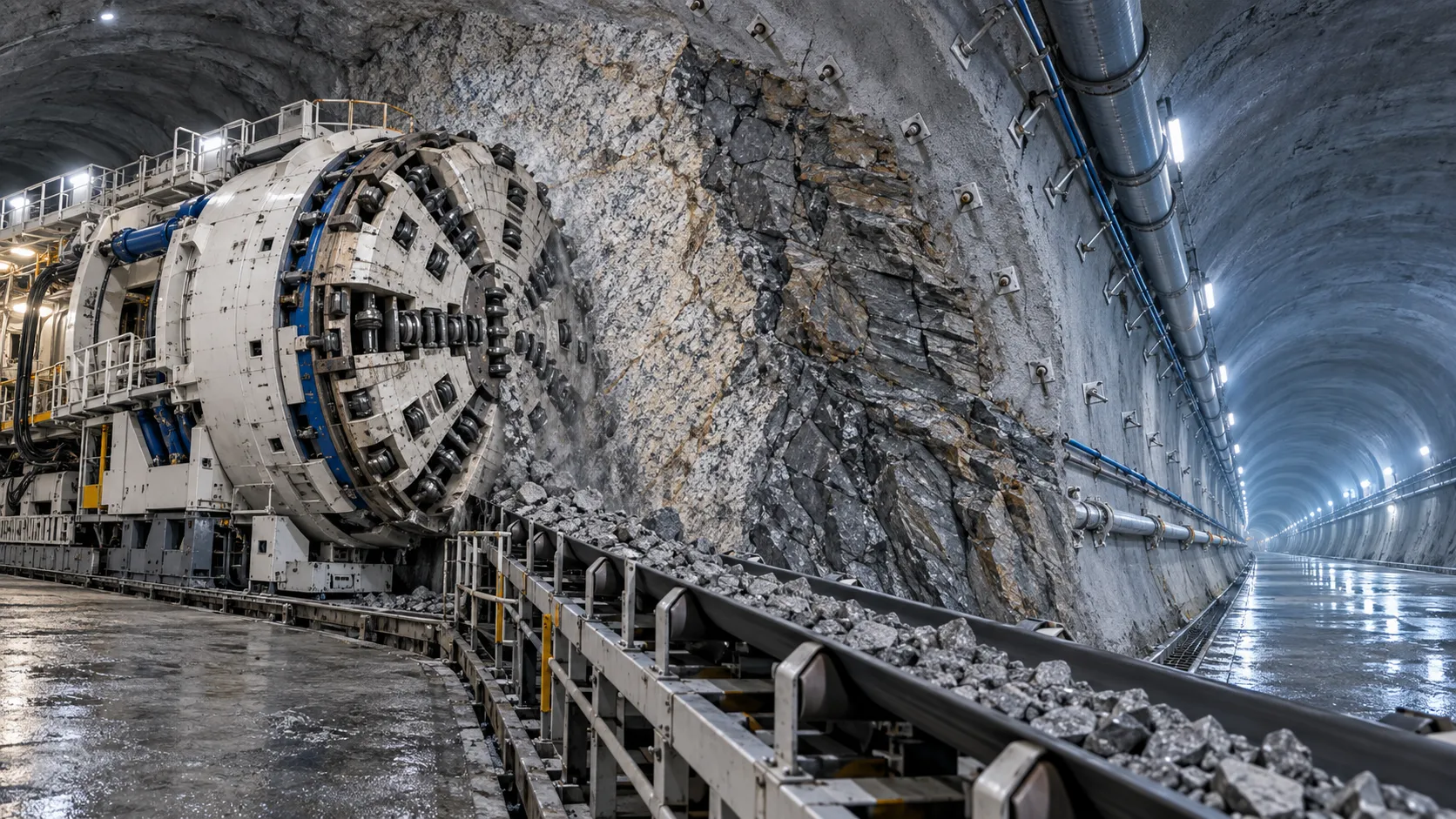
Hydropower Tunnel Excavation: Selecting Methods for Variable Rock Conditions
Hydropower tunnel excavation methods for variable rock conditions: compare TBM, drill-and-blast, and hybrid strategies to improve safety, progress, and project control.
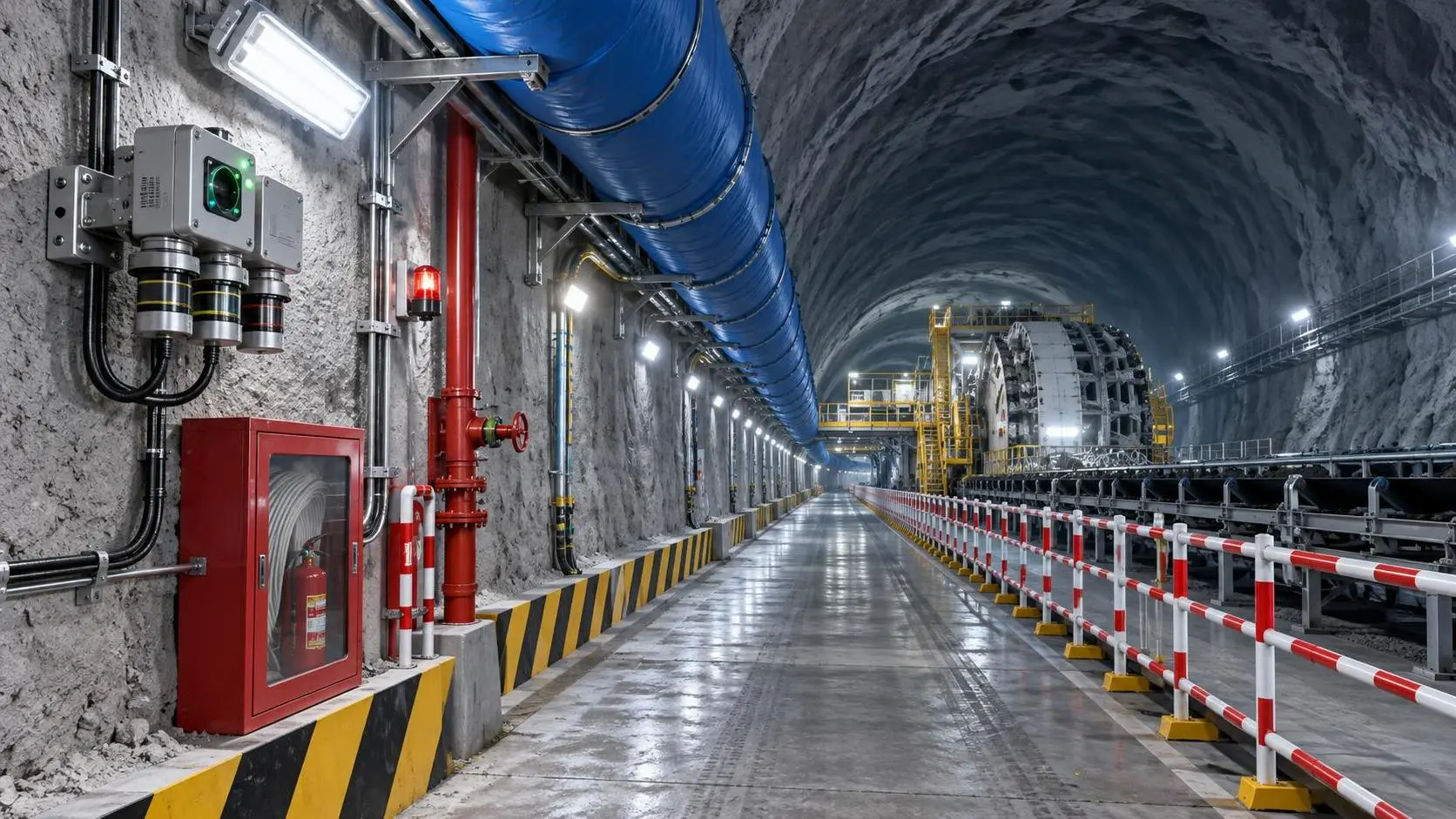
How to Select Underground Safety Equipment for Tunnelling by Hazard and Work Zone
Underground Safety Equipment for tunnelling: match protection to hazards, work zones, compliance, and emergency needs with this practical selection guide.
Related News
- 00
0000-00
Where Autonomous Mining Loaders Deliver the Most Value in Underground Operations - 00
0000-00
Underground Drilling for Mining: Selecting Methods for Rock Conditions and Mine Layout - 00
0000-00
Underground Mine Electrification: How to Size Battery Fleets and Charging Capacity - 00
0000-00
How to Evaluate European Drill-and-Blast Tunnelling Contractors for Complex Projects - 00
0000-00
Which Trenchless Construction Technique Fits Your Utility Crossing Conditions?
Weekly Insights
Stay ahead with our curated technology reports delivered every Monday.