
Drilling Jumbos: Common Setup Mistakes That Slow Down Tunnel Advance





Drilling Jumbos are vital to drill-and-blast tunnel advance, but small setup mistakes can quickly cut penetration, weaken hole accuracy, and create delays in bolting and blasting cycles. For operators working in hard rock and tight underground conditions, correct positioning, alignment, pressure settings, and maintenance are essential to keep advance rates steady and safe. This article highlights the most common setup errors and how to avoid them so your drilling jumbo delivers consistent performance.
Why a checklist approach works better for Drilling Jumbos setup
When tunnel advance slows down, operators often blame rock hardness, worn drill steel, or blasting design first. In reality, many losses begin earlier, during setup. A drilling jumbo can have enough power, good feed force, and a skilled operator, yet still underperform because the machine was parked at a poor angle, the booms were overextended, or drilling parameters were not matched to ground conditions.
That is why a checklist is useful. It helps operators verify the few setup factors that most strongly control drilling speed, hole straightness, bit life, and the overall drill-and-blast cycle. For users and operators, the goal is simple: avoid avoidable delays, reduce rework, and make every round more predictable.
First checks before you start drilling
Before the first hole is collaring, the operator should confirm whether the machine is truly ready for the face. These are not minor details. On most Drilling Jumbos, setup quality directly affects advance rate, profile control, scaling needs, explosive loading efficiency, and support installation.
- Is the carrier parked on stable, level ground with enough room for full boom movement?
- Is the machine square to the face, rather than offset or twisted?
- Are boom angles and feed positions within efficient working range, not near extension limits?
- Are percussion, rotation, feed, and flushing settings matched to the rock and hole pattern?
- Is drill steel straight, couplings tight, and bits suitable for the planned hole diameter and rock abrasiveness?
- Are hydraulic hoses, water lines, lubrication points, and sensors inspected before the shift starts?
- Has the face been checked for loose rock, overbreak, uneven brow, and reference marks for accurate layout?
If any one of these checks is skipped, the drilling jumbo may still work, but it will rarely work at its best.
Common setup mistakes that slow tunnel advance
1. Parking too far, too close, or off-center from the face
One of the most common errors with Drilling Jumbos is poor machine positioning. If the jumbo is too far from the face, the feeds may need excessive extension, which reduces rigidity and increases hole deviation. If it is too close, boom movement becomes cramped, feed alignment suffers, and operators lose efficient access to corner holes or lifters. If the machine is not centered, one side of the pattern may drill well while the other side becomes slow and unstable.
A good rule is to position the carrier so the booms can reach the full pattern within their strongest working geometry. Avoid making the feed do the job of the carrier. Move the base machine when needed.
2. Ignoring floor condition and machine leveling
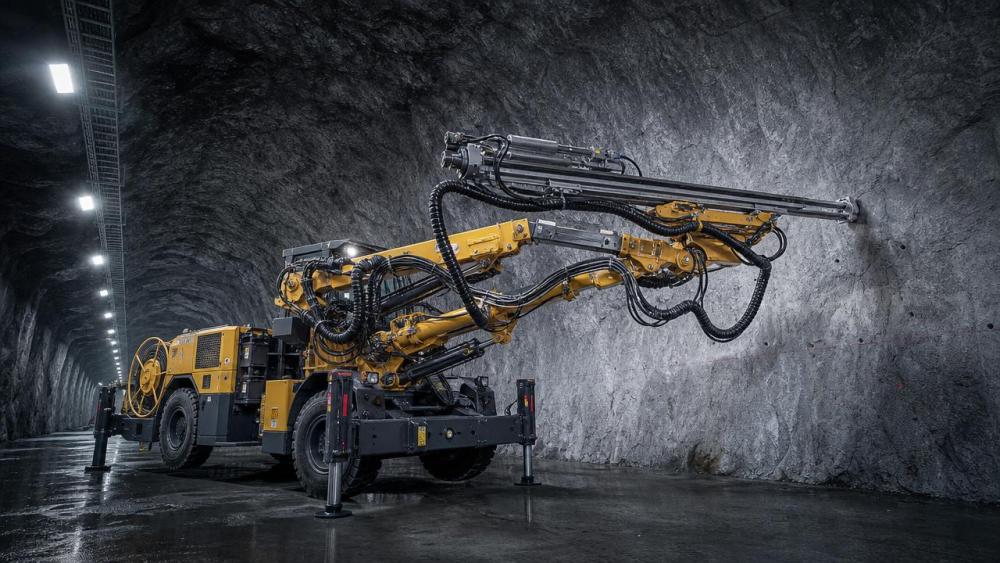
Uneven ground is more than a comfort issue. It changes alignment. When Drilling Jumbos sit on loose muck, broken rock, or a sloping floor, the booms may drift, the feed may vibrate, and hole collaring becomes inconsistent. Operators then spend extra time correcting each hole manually.
Always clear the standing area, check tire or stabilizer support, and level the machine before final alignment. Small corrections made here can save a full blasting cycle later.
3. Drilling with poor boom geometry
Another frequent mistake is forcing the boom into awkward positions. Booms that are fully stretched, heavily folded, or sharply offset reduce stability and transfer more vibration into the steel. This causes poor collaring, wandering holes, and extra wear on joints and slides.
Efficient setup means keeping boom geometry balanced. The feed should approach the face in a stable, controlled line. If the machine cannot reach that geometry from its current position, reposition the carrier instead of compensating with extreme boom angles.
4. Wrong drilling parameter settings for the rock
High impact pressure alone does not guarantee fast drilling. On Drilling Jumbos, penetration depends on the balance between percussion, rotation, feed force, and flushing. In hard, brittle rock, too much feed can jam the bit and increase steel stress. In fractured rock, aggressive impact may break the collar or enlarge the hole, affecting charging quality and contour control.
Operators should treat parameter setting as a controlled adjustment, not a fixed habit. If you see low penetration, powdery cuttings, steel chatter, or curved holes, review the parameter balance before blaming the consumables.
5. Weak flushing setup
Flushing is often underestimated. Inadequate water or air-water flushing leaves cuttings in the hole, slows penetration, overheats the bit, and increases the chance of jamming. Excessive flushing pressure can also be harmful if it destabilizes broken ground around the collar.
Check water supply, line condition, seals, and nozzle cleanliness before drilling starts. Good flushing should remove cuttings cleanly without excessive spray, pulsing, or visible blockage.
6. Starting with worn or mismatched drill tools
A setup review is incomplete if tool condition is ignored. Drilling Jumbos depend on straight rods, sound couplings, sharp bits, and correct diameter selection. Worn buttons, bent steel, and loose shanks produce misalignment from the first centimeters of drilling. Even an advanced jumbo control system cannot correct mechanical inaccuracy at the tool string.
Inspect steel rotation marks, thread wear, bit gauge loss, and coupling condition. If regrinding intervals are inconsistent, performance will also be inconsistent.
Quick reference table: mistake, effect, and operator action
Use this table as a fast pre-round reminder for Drilling Jumbos in drill-and-blast tunnels and underground mine headings.
Setup differences operators should watch in different working conditions
Hard, massive rock
In very hard formations, Drilling Jumbos need stable feed contact and accurate parameter control. Operators should focus on keeping the feed aligned, monitoring bit wear closely, and avoiding overfeeding. Even slight misalignment can waste significant time because each hole takes longer to complete.
Fractured or jointed rock
Broken ground demands a gentler collaring approach and more attention to flushing and hole stability. Aggressive startup can cause collar breakout, poor contour, or hole collapse. In these headings, accurate machine setup matters even more than raw drilling speed.
Narrow headings and restricted spaces
Compact tunnel geometry increases the temptation to accept compromised machine positions. That is risky. In tight areas, Drilling Jumbos should be set up with extra care for boom clearance, operator visibility, hose routing, and access to perimeter holes. Saving two minutes on positioning can cost much more during charging, blasting, or scaling.
Commonly overlooked items that create hidden delays
Some setup errors do not stop work immediately, but they slowly reduce shift performance. These hidden losses are common on both older and newer Drilling Jumbos.
- Reference marking is unclear, so the pattern drifts and contour holes miss the planned line.
- Lubrication points are skipped, increasing feed friction and boom wear.
- Hydraulic warm-up is rushed, causing unstable response early in the shift.
- Sensor or automatic alignment systems are trusted without visual cross-check.
- Operators compensate for poor setup by increasing pressure, which hides the cause but accelerates wear.
- Face condition after the last blast is not reviewed, even though overbreak or loose slabs can distort the next pattern.
Practical shift routine to improve Drilling Jumbos performance
A repeatable setup routine is one of the best ways to improve output from Drilling Jumbos. The routine does not need to be complicated. It needs to be consistent.
Start by examining the face and floor. Then position and level the carrier. Next, verify boom geometry and feed alignment for the full pattern, especially perimeter and cut holes. After that, inspect tools, water flow, and hose condition. Only then should drilling parameters be finalized. During the first few holes, observe cuttings, vibration, penetration rate, and hole collar quality. If these signs are wrong, stop early and correct the setup. Early adjustment is far cheaper than finishing a bad round.
FAQ for operators using Drilling Jumbos
How can I tell if poor penetration is caused by setup instead of rock hardness?
Check whether the slowdown is consistent across all holes or only certain boom positions. If one side drills worse, if collaring is unstable, or if vibration increases at long extension, setup is likely a major factor.
Should I increase feed pressure when drilling slows down?
Not immediately. First verify alignment, flushing, bit condition, and rotation balance. On Drilling Jumbos, too much feed can reduce efficiency and damage steel.
What is the fastest setup improvement with the biggest payoff?
Better carrier positioning. A correctly positioned jumbo improves boom geometry, hole accuracy, and overall cycle time at once.
Final checklist and next action steps
For operators, the best way to get more from Drilling Jumbos is to treat setup as a performance task, not just a preparation step. Prioritize position, leveling, boom geometry, drilling parameters, flushing, and tool condition every shift. Those six areas explain a large share of avoidable delay in tunnel advance.
If your team wants to improve drilling speed, reduce hole deviation, or stabilize round performance, begin by recording a few basic indicators: setup time, penetration rate, re-drill frequency, bit consumption, and pattern accuracy. Then compare those results across headings, rock types, and operators. If you need to confirm machine suitability, parameter settings, maintenance intervals, digital guidance options, or fleet upgrade priorities for Drilling Jumbos, the most useful first discussion should cover rock conditions, tunnel profile, hole pattern, target advance per round, consumable wear history, and current cycle bottlenecks.
Related News
Where Autonomous Mining Loaders Deliver the Most Value in Underground Operations
Autonomous Mining Loaders deliver greater underground value through safer blast-zone work, repeatable haul cycles, and improved ventilation efficiency. Discover the best deployment zones.
Underground Drilling for Mining: Selecting Methods for Rock Conditions and Mine Layout
Underground drilling for mining: learn how to match drilling methods to rock conditions, mine layout, accuracy needs, ground support, and cycle efficiency.
Underground Mine Electrification: How to Size Battery Fleets and Charging Capacity
Mining electrification for underground mines: learn how to size battery fleets, chargers, and power capacity to prevent queues, peak-load issues, and production downtime.
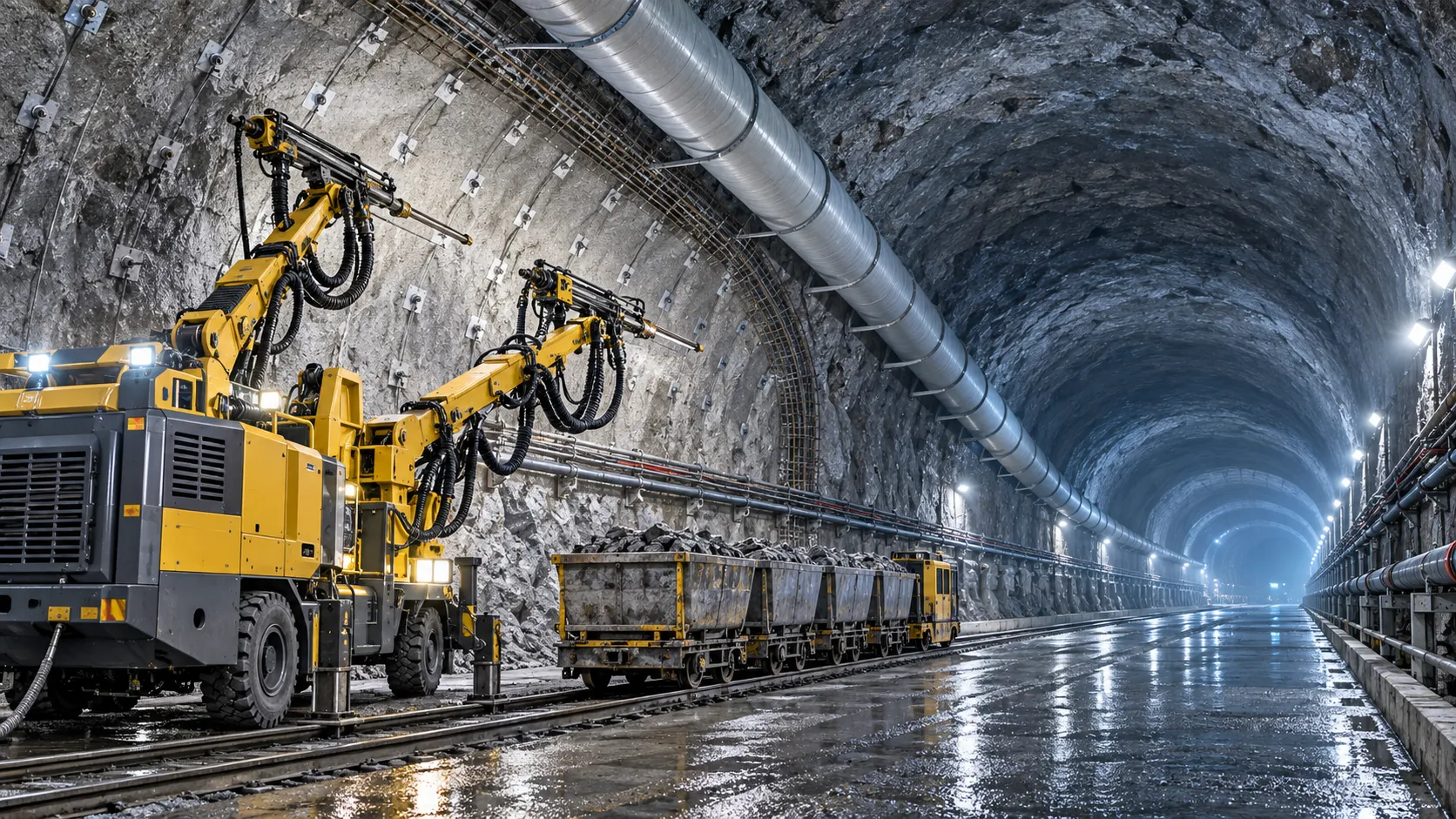
How to Evaluate European Drill-and-Blast Tunnelling Contractors for Complex Projects
Drill and blast tunnelling contractors Europe: learn how to assess geology expertise, blast control, equipment reliability, safety, and programme resilience for complex projects.
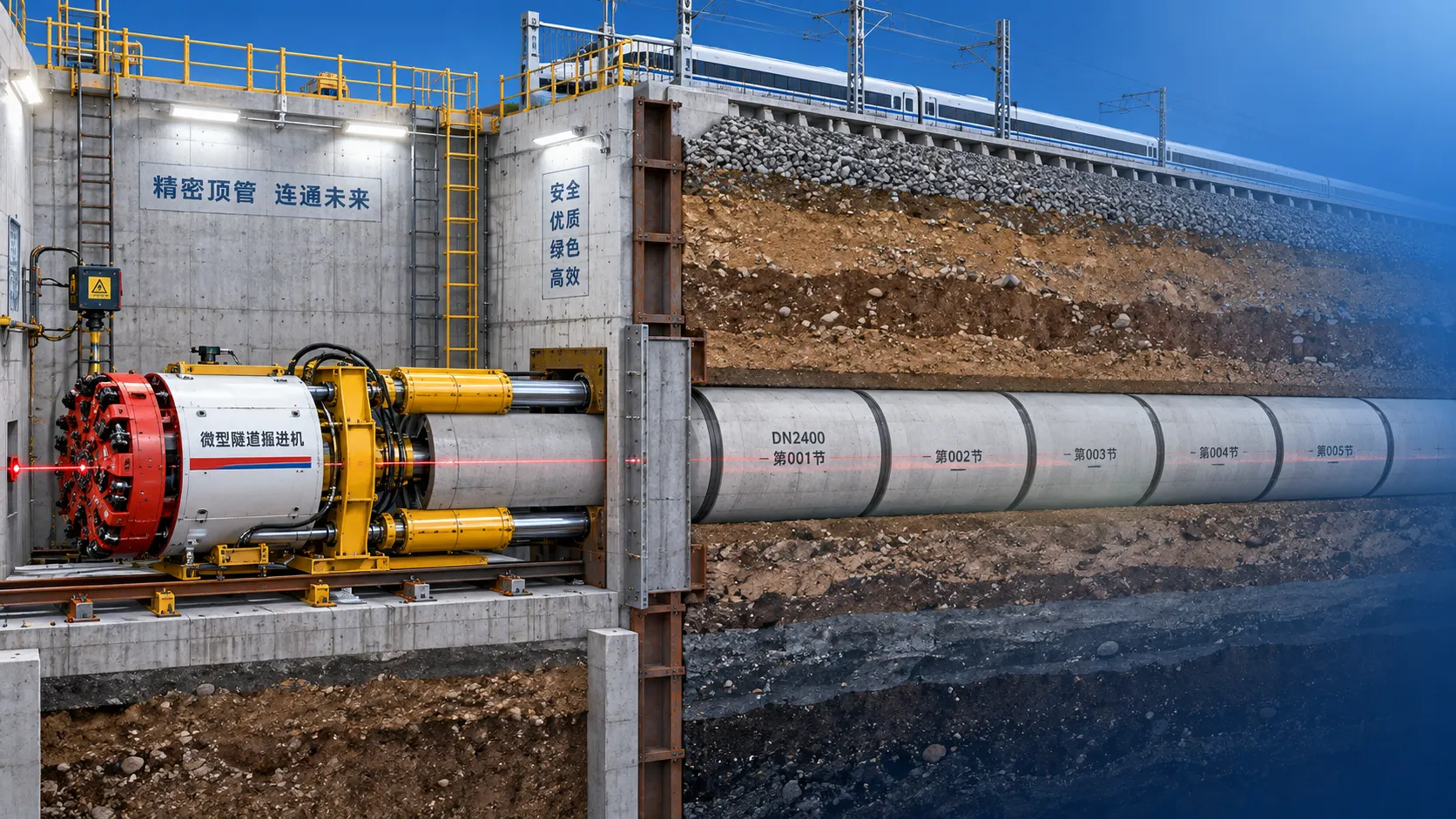
Which Trenchless Construction Technique Fits Your Utility Crossing Conditions?
Trenchless construction techniques compared for utility crossings: choose HDD, microtunnelling, pipe jacking, or auger boring based on ground, accuracy, access, and risk.
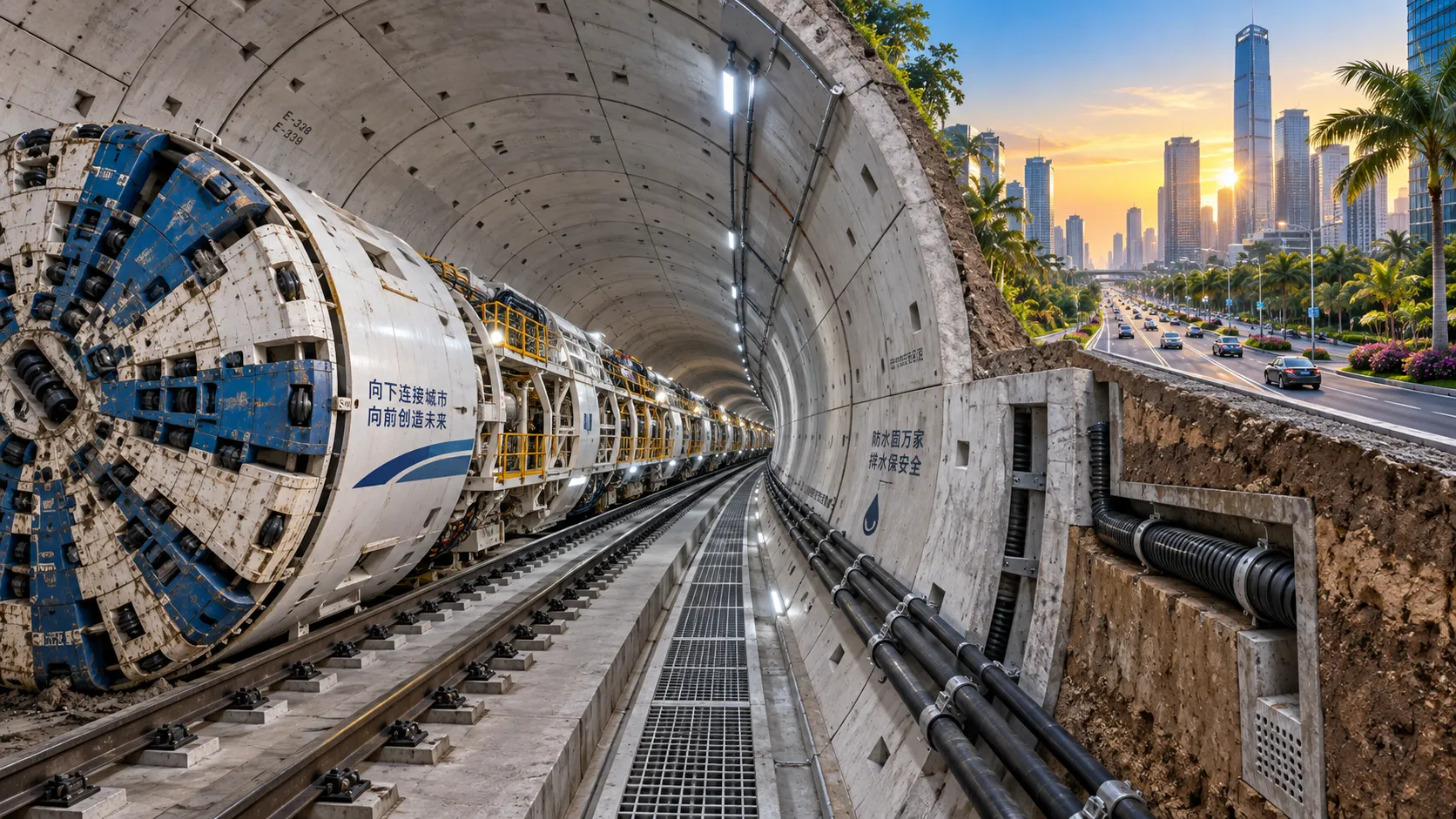
What Is Driving Metro Tunnelling Demand Across Southeast Asia’s Major Cities?
Metro tunnelling Southeast Asia is accelerating as major cities tackle congestion, flooding, and connectivity. Explore the market forces, technical risks, and opportunities shaping demand.
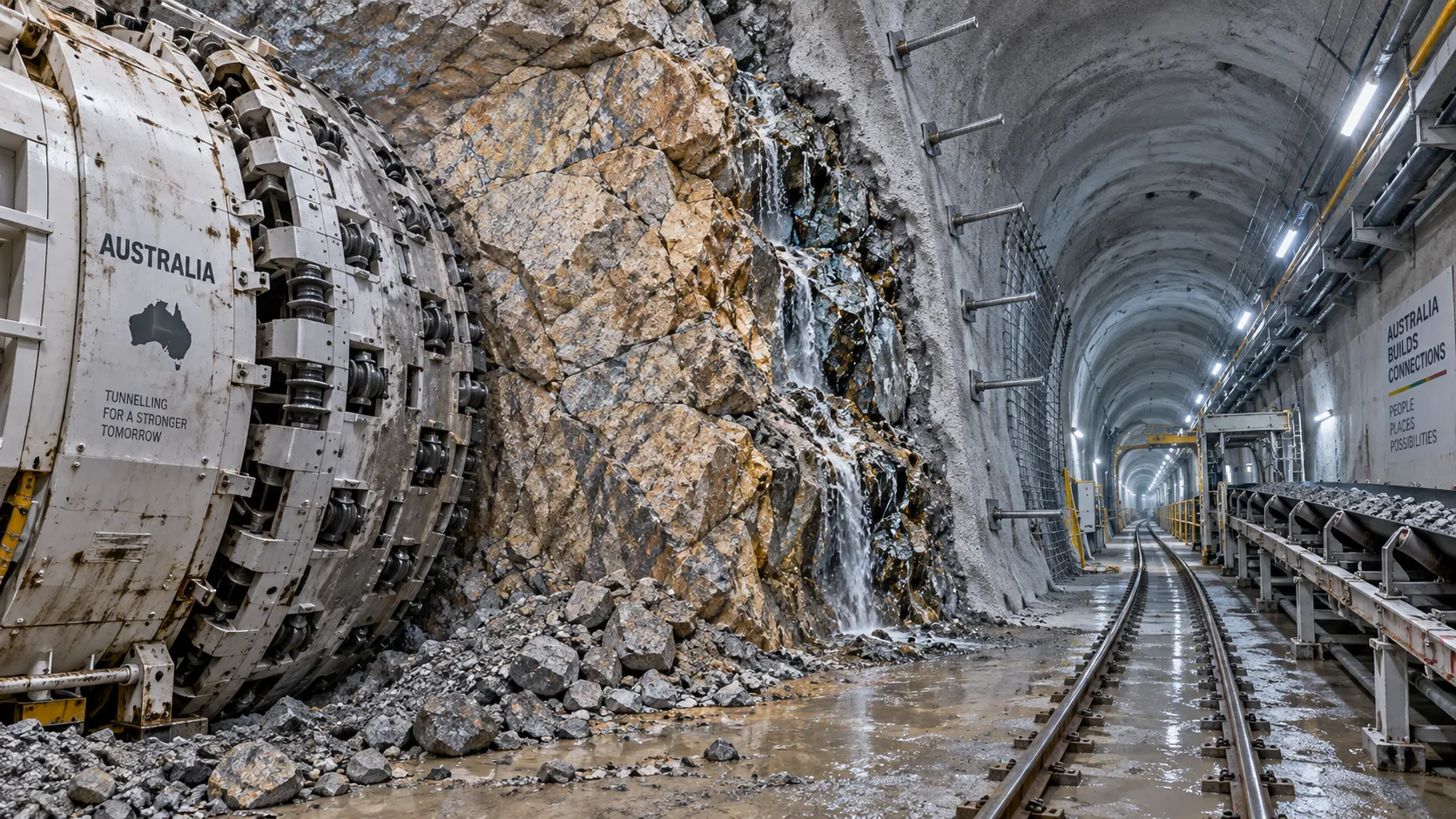
Hard Rock Tunnelling in Australia: Selecting Methods for Variable Ground Conditions
Hard rock tunnelling in Australia: compare TBM, drill-and-blast and hybrid methods to manage variable ground, reduce risk and protect project costs.
Hydropower Tunnel Excavation: Selecting Methods for Variable Rock Conditions
Hydropower tunnel excavation methods for variable rock conditions: compare TBM, drill-and-blast, and hybrid strategies to improve safety, progress, and project control.
How to Select Underground Safety Equipment for Tunnelling by Hazard and Work Zone
Underground Safety Equipment for tunnelling: match protection to hazards, work zones, compliance, and emergency needs with this practical selection guide.
Related News
- 00
0000-00
Where Autonomous Mining Loaders Deliver the Most Value in Underground Operations - 00
0000-00
Underground Drilling for Mining: Selecting Methods for Rock Conditions and Mine Layout - 00
0000-00
Underground Mine Electrification: How to Size Battery Fleets and Charging Capacity - 00
0000-00
How to Evaluate European Drill-and-Blast Tunnelling Contractors for Complex Projects - 00
0000-00
Which Trenchless Construction Technique Fits Your Utility Crossing Conditions?
Weekly Insights
Stay ahead with our curated technology reports delivered every Monday.