
Deep Underground Engineering Costs Often Missed Early On





Deep Underground Engineering projects often appear financially manageable in early planning, yet critical cost drivers frequently remain hidden until execution begins. For business evaluators, overlooking factors such as geological uncertainty, ventilation demands, equipment wear, electrification requirements, and logistics constraints can distort investment assumptions and risk models. This article highlights the often-missed cost elements that shape underground project viability and long-term asset performance.
For commercial reviewers, lenders, procurement teams, and strategy managers, the issue is rarely whether a tunnel, shaft, or underground haulage system can be built. The real question is whether the original business case can survive 12- to 48-month execution cycles, changing rock conditions, constrained access, and stricter ESG obligations. In Deep Underground Engineering, early CAPEX estimates often capture excavation and primary equipment, but they understate the supporting systems that determine schedule adherence, unit cost, and asset utilization.
This matters across UTMD’s core domains: TBM-driven tunnels, pipe jacking works, drill-and-blast development, mining dump truck electrification, and underground LHD operations. The deeper the project, the more strongly cost performance depends on system integration rather than on a single machine price. A TBM, drilling jumbo, or battery-electric loader can look competitive on paper, yet project economics may shift sharply once wear rates, ventilation loads, maintenance access, and power distribution are modeled with realistic assumptions.
Why Early Budgets in Deep Underground Engineering Miss the Real Cost Curve
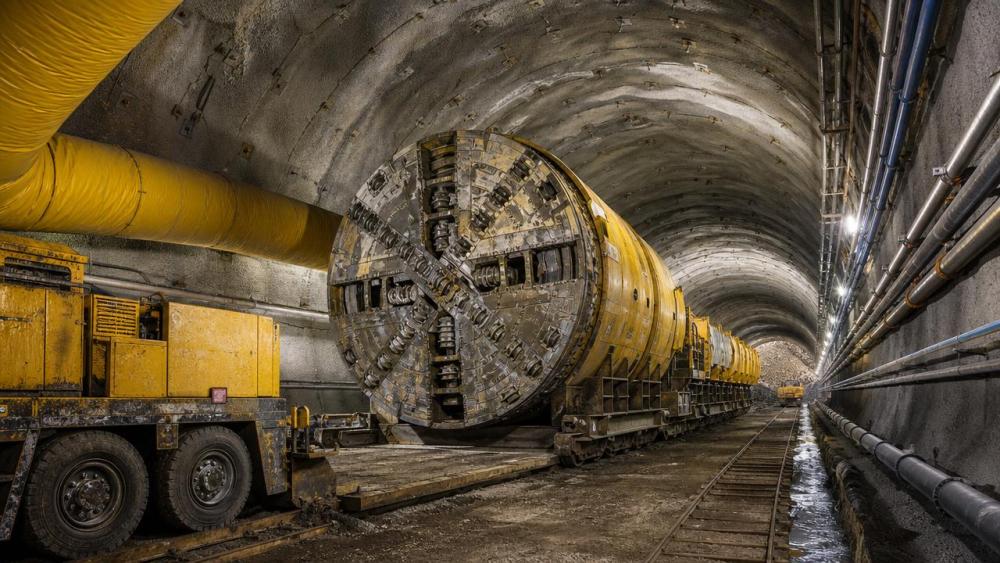
A common budgeting error in Deep Underground Engineering is treating underground construction as a linear production process. In reality, underground work behaves more like a linked risk chain. When one parameter changes by 10% to 15%—advance rate, groundwater inflow, cutter wear, or haul cycle time—several downstream costs can rise at once. That is why early-stage estimates based only on excavation length, equipment count, and labor headcount are often too optimistic.
Geology Is Not a Variable Cost Footnote
Geological uncertainty is usually the largest hidden cost driver in Deep Underground Engineering. Borehole campaigns may cover only a small percentage of the final alignment, sometimes less than 1% of the total tunnel length. Between investigation points, fault zones, mixed-face conditions, swelling ground, abrasive quartz content, or high water pressure can alter the excavation method, support class, and machine intervention frequency.
For a hard rock TBM project, disc cutter consumption can vary by a multiple of 2x to 4x depending on UCS, fracture pattern, and mineral abrasivity. In drill-and-blast headings, a change in rock mass quality can increase support installation by 20% to 40% through extra bolting, mesh, shotcrete thickness, or rework after overbreak. Business evaluators should therefore review not only the geotechnical baseline report, but also the sensitivity range attached to excavation, support, and downtime assumptions.
Questions that should be tested in cost reviews
- How many probe holes or geophysical checks are budgeted ahead of active excavation faces?
- What wear-rate range is assumed for cutters, drill steels, teeth, and ground engaging tools?
- Has the estimate included intervention time for mixed-ground transitions and water inflow control?
- Are support quantities modeled as fixed averages or by ground class scenarios?
Depth Multiplies Utility and Safety Costs
As projects move deeper, utility systems stop being secondary line items and become economic drivers. Ventilation, dewatering, cooling, emergency egress, communications, and refuge infrastructure can add substantial cost long before commercial production or full tunnel opening begins. In underground mines and long transport tunnels, every extra 100 to 300 meters of depth or reach can raise cable length, pumping head, ventilation resistance, and maintenance complexity.
Diesel fleets make this even more pronounced. A conventional underground loader or truck may appear cheaper at purchase, but the operating model can require larger ventilation capacity, more heat management, and tighter compliance monitoring. Battery-electric fleets often shift cost from diesel fuel and ventilation to charging rooms, substations, battery handling, and power quality management. Neither option is cheap if infrastructure is not planned as part of the full system.
The table below outlines cost categories that are frequently underestimated during early business screening of underground works.
The key conclusion is that hidden cost does not come from a single surprise item. It emerges when multiple support systems are priced as minor accessories rather than as operating prerequisites. In Deep Underground Engineering, business resilience improves when evaluators model three cases at minimum: base case, stress case, and disruption case over a 12- to 24-month window.
Equipment, Wear, and Utilization: The Cost Drivers Behind the Machine Price
In many boardroom reviews, equipment cost is reduced to purchase price or lease rate. That approach is too shallow for Deep Underground Engineering. Whether the project uses a full-face TBM, a pipe jacking machine, drilling jumbos, mining dump trucks, or underground LHD loaders, the real cost lies in uptime, intervention frequency, service access, spare strategy, and compatibility with underground conditions. A machine that is 8% cheaper to acquire can become 20% more expensive to operate if maintenance windows are longer and part consumption is underestimated.
TBM and Pipe Jacking Systems: Production Depends on Support Ecology
For TBM-led tunneling, financial reviews often focus on cutterhead diameter, thrust, and daily advance assumptions. Yet total cost performance depends equally on segment logistics, slurry or muck handling, backup train reliability, grout supply, and intervention planning. A planned advance of 10 to 18 meters per day can quickly fall if ring build time, conveyor availability, or cutter change access is constrained.
Pipe jacking systems present a similar risk profile on a smaller footprint. Urban crossings may seem less capital-intensive than mega-tunnels, but jacking force management, lubrication consumption, settlement control, and shaft access can significantly alter cost per meter. When shafts are in dense urban areas, a delay of even 7 to 10 days may trigger traffic management, community control, and subcontractor standby costs not visible in the original machine package.
Mining Fleets: Electrification Changes Cost Structure, Not Just Energy Source
Battery-electric mining dump trucks and underground LHD loaders are increasingly central to deep project economics, especially where ventilation costs are high and ESG pressure is tightening. However, electrification should not be treated as a simple diesel replacement. The business case must include charging strategy, battery swap time, transformer sizing, cable management, fire safety systems, and software integration for fleet dispatch.
For example, if an underground LHD loses 15 to 25 minutes per shift in poorly organized battery exchange or charging queues, the theoretical energy saving may be offset by lower ore movement and more standby hours. On long declines, regenerative braking on EV mining trucks can improve energy efficiency, but only if haul profiles, payload consistency, and thermal management are aligned. Commercial analysts should therefore test energy assumptions against actual cycle design, not just vendor brochures.
Four utilization checks before approving equipment budgets
- Measure expected mechanical availability and target utilization separately.
- Review maintenance access time in confined headings, not only workshop service time.
- Validate spare part lead times, especially for imported electrical and hydraulic components.
- Test whether fleet size includes reserve capacity for 5% to 12% unplanned downtime.
The following comparison helps business evaluators look beyond headline equipment price and focus on total underground operating exposure.
This comparison shows why asset utilization should be reviewed as a system KPI. In most underground operations, a 3% to 5% loss in utilization sustained across a year can erase a large share of the anticipated savings from a lower machine purchase price.
Infrastructure, Logistics, and Compliance Costs That Distort Investment Models
Another area where Deep Underground Engineering budgets frequently fail is indirect infrastructure. Access roads, shaft hoisting, temporary power, water treatment, explosive magazines, parts storage, digital communications, and control room integration can account for a significant share of pre-production spend. These items are often distributed across multiple contracts, which makes them easy to undercount during screening.
Underground Logistics Are Slow, Repetitive, and Expensive
Surface projects can absorb delivery inefficiency more easily than deep works. Underground projects cannot. Every segment, rock bolt, cable reel, ventilation duct, battery module, or cutter must travel through constrained space with limited passing opportunities. If a project requires two to four separate material movements before final installation, labor and cycle times rise faster than many estimators expect.
A practical example is spare parts planning. Keeping low inventory reduces working capital on paper, but if imported hydraulic valves or high-voltage components need 6 to 14 weeks of lead time, a single failure can stop production or excavation. The correct financial metric is not lowest inventory value; it is lowest total interruption cost relative to criticality.
ESG, Safety, and Digitalization Are Cost Lines, but Also Risk Shields
Compliance spending is sometimes treated as discretionary during early project evaluation. In reality, ventilation monitoring, gas detection, emergency refuge, remote machine control, and digital fleet visibility are increasingly essential. In deep mines and long tunnels, remote operation can reduce personnel exposure in high-risk headings, while telemetry can improve maintenance planning and energy use visibility. These systems add CAPEX, but they can reduce accident-related downtime, compliance disruption, and reputation risk.
UTMD’s market lens is especially relevant here because the future cost structure of underground engineering is tied to electrification, autonomy, and data integration. A project that ignores these trends may appear cheaper in year 1, yet become more expensive in years 3 to 5 due to retrofits, lower asset compatibility, or weaker financing appeal under modern sustainability criteria.
Three practical screening thresholds for commercial teams
- If utility and support infrastructure is less than roughly 15% to 25% of total underground CAPEX, the estimate may be incomplete.
- If critical spare lead times exceed 8 weeks with no contingency stock, schedule risk should be repriced.
- If electrified fleet plans do not include charging, battery handling, and fire-response procedures, OPEX assumptions are likely immature.
How Business Evaluators Can Build a More Defensible Underground Cost Review
A better review process for Deep Underground Engineering does not require perfect certainty. It requires disciplined scenario design. The most effective commercial assessments combine engineering logic with procurement realism: what must work underground, what can fail, how long replacement takes, and how quickly cost compounds when production slows. That means reviewing underground projects in layers rather than as a single budget line.
A Five-Step Evaluation Framework
- Map the production chain from excavation or loading to disposal, lining, haulage, or ore handling.
- Identify the top 5 to 8 equipment and utility dependencies that can stop the chain.
- Assign scenario ranges for wear, delay, water, energy demand, and maintenance intervals.
- Separate direct machine cost from enabling infrastructure and compliance cost.
- Stress-test the business case at lower utilization, such as 85%, 80%, and 75% availability scenarios.
What to Ask Suppliers, EPC Teams, and Technical Advisers
Decision-makers should request structured answers rather than generic assurances. Ask for maintenance hour assumptions per 250, 500, and 1,000 operating hours. Ask how many critical components have single-source supply risk. Ask what performance changes are expected if groundwater inflow doubles, if rock abrasivity exceeds baseline, or if ventilation energy tariffs rise by 10% to 20%. These questions convert technical complexity into commercial visibility.
For organizations tracking UTMD sectors, this is where intelligence becomes practical. Understanding disc cutter wear behavior, SLAM reliability in underground loaders, or regenerative braking effectiveness in EV mining trucks is not only an engineering interest. It directly affects replacement cycles, uptime forecasting, and the timing of future capital injections.
Common early-stage mistakes to avoid
- Using ideal equipment output instead of underground net cycle output.
- Assuming all electrification savings appear immediately in year 1.
- Ignoring crew training and digital system commissioning periods of 4 to 12 weeks.
- Pricing spares by average consumption instead of critical failure consequence.
Deep Underground Engineering becomes financially clearer when costs are reviewed as an integrated operational ecosystem. Geology, machine wear, ventilation, electrification, logistics, and compliance do not sit in separate silos underground. They interact continuously, and small errors in one area can create disproportionate cost escalation across the project.
For business evaluators, the most reliable decisions come from comparing not just equipment offers, but whole-life operating structures across tunnels, shafts, and mining fleets. UTMD supports this kind of decision-making by connecting machine technology, underground transport trends, and strategic sector intelligence into a clearer investment picture. To refine your next project review, get a customized assessment, consult equipment and infrastructure details, or explore more underground engineering solutions with UTMD.
Related News
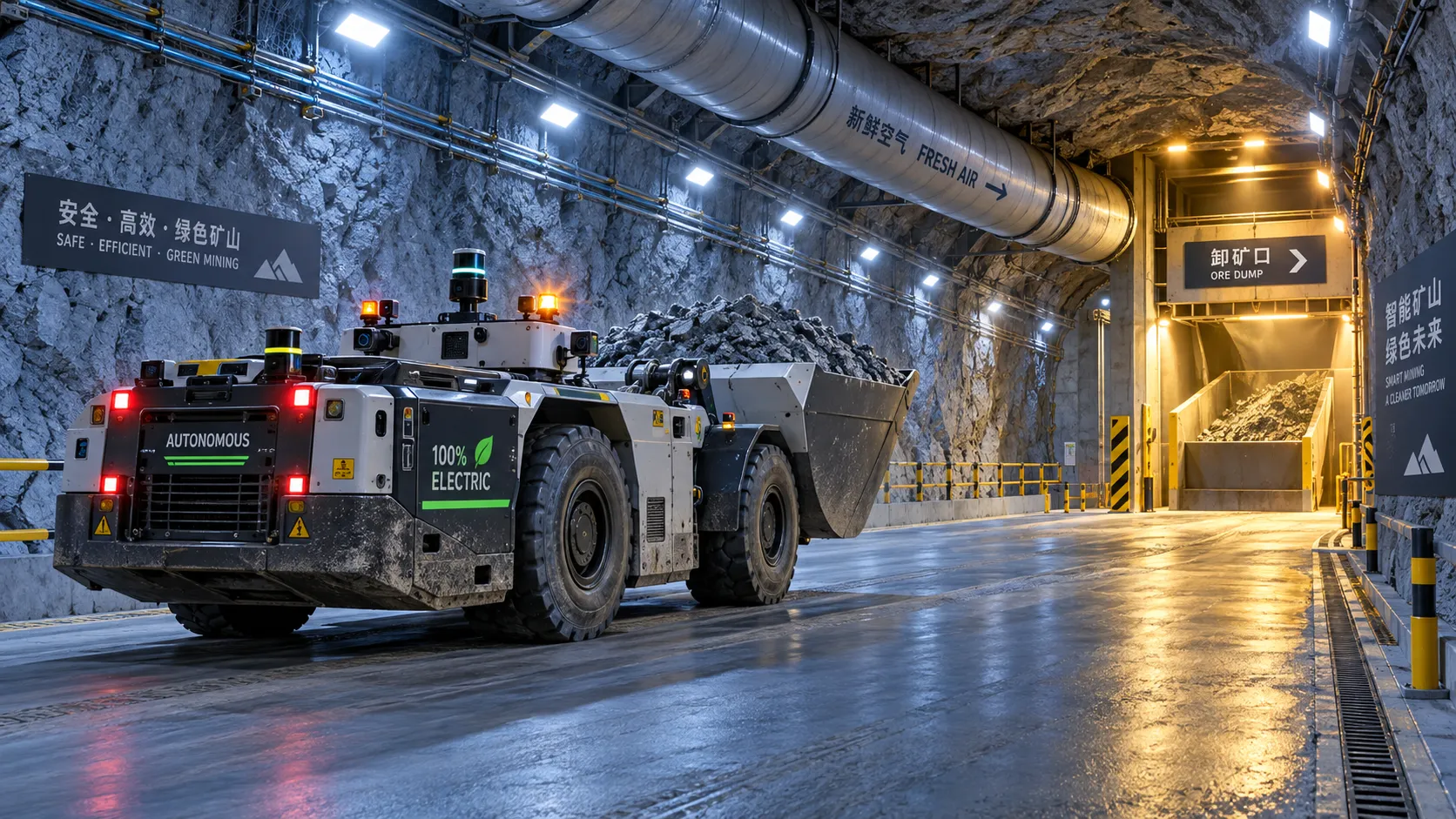
Where Autonomous Mining Loaders Deliver the Most Value in Underground Operations
Autonomous Mining Loaders deliver greater underground value through safer blast-zone work, repeatable haul cycles, and improved ventilation efficiency. Discover the best deployment zones.
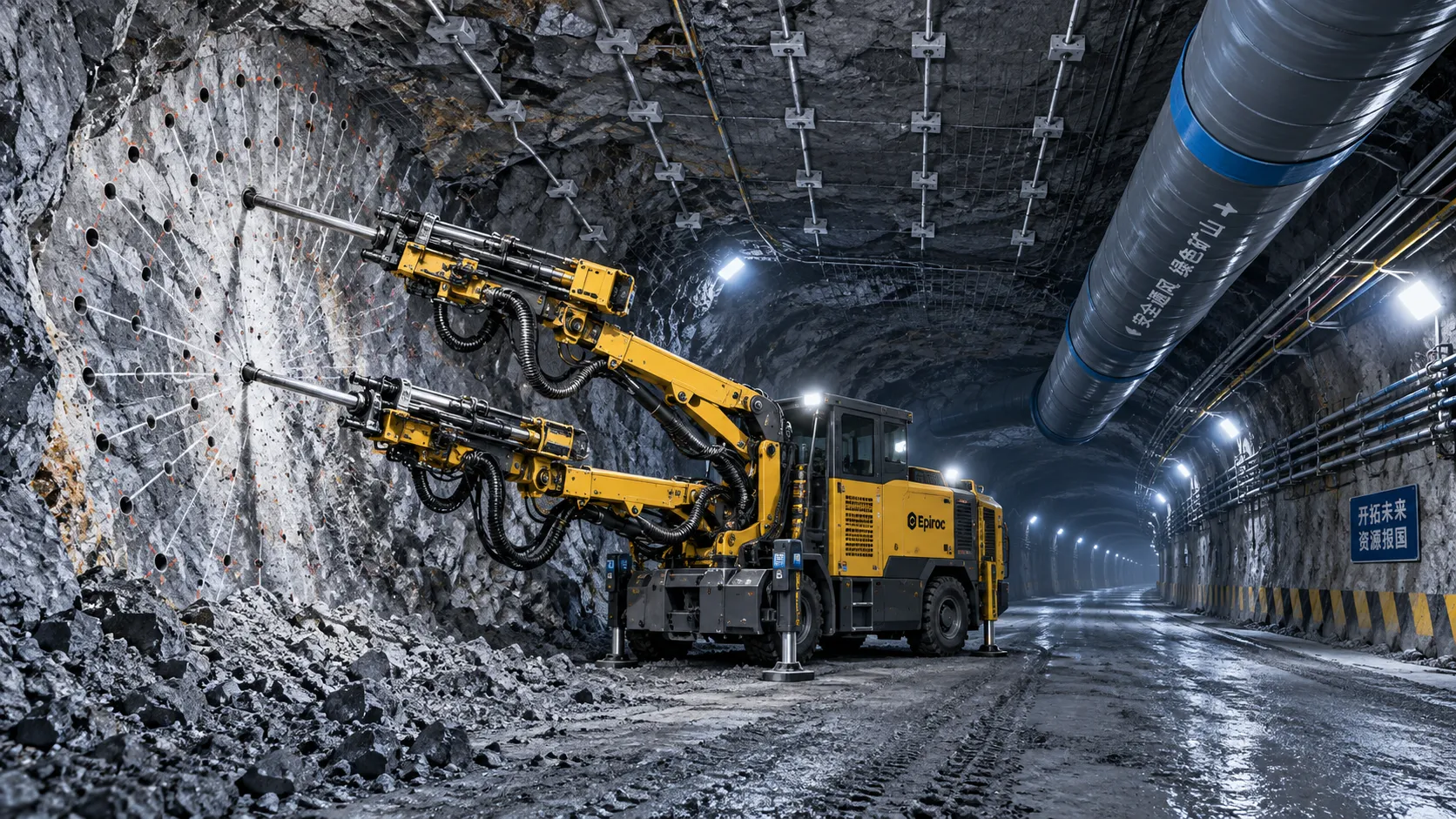
Underground Drilling for Mining: Selecting Methods for Rock Conditions and Mine Layout
Underground drilling for mining: learn how to match drilling methods to rock conditions, mine layout, accuracy needs, ground support, and cycle efficiency.
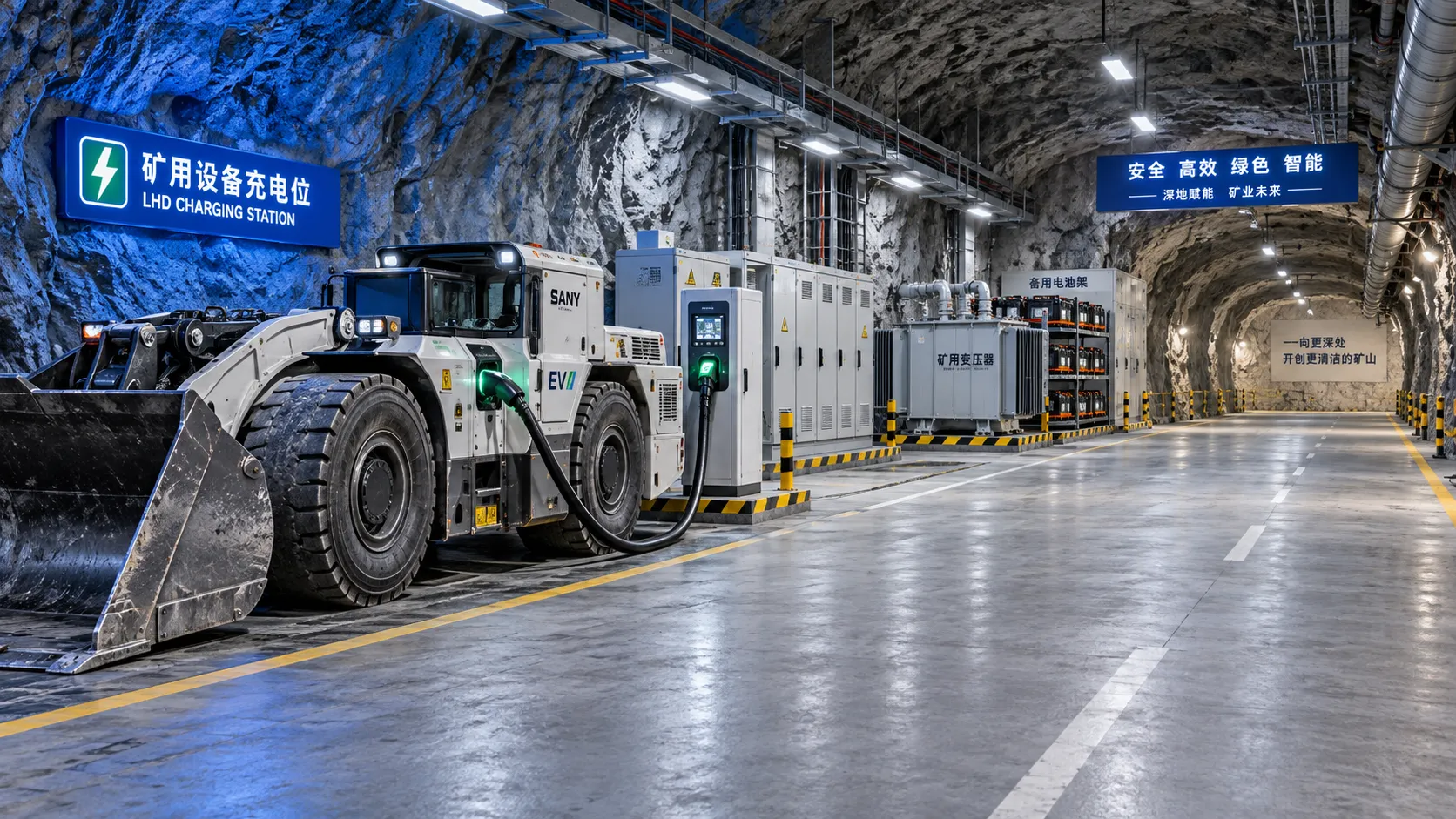
Underground Mine Electrification: How to Size Battery Fleets and Charging Capacity
Mining electrification for underground mines: learn how to size battery fleets, chargers, and power capacity to prevent queues, peak-load issues, and production downtime.

How to Evaluate European Drill-and-Blast Tunnelling Contractors for Complex Projects
Drill and blast tunnelling contractors Europe: learn how to assess geology expertise, blast control, equipment reliability, safety, and programme resilience for complex projects.

Which Trenchless Construction Technique Fits Your Utility Crossing Conditions?
Trenchless construction techniques compared for utility crossings: choose HDD, microtunnelling, pipe jacking, or auger boring based on ground, accuracy, access, and risk.

What Is Driving Metro Tunnelling Demand Across Southeast Asia’s Major Cities?
Metro tunnelling Southeast Asia is accelerating as major cities tackle congestion, flooding, and connectivity. Explore the market forces, technical risks, and opportunities shaping demand.

Hard Rock Tunnelling in Australia: Selecting Methods for Variable Ground Conditions
Hard rock tunnelling in Australia: compare TBM, drill-and-blast and hybrid methods to manage variable ground, reduce risk and protect project costs.

Hydropower Tunnel Excavation: Selecting Methods for Variable Rock Conditions
Hydropower tunnel excavation methods for variable rock conditions: compare TBM, drill-and-blast, and hybrid strategies to improve safety, progress, and project control.

How to Select Underground Safety Equipment for Tunnelling by Hazard and Work Zone
Underground Safety Equipment for tunnelling: match protection to hazards, work zones, compliance, and emergency needs with this practical selection guide.
Related News
- 00
0000-00
Where Autonomous Mining Loaders Deliver the Most Value in Underground Operations - 00
0000-00
Underground Drilling for Mining: Selecting Methods for Rock Conditions and Mine Layout - 00
0000-00
Underground Mine Electrification: How to Size Battery Fleets and Charging Capacity - 00
0000-00
How to Evaluate European Drill-and-Blast Tunnelling Contractors for Complex Projects - 00
0000-00
Which Trenchless Construction Technique Fits Your Utility Crossing Conditions?
Weekly Insights
Stay ahead with our curated technology reports delivered every Monday.