
What Slows ROI in Tunnel Construction Technology Upgrades?





Why do expensive Tunnel Construction Technology upgrades so often underdeliver on returns? For financial approvers, the answer is usually not that the technology is ineffective. ROI slows because deployment is fragmented, crews are underprepared, baseline performance is poorly defined, and lifecycle costs surface later than expected. In tunnel construction, capital value is created only when machines, software, maintenance systems, and project workflows improve production together.
For finance teams, this means the approval question should not be “Is this technology advanced?” but “Under what operating conditions will this upgrade pay back, how quickly, and what could prevent adoption at the project level?” That shift matters because tunnel projects are exposed to schedule pressure, geological uncertainty, utilization swings, and costly downtime. A technically strong upgrade can still become a weak investment if those variables are not priced into the decision.
The core search intent behind this topic is practical and commercial: decision-makers want to know what delays or reduces ROI in tunnel technology upgrades, how to identify warning signs before funding, and how to evaluate whether digital systems, automation packages, monitoring tools, or machine upgrades will deliver measurable value. Financial approvers care less about innovation headlines and more about payback certainty, utilization rates, maintenance burden, and implementation risk.
This article focuses on those concerns. It explains where ROI is commonly lost, which metrics matter most before approval, and how to structure a more defensible investment case for tunnel construction upgrades.
Why ROI in Tunnel Construction Technology Often Moves Slower Than the Business Case
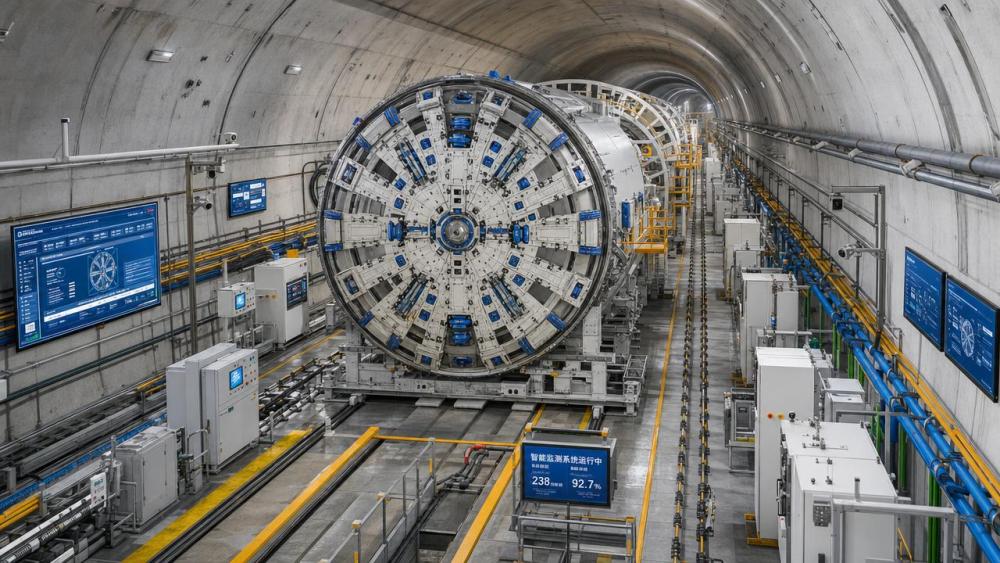
In tunnel construction, the expected return from new equipment or digital capability often assumes stable operations, fast adoption, and immediate productivity gains. Actual project conditions are much messier. Shift-level productivity can be constrained by geology, logistics, ventilation, segment supply, utility interference, labor capability, and maintenance response time. As a result, even a strong technology investment may not translate into early financial gains.
For financial approvers, the most important insight is that ROI usually slows at the interface between technology and operations. A machine-control upgrade, condition-monitoring platform, guidance system, or automation package may work as specified. But if the contractor cannot integrate data into production decisions, train crews consistently, or maintain high equipment availability, the return timeline stretches.
There is also a timing problem. Costs are typically front-loaded through procurement, customization, commissioning, training, and downtime during transition. Benefits, by contrast, arrive gradually through lower rework, fewer stoppages, better advance rates, reduced wear, improved energy performance, or safer shifts. If the project accounting model expects immediate gains, the investment can appear weak even when the long-term economics are positive.
The Biggest ROI Killers Financial Approvers Should Watch First
The first major ROI killer is delayed integration. Tunnel Construction Technology rarely creates value as a standalone item. A guidance system must work with survey practices. A predictive maintenance platform must connect with spare parts planning. A TBM monitoring upgrade must be tied to operator decisions and shift reporting. When integration is delayed, projects absorb cost immediately but postpone the productivity benefit that justifies the investment.
The second is low utilization. Many upgrade proposals are modeled on ideal equipment usage, but real tunnel projects may have intermittent operating hours, constrained launch conditions, variable face conditions, or short project durations. If the upgraded system is active for only part of the production cycle, the return weakens sharply. Finance teams should always ask what percentage of total project hours will actually benefit from the upgrade.
The third is hidden maintenance cost. New systems often introduce sensors, software licenses, calibration requirements, specialist service visits, firmware updates, and higher spare-part complexity. These costs may not look large individually, but over a project or fleet lifecycle they can erode the return significantly. A technology that reduces downtime by 5% but raises maintenance complexity by 12% may not improve total economics.
The fourth is unclear performance benchmarking. If a contractor cannot define current advance rate, cutter consumption, stoppage profile, segment placement efficiency, or maintenance intervals with confidence, then post-upgrade value will be difficult to prove. In that environment, ROI discussions become subjective. Financial approvers should treat weak baseline data as a direct investment risk.
The fifth is change management failure. Tunnel crews operate under schedule pressure and often prioritize continuity over experimentation. If operators, maintenance teams, and site managers do not trust the system or see its relevance to daily production, adoption will be partial. In heavy underground works, partial adoption is one of the fastest ways to destroy projected ROI.
Where Business Cases for Tunnel Construction Technology Commonly Go Wrong
Many business cases overestimate direct productivity gains and underestimate transition friction. A proposal may claim higher advance rates, reduced cutter wear, or lower downtime, but it may not fully account for commissioning delays, training periods, software tuning, or geotechnical variability. This creates an approval model that looks strong on paper and fragile in live conditions.
Another common error is treating all tunnel projects as comparable. ROI from Tunnel Construction Technology depends heavily on tunnel diameter, geology, project duration, machine type, crew maturity, and contract structure. A digital diagnostics package that pays back quickly on a long hard-rock drive may have limited value on a shorter urban utility tunnel with frequent external interruptions. The same upgrade can produce very different returns depending on the operating environment.
Business cases also often ignore organizational readiness. If a contractor lacks data analysts, disciplined maintenance planning, or a reliable feedback loop between site and headquarters, then even good technology will struggle to scale. Financial approvers should distinguish between “technology value in theory” and “technology value under this company’s current operating model.” That gap is often where ROI disappears.
A final weakness is relying on vendor promises without independent validation. Suppliers may present benchmark gains from high-performing sites, but these gains are not automatically transferable. Finance leaders should require evidence from similar tunnel profiles, similar utilization patterns, and comparable workforce conditions before accepting aggressive payback assumptions.
How to Evaluate ROI More Rigorously Before Approving the Upgrade
A stronger approval process begins with baseline measurement. Before approving any Tunnel Construction Technology investment, finance teams should ask for current values in five areas: equipment availability, actual productive hours, downtime causes, consumable usage, and unit production cost. Without this baseline, projected gains cannot be tested.
Next, model ROI using three cases instead of one: best case, expected case, and constrained case. The constrained case should assume slower adoption, lower utilization, and some integration delay. This is especially important in underground construction because unforeseen site conditions are normal, not exceptional. A project that only works financially under ideal assumptions is not a robust investment.
It is also useful to separate returns into direct and indirect categories. Direct returns include faster advance rates, lower labor hours, reduced fuel or power cost, less cutter replacement, and fewer unplanned stoppages. Indirect returns include lower safety exposure, better reporting quality, stronger tender competitiveness, and improved asset residual value. The distinction helps approvers understand which benefits are bankable in the current project and which are strategic but harder to quantify immediately.
Approval models should include implementation costs in full. That means not only purchase price, but integration engineering, commissioning downtime, software subscriptions, connectivity infrastructure, training, spare parts, specialist support, and internal project-management effort. In many heavy-equipment upgrades, the non-hardware cost stack is what changes the payback period most.
Finally, tie the investment to a review schedule. Instead of approving technology on a one-time promise, set milestone checks at 30, 90, and 180 days after commissioning. This creates accountability around adoption, identifies underperformance early, and allows the operating team to correct problems before the investment is labeled unsuccessful.
What Financial Approvers Should Ask Vendors and Internal Teams
Good questions improve ROI more than optimistic spreadsheets. Financial approvers should ask vendors: What operating assumptions support the payback claim? What utilization rate is required? Which benefits depend on operator behavior? What ongoing service costs are excluded from the quote? What similar tunnel references can verify the expected outcome?
Internal teams should be asked different but equally important questions. Who owns implementation? What process will change after the upgrade is live? What training hours are required by role? How will downtime be recorded before and after deployment? What is the backup plan if the technology is only partially adopted during the first project phase?
Another essential question is whether the upgrade solves a bottleneck that truly matters. If production is mainly constrained by spoil logistics, ventilation, shaft access, or utility approvals, then improving machine intelligence alone may have limited financial effect. Technology delivers the highest ROI when it targets the actual bottleneck in the tunnel system, not the most visible or fashionable one.
Finance teams should also ask whether the investment is project-specific or fleet-scalable. A project-specific upgrade may still make sense, but scalable technology usually provides a stronger long-term return because learning, software configuration, and maintenance knowledge can be reused across future works.
Which Tunnel Construction Upgrades Usually Justify Funding Faster
Not all upgrades face the same ROI risk. Investments that improve visibility into machine health and production performance often justify funding more quickly because they reduce uncertainty across multiple decisions. Condition monitoring, cutter wear tracking, downtime analytics, and integrated reporting can help management improve maintenance timing, reduce stoppages, and allocate resources better. Their value is not always dramatic on day one, but it is broad and repeatable.
Upgrades tied directly to major cost centers also tend to pay back faster. In hard-rock or mixed-ground tunneling, technologies that reduce cutter consumption, avoid face instability, or prevent major unplanned stoppages often have a clearer business case than systems offering marginal workflow convenience. When one failure event can cost days of delay, risk reduction becomes financially meaningful.
Automation and remote-assist functions can also be attractive, but only when labor availability, safety constraints, or cycle consistency are significant pain points. If the site already has stable crews and acceptable shift performance, the return from advanced automation may be slower than expected. In that case, digital maintenance and performance management may be a better first step.
For financial approvers, the priority should be technologies that either protect equipment uptime, reduce expensive consumables, shorten high-cost delays, or create reusable operational intelligence. Those benefits are more measurable than broad claims about “smart tunneling” and easier to defend in capital committees.
How to Protect Capital Discipline While Still Supporting Innovation
The goal is not to avoid innovation. In tunnel construction, avoiding modernization can also carry a cost through lower productivity, weaker safety performance, and reduced competitiveness in future tenders. The goal is to fund upgrades with the right governance structure so that innovation becomes operational value rather than stranded capital.
One practical method is phased deployment. Instead of full fleet rollout, begin with a pilot on a defined tunnel section or machine package with clear success metrics. If the system improves availability, lowers stoppage hours, or reduces consumable cost as expected, the business case for scale-up becomes much stronger. This approach limits downside while preserving strategic upside.
Another method is milestone-based vendor contracting. Link part of the commercial package to commissioning success, training completion, system uptime, or verified performance indicators. This does not eliminate risk, but it aligns incentives and helps ensure that implementation quality receives as much attention as hardware delivery.
Finance leaders should also push for post-project learning capture. Every approved technology investment should produce a documented record of assumptions, actual outcomes, adoption barriers, and recommendations for future projects. Over time, this creates an internal evidence base that is far more valuable than generic market claims.
Conclusion: ROI Slows When Technology Outruns Readiness
What slows ROI in Tunnel Construction Technology upgrades is rarely the concept of the technology itself. More often, returns are delayed by poor integration, low utilization, weak baseline data, hidden lifecycle costs, and limited organizational readiness. For financial approvers, the real task is to test whether the operating model can convert technical capability into measurable project outcomes.
The strongest investments are not always the most advanced. They are the ones matched to a real production bottleneck, supported by credible data, costed across the full lifecycle, and governed through disciplined implementation. When tunnel technology is approved with those conditions in place, ROI becomes easier to track, easier to defend, and more likely to arrive on schedule.
In other words, better funding decisions come from asking harder operational questions. For finance teams responsible for capital discipline in underground construction, that is the difference between buying innovation and buying performance.
Related News
Tunnel Boring Machine Costs: Budgeting for Purchase, Operation, and Project Risk
Tunnel Boring Machines cost more than purchase price. Learn how to budget lifecycle costs, downtime, logistics, wear, and project risk for smarter TBM decisions.
Open-Pit Haulage Cost Analysis: How Mine Managers Can Cut Cost per Tonne
Open pit haulage cost analysis: discover practical ways to reduce cost per tonne through payload control, cycle-time optimization, road performance, and smarter fleet decisions.
Tunnel Construction Innovations That Reduce Risk and Schedule Delays on Urban Projects
Tunnel construction innovation for urban projects: discover smarter TBMs, real-time monitoring, trenchless methods, and automation that reduce risk and protect schedules.
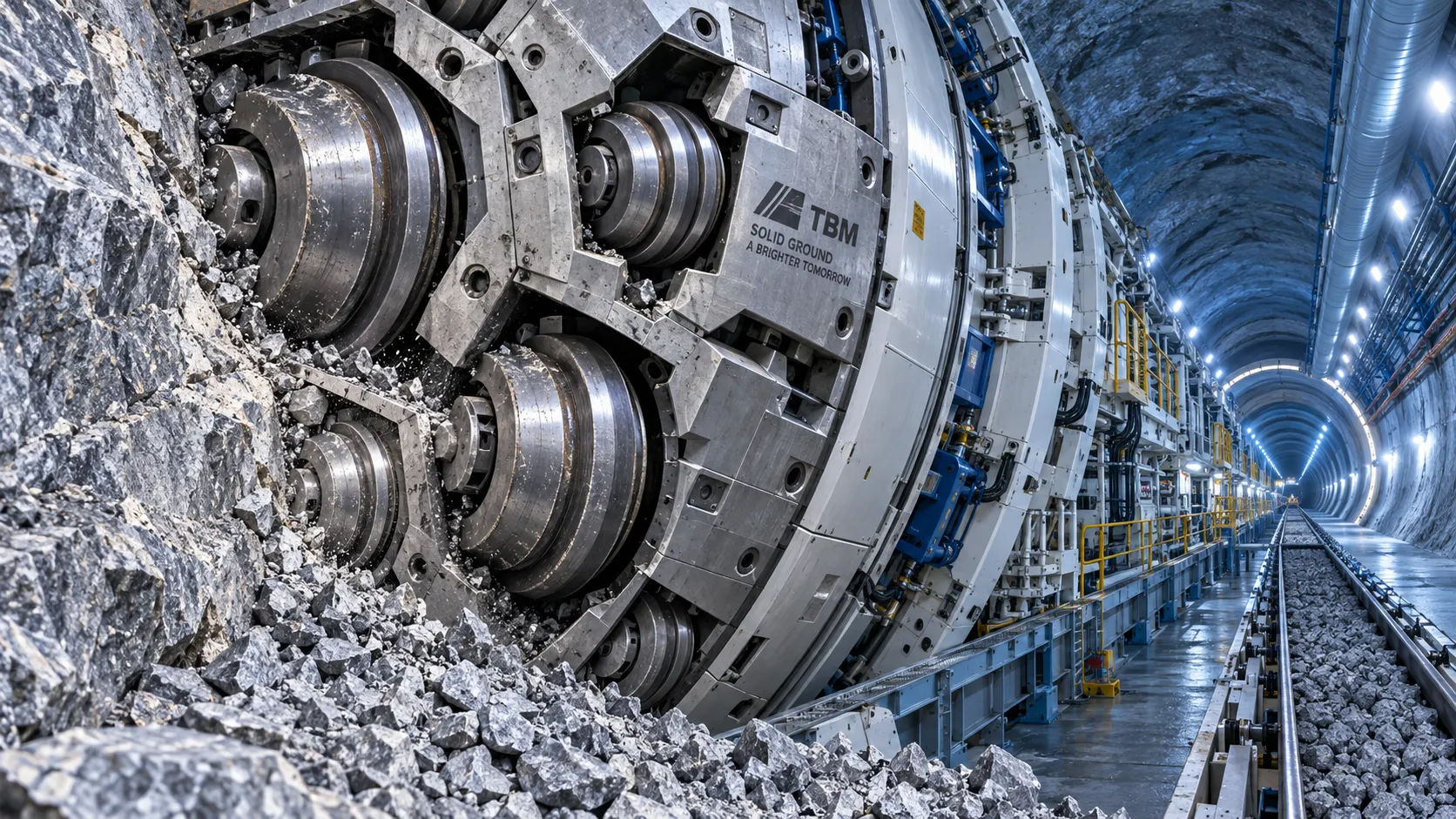
TBM Disc Cutter Design: Key Geometry and Load Factors for Hard Rock Tunnelling
TBM disc cutter design explained: explore geometry, spacing, load distribution and maintenance factors for reliable, efficient hard-rock tunnelling performance.

Hydraulic Tipping Stability Risks in Multi-Axle Dump Special Trailers
Dump special trailers: discover key hydraulic tipping stability risks, multi-axle load dynamics, and practical safety controls for safer, smarter bulk hauling.
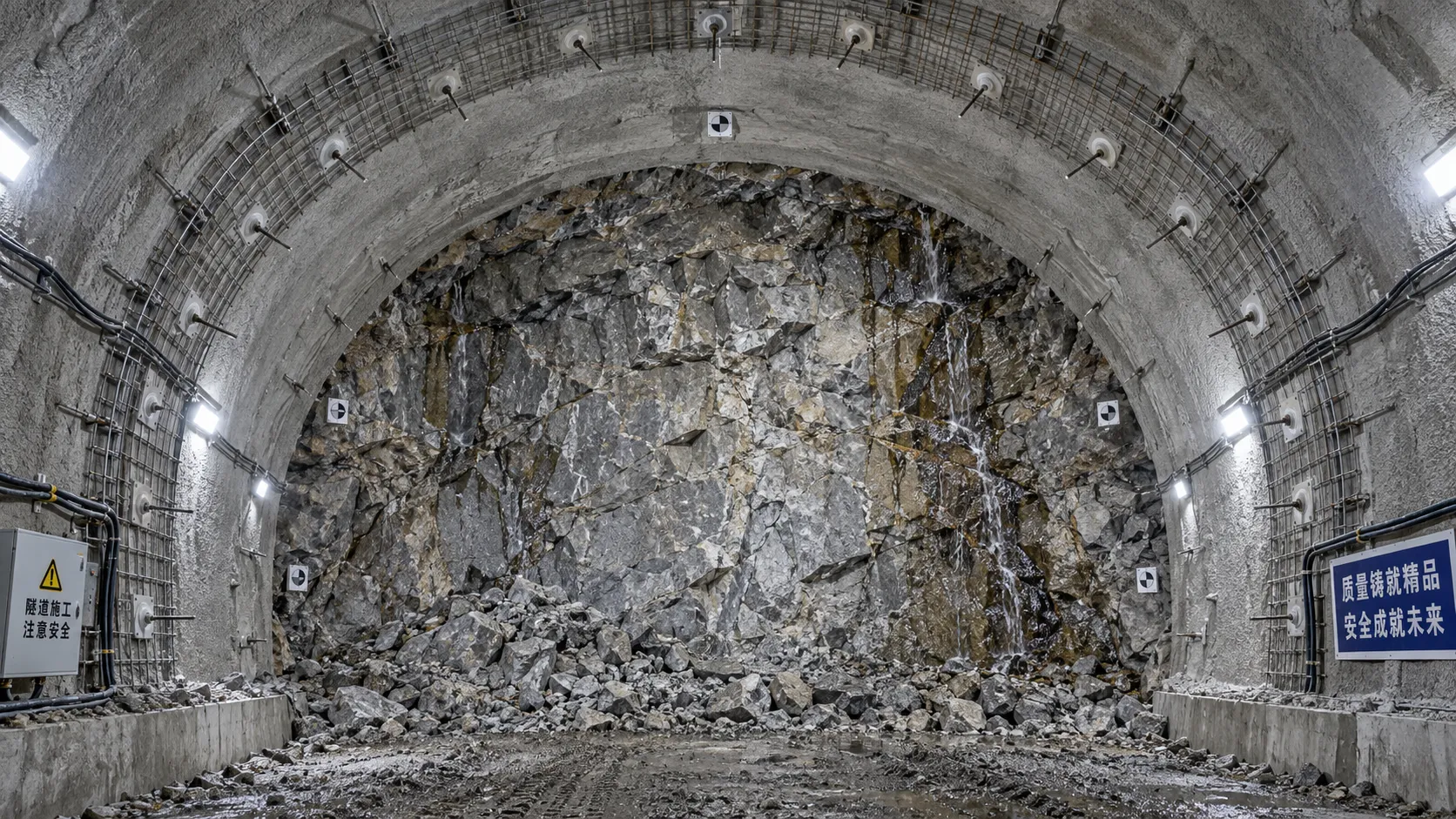
When rock reinforcement in tunnel construction must change after blasting
Rock reinforcement in tunnel construction must change when blasting reveals overbreak, weak joints, water inflow, or deformation. Discover key post-blast support decisions.
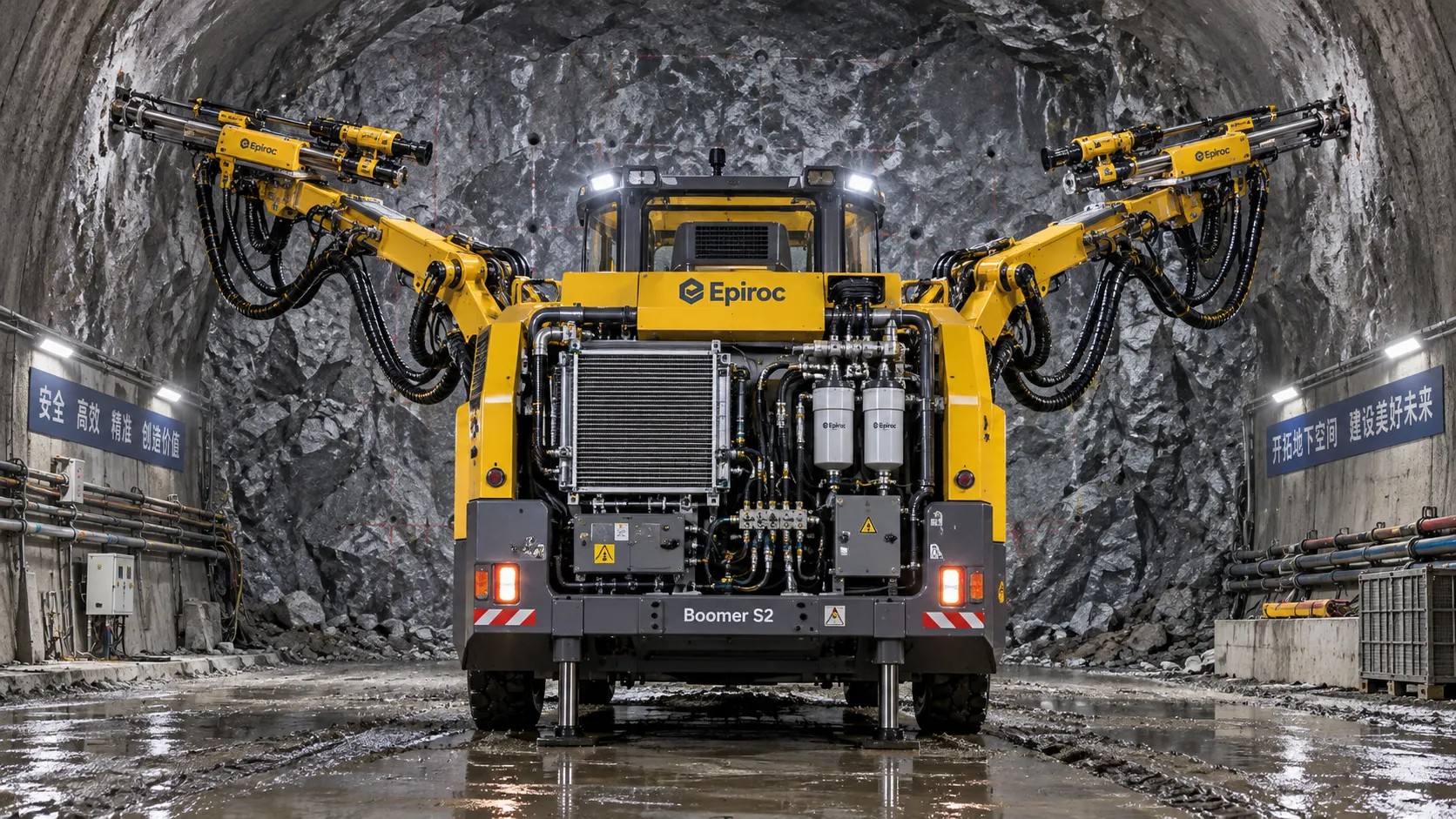
How tunnel hydraulic systems influence drill jumbo uptime underground
Tunnel hydraulic systems directly influence drill jumbo uptime. Explore how stable pressure, clean oil, cooling, and maintainable design reduce underground downtime.
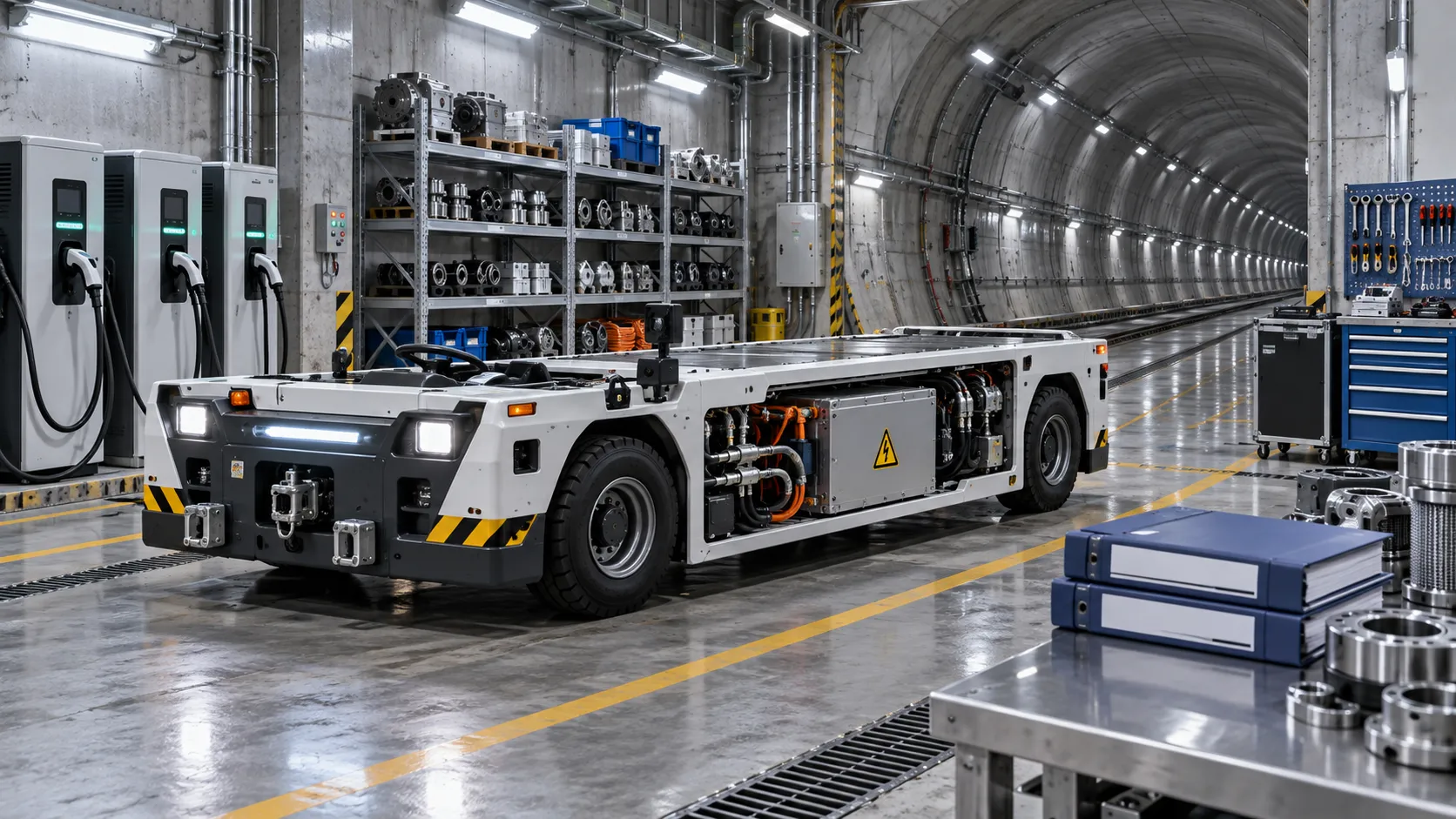
What to verify before appointing a tunneling vehicles manufacturer
Choosing a tunneling vehicles manufacturer? Verify application fit, reliability, compliance, parts support, training, and channel terms before appointing a partner.
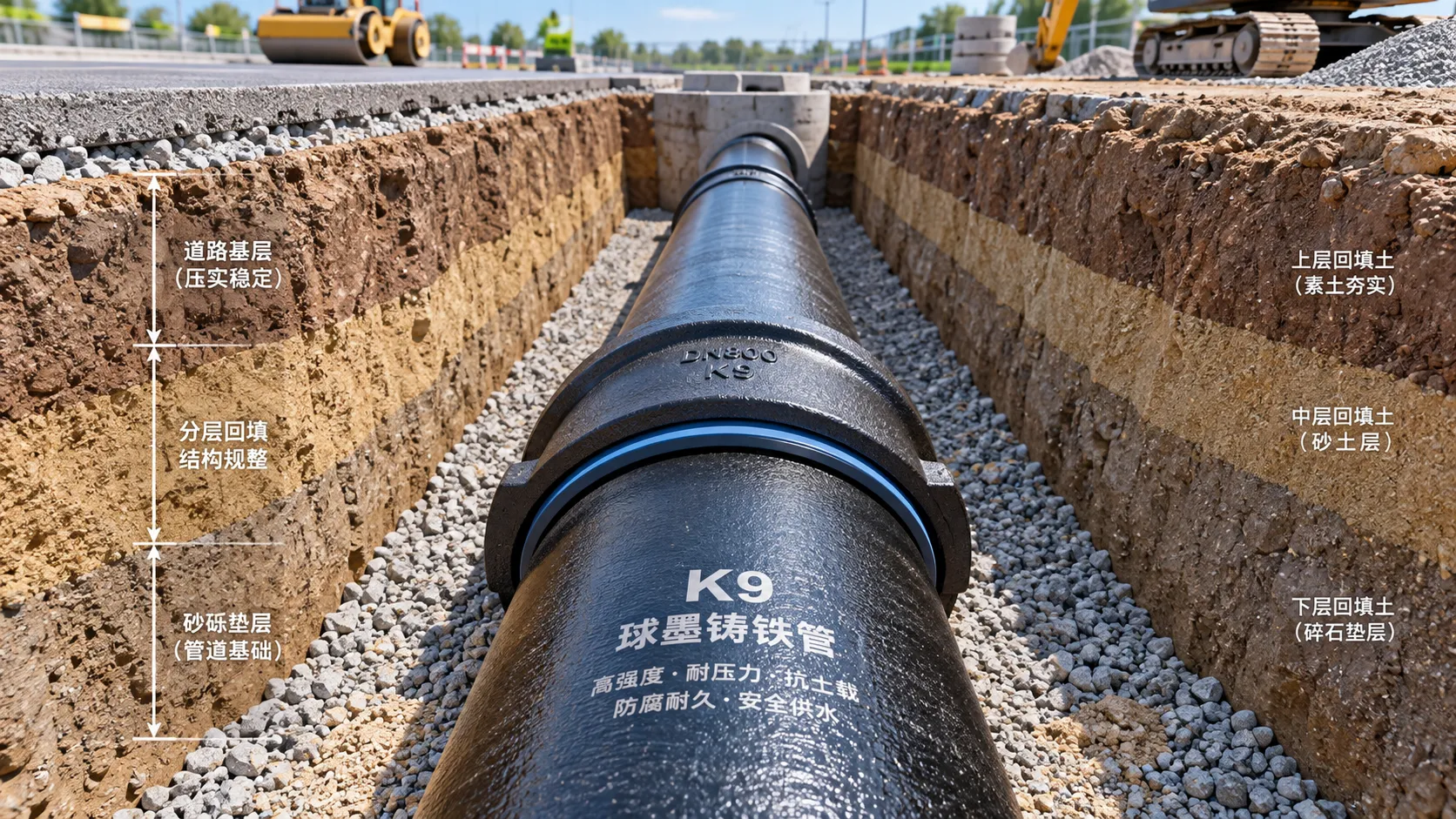
Selecting K9 Ductile Iron Pipe for Buried Water Pipeline Conditions
K9 ductile iron pipe selection for buried water pipelines: compare pressure duty, joints, soil loads, corrosion protection, and installation controls for reliable long-term performance.
Related News
- 00
0000-00
Tunnel Boring Machine Costs: Budgeting for Purchase, Operation, and Project Risk - 00
0000-00
Open-Pit Haulage Cost Analysis: How Mine Managers Can Cut Cost per Tonne - 00
0000-00
Tunnel Construction Innovations That Reduce Risk and Schedule Delays on Urban Projects - 00
0000-00
TBM Disc Cutter Design: Key Geometry and Load Factors for Hard Rock Tunnelling - 00
0000-00
Hydraulic Tipping Stability Risks in Multi-Axle Dump Special Trailers
Weekly Insights
Stay ahead with our curated technology reports delivered every Monday.