
Underground Lighting Solutions: Better Visibility or Higher Load?





In underground operations, Underground Lighting Solutions are no longer just a visibility upgrade—they directly influence safety control, inspection accuracy, energy efficiency, and equipment load management. For quality and safety managers, the real challenge is choosing systems that improve hazard detection without adding unnecessary power strain, heat, or maintenance risk. This article examines how to balance illumination performance with operational reliability in tunnels and mining environments.
What Underground Lighting Solutions Really Mean in Modern Operations
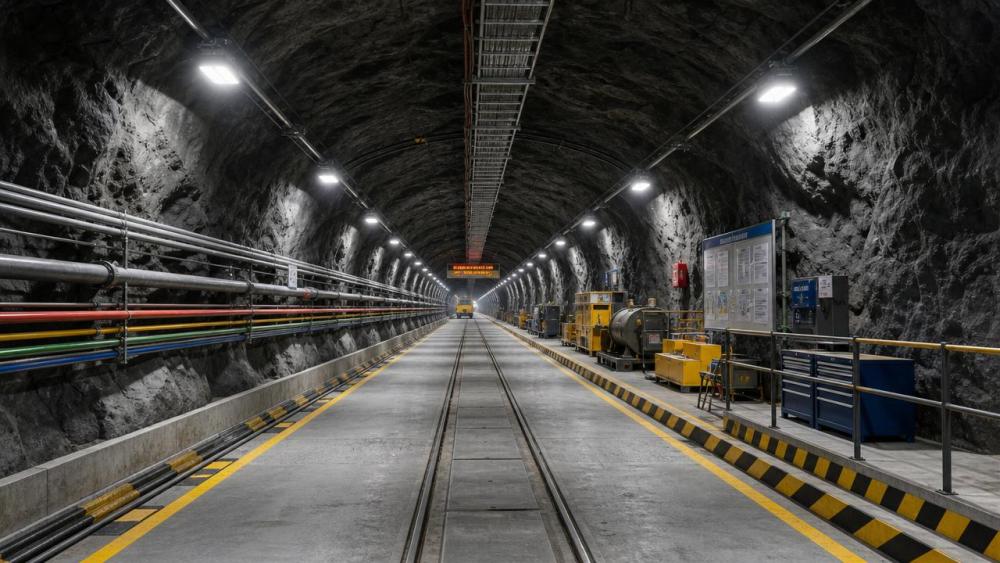
Underground Lighting Solutions refer to the full lighting architecture used in tunnels, mines, access drifts, working faces, maintenance bays, and emergency routes. In practice, this includes fixed luminaires, mobile work lights, cap lamps, machine-mounted lighting, backup systems, controls, cabling, power distribution, and monitoring functions. For quality control personnel and safety managers, the topic is not limited to brightness alone. It also includes beam distribution, glare control, color rendering, ingress protection, vibration resistance, thermal behavior, and compatibility with electrified equipment.
This broader definition matters because underground conditions are unusually demanding. Dust, moisture, blasting vibration, narrow geometry, uneven surfaces, and limited natural light all affect the quality of visual information. In deep mining and tunnel construction, poor lighting can delay inspections, hide defects in support systems, and increase the chance of slips, collisions, or missed warning signs. At the same time, overdesigned lighting can increase electrical load, heat generation, cable stress, and maintenance complexity.
For organizations following the evolution of TBM systems, pipe jacking equipment, drilling jumbos, mining dump trucks, and underground LHD loaders, lighting has become part of the wider transition toward automation, zero-emission environments, and data-led safety management. A lighting decision today affects not only visibility, but also uptime, charging strategy, thermal management, and compliance performance.
Why the Industry Is Paying More Attention to Lighting Load
The question “better visibility or higher load?” has become more relevant because underground operations are changing. Electrification is reducing diesel emissions but increasing dependence on stable power systems. Battery-electric machines and smart controls improve underground air quality, yet they also make every kilowatt more important. Lighting that once seemed secondary now competes with ventilation, charging, communications, dewatering, and autonomous navigation systems for limited energy capacity.
In many tunnel and mining projects, quality and safety teams are expected to verify conditions faster and with more accuracy. Rock support checks, water ingress detection, liner inspection, cable route review, and equipment walkarounds all depend on visual clarity. If Underground Lighting Solutions are too weak, hazards remain hidden. If they are too heavy in load, the site may experience avoidable energy losses, higher enclosure temperatures, more frequent failures, or reduced machine operating time.
This is especially important in confined spaces where heat and maintenance access are difficult to manage. Every extra watt can add operational cost directly and indirectly. That is why current underground lighting strategy is no longer about adding more fixtures. It is about adding the right light in the right place, with the right controls, for the right risk profile.
Core Performance Factors Beyond Simple Brightness
A high-quality underground lighting system should be evaluated through multiple performance layers. Illuminance levels matter, but they do not tell the whole story. Uniformity is essential because sharp dark-to-bright transitions strain the eyes and reduce hazard recognition. Color rendering helps inspectors identify cable damage, hydraulic leaks, corrosion, and rock condition changes. Glare control is critical around wet surfaces, steel structures, and reflective machine bodies, where excessive brightness can actually reduce safe visibility.
Reliability is another major factor. In underground settings, a luminaire that fails early may create a safety event long before replacement is convenient. Shock resistance, dust protection, water resistance, and thermal stability are often more valuable than simply selecting the highest lumen output. For machine lighting on drilling jumbos, LHDs, or utility vehicles, vibration tolerance and mounting integrity are equally important.
Controls also play a larger role than many sites expect. Zoned switching, occupancy sensing, daylight compensation near portals, and dimming during low-activity periods can sharply reduce unnecessary load. Smart Underground Lighting Solutions increasingly support remote diagnostics, fault alerts, and usage analysis, helping safety managers identify underlit areas and helping quality teams maintain consistent inspection conditions.
Operational Value for Quality Control and Safety Management
For quality control personnel, lighting quality directly affects inspection precision. Tunnel segment joints, shotcrete finish, bolt placement, crack lines, water staining, equipment damage, and floor condition all become easier to assess under stable, well-directed illumination. Inadequate lighting often leads to inconsistent findings between shifts, which creates documentation risk and slows corrective action.
For safety managers, Underground Lighting Solutions support hazard identification, route marking, emergency preparedness, and human-machine interaction. Pedestrian crossings, refuge chambers, escape routes, service niches, and maintenance points need dependable illumination profiles. Lighting must also support visibility around moving assets such as mining dump trucks, rail systems, conveyors, and loaders. The right system improves reaction time, reduces confusion in smoke or dust, and strengthens compliance with site safety procedures.
Importantly, the best systems improve visibility without creating hidden burdens. Lower energy consumption can reduce generator demand or electrical stress. Lower heat output can support thermal comfort and equipment longevity. Longer maintenance intervals reduce technician exposure in high-risk areas. In this sense, lighting becomes a practical part of operational resilience, not just a supporting utility.
Typical Underground Lighting Needs by Area and Function
Different underground zones require different lighting priorities. A one-size-fits-all design often causes either wasted load or poor safety performance. The table below outlines common use cases and the operational focus for each.
Better Visibility Does Not Always Mean More Power
A common mistake is assuming that stronger lighting automatically requires significantly higher electrical load. In reality, well-planned Underground Lighting Solutions can improve visual conditions while limiting power demand. The key is optical efficiency and system design. Modern LED systems with precise lenses often outperform older high-wattage fixtures because they place light where it is needed instead of spilling it into walls, ceilings, or unused voids.
Another issue is fixture spacing and mounting angle. Poorly positioned lights create shadows, glare, and uneven coverage, leading operators to request more fixtures than necessary. By redesigning the layout, many sites can reduce total fixture count while improving effective visibility. This is particularly useful in curved tunnels, cross-passages, and equipment service zones where standard spacing rules may fail.
Control logic further supports load reduction. Occupancy-triggered corridors, dimmable standby settings, and task-based activation can cut wasted consumption without reducing safety. For battery-supported operations, these strategies can preserve runtime and reduce charging pressure. For fixed infrastructure, they help lower cumulative energy cost and simplify electrical planning.
Common Risks When Lighting Is Specified Poorly
Poor lighting specification can create both visible and hidden risks. Under-lighting is the obvious concern, but over-lighting can be equally problematic if it creates glare, thermal stress, or maintenance burden. Quality and safety teams should watch for several recurring issues:
- High lumen output with poor beam control, causing bright hotspots and dark peripheral zones.
- Fixtures not rated for vibration, moisture, or corrosive dust, leading to early failure.
- Lighting circuits that ignore emergency redundancy or maintenance access constraints.
- Machine-mounted lights that interfere with operator sightlines or sensor systems.
- No differentiation between transit lighting and inspection-grade task lighting.
These problems often appear when procurement decisions focus only on initial price or rated wattage. A lower-cost fixture that fails frequently or drives rework can become more expensive than a higher-quality alternative. In underground settings, lifecycle reliability usually matters more than nominal specification alone.
Practical Evaluation Criteria for Site Teams
When assessing Underground Lighting Solutions, quality and safety managers should use a practical evaluation framework that connects lighting output to field performance. First, define the visual task. Is the area used for travel, inspection, loading, maintenance, or emergency response? Second, measure the environmental stress level, including water, dust, shock, temperature, and exposure duration.
Third, evaluate energy impact in context. On an electrified site, the right question is not “How many watts does one fixture use?” but “How does the whole lighting system affect shift operations, battery strategy, backup capacity, and maintenance intervals?” Fourth, verify maintainability. Components should be easy to inspect, replace, clean, and isolate without extending exposure time in hazardous zones.
Finally, connect lighting review to incident prevention and inspection quality. If a lighting upgrade cannot show measurable improvement in route safety, detection accuracy, downtime reduction, or energy efficiency, it may not be the right configuration. Underground lighting should support operational evidence, not just specification sheets.
How UTMD-Relevant Sectors Benefit from Smarter Lighting Strategy
Across the sectors followed by UTMD, lighting plays a strategic role. In TBM environments, it supports segment installation checks, cutterhead area access, slurry or spoil handling visibility, and service safety. In trenchless and pipe jacking operations, compact workspace demands low-glare, high-reliability illumination that does not overload limited underground power distribution. In drill-and-blast tunnels, lighting must support face marking, bolting verification, and rapid shift transitions under harsh vibration conditions.
In underground mining, the shift toward battery-electric LHDs and smart haulage increases the value of energy-conscious lighting. Better lighting can complement machine sensors, improve pedestrian awareness, and reduce error during battery swapping or remote maintenance. For autonomous and semi-autonomous systems, human-readable lighting remains essential in mixed-traffic situations where people and machines share constrained spaces.
This is why Underground Lighting Solutions should be considered part of the wider digitalization and reliability agenda. They influence how well modern equipment, safety systems, and human decision-making work together underground.
A Balanced Path Forward
The most effective Underground Lighting Solutions are not the brightest and not the cheapest. They are the ones that deliver usable visibility, stable reliability, and controlled energy demand under real underground conditions. For quality control teams, that means clearer inspections and fewer ambiguous findings. For safety managers, it means better hazard detection, stronger route guidance, and lower operational risk.
A balanced approach starts with task-based design, environment-specific fixture selection, and load-aware controls. It continues with field verification, maintenance planning, and regular review as electrification and automation expand. In underground operations, lighting should never be treated as an afterthought. It is a working layer of safety, quality, and asset performance.
If your site is reviewing tunnel, mining, or trenchless infrastructure performance, now is the right time to reassess whether existing Underground Lighting Solutions are truly improving visibility without adding hidden load. The right answer is rarely more light alone—it is better-engineered light for the realities below ground.
Related News
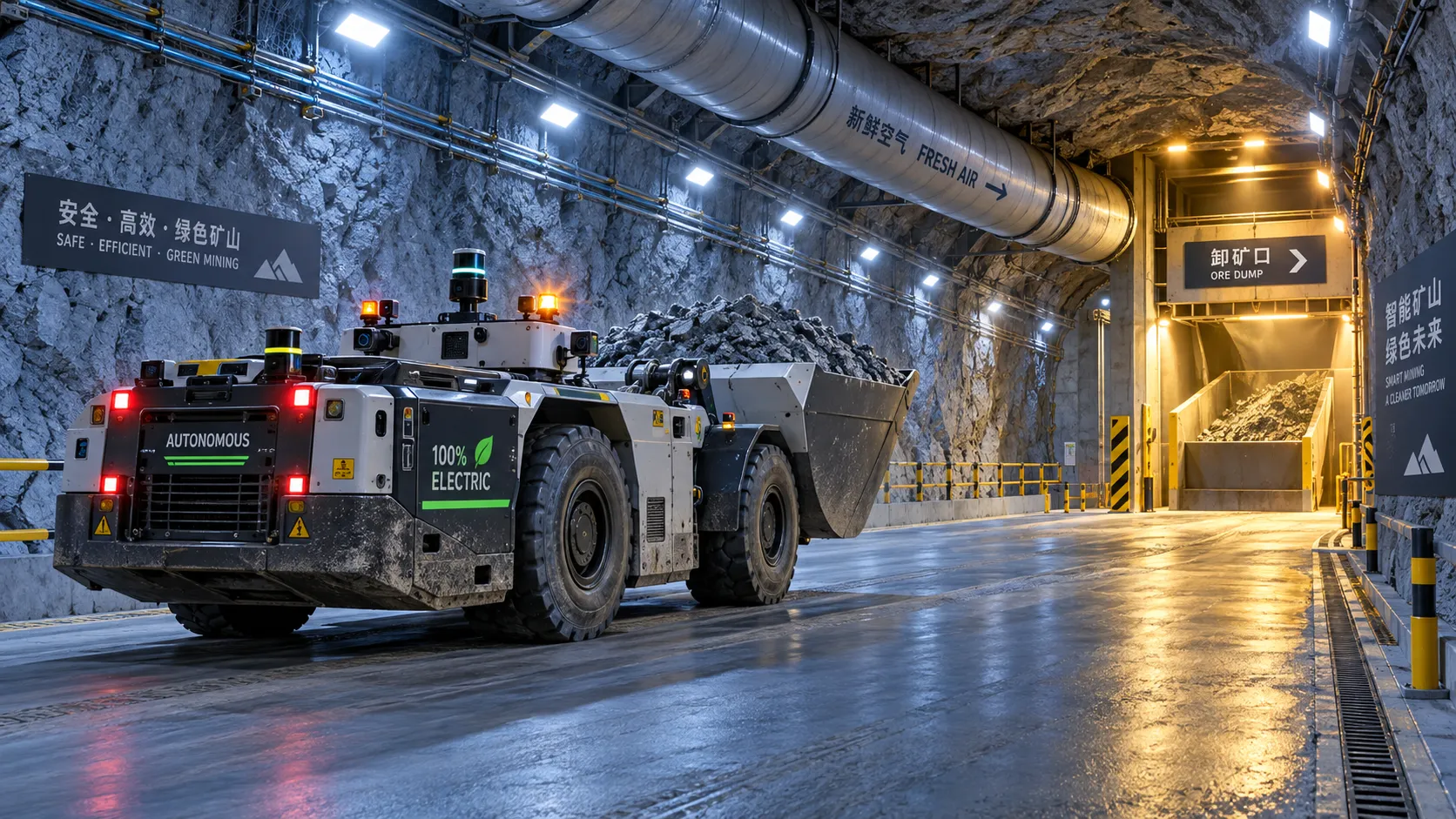
Where Autonomous Mining Loaders Deliver the Most Value in Underground Operations
Autonomous Mining Loaders deliver greater underground value through safer blast-zone work, repeatable haul cycles, and improved ventilation efficiency. Discover the best deployment zones.
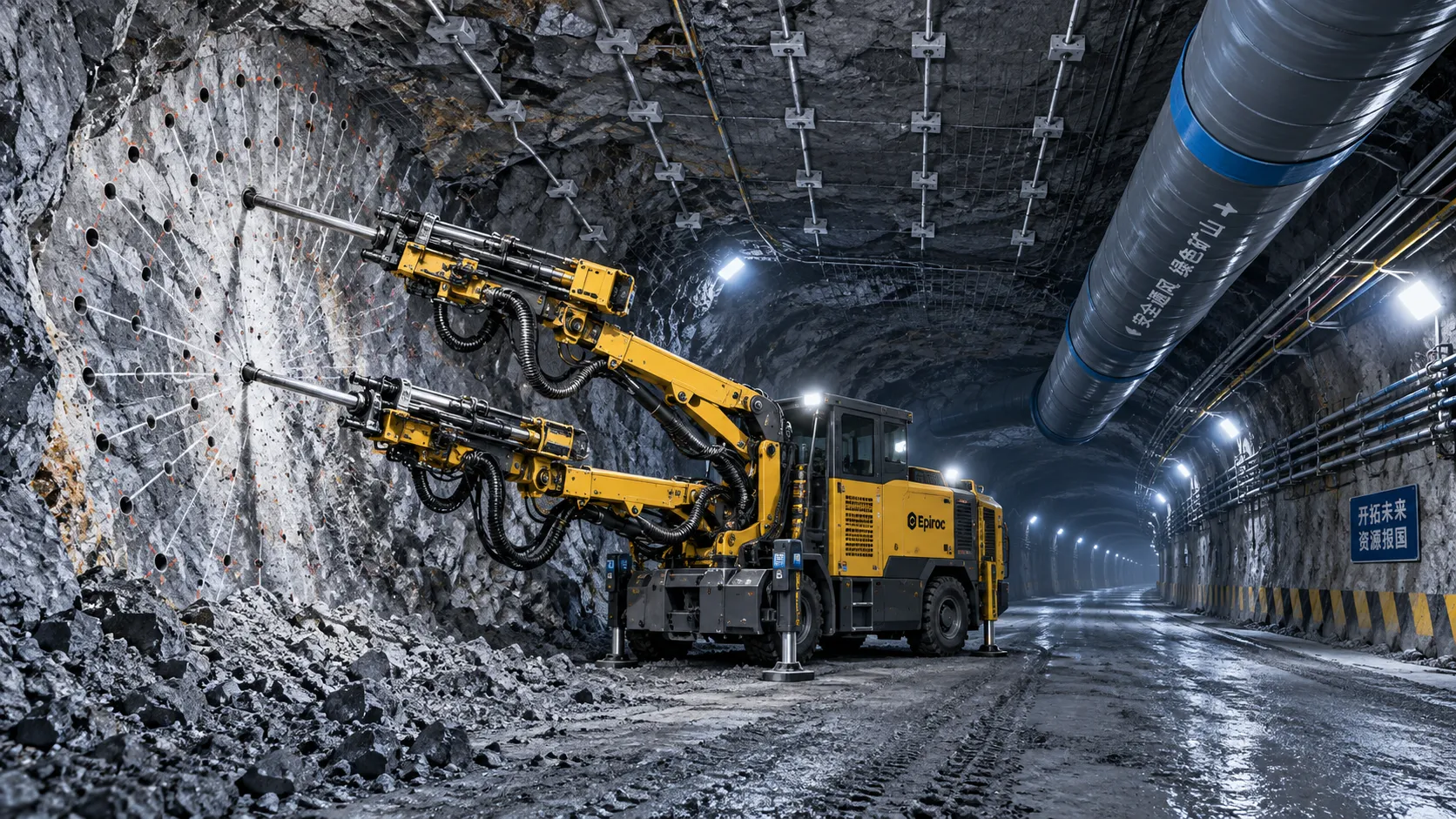
Underground Drilling for Mining: Selecting Methods for Rock Conditions and Mine Layout
Underground drilling for mining: learn how to match drilling methods to rock conditions, mine layout, accuracy needs, ground support, and cycle efficiency.
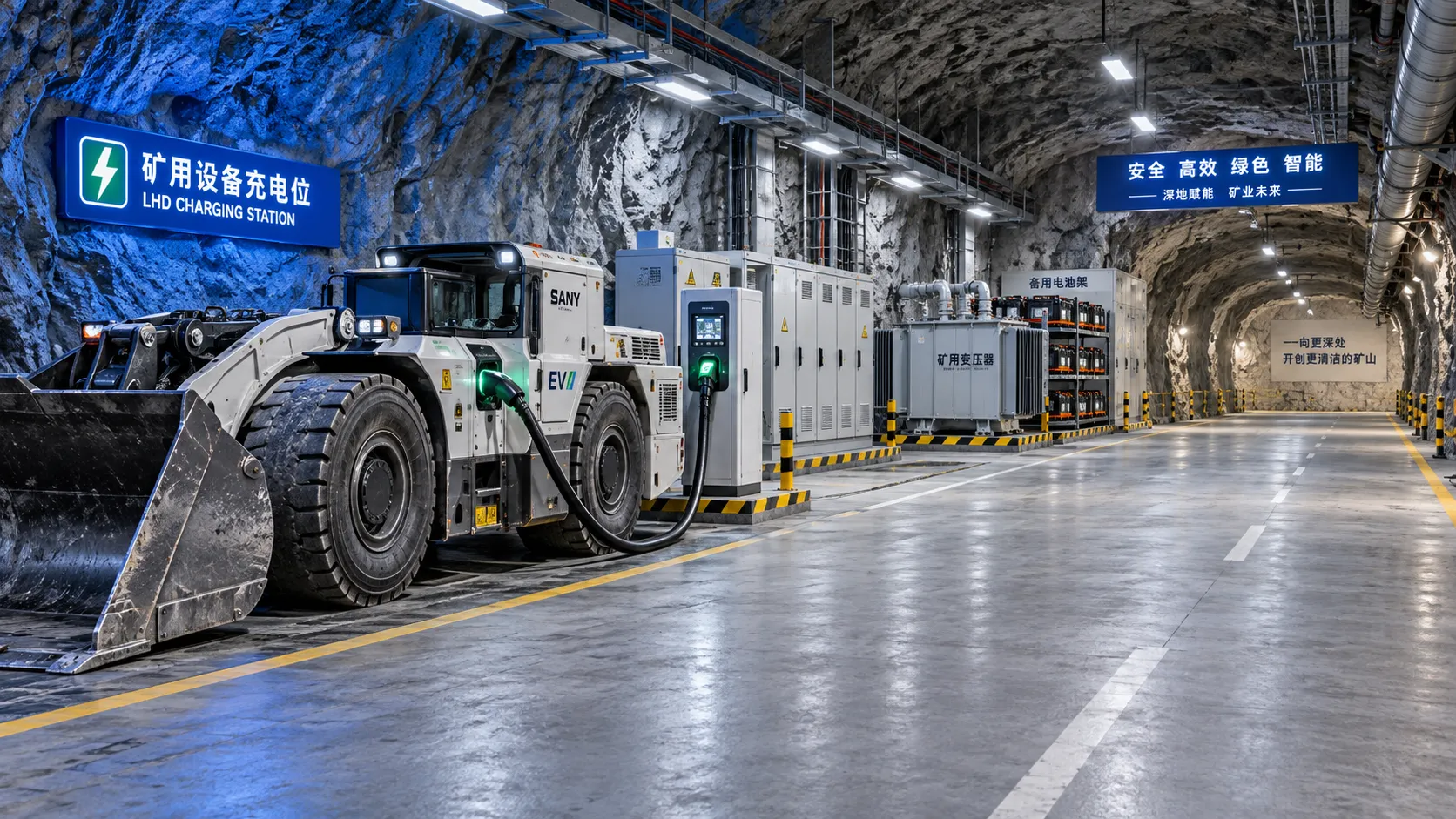
Underground Mine Electrification: How to Size Battery Fleets and Charging Capacity
Mining electrification for underground mines: learn how to size battery fleets, chargers, and power capacity to prevent queues, peak-load issues, and production downtime.
How to Evaluate European Drill-and-Blast Tunnelling Contractors for Complex Projects
Drill and blast tunnelling contractors Europe: learn how to assess geology expertise, blast control, equipment reliability, safety, and programme resilience for complex projects.
Which Trenchless Construction Technique Fits Your Utility Crossing Conditions?
Trenchless construction techniques compared for utility crossings: choose HDD, microtunnelling, pipe jacking, or auger boring based on ground, accuracy, access, and risk.
What Is Driving Metro Tunnelling Demand Across Southeast Asia’s Major Cities?
Metro tunnelling Southeast Asia is accelerating as major cities tackle congestion, flooding, and connectivity. Explore the market forces, technical risks, and opportunities shaping demand.
Hard Rock Tunnelling in Australia: Selecting Methods for Variable Ground Conditions
Hard rock tunnelling in Australia: compare TBM, drill-and-blast and hybrid methods to manage variable ground, reduce risk and protect project costs.
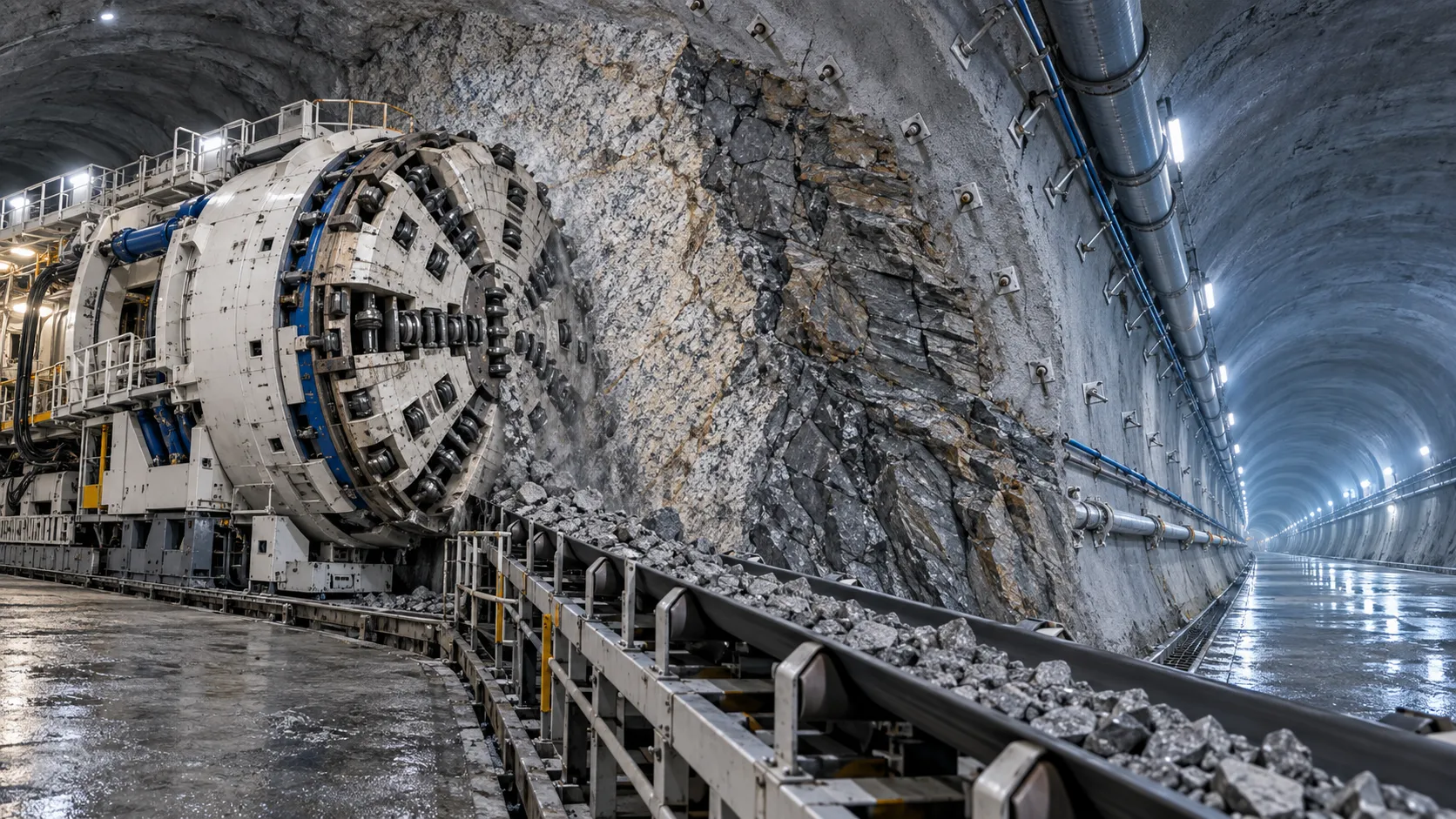
Hydropower Tunnel Excavation: Selecting Methods for Variable Rock Conditions
Hydropower tunnel excavation methods for variable rock conditions: compare TBM, drill-and-blast, and hybrid strategies to improve safety, progress, and project control.
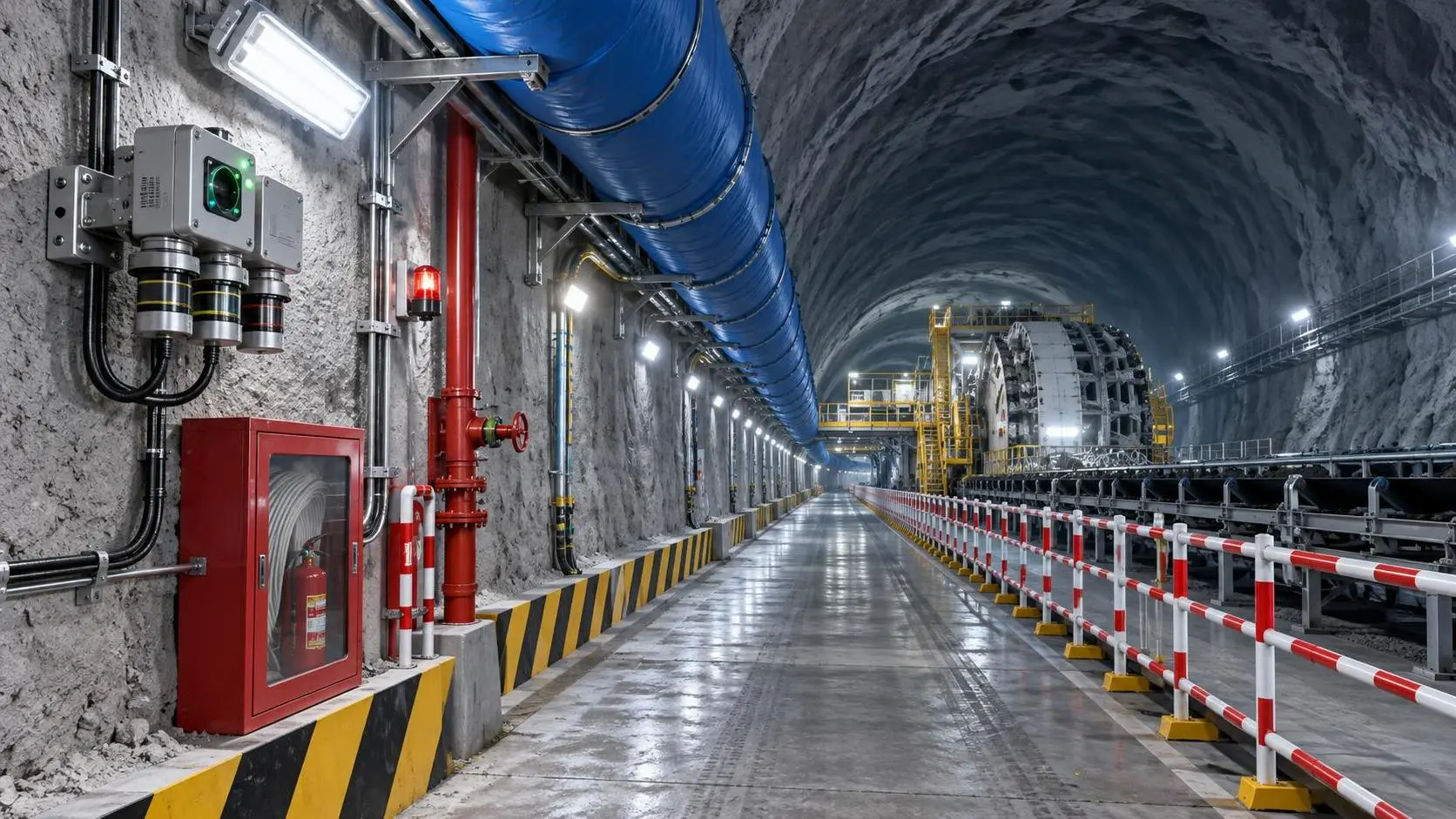
How to Select Underground Safety Equipment for Tunnelling by Hazard and Work Zone
Underground Safety Equipment for tunnelling: match protection to hazards, work zones, compliance, and emergency needs with this practical selection guide.
Related News
- 00
0000-00
Where Autonomous Mining Loaders Deliver the Most Value in Underground Operations - 00
0000-00
Underground Drilling for Mining: Selecting Methods for Rock Conditions and Mine Layout - 00
0000-00
Underground Mine Electrification: How to Size Battery Fleets and Charging Capacity - 00
0000-00
How to Evaluate European Drill-and-Blast Tunnelling Contractors for Complex Projects - 00
0000-00
Which Trenchless Construction Technique Fits Your Utility Crossing Conditions?
Weekly Insights
Stay ahead with our curated technology reports delivered every Monday.