
Mine Ventilation Solutions That Struggle in Deep Expansions





As mines push deeper, Mine Ventilation Solutions often face rising heat, longer airflow routes, and stricter safety demands that older systems were never designed to handle. For quality control and safety managers, understanding where ventilation performance breaks down is essential to protecting workers, maintaining compliance, and supporting reliable underground expansion.
Why deep expansion changes the ventilation decision entirely
In shallow or mature underground operations, ventilation systems are often judged by whether they deliver enough air to the face, dilute diesel emissions, and maintain acceptable gas levels. That baseline is no longer sufficient when a mine extends deeper, opens new panels farther from existing shafts, or shifts to more mechanized and electrified production zones. In those settings, Mine Ventilation Solutions must support longer air pathways, higher auto-compression heat, variable equipment fleets, and more complicated emergency response planning.
For quality control personnel, the challenge is consistency. A ventilation plan may perform well on paper but lose effectiveness once leakage, regulator damage, fan degradation, or unplanned development headings appear. For safety managers, the issue is exposure risk. Heat stress, blasting fumes, diesel particulate matter, radon, and localized oxygen deficiency can all increase when air distribution lags behind mine growth. This is why deep expansion should not be treated as a simple extension of an existing design. It is a new operating scenario with different failure points.
The most important practical question is not whether a ventilation system exists, but whether its architecture still matches the current mining scenario. A decline extension, a high-production sublevel stoping area, and a deep development zone do not stress Mine Ventilation Solutions in the same way. The right evaluation must be scenario-based.
Where Mine Ventilation Solutions struggle most in real operating scenarios
1. Deep development headings with rapid advance
This is one of the most common trouble spots. As headings move quickly away from established intake and return routes, auxiliary ventilation becomes harder to control. Duct length increases, friction losses rise, and the actual face airflow can fall below target even while fan power consumption climbs. The result is often slow clearing after blasting, uneven airflow near the face, and unacceptable delays before re-entry.
In this scenario, safety managers should focus on re-entry time, duct integrity, air quantity at the heading, and whether the fan-duct system is being reconfigured quickly enough to match advance rates. Quality teams should verify whether measured values align with the design assumptions used in ventilation planning.
2. High-temperature deep production zones
As mines go deeper, virgin rock temperature, machinery heat, compressed air use, and auto-compression can push thermal conditions beyond what standard airflow increases can solve. In these areas, Mine Ventilation Solutions struggle not because air is absent, but because air alone is no longer enough to maintain safe thermal comfort and workable productivity. Workers may face fatigue, lower concentration, and increased incident risk long before legal gas thresholds are exceeded.
This scenario requires closer attention to wet-bulb temperature, heat exposure duration, hydration management, and the effectiveness of any spot cooling or bulk air cooling strategy. If a mine keeps increasing airflow without addressing thermal load directly, energy use rises while heat risk remains.
3. Mixed fleets during electrification transition
Many underground operations now run a mixture of diesel loaders, battery-electric LHDs, utility vehicles, and contractor equipment. This creates a difficult transition scenario. Older Mine Ventilation Solutions may still be sized around diesel dilution, yet new production patterns can shift heat and ventilation demand in unexpected ways. Battery charging areas, maintenance bays, and temporary contractor activity can create local peaks that the original design did not consider.
For safety and quality teams, the key issue is not assuming electrification automatically solves ventilation risk. Reduced diesel particulates are a major benefit, but thermal load, fire planning, smoke management, and localized air recirculation still matter. Mixed-fleet periods often create blind spots because the mine is neither fully conventional nor fully optimized for a new system.
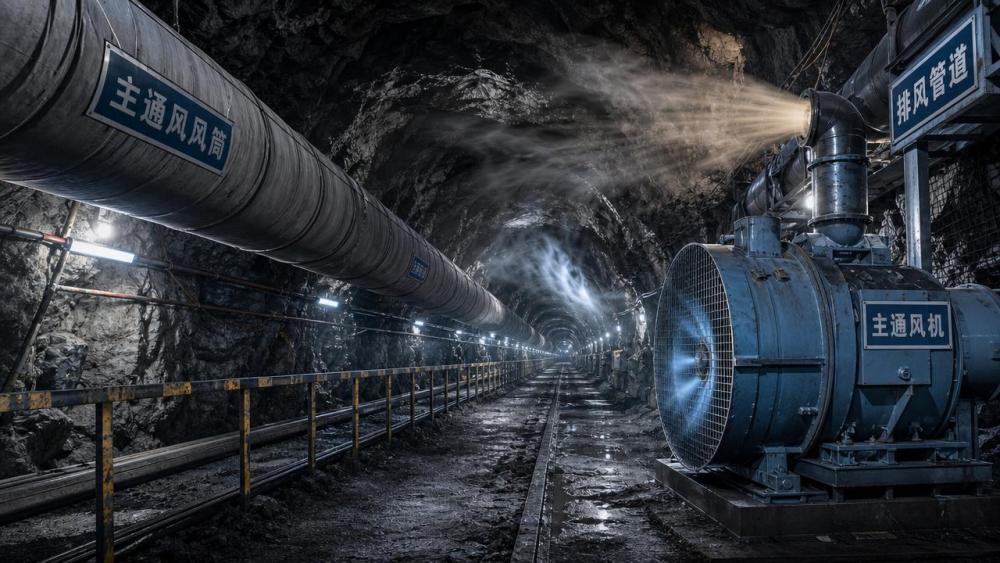
4. Emergency egress routes in expanding mine layouts
As mines deepen and branch outward, ventilation becomes inseparable from emergency readiness. A system that supports normal production may still fail to protect escape routes during a fire, fan outage, or gas event. Deep expansions can introduce complex airflow reversals, dead ends, or rescue timing problems if refuge stations, doors, and regulators are not aligned with the new geometry.
This is a scenario where compliance checks alone are not enough. Safety managers should test whether emergency assumptions are realistic under altered ventilation conditions, while quality teams should review whether field modifications have changed the intended behavior of the network.
Scenario comparison: what to watch in each deep mine context
The same Mine Ventilation Solutions can perform very differently depending on mine depth, activity type, and operating tempo. The table below highlights the most practical differences for inspection and decision-making.
How quality control and safety managers should evaluate suitability
For the target audience, the practical value of Mine Ventilation Solutions lies in suitability, not theory. A suitable system is one that matches current mine depth, future expansion pace, equipment mix, and emergency planning requirements. To judge that fit, three layers of review are useful.
Design fit
Check whether the ventilation design basis still reflects the current mine layout. Many failures happen because the mine changed faster than the model. Updated airway resistance data, new working faces, revised vehicle counts, and actual operating schedules should be built into the review. A design that has not been refreshed after major expansion is a warning sign.
Field execution fit
Even strong engineering can fail through poor execution. Damaged ventilation doors, torn ducting, unsealed stoppings, fan maintenance gaps, and unauthorized airflow shortcuts often explain why Mine Ventilation Solutions underperform in practice. Quality control teams should not limit audits to documents; they need condition-based inspections and measurement verification underground.
Future readiness fit
A deep expansion plan should ask whether the current system can absorb the next stage of mine growth. If a ventilation network already operates near its pressure or energy limits, additional headings or deeper stopes may create disproportionate risk. Safety managers should push for trigger points that define when a fan upgrade, cooling plant, or network redesign becomes mandatory rather than optional.
Common misjudgments that make Mine Ventilation Solutions fail earlier
Several recurring errors appear across underground projects, especially where expansion is aggressive.
- Assuming more airflow automatically solves deep heat problems.
- Using legacy ventilation assumptions after adding new equipment or new mine levels.
- Treating auxiliary ventilation as temporary and therefore not auditing it rigorously.
- Focusing only on normal production conditions while neglecting fire and outage scenarios.
- Relying on periodic measurements without continuous trend analysis in unstable areas.
These mistakes matter because deep operations usually have less tolerance for delay and error. The farther the workplace sits from fresh air sources and shaft access, the more quickly a minor ventilation weakness can become a serious safety issue.
Practical adaptation strategies for different mine scenarios
The best response is not one universal upgrade. Different scenarios call for different combinations of engineering, monitoring, and operational discipline.
In rapidly advancing headings, priority should go to shorter verification cycles, better duct management, and fan selection that matches real duct resistance rather than ideal assumptions. In hot deep zones, ventilation reviews should be integrated with cooling strategy, work-rest protocols, and thermal exposure controls. In mixed fleet environments, the ventilation model should be updated using actual fleet deployment data, including contractor vehicles and maintenance activities. In emergency-sensitive expansions, escape route ventilation behavior should be tested through drills and upset-condition simulations, not just static diagrams.
For organizations influenced by ESG, automation, and zero-emission targets, Mine Ventilation Solutions should also be viewed as part of a broader underground systems strategy. Smarter sensors, remote monitoring, digital ventilation modeling, and tighter integration with production planning can reduce both safety risk and energy waste. That systems view is especially important in modern mines using battery-electric LHDs, automated haulage, or continuously changing development schedules.
FAQ for scenario-based ventilation assessment
When should an existing ventilation system be considered no longer suitable?
When measured airflow, contaminant clearance, or heat control repeatedly miss operational targets after expansion, the system is no longer fully suitable. A major mismatch between current layout and original design assumptions is another strong indicator.
Are battery-electric machines enough to reduce ventilation pressure in deep mines?
They can reduce diesel-related ventilation demand, but they do not remove all ventilation challenges. Heat, fire planning, charging infrastructure, and local airflow behavior still require careful management.
What should safety managers inspect first in a deep expansion?
Start with the areas farthest from established fresh air routes, the hottest work zones, the fastest-moving development headings, and any emergency egress path affected by new workings.
Final takeaway for safer and more reliable deep expansion
Mine Ventilation Solutions do not fail only because mines get deeper. They fail when system design, field execution, and future planning fall out of sync with the actual expansion scenario. For quality control and safety management teams, the most effective approach is to assess ventilation by application context: development, production, mixed fleets, thermal stress, and emergency response. That makes it easier to identify where the real limits are, which upgrades are urgent, and which risks are still hidden behind acceptable averages.
If your operation is moving into deeper panels or more complex underground layouts, now is the right time to review whether current Mine Ventilation Solutions still fit the next phase of work. A scenario-based audit, supported by field data and future expansion assumptions, will give far more value than relying on legacy compliance alone.
Related News
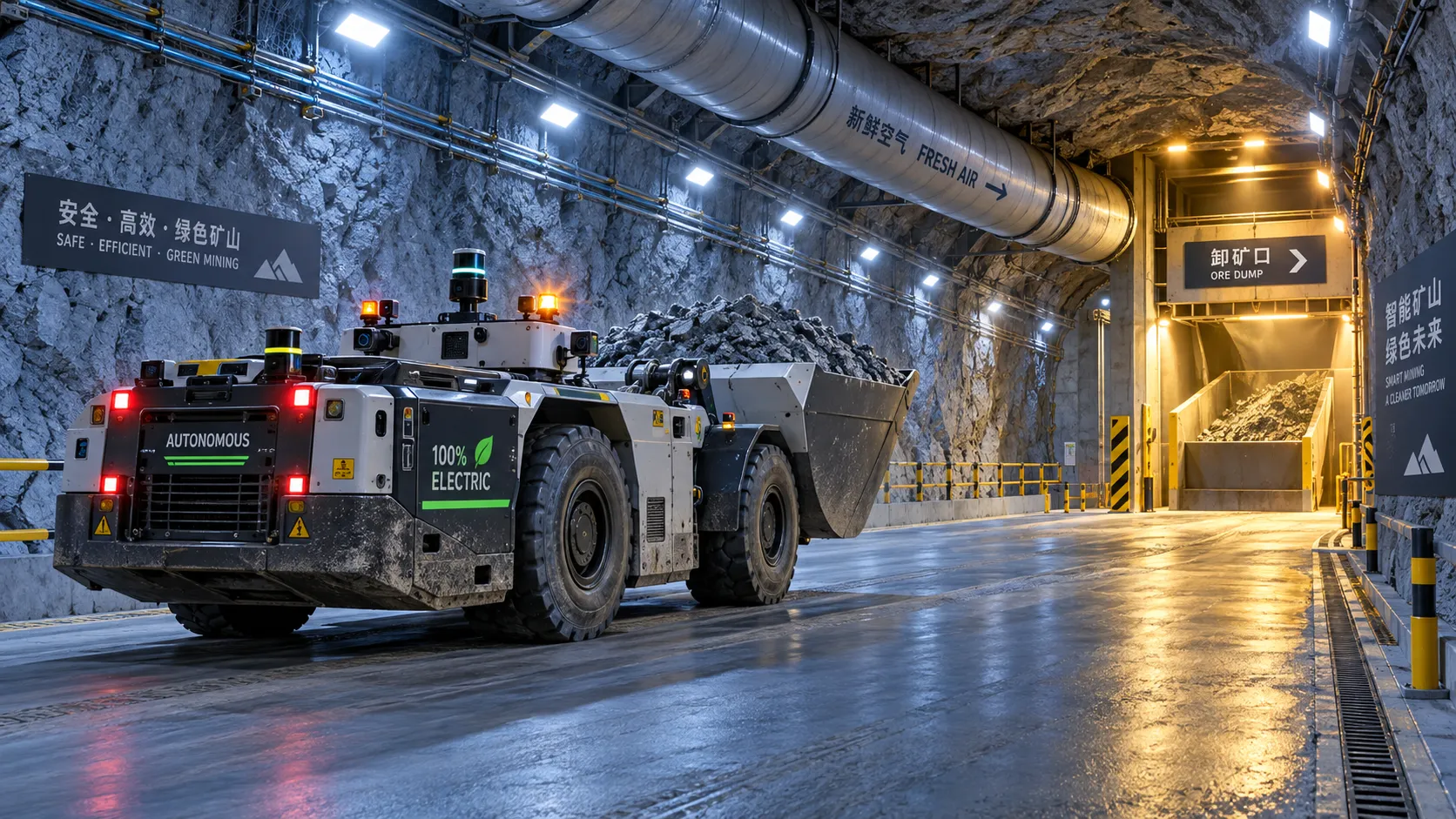
Where Autonomous Mining Loaders Deliver the Most Value in Underground Operations
Autonomous Mining Loaders deliver greater underground value through safer blast-zone work, repeatable haul cycles, and improved ventilation efficiency. Discover the best deployment zones.
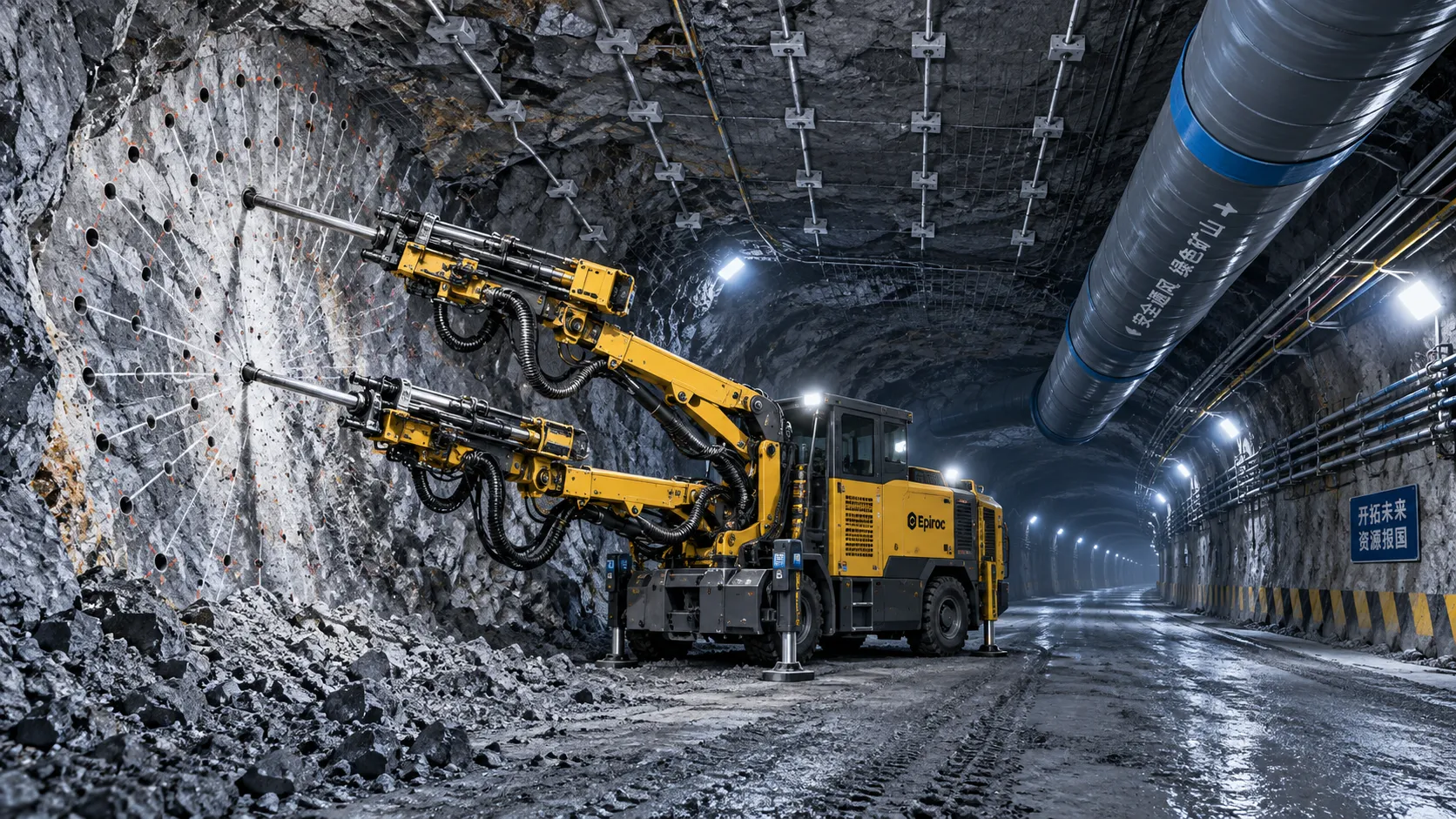
Underground Drilling for Mining: Selecting Methods for Rock Conditions and Mine Layout
Underground drilling for mining: learn how to match drilling methods to rock conditions, mine layout, accuracy needs, ground support, and cycle efficiency.
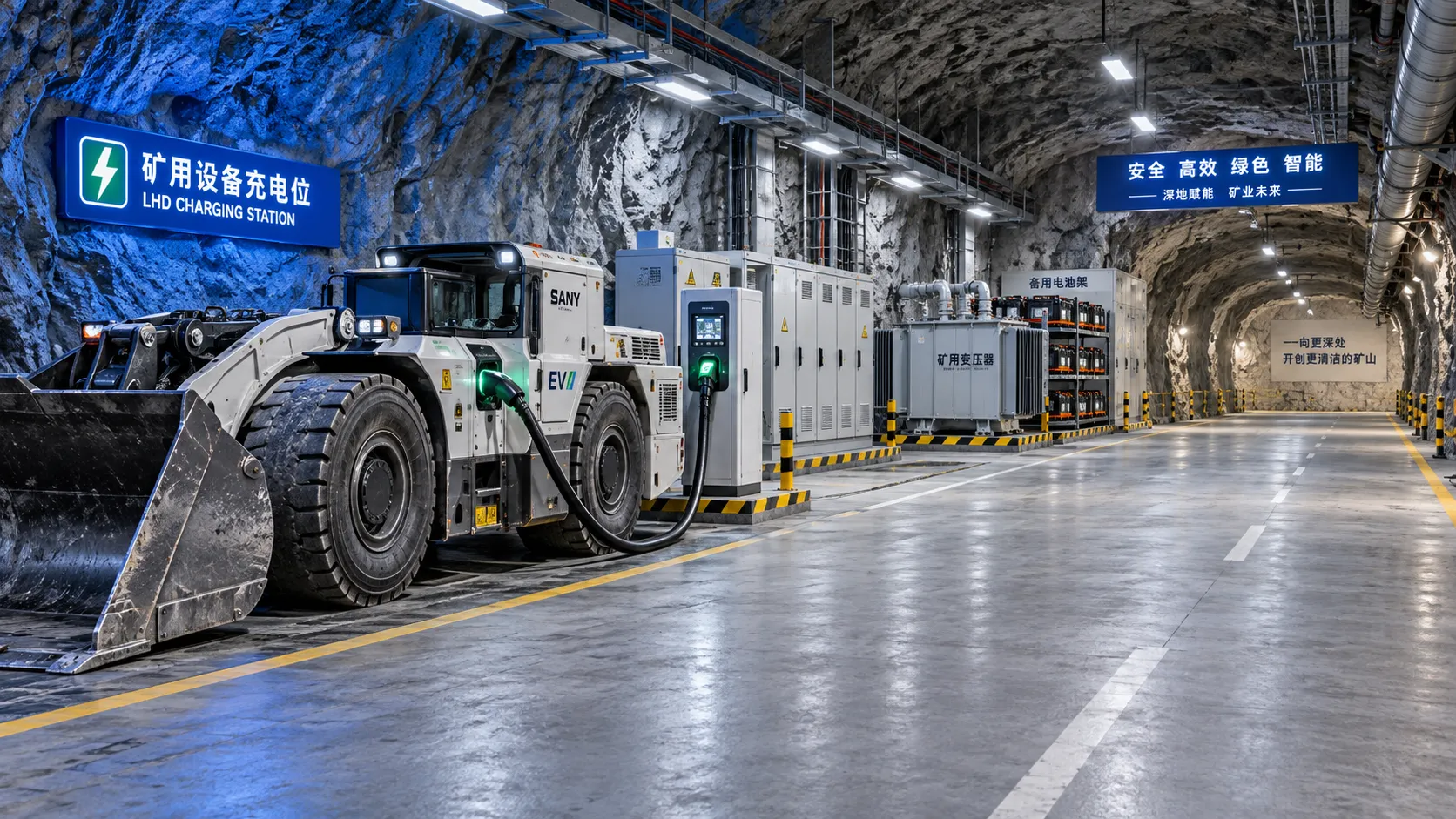
Underground Mine Electrification: How to Size Battery Fleets and Charging Capacity
Mining electrification for underground mines: learn how to size battery fleets, chargers, and power capacity to prevent queues, peak-load issues, and production downtime.

How to Evaluate European Drill-and-Blast Tunnelling Contractors for Complex Projects
Drill and blast tunnelling contractors Europe: learn how to assess geology expertise, blast control, equipment reliability, safety, and programme resilience for complex projects.

Which Trenchless Construction Technique Fits Your Utility Crossing Conditions?
Trenchless construction techniques compared for utility crossings: choose HDD, microtunnelling, pipe jacking, or auger boring based on ground, accuracy, access, and risk.

What Is Driving Metro Tunnelling Demand Across Southeast Asia’s Major Cities?
Metro tunnelling Southeast Asia is accelerating as major cities tackle congestion, flooding, and connectivity. Explore the market forces, technical risks, and opportunities shaping demand.

Hard Rock Tunnelling in Australia: Selecting Methods for Variable Ground Conditions
Hard rock tunnelling in Australia: compare TBM, drill-and-blast and hybrid methods to manage variable ground, reduce risk and protect project costs.

Hydropower Tunnel Excavation: Selecting Methods for Variable Rock Conditions
Hydropower tunnel excavation methods for variable rock conditions: compare TBM, drill-and-blast, and hybrid strategies to improve safety, progress, and project control.

How to Select Underground Safety Equipment for Tunnelling by Hazard and Work Zone
Underground Safety Equipment for tunnelling: match protection to hazards, work zones, compliance, and emergency needs with this practical selection guide.
Related News
- 00
0000-00
Where Autonomous Mining Loaders Deliver the Most Value in Underground Operations - 00
0000-00
Underground Drilling for Mining: Selecting Methods for Rock Conditions and Mine Layout - 00
0000-00
Underground Mine Electrification: How to Size Battery Fleets and Charging Capacity - 00
0000-00
How to Evaluate European Drill-and-Blast Tunnelling Contractors for Complex Projects - 00
0000-00
Which Trenchless Construction Technique Fits Your Utility Crossing Conditions?
Weekly Insights
Stay ahead with our curated technology reports delivered every Monday.