
Zero Emission Mining Plans Fail Without This Infrastructure





Zero Emission Mining promises safer, cleaner, and more efficient operations, but procurement teams know the real challenge lies beyond the vehicles themselves. Without the right charging networks, battery-swapping systems, underground power distribution, ventilation redesign, and digital control platforms, electrification plans stall fast. This article explains why infrastructure is the decisive foundation for scalable zero-emission mining projects.
Why infrastructure must be checked first
For procurement professionals, the biggest mistake in Zero Emission Mining is evaluating equipment before the operating system around it. A battery truck or an underground LHD loader may look ready on paper, but if charging points are too far apart, power quality is unstable, or traffic flow cannot support turnaround time, the fleet will underperform from day one. Infrastructure is what converts a pilot purchase into a production asset.
In deep mines and confined tunnels, zero-emission targets are not just about tailpipe elimination. They also depend on heat management, energy buffering, communication reliability, and maintenance access. That is why Zero Emission Mining projects should be reviewed as a system-level investment, not a vehicle-only procurement decision.
Core checklist before approving Zero Emission Mining
Use the following checklist to judge whether the site is truly ready:
- Charging strategy: confirm whether fast charging, opportunity charging, or battery swapping fits the duty cycle and haul distances.
- Power supply capacity: verify substation margin, peak load tolerance, cable routing, and redundancy under full fleet operation.
- Ventilation impact: assess how reduced diesel emissions change airflow needs, heat extraction, and emergency response planning.
- Battery logistics: define where batteries are stored, cooled, inspected, swapped, and isolated for safety.
- Traffic control: test whether truck queues, loader cycles, and underground intersections can support the new operating rhythm.
- Digital control layer: confirm telemetry, fleet dispatch, state-of-charge visibility, and fault alarms are integrated.
- Maintenance readiness: ensure technicians, tools, spare parts, and isolation procedures match the new electric platform.
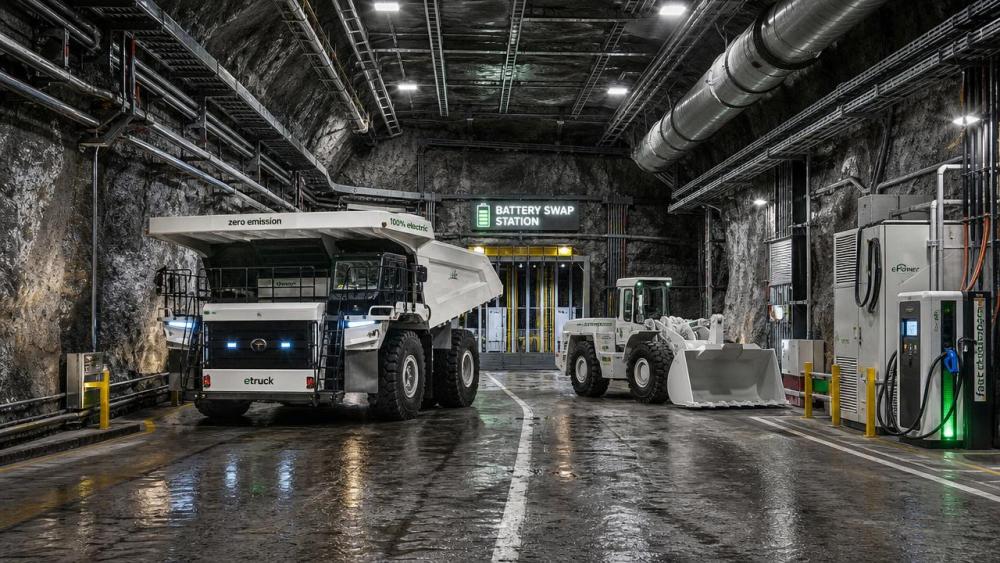
What procurement teams should compare across scenarios
Different mine types demand different infrastructure logic. In open-pit operations, the key issue is not only charger placement but also slope energy recovery, weather protection, and grid connection stability. In underground mining, the focus shifts to thermal buildup, space constraints, and the safe separation of people, machines, and power assets.
For TBM support fleets, trenchless support units, drilling jumbos, or underground haulage systems, procurement should ask a simple question: can the supporting infrastructure sustain peak utilization, not just showroom demonstrations? If the answer is unclear, the project is still at design stage, not execution stage.
Common overlooked risks that delay Zero Emission Mining
Many projects fail because teams underestimate the following items:
- Underplanned charging windows that clash with production shifts and reduce asset utilization.
- Insufficient electrical harmonics control, causing instability across sensitive underground systems.
- Poor battery thermal management, which shortens life and increases downtime.
- Ventilation systems that are not redesigned after diesel reduction, leaving unnecessary energy costs in place.
- Weak data integration, so operators cannot track range, load, or fault trends in real time.
- Missing emergency procedures for damaged batteries, connector faults, or underground power interruption.
These risks matter because Zero Emission Mining is usually approved as a sustainability initiative, but it succeeds only when it is run like a reliability program. Procurement teams should insist on lifecycle evidence, not just vendor promises.
Practical execution steps for procurement
Before issuing a purchase order, ask for these deliverables:
- a site power map showing current and future load demand;
- a charging or swapping concept matched to shift length and haul profile;
- a ventilation and heat-rejection update for electric equipment;
- an operating model showing expected cycle times, queue times, and reserve capacity;
- a maintenance plan covering inspection intervals, spare batteries, and safety isolation;
- an implementation timeline with commissioning milestones and fallback options.
This approach helps procurement teams compare suppliers on system readiness rather than marketing language. It also reduces the chance of buying equipment that cannot scale beyond a pilot fleet.
What “ready” really means for Zero Emission Mining
A project is ready when the mine can support continuous operation, predictable maintenance, and safe energy transfer without adding hidden bottlenecks. In practical terms, this means the infrastructure can absorb peak demand, keep the fleet moving, and support digital supervision across the full operating cycle.
For organizations planning long-term electrification, the best benchmark is not whether one vehicle works, but whether the whole ecosystem can handle expansion. That is the real test of Zero Emission Mining.
If you are evaluating a new fleet, a mine expansion, or a replacement program, start with the infrastructure checklist first. For faster decision-making, align procurement, operations, electrical engineering, and ventilation teams on the same questions: what power is available, where charging happens, how heat is removed, and how uptime will be protected. Those answers determine whether Zero Emission Mining becomes a working system or an expensive delay.
Related News
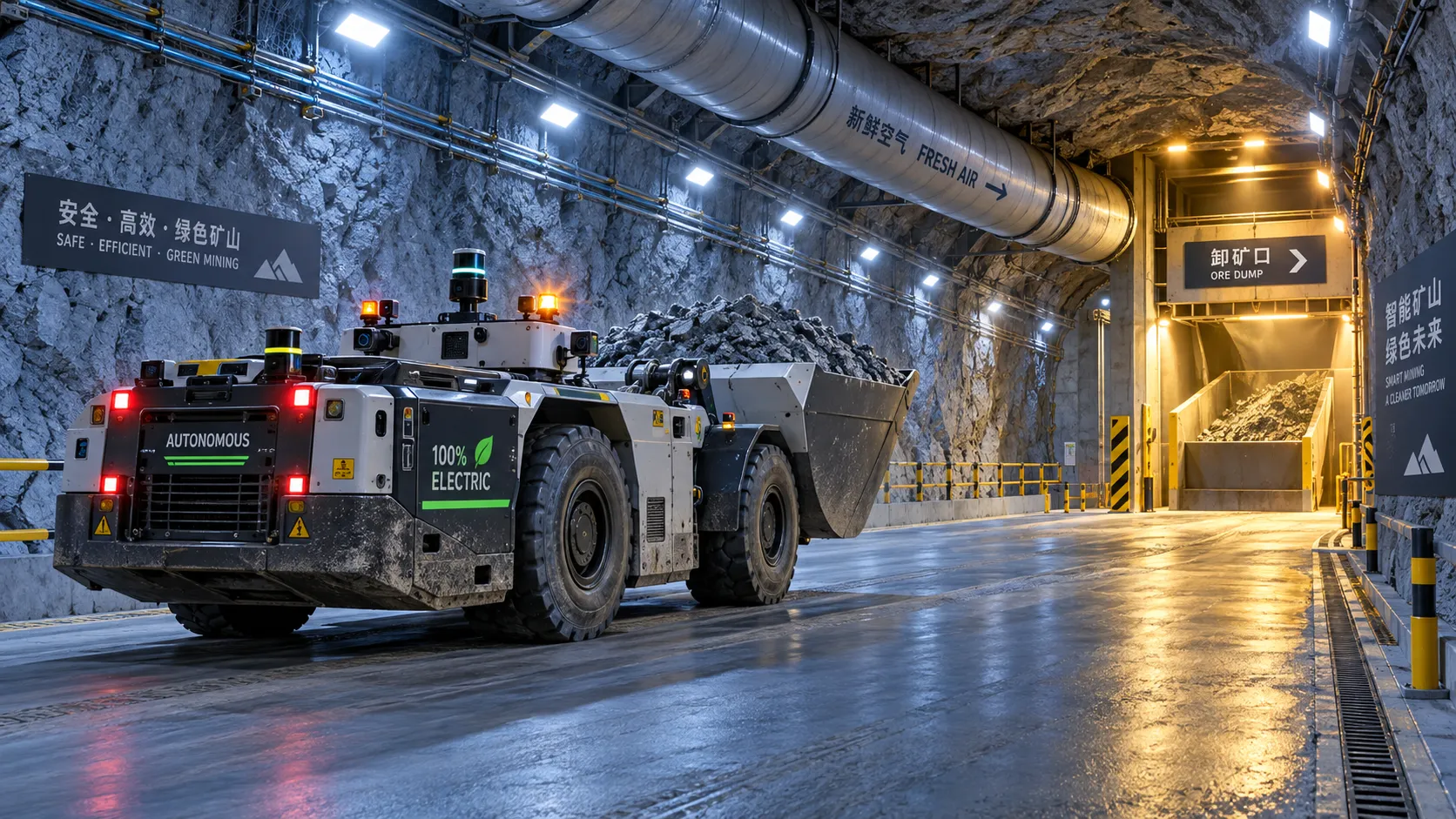
Where Autonomous Mining Loaders Deliver the Most Value in Underground Operations
Autonomous Mining Loaders deliver greater underground value through safer blast-zone work, repeatable haul cycles, and improved ventilation efficiency. Discover the best deployment zones.
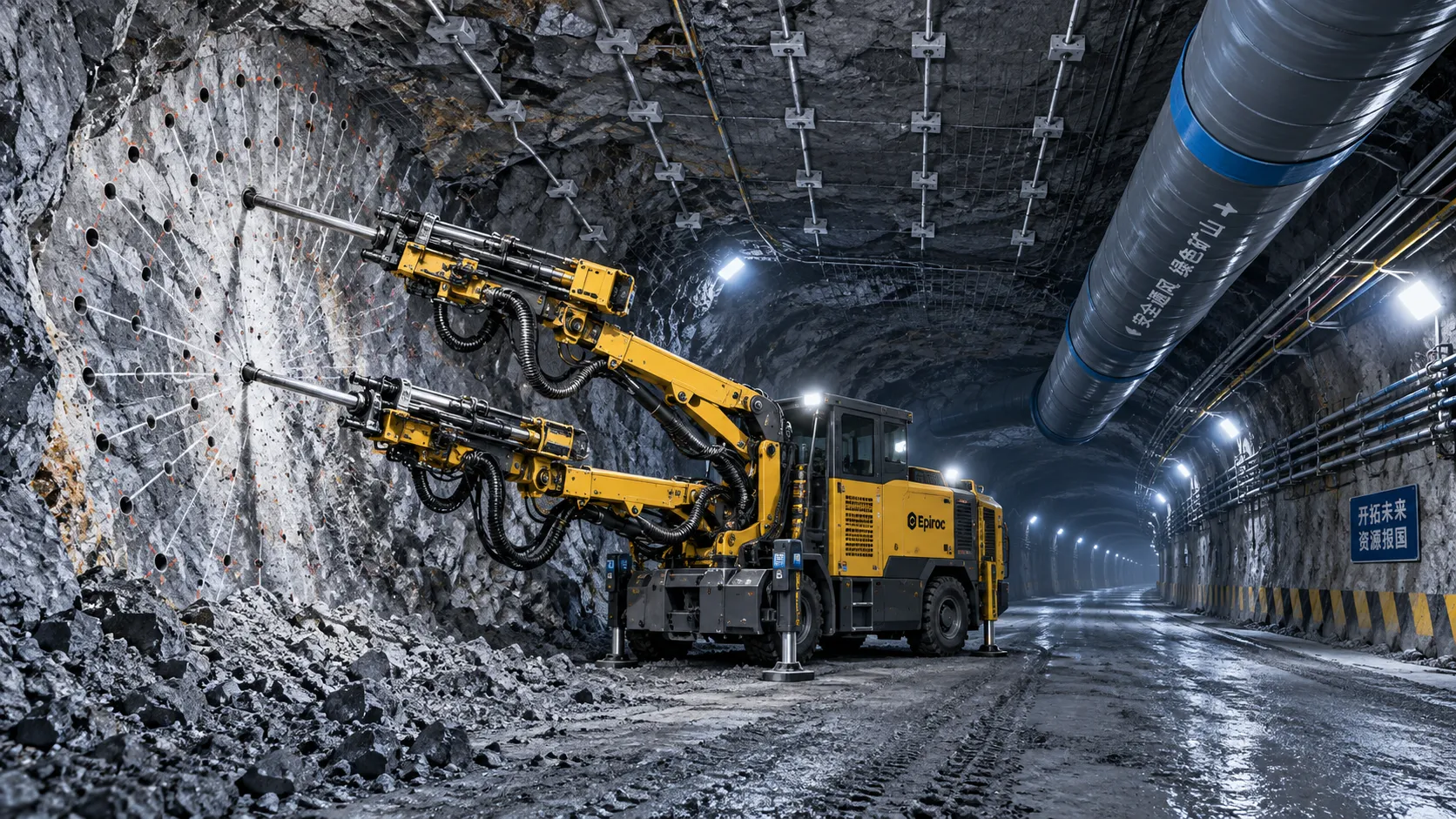
Underground Drilling for Mining: Selecting Methods for Rock Conditions and Mine Layout
Underground drilling for mining: learn how to match drilling methods to rock conditions, mine layout, accuracy needs, ground support, and cycle efficiency.
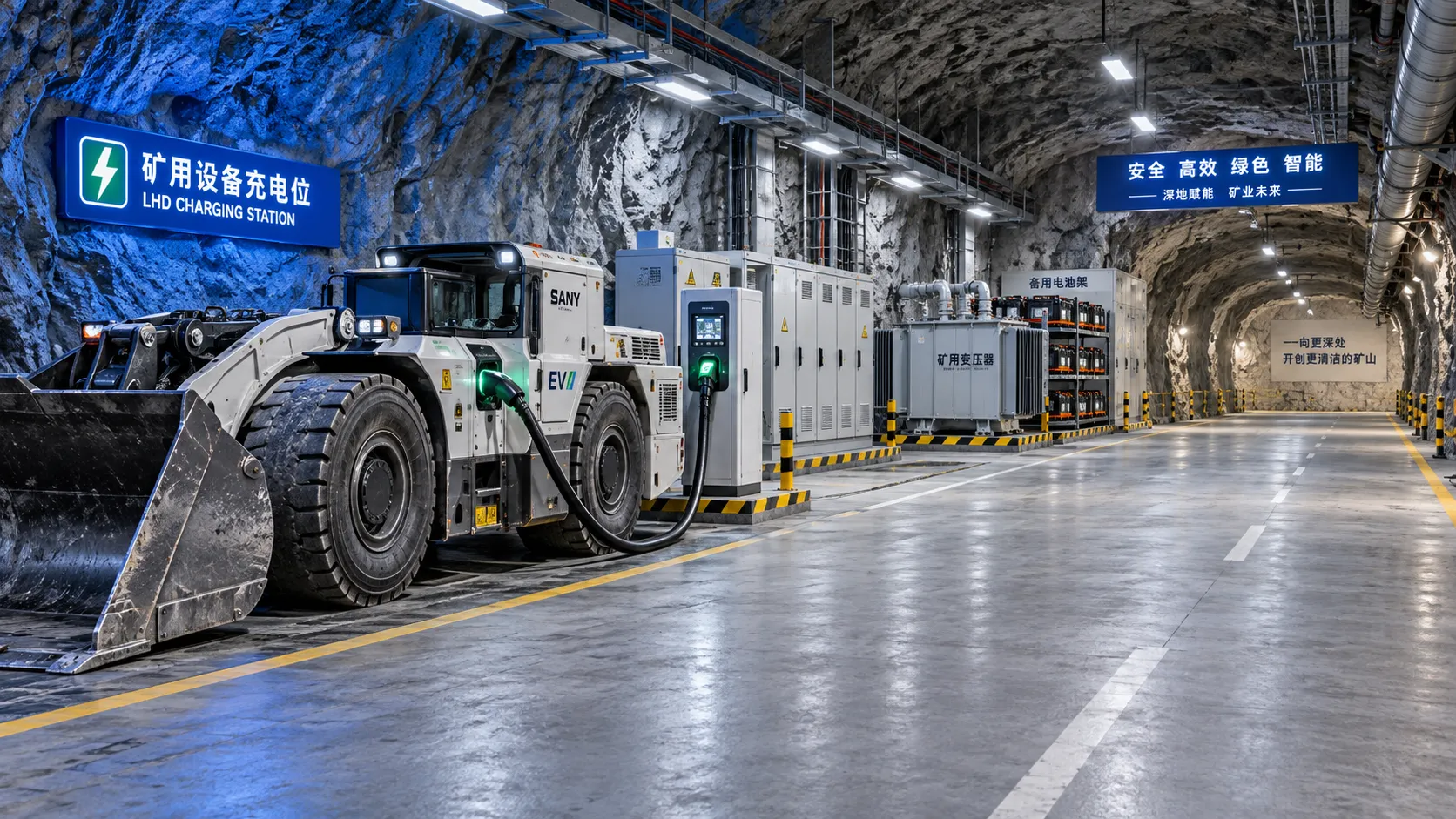
Underground Mine Electrification: How to Size Battery Fleets and Charging Capacity
Mining electrification for underground mines: learn how to size battery fleets, chargers, and power capacity to prevent queues, peak-load issues, and production downtime.

How to Evaluate European Drill-and-Blast Tunnelling Contractors for Complex Projects
Drill and blast tunnelling contractors Europe: learn how to assess geology expertise, blast control, equipment reliability, safety, and programme resilience for complex projects.

Which Trenchless Construction Technique Fits Your Utility Crossing Conditions?
Trenchless construction techniques compared for utility crossings: choose HDD, microtunnelling, pipe jacking, or auger boring based on ground, accuracy, access, and risk.

What Is Driving Metro Tunnelling Demand Across Southeast Asia’s Major Cities?
Metro tunnelling Southeast Asia is accelerating as major cities tackle congestion, flooding, and connectivity. Explore the market forces, technical risks, and opportunities shaping demand.

Hard Rock Tunnelling in Australia: Selecting Methods for Variable Ground Conditions
Hard rock tunnelling in Australia: compare TBM, drill-and-blast and hybrid methods to manage variable ground, reduce risk and protect project costs.

Hydropower Tunnel Excavation: Selecting Methods for Variable Rock Conditions
Hydropower tunnel excavation methods for variable rock conditions: compare TBM, drill-and-blast, and hybrid strategies to improve safety, progress, and project control.

How to Select Underground Safety Equipment for Tunnelling by Hazard and Work Zone
Underground Safety Equipment for tunnelling: match protection to hazards, work zones, compliance, and emergency needs with this practical selection guide.
Related News
- 00
0000-00
Where Autonomous Mining Loaders Deliver the Most Value in Underground Operations - 00
0000-00
Underground Drilling for Mining: Selecting Methods for Rock Conditions and Mine Layout - 00
0000-00
Underground Mine Electrification: How to Size Battery Fleets and Charging Capacity - 00
0000-00
How to Evaluate European Drill-and-Blast Tunnelling Contractors for Complex Projects - 00
0000-00
Which Trenchless Construction Technique Fits Your Utility Crossing Conditions?
Weekly Insights
Stay ahead with our curated technology reports delivered every Monday.