Tunnel Surveying Equipment Errors That Delay Breakthrough





Tunnel Surveying Equipment errors can quietly derail a breakthrough by throwing alignment, grade, and clearance off target before excavation ever reaches the next face. For operators in tunnelling and underground works, even small calibration or data-transfer mistakes can trigger costly rework, safety risks, and schedule delays. Understanding the most common survey system failures—and how to spot them early—helps teams keep TBM drives, trenchless installations, and complex underground projects moving with greater accuracy, efficiency, and control.
What does “Tunnel Surveying Equipment error” really mean in daily underground work?
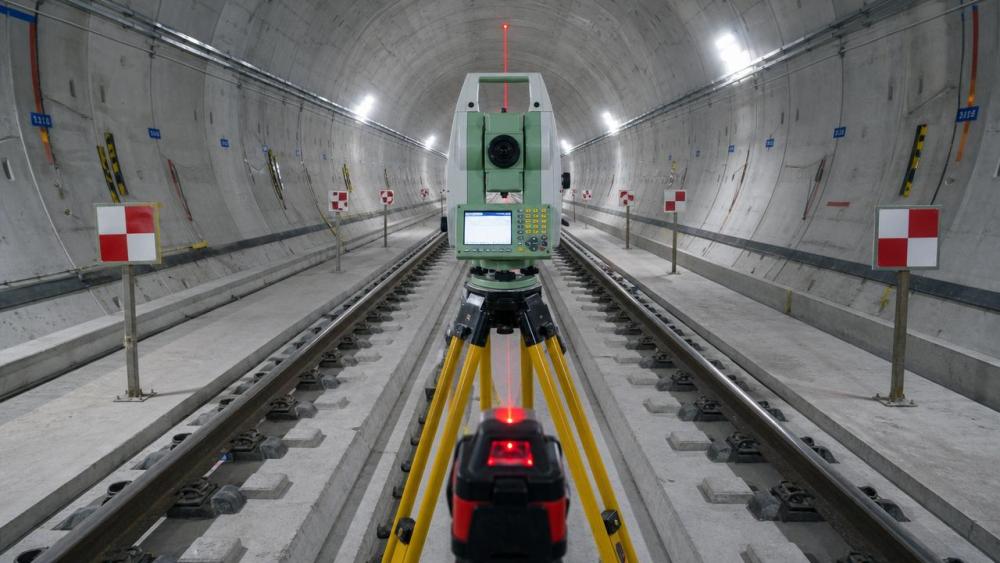
In practice, Tunnel Surveying Equipment error is not limited to a broken instrument or an obvious bad reading. It includes every deviation between the tunnel’s intended design position and the measured position used by operators, survey crews, TBM teams, pipe jacking specialists, and drilling supervisors. That deviation may begin with a total station, laser guidance unit, gyro system, prism setup, control network, software export, or even the way a crew interprets coordinates underground.
For operators, this matters because underground construction leaves little room for correction once excavation advances. A surface road project can often recheck geometry in open space. A tunnel drive cannot. If grade is wrong by a few millimeters per meter, the cumulative error can become a major line-and-level problem. If azimuth drifts during a long drive, the final breakthrough may miss tolerance, forcing expensive corrective excavation, support redesign, or equipment stoppage.
Within UTMD’s core sectors—TBM excavation, trenchless pipe jacking, drill-and-blast tunnels, and underground mining haulage infrastructure—survey accuracy supports more than alignment alone. It affects cutterhead approach, segment ring placement, pipe insertion path, blast hole orientation, clearance for battery-electric underground fleets, and the safe handoff between excavation and transport systems. In other words, Tunnel Surveying Equipment is part of operational control, not just documentation.
Which Tunnel Surveying Equipment errors most often delay breakthrough?
The most common delays come from small errors that accumulate unnoticed. Operators should watch for several recurring failure points rather than waiting for one dramatic fault. First is control network drift. If primary and secondary control points are transferred underground without enough redundancy, each setup can add tiny angular or distance errors. Over hundreds or thousands of meters, that becomes serious misalignment.
Second is instrument calibration error. A total station, gyro-theodolite, laser target system, or digital level may still power on normally while giving biased data because of poor calibration, transport shock, vibration exposure, or insufficient maintenance. This is especially relevant in TBM and mining environments where dust, humidity, heat, and machine vibration constantly challenge precision.
Third is setup and sighting error. A stable instrument can still produce bad results if tripod centering is weak, prism poles are tilted, backsight references are obscured, or the tunnel environment limits line of sight. Curved tunnels, wet reflective surfaces, and narrow headings often increase this risk.
Fourth is data-transfer or coordinate conversion error. This is one of the least visible but most damaging problems. A wrong datum, reversed sign, incorrect chainage reference, or outdated design file can send correct field measurements into a wrong design frame. Operators may then follow the machine guidance confidently while moving in the wrong direction.
Fifth is environmental distortion. Heat shimmer, dust, water droplets, metallic interference, and unstable ground can affect both optical and electronic readings. In deep underground settings, limited ventilation and variable temperature gradients can further reduce measurement consistency.
How can operators tell whether the problem is the instrument, the method, or the environment?
This is one of the most useful questions because the correction depends on the cause. If the instrument is at fault, recalibration, maintenance, or replacement may be required. If the method is wrong, retraining and procedure control matter more. If the environment is driving the error, the team may need alternative measurement windows, shielding, or redundant checks.
A practical field approach is to compare repeatability, consistency, and traceability. Repeatability asks whether the same setup produces nearly the same result when measured again. Consistency asks whether different instruments or crews reach compatible values. Traceability asks whether the reading can be tracked back to an approved control point, current design file, and documented correction method.
If repeat measurements from one instrument vary widely, the issue may be setup stability or calibration. If one crew’s values differ from another crew’s while using the same control, method differences may be responsible. If measurements only become unreliable during blasting windows, heavy TBM operation, or high humidity periods, environmental interference is a likely factor.
Operators should also avoid a common mistake: assuming a digital system is self-correcting. Modern Tunnel Surveying Equipment can automate capture and guidance, but automation does not remove the need for disciplined survey logic. In fact, when automated machine guidance is trusted without cross-checks, small hidden errors can travel farther before anyone notices.
What warning signs suggest Tunnel Surveying Equipment is already affecting alignment or grade?
Several warning signs appear before breakthrough failure occurs, but crews often dismiss them as minor noise. One early sign is a repeated need for small steering corrections that do not seem to stabilize the drive. In a TBM or pipe jacking operation, if the machine keeps chasing the line rather than holding it, the guidance inputs deserve review.
Another warning sign is mismatch between measured advance geometry and installed support geometry. For example, if segment ring positioning, pipe joint behavior, or invert profile begins to show systematic offset, the issue may be survey-related rather than purely mechanical. In drill-and-blast work, unusual overbreak or underbreak patterns can also reflect layout inaccuracies at the face.
A third sign is disagreement between independent checks. If a laser guidance system reports acceptable line while a total station check suggests drift, that conflict should not be ignored. The purpose of redundancy is to reveal hidden bias. The same applies in underground mining development headings where transport clearances, ventilation raises, or orepass connections rely on positional accuracy.
Finally, sudden unexplained deviations after instrument relocation, software updates, control transfer, or shift changes often indicate process error. When the tunnel geometry changes but excavation conditions have not, the survey chain should be audited before production continues.
Which checks should operators and site teams perform before trusting survey data?
A reliable Tunnel Surveying Equipment workflow starts before the instrument enters the heading. Teams should verify that the design coordinates, chainage references, control points, and machine guidance files all come from the same revision set. Many delays start with mixed file versions rather than field measurement failure.
Next, check instrument condition. Confirm calibration dates, battery condition, optics cleanliness, prism integrity, and firmware status. In underground projects, simple physical inspection is essential because vibration, moisture, and grime can reduce measurement quality even when the device still operates.
Then verify setup discipline. Instrument centering, stable mounting, secure backsight, line-of-sight clearance, and proper target handling are basic but critical. Operators should also document environmental conditions when readings are taken, especially in long drives where temperature and humidity shifts can affect precision.
Most importantly, perform independent cross-checks at defined intervals. A gyro check, closure check, reverse observation, or secondary control verification can reveal drift early. In high-value projects such as long TBM drives, urban trenchless crossings, or deep mining access tunnels, these checks cost far less than delayed breakthrough or corrective excavation.
Quick field judgment table for common Tunnel Surveying Equipment issues
Are some underground projects more sensitive to Tunnel Surveying Equipment errors than others?
Yes. Long tunnel drives are the most obvious example because small angular errors grow with distance. However, sensitivity is not only about length. Projects with tight breakthrough tolerance, urban congestion, complex curves, shallow cover, multiple interfaces, or limited rework access are especially exposed.
TBM drives require strong alignment control because segment erection, cutterhead steering, and final connection all depend on positional confidence. Pipe jacking projects are also highly sensitive because line deviation can increase jacking force, damage joints, and threaten nearby utilities or structures. In drill-and-blast tunnels, survey errors affect not only breakthrough but also profile control, overbreak management, and support demand.
Underground mining adds another layer. Development headings, orepass connections, haulage drifts, and ventilation links often have operational consequences long after excavation ends. If a drift is out of position, autonomous or remotely controlled LHD loaders, battery fleet traffic, and smart mine transport systems may face clearance, grade, or routing inefficiencies. For users and operators, that turns a survey problem into an asset utilization problem.
What are the biggest mistakes teams make when selecting or using Tunnel Surveying Equipment?
One mistake is choosing equipment by specification sheet alone. High nominal accuracy does not guarantee better field results if the instrument is difficult to maintain, poorly suited to tunnel visibility, or incompatible with the project’s software ecosystem. Ease of verification, durability, integration with machine guidance, and training requirements are equally important.
Another mistake is underestimating procedural discipline. Even advanced Tunnel Surveying Equipment cannot compensate for inconsistent control transfer, weak documentation, or poor shift handover. Underground projects often run continuously, so errors can spread across teams unless there is a single accepted workflow for setup, validation, file control, and exception reporting.
A third mistake is treating survey as a support function isolated from production. In reality, survey data should be linked directly to steering decisions, ring build review, jacking force interpretation, blast design, and underground logistics planning. The best-performing sites make survey information part of daily operational control rather than a late-stage quality check.
Finally, many teams invest in hardware but not in operator understanding. The real value of Tunnel Surveying Equipment appears when crews know how errors arise, how to challenge unexpected readings, and when to stop production for a verification cycle. That judgment is what prevents quiet drift from becoming a visible failure at breakthrough.
What should be confirmed first before adopting a new survey workflow, supplier, or system?
Start with the operational questions, not the brochure. Ask what tolerance the project truly requires, what environmental conditions the equipment must survive, how data will move from the survey crew to machine guidance, and what independent verification method will be used when results conflict. These answers shape the right system more effectively than brand claims alone.
It is also important to confirm compatibility with existing tunnelling and mining workflows. A good system should support control transfer discipline, clear audit trails, practical underground handling, and integration with TBM, trenchless, or mine development reporting. For operators, the best solution is usually the one that reduces ambiguity under real site pressure, not the one with the most features on paper.
If you need to move from general awareness to implementation, the first topics to discuss are straightforward: required tolerance, tunnel length and geometry, current control method, guidance software used, environmental conditions, calibration practice, validation frequency, and who owns final sign-off when readings disagree. Those questions create a reliable base for evaluating Tunnel Surveying Equipment, refining procedures, and preventing the errors that delay breakthrough.
Related News
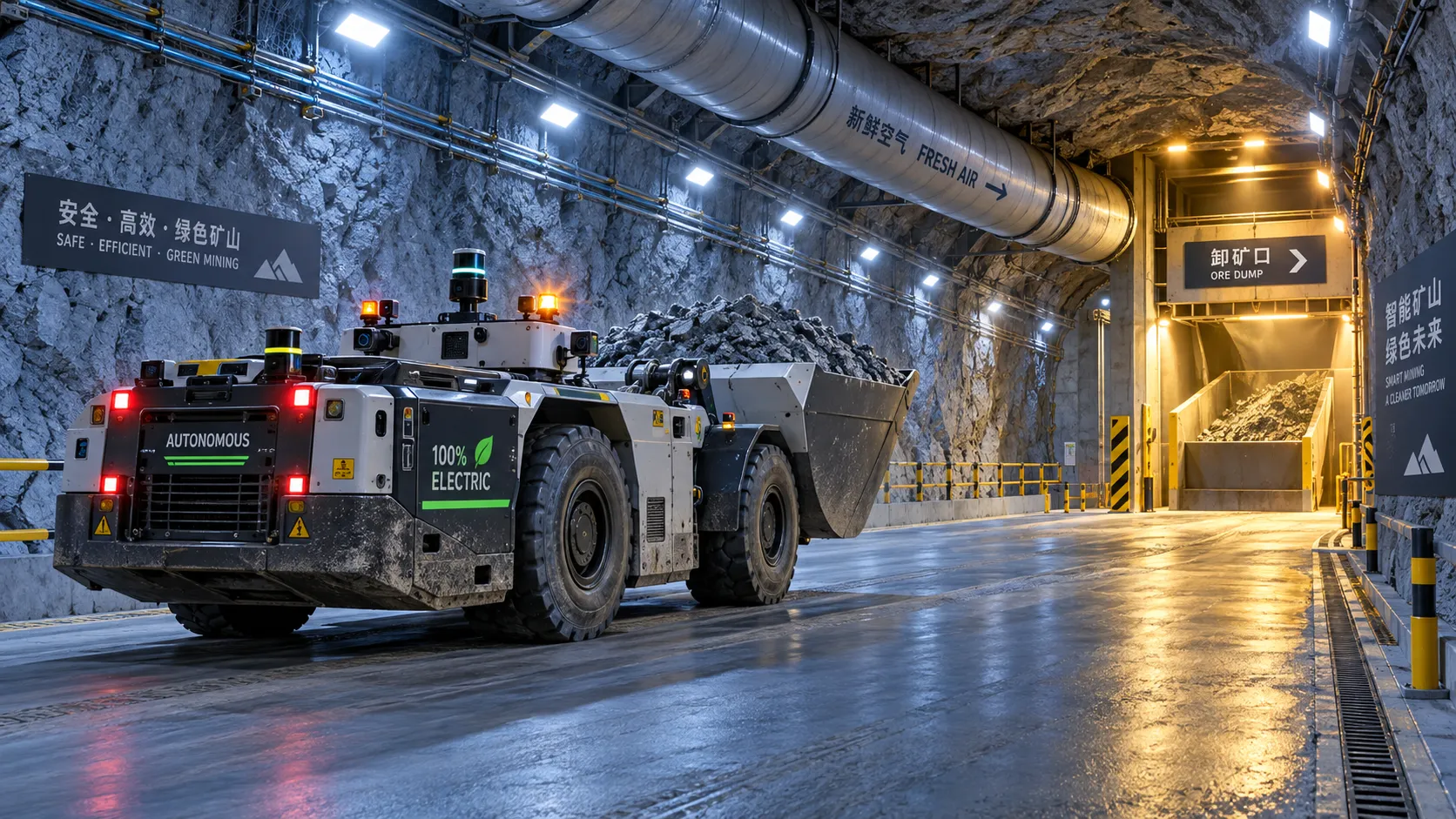
Where Autonomous Mining Loaders Deliver the Most Value in Underground Operations
Autonomous Mining Loaders deliver greater underground value through safer blast-zone work, repeatable haul cycles, and improved ventilation efficiency. Discover the best deployment zones.
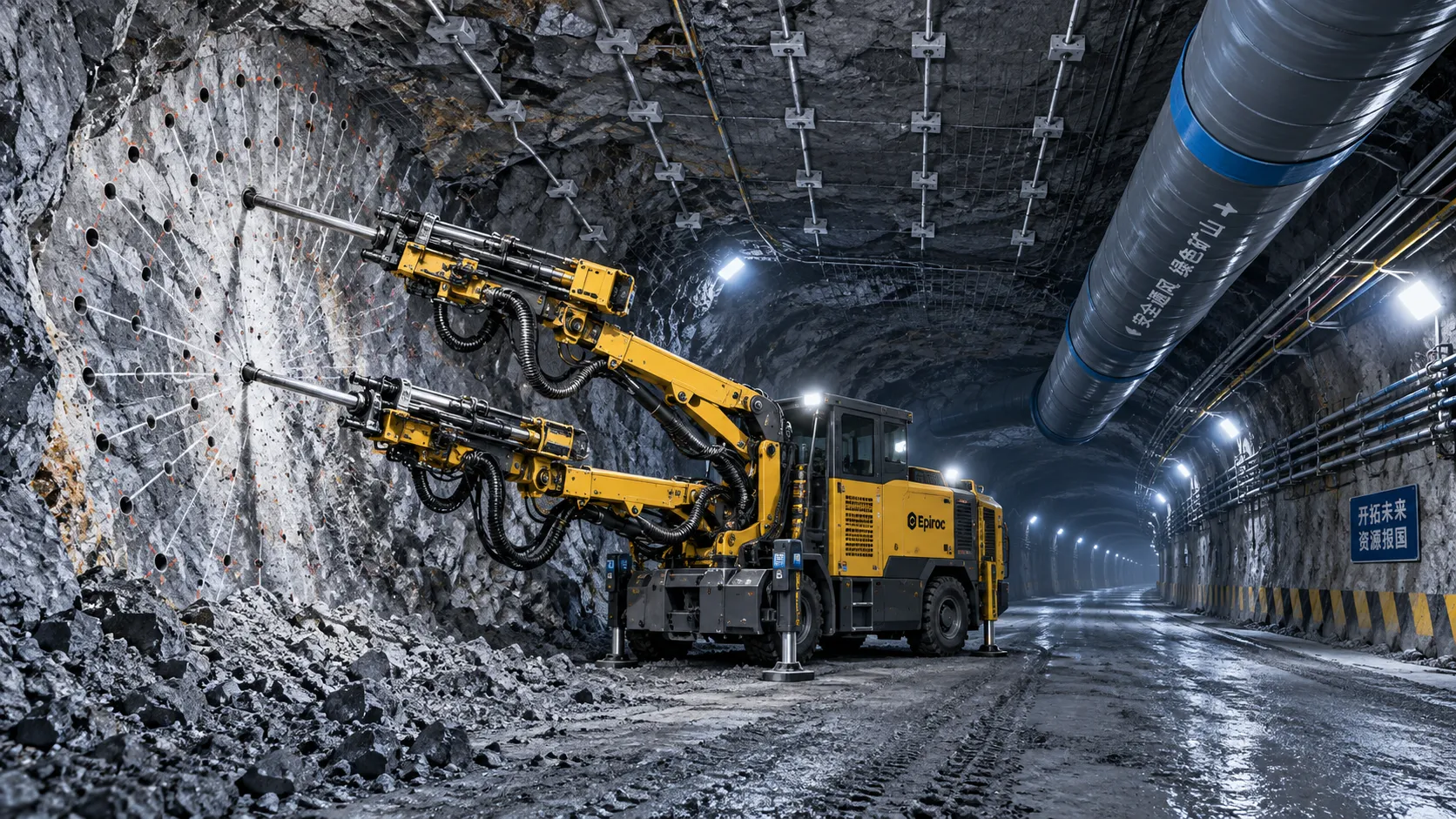
Underground Drilling for Mining: Selecting Methods for Rock Conditions and Mine Layout
Underground drilling for mining: learn how to match drilling methods to rock conditions, mine layout, accuracy needs, ground support, and cycle efficiency.
Underground Mine Electrification: How to Size Battery Fleets and Charging Capacity
Mining electrification for underground mines: learn how to size battery fleets, chargers, and power capacity to prevent queues, peak-load issues, and production downtime.
How to Evaluate European Drill-and-Blast Tunnelling Contractors for Complex Projects
Drill and blast tunnelling contractors Europe: learn how to assess geology expertise, blast control, equipment reliability, safety, and programme resilience for complex projects.
Which Trenchless Construction Technique Fits Your Utility Crossing Conditions?
Trenchless construction techniques compared for utility crossings: choose HDD, microtunnelling, pipe jacking, or auger boring based on ground, accuracy, access, and risk.
What Is Driving Metro Tunnelling Demand Across Southeast Asia’s Major Cities?
Metro tunnelling Southeast Asia is accelerating as major cities tackle congestion, flooding, and connectivity. Explore the market forces, technical risks, and opportunities shaping demand.
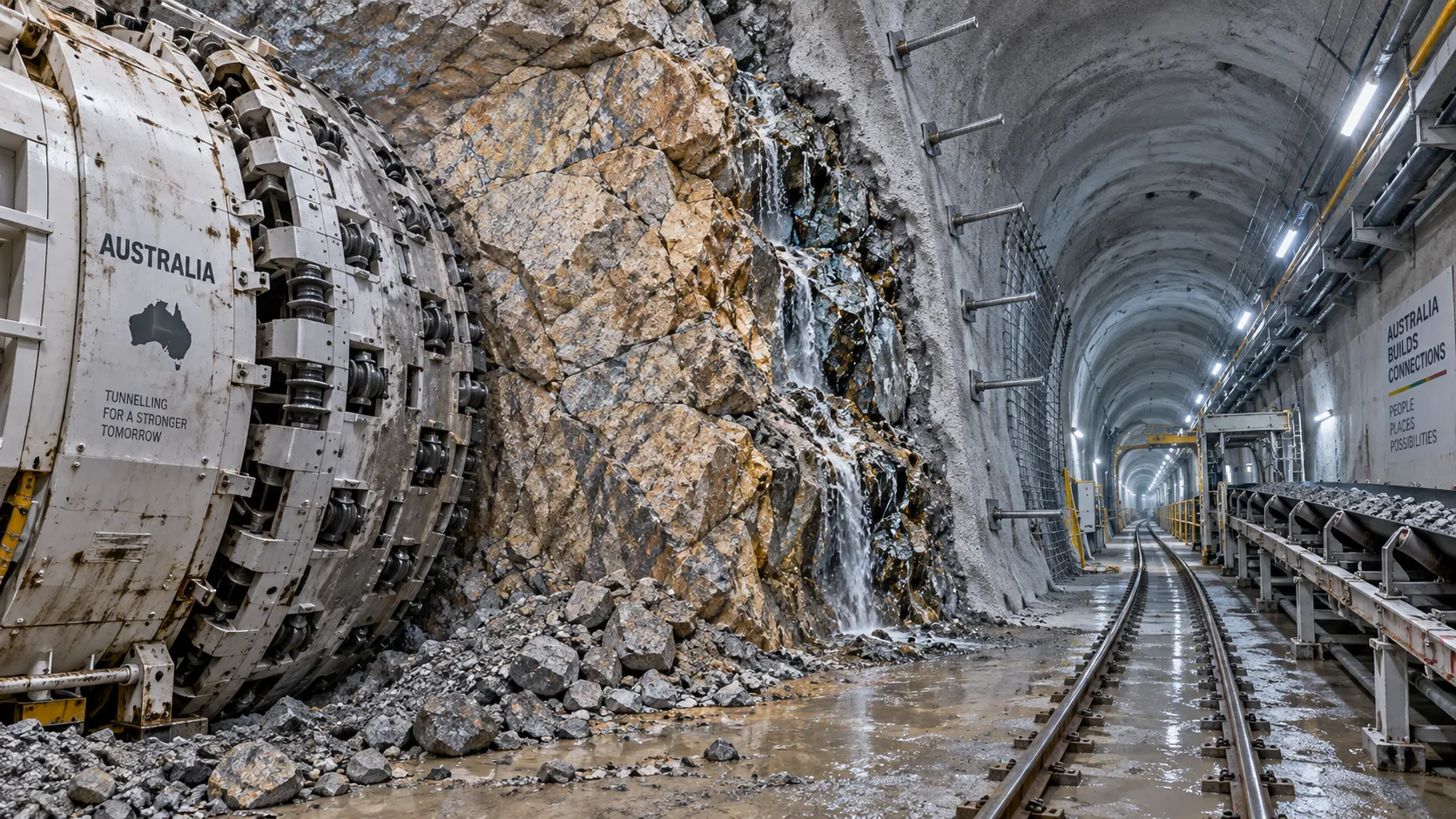
Hard Rock Tunnelling in Australia: Selecting Methods for Variable Ground Conditions
Hard rock tunnelling in Australia: compare TBM, drill-and-blast and hybrid methods to manage variable ground, reduce risk and protect project costs.
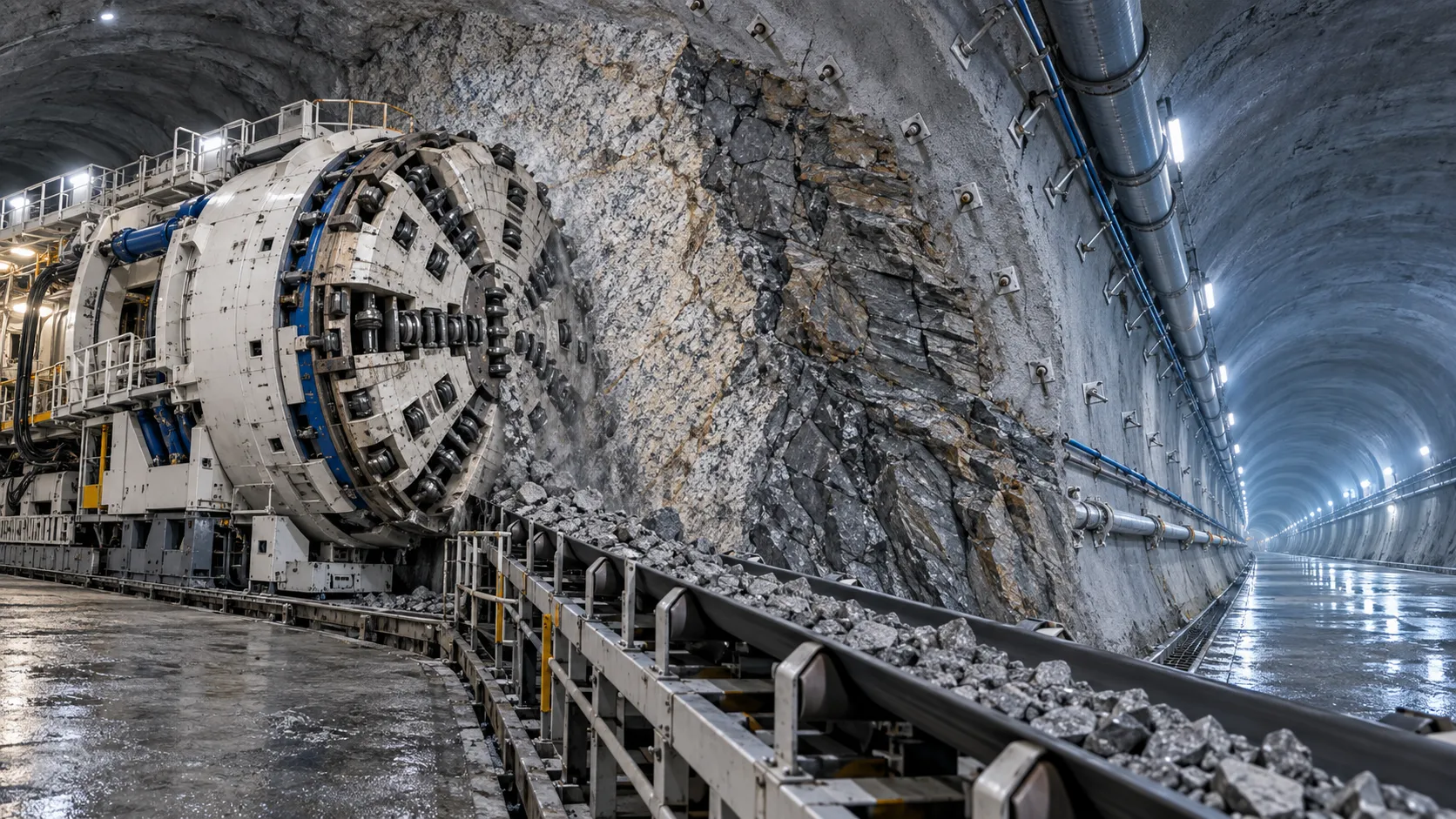
Hydropower Tunnel Excavation: Selecting Methods for Variable Rock Conditions
Hydropower tunnel excavation methods for variable rock conditions: compare TBM, drill-and-blast, and hybrid strategies to improve safety, progress, and project control.
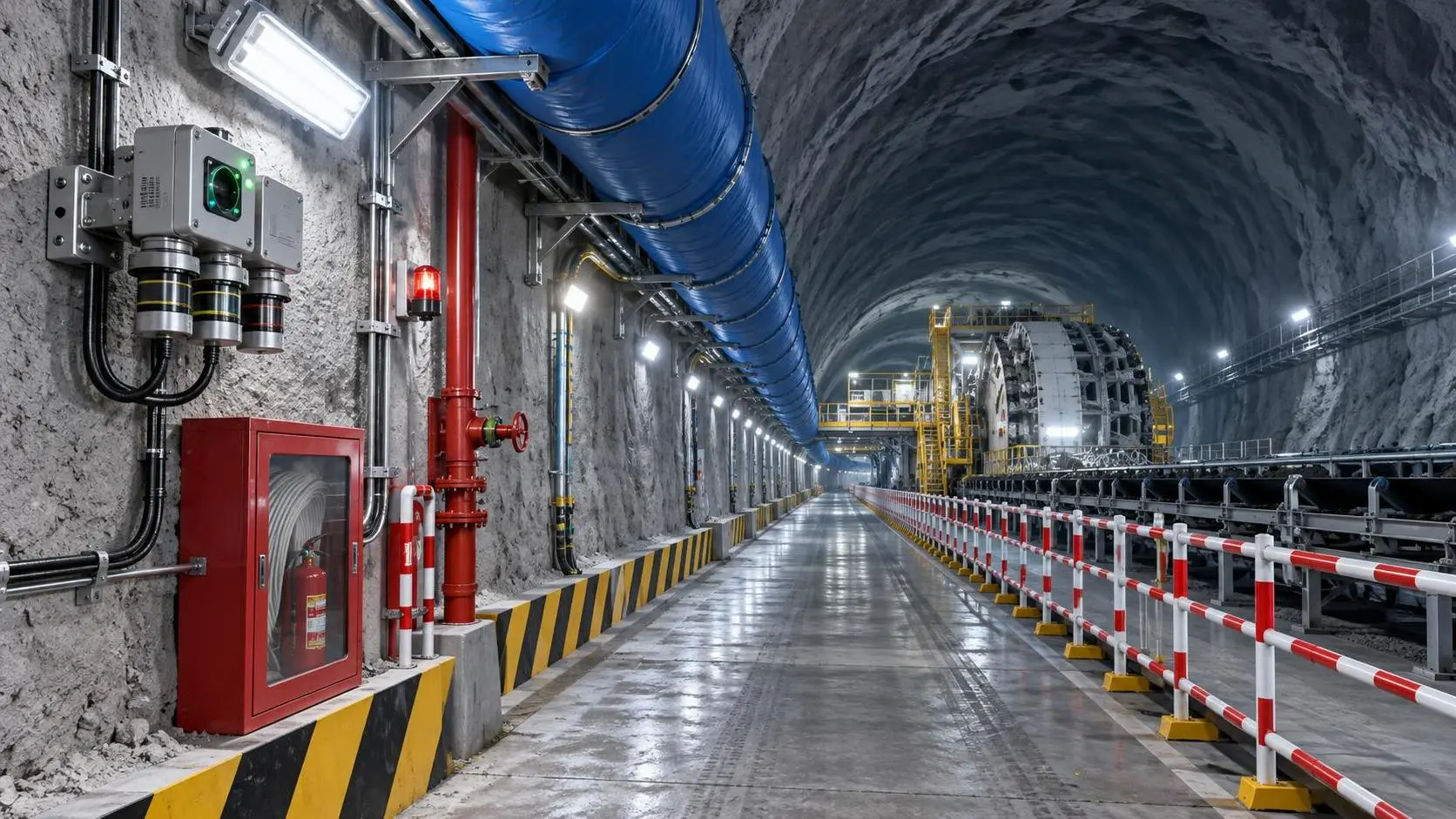
How to Select Underground Safety Equipment for Tunnelling by Hazard and Work Zone
Underground Safety Equipment for tunnelling: match protection to hazards, work zones, compliance, and emergency needs with this practical selection guide.
Related News
- 00
0000-00
Where Autonomous Mining Loaders Deliver the Most Value in Underground Operations - 00
0000-00
Underground Drilling for Mining: Selecting Methods for Rock Conditions and Mine Layout - 00
0000-00
Underground Mine Electrification: How to Size Battery Fleets and Charging Capacity - 00
0000-00
How to Evaluate European Drill-and-Blast Tunnelling Contractors for Complex Projects - 00
0000-00
Which Trenchless Construction Technique Fits Your Utility Crossing Conditions?
Weekly Insights
Stay ahead with our curated technology reports delivered every Monday.