
Underground Automation Is Moving Beyond Pilot Projects





Underground Automation is moving from isolated trials to a strategic priority for tunnelling and mining leaders. As mega-projects, electrification targets, and safety demands intensify, decision-makers need clear insight into how TBMs, drilling systems, mining trucks, and LHD loaders are reshaping underground productivity, reliability, and ESG performance at scale.
Why decision-makers should assess Underground Automation with a checklist first
For enterprise leaders, Underground Automation is no longer a technology story alone. It is a capital allocation, risk control, and operational resilience decision. Pilot projects often prove that autonomous haulage, remote drilling, automated TBM functions, and battery-electric underground fleets can work. The harder question is whether they can scale across multiple headings, shifts, sites, and asset classes without creating hidden integration costs.
A checklist approach matters because underground operations are constrained environments. Ventilation, communication coverage, geotechnical variability, maintenance access, workforce readiness, and system interoperability all shape returns. A mine may succeed with autonomous LHDs in a single production zone but struggle when dispatch logic, charging or battery-swap routines, and traffic management expand. A tunnel contractor may automate ring build steps on a TBM but fail to capture value if downtime diagnostics remain manual. In short, Underground Automation moves beyond pilots only when leaders verify the operating system around the machine, not just the machine itself.
The first-pass checklist: what to confirm before scaling
Before approving broader deployment, executives should validate a short list of high-impact criteria. These points help separate scalable automation from promising but isolated demonstration results.
- Production bottleneck clarity: Confirm whether the target problem is cycle time, labor exposure, unplanned downtime, ventilation cost, energy efficiency, ore flow variability, or project schedule risk. Underground Automation delivers the strongest returns when tied to a specific operational constraint.
- Asset suitability: Check if the equipment class is ready for scale. TBMs, pipe jacking systems, drilling jumbos, mining dump trucks, and underground LHD loaders have different automation maturity levels, sensor dependencies, and maintenance demands.
- Connectivity and positioning: Validate underground wireless coverage, localization accuracy, latency tolerance, and edge computing capacity. Many automation setbacks begin with unstable communications rather than poor vehicle logic.
- Safety case approval: Ensure that emergency stop logic, exclusion zones, traffic rules, remote supervision protocols, and fail-safe modes are accepted by both internal HSE teams and regulators where relevant.
- Data integration readiness: Confirm that fleet management, maintenance systems, geotechnical data, dispatch platforms, and reporting tools can share usable data. Scaled Underground Automation depends on connected information flows.
- Workforce transition plan: Identify who will operate control rooms, maintain sensors, manage exceptions, and interpret performance dashboards. Automation without role redesign often stalls after early success.
- Economic threshold: Define the expected payback window, throughput uplift, injury exposure reduction, diesel displacement, and asset utilization gains before expansion begins.
This checklist is especially relevant for organizations following UTMD intelligence on full-face tunnelling and smart underground mining transport. In both sectors, scalable value comes from the interaction between machine capability, harsh geology, and digital operating discipline.
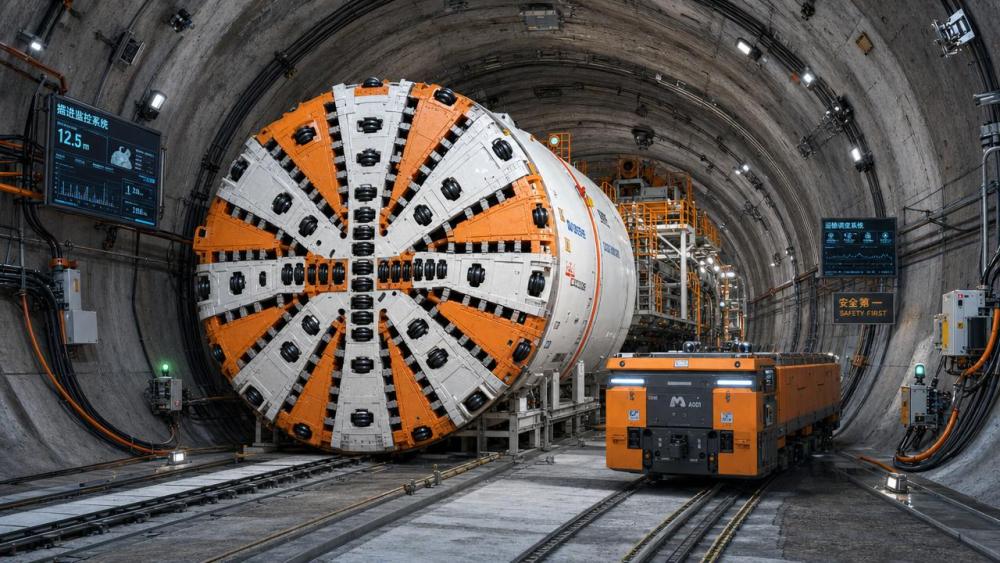
How to judge whether a pilot is truly ready for rollout
Not every successful trial deserves enterprise-wide expansion. Decision-makers should ask whether the pilot proved repeatability, not just functionality. A valid Underground Automation pilot should demonstrate stable performance across varying rock conditions, shift teams, and maintenance cycles. If output depends on vendor specialists being permanently on site, the operation is not yet ready to scale.
Use the following judgment standards:
- Repeatability: Did the system achieve comparable results over enough operating hours, not just a short demonstration window?
- Exception handling: Can the automation manage interruptions such as rock falls, wet ground, uneven fragmentation, poor visibility, blocked routes, or signal loss?
- Maintenance realism: Are spare parts, calibration routines, and software updates manageable within the site's actual support model?
- Operator adoption: Do supervisors trust the system enough to run it during production-critical periods, not only on low-risk shifts?
- Commercial scalability: Does the business case remain positive when expanded across multiple units, headings, or mines after including training, infrastructure, and change-management costs?
Key evaluation points by equipment and application
TBMs and pipe jacking systems
For mechanized tunnelling, Underground Automation should be judged by more than machine guidance or segment handling speed. Leaders should prioritize cutterhead performance consistency, predictive maintenance quality, slurry or spoil handling coordination, and digital traceability of ring build quality. In urban projects, automated pipe jacking gains must also be measured against settlement risk, utility avoidance, and reduced surface disruption. The strongest deployments combine machine control automation with analytics that help teams predict wear, torque changes, and downtime patterns before they affect schedule commitments.
Drilling jumbos
In drill-and-blast environments, the quality of automation depends on hole accuracy, repeatability, and integration with downstream blasting and support cycles. Executives should check whether automated drilling improves pull rates, reduces overbreak, and lowers operator exposure near unsupported ground. A common mistake is treating the jumbo as a standalone automation win when value actually depends on the entire drill-blast-muck-support chain.
Mining dump trucks and underground LHD loaders
For haulage, Underground Automation must be evaluated through traffic logic, charging or battery-swapping strategy, loader-truck interaction, gradient performance, and dispatch response under variable ore movement. Underground LHDs operating with remote or autonomous modes can transform ventilation requirements and shift safety exposure, but only if route control, ore pass coordination, and fleet balancing are tightly managed. For larger mining trucks, especially in electrified fleets, leaders should also verify regenerative braking performance, thermal management, and the operational effect of mixed manual and autonomous traffic.
A practical comparison table for executive review
What changes by scenario: tunnelling versus mining
Decision criteria should shift by operating context. In tunnelling, Underground Automation is often tied to project certainty: schedule adherence, quality traceability, reduced rework, and safer execution in constrained urban or deep geology environments. The project has a defined completion date, so downtime cost and handover quality are central.
In mining, the emphasis is different. Underground Automation must support continuous production over years, adapt to changing mine plans, and maintain value through evolving ore bodies, haul distances, and ventilation strategies. The priority is not just technical performance but sustained asset utilization, labor leverage, and the flexibility to integrate electrified equipment over time.
For diversified industrial groups active in both sectors, this distinction is crucial. A technology stack that works well for a TBM control room may not directly transfer to LHD fleet orchestration. Shared principles exist, but deployment models differ.
Common blind spots that slow Underground Automation after the pilot phase
Many organizations underestimate the non-machine barriers to scale. The most frequent blind spots include weak change governance, fragmented ownership between operations and IT, unrealistic assumptions about underground communications, and insufficient focus on maintenance competence. Another recurring issue is measuring success by technology availability rather than production outcome. A system can be technically online yet commercially disappointing if ore flow, tunnelling advance, or shift utilization do not improve.
Leaders should also watch for vendor dependency. If every software adjustment, sensor recalibration, or workflow redesign requires external intervention, scalability will be limited. The objective is controlled internal capability, supported by partners, not permanent operational dependence.
Execution roadmap: the next steps enterprises should take
A disciplined Underground Automation roadmap usually starts with a business-led decision framework rather than a technology wish list. First, rank the processes where automation can unlock the highest value under current operational constraints. Second, define baseline metrics for safety exposure, throughput, downtime, energy use, and workforce utilization. Third, select a scalable architecture for communications, data integration, and control-room operations. Fourth, align contracts, support models, and training responsibilities before rollout expands.
It is also wise to stage investments. Begin with a site or circuit where success can be measured clearly, but design standards that can be replicated across fleets and projects. For example, one underground LHD deployment should use the same logic for data governance, incident review, and maintenance diagnostics that a broader fleet program will need later. The same principle applies to TBM and trenchless automation platforms where predictive maintenance and digital reporting must scale beyond a single project team.
FAQ for leaders evaluating Underground Automation
What is the clearest sign that Underground Automation is ready to move beyond pilot projects?
The clearest sign is repeatable operational value under normal production conditions. That means measurable improvements in safety, utilization, cycle time, or emissions without extraordinary vendor support.
Should companies automate one equipment class at a time?
Usually yes, but with system-wide design in mind. Focusing first on a high-value area such as LHD haulage, automated drilling, or selected TBM functions can reduce complexity, provided the data and control architecture supports future expansion.
How important is electrification to Underground Automation?
It is increasingly important because zero-emission equipment changes ventilation economics, maintenance routines, and digital control opportunities. In many mines, automation and electrification now reinforce each other rather than developing as separate strategies.
Final decision guide and action prompt
For decision-makers, the central lesson is straightforward: Underground Automation becomes strategic when it is assessed as an operating model, not a gadget. The right checklist covers safety, production, connectivity, maintenance, workforce transition, ESG impact, and commercial repeatability. Whether your focus is TBMs, pipe jacking systems, drilling jumbos, mining dump trucks, or underground LHD loaders, the question is no longer whether automation can work. The question is whether your organization is prepared to scale it with discipline.
If you are preparing the next phase, prioritize a structured discussion around current bottlenecks, site conditions, automation maturity by equipment type, expected payback, integration requirements, support responsibilities, and rollout timing. Those are the issues that determine whether Underground Automation stays a promising pilot or becomes a durable source of productivity, reliability, and competitive advantage.
Related News
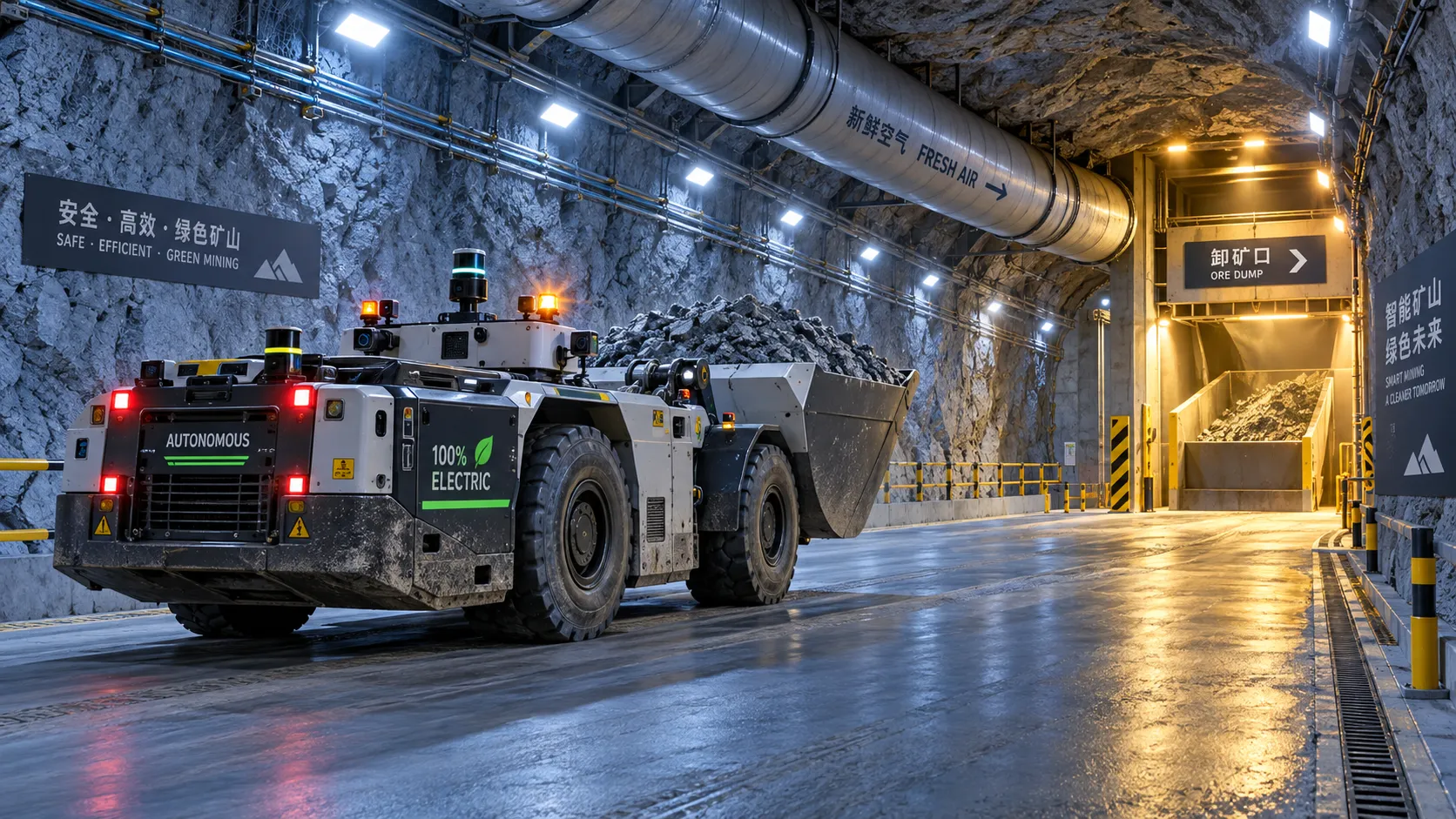
Where Autonomous Mining Loaders Deliver the Most Value in Underground Operations
Autonomous Mining Loaders deliver greater underground value through safer blast-zone work, repeatable haul cycles, and improved ventilation efficiency. Discover the best deployment zones.
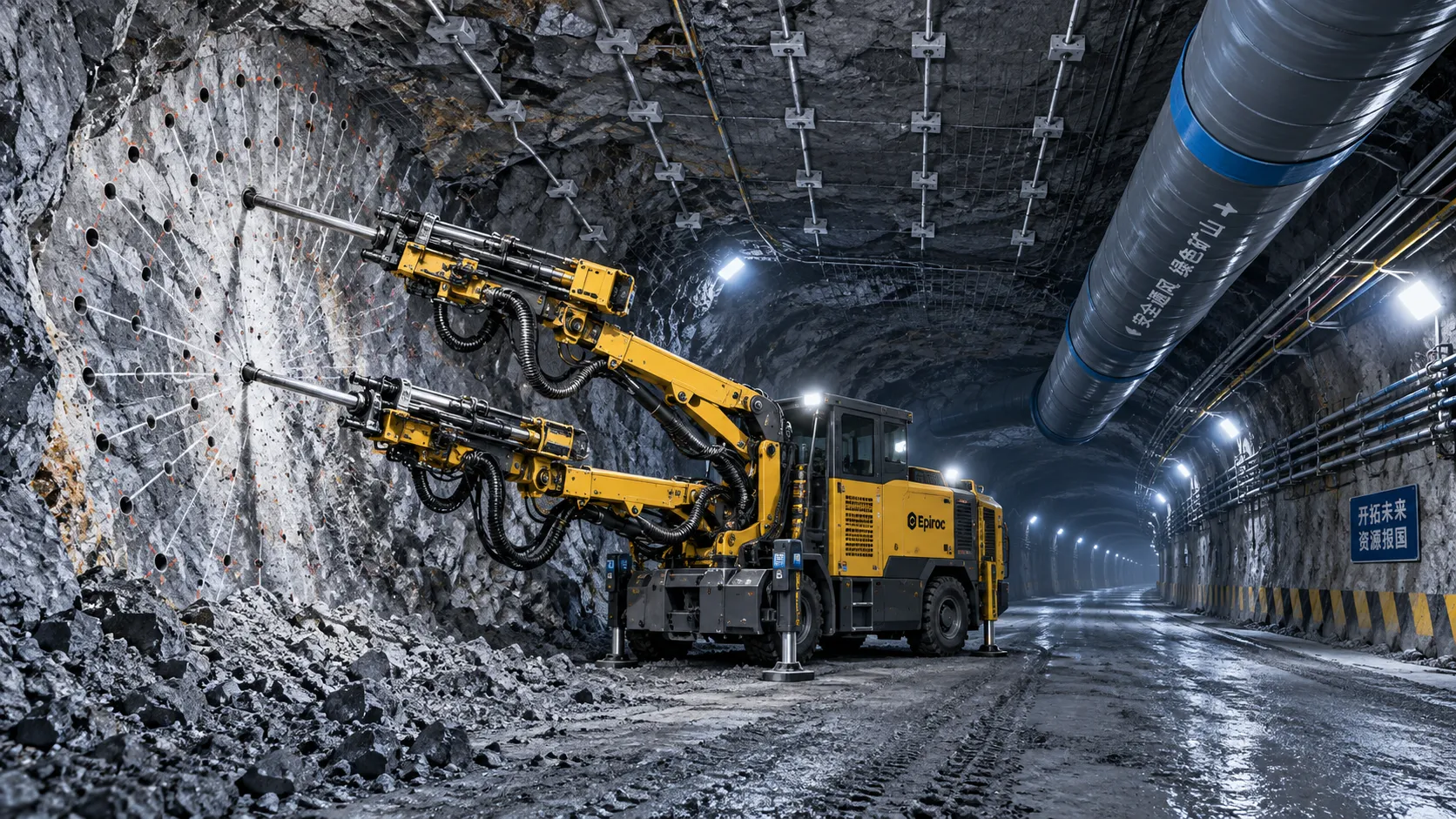
Underground Drilling for Mining: Selecting Methods for Rock Conditions and Mine Layout
Underground drilling for mining: learn how to match drilling methods to rock conditions, mine layout, accuracy needs, ground support, and cycle efficiency.
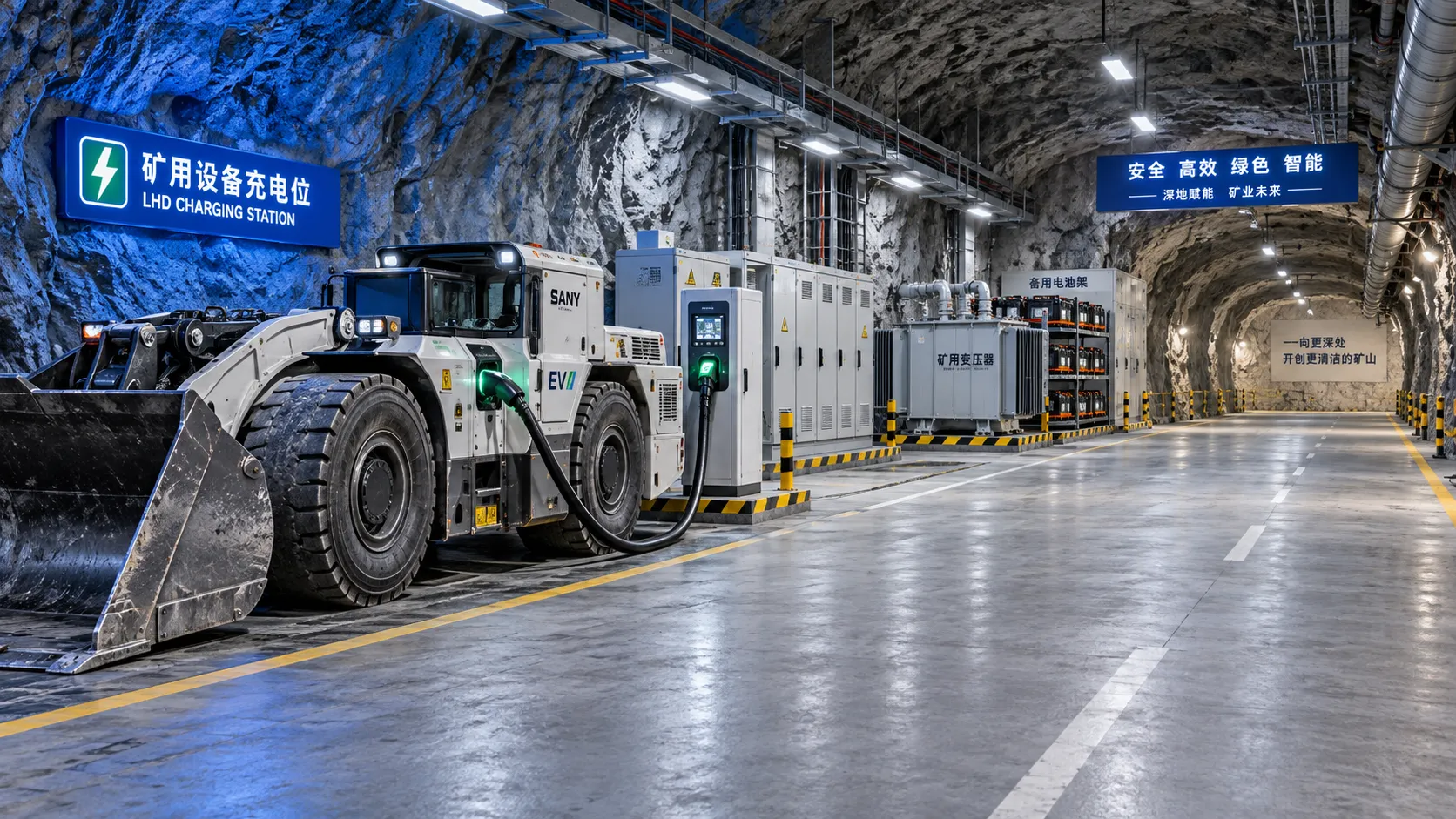
Underground Mine Electrification: How to Size Battery Fleets and Charging Capacity
Mining electrification for underground mines: learn how to size battery fleets, chargers, and power capacity to prevent queues, peak-load issues, and production downtime.
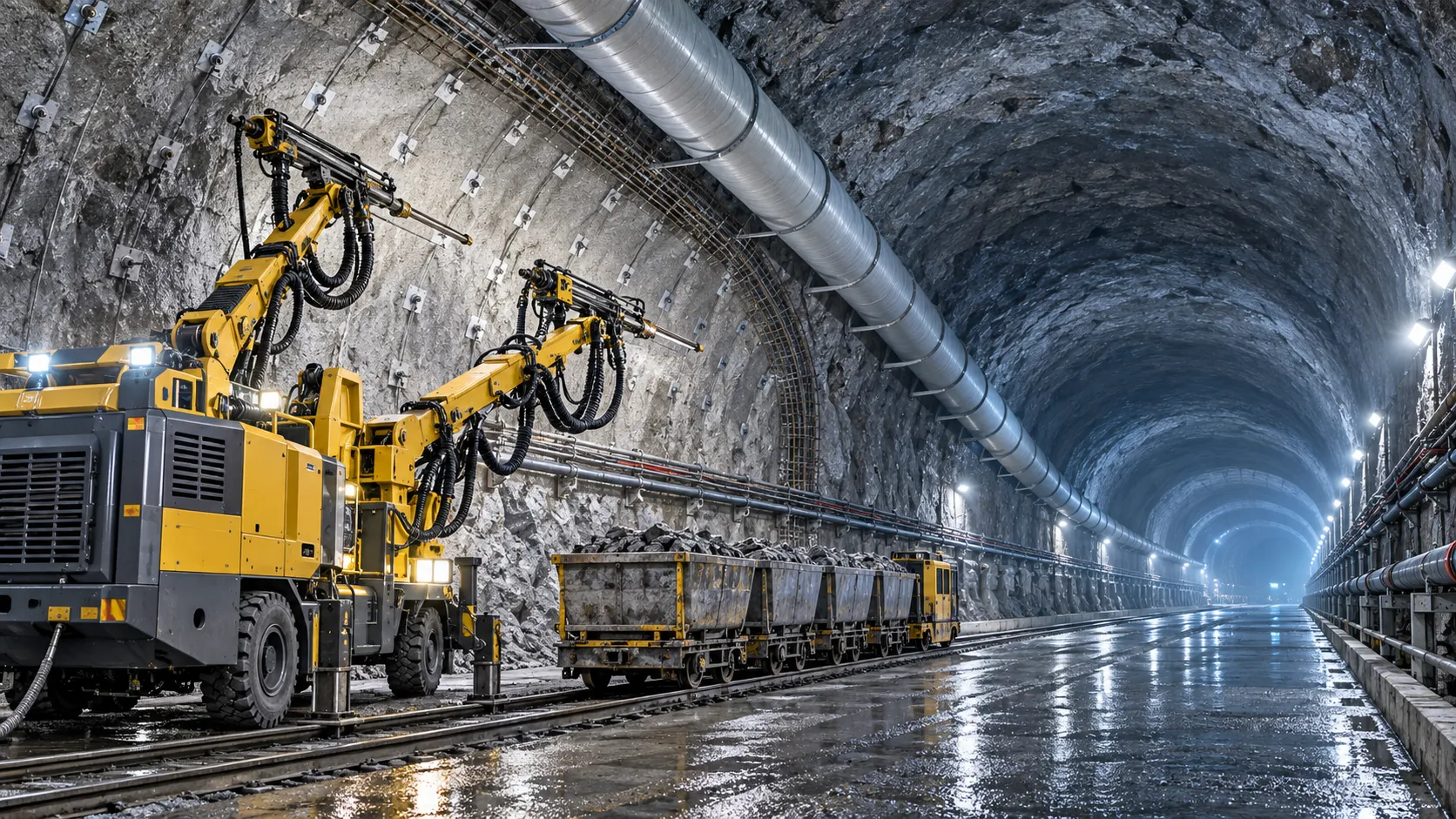
How to Evaluate European Drill-and-Blast Tunnelling Contractors for Complex Projects
Drill and blast tunnelling contractors Europe: learn how to assess geology expertise, blast control, equipment reliability, safety, and programme resilience for complex projects.
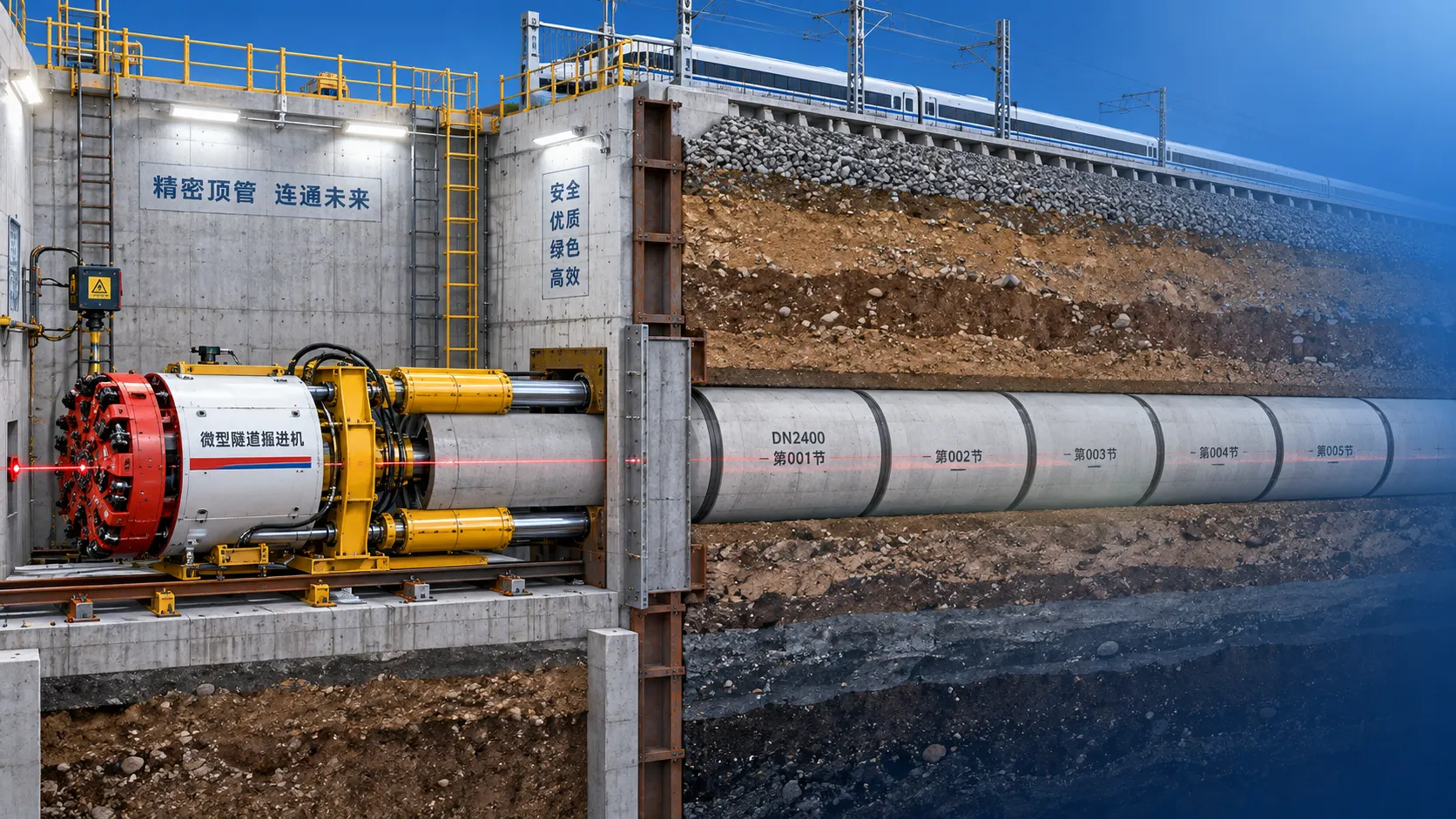
Which Trenchless Construction Technique Fits Your Utility Crossing Conditions?
Trenchless construction techniques compared for utility crossings: choose HDD, microtunnelling, pipe jacking, or auger boring based on ground, accuracy, access, and risk.
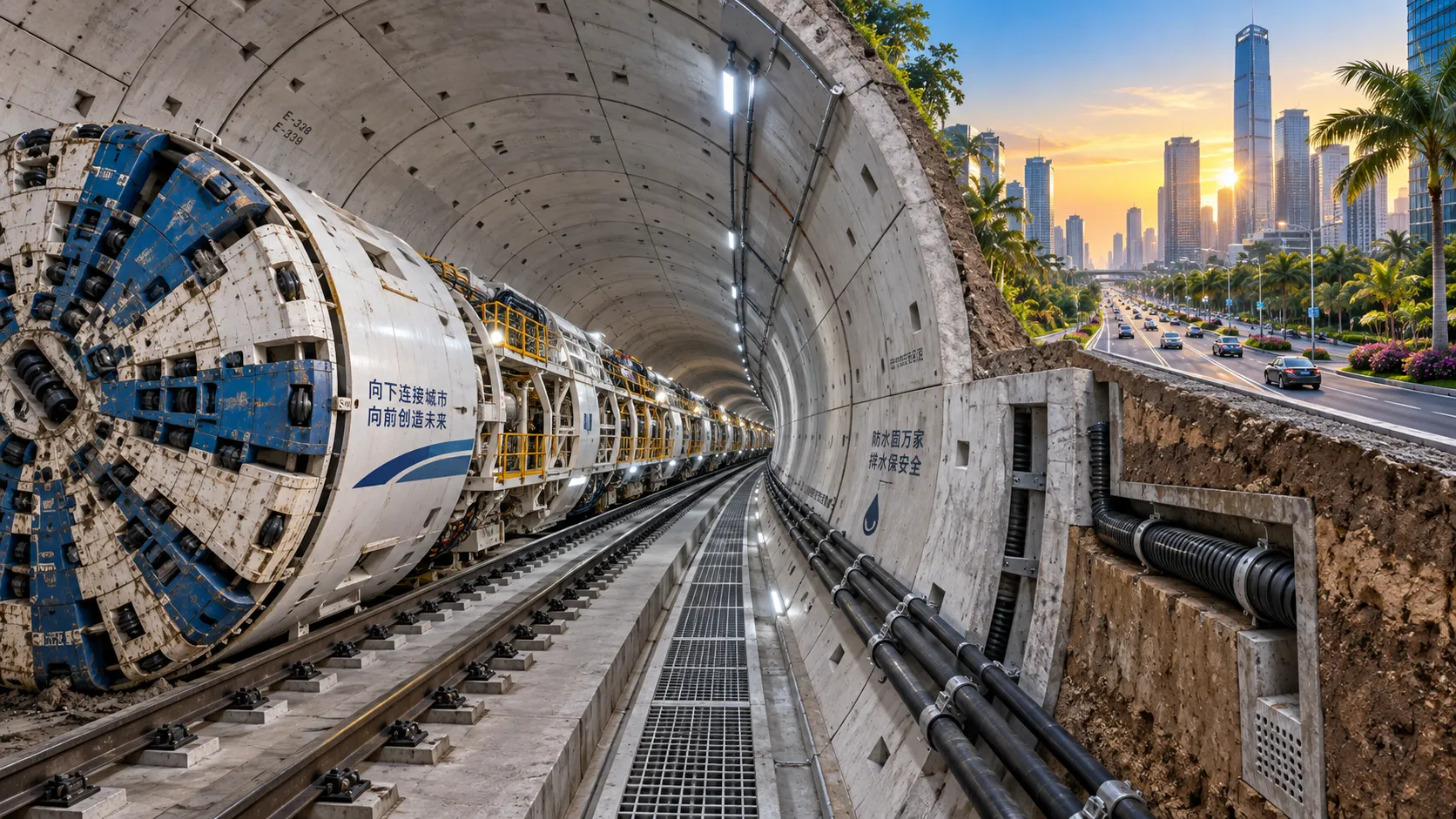
What Is Driving Metro Tunnelling Demand Across Southeast Asia’s Major Cities?
Metro tunnelling Southeast Asia is accelerating as major cities tackle congestion, flooding, and connectivity. Explore the market forces, technical risks, and opportunities shaping demand.
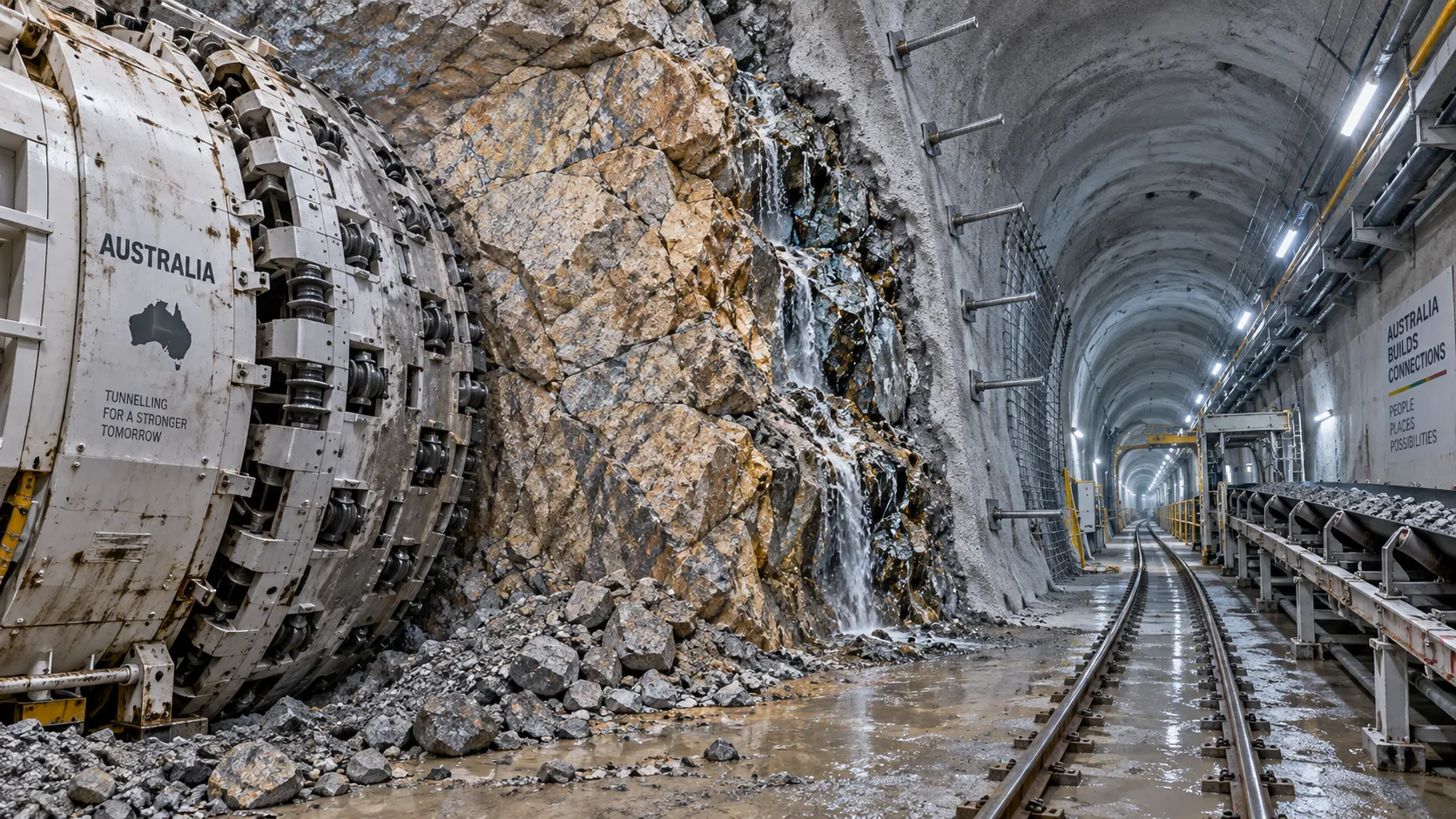
Hard Rock Tunnelling in Australia: Selecting Methods for Variable Ground Conditions
Hard rock tunnelling in Australia: compare TBM, drill-and-blast and hybrid methods to manage variable ground, reduce risk and protect project costs.
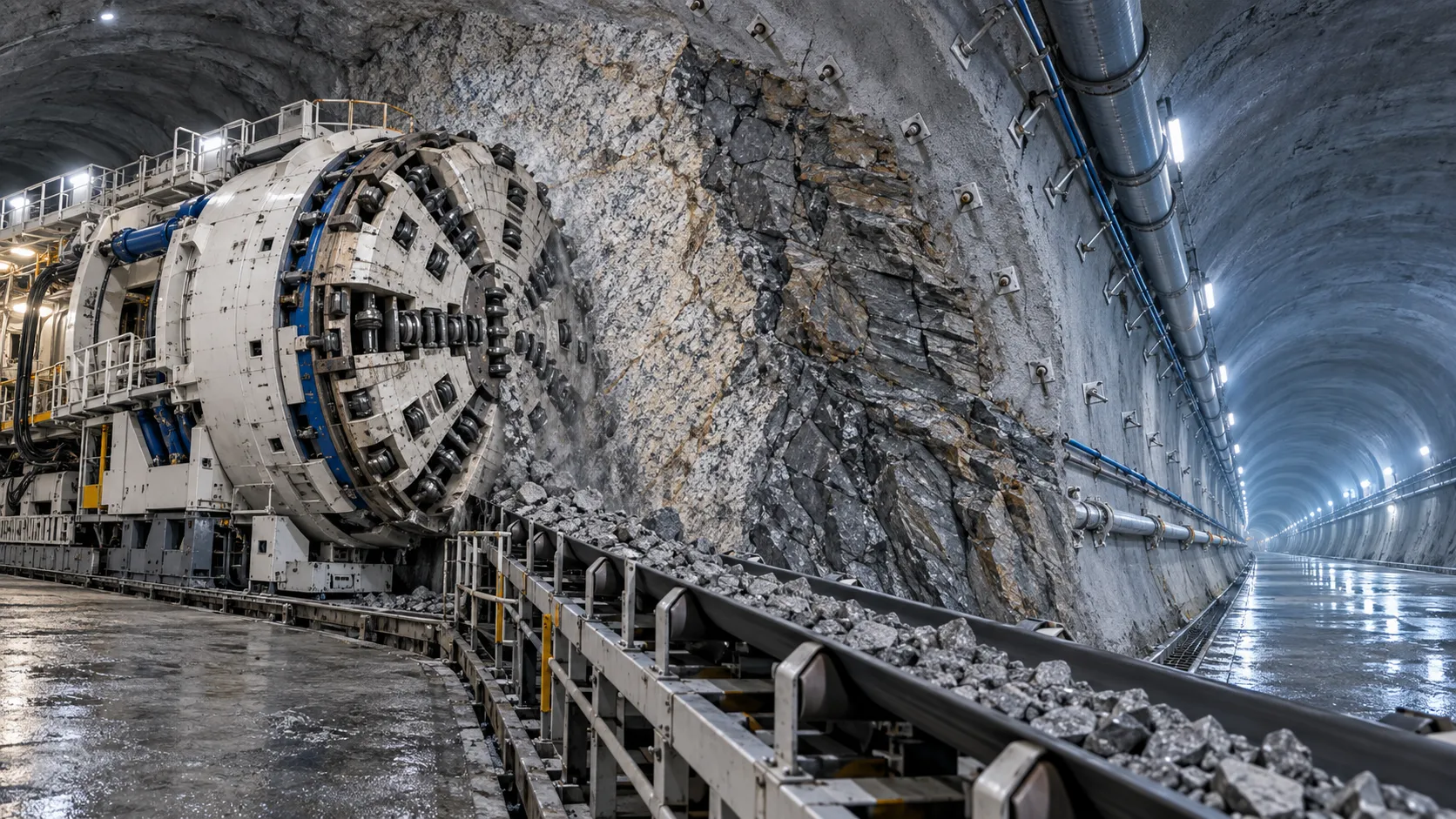
Hydropower Tunnel Excavation: Selecting Methods for Variable Rock Conditions
Hydropower tunnel excavation methods for variable rock conditions: compare TBM, drill-and-blast, and hybrid strategies to improve safety, progress, and project control.
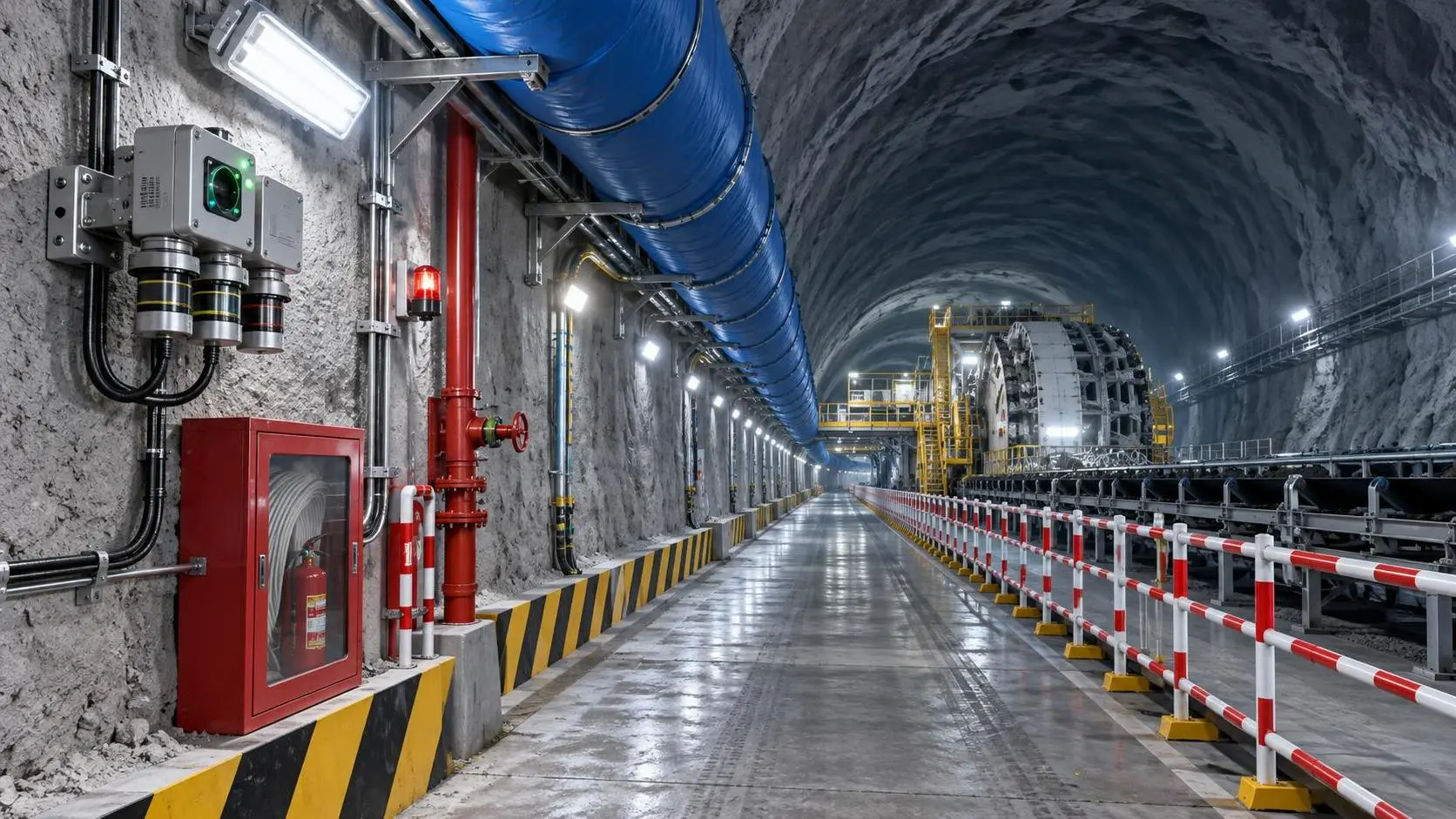
How to Select Underground Safety Equipment for Tunnelling by Hazard and Work Zone
Underground Safety Equipment for tunnelling: match protection to hazards, work zones, compliance, and emergency needs with this practical selection guide.
Related News
- 00
0000-00
Where Autonomous Mining Loaders Deliver the Most Value in Underground Operations - 00
0000-00
Underground Drilling for Mining: Selecting Methods for Rock Conditions and Mine Layout - 00
0000-00
Underground Mine Electrification: How to Size Battery Fleets and Charging Capacity - 00
0000-00
How to Evaluate European Drill-and-Blast Tunnelling Contractors for Complex Projects - 00
0000-00
Which Trenchless Construction Technique Fits Your Utility Crossing Conditions?
Weekly Insights
Stay ahead with our curated technology reports delivered every Monday.