
Tunnel Lining Systems: Which Option Lowers Rework Risk?





Choosing among Tunnel Lining Systems is no longer only a structural decision—it is a project risk decision. For project managers under pressure to control delays, cost overruns, and quality defects, the right lining option can sharply reduce rework from ground variability, installation errors, and lifecycle performance gaps. This article examines which systems offer the best balance of constructability, durability, and risk control in modern tunnelling projects.
Why scenario differences matter more than generic specifications
For project leaders, the biggest mistake in selecting Tunnel Lining Systems is assuming that a technically sound option is automatically the lowest-risk option. In reality, rework rarely comes from one isolated design flaw. It usually emerges when the lining choice does not match the excavation method, groundwater condition, logistics constraints, segment handling capability, or long-term performance expectations of the project.
A metro tunnel in mixed ground, a mountain water conveyance tunnel, and a mining access drift may all require lining, but their risk profiles are very different. One may prioritize fast ring build and watertightness, another may value deformation tolerance, while a third may need simple repairability under difficult underground access. That is why project managers should assess Tunnel Lining Systems by use case, not by brochure claims alone.
In underground engineering intelligence, especially across TBM, trenchless, and mining projects, the practical question is clear: which lining system reduces the chance of stoppage, corrective work, and claims? The answer depends on where and how the system will be used.
The main rework drivers that Tunnel Lining Systems must control
Before comparing scenarios, decision-makers should define what “rework risk” actually means in tunnelling. It usually includes dismantling misaligned segments, repairing leaks, adding secondary support, correcting cracking, regrouting voids, or replacing underperforming materials after installation. These events consume time, labor, machine availability, and management attention.
Most rework in Tunnel Lining Systems can be traced to five operational triggers:
- ground conditions differing from the geotechnical baseline;
- poor fit between lining type and excavation method;
- installation errors caused by tight schedules or limited crew experience;
- insufficient control of water ingress, corrosion, or load transfer;
- late design changes driven by operations, maintenance, or regulatory review.
For project managers, the best Tunnel Lining Systems are not always the most advanced. They are the ones that keep these triggers manageable under actual site conditions.
Scenario comparison: which lining option lowers rework risk in practice?
The table below compares common Tunnel Lining Systems from a project risk perspective. It is designed for engineering managers who need a quick view of where each option tends to perform best.
Scenario 1: Urban TBM tunnels where repeatability matters most
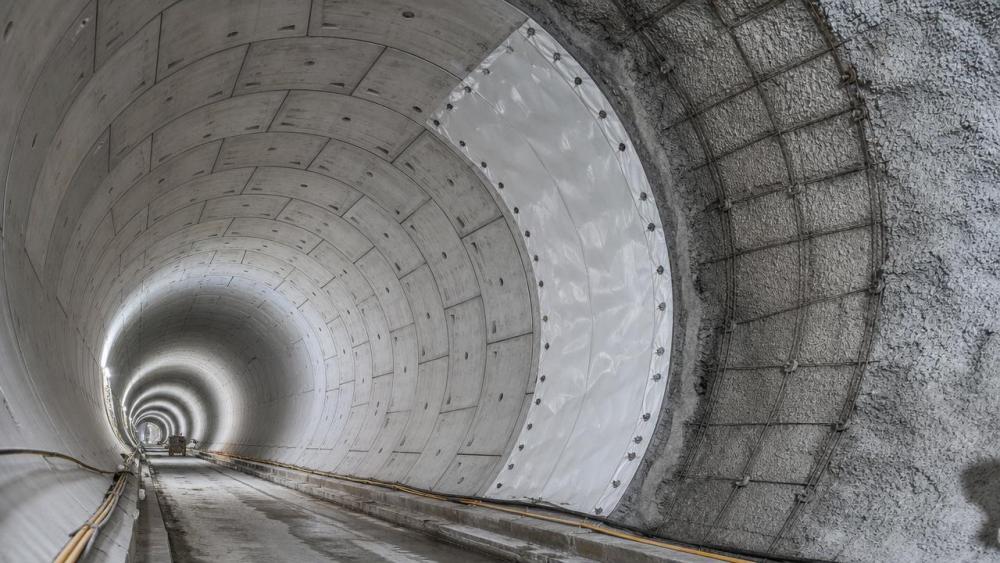
In dense city projects, precast segmental Tunnel Lining Systems often provide the lowest rework risk when the tunnel is driven by EPB or slurry TBM. The reason is straightforward: urban sites place heavy penalties on delay, settlement, leakage, and access disruption. Standardized segment production, controlled geometry, and rapid ring erection help managers reduce variability from shift to shift.
This option is especially effective when projects require high throughput, strict alignment control, and predictable interfaces with stations, shafts, or cross passages. Quality assurance can be shifted upstream to the precast yard, where dimensions, concrete strength, gasket placement, and embedded components are checked before delivery underground.
However, segmental Tunnel Lining Systems lower rework risk only when logistics and assembly discipline are strong. Rework rises quickly if segments are chipped during transport, if ring taper is mishandled, or if tail void grouting is delayed. For project managers, the winning strategy is not just choosing segments; it is building a closed control loop from manufacturing to erection to annular gap treatment.
Best use conditions
- long repetitive drives with tight program targets;
- urban groundwater conditions requiring reliable gaskets and joint control;
- projects with mature TBM ring-building procedures and segment QA systems.
Scenario 2: Variable geology where adaptable support lowers corrective work
For drill-and-blast tunnels or NATM sections in mixed ground, shotcrete-based Tunnel Lining Systems often reduce rework better than rigid, highly standardized alternatives. In these scenarios, the main risk is not repetitive installation error; it is geological unpredictability. Ground may loosen, squeeze, fracture, or change class within short distances. A support method that can respond immediately to actual conditions usually prevents larger failures later.
Shotcrete with bolts and mesh, or steel fiber reinforced shotcrete, allows the support pattern to evolve as monitoring data comes in. If convergence increases or local overbreak appears, crews can strengthen support without major dismantling. That flexibility can be a major rework advantage, especially in mountain transport tunnels, hydropower adits, and mining infrastructure drives.
The caution is quality consistency. Among all Tunnel Lining Systems, shotcrete solutions can suffer the most from uneven application thickness, rebound loss, poor surface preparation, and weak curing discipline. If management systems are weak, the initial flexibility may simply shift risk downstream into patching and secondary strengthening.
Scenario 3: Water conveyance and long-life assets where fewer joints may win
For hydraulic tunnels, diversion tunnels, and long-life civil assets where watertightness and durability dominate, cast-in-place concrete or composite Tunnel Lining Systems can lower rework risk over the asset lifecycle. In these projects, operators are often less concerned with maximum daily advance and more concerned with crack control, hydraulic performance, and reduced maintenance intervention over decades.
A continuous cast-in-place lining has fewer joints than segmental systems, which can reduce leakage pathways if the ground is sufficiently stable and formwork operations are well executed. It also allows structural tuning for specific load cases, internal pressure requirements, and local geometry transitions. In tunnels where the operational cost of future repair is extremely high, this can be a compelling risk-reduction path.
Yet the rework tradeoff is schedule sensitivity. Poor shutter alignment, inconsistent curing, and concrete placement defects can lead to expensive corrections. These Tunnel Lining Systems perform best when access, ventilation, batching, and quality supervision are all dependable.
Scenario 4: Mining and industrial tunnels where speed and repairability matter
In underground mining, rework risk is closely tied to production interruption. Here, Tunnel Lining Systems are often selected to protect availability rather than to create a high-finish permanent civil structure. Steel fiber shotcrete, bolts, mesh, and localized reinforced zones are common because they can be installed quickly and upgraded as stress conditions evolve.
This makes practical sense for access drifts, haulage routes, crusher chambers, and ore handling connections. Mining teams usually need systems that tolerate irregular excavation profiles, support mechanized installation, and remain repairable under constrained access. In these settings, a simpler support system can lower overall rework risk because crews can respond without waiting for specialized formwork, segment supply, or long curing windows.
Still, if groundwater chemistry, corrosion, or long-term closure plans are severe, project managers should not assume that a fast mining support scheme is enough. Some industrial tunnels eventually need composite Tunnel Lining Systems or secondary permanent lining to avoid recurring maintenance.
How different project priorities change the right choice
The same lining system can be low-risk in one project and high-risk in another because management priorities differ. The matrix below helps connect project goals to lining selection logic.
Common misjudgments that increase rework on tunnel projects
One common error is selecting Tunnel Lining Systems mainly by initial material cost. Cheap installation can become expensive if the method creates recurring leaks, void repair, or structural strengthening later. Another mistake is overvaluing theoretical durability while ignoring field constructability. A lining that performs well in design software but is hard to install consistently underground may create more defects than a simpler alternative.
Project teams also underestimate interface risks. Many rework events come not from the lining shell itself but from connections with waterproofing membranes, invert construction, cross passages, temporary support removal, or MEP penetrations. For complex Tunnel Lining Systems, these transitions deserve as much planning as the main lining section.
Finally, some teams fail to align the lining decision with digital monitoring and equipment capability. In modern tunnelling, data from TBM operation, convergence measurement, grout volume tracking, and quality inspection should directly inform support and lining choices. A system that cannot be monitored or verified efficiently tends to hide defects until rework becomes unavoidable.
A practical decision path for project managers
When comparing Tunnel Lining Systems, project managers should ask five sequence-based questions. First, what is the dominant risk: water, deformation, schedule, logistics, or lifecycle maintenance? Second, how predictable is the geology relative to the baseline investigation? Third, how capable is the delivery team in manufacturing, installation, and quality verification? Fourth, which defects would be most expensive to fix after the tunnel advances? Fifth, which system gives the clearest inspection and acceptance criteria during construction?
If these questions are answered honestly, the choice becomes more operational and less abstract. In many urban TBM projects, precast segmental Tunnel Lining Systems will come out ahead. In highly variable ground, adaptable shotcrete-based support may prove safer. In water-sensitive, long-life infrastructure, cast-in-place or composite solutions may justify their complexity through reduced lifecycle intervention.
Conclusion: the lowest-rework option is the one that fits the scenario best
There is no single winner across all Tunnel Lining Systems. The option that lowers rework risk most effectively depends on the project environment, excavation method, quality control maturity, and long-term operating demands. Segmental linings are often strongest for repeatable urban TBM work. Shotcrete-based systems are usually best where geology changes fast and support must adapt. Cast-in-place and composite systems are often preferred where watertightness, structural continuity, and asset life carry the highest value.
For project managers and engineering leads, the next step is to map your tunnel against actual risk scenarios rather than compare lining products in isolation. A scenario-driven review of Tunnel Lining Systems—covering geology, equipment, QA, interfaces, and maintenance expectations—will do more to reduce rework than any single material upgrade. In complex underground programs, better fit is usually the real source of lower risk.
Related News
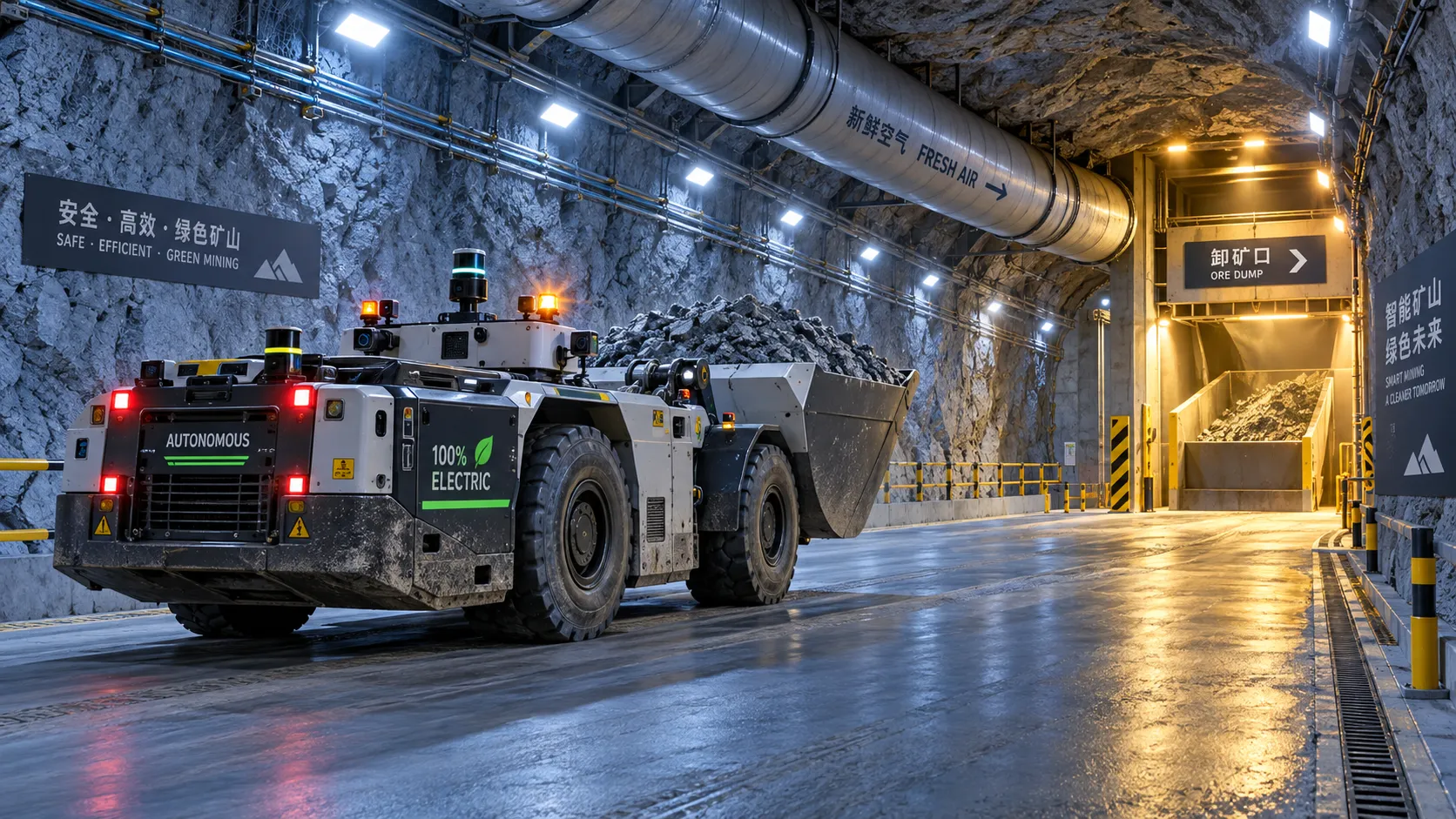
Where Autonomous Mining Loaders Deliver the Most Value in Underground Operations
Autonomous Mining Loaders deliver greater underground value through safer blast-zone work, repeatable haul cycles, and improved ventilation efficiency. Discover the best deployment zones.
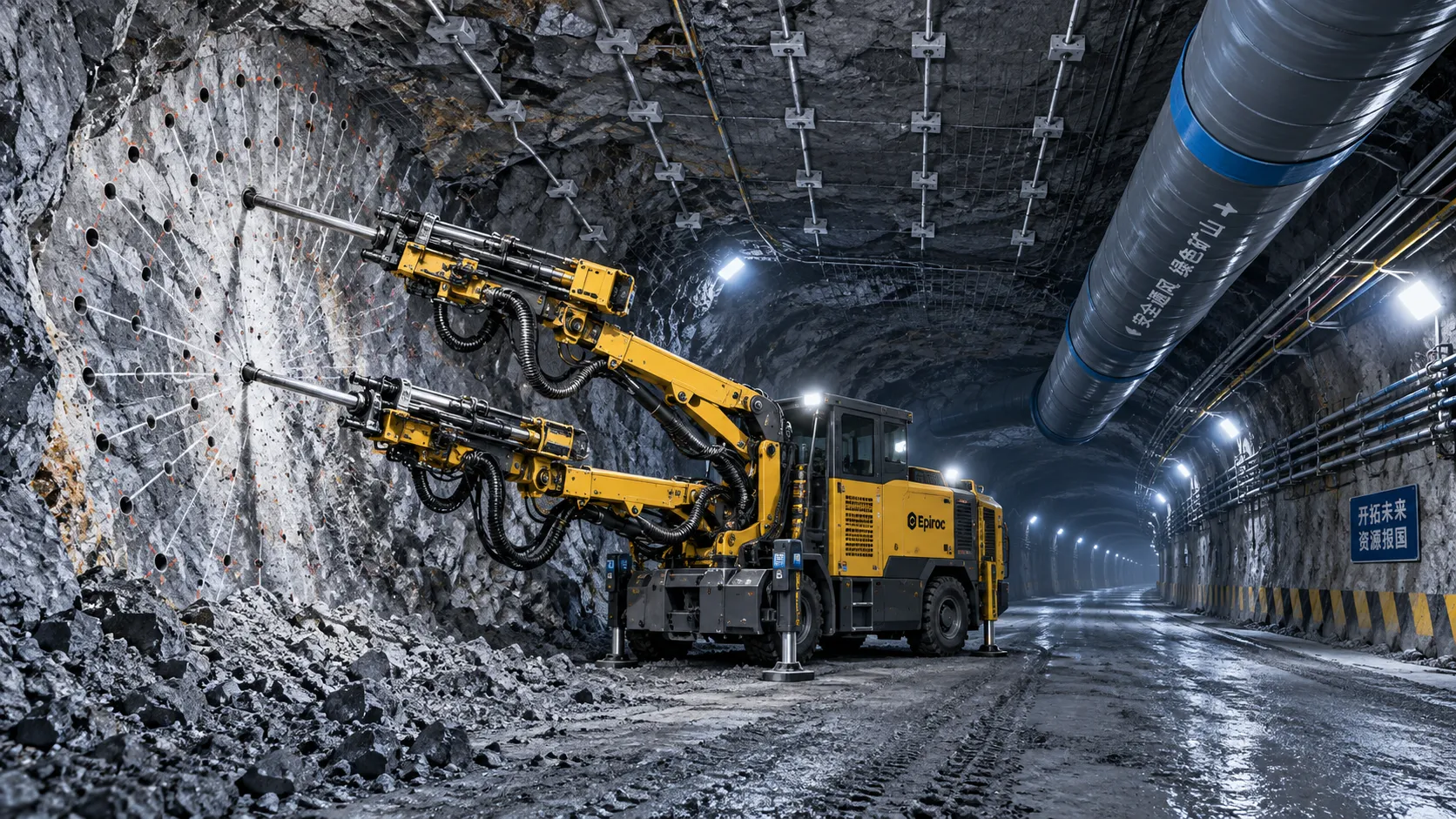
Underground Drilling for Mining: Selecting Methods for Rock Conditions and Mine Layout
Underground drilling for mining: learn how to match drilling methods to rock conditions, mine layout, accuracy needs, ground support, and cycle efficiency.
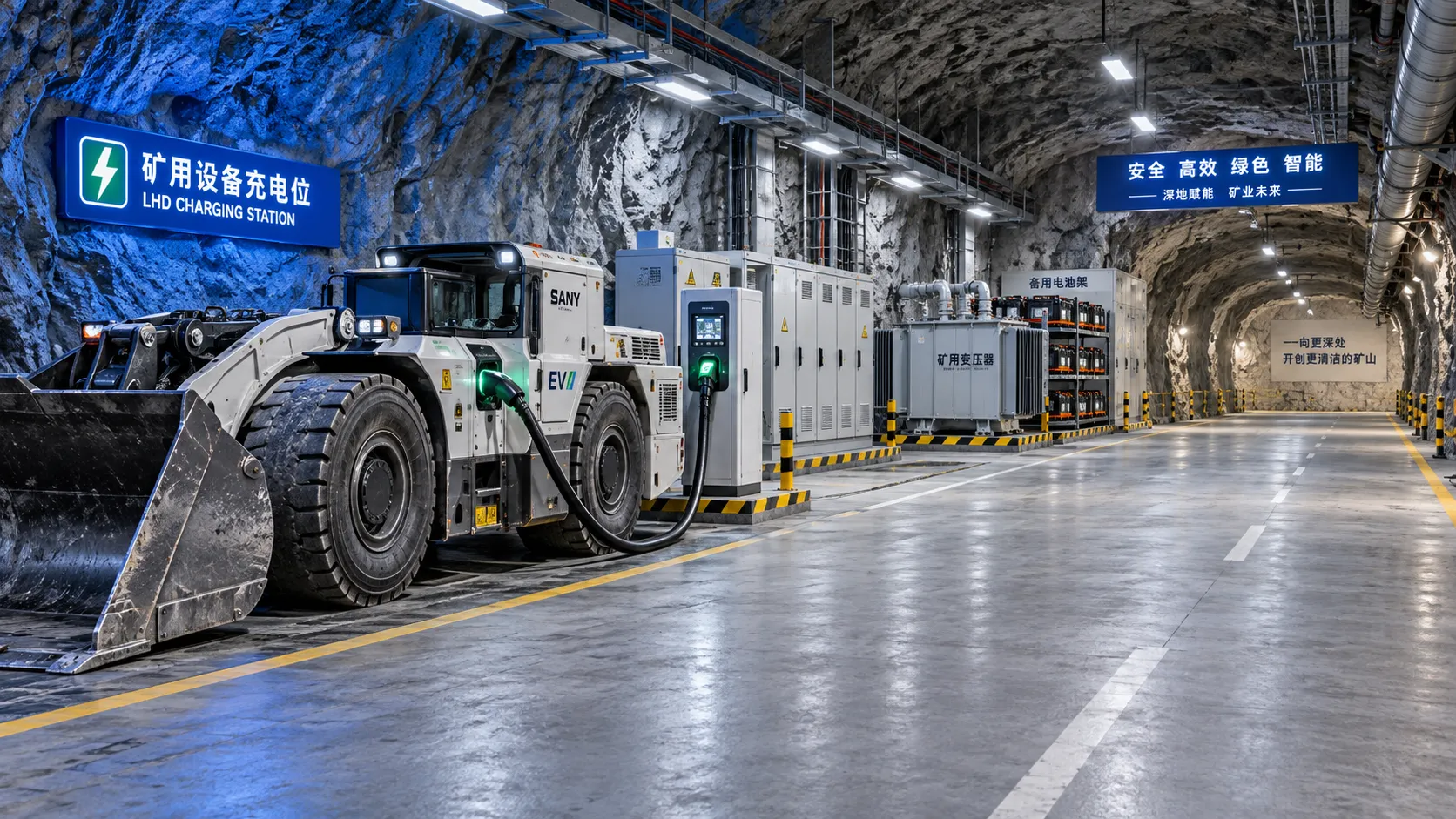
Underground Mine Electrification: How to Size Battery Fleets and Charging Capacity
Mining electrification for underground mines: learn how to size battery fleets, chargers, and power capacity to prevent queues, peak-load issues, and production downtime.
How to Evaluate European Drill-and-Blast Tunnelling Contractors for Complex Projects
Drill and blast tunnelling contractors Europe: learn how to assess geology expertise, blast control, equipment reliability, safety, and programme resilience for complex projects.
Which Trenchless Construction Technique Fits Your Utility Crossing Conditions?
Trenchless construction techniques compared for utility crossings: choose HDD, microtunnelling, pipe jacking, or auger boring based on ground, accuracy, access, and risk.
What Is Driving Metro Tunnelling Demand Across Southeast Asia’s Major Cities?
Metro tunnelling Southeast Asia is accelerating as major cities tackle congestion, flooding, and connectivity. Explore the market forces, technical risks, and opportunities shaping demand.
Hard Rock Tunnelling in Australia: Selecting Methods for Variable Ground Conditions
Hard rock tunnelling in Australia: compare TBM, drill-and-blast and hybrid methods to manage variable ground, reduce risk and protect project costs.
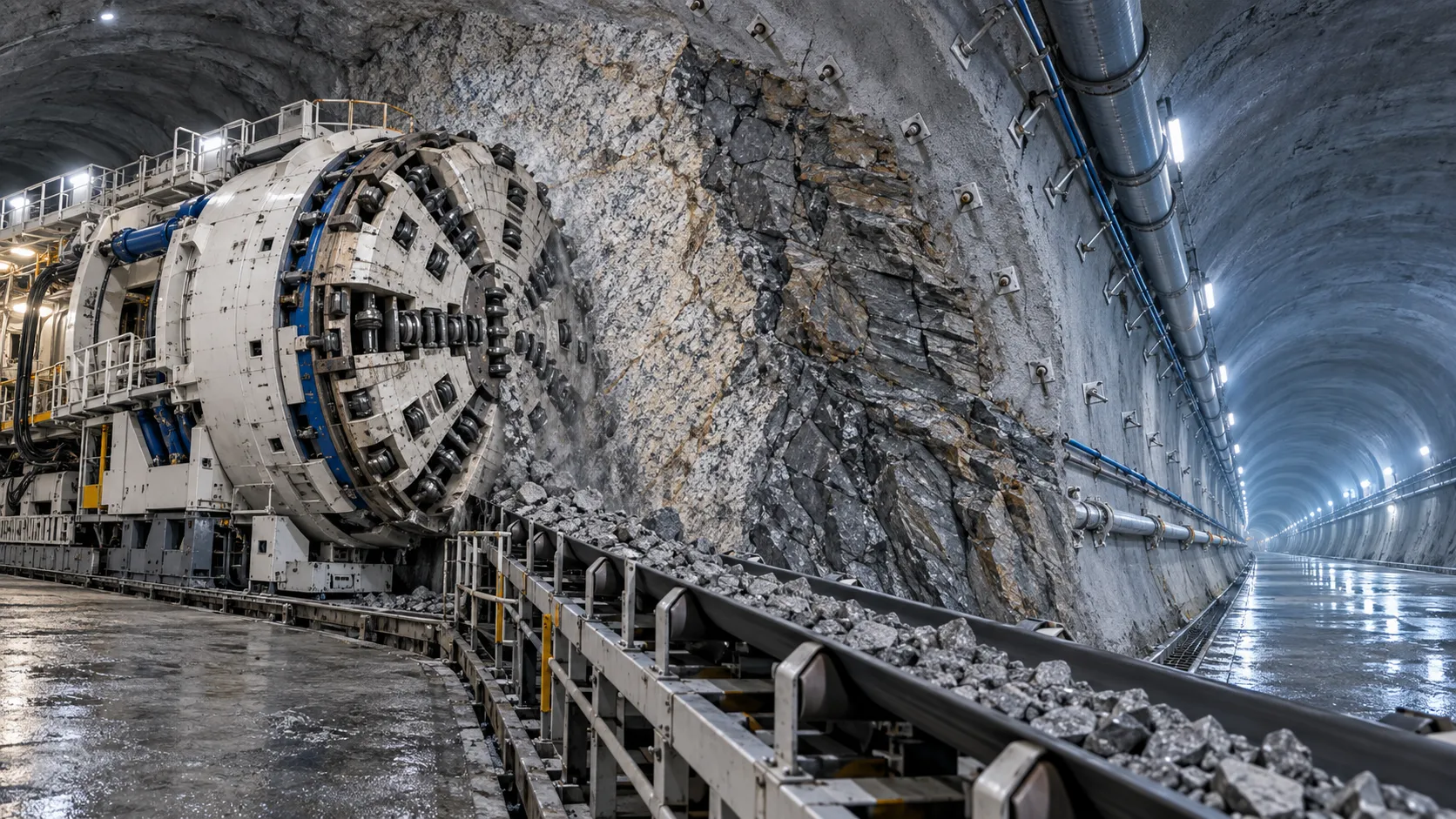
Hydropower Tunnel Excavation: Selecting Methods for Variable Rock Conditions
Hydropower tunnel excavation methods for variable rock conditions: compare TBM, drill-and-blast, and hybrid strategies to improve safety, progress, and project control.
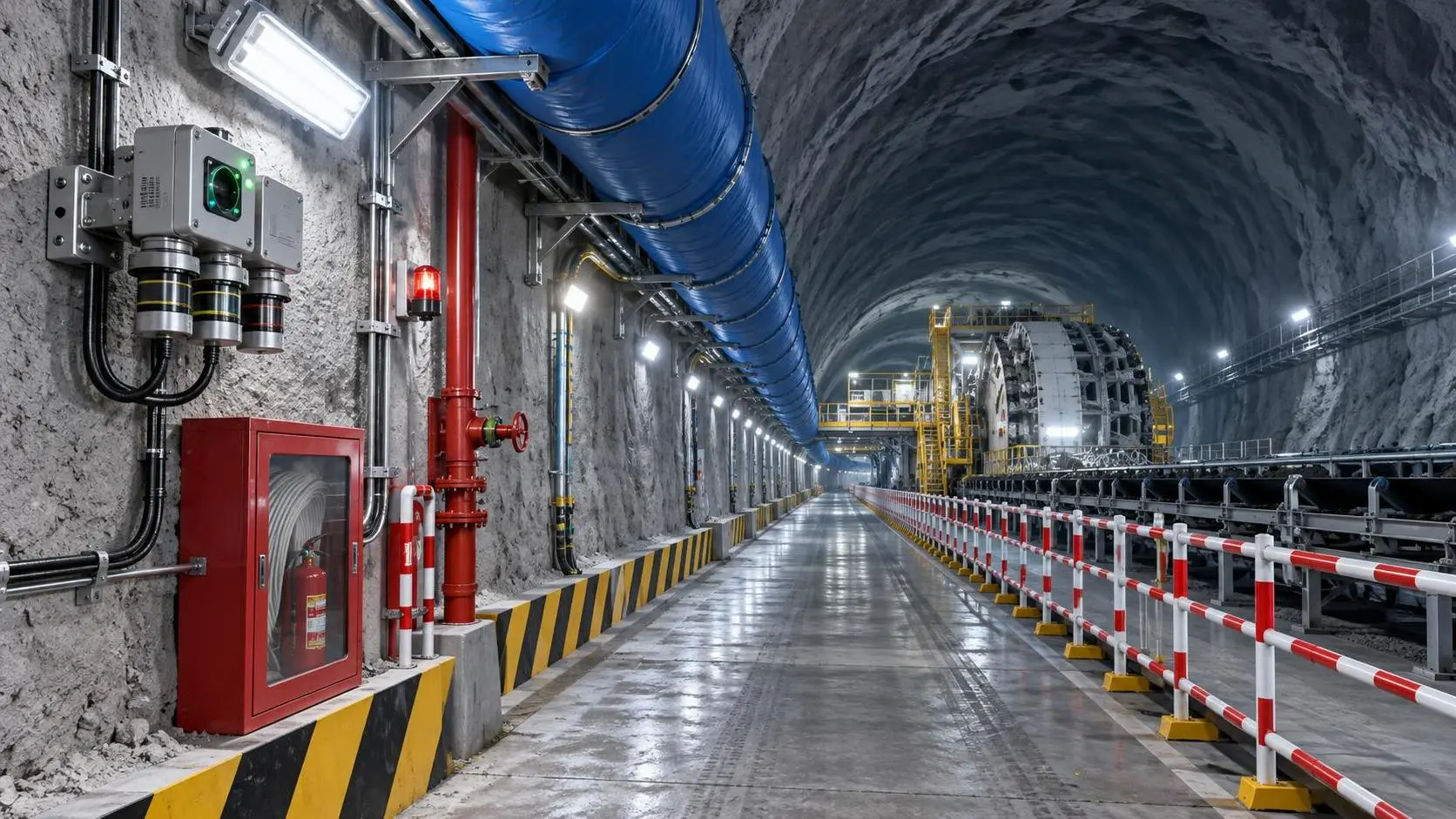
How to Select Underground Safety Equipment for Tunnelling by Hazard and Work Zone
Underground Safety Equipment for tunnelling: match protection to hazards, work zones, compliance, and emergency needs with this practical selection guide.
Related News
- 00
0000-00
Where Autonomous Mining Loaders Deliver the Most Value in Underground Operations - 00
0000-00
Underground Drilling for Mining: Selecting Methods for Rock Conditions and Mine Layout - 00
0000-00
Underground Mine Electrification: How to Size Battery Fleets and Charging Capacity - 00
0000-00
How to Evaluate European Drill-and-Blast Tunnelling Contractors for Complex Projects - 00
0000-00
Which Trenchless Construction Technique Fits Your Utility Crossing Conditions?
Weekly Insights
Stay ahead with our curated technology reports delivered every Monday.