
Deep Mining Technology Choices That Affect Downtime Most





For after-sales maintenance teams, Deep Mining Technology choices often determine whether equipment stays productive or sits idle underground. From TBMs and drilling jumbos to LHD loaders and mining trucks, every decision around electrification, automation, wear parts, and diagnostics can directly impact service intervals, fault recovery, and total downtime. Understanding which technologies create the biggest reliability gaps is the first step toward faster repairs, better uptime, and lower lifecycle risk.
What Deep Mining Technology Means in a Downtime-Focused Context
In practical terms, Deep Mining Technology is not only about advanced machines working farther underground. For after-sales teams, it refers to the full technical stack that keeps high-value assets operating in heat, dust, vibration, groundwater, and restricted ventilation zones. That stack includes cutting systems, powertrains, hydraulic circuits, control software, sensors, communications, and maintenance planning tools.
The reason downtime becomes such a central issue is simple: underground access is limited, repair windows are short, and every failure often affects multiple linked activities. A worn disc cutter on a TBM, a battery thermal management fault on an LHD loader, or a communication loss in an autonomous haul truck can stop not just one machine, but an entire production sequence. In deep operations, technology choices are therefore maintenance choices in disguise.
Why the Industry Pays Close Attention to Reliability Underground
Across tunnelling and mining, the shift toward electrification, automation, and digital control is accelerating. UTMD closely observes this change because the latest generation of full-face tunnel boring machines, trenchless equipment, drilling jumbos, mining dump trucks, and underground LHDs now combines mechanical power with software-defined performance. That combination raises productivity, but it also changes the nature of failures.
Traditional breakdowns were often visible: hose rupture, bearing wear, cutter damage, or drivetrain fatigue. Newer Deep Mining Technology still suffers from those problems, but now sensor calibration drift, firmware mismatch, battery protection logic, network instability, and poor human-machine interface design can create hidden downtime. For maintenance personnel, this means troubleshooting must evolve from parts replacement alone to system-level diagnosis.
At the same time, ESG pressure and zero-emission goals are pushing mines and underground projects toward battery-electric fleets and smarter ventilation strategies. These transitions reduce exhaust and can improve safety, yet they also introduce new service demands such as high-voltage isolation checks, charger compatibility management, battery swap logistics, and thermal monitoring. In other words, the most strategic technology upgrades often create the most important maintenance learning curve.
The Technology Choices That Usually Affect Downtime Most
Not every innovation has the same operational impact. Some choices consistently shape downtime more than others because they sit directly at the intersection of wear, fault frequency, spare parts availability, and repair complexity.
1. Power Architecture: Diesel, Electric, or Battery-Electric
Power architecture changes maintenance behavior immediately. Diesel systems have mature support networks, but they require attention to filters, emissions components, heat load, and ventilation-related operating limits. Cable-electric systems can reduce onboard complexity in some applications, yet cable management itself may become a downtime risk. Battery-electric equipment removes exhaust emissions and can improve underground conditions, but introduces charging discipline, battery health analytics, cooling requirements, and high-voltage safety procedures.
For after-sales teams, the wrong power choice is not necessarily the least advanced one. It is the one that does not match site readiness. A mine may buy battery-electric loaders for zero-emission goals, but if charger uptime, swap stations, trained technicians, and spare battery inventory are weak, downtime can rise before long-term gains appear.
2. Automation and Remote Operation Systems
Automation can reduce operator exposure and improve cycle consistency, especially for LHDs, haul trucks, and drilling systems. However, autonomous or tele-remote equipment depends on reliable sensors, clean positioning data, stable networks, and clear fail-safe logic. If any layer is unstable, the machine may enter protective shutdowns more often than expected.
This is why maintenance teams should evaluate automation not as a single feature, but as an ecosystem. Cameras, LiDAR, radar, onboard controllers, edge computing units, and communication repeaters all require support. Poor integration often produces “no fault found” downtime events, where the machine is physically healthy but cannot resume operation due to software or communication uncertainty.
3. Wear Component Strategy
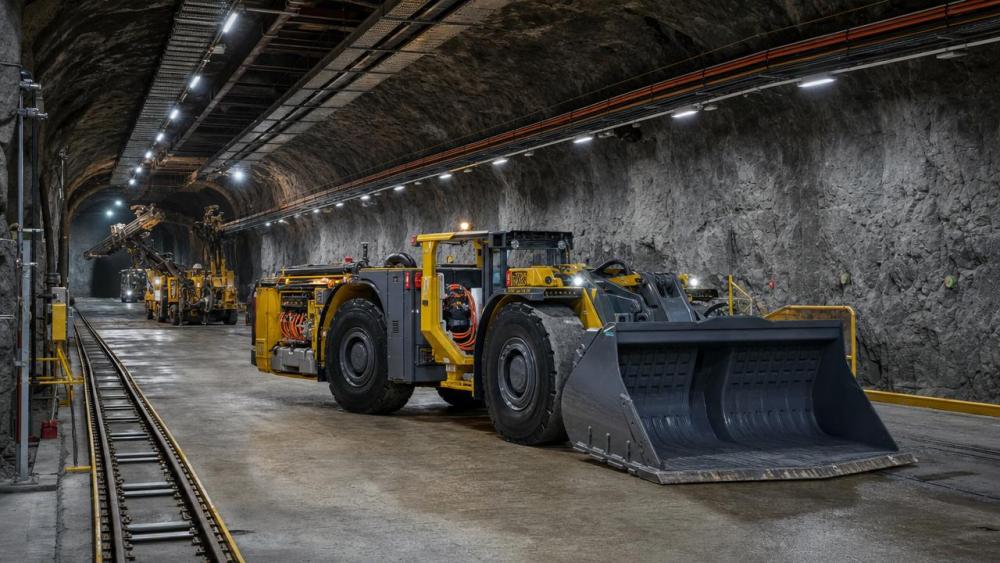
Deep Mining Technology lives or dies by consumable performance. In TBMs, disc cutters and seals define maintenance intervals. In drilling jumbos, drifters, feed systems, and consumables influence penetration rate and stoppage frequency. In loaders and trucks, tire or traction components, bucket wear packages, pins, and hydraulic sealing directly affect availability.
A low-cost wear strategy often becomes a high-cost downtime strategy when component life is unpredictable. Maintenance teams usually perform best when wear systems are standardized, monitored by hours and conditions, and supported by accurate change-out criteria instead of visual guesswork alone.
4. Diagnostic Capability and Data Quality
Modern machines can produce large amounts of health data, but data volume does not equal useful diagnostics. The downtime advantage comes from actionable alarms, trend-based monitoring, remote support access, and fault histories that technicians can trust. When systems generate too many false alarms or inconsistent codes, maintenance slows down because teams spend time verifying the monitoring system itself.
The best Deep Mining Technology platforms help after-sales staff answer three questions quickly: What failed, why did it fail, and what should be checked next? If a platform cannot support that workflow, even a technically advanced machine may remain difficult to maintain.
Industry Overview: Where Downtime Pressure Is Highest
Where Deep Mining Technology Creates Real Value for After-Sales Teams
The main value of better technology selection is not only reduced failure frequency. It also improves serviceability. A machine may still require maintenance, but if key points are easier to access, diagnostic steps are clearer, and spare modules are interchangeable, mean time to repair can drop sharply.
For after-sales maintenance personnel, strong Deep Mining Technology delivers value in four ways. First, it supports planned intervention rather than emergency response. Second, it improves fault isolation so technicians do not replace healthy components. Third, it shortens waiting time for expert support through remote diagnostics and shared data visibility. Fourth, it aligns maintenance with production reality, which is critical in deep projects where every service delay may affect ventilation, haulage, blasting schedules, or tunnel advance.
This is especially relevant in underground fleets moving toward smart mine operation. Once machines become digitally connected, maintenance is no longer separate from operations. Equipment health, location, energy use, and cycle performance all feed into decisions about uptime. The after-sales team becomes a reliability partner, not just a repair function.
Practical Evaluation Points Before a Technology Choice Becomes a Downtime Problem
Before adopting a new machine platform or upgrading an existing one, maintenance teams should review more than vendor performance claims. The most useful assessment focuses on the operating environment and support model.
Check maintainability at component level
Ask how quickly filters, pumps, controllers, batteries, drifters, sensors, and wear parts can be inspected or replaced underground. Compact design may look efficient on paper, but poor access often turns simple jobs into long outages.
Verify the diagnostic workflow
A strong system should provide meaningful fault trees, live status data, event logs, and remote expert access. If diagnosis depends mainly on proprietary intervention or unclear codes, downtime risk remains high.
Match spares strategy to failure criticality
Not all parts need the same stocking policy. High-failure and long-lead-time items should be prioritized. Deep Mining Technology with unique electronics or specialized wear parts requires especially careful stocking plans.
Assess workforce readiness
Battery systems, software tools, automated controls, and tele-remote features demand different skills than conventional mechanical service. Training gaps are a common hidden source of downtime.
Common Scenarios by Equipment Category
In TBM operations, downtime often escalates when geology changes faster than cutter strategy or monitoring thresholds can adapt. In drilling jumbos, small hydraulic contamination issues can gradually cause precision loss, rework, and unplanned stoppages. In battery LHD fleets, a weak charging or swapping routine can create queue-based downtime even if no major fault occurs. In autonomous mining trucks, software updates and communications validation are just as important as brakes and traction components.
These examples show why Deep Mining Technology should never be judged only by peak productivity. The more useful measure is stable availability under real underground conditions. That is the metric maintenance teams live with every shift.
A Practical Path Forward
For organizations working with advanced tunnelling and mining equipment, the smartest approach is to connect technology choice with lifecycle support from the start. Define the likely failure modes, the repair environment, the diagnostic tools required, and the spare parts response plan before the equipment enters service. Use operating data to refine maintenance intervals instead of relying only on generic schedules.
UTMD’s focus on TBMs, pipe jacking systems, drilling jumbos, mining dump trucks, and underground LHD loaders reflects the fact that modern underground assets are becoming more integrated, electrified, and intelligent at the same time. For after-sales teams, this means downtime control depends less on isolated repairs and more on understanding the entire Deep Mining Technology ecosystem.
If your goal is better uptime, faster troubleshooting, and stronger asset utilization, start by identifying which technology decisions are hardest to service in your real operating environment. That maintenance-first perspective usually reveals where reliability gains are most achievable and where future downtime can be prevented before it reaches production.
Related News
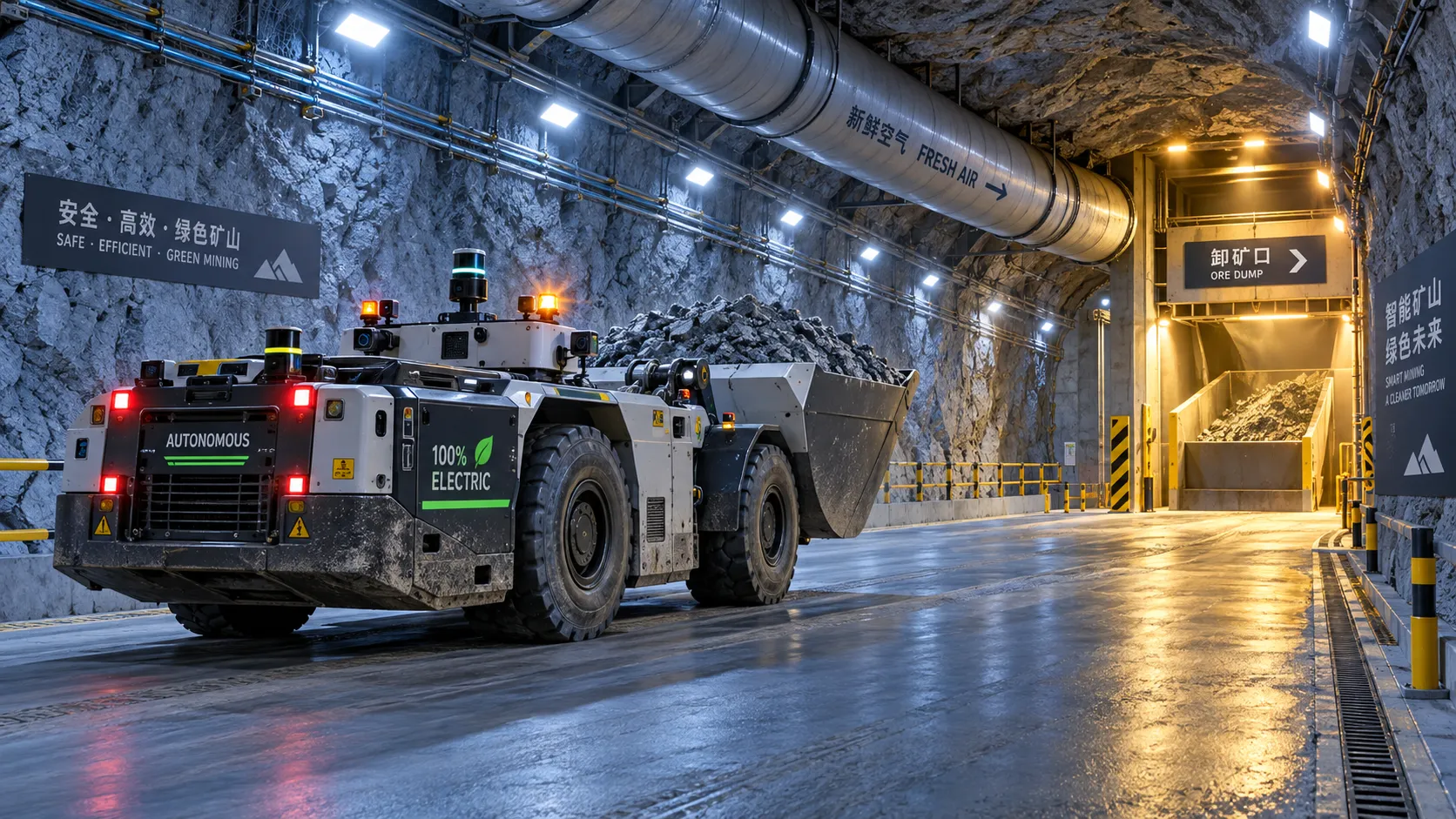
Where Autonomous Mining Loaders Deliver the Most Value in Underground Operations
Autonomous Mining Loaders deliver greater underground value through safer blast-zone work, repeatable haul cycles, and improved ventilation efficiency. Discover the best deployment zones.
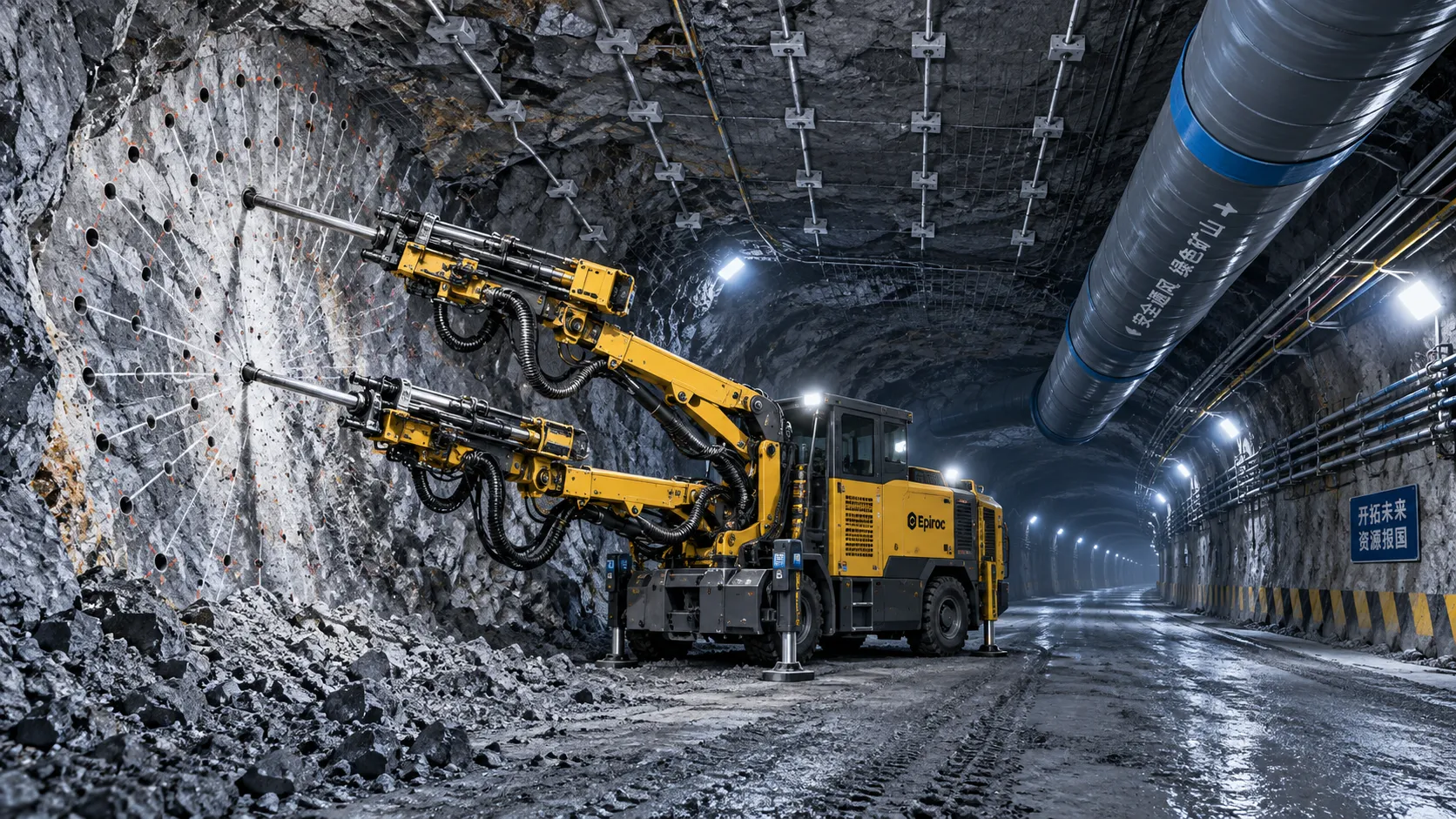
Underground Drilling for Mining: Selecting Methods for Rock Conditions and Mine Layout
Underground drilling for mining: learn how to match drilling methods to rock conditions, mine layout, accuracy needs, ground support, and cycle efficiency.
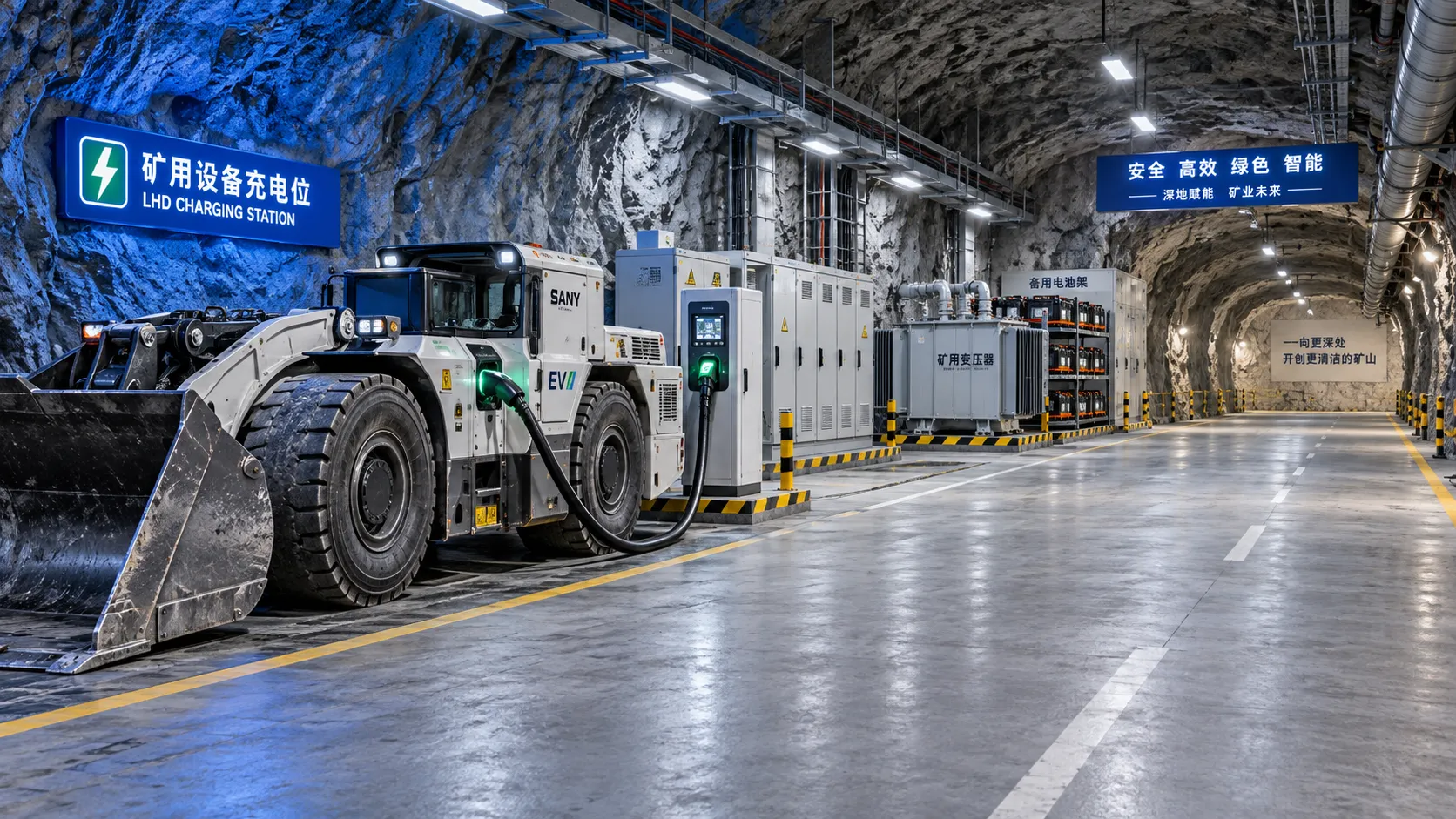
Underground Mine Electrification: How to Size Battery Fleets and Charging Capacity
Mining electrification for underground mines: learn how to size battery fleets, chargers, and power capacity to prevent queues, peak-load issues, and production downtime.
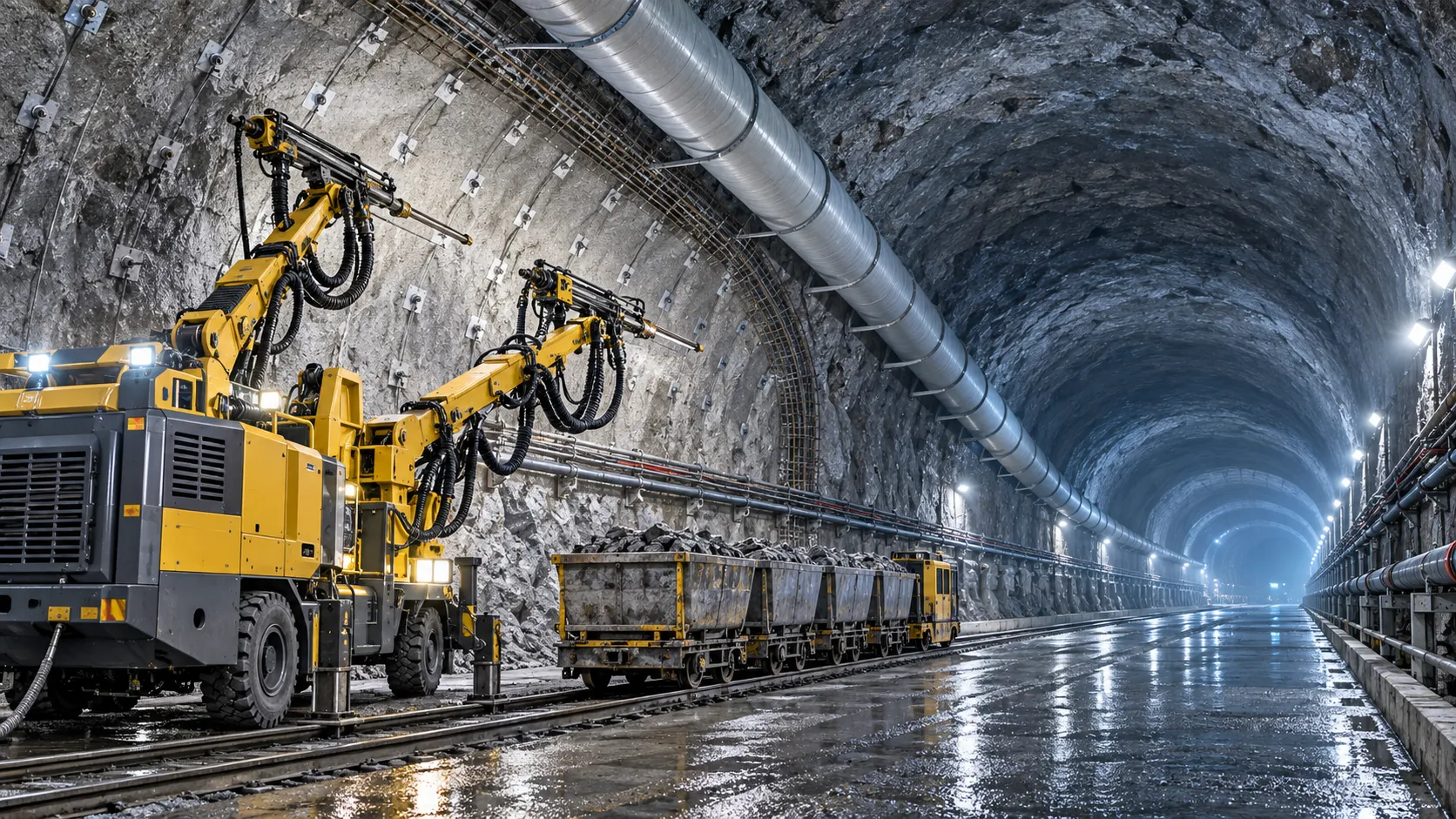
How to Evaluate European Drill-and-Blast Tunnelling Contractors for Complex Projects
Drill and blast tunnelling contractors Europe: learn how to assess geology expertise, blast control, equipment reliability, safety, and programme resilience for complex projects.
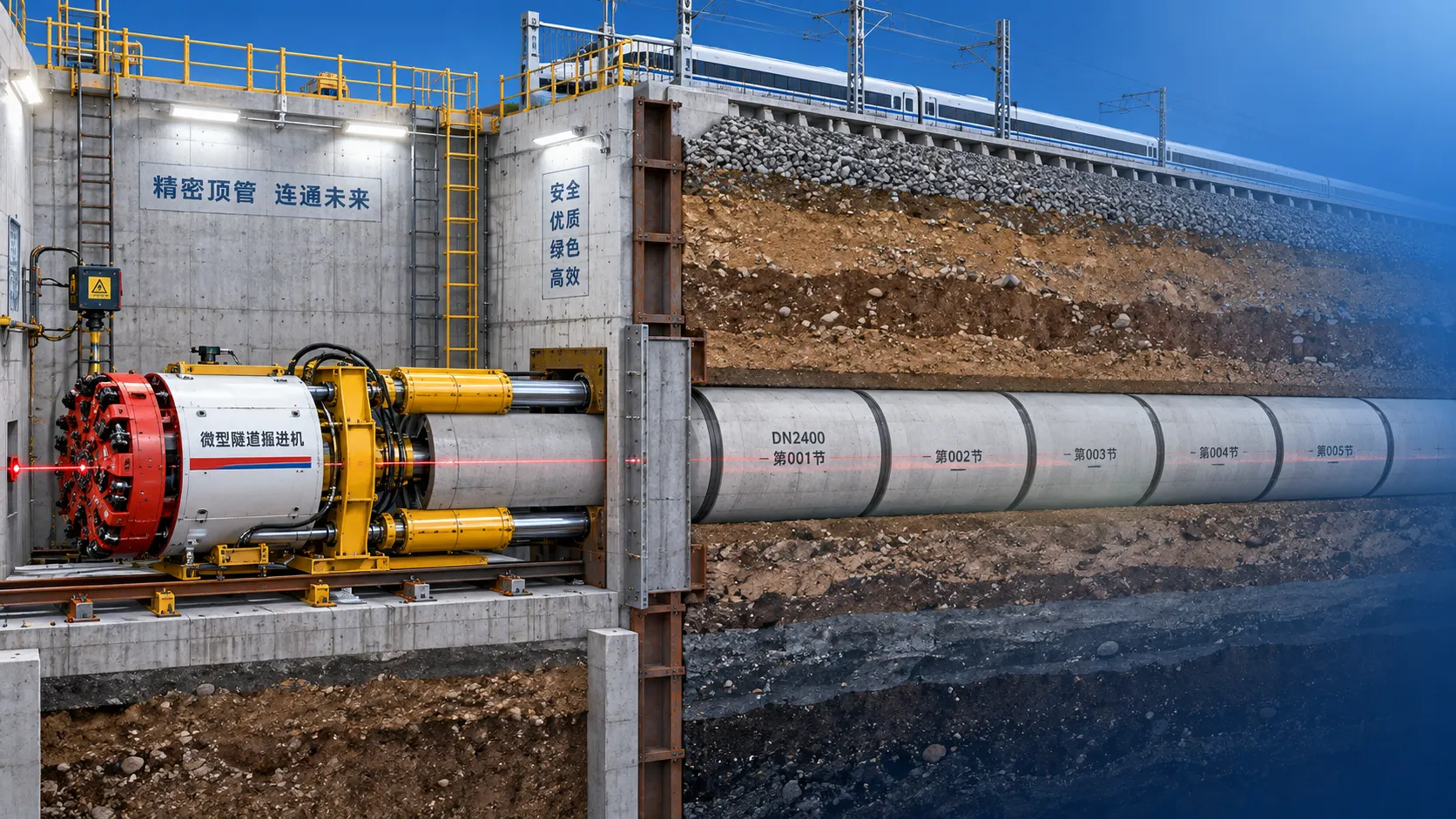
Which Trenchless Construction Technique Fits Your Utility Crossing Conditions?
Trenchless construction techniques compared for utility crossings: choose HDD, microtunnelling, pipe jacking, or auger boring based on ground, accuracy, access, and risk.
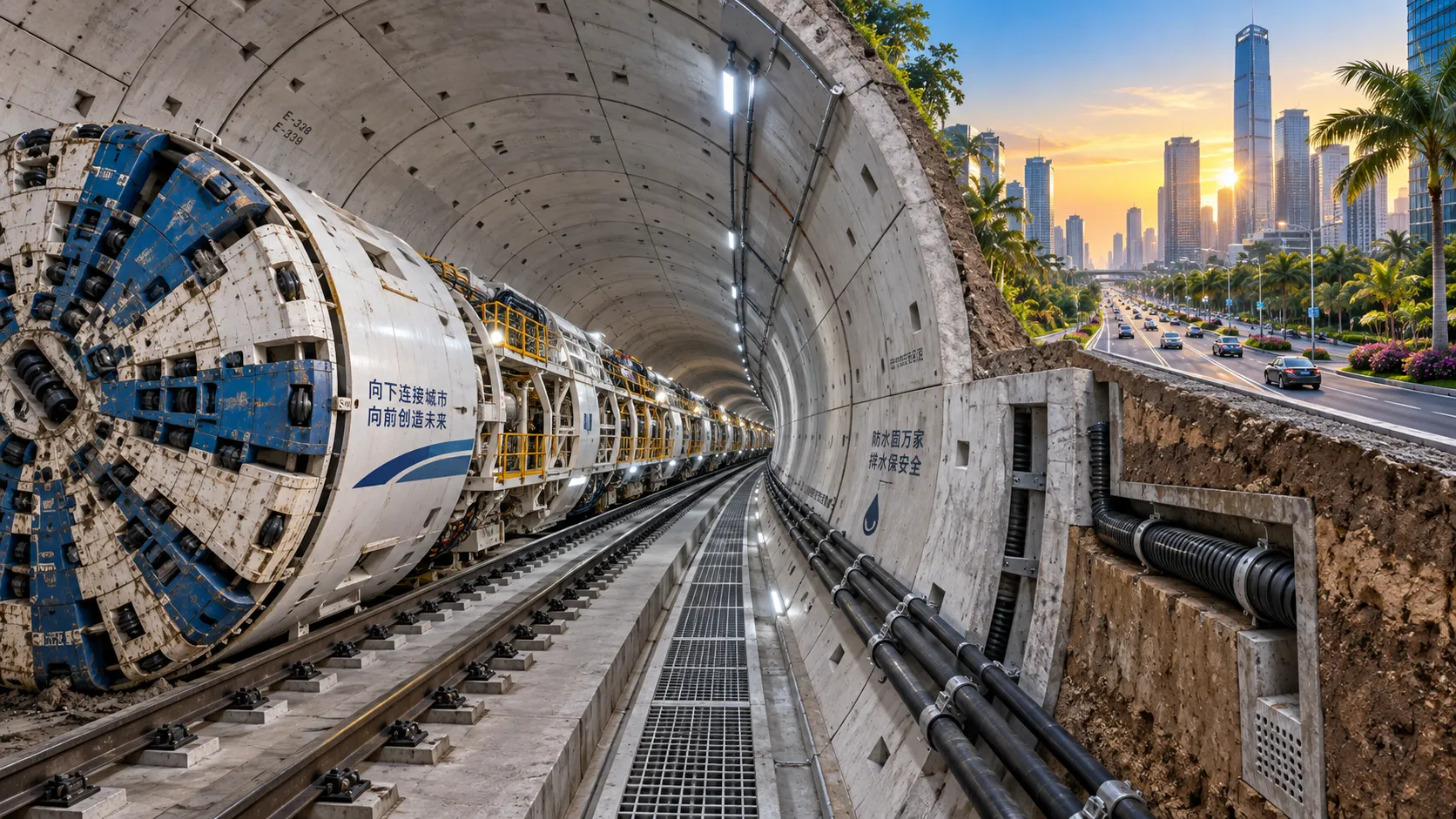
What Is Driving Metro Tunnelling Demand Across Southeast Asia’s Major Cities?
Metro tunnelling Southeast Asia is accelerating as major cities tackle congestion, flooding, and connectivity. Explore the market forces, technical risks, and opportunities shaping demand.
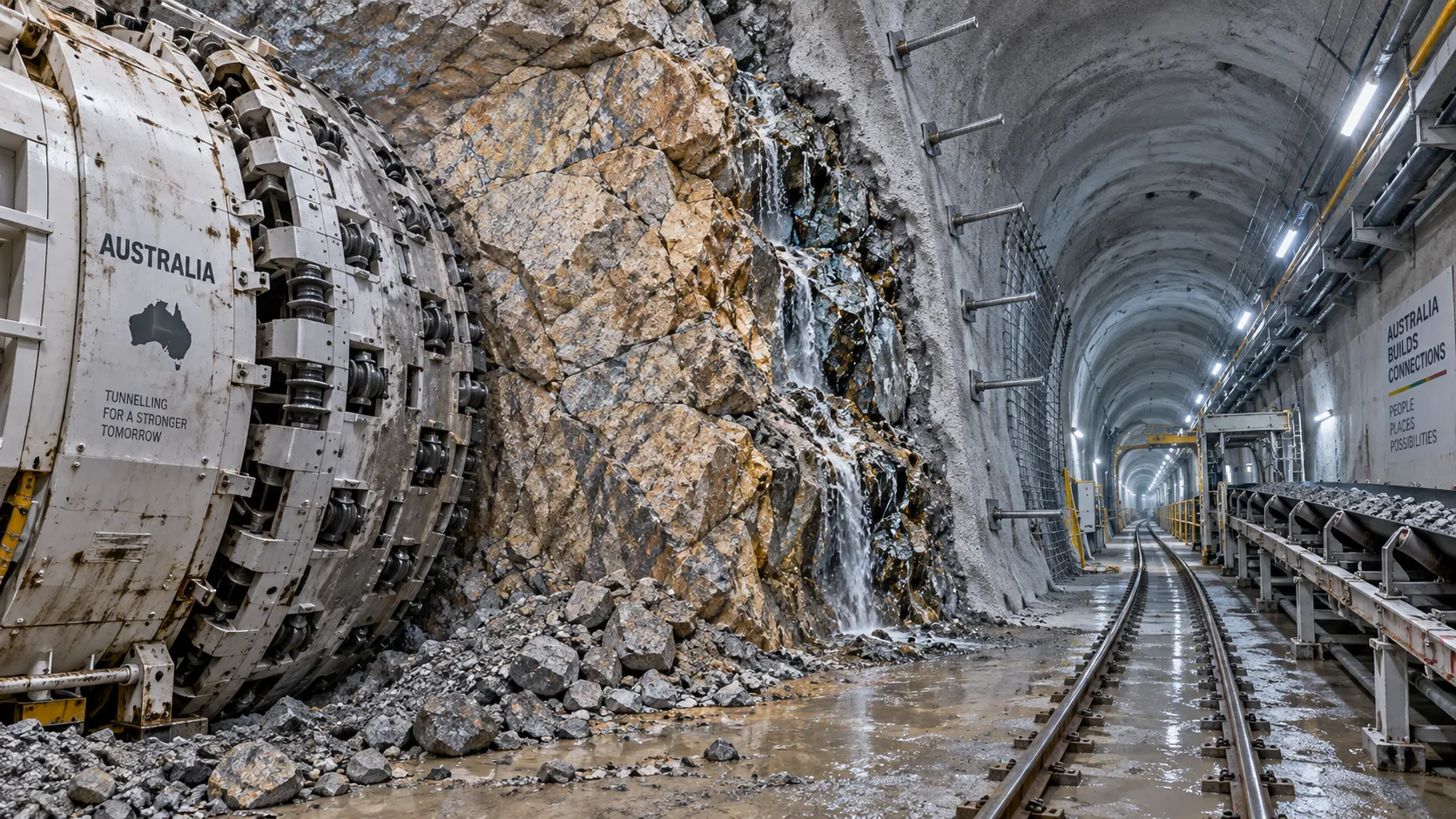
Hard Rock Tunnelling in Australia: Selecting Methods for Variable Ground Conditions
Hard rock tunnelling in Australia: compare TBM, drill-and-blast and hybrid methods to manage variable ground, reduce risk and protect project costs.
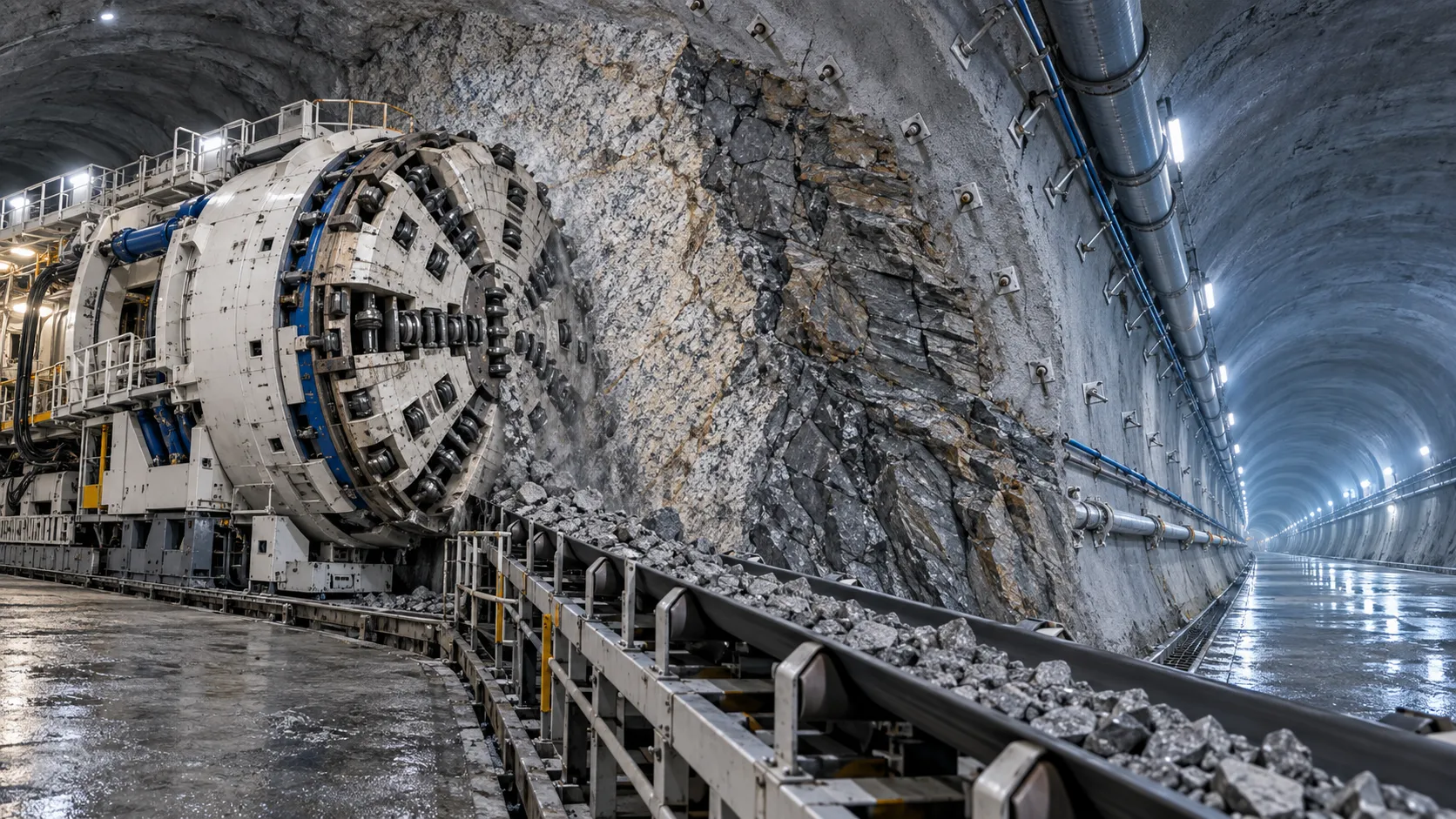
Hydropower Tunnel Excavation: Selecting Methods for Variable Rock Conditions
Hydropower tunnel excavation methods for variable rock conditions: compare TBM, drill-and-blast, and hybrid strategies to improve safety, progress, and project control.
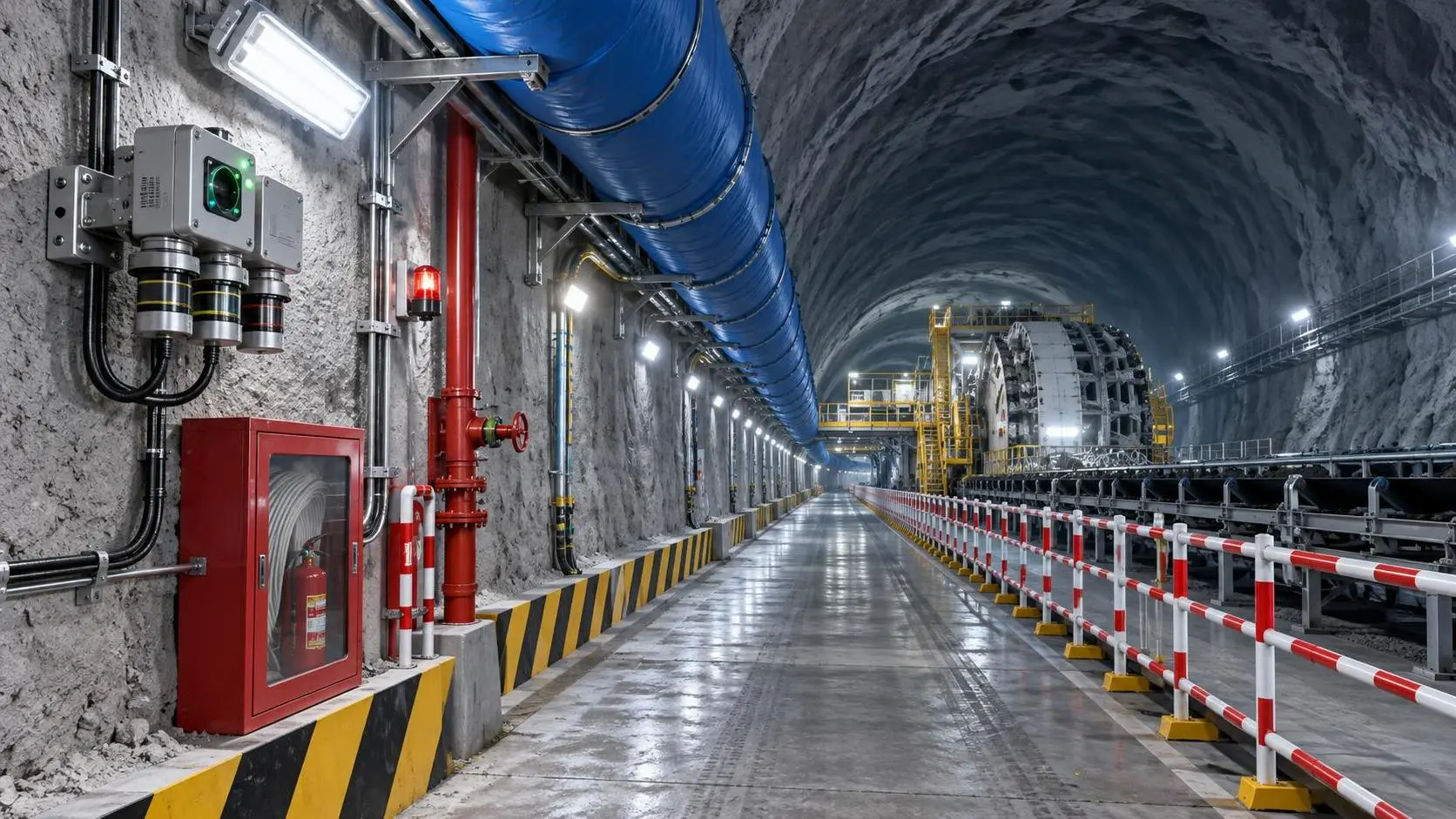
How to Select Underground Safety Equipment for Tunnelling by Hazard and Work Zone
Underground Safety Equipment for tunnelling: match protection to hazards, work zones, compliance, and emergency needs with this practical selection guide.
Related News
- 00
0000-00
Where Autonomous Mining Loaders Deliver the Most Value in Underground Operations - 00
0000-00
Underground Drilling for Mining: Selecting Methods for Rock Conditions and Mine Layout - 00
0000-00
Underground Mine Electrification: How to Size Battery Fleets and Charging Capacity - 00
0000-00
How to Evaluate European Drill-and-Blast Tunnelling Contractors for Complex Projects - 00
0000-00
Which Trenchless Construction Technique Fits Your Utility Crossing Conditions?
Weekly Insights
Stay ahead with our curated technology reports delivered every Monday.