
How Jumbo Drilling Automation Improves Advance Rates and Reduces Cycle Delays





Automation in jumbo drilling improves advance rates when it removes variation from the drill-and-blast cycle, not simply when it makes the drilling rig operate faster. For a project manager, that distinction matters. A jumbo can complete a face pattern quickly and still fail to improve overall development if collaring is inconsistent, holes deviate, charging waits for survey confirmation, or the next crew inherits a poor profile.
The practical value of jumbo drilling automation productivity lies in making each round more repeatable: the planned face is transferred accurately to the machine, booms are positioned with less manual correction, drilling parameters are applied consistently, and completed-hole data becomes available before the cycle moves on. That can lift effective advance, reduce corrective scaling and re-drilling, and make shift planning less dependent on the strongest individual operator.
It is not an automatic result of adding onboard software. The best gains appear where the operation has a defined drill plan, stable survey control, disciplined downstream activities, and enough face volume for repeatability to compound over many rounds. Where geology changes sharply or cycle handoffs remain unmanaged, automation may improve drilling quality while the project still sees little reduction in total cycle time.
Advance rate is decided by the whole round
In drill-and-blast development, metres advanced per day are often discussed as a drilling performance issue. In reality, drilling is one linked stage in a sequence that includes face marking, drilling, charging, blasting, ventilation, mucking, scaling, ground support, survey, and preparation for the next round. A delay at any interface can consume the time saved by faster penetration.
Jumbo automation has its strongest effect on the parts of the sequence where small deviations create later delays. A hole drilled at the wrong angle may produce overbreak, leave toes, damage the intended profile, or create fragmentation that slows loading and hauling. Poor collar placement can affect pull, contour quality, and support installation. These consequences often appear after the jumbo has left the face, which is why drill quality can be underestimated when teams focus only on metres drilled per hour.
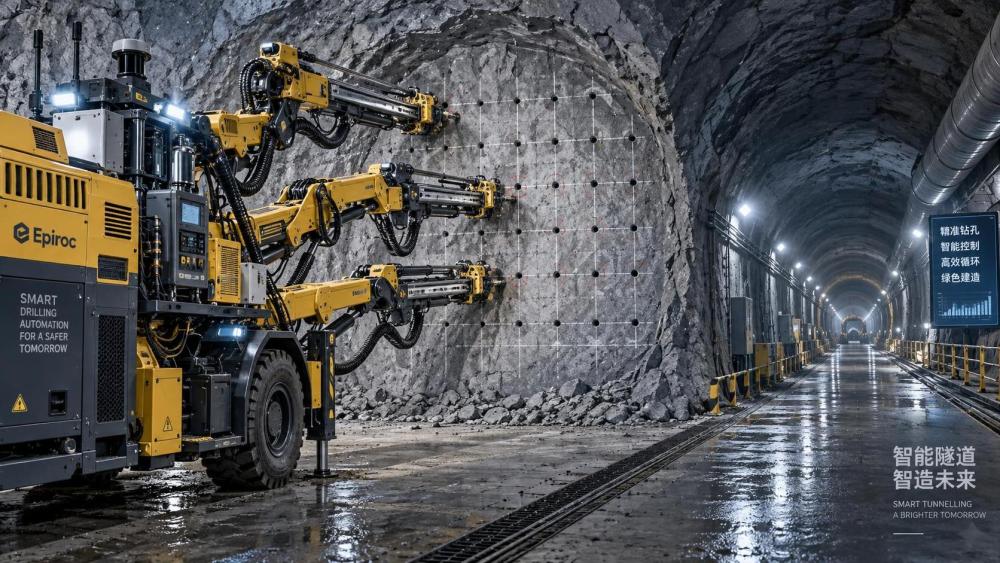
An automated system can use a digital drill plan to guide boom positioning and execute the specified hole pattern with controlled feed, rotation, percussion, and flushing settings. Depending on the machine configuration and operating mode, it can also record hole depth, orientation, drilling time, and exceptions. The objective is a more reliable blast-ready face, with fewer surprises transferred to charging and post-blast operations.
For schedule control, the relevant measure is therefore not isolated rig utilization. It is the proportion of rounds that achieve the intended pull and profile without generating avoidable downstream work. A lower-variance round is often more valuable than a nominally faster round that creates recurring recovery tasks.
Where automation removes the most delay
Three delay sources usually deserve attention before an automation project is justified: setup and positioning time, drilling execution variability, and the time required to verify what was actually drilled.
Faster, more consistent face setup
Manual face setup relies heavily on operator judgment, visible markings, and repeated boom adjustments. In confined headings, limited sightlines, wet faces, uneven ground, and changing illumination can make this work slow. Automated positioning does not eliminate the need for competent operators or accurate survey input, but it can reduce the number of corrections required to bring each boom to the planned collar location and angle.
This matters especially on faces with many holes, multiple boom movements, closely controlled perimeter holes, or a mix of production and support-related drilling. Minutes saved at individual collar points become meaningful when repeated across the pattern and across successive rounds. More importantly, the planned geometry is less likely to drift because of fatigue, rushed shift changes, or different operating styles between crews.
Drilling parameters that respond to rock conditions
Hard-rock headings rarely present uniform conditions across an entire face. Fractures, abrasive bands, altered zones, water ingress, or variations in rock strength can change drilling behavior within a round. Manual operators can respond effectively, but the response depends on experience and on how clearly conditions are observed.
Automation can apply programmed drilling strategies and detect operating conditions that warrant intervention, such as abnormal penetration behavior, excessive feed pressure, or conditions associated with poor hole cleaning. This supports more controlled drilling and helps avoid wasting time forcing a poor-performing hole. It can also make exceptions visible rather than allowing them to disappear into a shift report as a general delay.
The benefit should not be described as “hands-free drilling” in every geological condition. Operators still need authority to intervene where ground behavior departs from the plan. The operational improvement comes from giving them a repeatable baseline and clearer signals about where manual judgment is needed.
Earlier visibility of incomplete or suspect holes
One of the most expensive forms of cycle delay is discovering late that the drilled pattern does not match the design. A short hole, a blocked hole, an excessive deviation, or an omitted perimeter hole can force a decision at the face: accept a compromised blast, correct the pattern, or redesign the immediate sequence. None is attractive once the charging crew is waiting.
Digital drilling records allow the supervisor to review completion against the plan while the jumbo is still at the face or immediately after it leaves. That does not guarantee perfect hole verification, and it does not replace site procedures for charging and blast control. It does create a much shorter feedback loop. Problems can be addressed when the equipment, operator, and face context are still available.
Better blasting starts with better drilling data
Project teams often separate drilling automation from blasting performance because the equipment and responsibilities may sit with different groups. That separation can obscure the operational case. The jumbo produces the physical geometry on which the blast design depends. If the design assumptions and the drilled reality do not align, blast outcomes become less predictable.
When drilling data is retained by round, it can be compared with blast results, overbreak observations, re-scaling requirements, and achieved advance. Over time, this gives the project team a basis for identifying recurring causes rather than reacting to isolated events. For example, repeated profile issues may point to collaring accuracy, boom calibration, consumable condition, a drill-plan assumption, or a geological feature. The point is not to assign blame through data; it is to locate the part of the process that needs adjustment.
That feedback loop supports several practical decisions:
- Refine perimeter-hole strategy where profile control is consistently weak.
- Identify drilling zones where parameter changes or consumable reviews are needed.
- Separate genuine geological disruption from repeatable execution problems.
- Improve handover quality between drilling, charging, survey, and ground-support teams.
- Plan labour, equipment access, and ventilation windows using actual cycle durations rather than assumptions.
For underground projects with stringent profile tolerances, the value can extend beyond metres advanced. Better contour control may reduce unnecessary excavation, support demand, and time spent recovering from an oversized or irregular opening. The commercial impact depends on the ground class and contract structure, but the planning benefit is broadly applicable: a more predictable profile produces a more predictable next activity.
The common mistake: measuring machine speed instead of cycle reliability
A successful automation deployment should not be evaluated only by drilling time per face. This metric can improve while total advance remains flat if the operation has not addressed downstream constraints. A faster jumbo can simply arrive earlier at a charging crew that is unavailable, a face that cannot yet be ventilated, or a heading blocked by mucking and support work.
Project managers should establish a baseline around complete rounds. Useful measures include planned versus achieved advance, total cycle duration, drilling setup time, drilling time by hole type, percentage of holes completed to plan, re-drilling events, corrective scaling, overbreak observations, unplanned maintenance interruptions, and waiting time at crew interfaces. The appropriate set varies by project, but it should connect drilling behavior to the schedule outcome.
This measurement approach also prevents a misleading comparison between manual and automated work. An experienced operator may produce excellent short-term results under familiar conditions, while an automated workflow may deliver its larger benefit through consistency across crews, shifts, and changing personnel. The comparison should therefore include variability, rework, and downstream consequences, not merely the best observed drilling rate.
Conditions that determine whether the investment pays back
Automation is generally easier to justify in long development programs, repeated production headings, mines with multiple similar faces, and tunnel projects where schedule certainty has high value. The equipment and software have more opportunities to repeat the same workflow, and improvements in round quality can accumulate across a large volume of work.
Short, highly variable, or exploratory headings can still benefit, particularly where safety exposure and face quality are pressing concerns. Yet the business case should be more cautious. Frequent redesign, rapidly changing access conditions, and irregular support requirements can reduce the share of the cycle that can be standardized. The project may still choose automation for control and data visibility, but promised productivity gains should be tied to the actual operating pattern.
Four conditions deserve review before setting targets:
- Survey and design discipline: Digital drill plans are only as reliable as the face coordinates, alignment data, and update process feeding them.
- Machine readiness: Boom calibration, positioning sensors, hydraulic condition, rock drill performance, and network reliability all affect execution quality.
- Workforce integration: Operators need training in both automated modes and exception handling; supervisors need a practical way to use the resulting data.
- Cycle capacity: Charging, ventilation, mucking, scaling, and support must be able to absorb the improved drilling output.
Ignoring these conditions creates a familiar failure mode: the project purchases an advanced jumbo but uses it largely as a conventional rig because digital plans arrive late, crews distrust the workflow, or maintenance and calibration are treated as secondary tasks. In that situation, the machine’s capability exists without becoming an operating system for the heading.
Build automation into the project controls process
The most effective implementation usually begins with a narrow, repeatable heading rather than an immediate attempt to automate every face type. The team can establish a verified drill plan, define how exceptions are recorded, agree who reviews round data, and map the handoffs that follow drilling. This exposes whether the primary barrier is machine execution, planning quality, or another activity in the cycle.
Targets should be expressed in operational terms that crews can act on: fewer incomplete holes, less time spent setting up, fewer pattern corrections, improved planned-versus-achieved pull, or reduced delay between drilling completion and charging release. Broad promises about “higher productivity” offer little guidance when geology or site logistics disrupt a shift.
There should also be a clear escalation path for abnormal data. A cluster of short holes may require a consumables inspection. Repeated deviation on one boom may call for calibration or mechanical review. A sudden deterioration in drilling response may be a geological signal rather than an equipment issue. Treating automated data as a trigger for disciplined investigation is where its project value becomes durable.
Jumbo drilling automation does not remove the uncertainty inherent in underground work. It makes more of that uncertainty visible early enough to manage. For teams under pressure to increase advance, that is often the more important outcome: fewer rounds that appear complete at the rig but become delays everywhere else in the cycle.
Related News
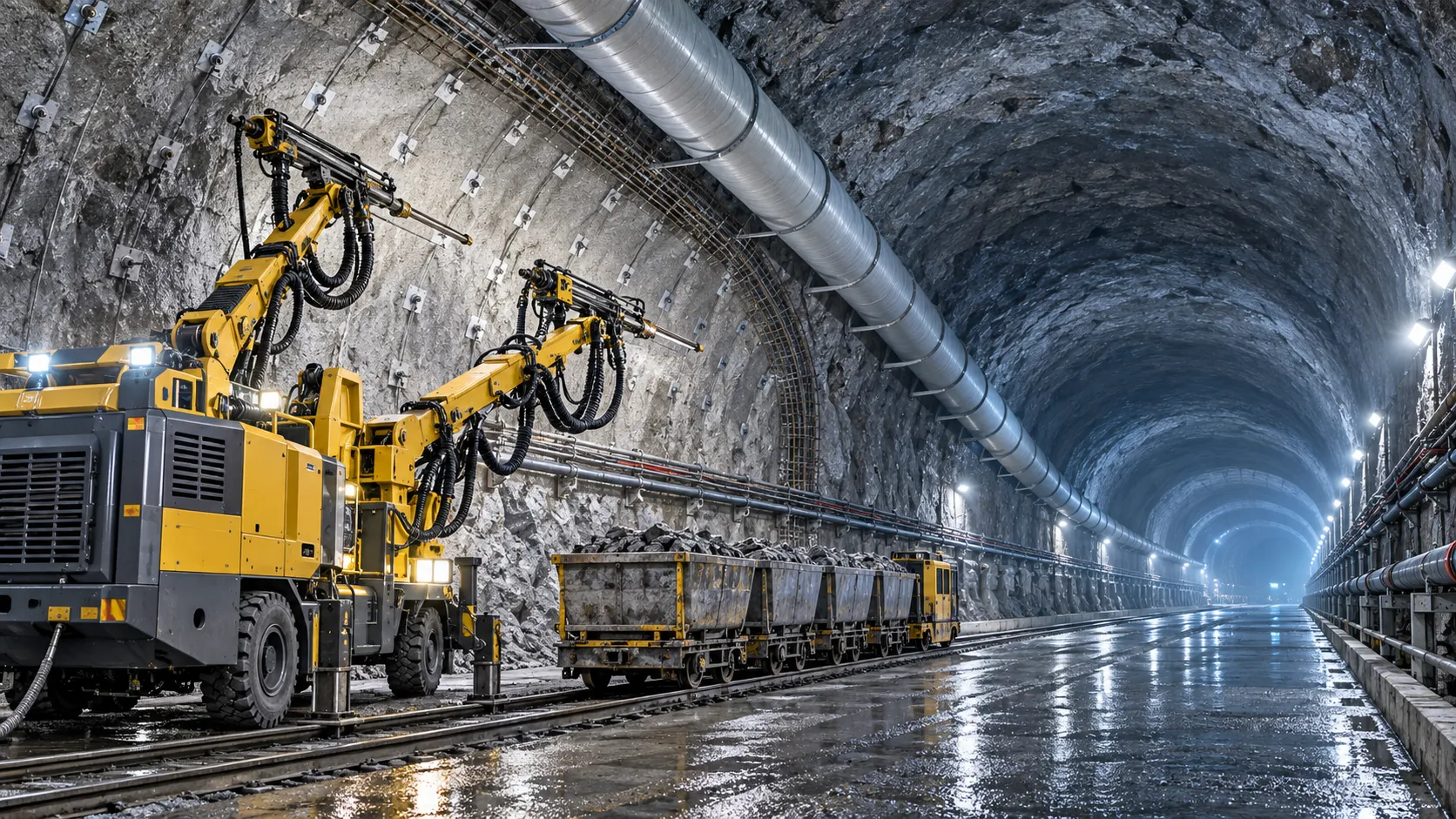
How to Evaluate European Drill-and-Blast Tunnelling Contractors for Complex Projects
Drill and blast tunnelling contractors Europe: learn how to assess geology expertise, blast control, equipment reliability, safety, and programme resilience for complex projects.
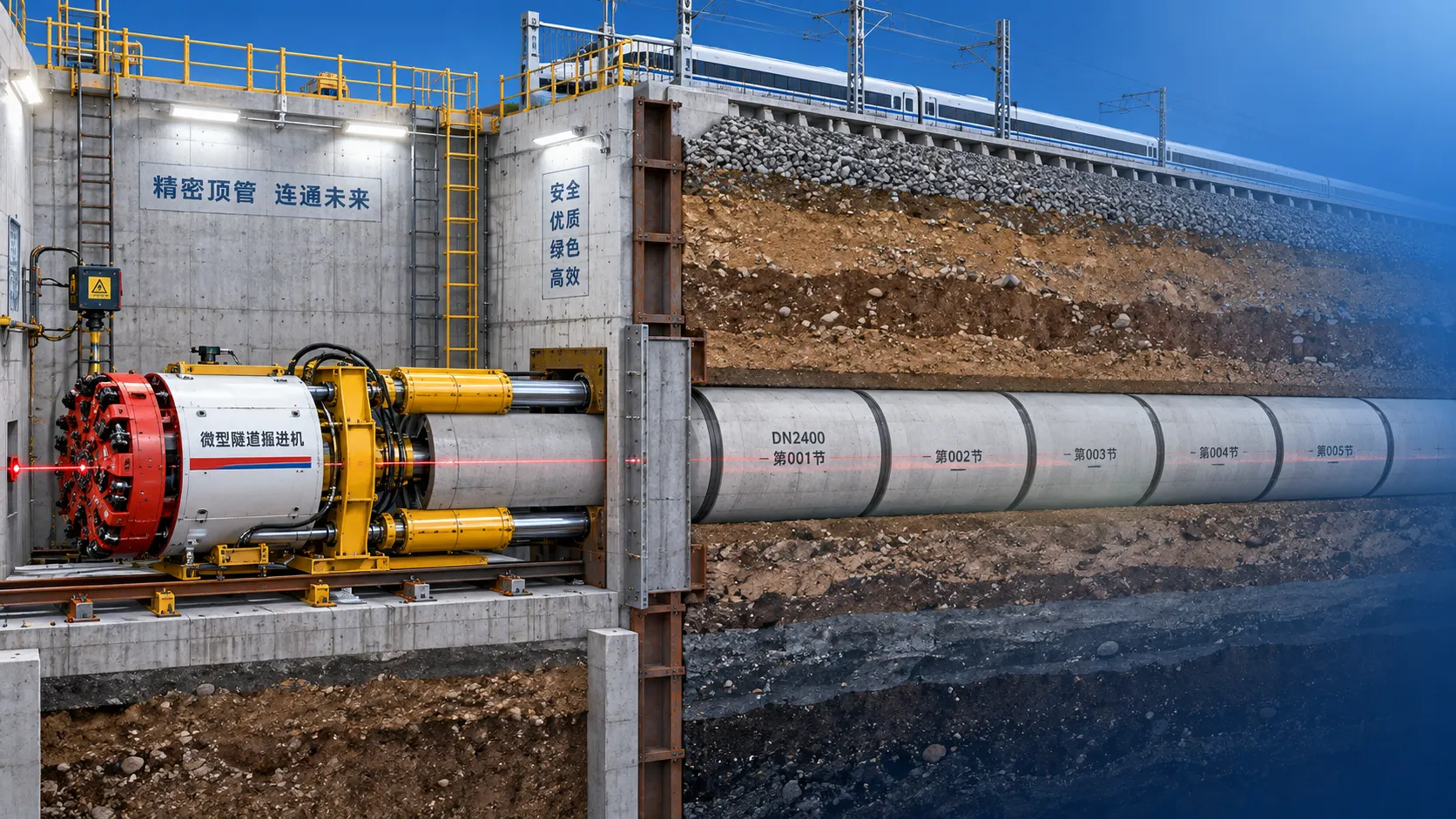
Which Trenchless Construction Technique Fits Your Utility Crossing Conditions?
Trenchless construction techniques compared for utility crossings: choose HDD, microtunnelling, pipe jacking, or auger boring based on ground, accuracy, access, and risk.
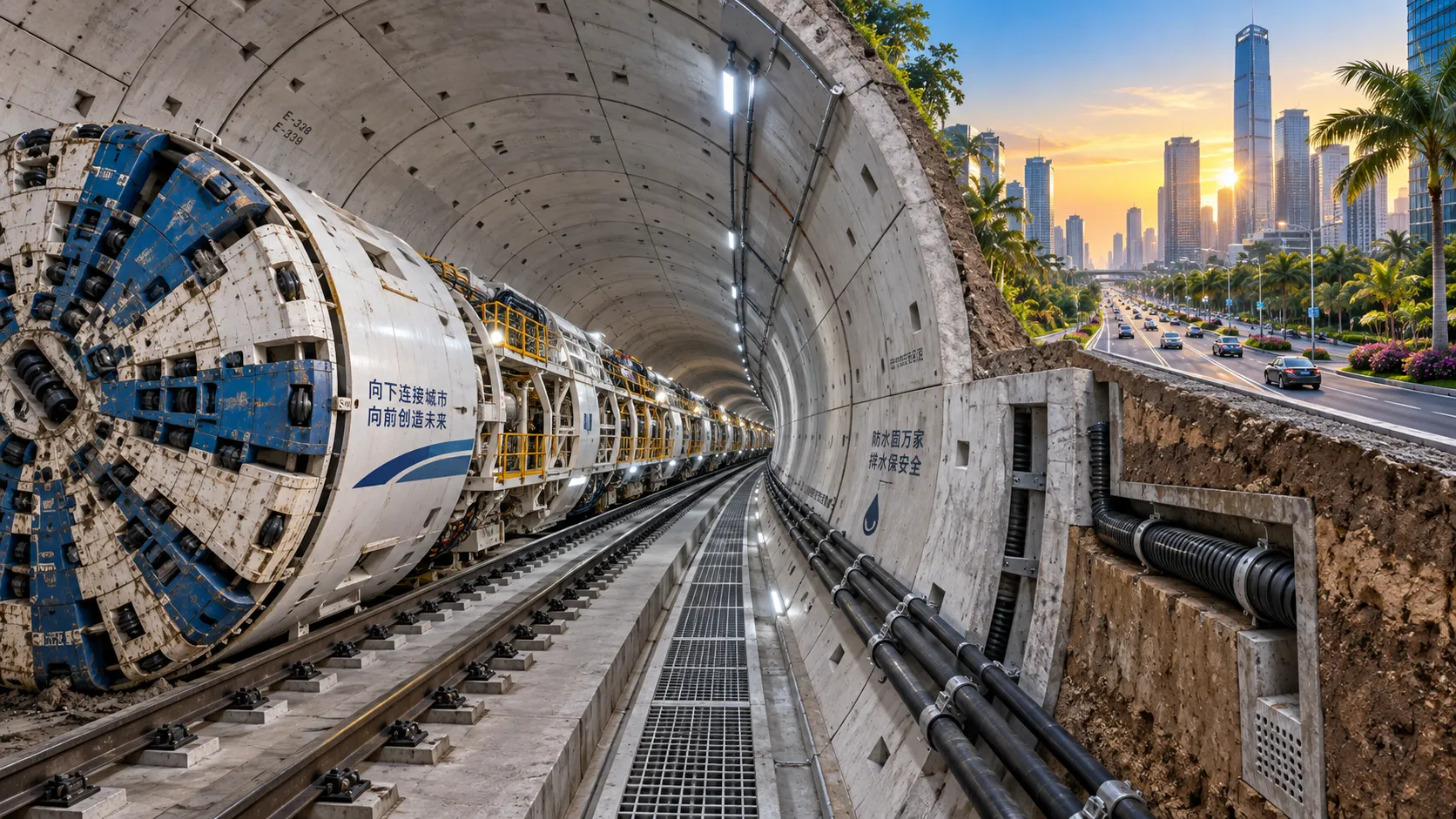
What Is Driving Metro Tunnelling Demand Across Southeast Asia’s Major Cities?
Metro tunnelling Southeast Asia is accelerating as major cities tackle congestion, flooding, and connectivity. Explore the market forces, technical risks, and opportunities shaping demand.
Hard Rock Tunnelling in Australia: Selecting Methods for Variable Ground Conditions
Hard rock tunnelling in Australia: compare TBM, drill-and-blast and hybrid methods to manage variable ground, reduce risk and protect project costs.
Hydropower Tunnel Excavation: Selecting Methods for Variable Rock Conditions
Hydropower tunnel excavation methods for variable rock conditions: compare TBM, drill-and-blast, and hybrid strategies to improve safety, progress, and project control.
How to Select Underground Safety Equipment for Tunnelling by Hazard and Work Zone
Underground Safety Equipment for tunnelling: match protection to hazards, work zones, compliance, and emergency needs with this practical selection guide.
EPB or Slurry Shield? Selecting Soft-Ground Tunnelling Equipment by Soil Conditions
Tunnel Excavation Equipment for soft ground: compare EPB and slurry shields by soil, groundwater, settlement risk, and project logistics to choose confidently.
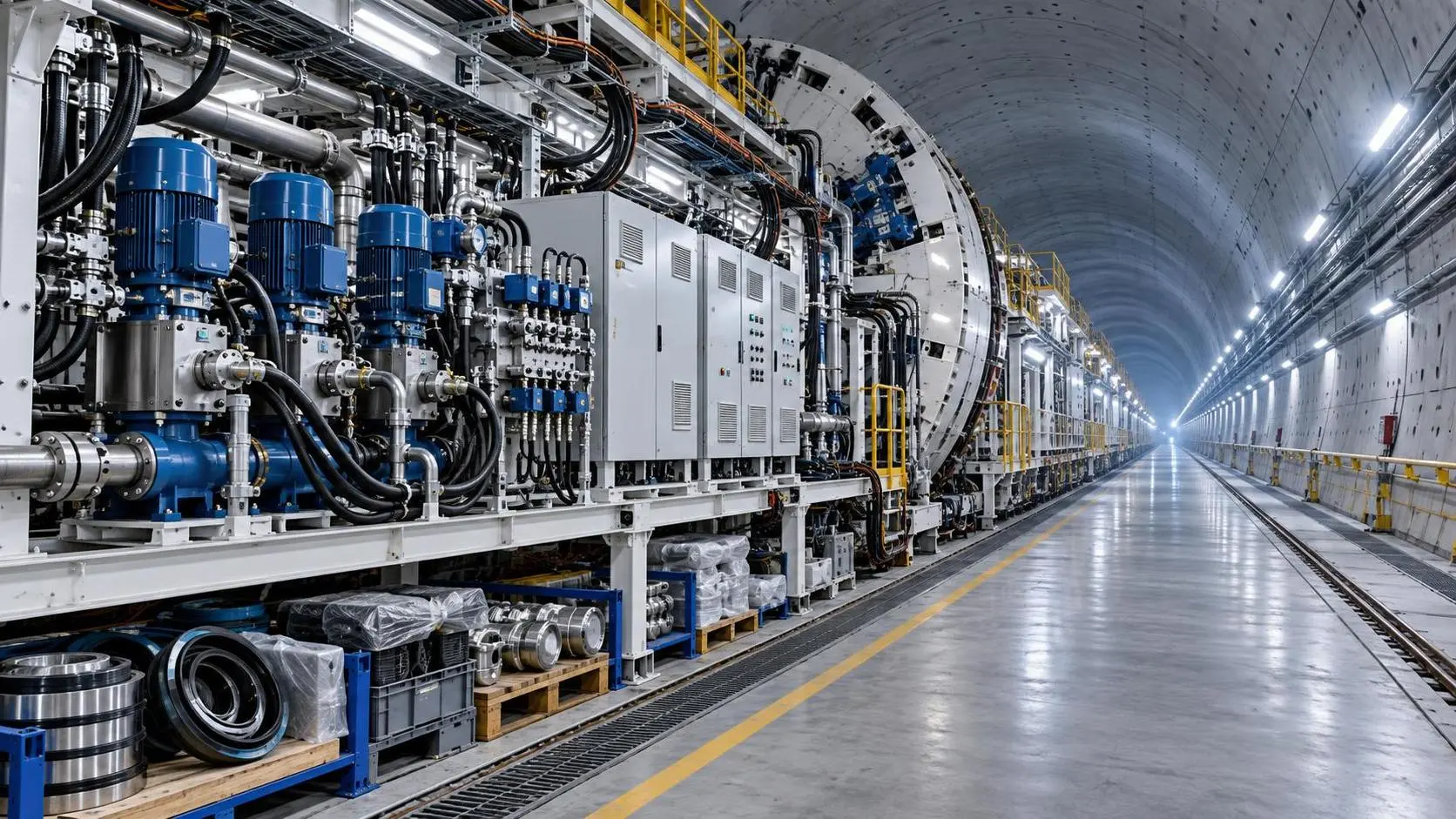
How to Specify TBM Backup System Parts for Reliable Long-Distance Tunnelling
TBM backup system parts: learn how to specify reliable spares for long-distance tunnelling, reduce downtime, ensure compatibility, and speed underground recovery.

How to Size Open Pit Mining Trucks for Haul Distance, Grade, and Payload?
Open Pit Mining Trucks: learn how to match payload, haul distance, grade, road resistance, and loading capacity for safer, lower-cost mine operations.
Related News
- 00
0000-00
How to Evaluate European Drill-and-Blast Tunnelling Contractors for Complex Projects - 00
0000-00
Which Trenchless Construction Technique Fits Your Utility Crossing Conditions? - 00
0000-00
What Is Driving Metro Tunnelling Demand Across Southeast Asia’s Major Cities? - 00
0000-00
Hard Rock Tunnelling in Australia: Selecting Methods for Variable Ground Conditions - 00
0000-00
Hydropower Tunnel Excavation: Selecting Methods for Variable Rock Conditions
Weekly Insights
Stay ahead with our curated technology reports delivered every Monday.