
What to check before buying Drilling Jumbos in 2026





Buying Drilling Jumbos in 2026 will require more than comparing price tags or drilling speed. Procurement teams must assess automation readiness, rock-condition adaptability, energy efficiency, maintenance support, and long-term operating cost before making a capital decision.
This guide explains what to check before buying Drilling Jumbos across underground mining and tunnelling scenarios. It focuses on practical checkpoints that reduce risk, improve uptime, and support future operating demands.
Why application context matters before buying Drilling Jumbos
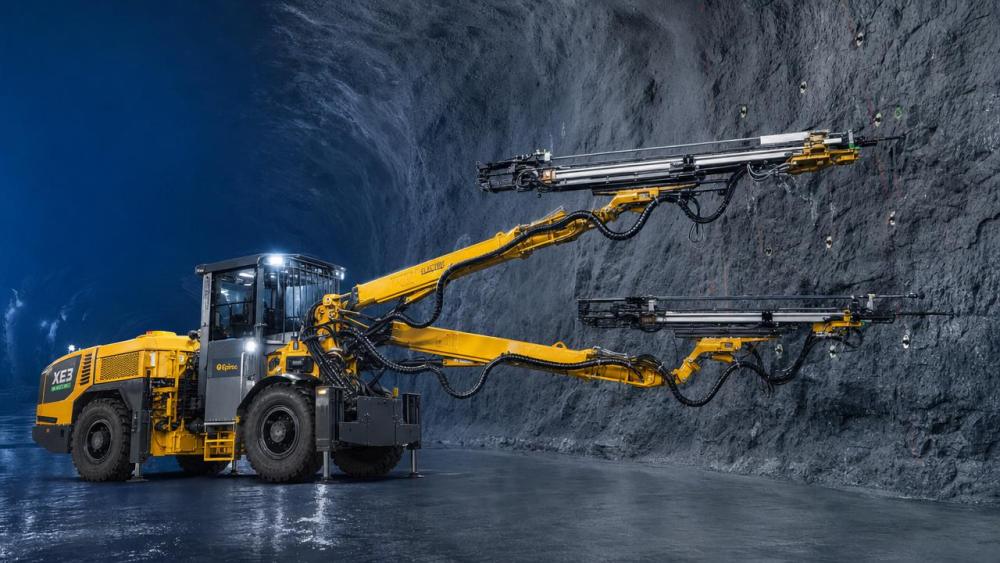
Not all Drilling Jumbos work equally well in every underground environment. A unit suited for hard-rock metal mining may underperform in civil tunnelling with strict profile control.
In 2026, project conditions are becoming more complex. Buyers must evaluate ground conditions, ventilation limits, digital integration needs, and shift patterns before shortlisting Drilling Jumbos.
This scenario-based approach matters across the broader heavy equipment landscape covered by UTMD. Smart underground fleets now depend on data continuity, energy efficiency, and predictable serviceability.
Scenario 1: Drilling Jumbos for hard-rock underground mining
Hard-rock mining demands reliable penetration in abrasive and fractured geology. In this scenario, the first check is drilling accuracy under variable rock strength and stope geometry.
Review boom stability, feed strength, percussion performance, and hole deviation control. Poor accuracy creates overbreak, uneven blasting, dilution, and higher downstream loading costs.
Also confirm compatibility with bolting, face drilling, and development headings. Some Drilling Jumbos are optimized for flexible multi-task use, while others suit repetitive production cycles better.
Key checks in mining headings
- Drill coverage for narrow and wide drifts
- Rock drill power versus actual rock hardness
- Water, dust suppression, and flushing efficiency
- Bolt installation options and cycle-time impact
- Operator visibility and remote-control readiness
Scenario 2: Drilling Jumbos for drill-and-blast tunnel construction
Tunnel construction places different demands on Drilling Jumbos. Here, contour accuracy, face mapping, and repeatable blast design often matter more than maximum impact power alone.
Check whether onboard controls support digital drill plans, hole angle validation, and profile compliance. Better drilling precision reduces shotcrete consumption and corrective excavation.
Another checkpoint is transportability inside constrained tunnel logistics. Length, turning radius, setup time, and cable or battery configuration affect advance rates more than many buyers expect.
Core tunnel-focused evaluation points
- Contour control and overbreak reduction features
- Digital face layout and navigation support
- Mobility in limited cross sections
- Quick repositioning between rounds
- Integration with tunnel reporting workflows
Scenario 3: Drilling Jumbos in low-emission and automated operations
Many 2026 underground projects will prioritize decarbonization and automation. That changes how Drilling Jumbos should be evaluated from the start.
Check electric or battery-assisted configurations, energy recovery features, and power consumption per drilled meter. Lower ventilation demand can materially improve project economics underground.
Automation readiness is equally important. Confirm whether Drilling Jumbos support auto-drilling, teleremote operation, onboard diagnostics, and data exchange with mine planning systems.
A machine may appear advanced on paper yet lack practical interoperability. Review available APIs, data formats, cybersecurity support, and upgrade paths for future autonomy modules.
What to compare across scenarios before buying Drilling Jumbos
The same model can perform differently depending on drift size, ventilation constraints, and drilling pattern complexity. A comparison framework helps separate specification claims from operational fit.
How to judge lifecycle cost instead of purchase price
A lower upfront quote does not always mean a better Drilling Jumbos investment. Total cost should include consumables, unplanned downtime, training, rebuild cycles, and software licensing.
Measure cost per drilled meter and cost per productive shift. Those indicators often reveal hidden weaknesses in feed reliability, drill steel consumption, and service response quality.
Minimum lifecycle review checklist
- Expected component life in your rock class
- Mean time between failures under comparable duty cycles
- Availability of local spare parts and field technicians
- Software subscription, updates, and diagnostics costs
- Resale value and rebuild support after several years
Scenario-based fit recommendations for Drilling Jumbos
A practical selection process should connect ground conditions, project targets, and support capacity. The goal is not the most advanced machine, but the best-matched Drilling Jumbos platform.
- Choose higher boom precision when tunnel profile compliance drives cost.
- Choose stronger percussion and rugged feeds in abrasive mining headings.
- Choose electric Drilling Jumbos where ventilation cost is significant.
- Choose open digital architecture when fleet automation is planned.
- Choose simpler systems when local service depth is limited.
Field trials remain essential. Use the same rock category, drill pattern, and shift duration expected in production, then compare actual penetration, deviation, and maintenance interruptions.
Common mistakes when evaluating Drilling Jumbos in 2026
One frequent mistake is buying Drilling Jumbos for peak drilling speed while ignoring setup time. Fast impact power cannot compensate for poor repositioning or unstable boom control.
Another mistake is assuming all digital packages deliver equal value. Some systems provide useful drill analytics, while others add complexity without improving cycle performance.
Buyers also underestimate infrastructure needs. Power quality, water supply, wireless coverage, and workshop capability directly affect how well Drilling Jumbos perform after commissioning.
A final oversight is weak alignment with future fleet strategy. If electrification, remote operation, or smart mine reporting is planned, equipment should support those upgrades now.
Next steps before making a Drilling Jumbos decision
Start with a written site profile covering geology, heading dimensions, ventilation limits, utility availability, and production targets. This creates an objective basis for comparing Drilling Jumbos options.
Then request scenario-specific performance data, not generic brochures. Ask for comparable references in similar rock conditions, comparable tunnel sizes, and similar automation maturity.
Finally, score each candidate using weighted criteria for drilling accuracy, energy use, service support, digital integration, and lifecycle cost. That method improves confidence before capital commitment.
In 2026, the best Drilling Jumbos will be the ones that match the real underground scenario, support long-term asset utilization, and fit the accelerating shift toward smarter, cleaner excavation.
Related News
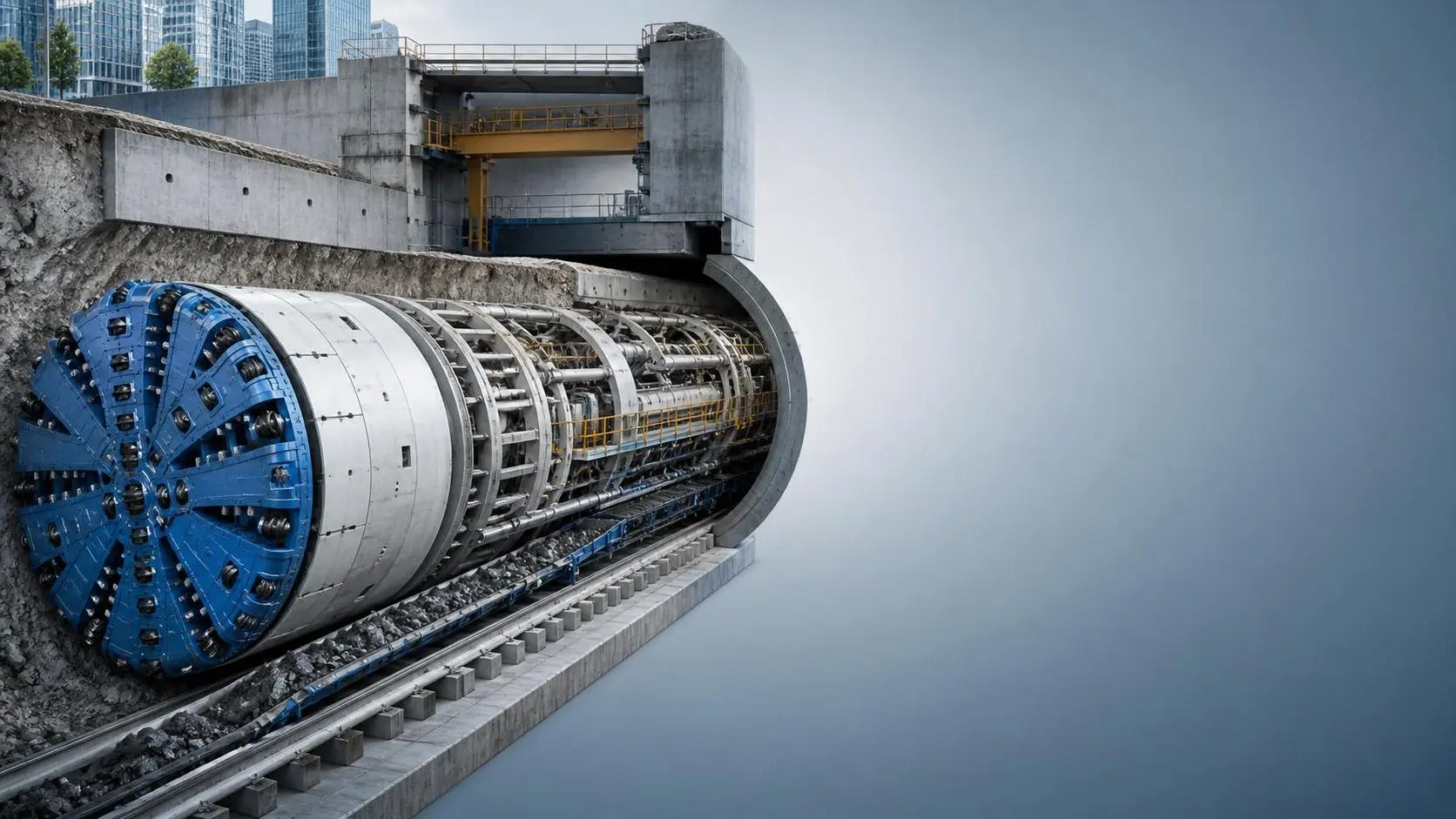
What Drives TBM Excavation Cost in Urban Tunneling Projects?
tbm excavation cost in urban tunneling depends on geology, shafts, segment lining, logistics, and risk. Discover the key cost drivers and compare bids with greater confidence.
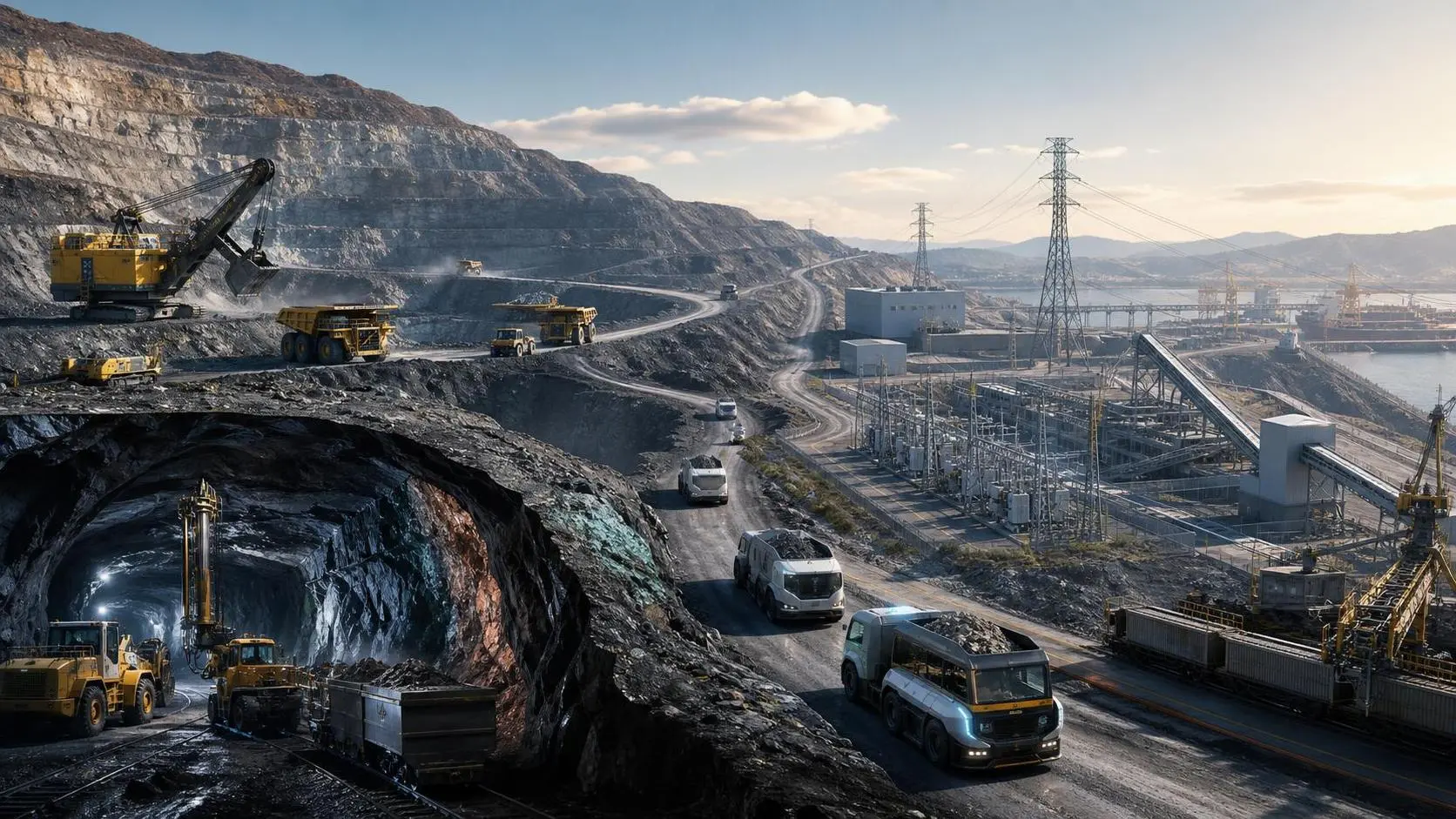
What Does Energy Metals Mining in Australia Mean for Supply, Cost, and Project Risk?
Energy metals mining Australia is reshaping supply, cost, and project risk. Discover what it means for buyers, investors, and operators.
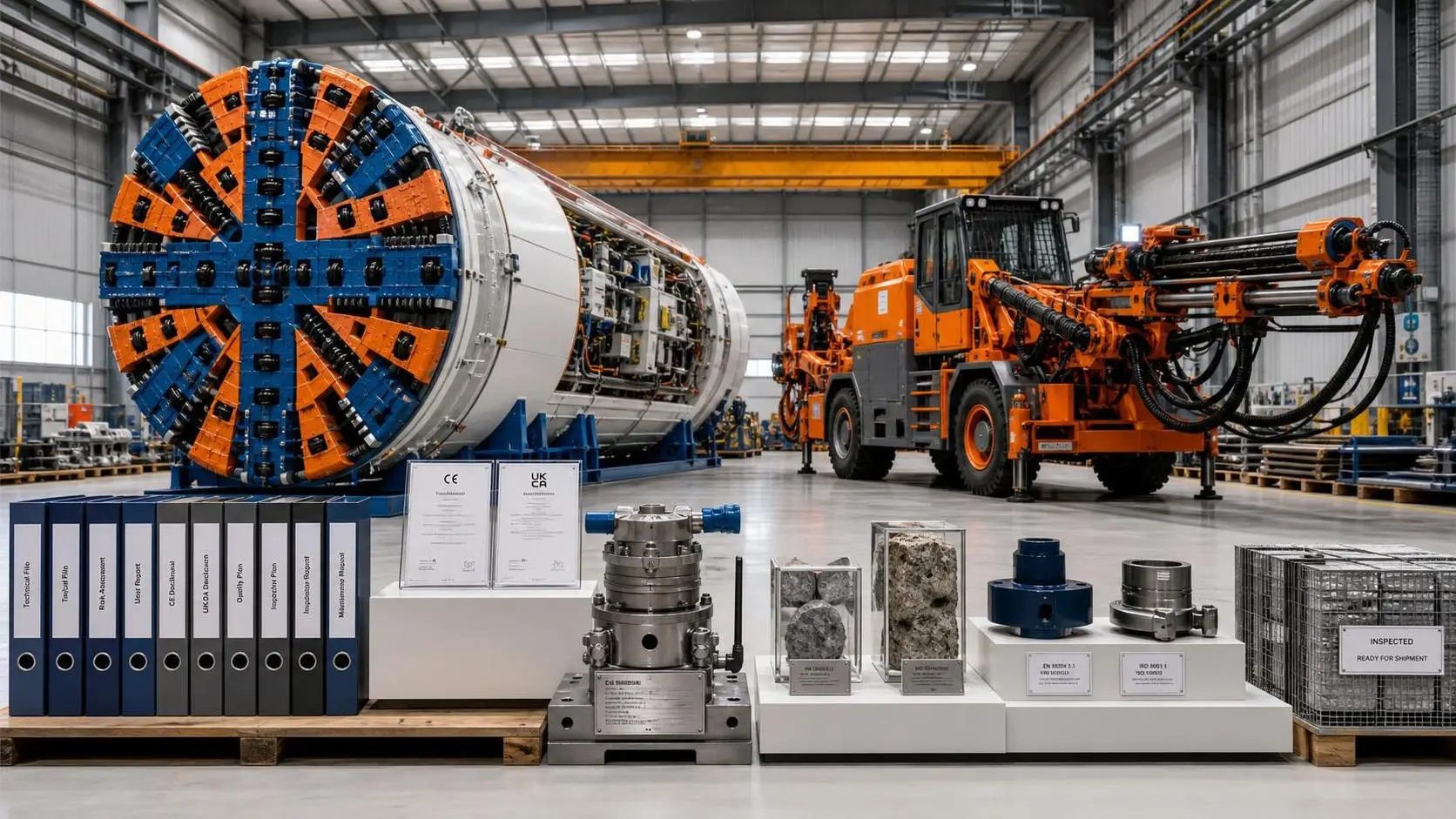
EU Eases Dual CE and UKCA Path for Chinese Tunnel Boring Equipment
EU eases CE and UKCA certification for Chinese tunnel boring equipment, cutting compliance time and helping importers move faster.
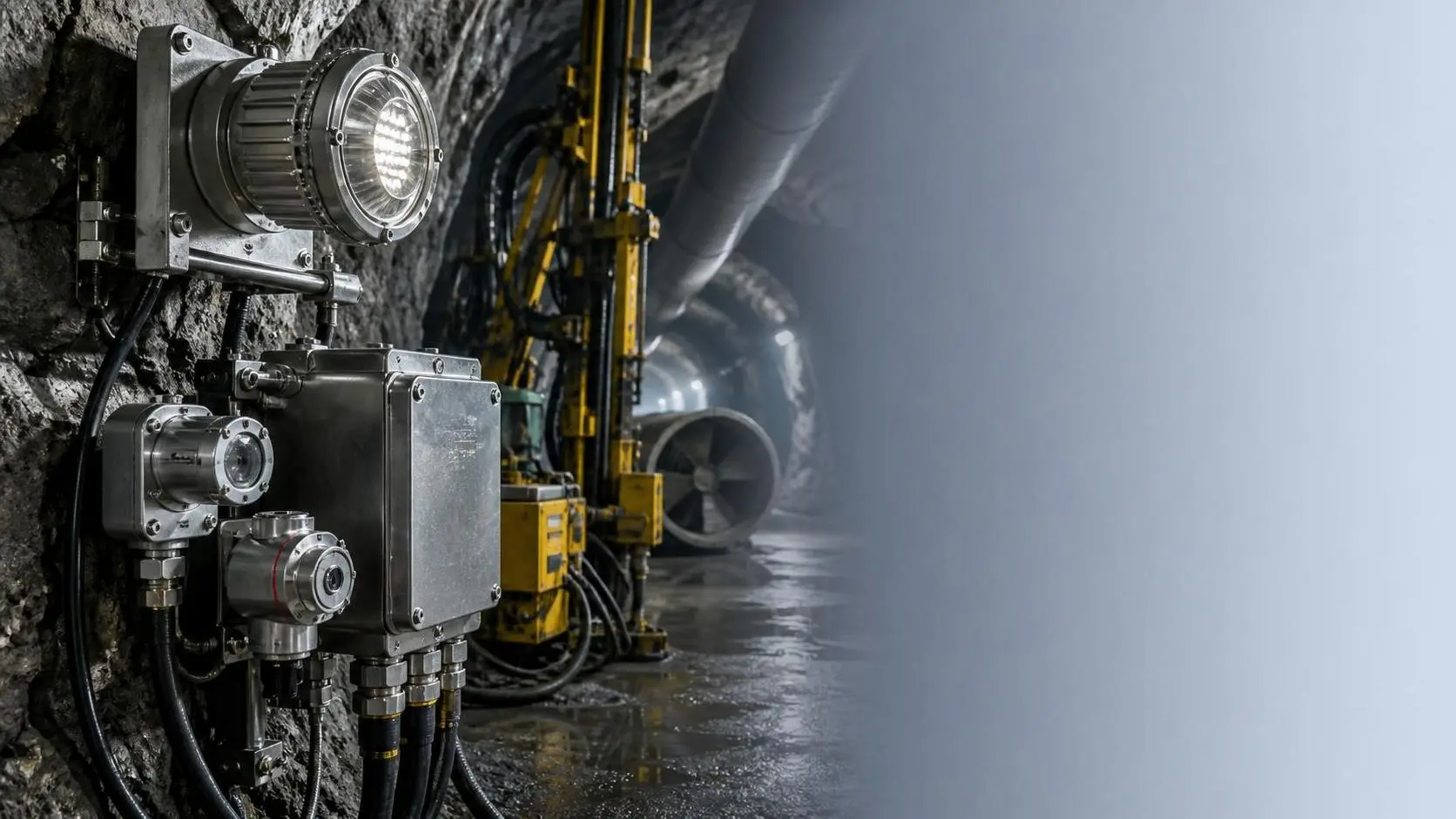
Flameproof Underground Safety Equipment: What Mine Teams Should Check Before Buying
Underground Safety Equipment flameproof buying guide: learn how mine teams should verify certification, durability, serviceability, and supplier support before purchase.
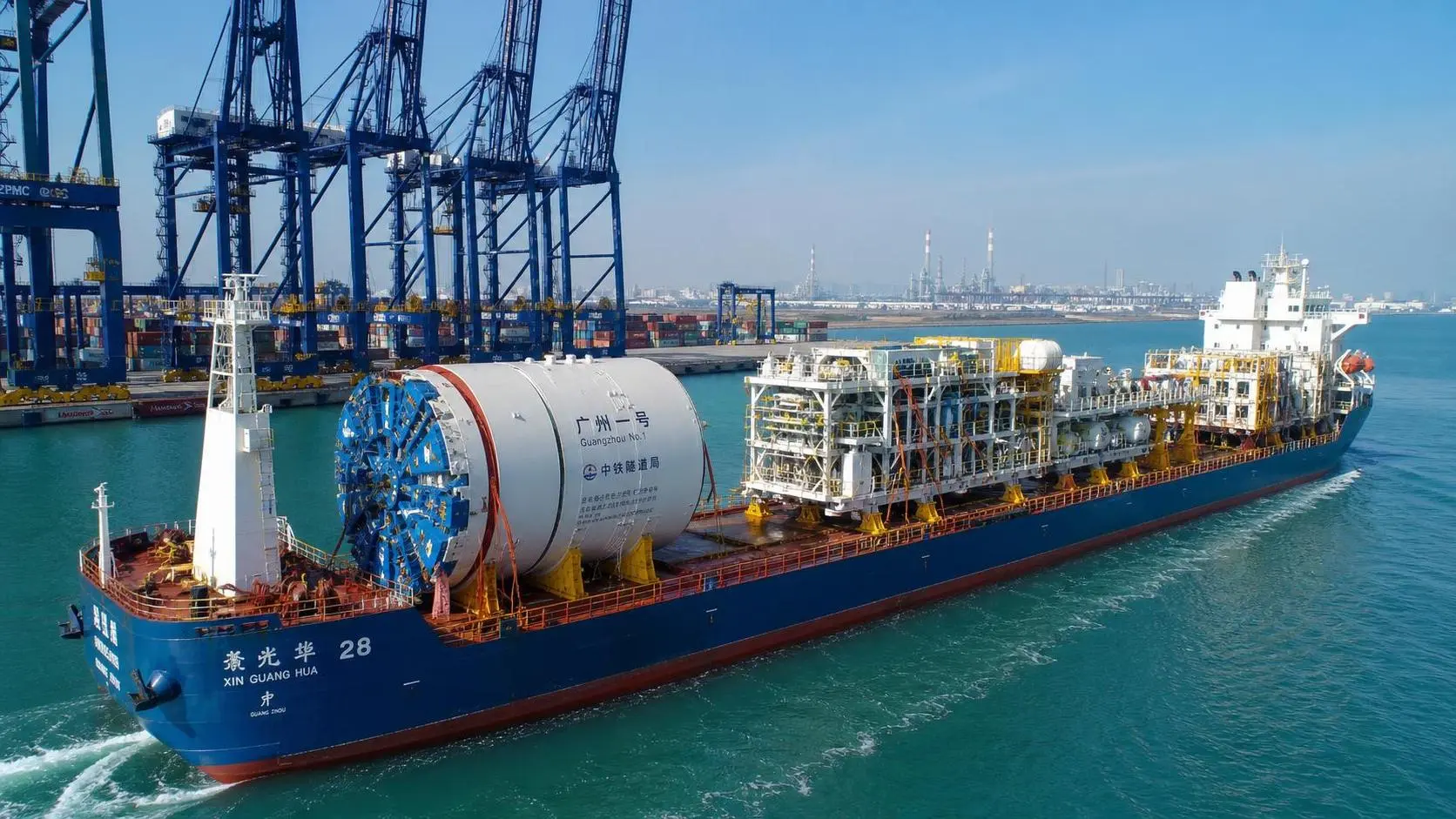
China-UAE Direct Sea Route Cuts TBM and Large Tunneling Equipment Lead Times
China-UAE direct sea route shortens TBM and large tunneling equipment lead times by 12–15 days, improving delivery predictability for major infrastructure projects. Read the full impact.
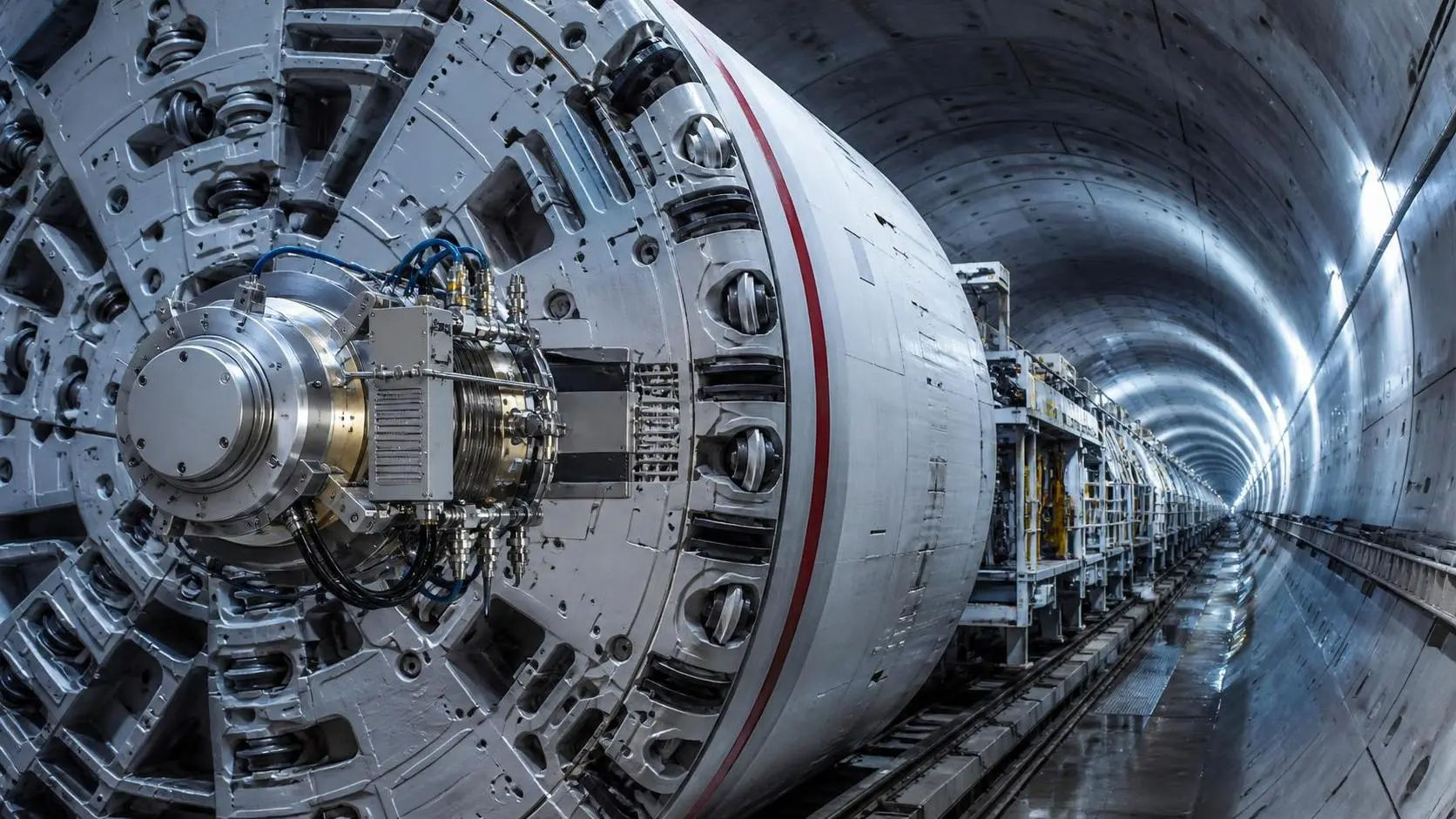
What Is a TBM Guidance System Gyroscope, and Why Does It Matter Underground?
TBM Guidance Systems gyroscope improves underground accuracy, reduces drift, and helps tunnel boring machines stay on line in harsh conditions.

China to Roll Out Nationwide Local and Foreign Currency Cash Pools for Multinationals on Sept. 14
China will roll out nationwide local and foreign currency cash pools for multinationals on Sept. 14, streamlining cross-border treasury management and boosting liquidity efficiency.
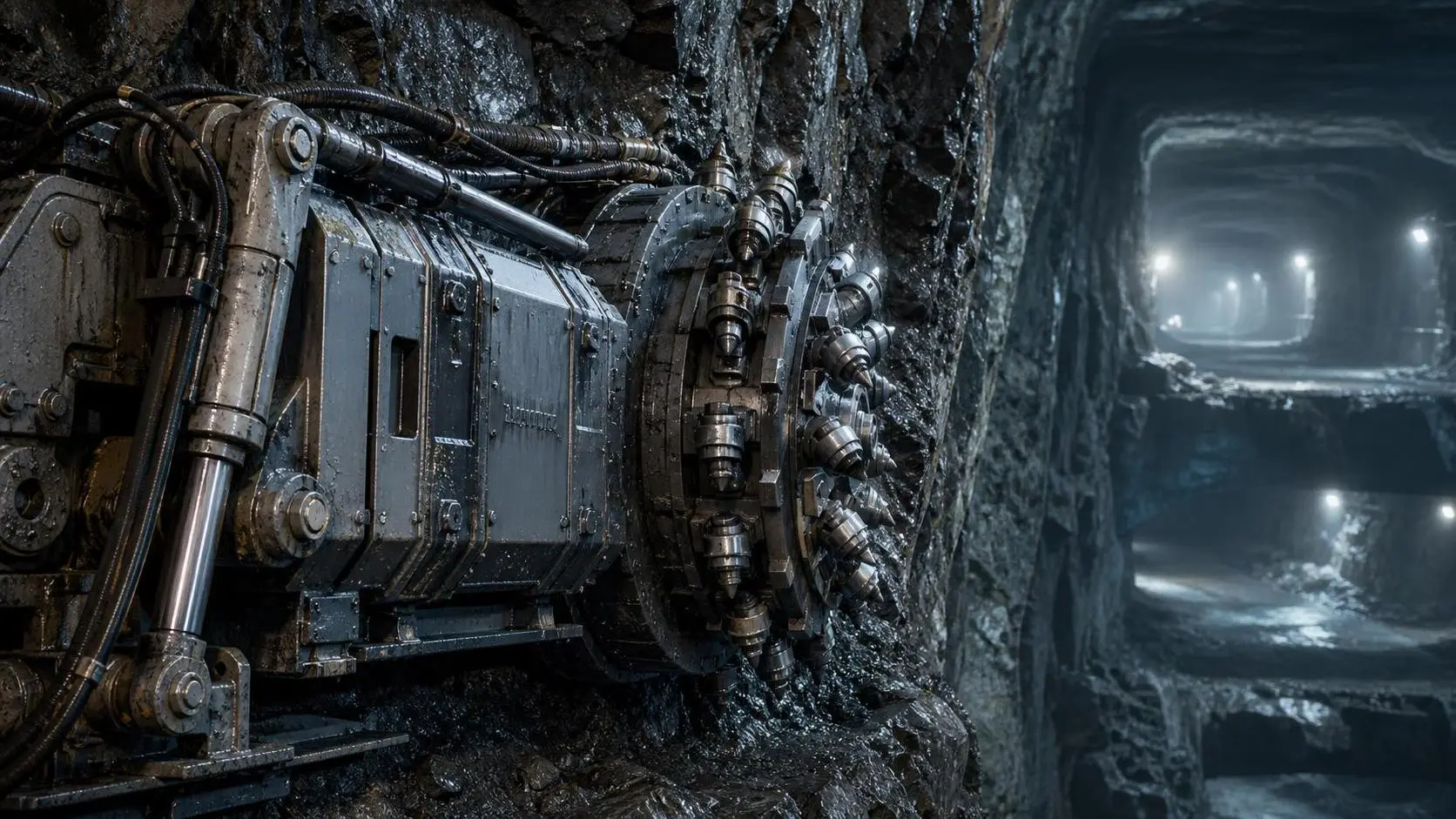
How to Choose a Reliable Underground Mining Equipment Supplier for Harsh Site Conditions
Find a reliable underground mining equipment supplier for harsh site conditions with rugged, maintainable solutions that boost uptime, reduce risk, and support long-term production.
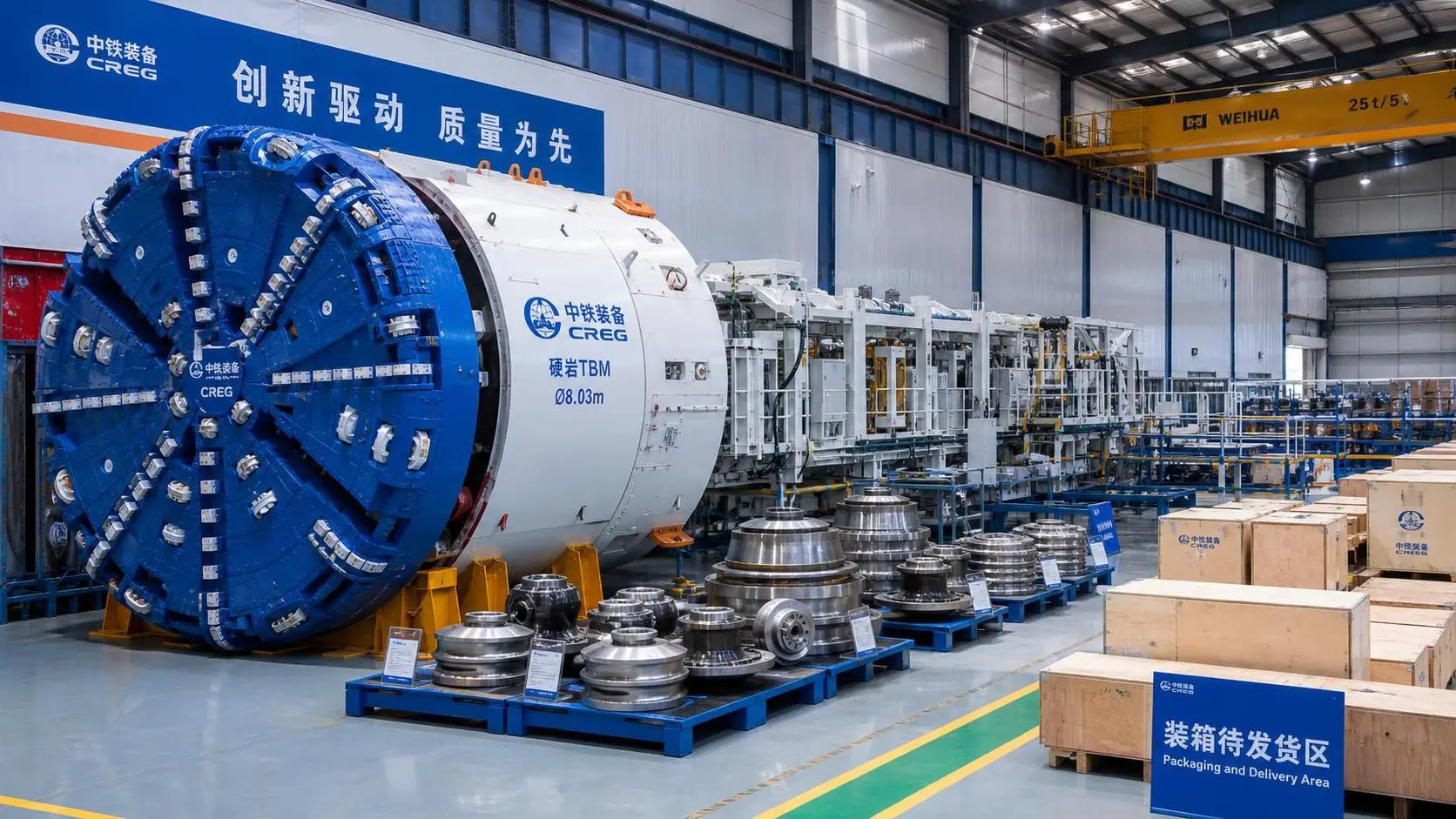
China Customs Tightens TBM Export Checks from Aug. 16
China Customs tightens TBM export checks from Aug. 16, 2026. Learn how new mandatory inspections may affect tunnelling equipment shipments, compliance, and delivery plans.
Related News
- 00
0000-00
What Drives TBM Excavation Cost in Urban Tunneling Projects? - 00
0000-00
What Does Energy Metals Mining in Australia Mean for Supply, Cost, and Project Risk? - 00
0000-00
EU Eases Dual CE and UKCA Path for Chinese Tunnel Boring Equipment - 00
0000-00
Flameproof Underground Safety Equipment: What Mine Teams Should Check Before Buying - 00
0000-00
China-UAE Direct Sea Route Cuts TBM and Large Tunneling Equipment Lead Times
Weekly Insights
Stay ahead with our curated technology reports delivered every Monday.