
OSHA Sets Trilingual HMI Alert Rule for Rock Drills





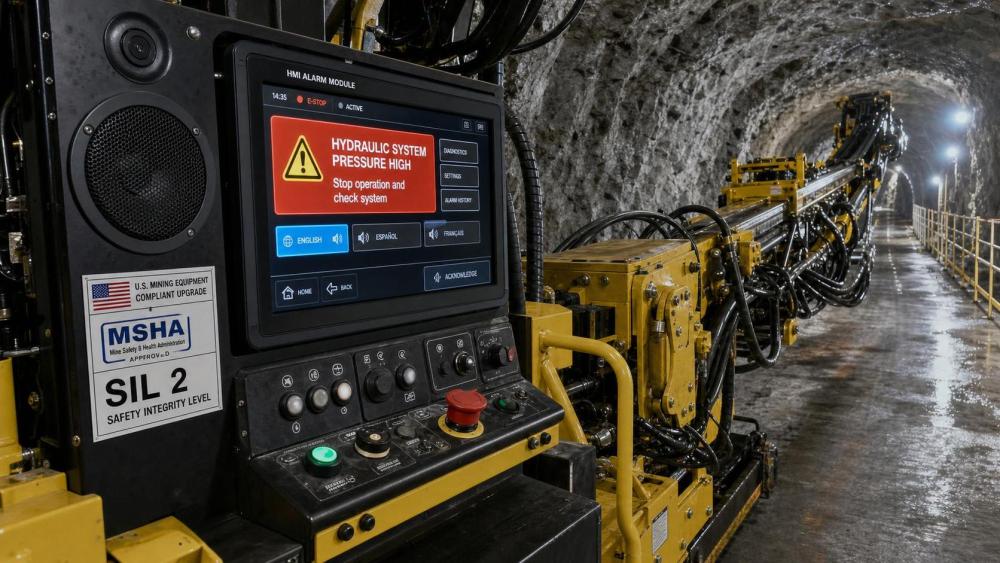
On July 8, 2026, OSHA issued a mandatory technical guideline for underground mining equipment in the U.S., placing a specific new requirement on Hydraulic Rock Drills: their HMI voice alarm capability must support English, Spanish, and Navajo, and must pass ANSI/HFES 100-2026 human factors validation. For manufacturers, exporters, mine operators, firmware teams, and localization compliance providers, the immediate issue is not only product configuration, but also how interface design, certification, and delivery readiness for the U.S. market may now need to be reassessed.
What the New OSHA Requirement Confirms
Based on the information provided, OSHA released the 2026 Underground Mining Equipment Human-Machine Interaction Safety Guideline on July 8, 2026. The requirement applies to Hydraulic Rock Drills used in mines operating in the United States. Under the guideline, the HMI must include built-in voice alarms in three languages: English, Spanish, and Navajo. The requirement also states that the interface must pass ANSI/HFES 100-2026 human factors validation.
The provided summary also confirms that this change is expected to affect UI firmware upgrades and localization certification processes for Chinese Hydraulic Rock Drills exported to the U.S. market.
Where the Pressure Will Likely Appear Across the Value Chain
For equipment manufacturers, the issue moves into firmware and interface design
From an industry perspective, manufacturers of Hydraulic Rock Drills are among the first parties likely to feel the impact because the requirement is tied directly to the HMI. The effect is likely to show up in embedded software updates, alarm logic, language support structure, and validation preparation. What deserves closer attention is whether existing U.S.-bound models can meet the trilingual voice alarm requirement through firmware changes alone, or whether broader HMI adjustment work may be needed for compliance documentation and testing.
For exporters to the U.S., localization may become part of market access preparation
Companies shipping Chinese-made Hydraulic Rock Drills to the United States may be affected at the export and pre-delivery stage. Analysis shows that U.S. market readiness may no longer be limited to mechanical performance and basic documentation; localization of voice alarms and related certification steps now become part of the commercial path. That means export teams may need to pay closer attention to product specification alignment, customer communication, and the timing of compliance-related updates before shipment.
For mine operators and buyers, procurement criteria may tighten
Mine operators in the U.S. and procurement teams sourcing Hydraulic Rock Drills may need to review whether incoming equipment meets the newly stated HMI requirement. Observably, the impact here is likely to fall on supplier qualification, acceptance review, and contract-level technical confirmation. Buyers may need to verify not just the presence of an HMI, but whether the voice alarm function is built in as required and whether ANSI/HFES 100-2026 validation has been addressed in the supplier's compliance materials.
For certification and service partners, documentation quality may become more important
Service providers involved in localization, testing support, or compliance preparation may also face new workload in practical terms. The likely impact is on language implementation review, evidence preparation, and coordination around human factors validation. Even where the rule is clear at a headline level, the business burden often appears in records, test readiness, and consistency between product configuration and submitted materials.
What Companies Should Track Now
Watch for any further official wording or implementation clarification
The confirmed fact is that OSHA issued a mandatory technical guideline on July 8, 2026. Analysis shows that companies should still track whether additional official clarification emerges around implementation details, scope interpretation, or supporting compliance expectations. A rule can be clear in principle while still requiring close reading in execution.
Review U.S.-bound product lines for HMI upgrade exposure
For companies with Hydraulic Rock Drills already sold into or prepared for the U.S. market, a practical focus is to identify which models may require UI firmware updates or revised localization workflows. What deserves closer attention is the gap between current shipped configuration and the stated trilingual voice alarm requirement, especially where product variants or regional software baselines differ.
Prepare for longer coordination around certification and delivery
Analysis shows that compliance-related changes often affect timing as much as engineering. Firms involved in manufacturing, exporting, and distribution may need to review delivery schedules, customer commitments, and document packages in light of ANSI/HFES 100-2026 validation. The key operational question is not only whether a feature can be added, but whether it can be validated and documented in time for business execution.
Strengthen customer and supplier communication on compliance status
For sales, account, and supply chain teams, a near-term priority is clarity in external communication. Observably, this kind of requirement can create avoidable friction if equipment status, firmware readiness, or certification progress is not communicated early. Companies may need clearer internal alignment on what has already been updated, what is pending, and what evidence can be shared with U.S. customers or channel partners.
How This Development Is Best Understood
Analysis shows that this is more than a narrow interface feature update. The rule points to a compliance direction in which equipment usability, language accessibility, and human factors validation are being treated as part of operational safety expectations for underground mining equipment. At the same time, it would be premature to extend that conclusion beyond the specific facts provided here. Based on the available information, this should be understood as a concrete regulatory change with immediate product-level implications, while broader market effects still require continued observation.
It is more appropriate to understand this as both a short-term execution issue and a longer-term signal. In the short term, affected companies may need to address firmware, localization, and certification workflow changes. In the longer term, the update suggests that HMI compliance requirements in mining equipment may receive closer scrutiny, particularly where user interaction and alarm communication are involved.
Why the Industry Should Keep This on Its Working Agenda
This OSHA guideline matters because it turns multilingual voice alarm capability and human factors validation into a direct compliance issue for Hydraulic Rock Drills used in U.S. mines. For companies connected to manufacturing, export, procurement, and service support, the significance lies in execution detail: interface design, localization readiness, validation evidence, and delivery coordination may all be affected.
At this stage, the most balanced reading is that the change is already specific enough to require operational attention, but still needs ongoing monitoring in terms of implementation detail and business impact. It is more appropriate to treat this as an active compliance development rather than a general policy signal alone.
Basis of This Article and What Still Needs Verification
This article is based on the user-provided news title, event date, and event summary regarding OSHA's July 8, 2026 mandatory guideline for Hydraulic Rock Drills used in U.S. mines. In coverage of this type, commonly relevant source categories may include official regulatory announcements, company notices, industry association updates, authoritative media reporting, and standard-setting organization documents.
No specific official source link was provided in the input, so the exact official publication path still needs ongoing verification. Further follow-up should focus on any official clarification of implementation language, supporting compliance documentation expectations, and how ANSI/HFES 100-2026 validation is applied in practical market access and delivery workflows.
Related News
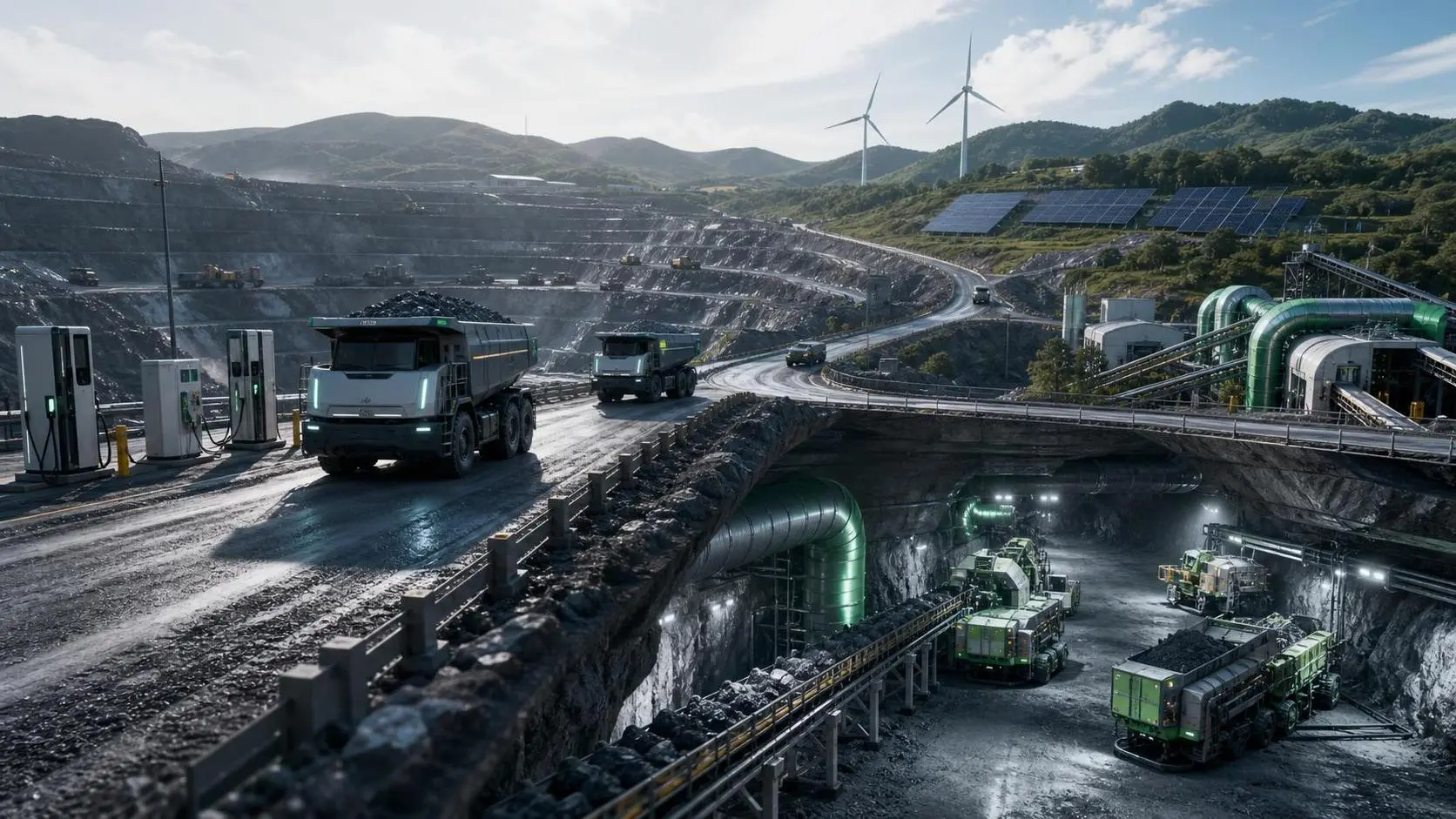
What Should a Mine Decarbonization Roadmap Include to Cut Emissions Without Hurting Output?
Mine decarbonization roadmap essentials: learn how to cut mining emissions with phased electrification, ventilation planning, and infrastructure readiness—without sacrificing output.
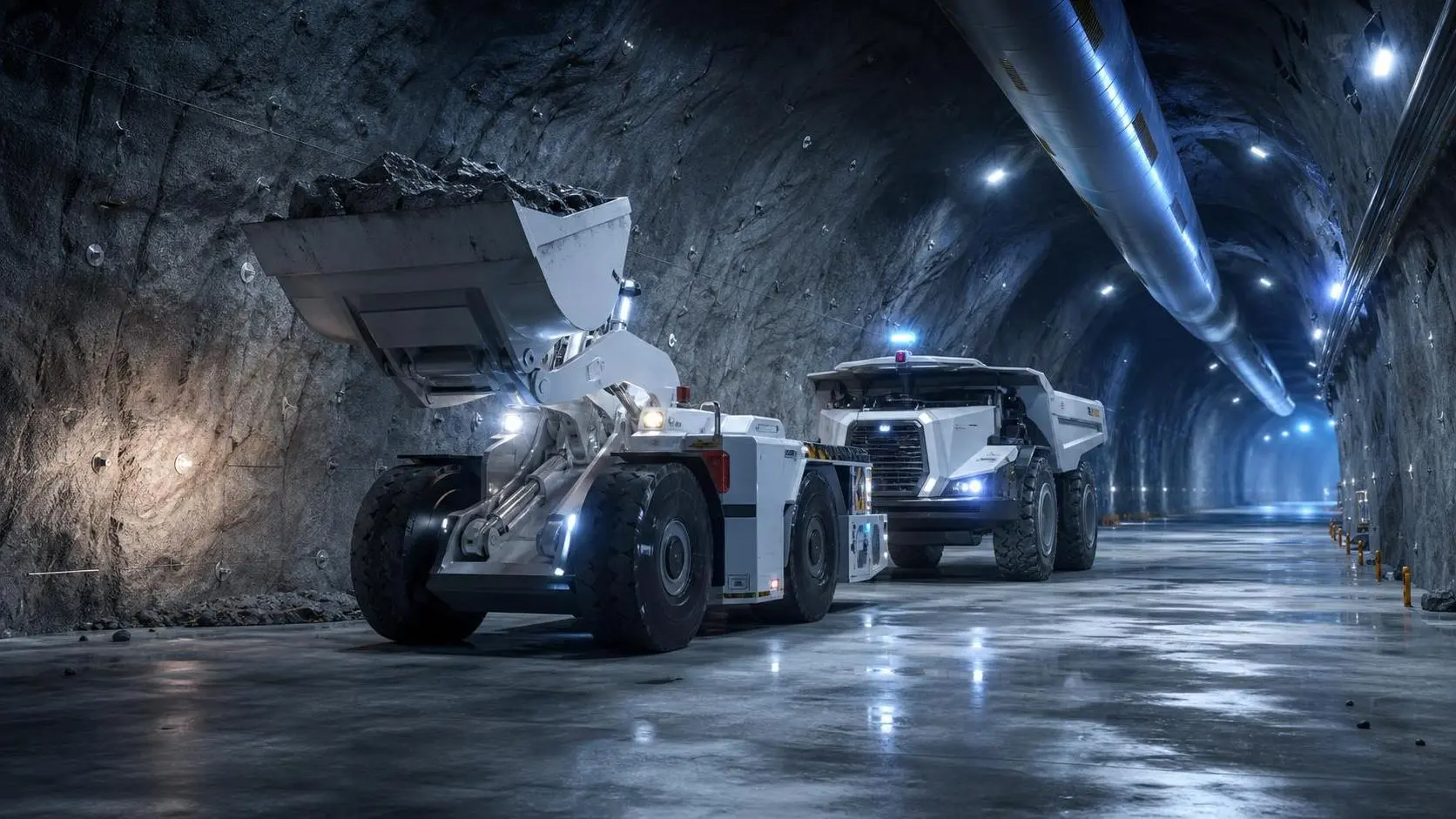
How to Evaluate Underground Mine Automation Companies for Safety and ROI
Underground mine automation companies vary widely in safety, interoperability, and ROI. Learn how to compare vendors, reduce deployment risk, and choose a scalable solution.
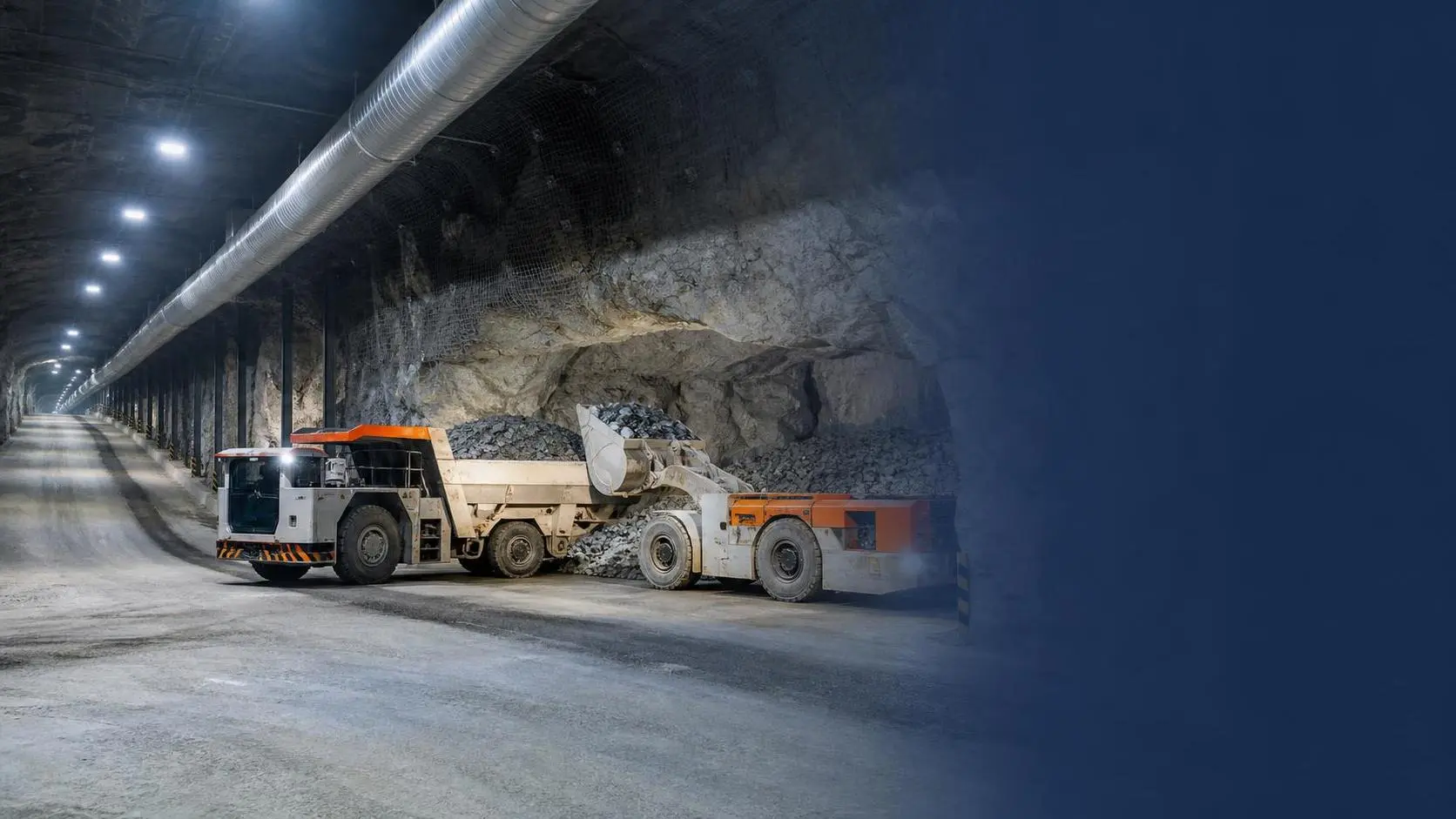
How to Evaluate Underground Haulage Systems for Ore Output, Ramp Grade, and Ventilation Limits
Underground haulage systems should be evaluated by ore output, ramp grade, and ventilation limits—not brochures. Learn how to compare trucks, LHDs, and electric options for smarter mine planning.
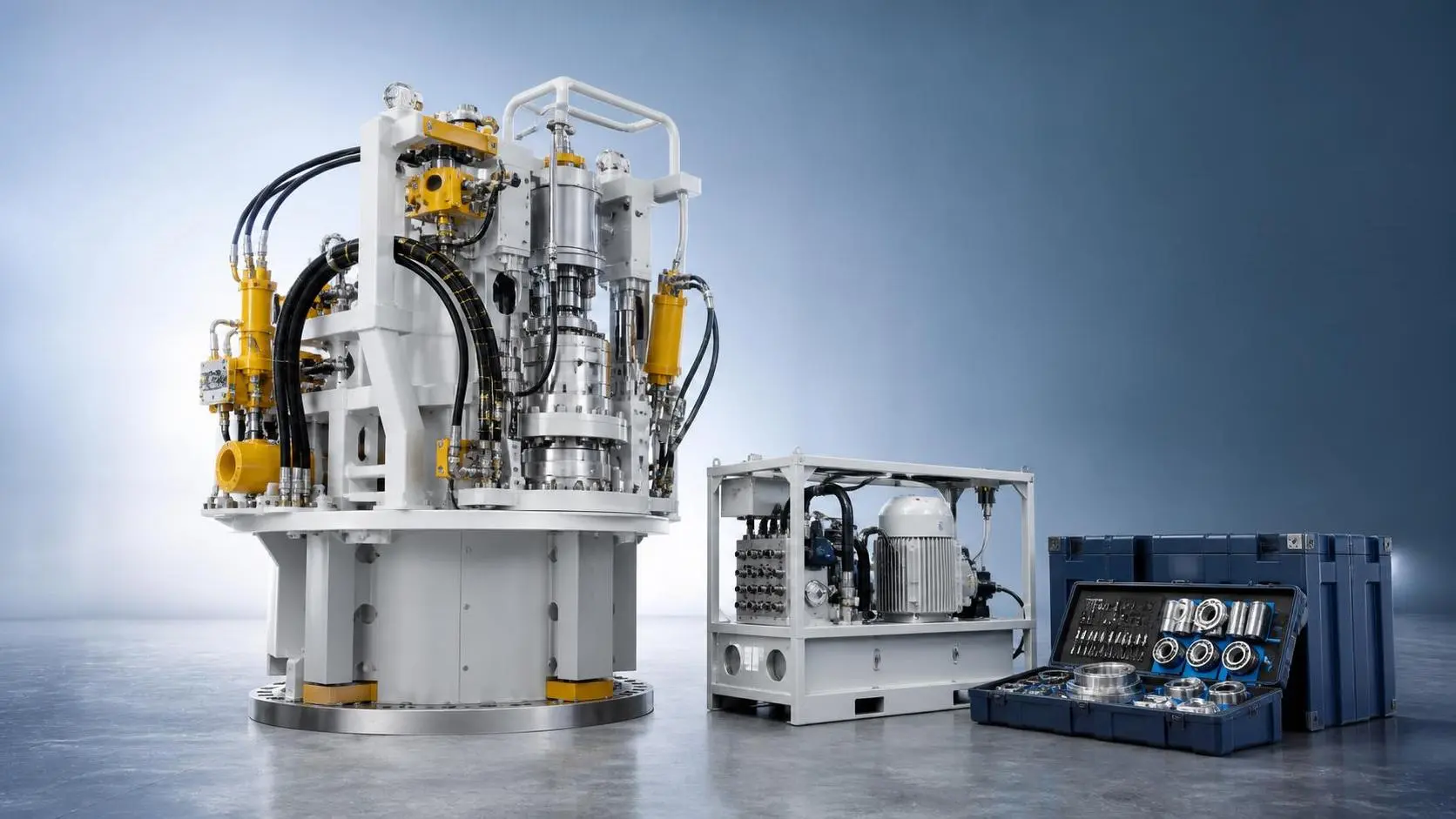
How to Evaluate a Pipe Jacking Equipment Distributor for Project Support and Uptime
Pipe jacking equipment distributor evaluation made practical: learn how to assess parts support, service response, training, and technical readiness to reduce downtime and protect project uptime.
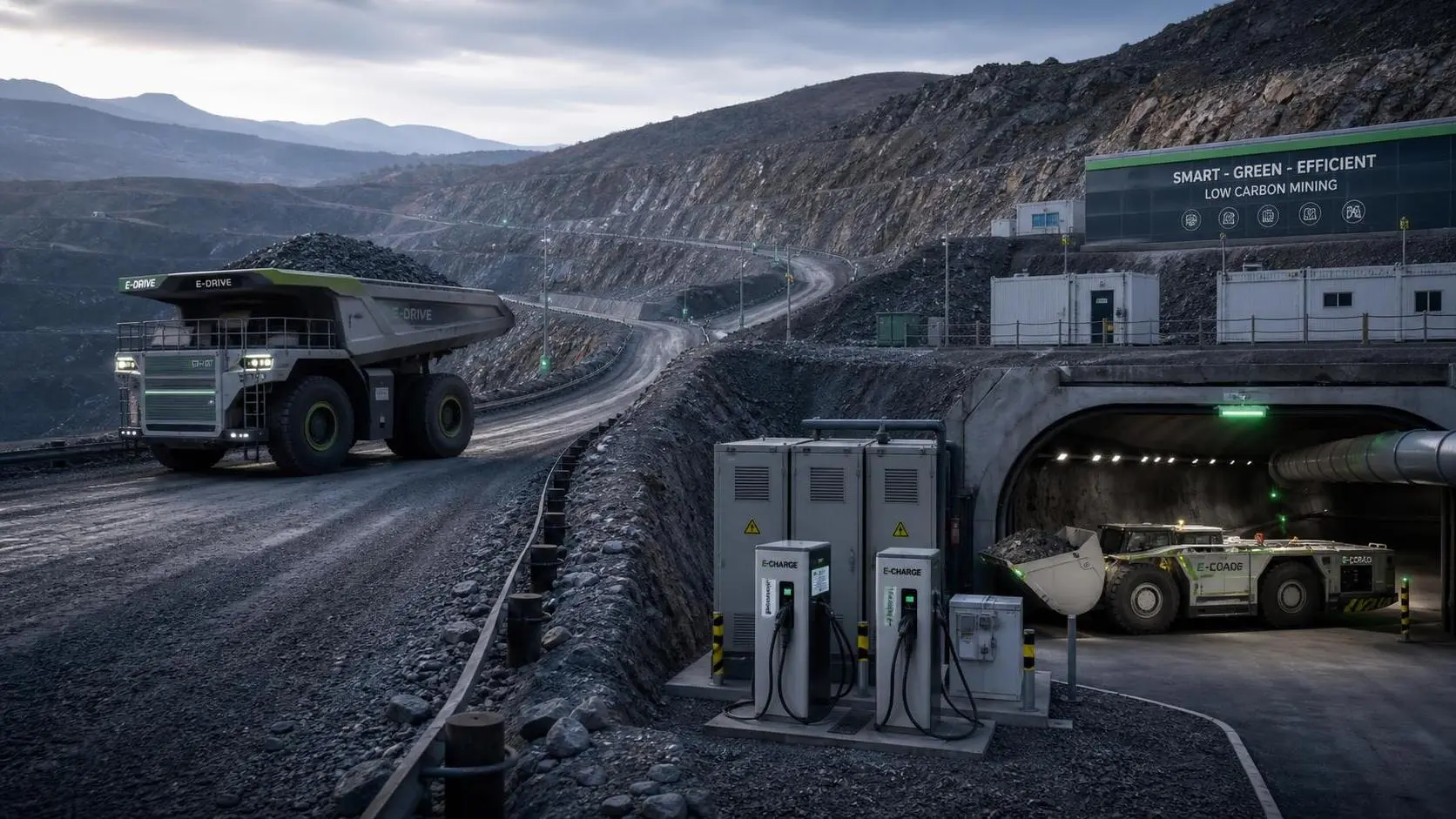
How to Build a Mining Decarbonization Strategy That Balances Emissions, Cost, and Fleet Reality
Mining decarbonization strategy starts with fleet reality. Learn how to cut emissions, control cost, and align power, ventilation, and production for a practical mine transition.
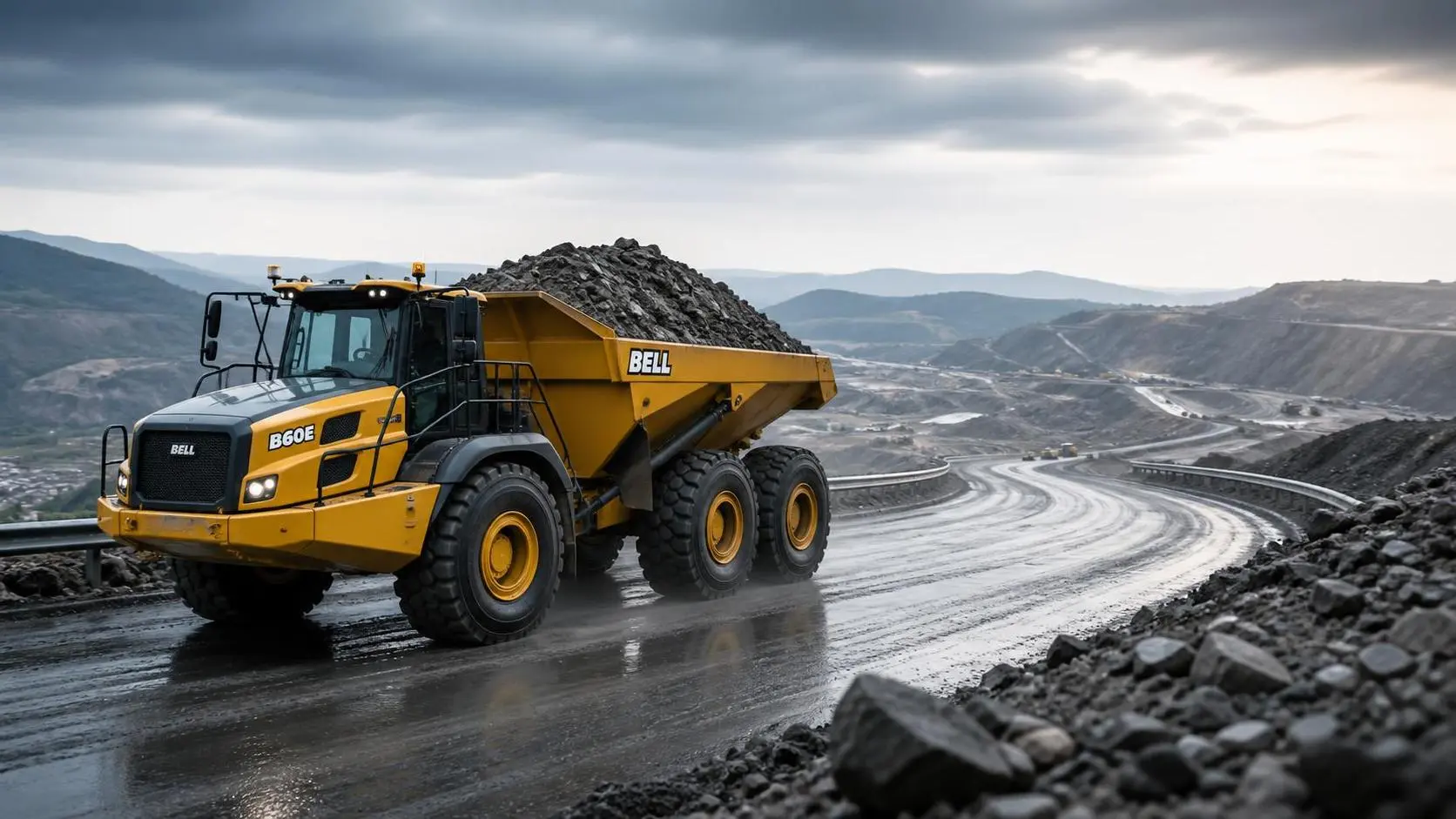
How to Evaluate Articulated Dump Trucks Payload for Haul Road Conditions and Cycle Efficiency
Articulated Dump Trucks payload evaluation starts with real haul road conditions, not brochure numbers. Learn how to balance payload, traction, grades, and cycle efficiency for safer, higher output.
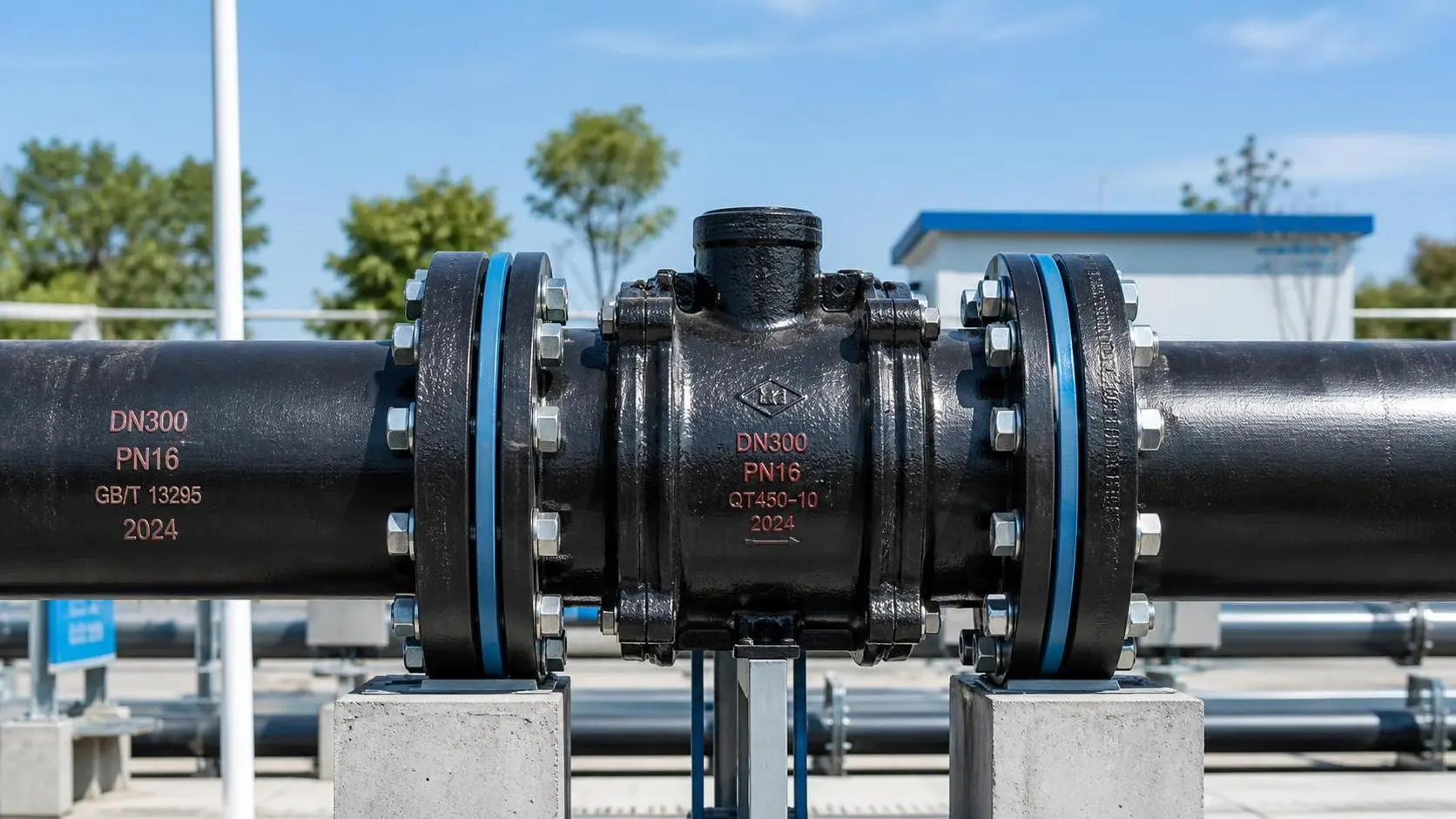
How Pipe Fittings Material and Pressure Class Affect Water Line Selection
Pipe fittings selection starts with material and pressure class. Learn how these factors affect water line reliability, corrosion resistance, installation, and long-term cost.
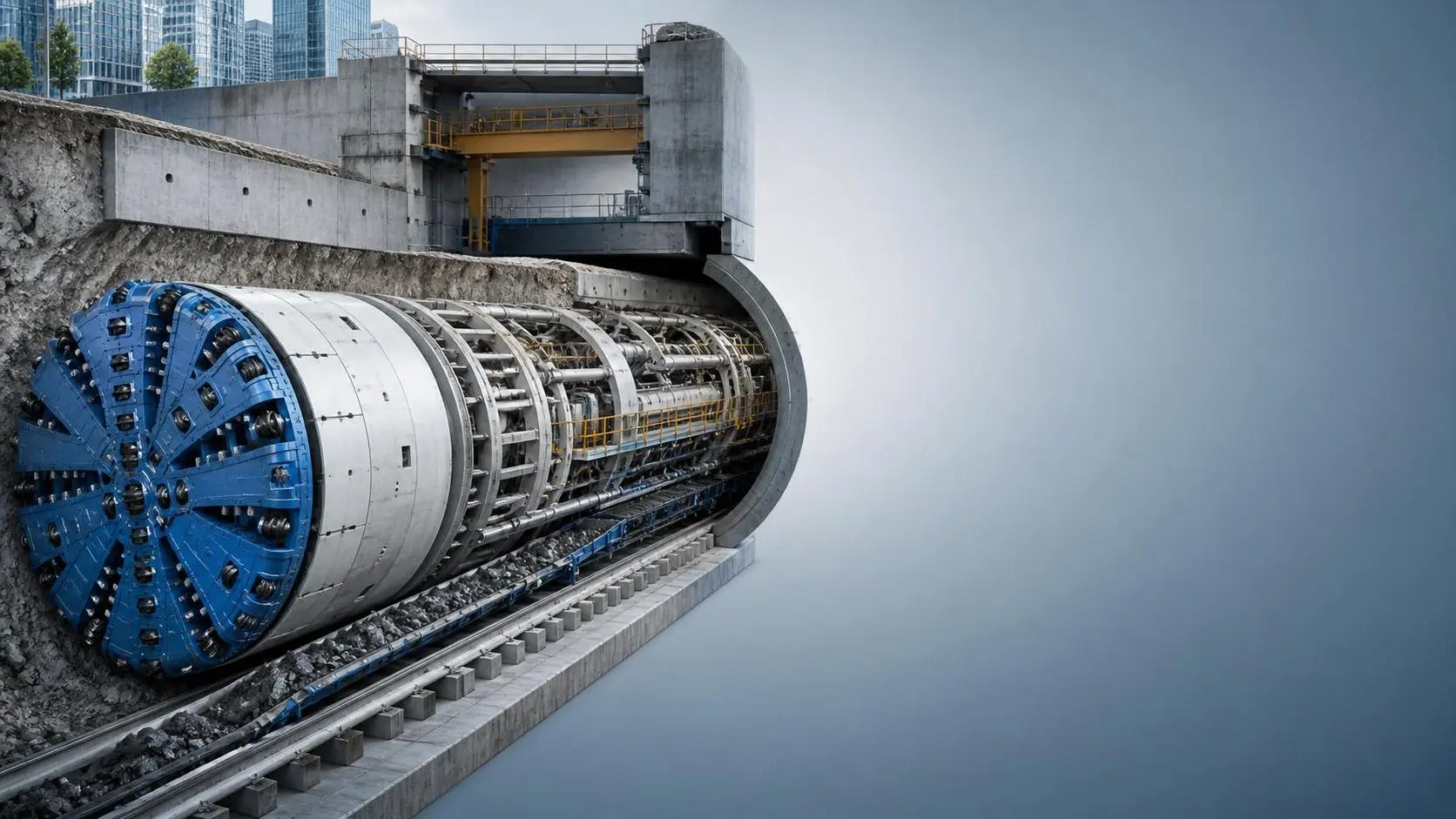
What Drives TBM Excavation Cost in Urban Tunneling Projects?
tbm excavation cost in urban tunneling depends on geology, shafts, segment lining, logistics, and risk. Discover the key cost drivers and compare bids with greater confidence.
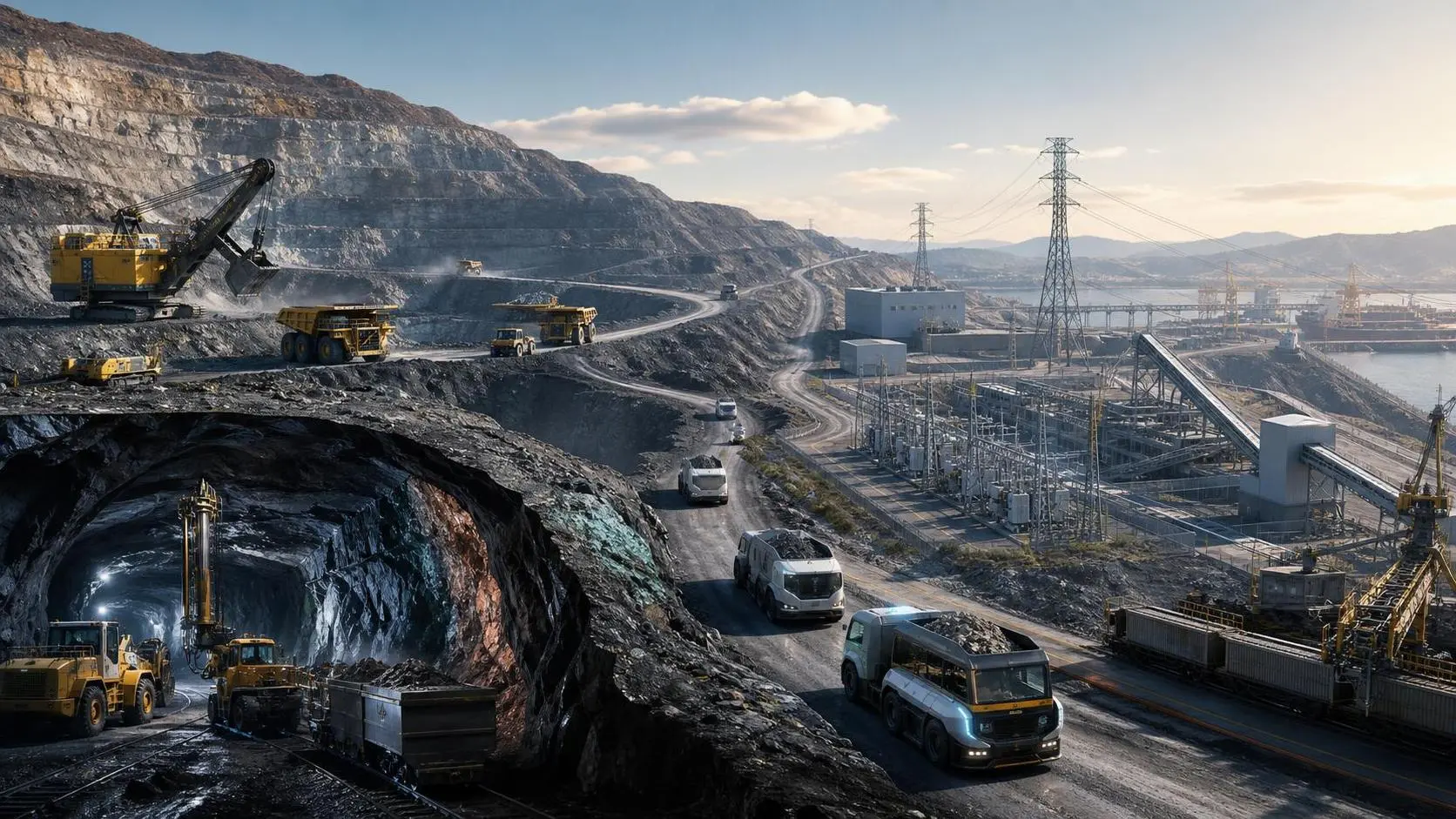
What Does Energy Metals Mining in Australia Mean for Supply, Cost, and Project Risk?
Energy metals mining Australia is reshaping supply, cost, and project risk. Discover what it means for buyers, investors, and operators.
Related News
- 00
0000-00
What Should a Mine Decarbonization Roadmap Include to Cut Emissions Without Hurting Output? - 00
0000-00
How to Evaluate Underground Mine Automation Companies for Safety and ROI - 00
0000-00
How to Evaluate Underground Haulage Systems for Ore Output, Ramp Grade, and Ventilation Limits - 00
0000-00
How to Evaluate a Pipe Jacking Equipment Distributor for Project Support and Uptime - 00
0000-00
How to Build a Mining Decarbonization Strategy That Balances Emissions, Cost, and Fleet Reality
Weekly Insights
Stay ahead with our curated technology reports delivered every Monday.