
Choosing an Underground Mining Truck Supplier for Steep Ramps and Low Ventilation





Choosing an Underground Mining Truck Supplier for Steep Ramps and Low Ventilation
Selecting an underground mining truck supplier for steep ramps and low-ventilation environments is a project decision with consequences well beyond the purchase price. A truck that looks suitable on a payload sheet may still become the limiting factor in a deep mine if it loses speed on the loaded climb, overheats during repeated cycles, demands more ventilation than the mine can provide, or cannot be supported when a critical component fails underground.
For project leaders, the central question is not simply, “Which truck carries the most tonnes?” It is whether the supplier can demonstrate a haulage system that matches the mine’s actual ramp geometry, ventilation capacity, ore characteristics, shift pattern, traffic rules, and maintenance reality. In constrained underground operations, one poor assumption can affect production scheduling, energy demand, workforce exposure, and future mine-development options.
This is especially true as mines move deeper, pursue energy-transition metals, and face tighter expectations around emissions and worker exposure. The best decision process treats the truck, the ramp, the power source, the ventilation circuit, and the service model as one operating system.
Start with the Haul Cycle, Not the Brochure Payload
An underground truck’s nominal payload is only a starting point. On steep ramps, productive payload depends on the machine’s ability to climb repeatedly at a stable operating temperature, maintain controllable speed on descent, and turn safely within the mine’s clearance envelope. A supplier should be willing to assess the duty cycle rather than point only to a catalogue rating.
The project team should provide a clear haul profile: loaded and empty travel distances, average and maximum ramp grade, sustained grades, elevation change, rolling resistance assumptions, road width, turning radii, crossfall, dump-point arrangement, loading method, expected material density, and operating hours. The difference between a short ramp with intermittent steep sections and a long continuous climb can materially change drivetrain, cooling, braking, and battery requirements.
Ask potential suppliers to state their assumptions in writing. If a performance estimate depends on road conditions, ambient temperature, payload limits, or operator behaviour, those conditions should be visible. This is not an administrative detail. It prevents a common dispute later: the mine assumes rated payload at full cycle speed, while the supplier assumes a more favourable route or a lower rolling-resistance condition.
Gradeability also needs careful interpretation. A truck may be able to start on a specified grade, yet still be unsuitable for sustained loaded climbing over the full intended distance. Project teams should distinguish between startability, sustained grade performance, speed under load, and thermal reserve. The relevant result is tonnes moved per hour across the actual route, not a single maximum-gradient claim.
Braking Is a System-Level Safety Question
Steep-ramp selection often focuses on uphill traction, but downhill control deserves equal scrutiny. Loaded descents convert potential energy into heat unless the vehicle can recover or otherwise manage that energy effectively. Repeated downhill cycles can place heavy demand on retardation systems, service brakes, cooling circuits, tyres, and operator discipline.
A capable underground mining truck supplier should be able to explain the relationship between payload, descent grade, speed strategy, braking system, and heat rejection. For diesel trucks, this may involve engine braking, hydraulic retardation, or other braking arrangements depending on the machine design. For battery-electric trucks, regenerative braking may reduce friction-brake demand and return energy to the battery, but its real value depends on battery acceptance, state of charge, traction conditions, and control logic.
Do not accept “regenerative braking” as a complete answer. Ask what happens when the battery is near its permitted charge limit on a long descent, how the system transitions to mechanical braking, and how brake temperature or retarder performance is monitored. The supplier should also clarify available fail-safe braking functions, parking-brake holding capability, diagnostic alarms, and the maintenance access required to inspect braking components.
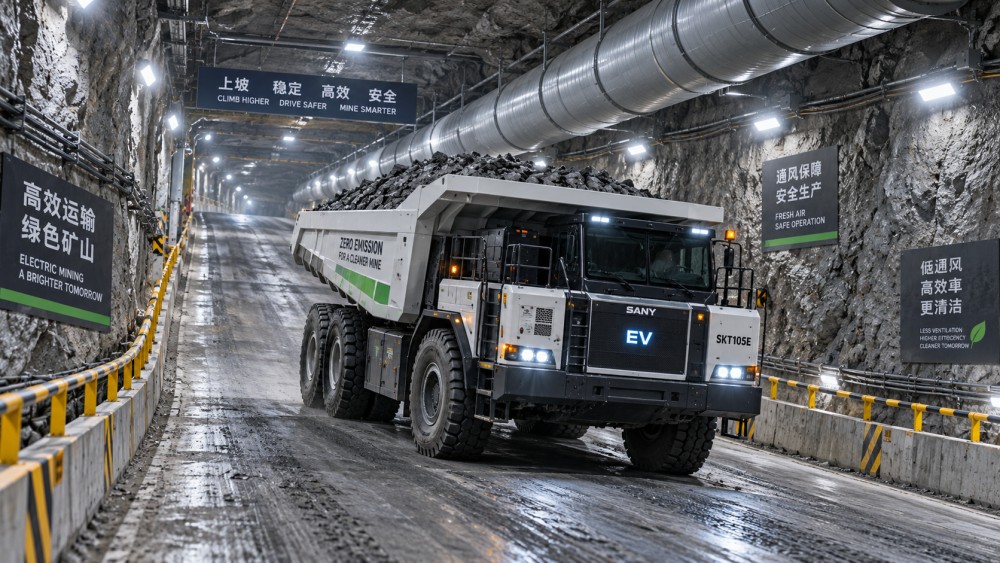
The mine’s traffic plan belongs in this review. A technically sound truck can still face avoidable risk when ramps include passing bays, mixed equipment traffic, wet surfaces, sharp bends, poor visibility, or intersections near loading and dumping areas. Vehicle selection and ramp-management rules must be aligned rather than developed by separate teams.
Low Ventilation Changes the Economics of Power Choice
Low ventilation is not merely an environmental constraint; it directly shapes the truck fleet that the mine can operate. Diesel equipment introduces heat and exhaust contaminants into a confined workplace, requiring ventilation capacity, monitoring, maintenance discipline, and operating controls. The applicable exposure requirements and ventilation rules vary by jurisdiction and mine policy, so project teams should verify local obligations rather than rely on generic claims.
Battery-electric trucks remove tailpipe emissions at the point of use, which can reduce a major ventilation burden. That does not mean ventilation, heat management, or fire planning disappear. Electric machines still generate heat, and charging or battery-swapping infrastructure introduces its own power-distribution, space, workflow, emergency-response, and maintenance considerations. The right comparison is therefore not “diesel versus electric” in isolation, but the total mine-system consequences of each choice.
For a battery-electric option, evaluate usable energy across the real duty cycle, not only battery capacity. The supplier should address loaded uphill consumption, unloaded return, regenerative opportunity on descent, auxiliary loads, battery conditioning, expected charging or swap duration, and performance in the mine’s temperature range. Where battery swapping is proposed, ask how many packs are needed to keep the fleet moving, where packs are stored, how change-out occurs without creating a bottleneck, and which party owns the availability risk.
Diesel may remain practical where electrical infrastructure is limited, development is temporary, or operating patterns make charging difficult. Yet a decision based only on lower initial capital can overlook ventilation expansion, fuel logistics, heat load, and the productivity constraints created by air-quality management. A supplier that presents both the advantages and the boundaries of its powertrain option is usually more useful than one that treats electrification as a universal answer.
Thermal Management Must Be Proven in Repeated Operation
Heat is one of the most underestimated risks in deep underground haulage. Long loaded climbs, high ambient rock temperatures, restricted airflow, wet or dusty conditions, and closely spaced equipment can combine to reduce thermal margin. An individual test cycle may look acceptable while sustained production exposes cooling limitations.
Request a technical discussion of the cooling architecture for the proposed configuration: traction system, engine or electric drive, hydraulics, braking components, battery system where applicable, and cabin environment. The purpose is not to dictate a design, but to understand whether the supplier has modelled the mine’s conditions and how derating, alarms, and protective controls affect production. A truck that protects itself by sharply limiting power may remain safe, but it can undermine cycle-time assumptions if that behaviour was not anticipated in the plan.
Maintenance access is part of thermal reliability. Filters, radiators, coolers, hoses, sensors, and electrical connections need inspection in a mine environment where dust, mud, vibration, and corrosion are routine. Suppliers should explain recommended cleaning intervals, likely consumables, diagnostic tools, and the practical time needed for routine work. A remote monitoring platform can help identify abnormal temperature trends, but it does not replace a maintainable machine or trained technicians.
Compare Suppliers on Evidence, Integration, and Support
A robust evaluation should test suppliers against the same mine-specific brief. Technical comparisons become unreliable when one bidder uses dry, smooth-road assumptions and another uses conservative resistance values, or when only one proposal includes charging infrastructure, operator training, fleet telemetry, and commissioning support.
Service capability is often decisive in remote or technically demanding mines. Confirm the supplier’s local or regional support structure, parts lead times, field-service coverage, escalation route, and training offer. It is reasonable to ask which critical components are likely to require strategic spares, but avoid assuming that a supplier’s global reputation automatically guarantees local responsiveness.
Digital capability also warrants a practical review. Fleet-management data, payload monitoring, operator-assistance functions, and condition monitoring can be valuable when they help supervisors identify congestion, overload, braking events, or developing faults. However, the mine should establish data ownership, connectivity constraints, cybersecurity responsibilities, and integration requirements before depending on a supplier platform. Autonomous or remotely operated haulage may be relevant for future phases, but it should be assessed against roadway design, communication coverage, operating rules, and the maturity of the wider mine system.
Avoid the Lowest-Cost Trap
The lowest truck price can become the highest project cost when it leads to more units, larger ventilation demand, lower ramp speed, frequent heat-related interruptions, or an oversized maintenance burden. Conversely, a technically advanced truck can be a poor investment if the mine cannot support its electrical infrastructure, software environment, or specialist maintenance requirements.
A useful commercial comparison separates capital expenditure from operating consequences. Model the likely fleet size, utilisation assumptions, energy or fuel needs, ventilation impact, tyre and brake wear exposure, infrastructure additions, planned maintenance, critical spares, training, and expected production sensitivity. These values should be treated as decision assumptions to test, not as guarantees supplied by either party.
It is also wise to stage the commitment where the project schedule permits. A technical workshop, route simulation, site survey, or monitored trial can reveal issues that are difficult to resolve in a tender document. The aim is not to delay procurement indefinitely; it is to make the selected configuration defensible before fleet deployment locks in road, ventilation, and power decisions.
Make the Selection Part of Mine-System Planning
Underground haulage sits at the intersection of geology, mine design, ventilation, energy, maintenance, and production control. This is why truck procurement should involve more than purchasing and equipment engineering. Ventilation engineers, electrical teams, geotechnical and road-maintenance personnel, operations leaders, safety specialists, and workshop planners all see different parts of the risk.
UTMD follows this wider perspective across underground transport, drilling, tunnelling, and mechanised excavation. Its Strategic Intelligence Center examines how equipment choices interact with confined-space emissions, rock conditions, digital mine systems, and the shift toward electrified haulage. For truck selection, that systems view is more valuable than treating the vehicle as an isolated asset.
Before awarding a contract, require a final review of the proposed truck against the actual ramp profile, descent strategy, ventilation plan, power or fuel infrastructure, maintenance layout, emergency procedures, and commissioning schedule. An underground mining truck supplier should be able to engage with those questions directly. If the answers remain vague, the risk is not simply a weaker proposal—it may be an incomplete understanding of the mine that the truck must serve.
Related News
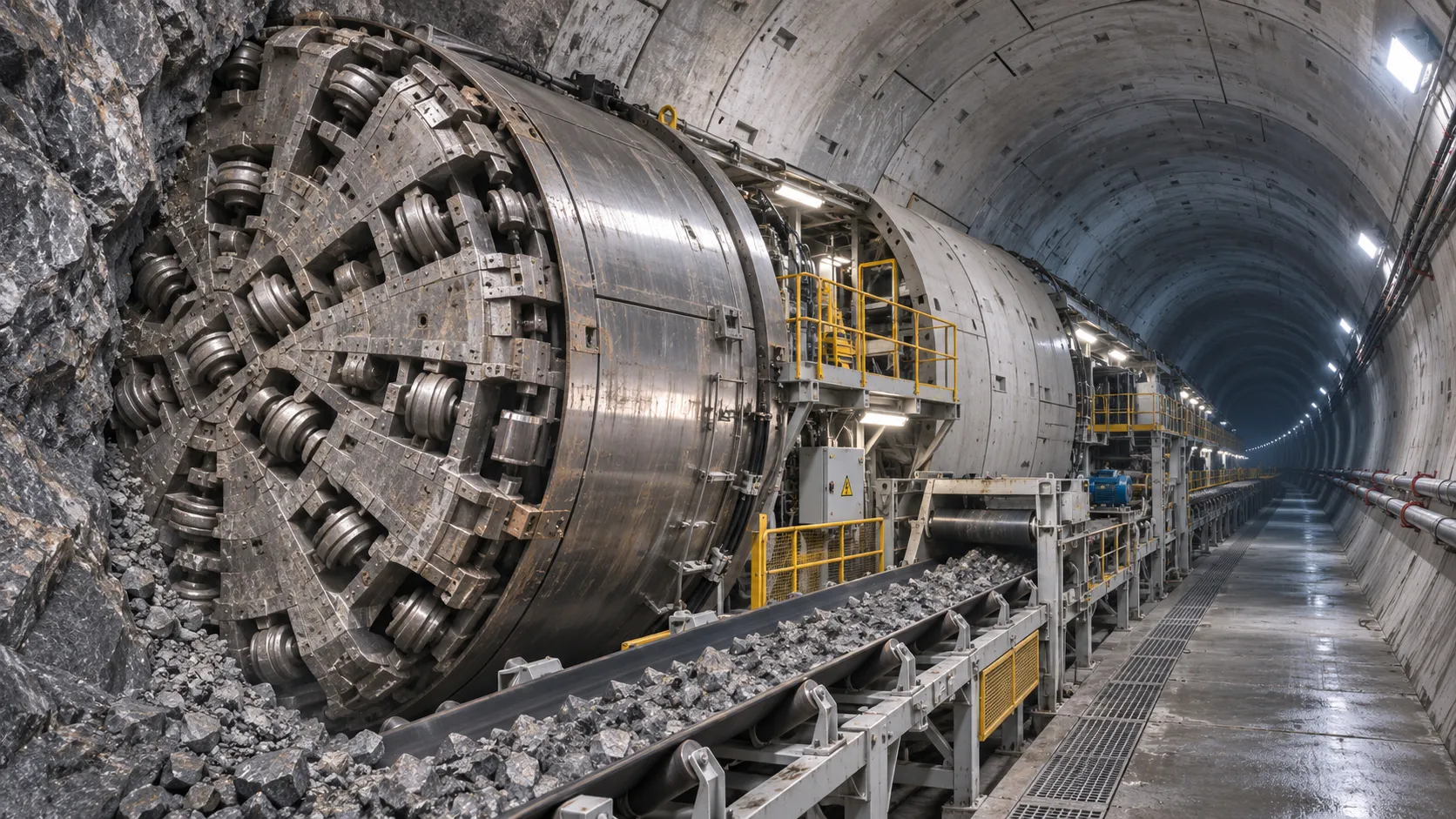
How TBM Excavation Works in Rock and Soft Ground: A Practical Guide
TBM Excavation in rock and soft ground explained: compare machine types, ground support, spoil removal, and the factors that guide smarter project planning.
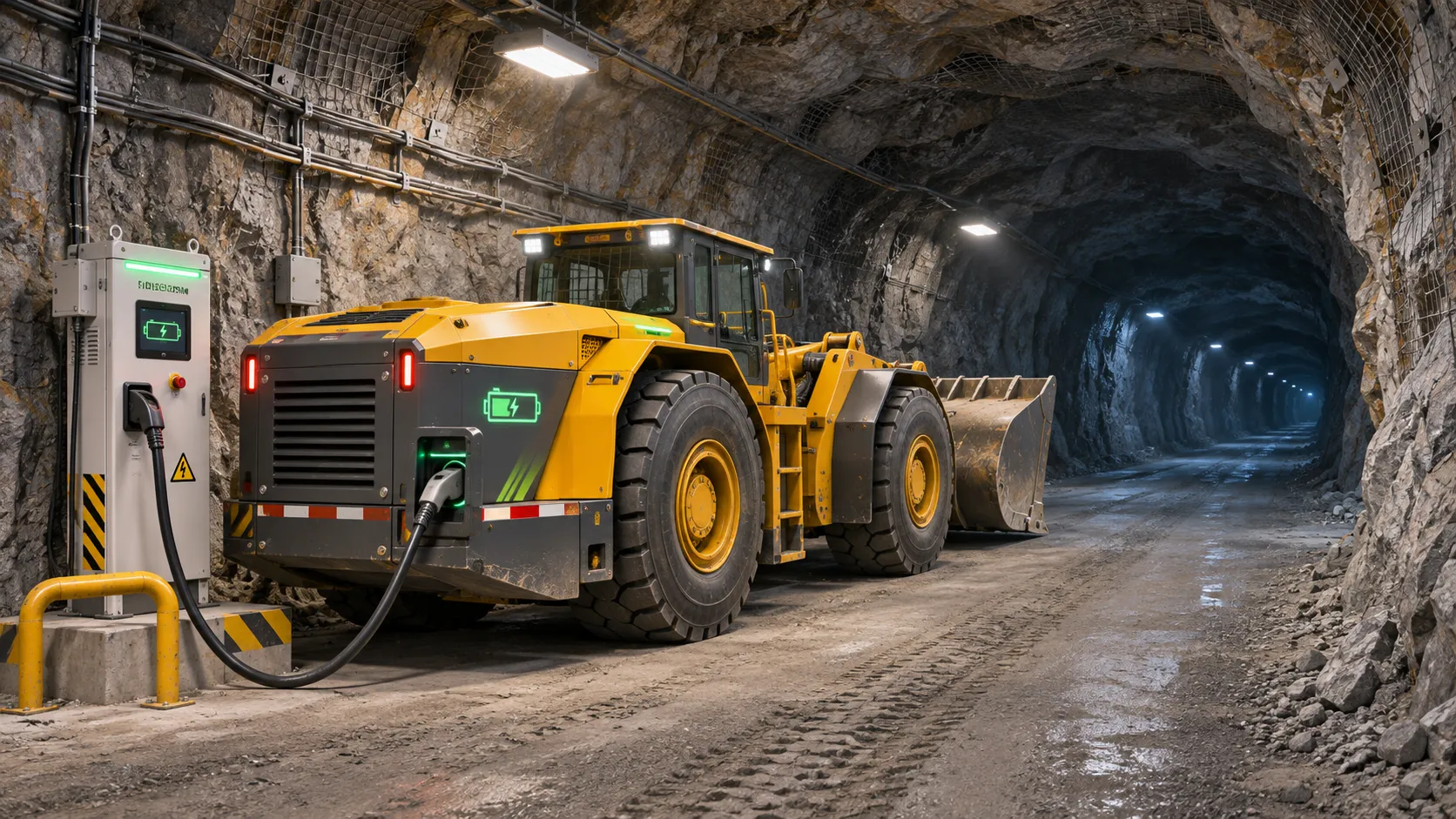
Choosing a Zero-Emission Underground Equipment Supplier: What to Check
Choosing a zero emission underground equipment supplier? Compare duty-cycle performance, charging, safety, total costs and support before you commit.
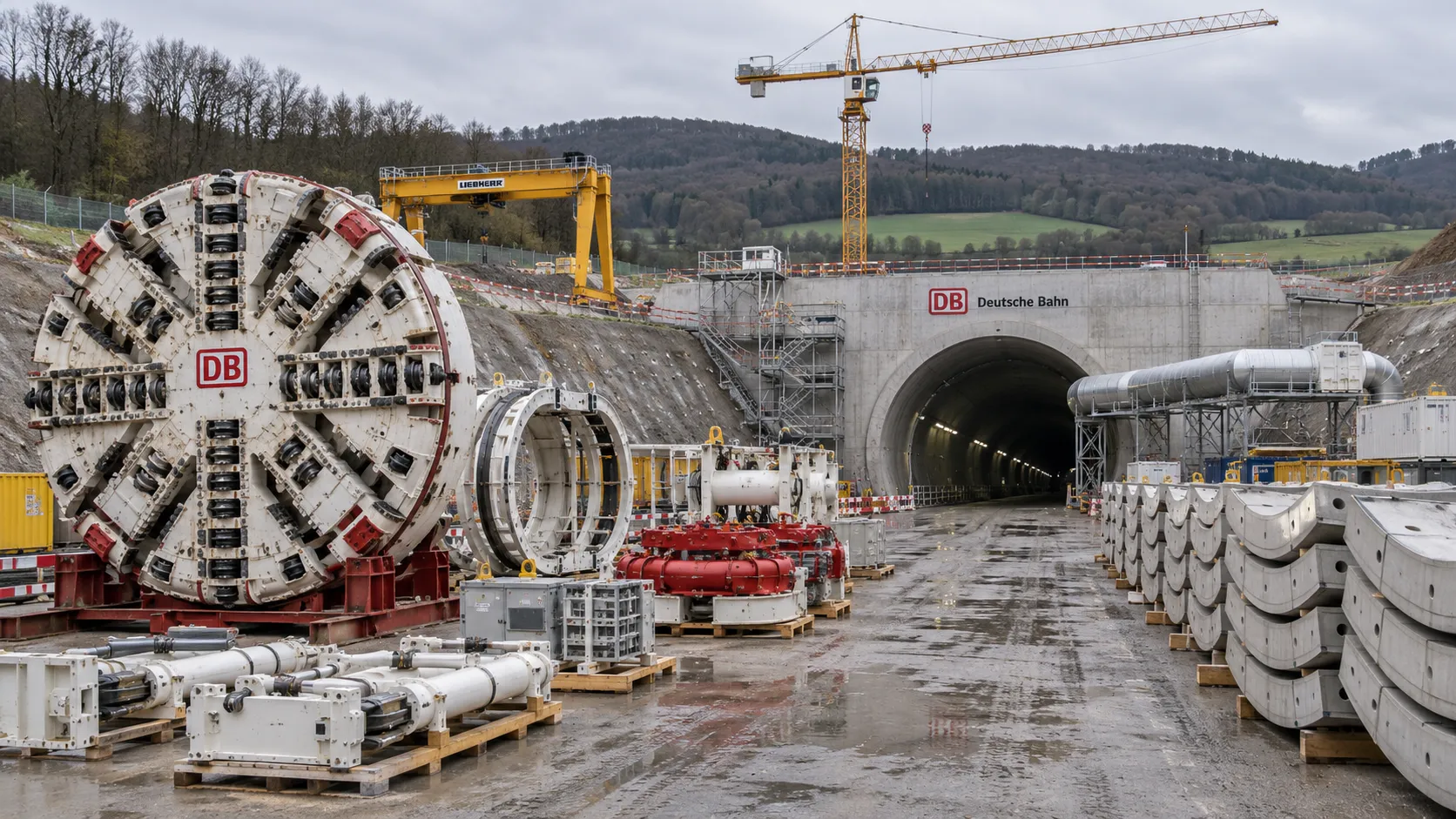
Construction Starts on Germany's Pfaffensteig Rail Tunnel, With Two TBMs Planned
Pfaffensteig rail tunnel construction is underway in Germany. Discover how two planned TBMs will support the 11-kilometre project near Stuttgart.
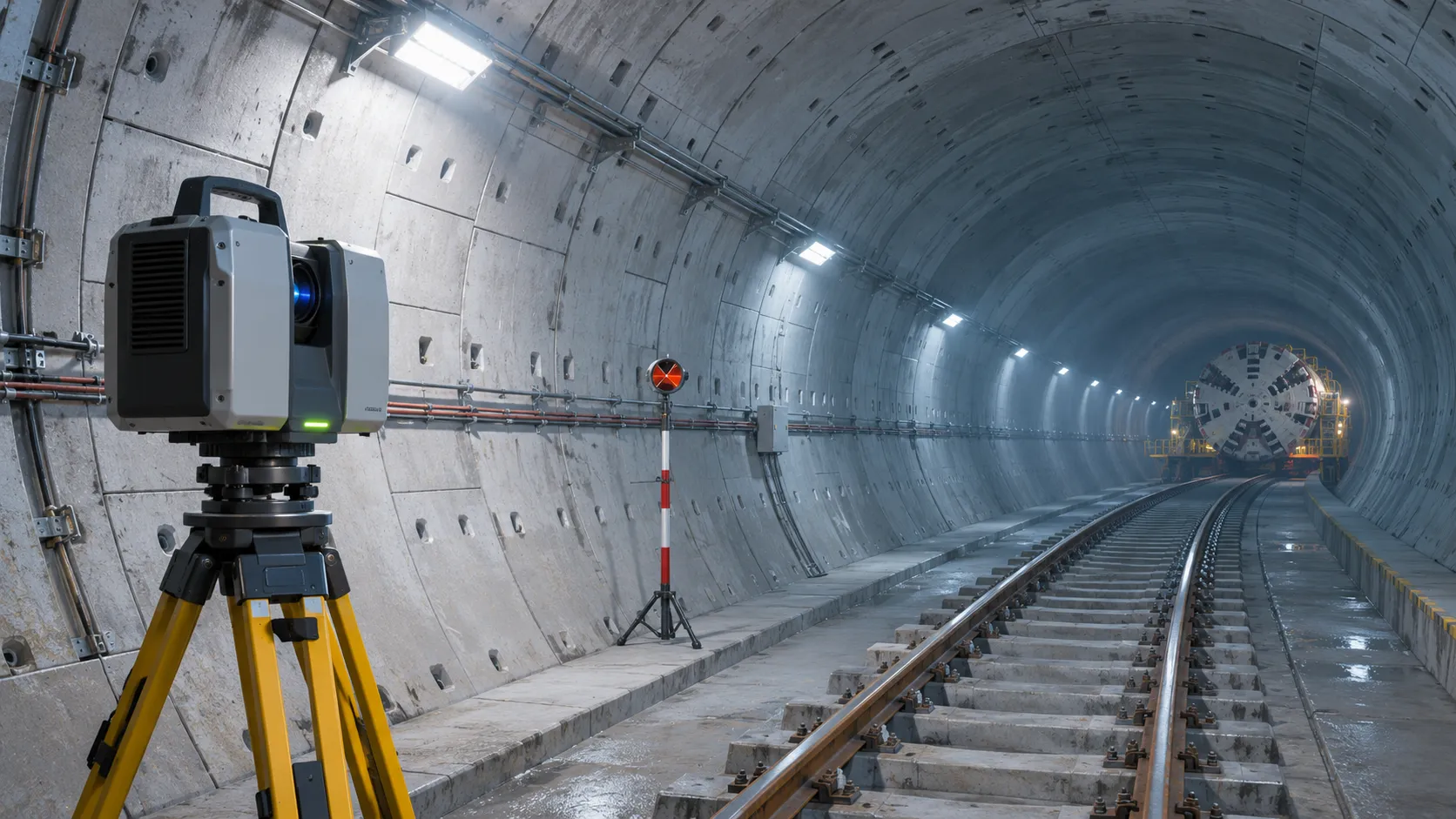
How Real-Time Underground Mapping Systems Work in Tunneling
Discover how real-time underground mapping systems guide tunneling teams, integrate sensor data, and support confident decisions with verified accuracy.
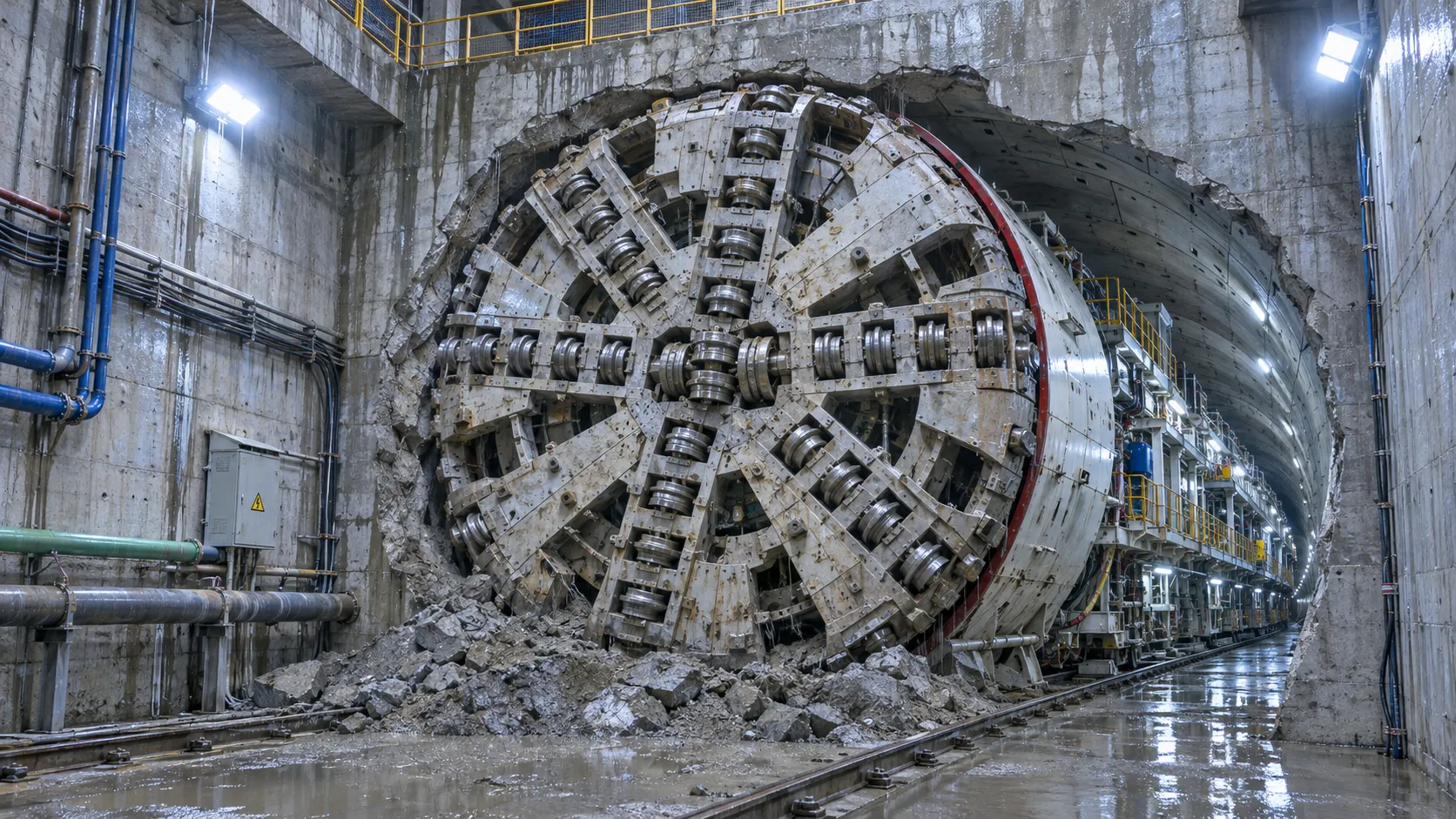
First Mechanized Tunnel Crossing Beneath the Panama Canal Completed
Panama Canal tunnel crossing: Explore the reported Metro Line 3 milestone and what it could mean for future underwater tunneling projects.
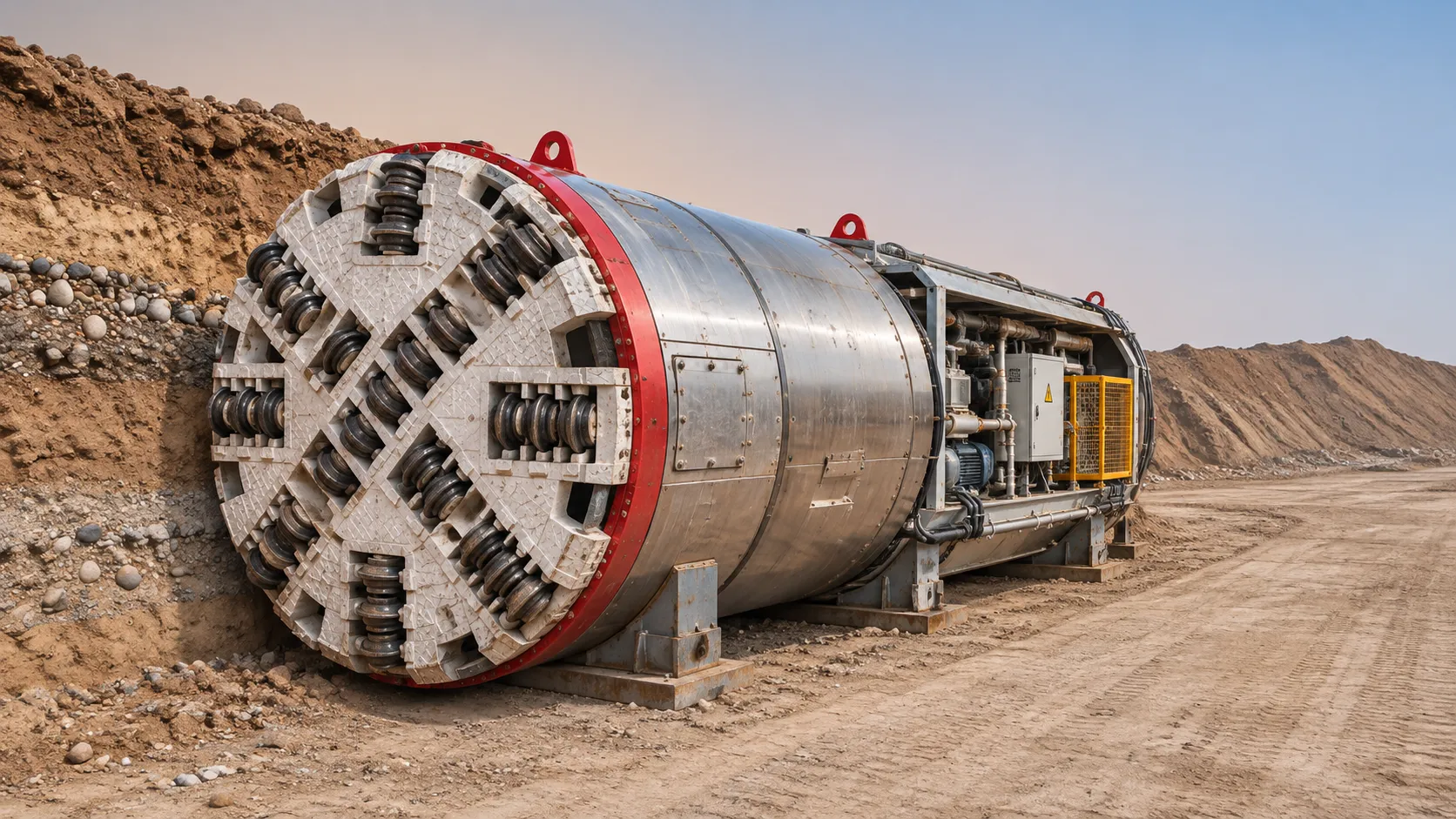
Underground Utility Construction Equipment: Choosing by Ground Conditions
Choose underground utility construction equipment with confidence. Compare trenching, HDD, microtunnelling and TBMs by ground conditions, risk and cost.
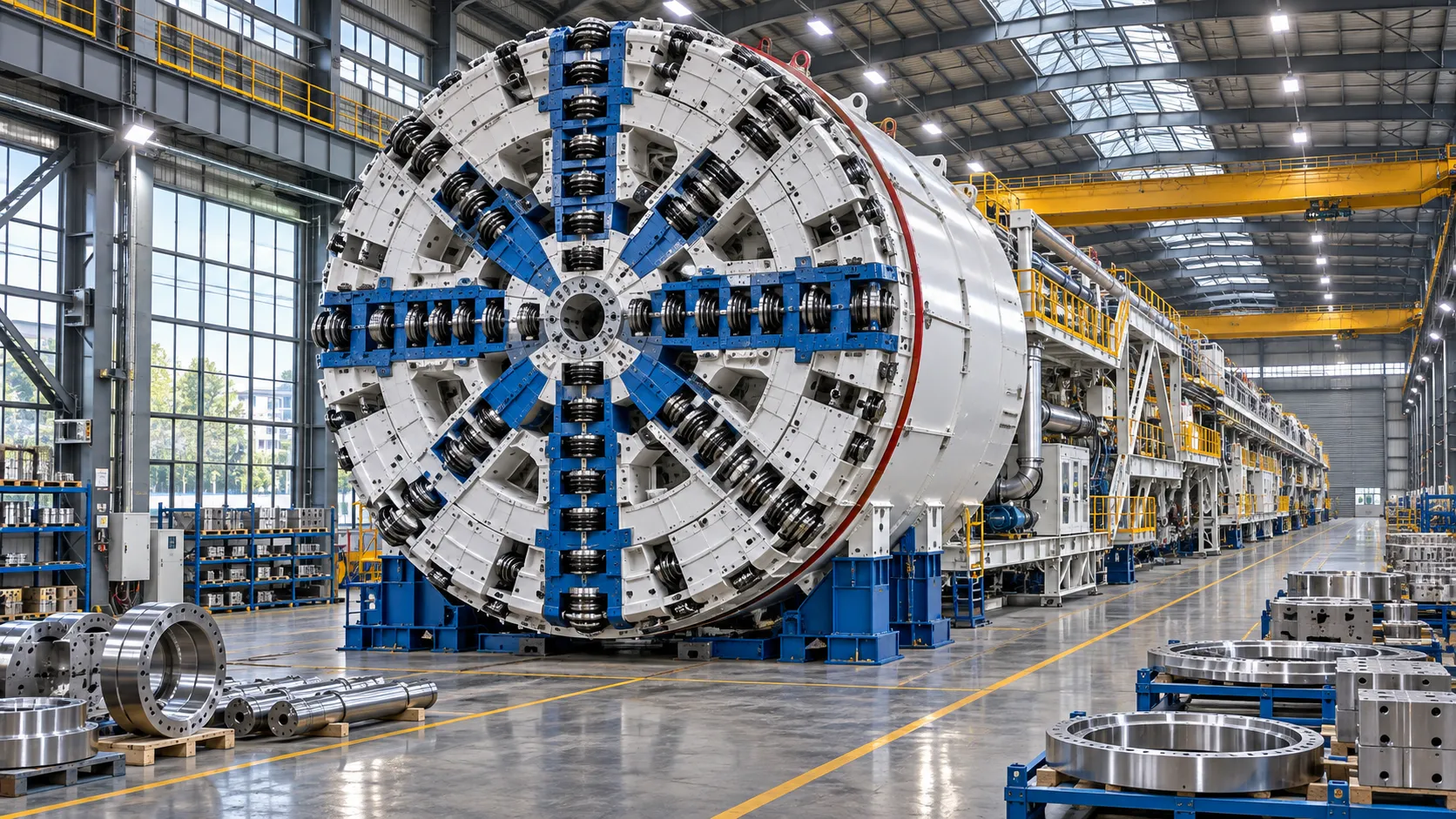
China Sets Tunnel Boring Machine Export Controls as India Pushes Local Production
China tunnel boring machine export controls could reshape procurement as India pushes local production. Explore potential supply and project impacts.
Choosing a Trenchless Pipeline Installation Contractor: Key Qualifications
Choose a trenchless pipeline installation contractor with confidence. Learn how to assess experience, equipment, safety, costs, and project risks before you hire.
China's 70% TBM Share and Export Controls Challenge India's Local Production
China's TBM export controls could challenge India's local production and infrastructure sourcing. Explore the potential risks and procurement options.
Related News
- 00
0000-00
How TBM Excavation Works in Rock and Soft Ground: A Practical Guide - 00
0000-00
Choosing a Zero-Emission Underground Equipment Supplier: What to Check - 00
0000-00
Construction Starts on Germany's Pfaffensteig Rail Tunnel, With Two TBMs Planned - 00
0000-00
How Real-Time Underground Mapping Systems Work in Tunneling - 00
0000-00
First Mechanized Tunnel Crossing Beneath the Panama Canal Completed
Weekly Insights
Stay ahead with our curated technology reports delivered every Monday.