
Digital Underground Construction Platform: Which Data and Workflow Features Matter Most?





A digital underground construction platform is no longer a niche reporting tool. In tunnelling, trenchless works, and mining, it has become a control layer for equipment, workflows, risk, and capital visibility.
That shift matters because underground projects now combine automation, electrification, remote operations, and tighter ESG expectations. When assets are expensive and delays are costly, fragmented data quickly becomes an operational weakness.
For organizations tracking TBMs, pipe jacking systems, drilling jumbos, mining dump trucks, and underground LHD loaders, the real question is not whether to digitize. It is which data and workflow features actually improve execution.
What the platform should really do
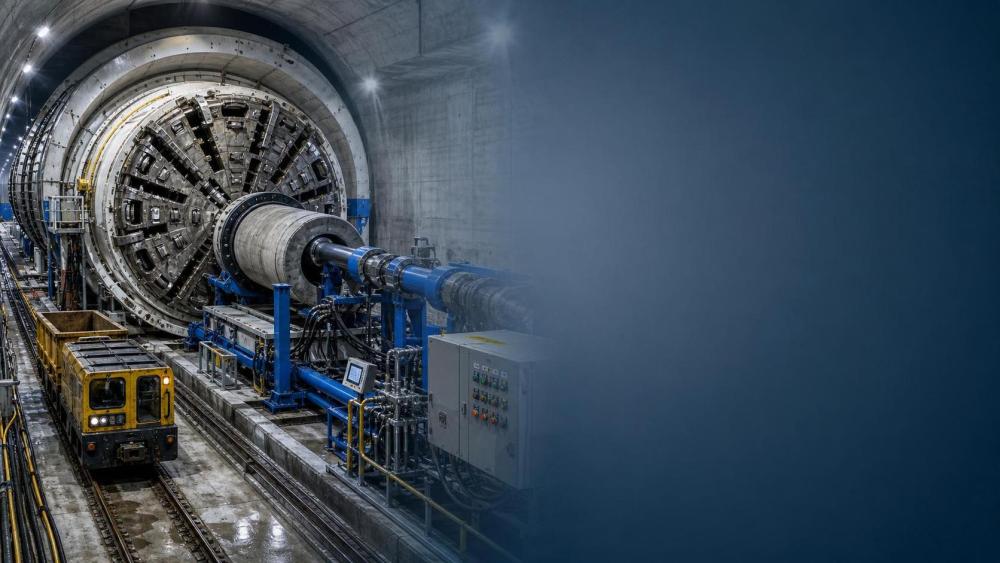
At a basic level, a digital underground construction platform connects field activity with management decisions. It should turn machine signals, crew updates, maintenance records, and planning data into one working picture.
That sounds simple, but underground operations are rarely simple. Rock conditions change. Ventilation limits access. Haulage routes shift. Consumables wear unpredictably. A useful platform must handle those realities without forcing teams into artificial reporting routines.
The strongest systems do more than show dashboards. They coordinate production, maintenance, safety, and compliance across the full asset chain, from cutterhead performance to battery usage and shift-by-shift material movement.
Why this matters now
Underground engineering has entered a period where operational complexity is rising faster than traditional oversight methods can manage. That is especially visible in mega-tunnels, municipal trenchless programs, and smart mine expansion.
UTMD’s industry lens makes this clear. Full-face TBMs, pipe jacking machines, drilling jumbos, autonomous mining trucks, and battery-based LHD fleets now generate large volumes of machine and process data.
At the same time, boards and project sponsors expect higher reliability, lower emissions, and better asset utilization. Those expectations cannot be met through spreadsheets, disconnected SCADA screens, and delayed site reporting alone.
A digital underground construction platform becomes valuable when it helps compare geology, production, maintenance burden, energy use, and schedule exposure in near real time.
The data features that deserve priority
Not every data point has strategic value. The platform should prioritize information that changes operational decisions, not just data that looks impressive in a demo.
Equipment health and performance context
Raw telemetry is not enough. A TBM disc cutter temperature trend matters more when linked with rock class, advance rate, torque load, and maintenance history.
The same applies to pipe jacking thrust pressure, jumbo drilling deviation, EV truck regenerative braking performance, and LHD battery-swap intervals. Context turns readings into operational intelligence.
Location and progress integrity
Underground work often suffers from inconsistent progress reporting. A reliable digital underground construction platform should reconcile planned headings, actual advance, installed support, hauled tonnage, and completed cycles.
Where mobile fleets are involved, positioning data becomes critical. In advanced operations, SLAM-enabled location data can strengthen route analysis, congestion control, and utilization tracking.
Maintenance intelligence, not just maintenance logs
A platform should highlight failure patterns before downtime spreads across the schedule. That means linking work orders, spare parts, condition monitoring, technician response time, and lost production impact.
This is particularly important where replacement demand is growing under electrification and ESG pressure. New assets bring new service models, and the data structure must reflect that.
Energy, emissions, and ventilation-sensitive metrics
In confined underground spaces, power use is not only a cost issue. It affects ventilation loads, battery scheduling, charging windows, and compliance performance.
A strong digital underground construction platform should show where energy intensity is rising, where zero-emission assets are underperforming, and how that affects system-wide efficiency.
Workflow features that separate useful systems from passive dashboards
Data alone rarely fixes coordination problems. The platform must also support the way underground work is planned, approved, executed, and reviewed.
- Shift handover tools that preserve unresolved issues, equipment restrictions, and changed site conditions.
- Exception-based alerts that focus attention on delays, abnormal wear, route conflicts, and safety-critical deviations.
- Integrated task workflows for inspections, permits, maintenance approvals, and production follow-up.
- Document control that ties drawings, method statements, and geotechnical updates to active work zones.
- Role-based views so executives, project controls, and site operations can act from the same source without information overload.
These features matter because underground disruption often begins as a coordination problem. The issue may appear mechanical, but the root cause can be unclear ownership, delayed escalation, or poor visibility across teams.
How priorities differ by operating scenario
The best digital underground construction platform is not identical for every operation. Feature priorities should follow the asset mix, production method, and risk profile.
This is where industry intelligence becomes useful. A platform strategy informed by evolving TBM wear models, underground autonomy algorithms, and EV haulage behavior is usually stronger than a generic software rollout.
Common mistakes in platform selection
Many programs underperform because the selection process starts with visualization and ends before operational design is settled. A polished interface does not guarantee usable control logic.
Several mistakes appear repeatedly:
- Choosing a system that cannot integrate OEM machine data cleanly.
- Treating maintenance, production, and safety workflows as separate digital islands.
- Ignoring data governance, naming standards, and timestamp consistency.
- Buying for headline AI features before building reliable operational data foundations.
- Failing to measure adoption at shift level, where platform value is either created or lost.
A digital underground construction platform should be judged by decision quality, response speed, and reliability gains. Those outcomes matter more than dashboard volume.
A practical way to evaluate the next move
A sensible starting point is to map three layers together: critical assets, high-cost workflow failures, and the data needed to detect them early.
That usually reveals whether the first priority is TBM performance correlation, trenchless alignment control, jumbo cycle visibility, or electrified fleet coordination.
From there, compare platform options against integration depth, workflow usability, analytics relevance, and scalability across sites. This makes the evaluation commercial as well as technical.
For organizations following UTMD’s view of the sector, the most effective digital underground construction platform is one that connects rock mechanics, machine behavior, zero-emission requirements, and operating discipline in one decision environment.
The next step is not to collect more dashboards. It is to define which underground decisions need faster, better evidence, then select a platform built to support those exact moments.
Related News
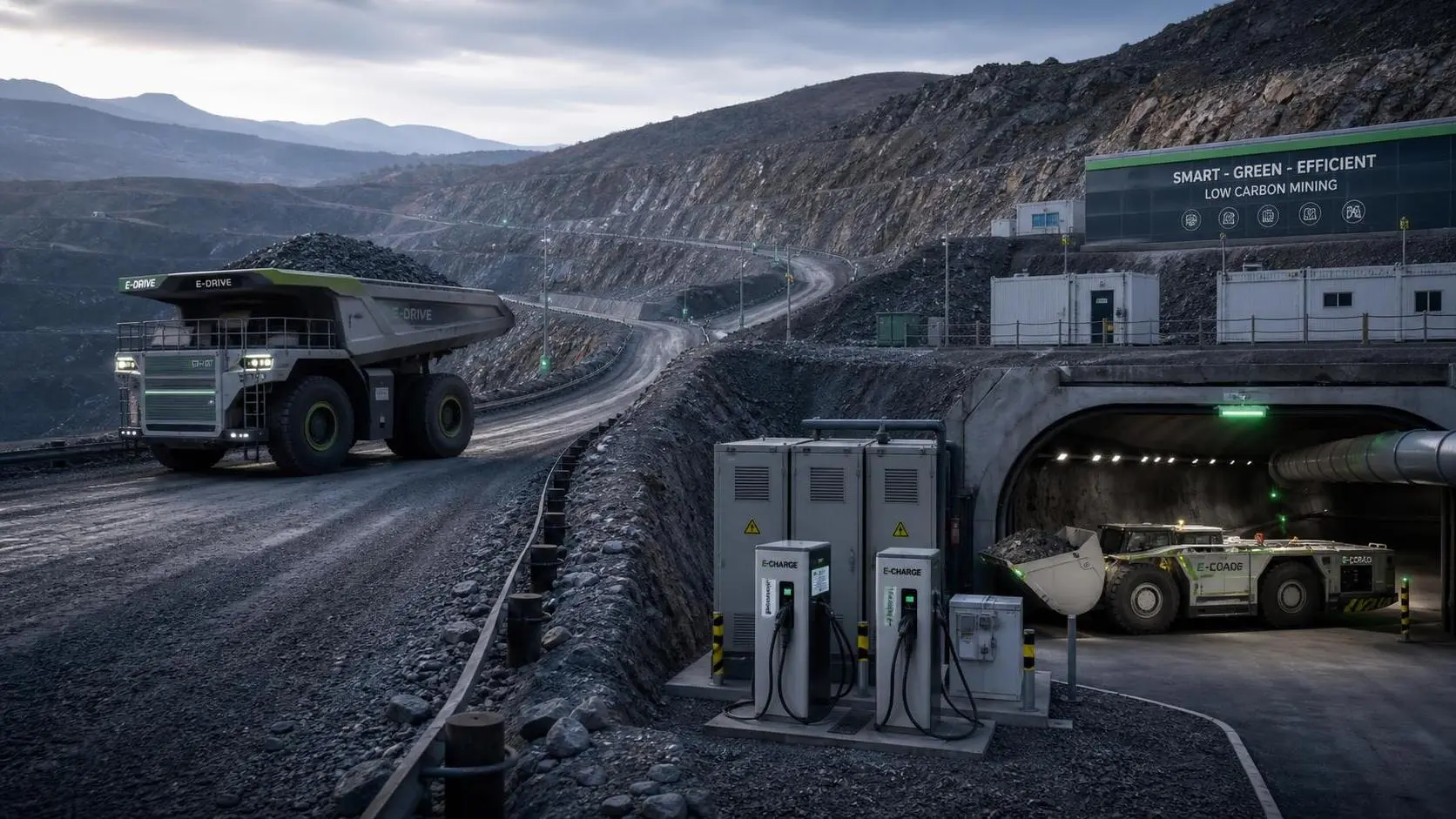
How to Build a Mining Decarbonization Strategy That Balances Emissions, Cost, and Fleet Reality
Mining decarbonization strategy starts with fleet reality. Learn how to cut emissions, control cost, and align power, ventilation, and production for a practical mine transition.
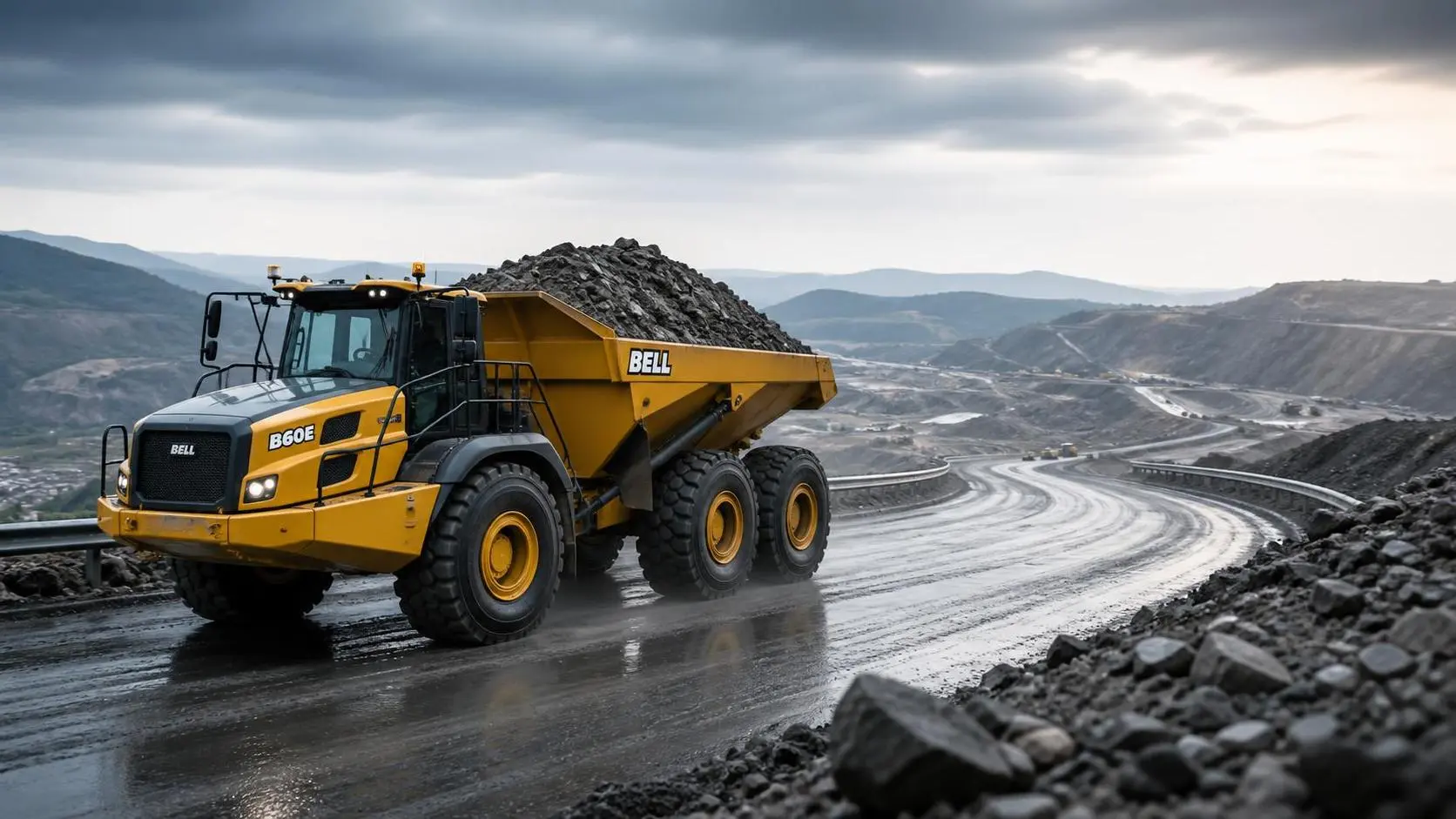
How to Evaluate Articulated Dump Trucks Payload for Haul Road Conditions and Cycle Efficiency
Articulated Dump Trucks payload evaluation starts with real haul road conditions, not brochure numbers. Learn how to balance payload, traction, grades, and cycle efficiency for safer, higher output.
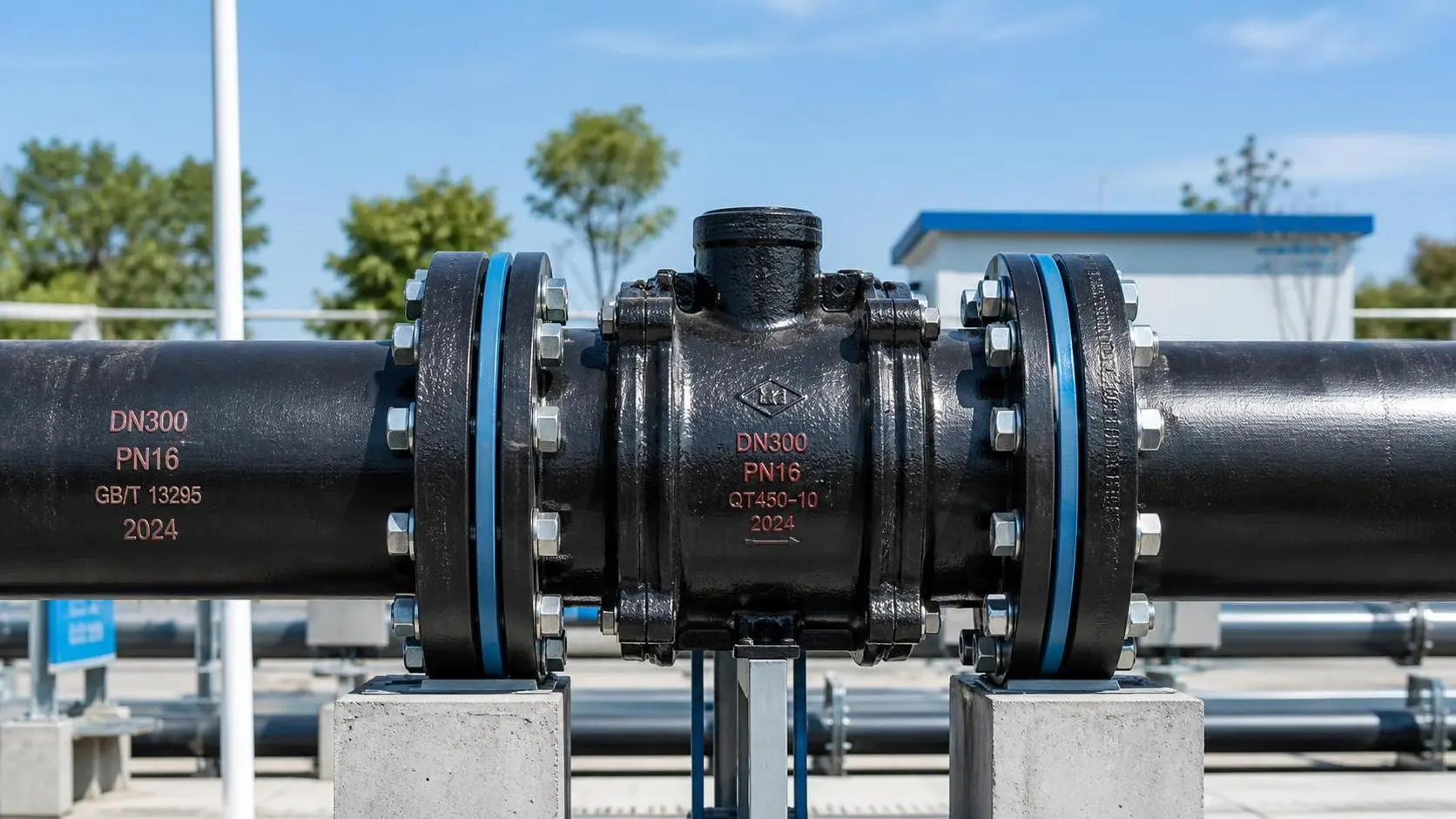
How Pipe Fittings Material and Pressure Class Affect Water Line Selection
Pipe fittings selection starts with material and pressure class. Learn how these factors affect water line reliability, corrosion resistance, installation, and long-term cost.
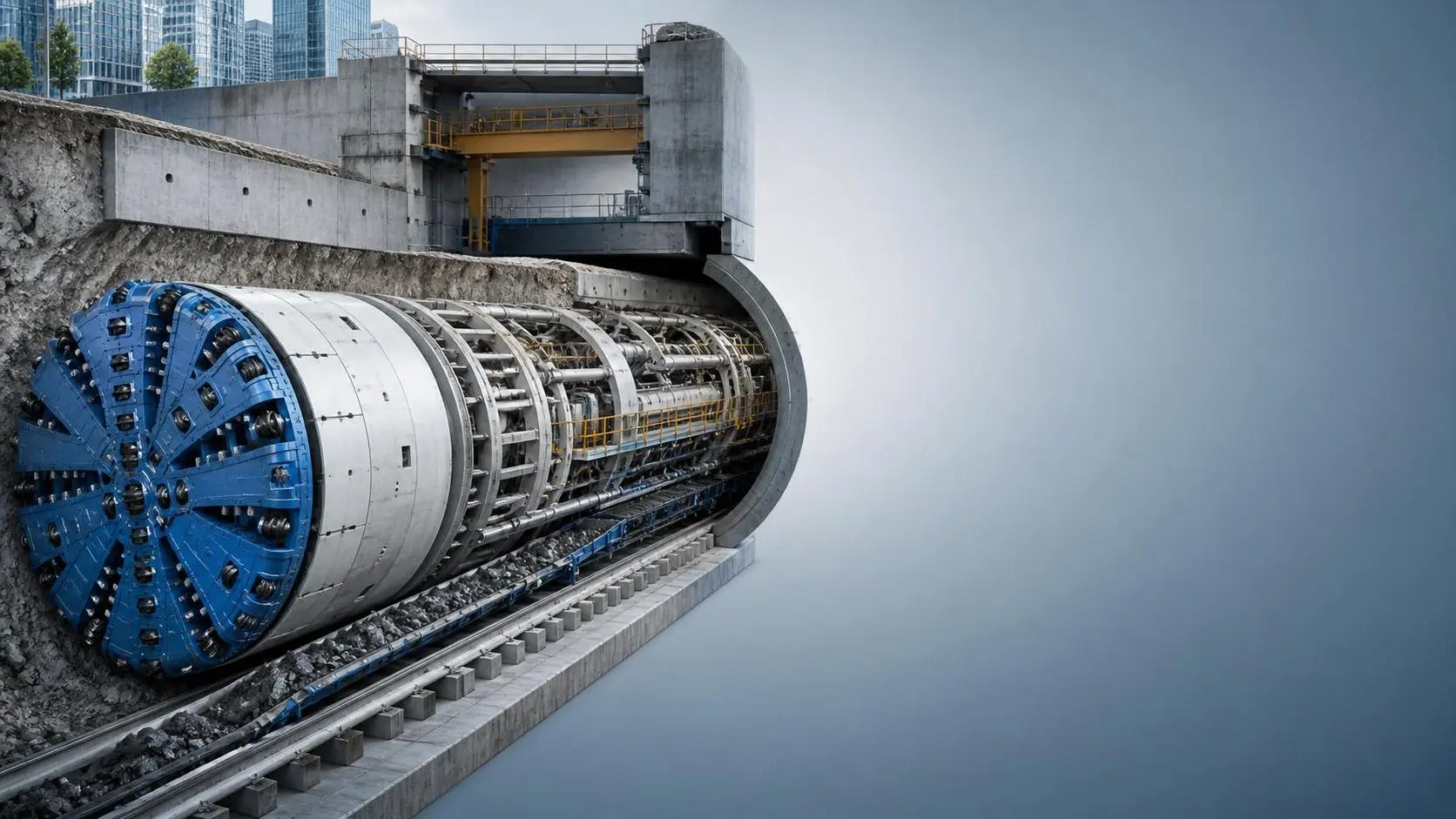
What Drives TBM Excavation Cost in Urban Tunneling Projects?
tbm excavation cost in urban tunneling depends on geology, shafts, segment lining, logistics, and risk. Discover the key cost drivers and compare bids with greater confidence.
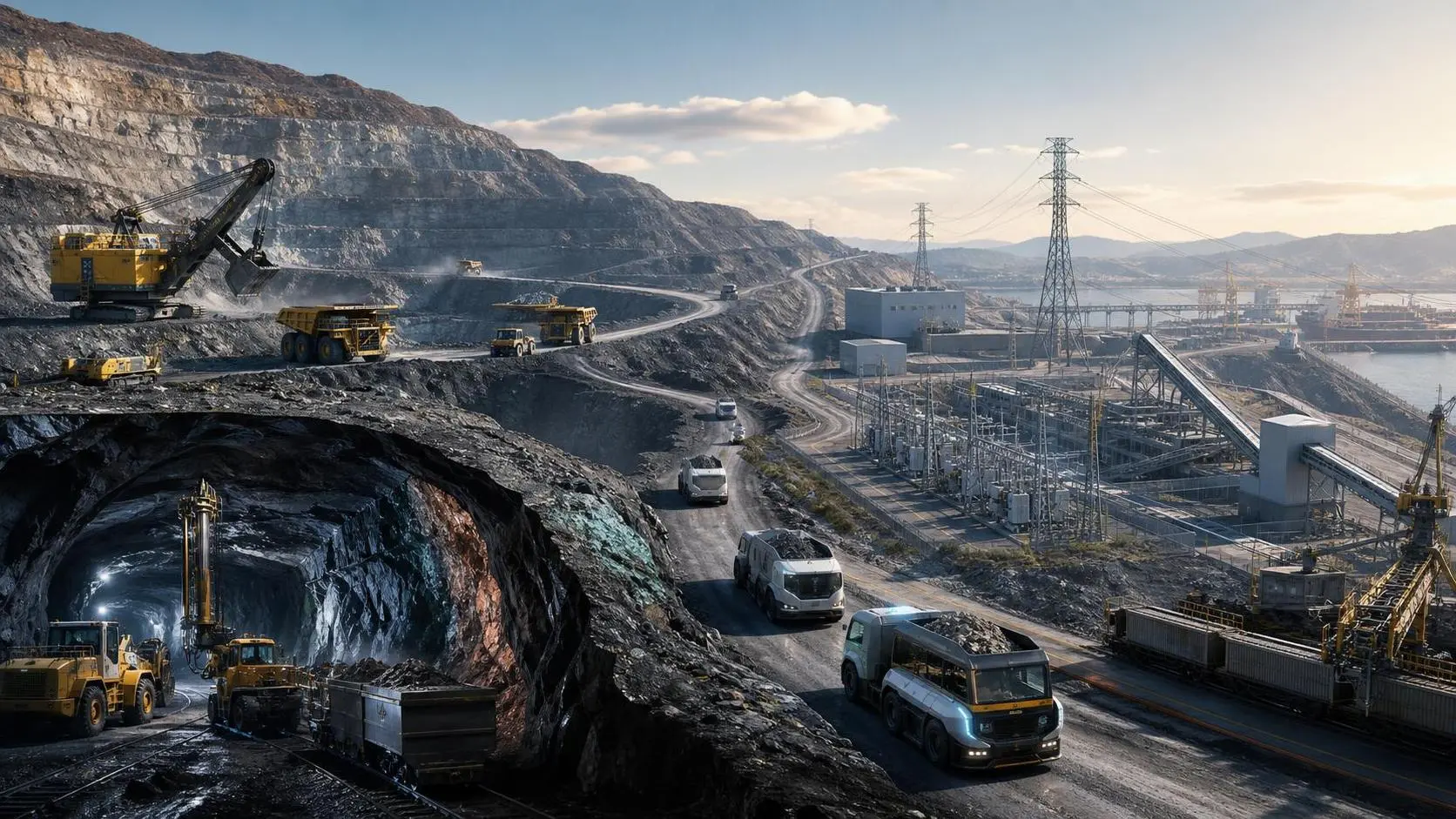
What Does Energy Metals Mining in Australia Mean for Supply, Cost, and Project Risk?
Energy metals mining Australia is reshaping supply, cost, and project risk. Discover what it means for buyers, investors, and operators.
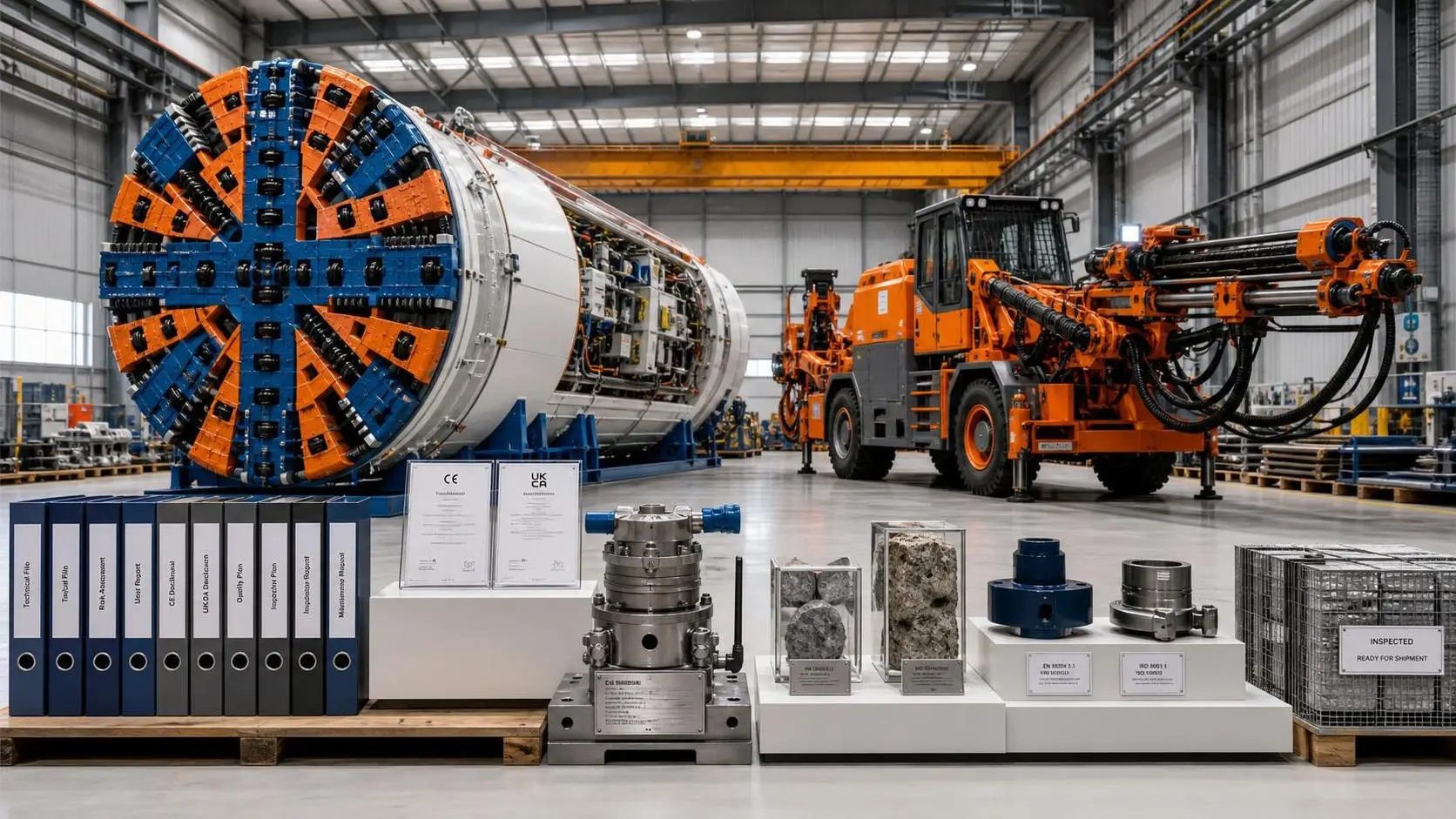
EU Eases Dual CE and UKCA Path for Chinese Tunnel Boring Equipment
EU eases CE and UKCA certification for Chinese tunnel boring equipment, cutting compliance time and helping importers move faster.
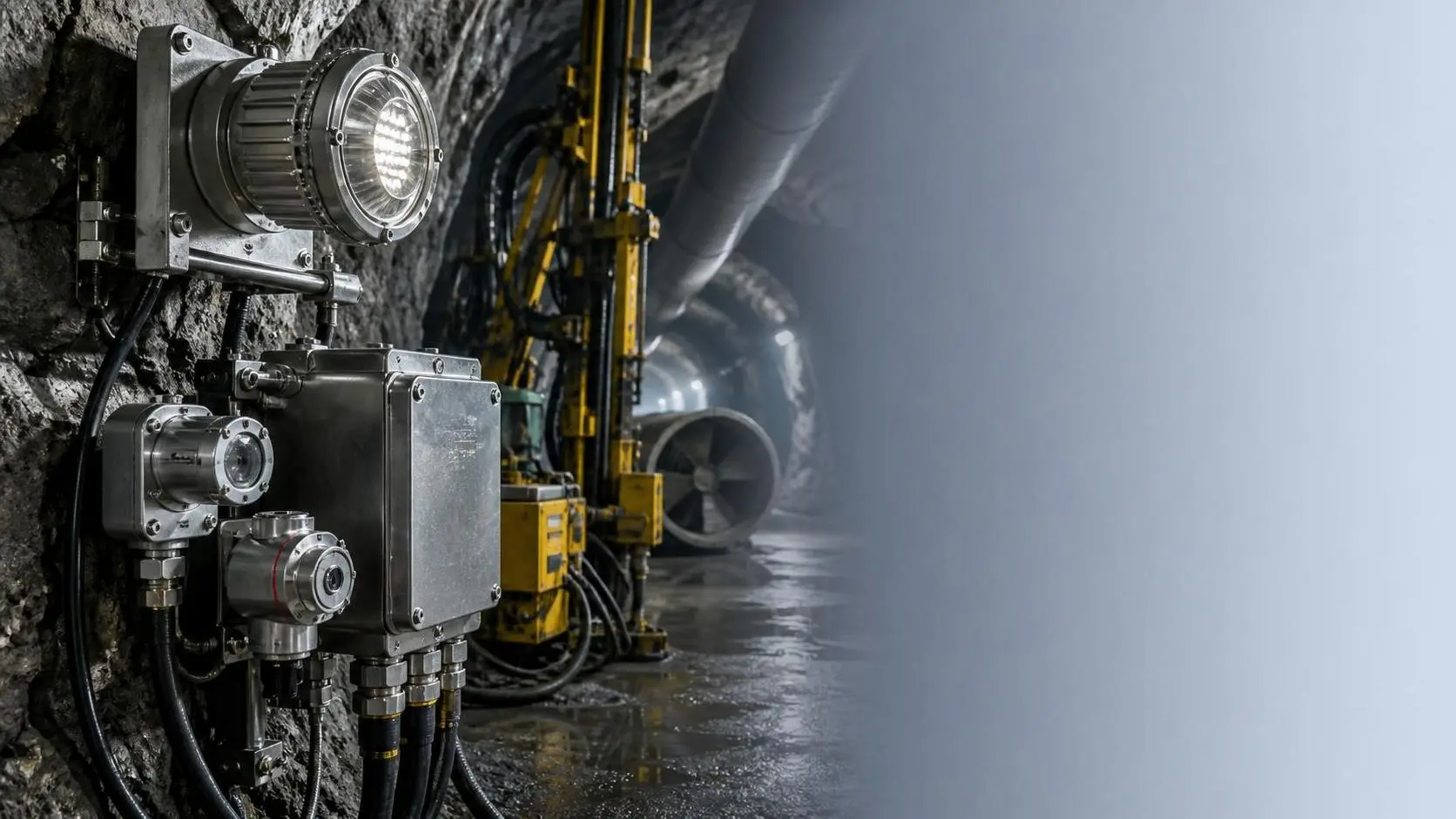
Flameproof Underground Safety Equipment: What Mine Teams Should Check Before Buying
Underground Safety Equipment flameproof buying guide: learn how mine teams should verify certification, durability, serviceability, and supplier support before purchase.
China-UAE Direct Sea Route Cuts TBM and Large Tunneling Equipment Lead Times
China-UAE direct sea route shortens TBM and large tunneling equipment lead times by 12–15 days, improving delivery predictability for major infrastructure projects. Read the full impact.
What Is a TBM Guidance System Gyroscope, and Why Does It Matter Underground?
TBM Guidance Systems gyroscope improves underground accuracy, reduces drift, and helps tunnel boring machines stay on line in harsh conditions.
Related News
- 00
0000-00
How to Build a Mining Decarbonization Strategy That Balances Emissions, Cost, and Fleet Reality - 00
0000-00
How to Evaluate Articulated Dump Trucks Payload for Haul Road Conditions and Cycle Efficiency - 00
0000-00
How Pipe Fittings Material and Pressure Class Affect Water Line Selection - 00
0000-00
What Drives TBM Excavation Cost in Urban Tunneling Projects? - 00
0000-00
What Does Energy Metals Mining in Australia Mean for Supply, Cost, and Project Risk?
Weekly Insights
Stay ahead with our curated technology reports delivered every Monday.