
Mining Dump Truck Selection Guide: How Mine Buyers Can Choose Haulage Equipment That Protects Productivity and Operating Cost





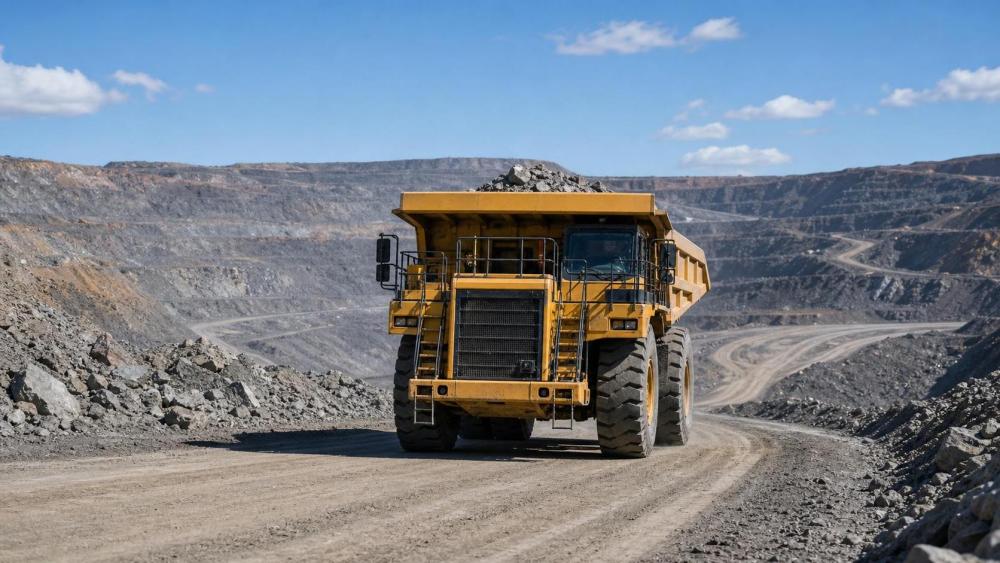
For mine owners, quarry operators, EPC contractors, and equipment distributors, haulage equipment is one of the most important capital decisions on a site. A Mining Dump Truck does not work in isolation; it must match the pit layout, loading equipment, material density, haul road gradient, shift schedule, maintenance capability, and fuel or energy strategy of the operation. A machine that looks strong on paper can still underperform if it is mismatched to cycle time, bench geometry, road conditions, or service support.
This selection guide focuses on the evaluation logic buyers should use before approving a large haulage purchase. The right choice is rarely based on one headline number. Payload capacity matters, but so do truck body design, powertrain performance, braking control, tire strategy, operator visibility, diagnostic access, spare parts supply, and the supplier's ability to support the truck after delivery. In mining, a small mismatch can multiply across thousands of cycles, turning a procurement saving into a long-term production loss.
Start With the Mine Plan, Not the Truck Brochure
The first selection question is not "which model is biggest?" but "what haulage problem does the mine need to solve?" Open-pit mines, quarries, aggregate sites, coal operations, and construction material pits all place different demands on hauling equipment. Material density, loading tool size, haul distance, road width, ramp gradient, dumping area, weather exposure, and operating hours should be defined before the buyer compares models.
A truck that is too small may create too many cycles and raise traffic density on the haul road. A truck that is too large may not be loaded efficiently by the excavator or loader, may struggle on narrow roads, or may increase tire and maintenance costs without improving total output. Selection should therefore begin with a production model. Buyers should estimate hourly tonnage targets, loading pass match, average cycle time, and queue risk at loading and dumping points.
Payload Match and Loading Tool Compatibility
Payload is one of the most visible specifications, but it must be evaluated with the loading equipment. If the excavator bucket or wheel loader bucket does not fill the truck in a reasonable number of passes, loading efficiency falls. Too many passes increase idle time and operator fatigue. Too few passes may overload the truck if material density varies or if the loading team lacks accurate payload monitoring.
Buyers should review the expected loaded weight, struck and heaped body volume, material density, and loading pattern. For dense ore, body volume may be less important than structural strength and payload control. For lighter overburden or aggregate, body shape and volumetric capacity may become more important. A good supplier conversation should include the loader or excavator model, bucket size, material type, and expected pass count rather than only asking for a truck price.
Haul Road Gradient, Braking, and Retarding
Haul roads decide whether a truck's rated performance can be used safely. Long uphill sections demand engine power and cooling stability. Long downhill sections place stress on retarding and braking systems. Poor drainage, loose surface material, sharp curves, and narrow berms can reduce speed and increase tire wear. Buyers should therefore treat road geometry as part of the truck specification.
Before choosing a model, procurement and engineering teams should map the steepest grades, longest descents, loaded and empty travel directions, and the condition of road maintenance. If the mine has wet seasons or dusty dry seasons, visibility, traction, braking response, and cooling conditions may change during the year. A truck with strong production potential may still require road upgrades to deliver that potential safely.
Rigid, Articulated, or Conventional Tipper: Choosing the Right Category
Different haulage categories serve different use cases. Rigid haul trucks are often selected for higher-volume mine haulage on prepared roads where payload, durability, and cycle efficiency matter. Articulated machines can be useful on softer ground, tighter routes, or uneven conditions where articulation and traction help mobility. Conventional road-type tipper trucks may fit shorter, less severe tasks or construction support, but may not be suitable for heavy mine cycles without careful review.
Buyers should avoid selecting a truck category only because it is familiar or cheaper. The site should define the category. If roads are well maintained and production is continuous, a rigid configuration may support better lifecycle economics. If roads are temporary, wet, narrow, or uneven, an articulated option may be safer and more flexible. If the equipment must move between road transport and site work, regulatory and roadworthiness factors may also matter.
Powertrain, Fuel Use, and Operating Discipline
Fuel or energy cost is a major part of haulage economics, but fuel efficiency cannot be judged by engine data alone. It is shaped by road design, operator behavior, payload accuracy, tire pressure, idle time, queue control, and maintenance. Buyers should ask how the selected truck supports efficient operation through transmission matching, engine response, cooling, payload monitoring, and service intervals.
For mines considering new energy or hybrid strategies, the question becomes broader. Charging or refueling infrastructure, duty cycle, temperature, shift timing, and maintenance skills must be evaluated before adoption. For many buyers, conventional diesel equipment remains practical because service networks and operator experience are already in place. The best choice is the one that fits the mine's actual support environment, not the one that follows a trend without infrastructure readiness.
Tires, Suspension, and Structural Durability
Tires are often one of the most painful operating costs for mine haulage. Poor road maintenance, overloading, underinflation, sharp rock, high heat, and aggressive cornering can shorten tire life quickly. Truck selection should therefore include tire size, availability in the destination market, load rating, road condition, and maintenance routines. If the mine is far from supply hubs, tire availability can affect fleet uptime as much as the truck itself.
Suspension and frame durability should be evaluated in relation to road shock and loading behavior. Repeated overloads, uneven dumping surfaces, and impact loading can accelerate fatigue. Buyers should ask suppliers how the truck body, frame, axle, and suspension are designed for the expected site. For abrasive ore or rock, body liner strategy may also be important. Durability is not only a matter of heavy steel; it is the result of a design that matches the load path and working environment.
Safety, Visibility, and Operator Comfort
Safety features influence both compliance and productivity. Operator visibility, cab layout, access steps, mirrors, camera support, braking feel, lighting, emergency controls, and warning systems should be included in the selection review. On busy mine roads, visibility at loading areas, dump points, maintenance zones, and intersections can reduce incident risk.
Operator comfort also matters because fatigue affects cycle consistency. Seat quality, cab noise, climate control, control layout, and vibration exposure can influence driver attention during long shifts. Buyers sometimes treat comfort as secondary, but in a repetitive haul cycle, comfort supports safer and more stable operation. A truck that operators can control confidently is more likely to deliver predictable output.
Maintenance Access and Spare Parts Planning
A machine that is difficult to inspect will not be inspected well. Daily maintenance points should be accessible, clear, and suitable for the site's workforce. Buyers should evaluate filter access, lubrication points, diagnostic interface, service documentation, and the availability of common wear parts. For remote mines, the first spare parts package should be defined before shipment, not after the first breakdown.
Supplier support should include more than a warranty statement. Buyers should ask how quickly parts can be identified, whether manuals and parts lists are available, what training is provided, and how technical questions are handled. A truck may have strong specifications, but without parts and service support, downtime can quickly reduce project economics.
How to Compare Quotations Fairly
Quotations should be compared on a like-for-like basis. Buyers should align payload class, configuration, body type, tires, spare parts, warranty scope, shipping terms, documentation, and training. If one quotation includes a stronger parts package or better delivery support, its higher price may still represent better value. If another quotation excludes key items, the lower price may be incomplete.
A practical selection process includes a technical comparison table, supplier clarification round, sample documentation review, and lifecycle cost estimate. Buyers should calculate not only purchase price but also expected fuel or energy use, tire cost, maintenance labor, downtime risk, and resale or redeployment value. For mines with long operating horizons, the truck that protects uptime usually has stronger value than the unit with the lowest initial price.
Procurement Checklist
- Define material type, density, haul distance, road grade, and target hourly production.
- Match payload and body volume with the loader or excavator pass count.
- Review braking and retarding needs for loaded downhill sections.
- Check tire availability, road maintenance strategy, and expected tire wear risks.
- Confirm daily service access, diagnostic support, manuals, and parts list availability.
- Compare quotations using the same configuration, support scope, and delivery assumptions.
- Include operator training and spare parts planning in the purchase decision.
FAQ
Should buyers choose the largest available truck?
Not automatically. The best truck size depends on loading tool match, haul road width, turning areas, dumping layout, production targets, and maintenance capacity. Oversizing can create inefficiency if the rest of the site is not ready.
What is the biggest mistake in haulage equipment selection?
The common mistake is comparing purchase price without modeling cycle time, road conditions, payload match, tire cost, maintenance support, and parts availability. Haulage cost is built over years, not only at purchase.
How important is supplier support?
Very important. Mining sites often operate far from major service centers. Spare parts planning, technical documentation, training, and communication speed can strongly affect uptime after delivery.
When should a buyer request a site-specific recommendation?
Whenever the mine has steep grades, unusual material density, poor road conditions, high production targets, remote operation, or limited maintenance resources. Site details help the supplier recommend a more realistic configuration.
Final Selection Perspective
Mine haulage selection is a systems decision. The right truck must fit production planning, road design, loading tools, maintenance capability, safety expectations, and supplier support. Buyers who evaluate these factors before ordering can reduce downtime risk, improve cycle stability, and build a fleet that supports long-term mine productivity rather than simply meeting a purchase specification.
Editorial Review Note
This article is buyer-facing selection guidance for mining equipment procurement. It avoids fabricated prices, unsupported market statistics, exaggerated performance claims, and invented case numbers. Final upload should be checked against the destination portal's house style and category setup.
Related News
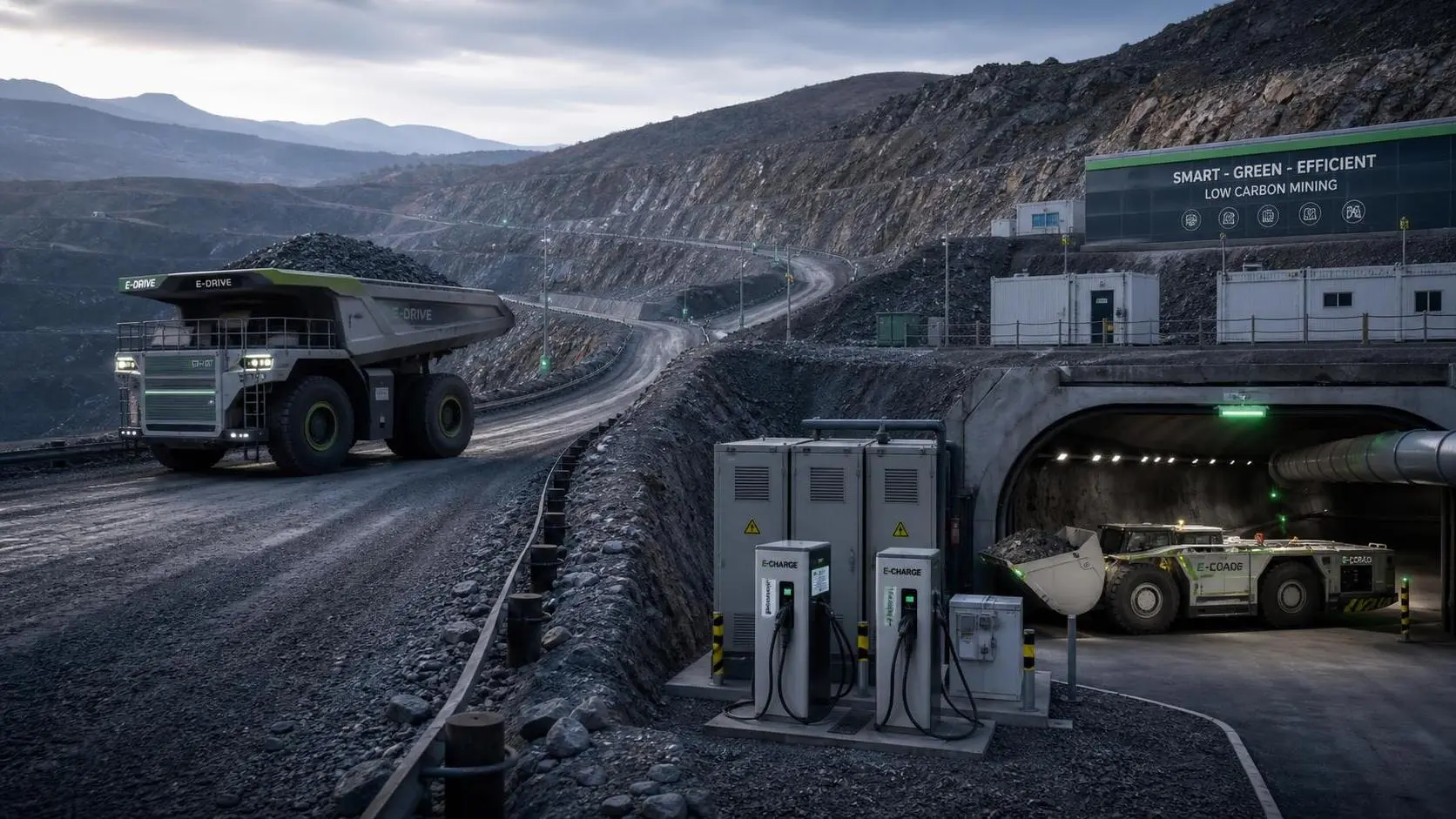
How to Build a Mining Decarbonization Strategy That Balances Emissions, Cost, and Fleet Reality
Mining decarbonization strategy starts with fleet reality. Learn how to cut emissions, control cost, and align power, ventilation, and production for a practical mine transition.
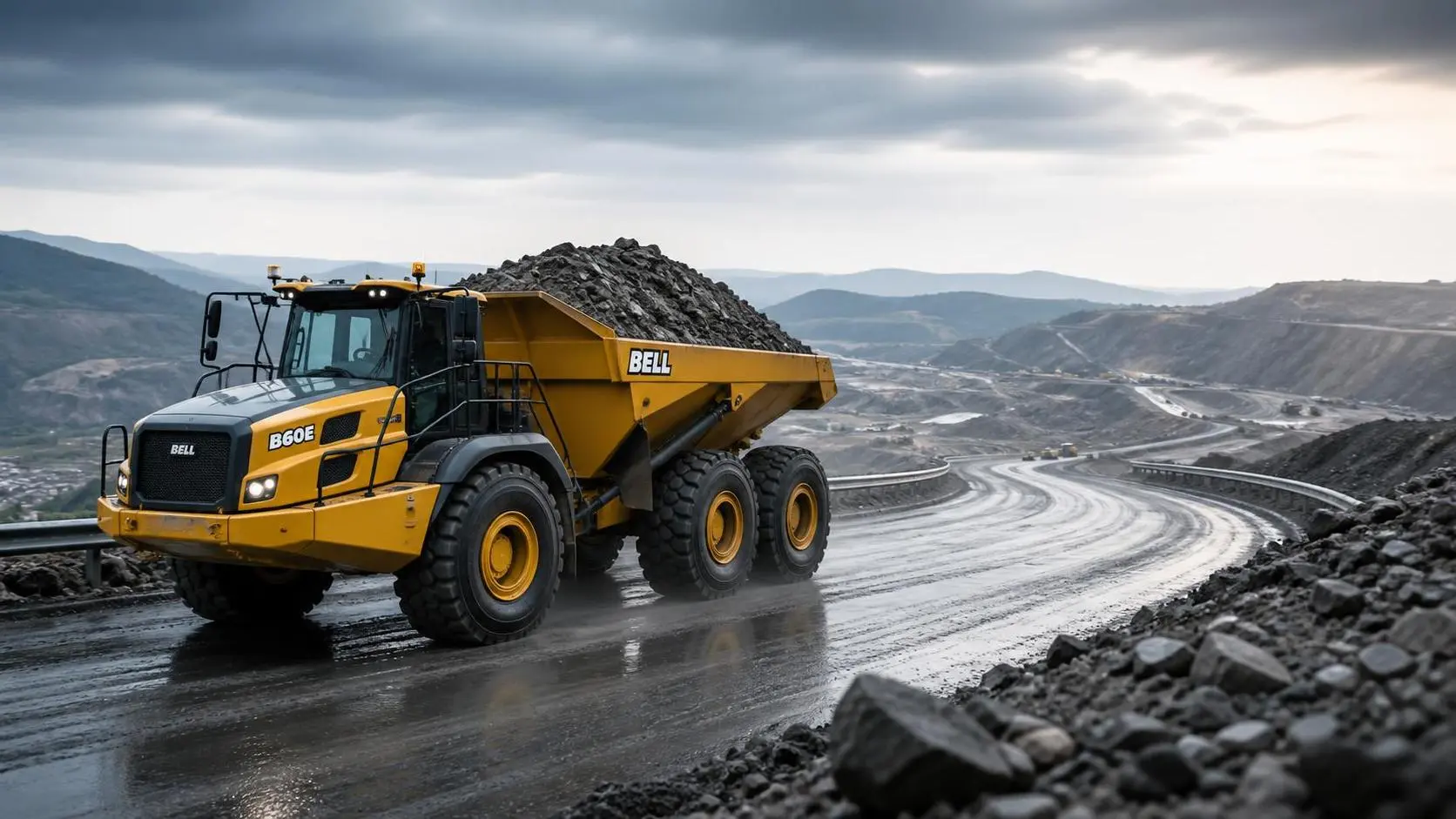
How to Evaluate Articulated Dump Trucks Payload for Haul Road Conditions and Cycle Efficiency
Articulated Dump Trucks payload evaluation starts with real haul road conditions, not brochure numbers. Learn how to balance payload, traction, grades, and cycle efficiency for safer, higher output.
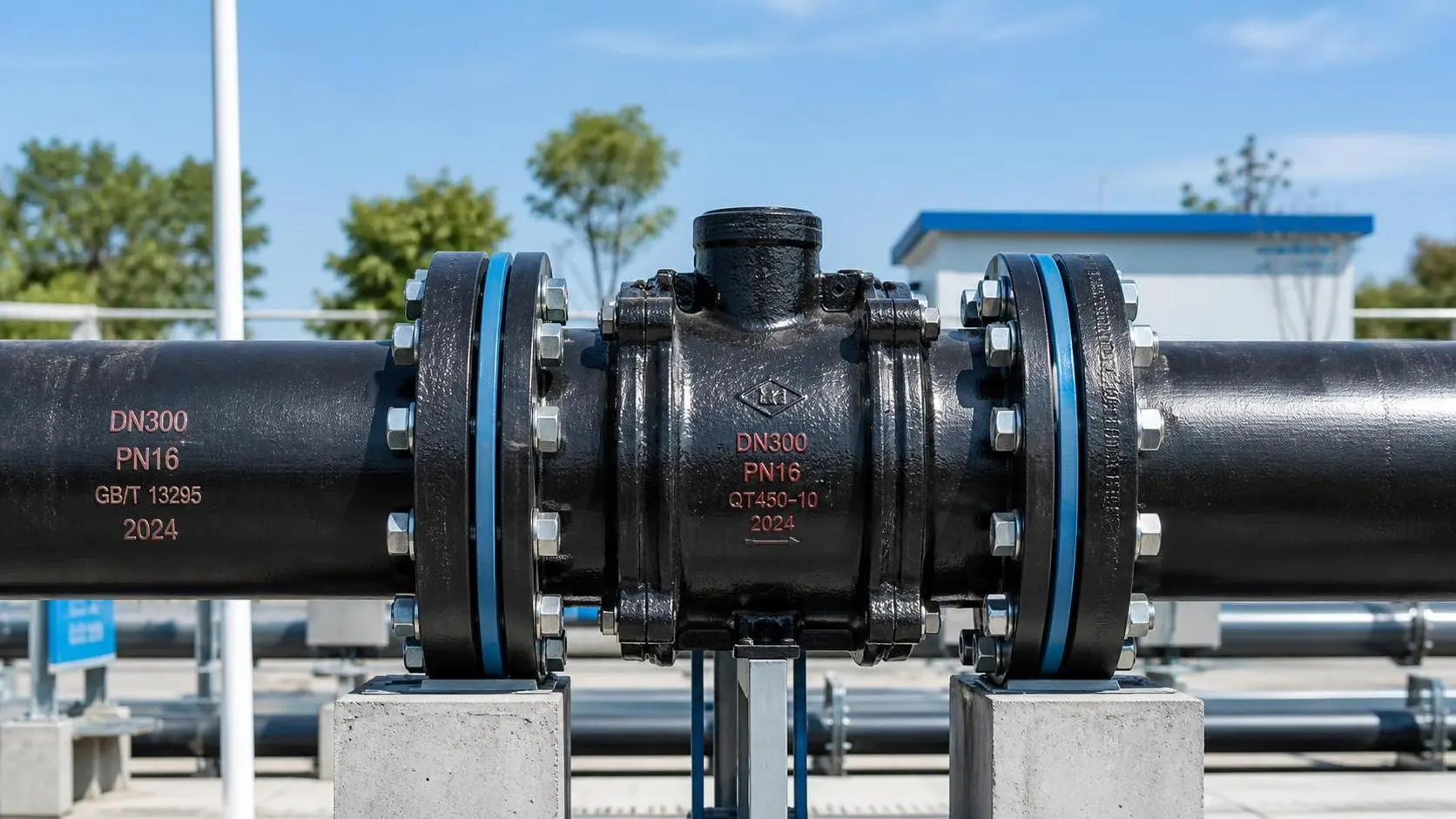
How Pipe Fittings Material and Pressure Class Affect Water Line Selection
Pipe fittings selection starts with material and pressure class. Learn how these factors affect water line reliability, corrosion resistance, installation, and long-term cost.
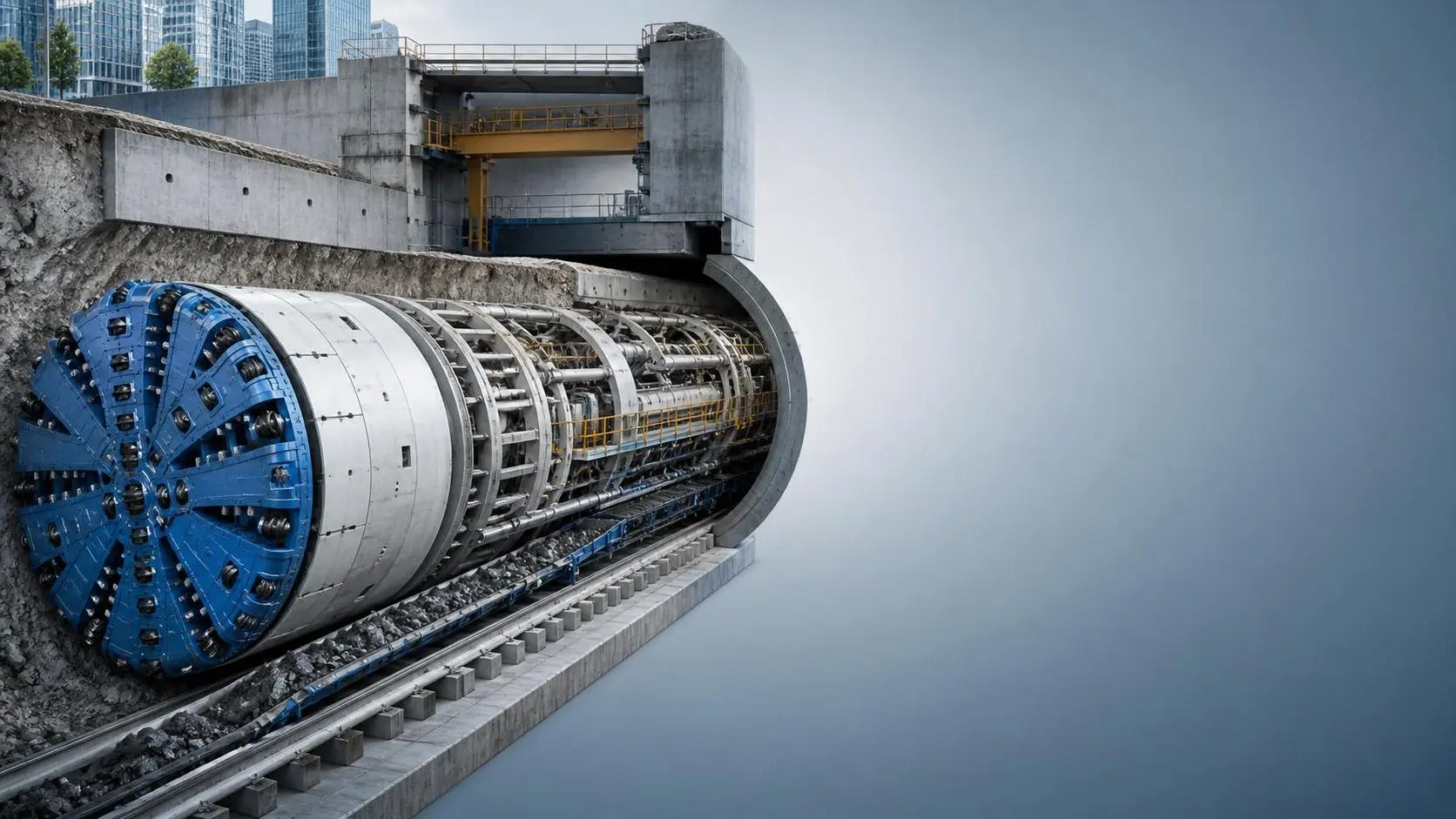
What Drives TBM Excavation Cost in Urban Tunneling Projects?
tbm excavation cost in urban tunneling depends on geology, shafts, segment lining, logistics, and risk. Discover the key cost drivers and compare bids with greater confidence.
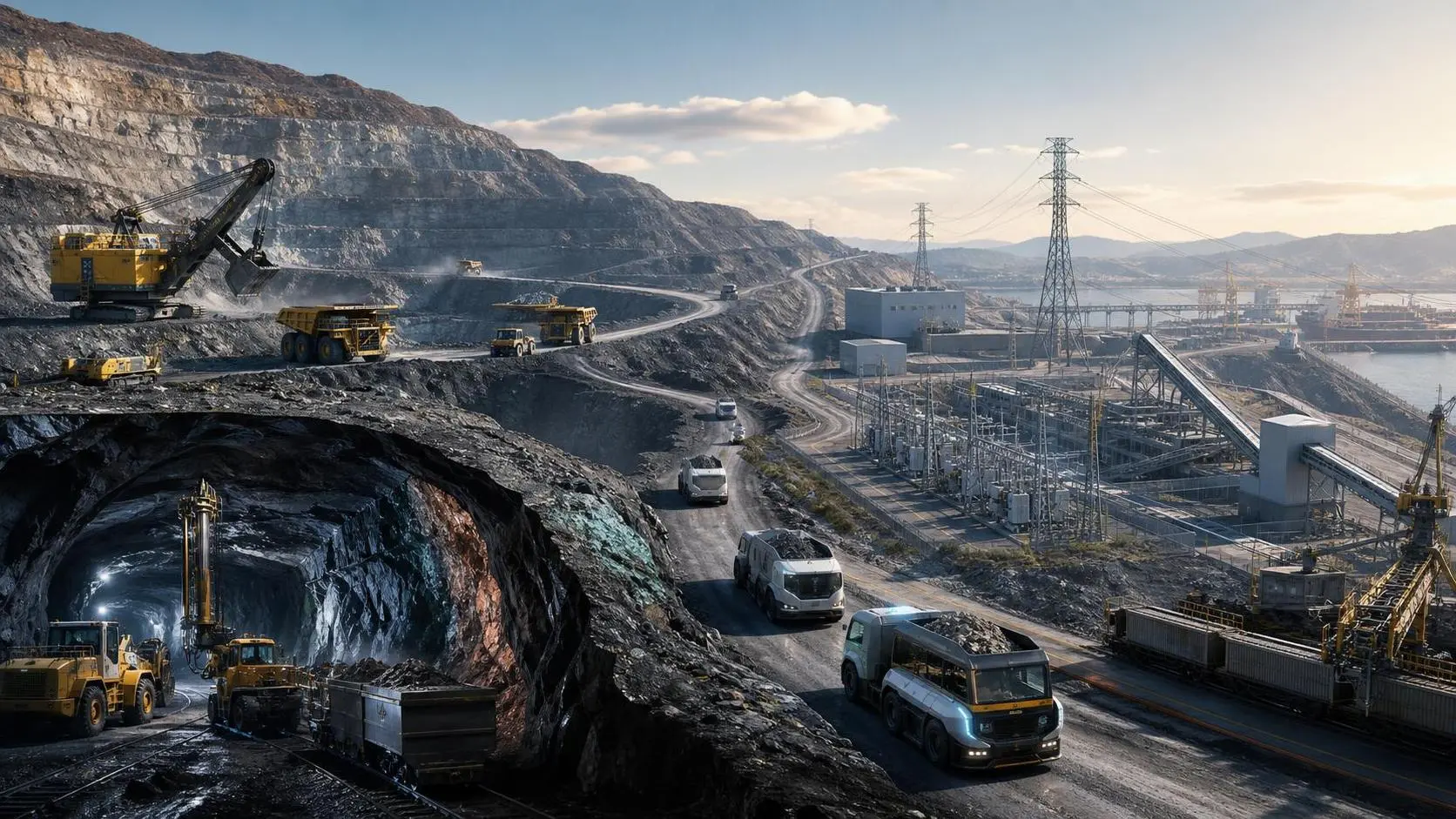
What Does Energy Metals Mining in Australia Mean for Supply, Cost, and Project Risk?
Energy metals mining Australia is reshaping supply, cost, and project risk. Discover what it means for buyers, investors, and operators.
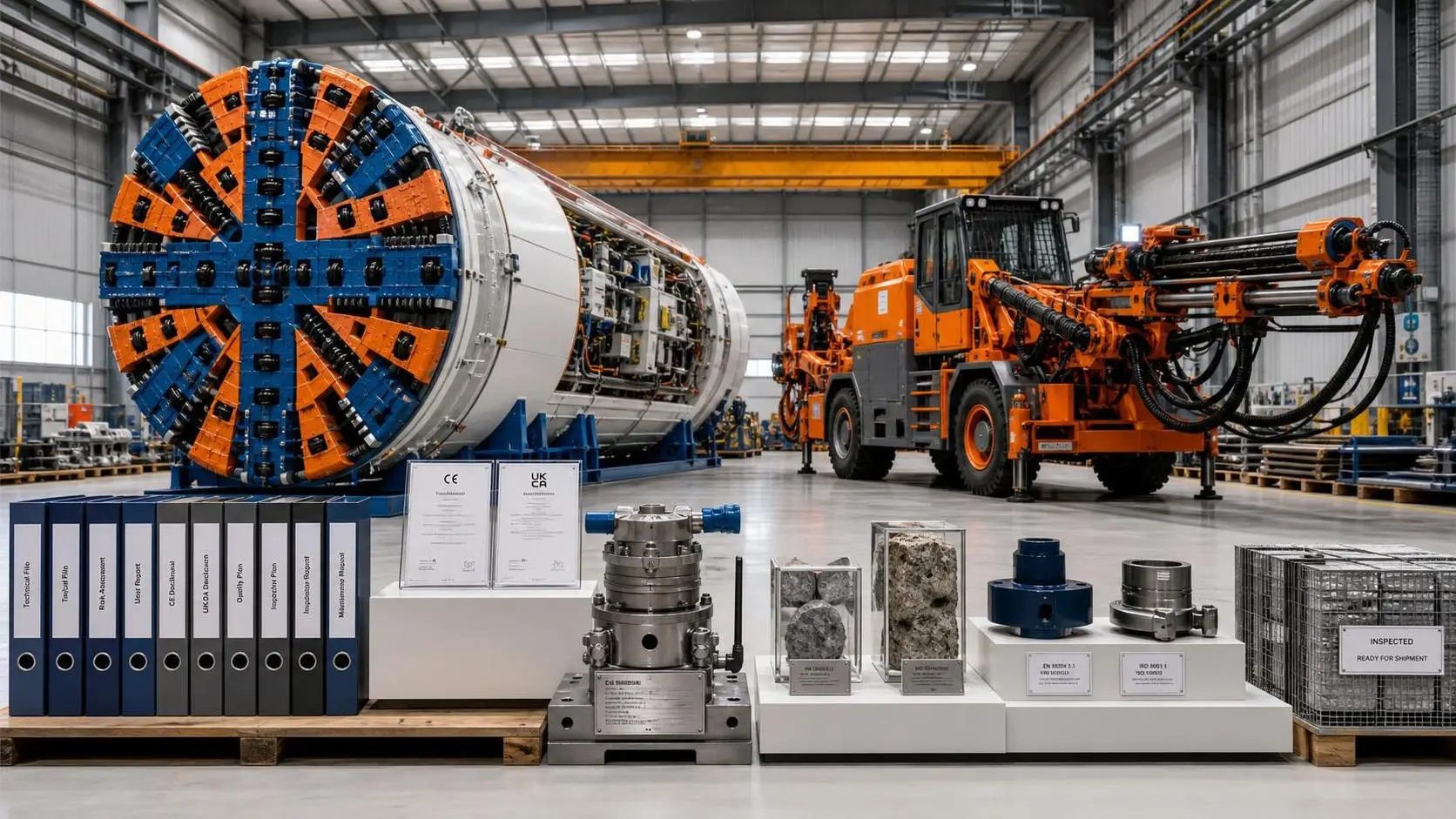
EU Eases Dual CE and UKCA Path for Chinese Tunnel Boring Equipment
EU eases CE and UKCA certification for Chinese tunnel boring equipment, cutting compliance time and helping importers move faster.
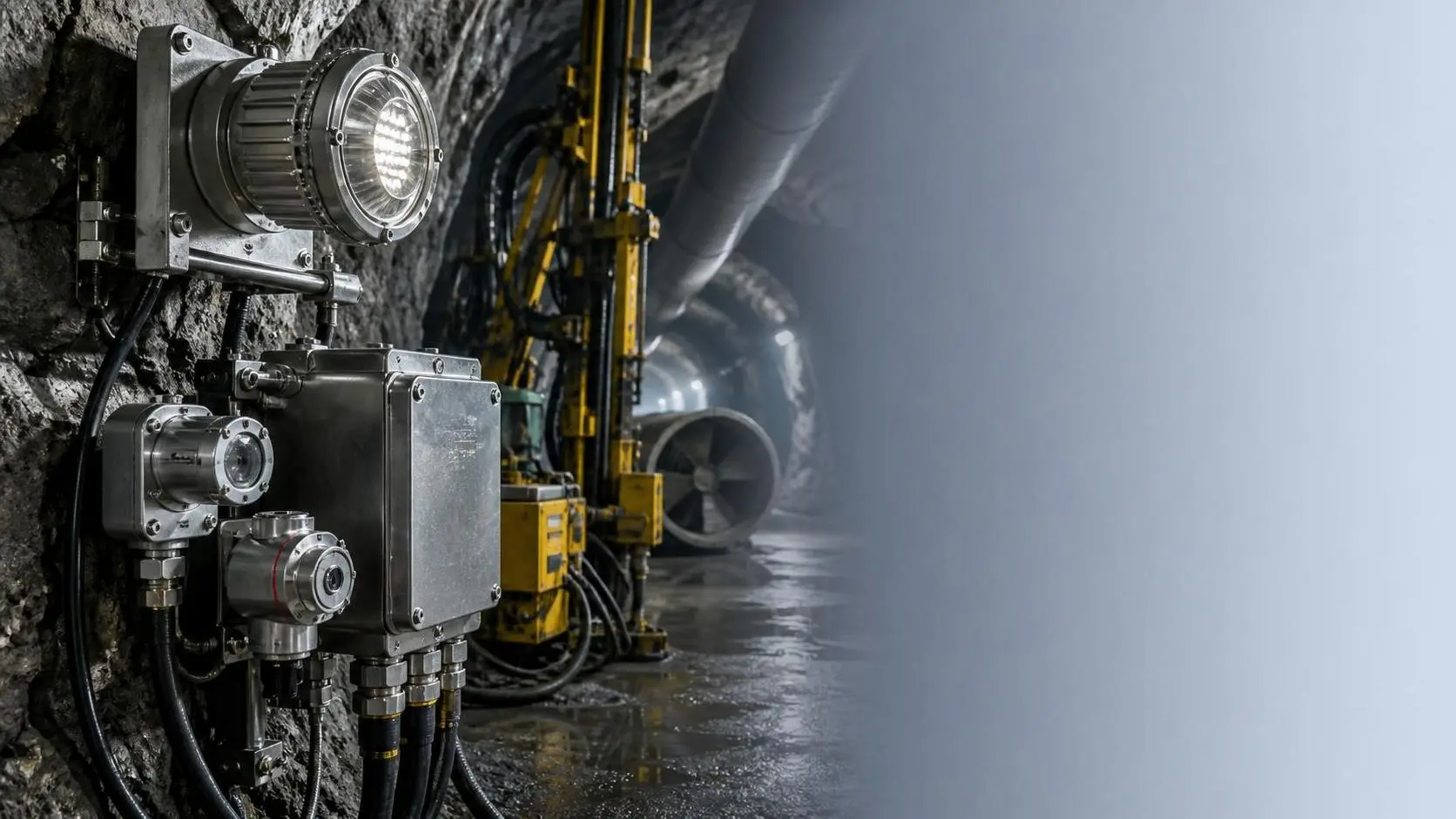
Flameproof Underground Safety Equipment: What Mine Teams Should Check Before Buying
Underground Safety Equipment flameproof buying guide: learn how mine teams should verify certification, durability, serviceability, and supplier support before purchase.
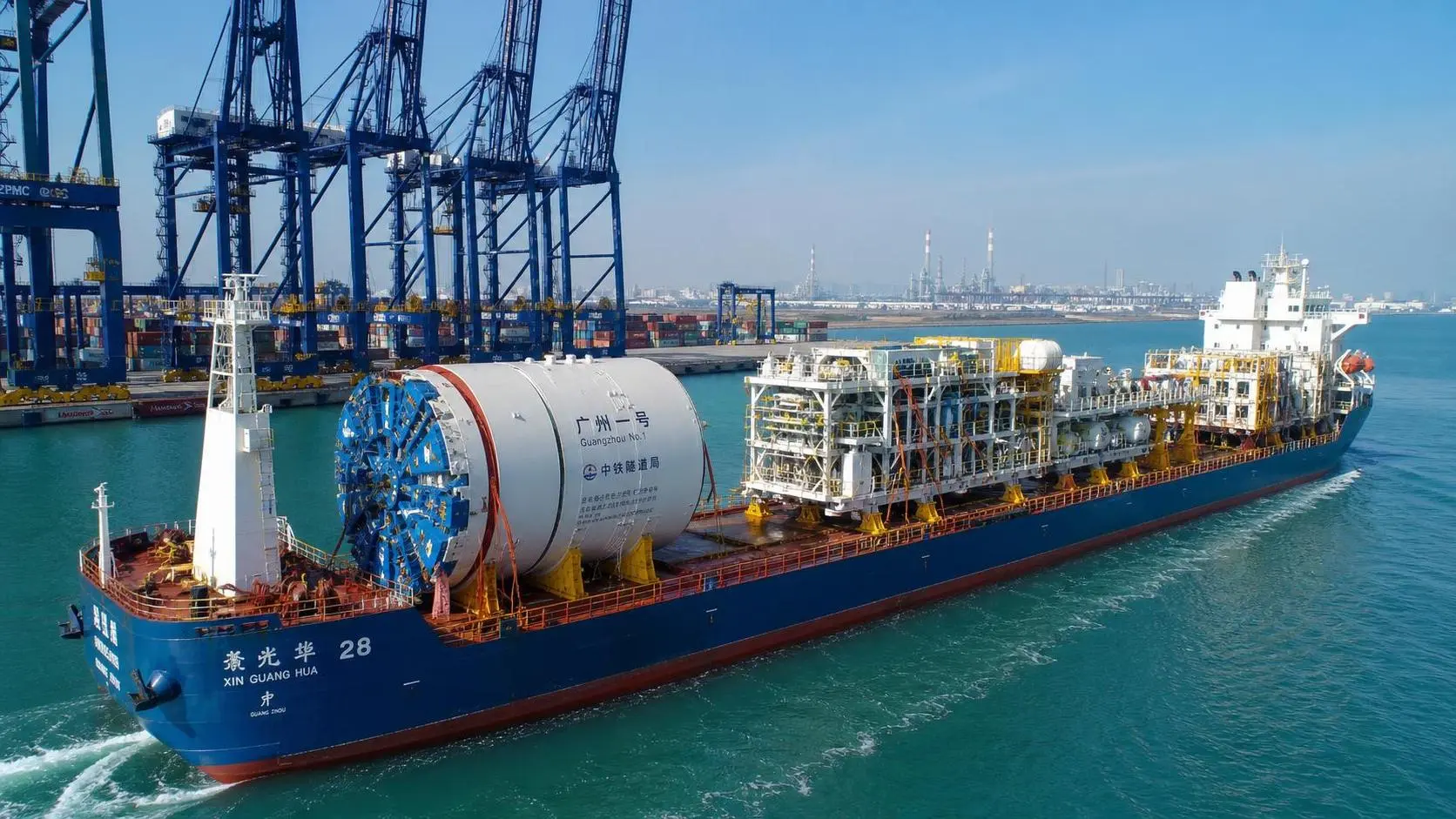
China-UAE Direct Sea Route Cuts TBM and Large Tunneling Equipment Lead Times
China-UAE direct sea route shortens TBM and large tunneling equipment lead times by 12–15 days, improving delivery predictability for major infrastructure projects. Read the full impact.
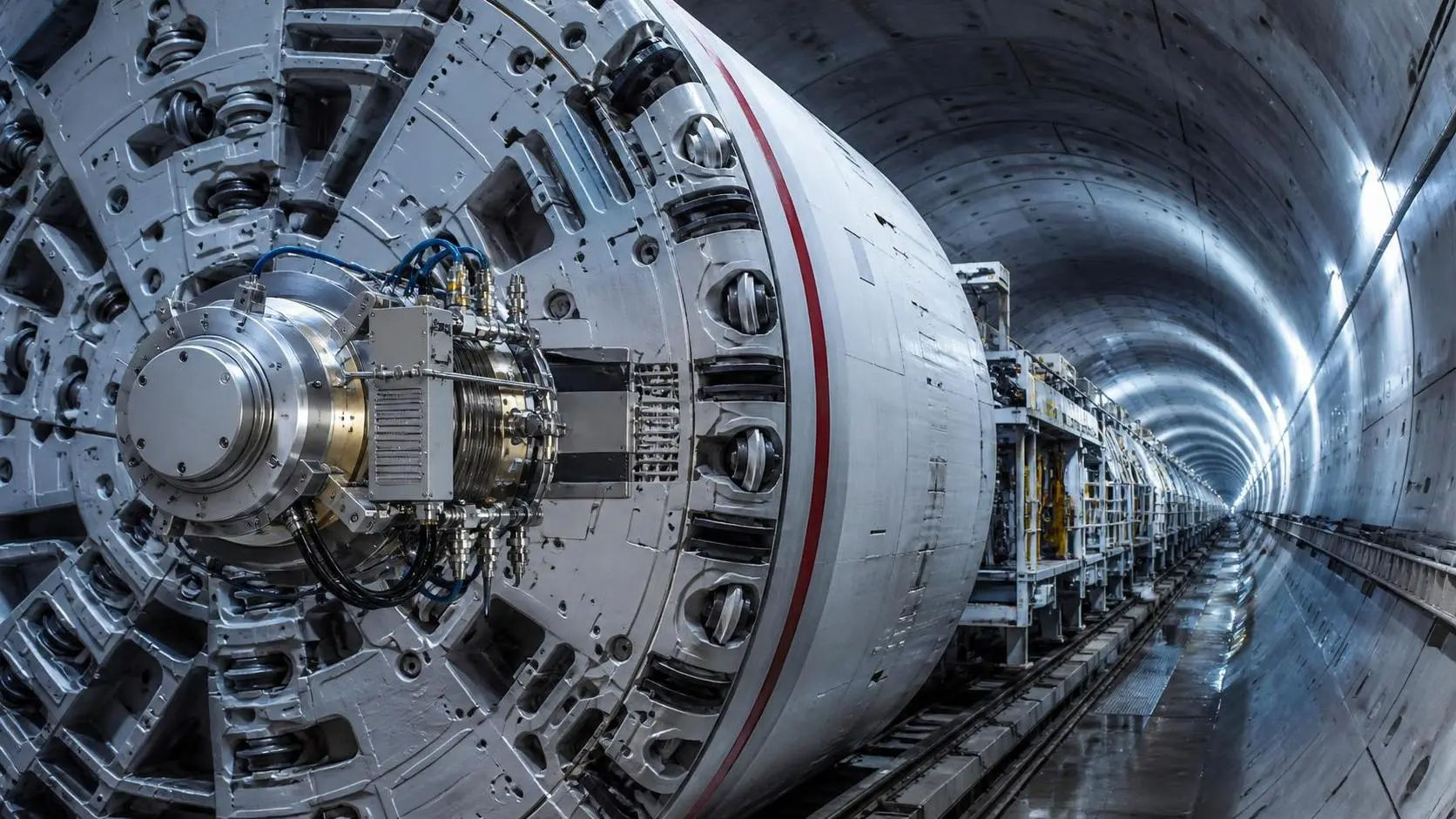
What Is a TBM Guidance System Gyroscope, and Why Does It Matter Underground?
TBM Guidance Systems gyroscope improves underground accuracy, reduces drift, and helps tunnel boring machines stay on line in harsh conditions.
Related News
- 00
0000-00
How to Build a Mining Decarbonization Strategy That Balances Emissions, Cost, and Fleet Reality - 00
0000-00
How to Evaluate Articulated Dump Trucks Payload for Haul Road Conditions and Cycle Efficiency - 00
0000-00
How Pipe Fittings Material and Pressure Class Affect Water Line Selection - 00
0000-00
What Drives TBM Excavation Cost in Urban Tunneling Projects? - 00
0000-00
What Does Energy Metals Mining in Australia Mean for Supply, Cost, and Project Risk?
Weekly Insights
Stay ahead with our curated technology reports delivered every Monday.