
Shield Tunnelling Machine Selection Guide: Ground Conditions, Diameter, and Slurry vs EPB





Why does shield tunnelling machine selection affect more than excavation speed?
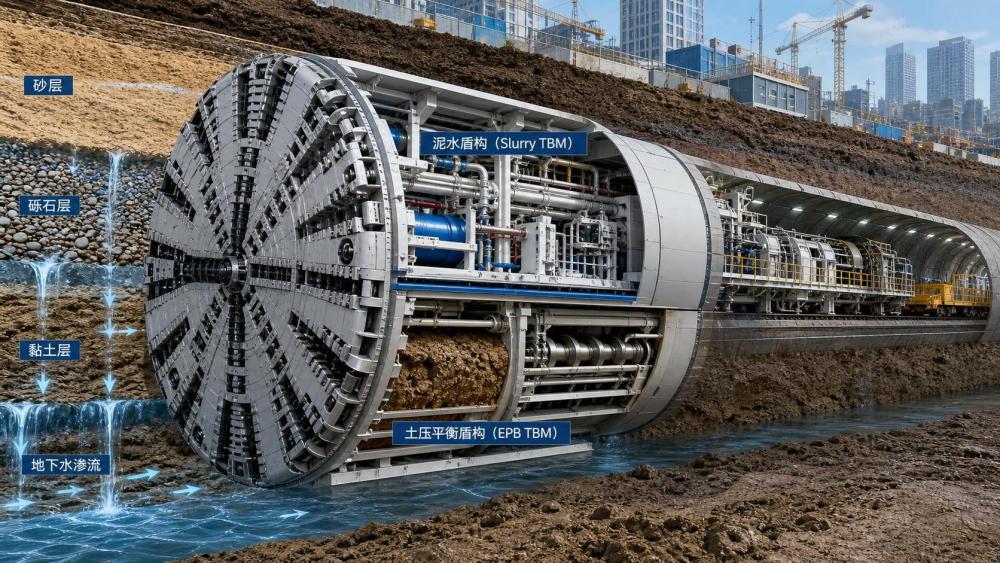
A shield tunnelling machine is usually judged by progress rate first.
In practice, the bigger decision is fit.
If the machine does not match geology, groundwater, lining needs, and spoil handling, costs rise quickly.
That increase rarely appears only in the purchase price.
It shows up in cutter wear, slurry treatment load, chamber instability, settlement risk, and delayed segment installation.
This is why shield tunnelling machine selection is a project control issue, not a catalogue exercise.
A good selection process connects tunnel alignment, face pressure range, muck conditioning, logistics, and maintenance access.
That broader view matters even more in dense cities and long utility drives.
UTMD often frames underground equipment decisions through operating limits rather than brochure claims.
That approach is useful here.
The right shield tunnelling machine must work inside real constraints, including zero-emission support systems, digital monitoring, and restricted shaft logistics.
What ground conditions should shape the first shortlist?
Start with the ground model, not the machine family.
Mixed face conditions usually create the hardest decisions.
Uniform soft clay is one thing.
A face crossing sand, gravel, cobbles, and weathered rock is another.
The shortlist should be built around five site questions:
- How stable is the face when pressure fluctuates?
- What is the groundwater pressure and inflow risk?
- How abrasive is the soil or rock mix?
- Will boulders or sticky clay interrupt spoil flow?
- How sensitive is the surface to settlement?
A shield tunnelling machine for stable fine-grained soils may perform poorly in high-permeability strata.
Likewise, a machine designed for aggressive slurry control can be unnecessarily complex for short, low-risk drives.
More common selection mistakes come from underestimating transitions between strata.
That is where production forecasts often fail.
The most useful technical dossiers include geotechnical variability, expected interventions, and spoil management assumptions.
Without those, shield tunnelling machine comparison becomes too generic to support real purchasing decisions.
Slurry or EPB: which shield tunnelling machine makes more sense?
This is usually the turning point in the evaluation.
Both systems balance the tunnel face, but they do it differently.
A slurry shield tunnelling machine uses pressurized slurry to stabilize the face and transport excavated material.
An EPB machine uses conditioned spoil inside the excavation chamber as the pressure medium.
The practical choice depends on permeability, groundwater, fines content, and site logistics.
A simple rule helps.
When water pressure and permeability dominate the risk picture, slurry often wins.
When spoil can be conditioned into a stable plastic mass, EPB may offer a cleaner overall balance.
Still, no rule should override site data.
UTMD’s coverage of TBM performance trends repeatedly shows that auxiliary systems can decide the outcome as much as the cutterhead itself.
How should diameter and tunnel layout influence machine choice?
Diameter is not only a geometric requirement.
It changes torque demand, thrust load, segment handling, launch shaft size, and downstream transport needs.
Larger diameter often means greater technical margin is needed.
That affects both capital cost and operating discipline.
Three points are worth checking early:
- Minimum curve radius and articulation requirements
- Segment ring design, weight, and erector compatibility
- Backup train length against shaft and tunnel logistics
A shield tunnelling machine can fit the excavation diameter yet still create problems underground.
This happens when the backup system is too long, power demand is underestimated, or segment supply cannot support the planned cycle.
In urban works, site access and spoil removal often become the hidden constraint.
In long drives, maintenance strategy becomes equally important.
The better comparison method is to assess the whole tunnelling system, not just the shield body.
Where do cost surprises usually come from?
Most budget overruns are linked to operating assumptions that looked minor during tender review.
The machine price is only one layer.
A shield tunnelling machine should be compared across life-cycle cost drivers.
That includes commissioning, consumables, interventions, training, spare parts, and surface support systems.
The following checks usually reveal risk faster than generic cost-per-meter estimates.
- Expected cutter consumption under actual abrasivity, not average geology
- Foam, polymer, bentonite, and water demand by ground section
- Availability of intervention tools and hyperbaric capability
- Separation plant uptime assumptions for slurry operations
- Power supply, ventilation, and zero-emission support requirements
This wider lens fits current market conditions.
Underground projects now face tighter ESG targets, more digital reporting, and stricter site constraints.
UTMD tracks these shifts across tunnelling and mining equipment alike.
The shared lesson is clear.
Selection decisions are getting more system-oriented, more data-heavy, and less tolerant of optimistic assumptions.
What does a practical evaluation checklist look like before final selection?
A strong shortlist should answer a small set of hard questions before negotiation starts.
That keeps technical debate connected to commercial reality.
This is also the right stage to ask for reference cases with comparable geology.
Not every successful tunnel is a valid benchmark.
The most useful references match groundwater, tunnel length, and spoil behavior.
When those variables align, the shield tunnelling machine comparison becomes much more credible.
So, what is the safest next step before locking the order?
Bring the decision back to evidence.
A reliable shield tunnelling machine choice comes from matching geology, diameter, pressure control method, and site logistics in one review path.
That means the final decision should not rest on output promises alone.
It should reflect maintainability, intervention strategy, support systems, and long-term operating cost.
For complex projects, it helps to build a side-by-side matrix using real geotechnical sections and expected operating windows.
That makes slurry versus EPB trade-offs much clearer.
It also reduces the chance of selecting a machine that looks competitive only at tender stage.
Where market intelligence is needed, UTMD’s broader view of TBMs, trenchless equipment, and underground system transitions is useful for checking assumptions against current industry patterns.
The next practical move is straightforward.
List the tunnel sections by risk, compare slurry and EPB performance against those sections, then test each shield tunnelling machine option against total system cost, intervention exposure, and schedule resilience.
Related News
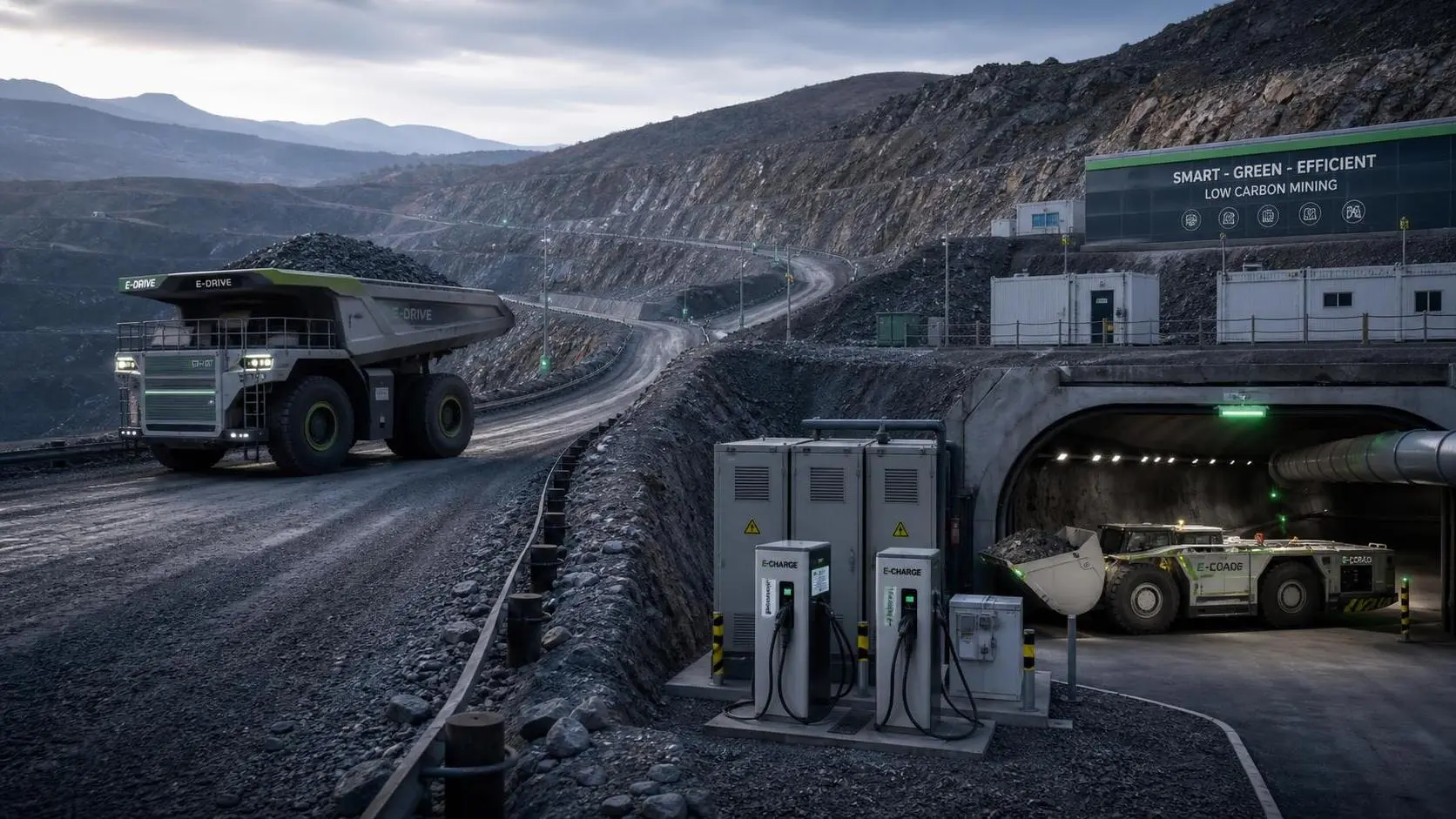
How to Build a Mining Decarbonization Strategy That Balances Emissions, Cost, and Fleet Reality
Mining decarbonization strategy starts with fleet reality. Learn how to cut emissions, control cost, and align power, ventilation, and production for a practical mine transition.
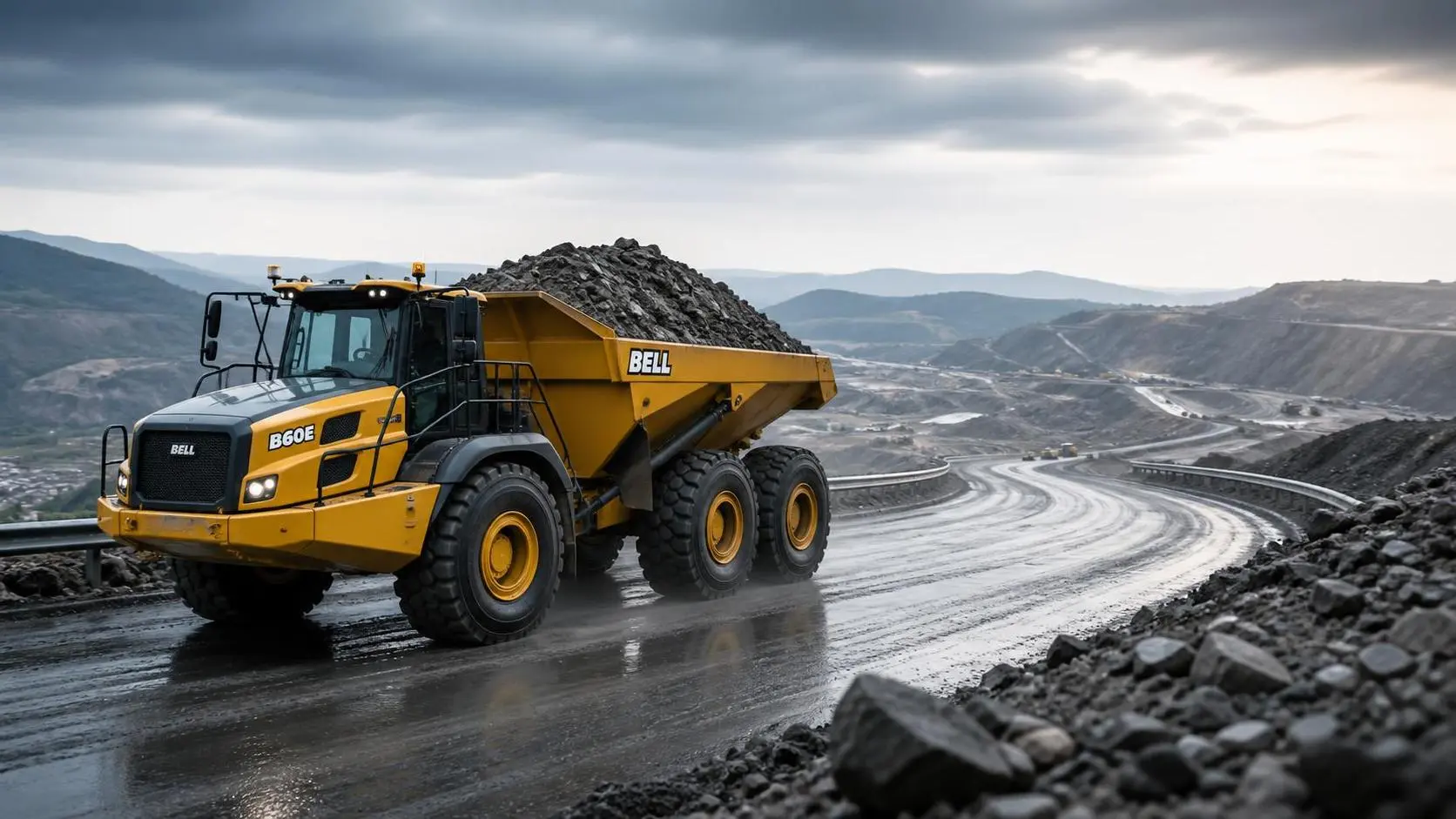
How to Evaluate Articulated Dump Trucks Payload for Haul Road Conditions and Cycle Efficiency
Articulated Dump Trucks payload evaluation starts with real haul road conditions, not brochure numbers. Learn how to balance payload, traction, grades, and cycle efficiency for safer, higher output.
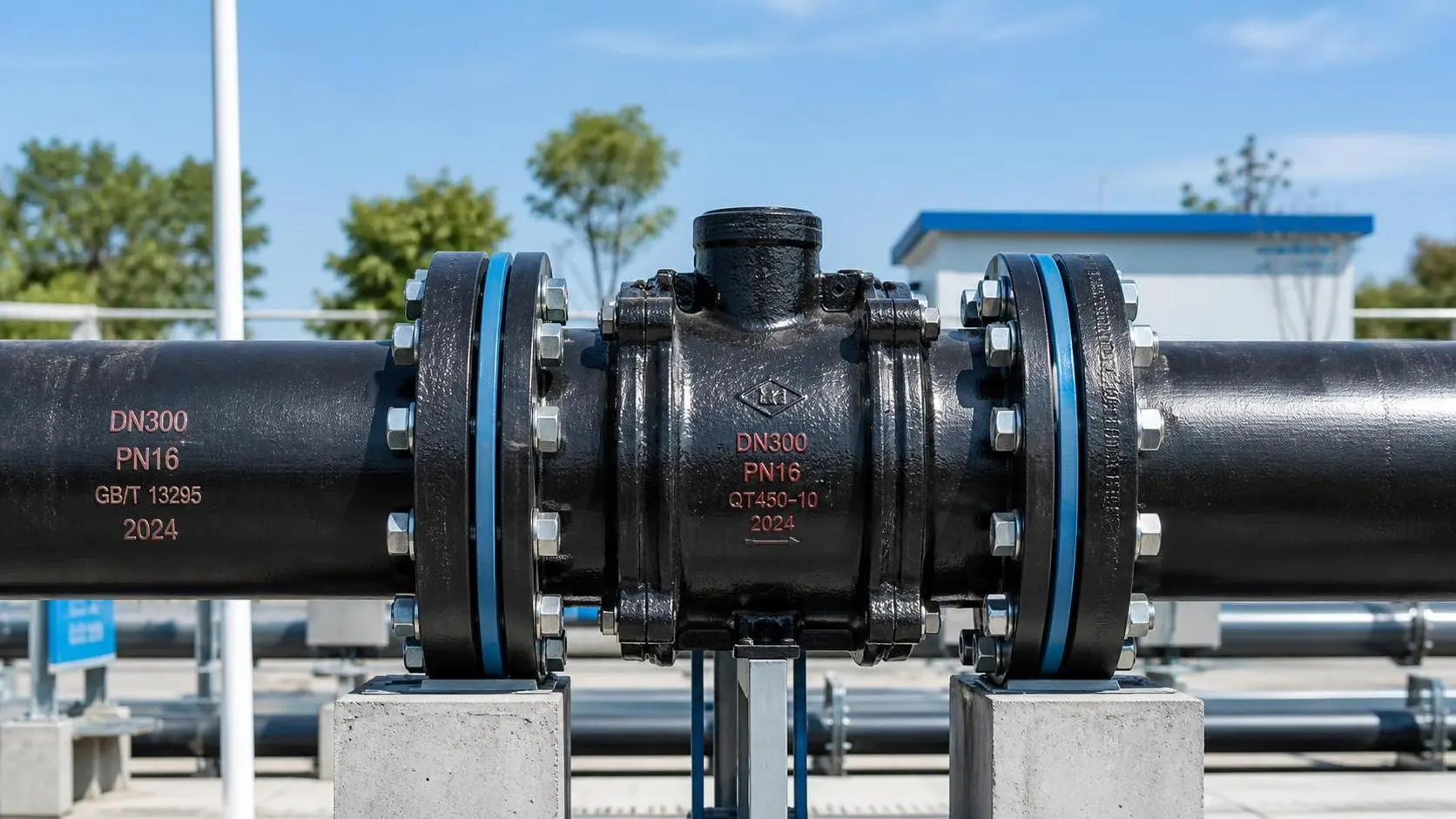
How Pipe Fittings Material and Pressure Class Affect Water Line Selection
Pipe fittings selection starts with material and pressure class. Learn how these factors affect water line reliability, corrosion resistance, installation, and long-term cost.
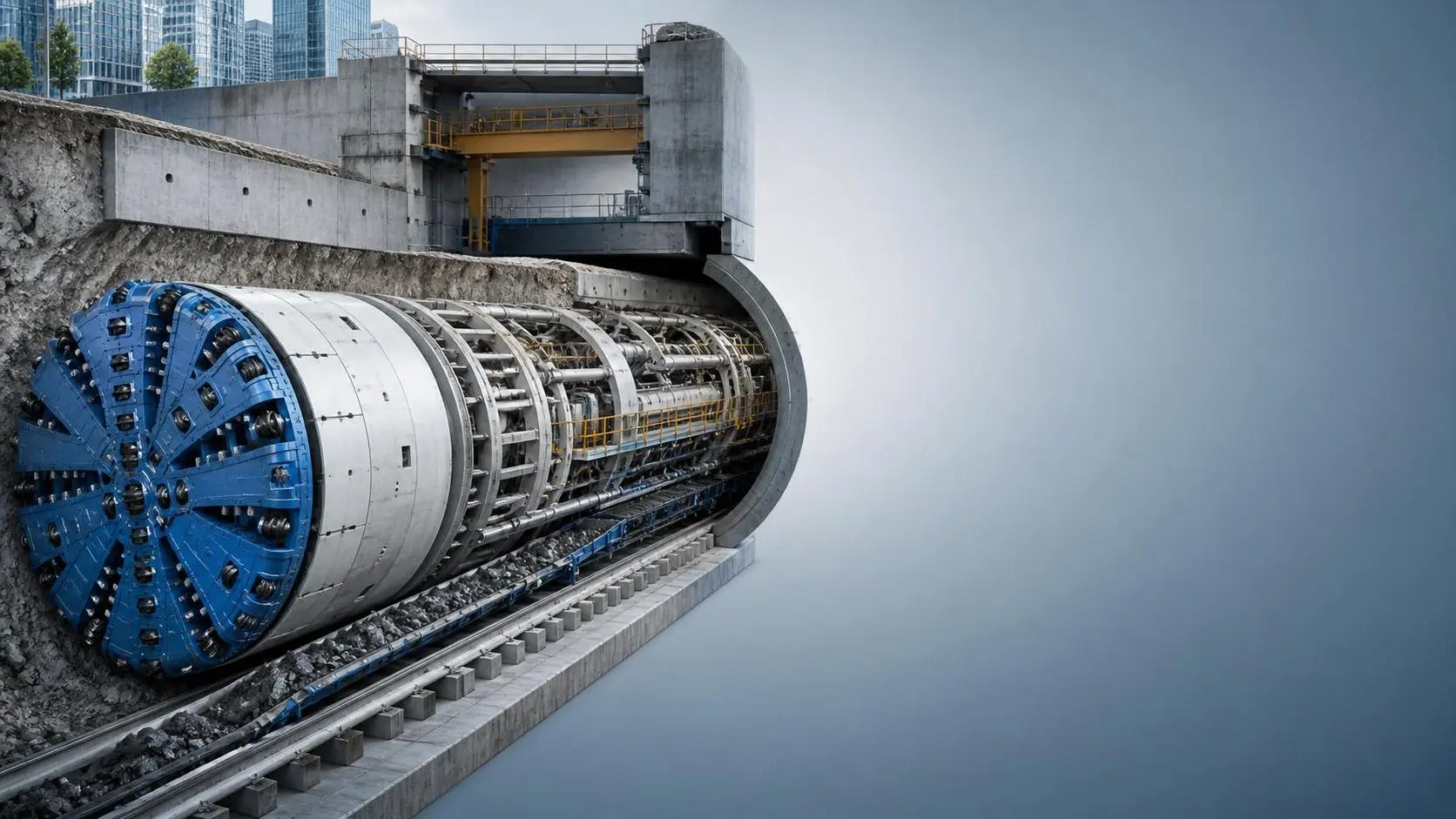
What Drives TBM Excavation Cost in Urban Tunneling Projects?
tbm excavation cost in urban tunneling depends on geology, shafts, segment lining, logistics, and risk. Discover the key cost drivers and compare bids with greater confidence.
What Does Energy Metals Mining in Australia Mean for Supply, Cost, and Project Risk?
Energy metals mining Australia is reshaping supply, cost, and project risk. Discover what it means for buyers, investors, and operators.
EU Eases Dual CE and UKCA Path for Chinese Tunnel Boring Equipment
EU eases CE and UKCA certification for Chinese tunnel boring equipment, cutting compliance time and helping importers move faster.
Flameproof Underground Safety Equipment: What Mine Teams Should Check Before Buying
Underground Safety Equipment flameproof buying guide: learn how mine teams should verify certification, durability, serviceability, and supplier support before purchase.
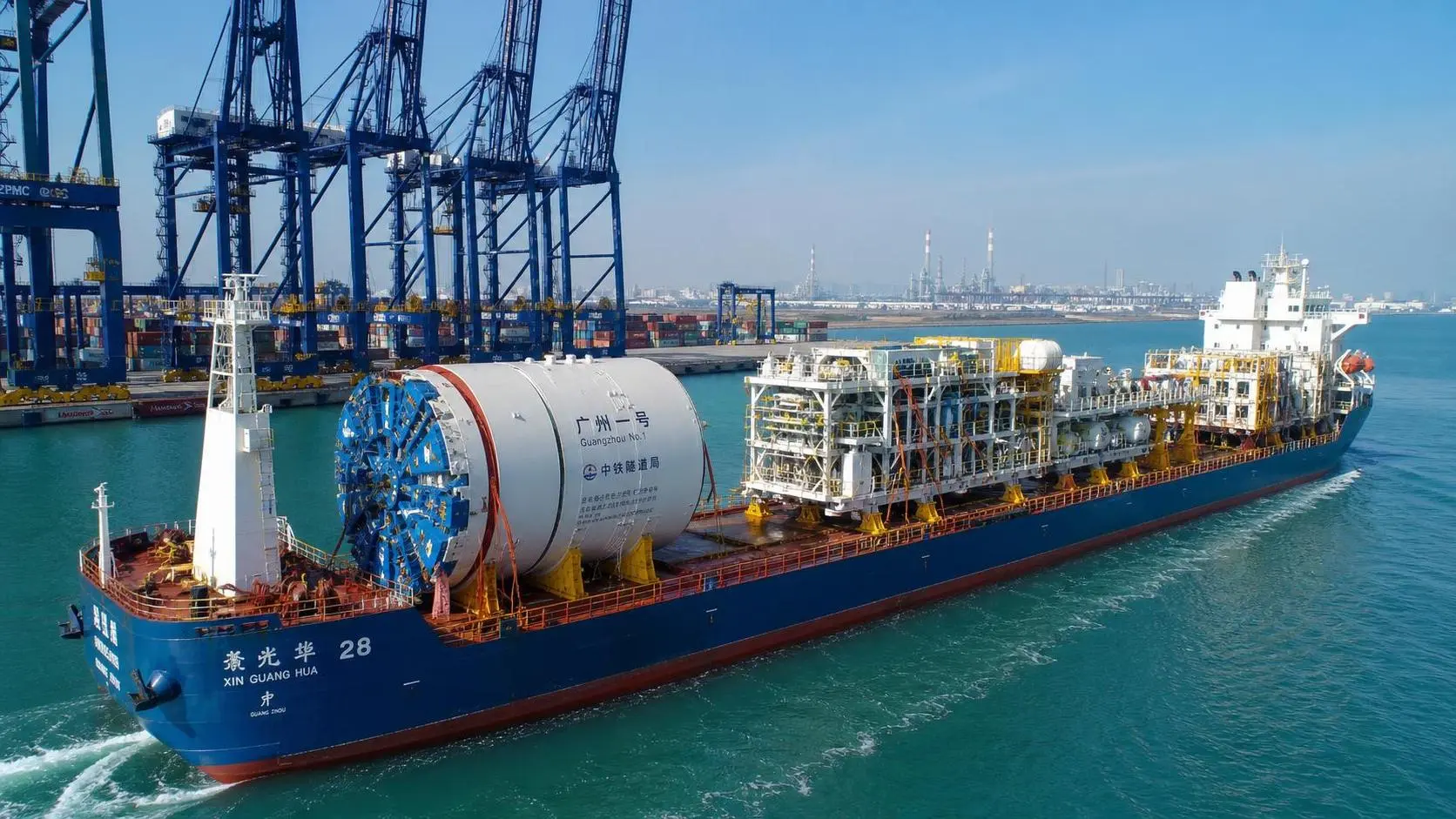
China-UAE Direct Sea Route Cuts TBM and Large Tunneling Equipment Lead Times
China-UAE direct sea route shortens TBM and large tunneling equipment lead times by 12–15 days, improving delivery predictability for major infrastructure projects. Read the full impact.
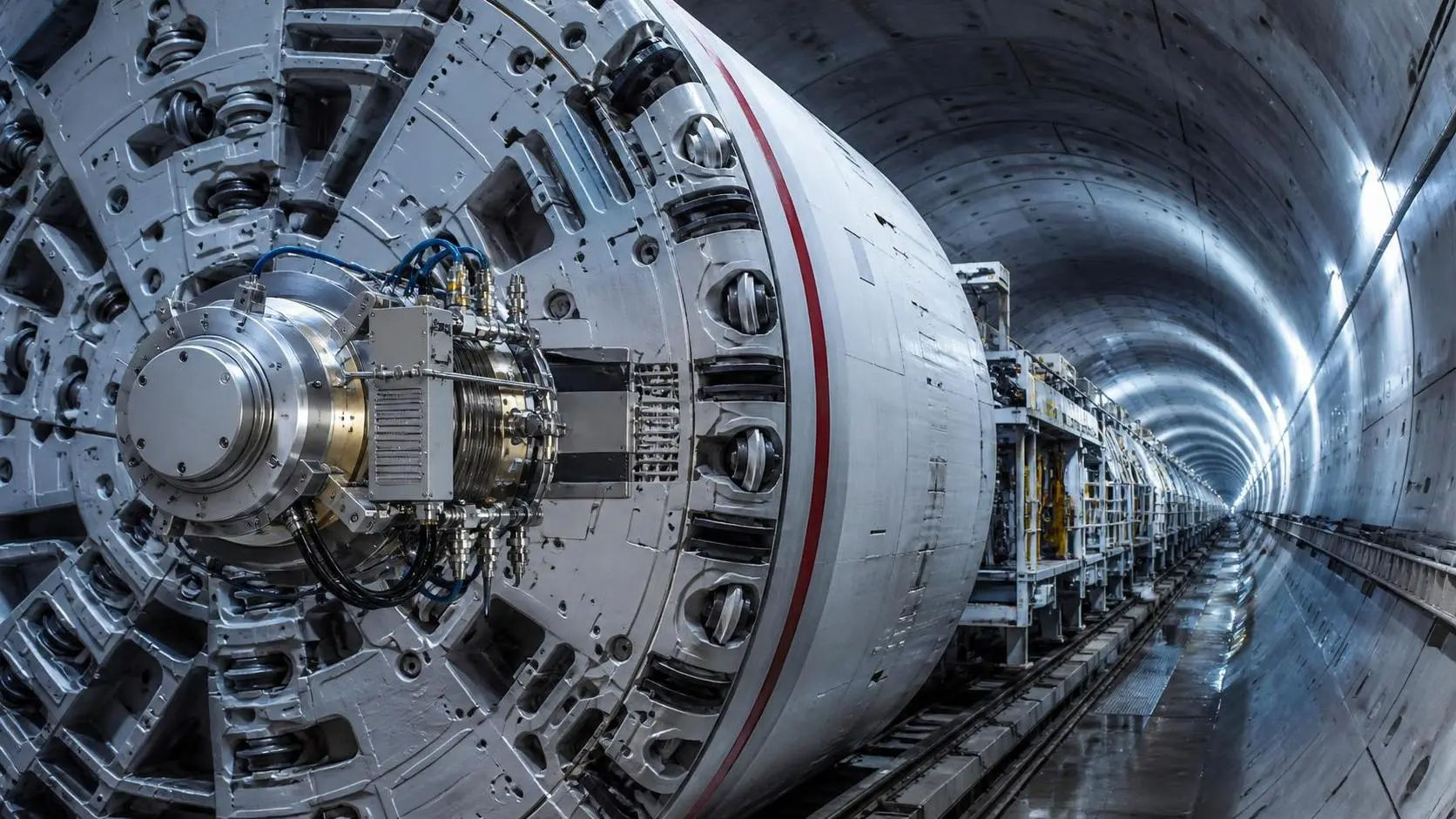
What Is a TBM Guidance System Gyroscope, and Why Does It Matter Underground?
TBM Guidance Systems gyroscope improves underground accuracy, reduces drift, and helps tunnel boring machines stay on line in harsh conditions.
Related News
- 00
0000-00
How to Build a Mining Decarbonization Strategy That Balances Emissions, Cost, and Fleet Reality - 00
0000-00
How to Evaluate Articulated Dump Trucks Payload for Haul Road Conditions and Cycle Efficiency - 00
0000-00
How Pipe Fittings Material and Pressure Class Affect Water Line Selection - 00
0000-00
What Drives TBM Excavation Cost in Urban Tunneling Projects? - 00
0000-00
What Does Energy Metals Mining in Australia Mean for Supply, Cost, and Project Risk?
Weekly Insights
Stay ahead with our curated technology reports delivered every Monday.