
Codelco Revises Chile Tender for Battery LHDs





On July 5, 2026, Codelco issued a supplemental technical notice to global suppliers that changes the compliance threshold for Battery LHDs in the El Teniente deep expansion project. The revised requirement makes IECEx Zone 1 Class I T3 certification mandatory by September 30, 2026, replacing a tender path that had previously accepted ATEX alone. This is worth close attention from underground mining equipment manufacturers, certification teams, procurement functions, and cross-border supply chain operators because bid eligibility now depends directly on certification timing rather than only on product specification or delivery capacity.
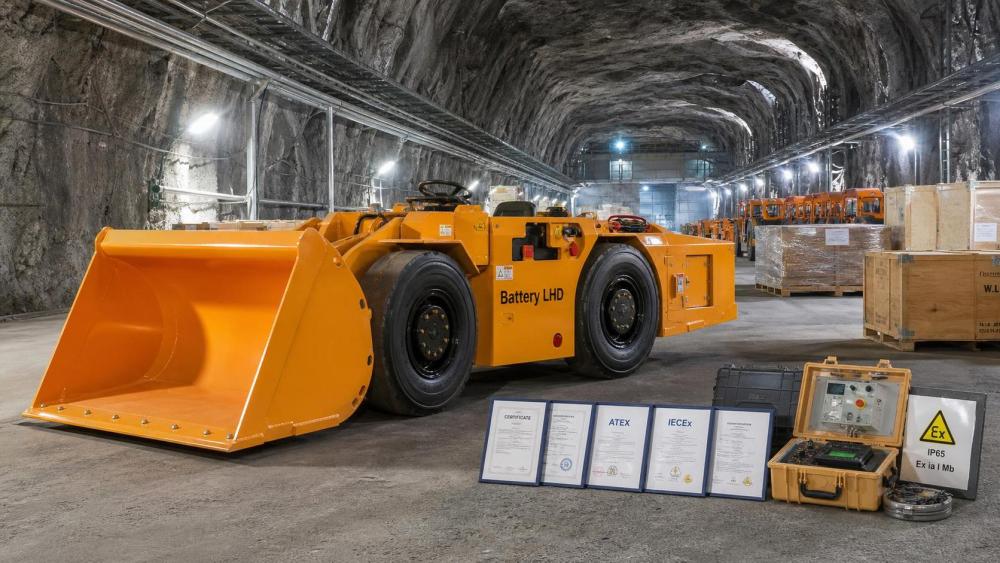
The Tender Requirement Has Shifted from ATEX to IECEx
According to the information provided, Codelco sent a supplemental technical letter to global suppliers on July 5, 2026. The letter requires all Battery LHDs participating in the tender for the El Teniente deep expansion project to complete IECEx Zone 1 Class I T3 explosion-protection certification by September 30, 2026.
The previous requirement had only called for ATEX. Under the revised condition, equipment without the required IECEx certification by the deadline will automatically lose tender eligibility.
The provided information also states that this change will affect the delivery schedules and certification pathways of major Chinese battery loader manufacturers.
Where the Immediate Pressure Will Be Felt
Equipment manufacturers now face a qualification bottleneck
From an industry perspective, the first impact falls on Battery LHD manufacturers preparing bids for this project. The key issue is not only whether equipment design can meet underground mine requirements, but whether the certification process can be completed within the revised tender window. The affected business links are product compliance, bid preparation, technical documentation, and delivery planning.
What deserves closer attention is the gap between existing certification status and the new tender threshold. Suppliers that had aligned around an ATEX-based route may now need to reassess documentation, testing arrangements, and bid timing.
Procurement teams must re-evaluate eligible supplier pools
For procurement-side participants, the revision changes how supplier screening should be handled. Eligibility is now tied to possession of a valid IECEx Zone 1 Class I T3 certification by a fixed date. This means the procurement process may need to focus more heavily on certification readiness, not just on technical quotations or commercial terms.
The main business impact is in pre-qualification review, tender risk control, and supplier communication. Buyers and project procurement teams should pay attention to whether suppliers can provide clear proof of certification progress before the deadline.
Supply chain and project delivery functions may see timing disruptions
Analysis shows that the change can also affect supply chain service providers and project delivery coordinators. When certification becomes a hard gate for participation, production scheduling, shipment planning, and contract execution assumptions may all need to be revisited.
The practical concern is that delivery timing can no longer be viewed independently from compliance timing. Teams involved in order coordination and export execution should therefore watch for changes in bid schedules, documentation requirements, and supplier commitment dates.
What Companies Should Track Now
Watch for any further official wording or procedural clarification
Companies involved in this tender should closely monitor whether Codelco issues additional explanations on the revised requirement, especially around how certification completion will be judged in tender review. The distinction between a stated technical requirement and the exact form of accepted proof can materially affect bid preparation.
Review certification status against the September 30 deadline
For manufacturers and bid teams, the immediate task is to compare current certification status with the new cutoff date. This is not a general compliance issue but a project-specific qualification issue tied to a fixed deadline. Internal coordination between engineering, certification, legal, and sales teams becomes more important when eligibility can be lost automatically.
Recheck bid documents and supporting materials
Suppliers should also re-examine tender files, technical submissions, and supporting certificates to ensure alignment with the revised requirement. In this case, documentation quality is not secondary; it is part of the qualification path. Any mismatch between declared compliance and accepted certification status may directly affect bid validity.
Prepare external communication and fallback planning
Observably, customer communication and internal contingency planning now matter more. Companies that cannot complete the required certification in time may need to reassess resource allocation, delivery expectations, and ongoing discussions with project counterparts. The core issue is not broad market strategy but near-term execution discipline under a changed tender rule.
Why This Matters Beyond a Single Tender
Analysis shows that this update should be read first as a concrete access condition for one mining project, but it also carries a wider signal about how compliance standards may shape participation in battery underground equipment tenders. The shift from an ATEX-only path to a mandatory IECEx requirement changes the competitive threshold in a very operational way: certification is becoming part of market entry timing, not just a supporting technical attribute.
At the same time, it is too early to generalize this into a full market-wide conclusion. Based on the provided information, the clearer interpretation is that this is an immediate tender-level rule change with broader signaling value, rather than definitive proof of a universal procurement shift across all projects.
How the Market Should Read This Update for Now
The most balanced reading is that this is a short-term rule change with direct commercial consequences and possible longer-term implications that still require observation. Its immediate significance lies in bid eligibility, certification scheduling, and supplier readiness for the El Teniente deep expansion project. Its broader significance lies in reminding market participants that certification pathways can alter competitive positioning just as quickly as product performance or pricing.
It is more appropriate to understand this as a live compliance-driven market development: the result for this tender is clearer than the long-term trend, and both equipment suppliers and procurement participants should keep their attention on official follow-up language and practical implementation.
Basis of This Article and Ongoing Verification
This article is based on the user-provided news title, event date, and event summary concerning Codelco's July 5, 2026 supplemental technical notice for Battery LHDs in the El Teniente deep expansion project.
For this type of industry development, commonly relevant source categories may include official procurement notices, company announcements, industry association updates, authoritative media reports, and standards organization documents. A specific official source link was not provided in the input, so the exact original document path still requires continued verification.
Follow-up attention should remain on any further official clarification, document updates, or implementation details related to the certification requirement and tender qualification treatment.
Related News
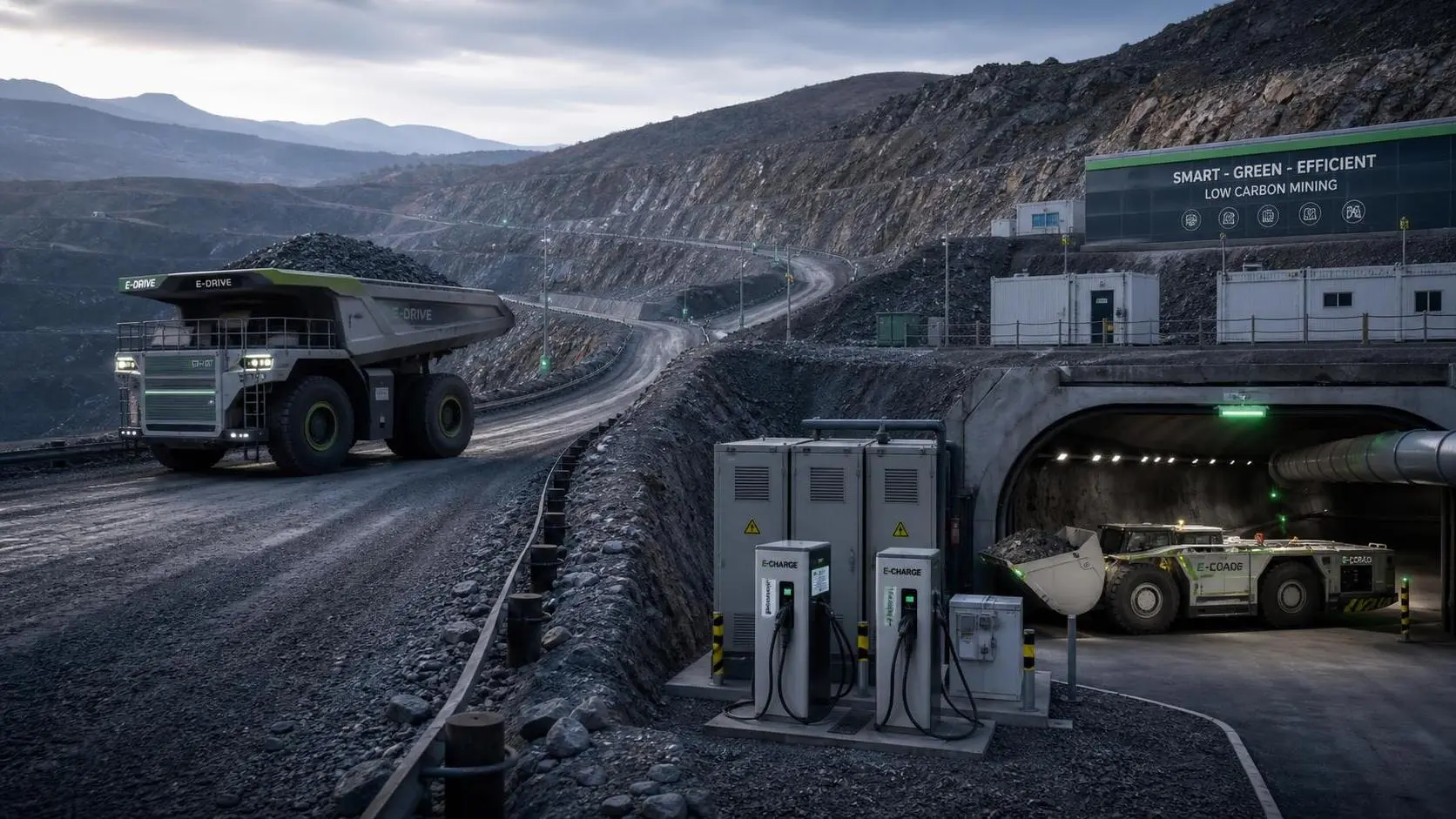
How to Build a Mining Decarbonization Strategy That Balances Emissions, Cost, and Fleet Reality
Mining decarbonization strategy starts with fleet reality. Learn how to cut emissions, control cost, and align power, ventilation, and production for a practical mine transition.

How to Evaluate Articulated Dump Trucks Payload for Haul Road Conditions and Cycle Efficiency
Articulated Dump Trucks payload evaluation starts with real haul road conditions, not brochure numbers. Learn how to balance payload, traction, grades, and cycle efficiency for safer, higher output.
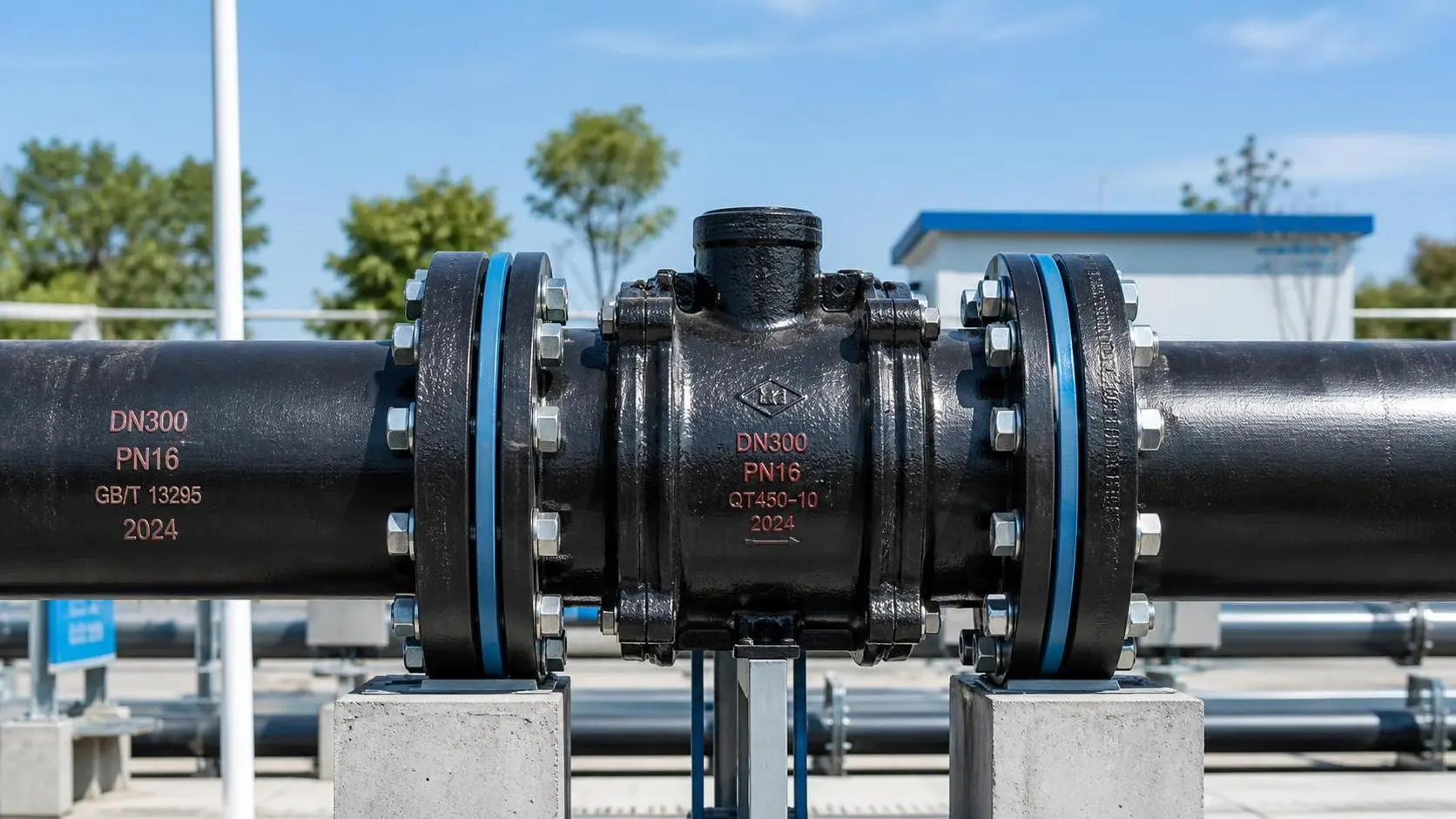
How Pipe Fittings Material and Pressure Class Affect Water Line Selection
Pipe fittings selection starts with material and pressure class. Learn how these factors affect water line reliability, corrosion resistance, installation, and long-term cost.
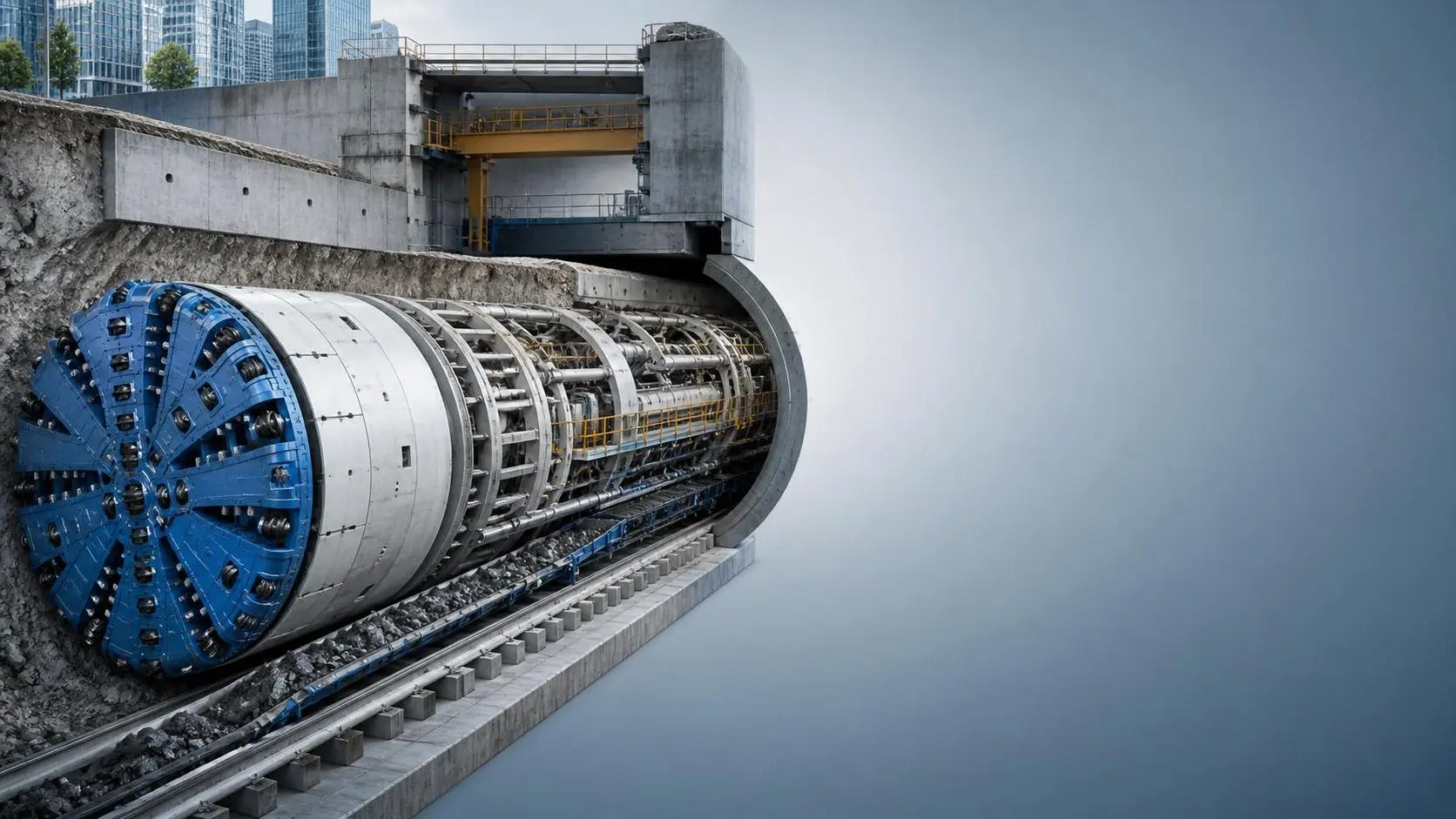
What Drives TBM Excavation Cost in Urban Tunneling Projects?
tbm excavation cost in urban tunneling depends on geology, shafts, segment lining, logistics, and risk. Discover the key cost drivers and compare bids with greater confidence.
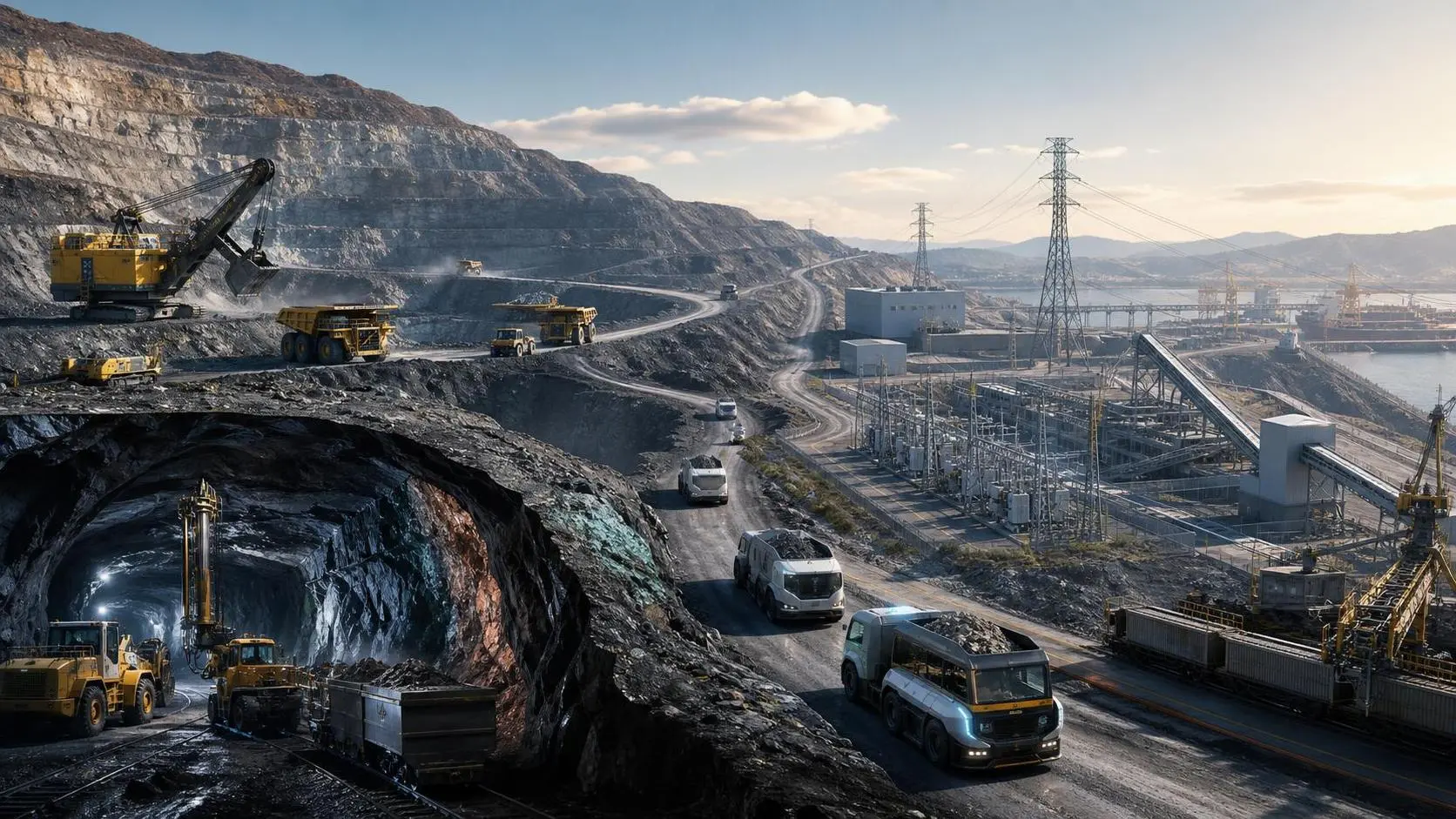
What Does Energy Metals Mining in Australia Mean for Supply, Cost, and Project Risk?
Energy metals mining Australia is reshaping supply, cost, and project risk. Discover what it means for buyers, investors, and operators.
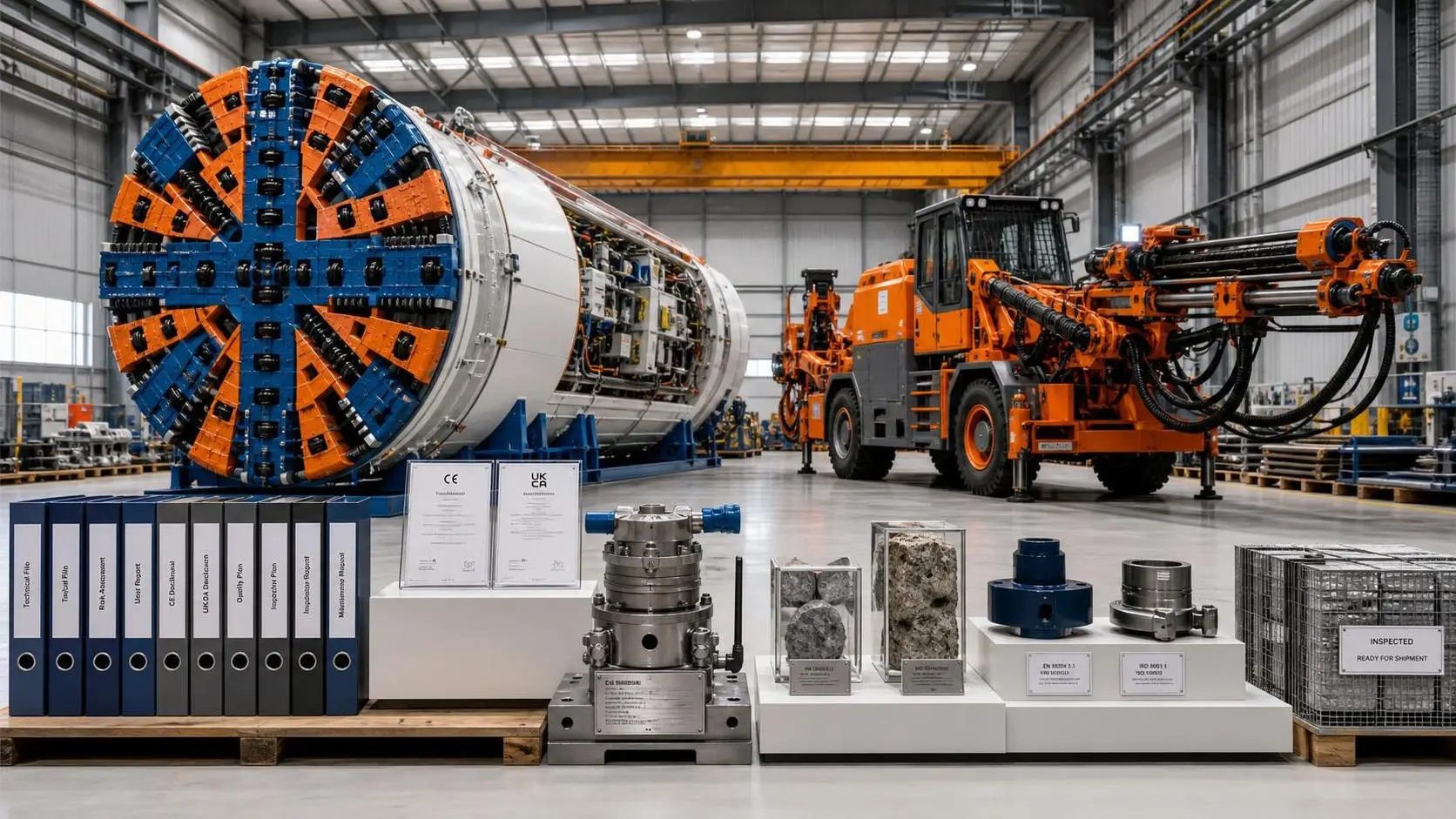
EU Eases Dual CE and UKCA Path for Chinese Tunnel Boring Equipment
EU eases CE and UKCA certification for Chinese tunnel boring equipment, cutting compliance time and helping importers move faster.
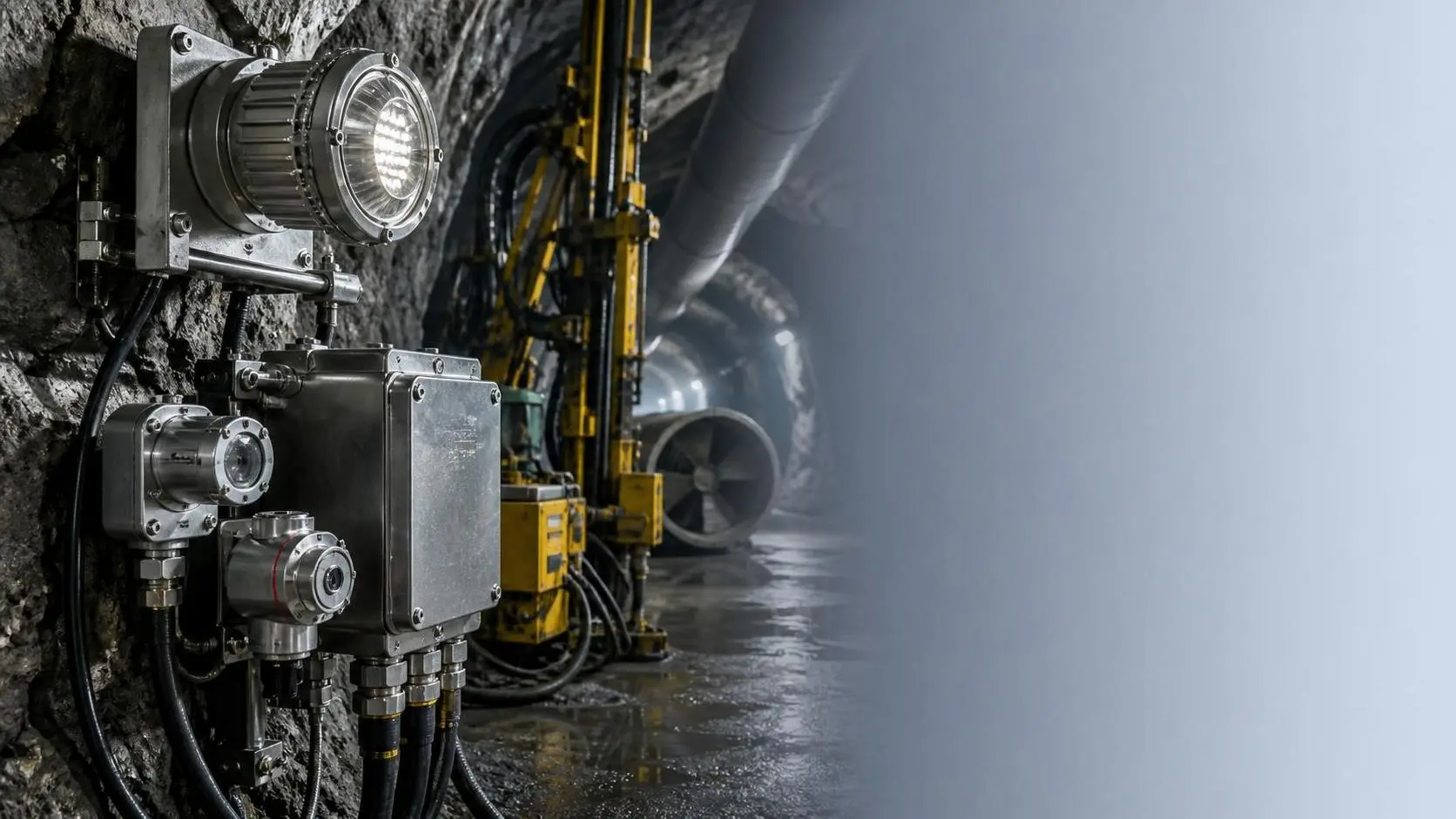
Flameproof Underground Safety Equipment: What Mine Teams Should Check Before Buying
Underground Safety Equipment flameproof buying guide: learn how mine teams should verify certification, durability, serviceability, and supplier support before purchase.
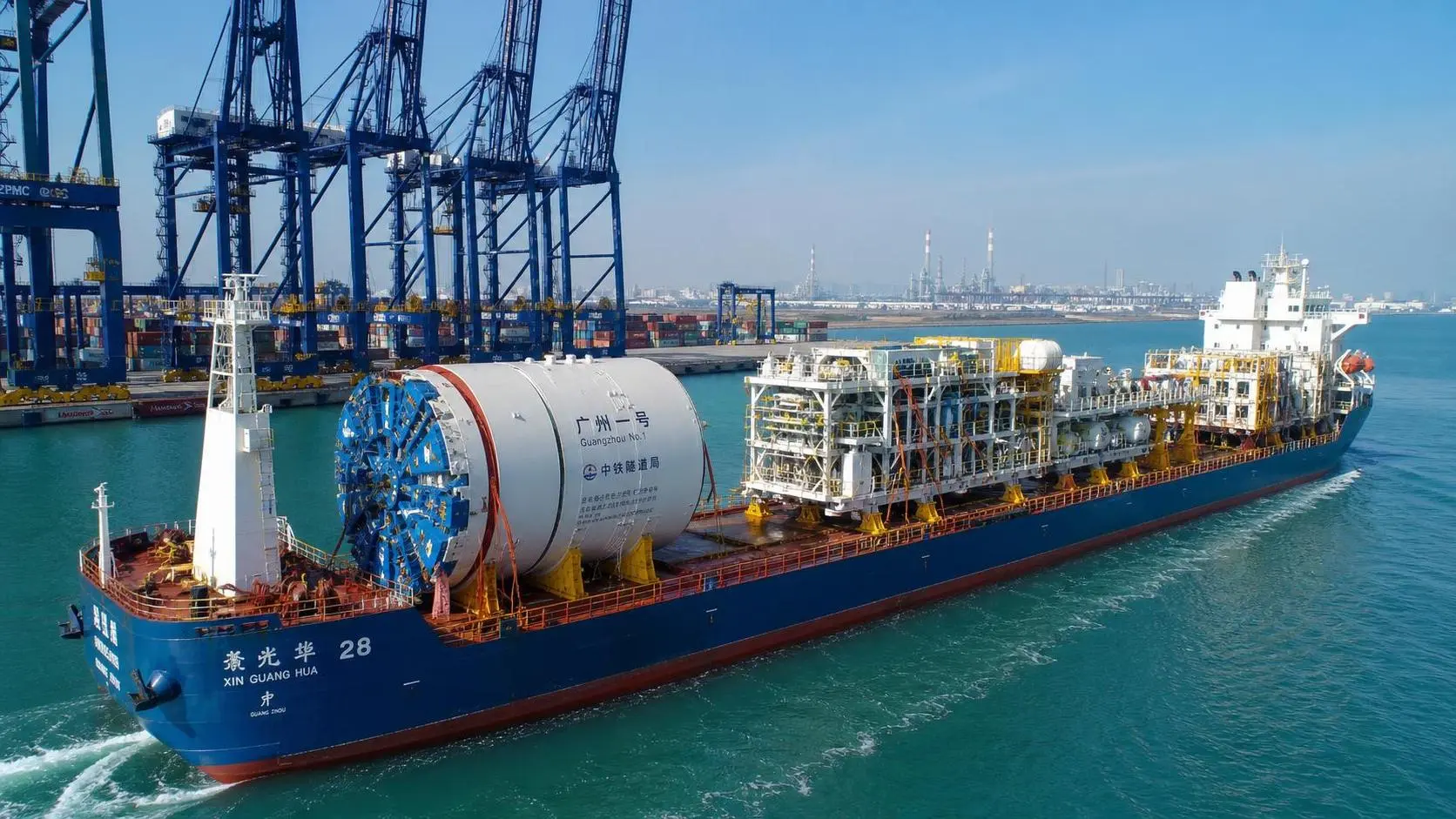
China-UAE Direct Sea Route Cuts TBM and Large Tunneling Equipment Lead Times
China-UAE direct sea route shortens TBM and large tunneling equipment lead times by 12–15 days, improving delivery predictability for major infrastructure projects. Read the full impact.

What Is a TBM Guidance System Gyroscope, and Why Does It Matter Underground?
TBM Guidance Systems gyroscope improves underground accuracy, reduces drift, and helps tunnel boring machines stay on line in harsh conditions.
Related News
- 00
0000-00
How to Build a Mining Decarbonization Strategy That Balances Emissions, Cost, and Fleet Reality - 00
0000-00
How to Evaluate Articulated Dump Trucks Payload for Haul Road Conditions and Cycle Efficiency - 00
0000-00
How Pipe Fittings Material and Pressure Class Affect Water Line Selection - 00
0000-00
What Drives TBM Excavation Cost in Urban Tunneling Projects? - 00
0000-00
What Does Energy Metals Mining in Australia Mean for Supply, Cost, and Project Risk?
Weekly Insights
Stay ahead with our curated technology reports delivered every Monday.