
Rectangular Pipe Jacking Machine Clears Singapore CPB





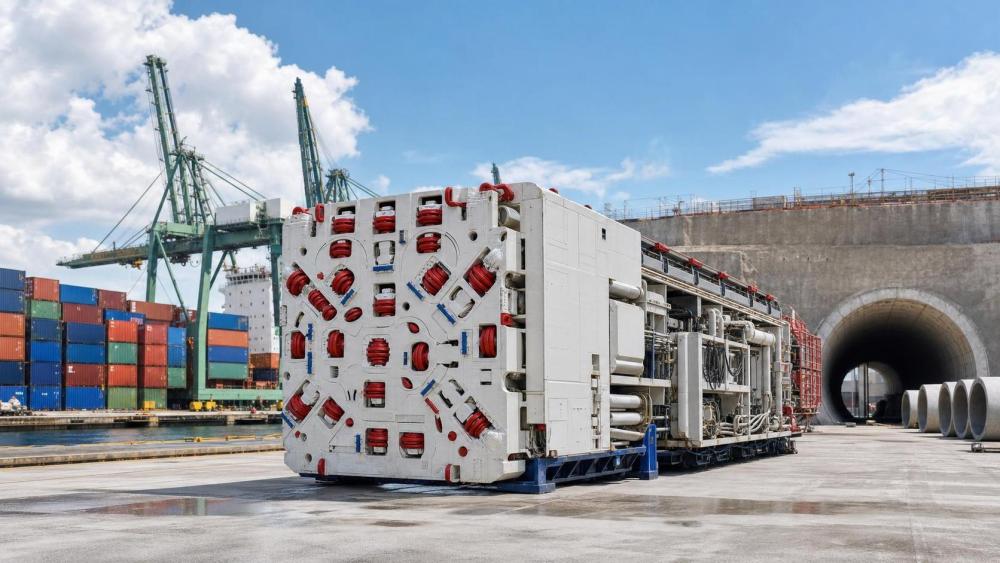
On July 5, 2026, Singapore’s Land Transport Authority (LTA) and Building and Construction Authority (BCA) announced that a domestically made rectangular Pipe Jacking machine had passed full CPB (Construction Product Board) certification and entered the country’s Smart Tunneling Fast-Track Program as the first non-local brand to do so. For companies involved in tunneling equipment, project procurement, cross-border delivery, and port clearance, the development is worth watching because it combines product qualification with a much faster customs route, directly touching certification access and delivery timing in the Singapore market.
What Has Been Confirmed So Far
The confirmed facts are limited but clear. According to the information provided, the announcement was made on July 5, 2026 by LTA together with BCA. The equipment concerned is a rectangular Pipe Jacking machine described as the first of its kind globally, and it has obtained full CPB certification.
The same information states that the machine is the first non-local brand approved to enter Singapore’s Smart Tunneling Fast-Track Program. It also states that certified equipment can use a “zero-wait” green customs channel at PSA Jurong Island terminal, reducing clearance time to 12 hours compared with a conventional average of 72 hours.
Where The Industry May Feel The Effect
Equipment suppliers face a higher bar on market entry
From an industry perspective, manufacturers and exporters of tunneling equipment may be affected first because this development links technical compliance with practical access to the Singapore market. The immediate business impact is likely to center on qualification readiness, submission materials, and the ability to align products with local certification requirements rather than relying only on shipment availability.
Project buyers may reassess delivery assumptions
For procurement teams and project-side buyers, the shorter clearance window could influence how equipment arrival is planned and communicated. Analysis shows that the main point to watch is not only the headline reduction from 72 hours to 12 hours, but whether procurement schedules, contract milestones, and contingency buffers begin to reflect differentiated treatment for certified equipment.
Logistics and customs service providers will need tighter execution
Supply chain service providers, including freight, customs, and port-facing operators, may also need to adjust. If a green channel is available only to qualified equipment, the operational focus shifts to document accuracy, filing sequence, and coordination speed. What deserves closer attention is whether service providers can support customers in converting a policy advantage into an actual delivery advantage.
What Companies Should Track Next
Watch for further official wording and scope clarification
Analysis shows that companies should closely monitor how LTA, BCA, or related authorities describe the practical scope of the fast-track treatment going forward. The current information confirms access for the certified equipment, but businesses still need to distinguish between a confirmed announcement and any later clarification on application boundaries, procedural details, or implementation conditions.
Prepare qualification documents before shipment decisions
For suppliers and exporters, document readiness becomes a practical issue. The combination of CPB certification and faster clearance suggests that qualification status may affect delivery rhythm. Companies active in this segment should review whether certification-related materials, customs documents, and product identification records are complete enough to support predictable execution.
Separate policy signal from operational reality
Observably, the policy signal is strong, but day-to-day execution still depends on whether port, customs, and project coordination work smoothly in practice. Buyers and service providers should avoid treating the announced 12-hour timeline as an automatic outcome in every case without checking the procedural conditions attached to the green channel.
Revisit customer communication and delivery buffers
Commercial teams should also reconsider how they communicate lead times to customers and project partners. Where certified equipment is involved, shorter customs handling may justify updated delivery assumptions, but only if internal planning, freight coordination, and clearance support are aligned in advance.
Why This Looks More Like A Market Access Signal
As an editorial observation, this news currently reads less like a broad shift across the entire tunneling equipment market and more like a concrete signal about market access in Singapore. The combination of full CPB certification, entry into the Smart Tunneling Fast-Track Program, and a green customs channel points to a tighter connection between compliance approval and logistics efficiency.
It is more appropriate to understand this as an early operational signal with clear commercial relevance, rather than a final conclusion about wider competitive outcomes. The reason the industry should keep watching is that one confirmed approval can matter immediately for the parties involved, while its broader effect on procurement behavior and supplier competition still needs continued observation.
How This News Is Best Understood Right Now
At this stage, the development should be read as a verified change in access conditions for one certified category of equipment, with possible implications for equipment supply, procurement planning, and customs execution in Singapore. It does not by itself prove a wider market restructuring, but it does show that certification status can now carry more direct operational value in this segment.
A neutral reading is that the event has short-term relevance for delivery and qualification work, while also serving as a longer-term signal worth tracking for companies active in tunneling equipment and related supply chain services.
Basis Of This Report
This article is based on the user-provided news title, event date, and event summary. For this type of industry update, commonly relevant source categories may include official announcements, company statements, industry association releases, authoritative media coverage, and standard-setting or certification documents.
No specific official source link was provided in the input, so the exact source documentation still requires ongoing verification. The main follow-up points to watch are any later official clarification on certification scope, fast-track program treatment, and the practical conditions tied to the green customs channel.
Related News
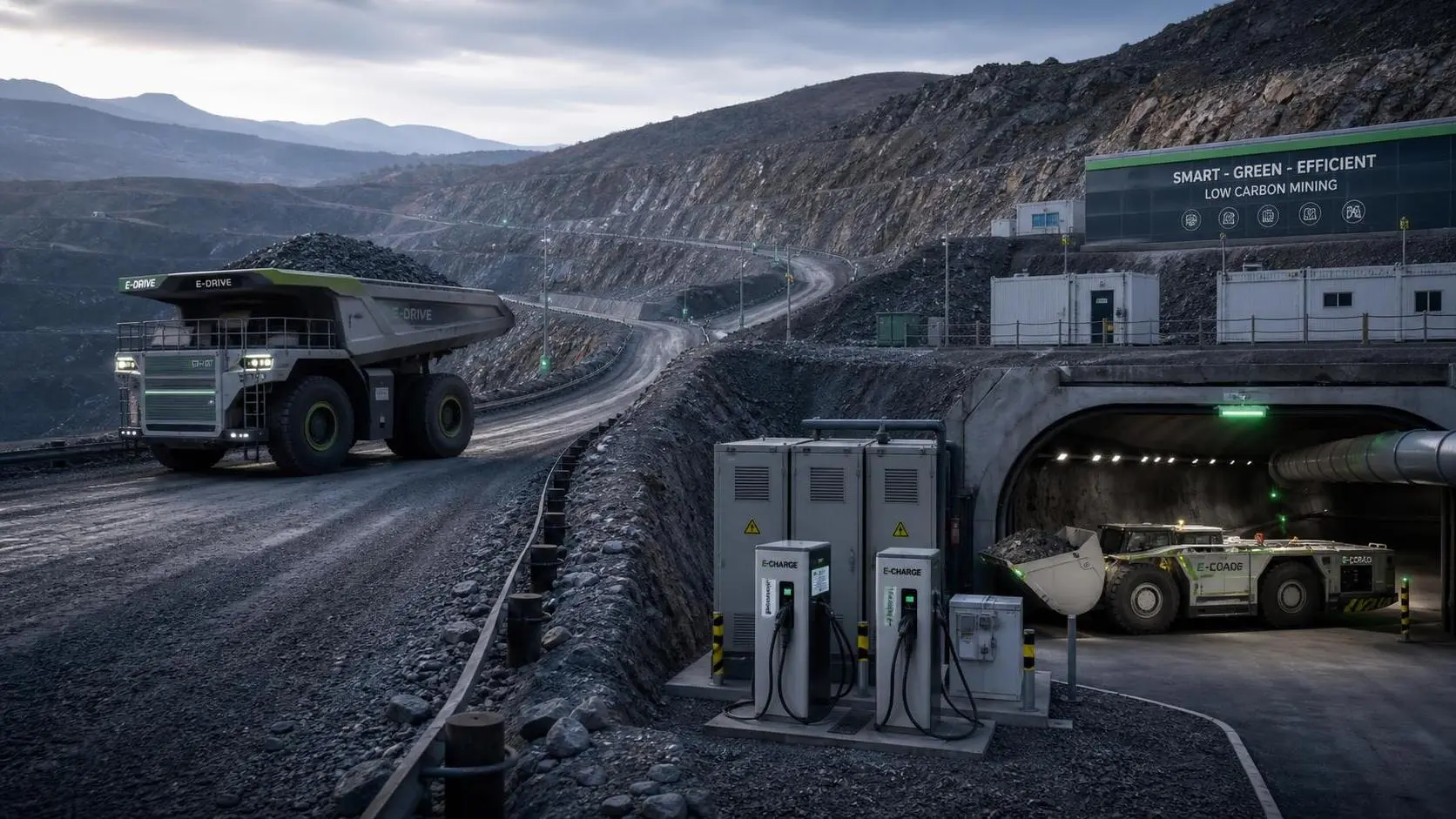
How to Build a Mining Decarbonization Strategy That Balances Emissions, Cost, and Fleet Reality
Mining decarbonization strategy starts with fleet reality. Learn how to cut emissions, control cost, and align power, ventilation, and production for a practical mine transition.

How to Evaluate Articulated Dump Trucks Payload for Haul Road Conditions and Cycle Efficiency
Articulated Dump Trucks payload evaluation starts with real haul road conditions, not brochure numbers. Learn how to balance payload, traction, grades, and cycle efficiency for safer, higher output.
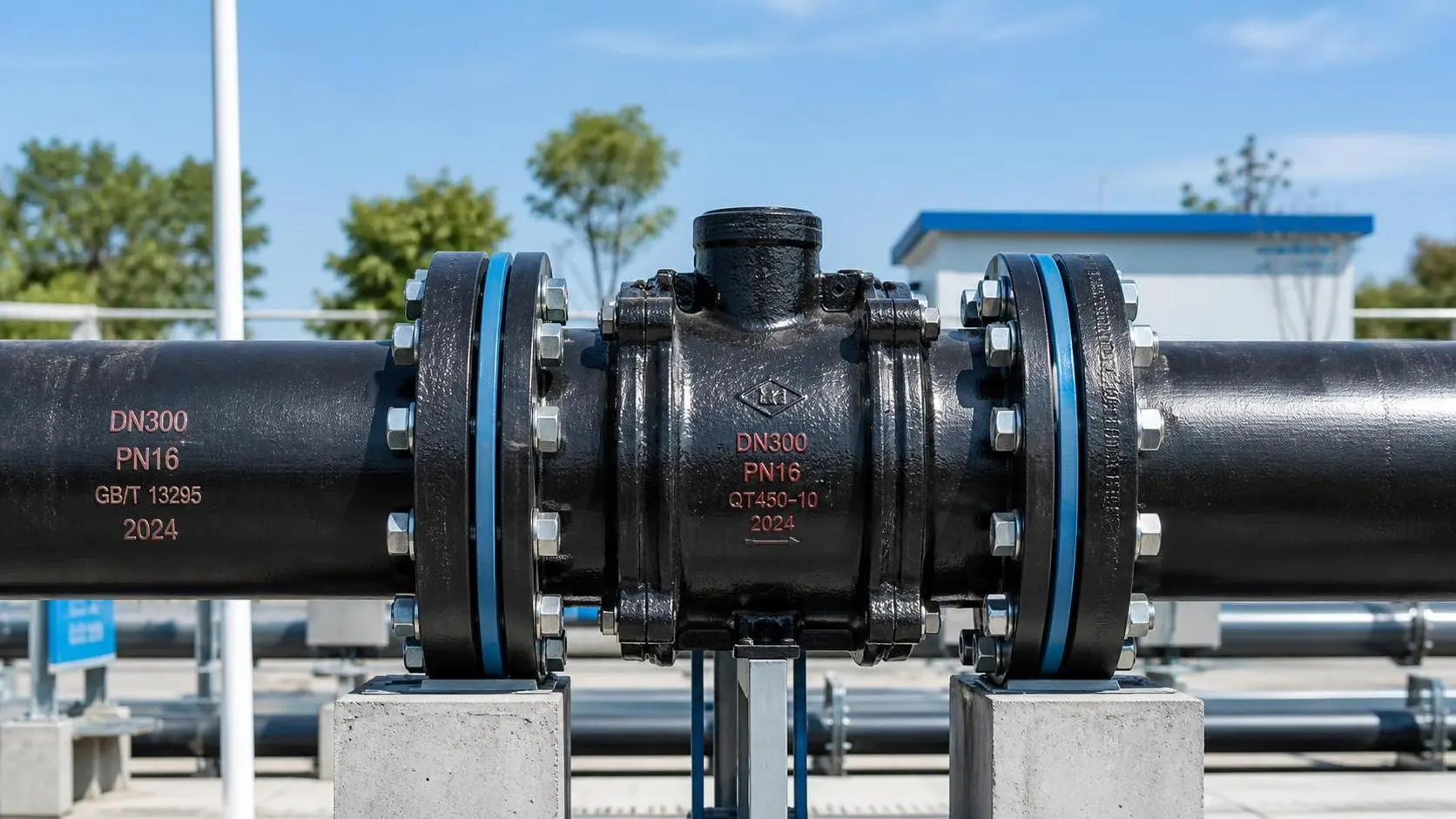
How Pipe Fittings Material and Pressure Class Affect Water Line Selection
Pipe fittings selection starts with material and pressure class. Learn how these factors affect water line reliability, corrosion resistance, installation, and long-term cost.
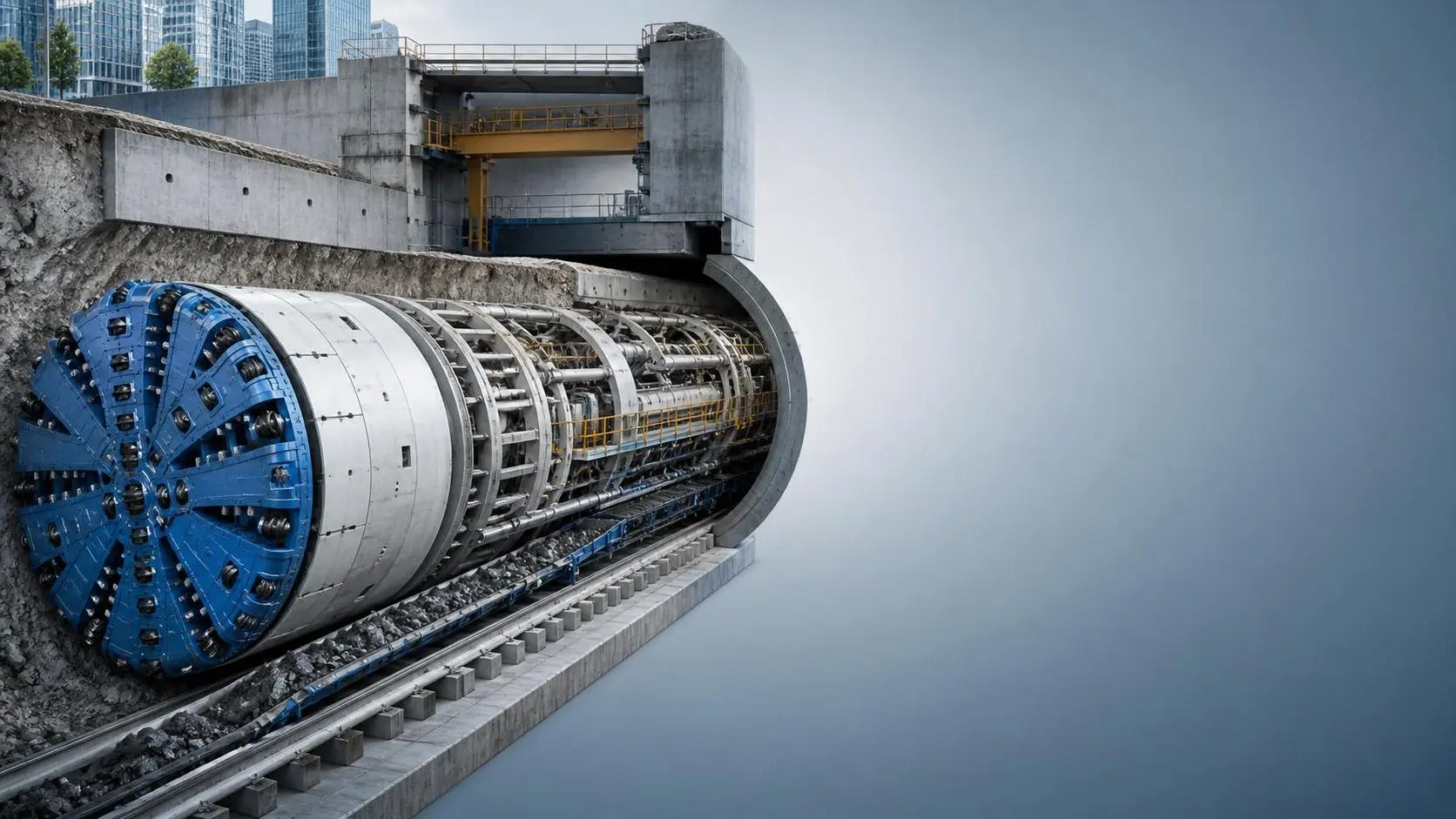
What Drives TBM Excavation Cost in Urban Tunneling Projects?
tbm excavation cost in urban tunneling depends on geology, shafts, segment lining, logistics, and risk. Discover the key cost drivers and compare bids with greater confidence.

What Does Energy Metals Mining in Australia Mean for Supply, Cost, and Project Risk?
Energy metals mining Australia is reshaping supply, cost, and project risk. Discover what it means for buyers, investors, and operators.

EU Eases Dual CE and UKCA Path for Chinese Tunnel Boring Equipment
EU eases CE and UKCA certification for Chinese tunnel boring equipment, cutting compliance time and helping importers move faster.
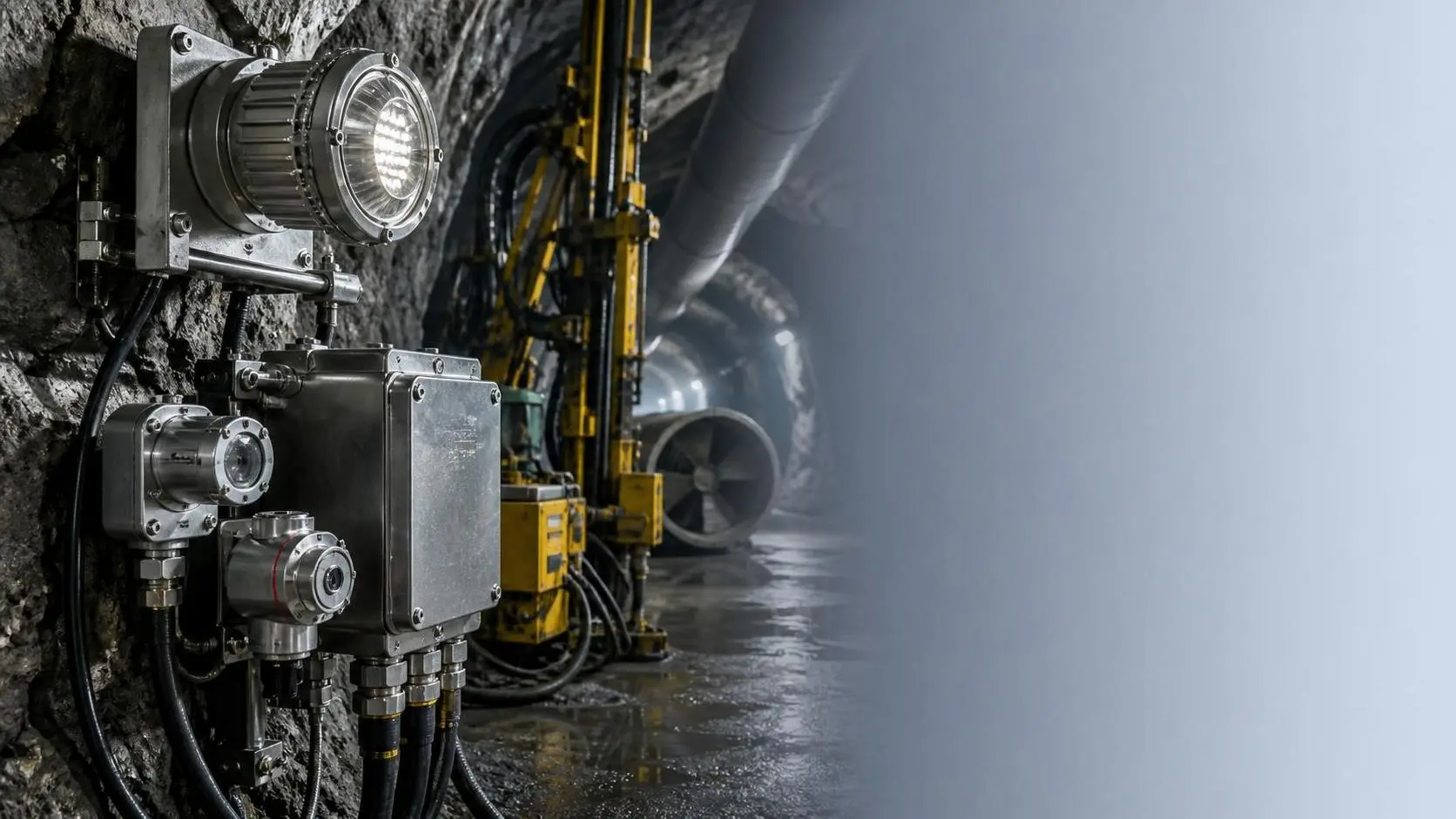
Flameproof Underground Safety Equipment: What Mine Teams Should Check Before Buying
Underground Safety Equipment flameproof buying guide: learn how mine teams should verify certification, durability, serviceability, and supplier support before purchase.
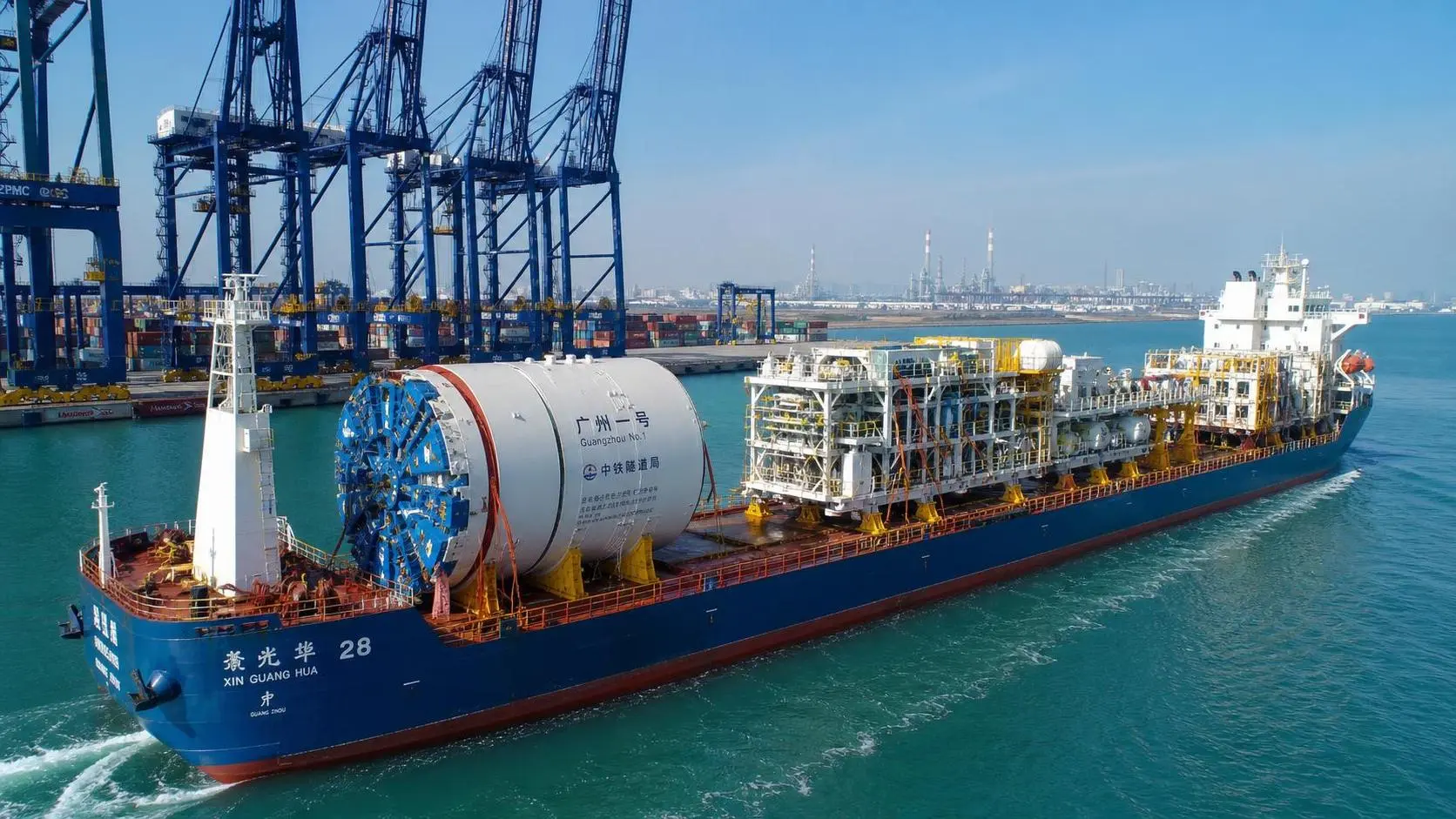
China-UAE Direct Sea Route Cuts TBM and Large Tunneling Equipment Lead Times
China-UAE direct sea route shortens TBM and large tunneling equipment lead times by 12–15 days, improving delivery predictability for major infrastructure projects. Read the full impact.

What Is a TBM Guidance System Gyroscope, and Why Does It Matter Underground?
TBM Guidance Systems gyroscope improves underground accuracy, reduces drift, and helps tunnel boring machines stay on line in harsh conditions.
Related News
- 00
0000-00
How to Build a Mining Decarbonization Strategy That Balances Emissions, Cost, and Fleet Reality - 00
0000-00
How to Evaluate Articulated Dump Trucks Payload for Haul Road Conditions and Cycle Efficiency - 00
0000-00
How Pipe Fittings Material and Pressure Class Affect Water Line Selection - 00
0000-00
What Drives TBM Excavation Cost in Urban Tunneling Projects? - 00
0000-00
What Does Energy Metals Mining in Australia Mean for Supply, Cost, and Project Risk?
Weekly Insights
Stay ahead with our curated technology reports delivered every Monday.