
How to Choose Underground Mining Transport Solutions for Long Hauls, Steep Grades, and Ventilation Limits





How to Choose Underground Mining Transport Solutions for Long Hauls, Steep Grades, and Ventilation Limits
Choosing underground mining transport solutions is now a strategic decision, not just an equipment purchase.
Long hauls, steep grades, and restricted airflow change the economics of every tonne moved underground.
A system that looks efficient on paper can fail quickly when heat, congestion, and ramp resistance start compounding.
That is why the best underground mining transport solutions are chosen around the mine layout, duty cycle, and ventilation envelope together.
In practice, the right answer may combine battery LHDs, trolley trucks, ore passes, conveyors, or automated transfer points.
The goal is simple: move more material safely, with less energy loss, less downtime, and lower lifecycle cost.
Start With the Three Constraints That Shape Transport Performance
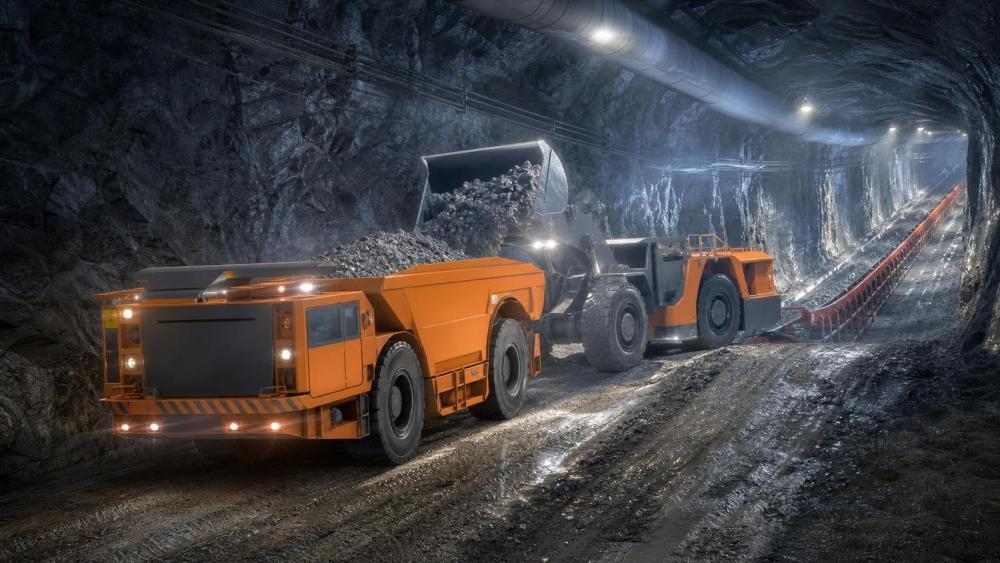
Most underground mining transport solutions underperform because mines evaluate machines before evaluating constraints.
The first constraint is haul distance.
Long horizontal routes increase cycle time, tire wear, battery demand, and operator fatigue.
The second constraint is gradient.
Steep ramps reduce payload efficiency uphill and create braking, thermal, and control risks downhill.
The third constraint is ventilation.
Diesel fleets may still deliver output, but airflow limits can turn every extra tonne into a costly ventilation burden.
When these three pressures overlap, transport selection becomes a systems question.
That usually means comparing fleet options by tonnes per hour delivered at the crusher, not by nominal payload alone.
Match the Transport Method to the Haul Profile
Different underground mining transport solutions excel in different route geometries.
For short hauls with frequent loading points, LHDs remain highly flexible.
They work well where headings shift often and the mine plan changes faster than fixed infrastructure can follow.
For medium to long hauls, truck-based underground mining transport solutions usually outperform LHD-only arrangements.
This is especially true when loading and dumping can be separated from the production face.
For repeated, predictable movement on fixed alignments, conveyors and ore pass networks often provide the lowest unit cost.
They also reduce dependence on operator availability and shift changes.
A practical screening logic looks like this:
- Use LHDs when flexibility matters more than distance efficiency.
- Use trucks when ramps are long and transfer points are stable.
- Use conveyors or ore passes when production is steady and route geometry is fixed.
- Use hybrid underground mining transport solutions when one machine type cannot balance all constraints.
From recent mine development trends, hybrid layouts are becoming more common.
A battery LHD feeding a truck loop or ore pass can remove a major productivity bottleneck without overbuilding infrastructure.
Why Steep Grades Change the Equipment Decision
Steep grades expose weak transport designs very quickly.
On uphill routes, the issue is not just engine or motor power.
Traction, acceleration under load, cooling capacity, and sustained torque matter just as much.
On downhill routes, braking energy becomes a major design factor.
This is where electric underground mining transport solutions can create a measurable advantage.
Regenerative braking can recover energy, reduce brake wear, and improve heat management during long descents.
However, that benefit only materializes when charging strategy, battery chemistry, and control software are matched to the haul cycle.
In real operations, mines should verify:
- Loaded speed on the maximum sustained ramp grade.
- Braking performance at full payload during descent.
- Thermal behavior after repeated uphill and downhill cycles.
- Impact of grades on tire life, battery life, and maintenance intervals.
If a supplier cannot show grade-specific performance data, the proposal is still too generic.
Ventilation Limits Now Influence Capital Planning
Ventilation used to be treated as a support cost.
Now it directly shapes the business case for underground mining transport solutions.
Diesel fleets increase air demand, heat load, and emissions compliance pressure.
That becomes expensive in deeper mines, hotter rock conditions, and operations facing ESG-driven reporting requirements.
Battery-electric underground mining transport solutions can reduce ventilation demand substantially.
But the decision should not stop at tailpipe elimination.
Charging rooms, substations, swap bays, cable routing, and emergency response plans all affect the final outcome.
A stronger decision model compares two full systems:
The clearer signal in the market is that ventilation-constrained mines are moving from pilot fleets to networked electrified transport systems.
Automation Should Be Judged by Flow Stability, Not Hype
Automation can improve underground mining transport solutions, but only when it stabilizes flow.
The best use cases are repetitive routes, predictable intersections, and clearly defined transfer points.
In those settings, autonomous or tele-remote fleets can reduce idle time, improve shift utilization, and keep equipment moving during blasting windows.
Still, automation does not fix weak mine design.
If passing bays are undersized or loading points are inconsistent, software cannot recover the lost productivity.
Before investing, test whether automation will improve these metrics:
- Queue time at loading and dumping points.
- Average cycle variability over a full shift.
- Tonne delivery consistency to downstream crushers or ore passes.
- Operator exposure in high-risk headings or congested ramps.
When automation is linked to measurable flow improvement, underground mining transport solutions become easier to scale and defend financially.
A Practical Selection Framework for Decision Quality
The strongest transport decisions usually follow a disciplined comparison process.
That process should combine engineering data, operating scenarios, and commercial sensitivity testing.
- Map actual routes, not design assumptions.
- Model loaded and empty cycles by grade, congestion, and shift timing.
- Quantify ventilation, power, and infrastructure implications.
- Compare diesel, battery, and hybrid underground mining transport solutions using lifecycle cost.
- Pilot the preferred option in the harshest operating zone first.
- Build expansion logic so the chosen system can scale with mine depth and output.
This framework helps avoid a common mistake.
Many mines buy equipment for current bottlenecks, then discover the system cannot support the next production phase.
Good underground mining transport solutions should solve today’s constraint and remain credible under tomorrow’s mine plan.
Choose for the Whole System, Not the Vehicle Alone
The most effective underground mining transport solutions are rarely selected by payload, speed, or price alone.
They are selected by how well they fit the mine’s geometry, ventilation capacity, power strategy, and automation roadmap.
For long hauls, look hard at cycle stability and transfer design.
For steep grades, validate traction, braking, and energy recovery under real load.
For ventilation limits, compare complete operating systems instead of isolated machine specifications.
That broader view is where better capital decisions usually emerge.
When underground mining transport solutions are aligned with haul profile, ramp severity, and airflow reality, productivity gains tend to last longer and scale more cleanly.
Related News
How to Build a Mining Decarbonization Strategy That Balances Emissions, Cost, and Fleet Reality
Mining decarbonization strategy starts with fleet reality. Learn how to cut emissions, control cost, and align power, ventilation, and production for a practical mine transition.
How to Evaluate Articulated Dump Trucks Payload for Haul Road Conditions and Cycle Efficiency
Articulated Dump Trucks payload evaluation starts with real haul road conditions, not brochure numbers. Learn how to balance payload, traction, grades, and cycle efficiency for safer, higher output.
How Pipe Fittings Material and Pressure Class Affect Water Line Selection
Pipe fittings selection starts with material and pressure class. Learn how these factors affect water line reliability, corrosion resistance, installation, and long-term cost.
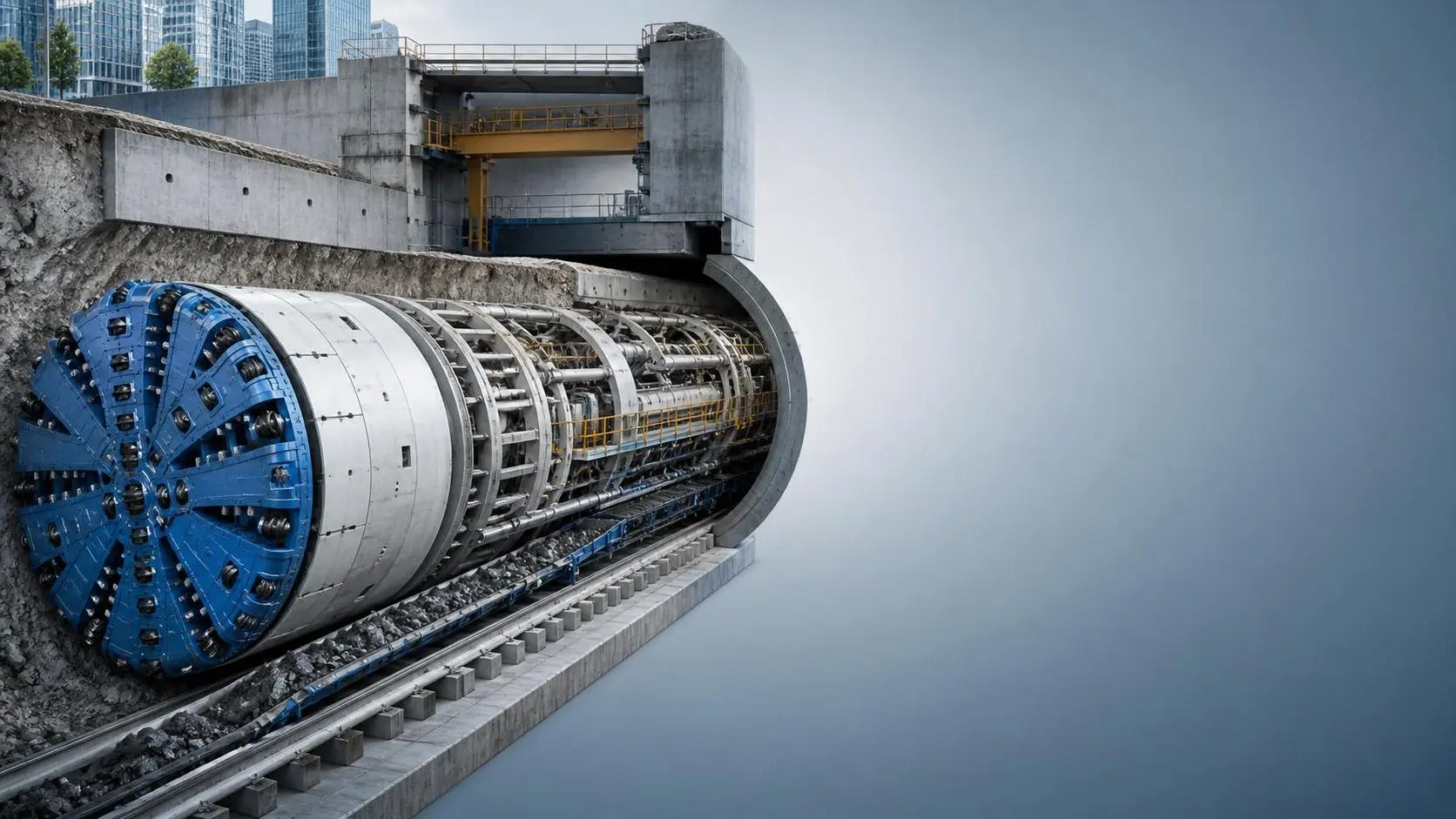
What Drives TBM Excavation Cost in Urban Tunneling Projects?
tbm excavation cost in urban tunneling depends on geology, shafts, segment lining, logistics, and risk. Discover the key cost drivers and compare bids with greater confidence.
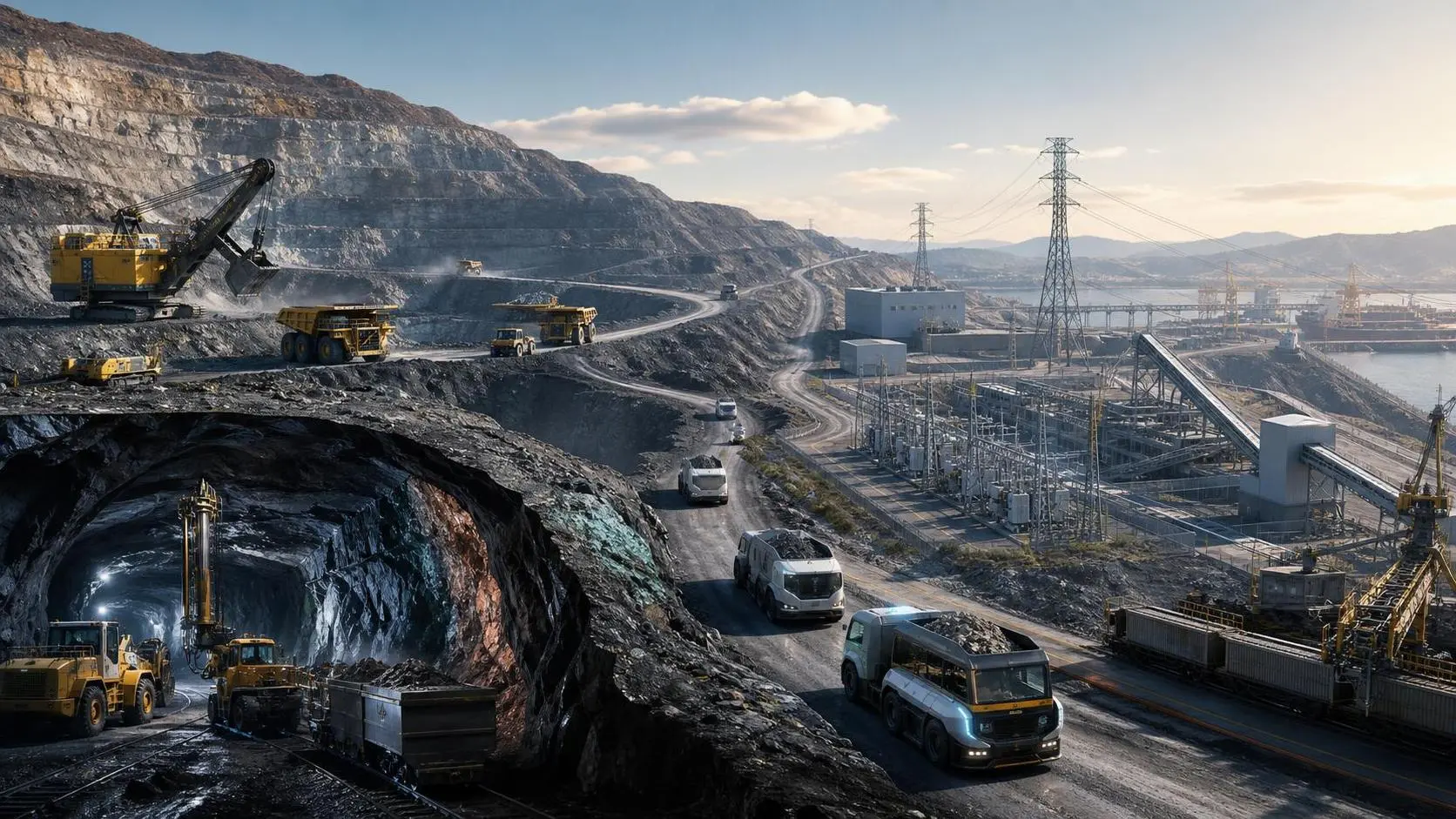
What Does Energy Metals Mining in Australia Mean for Supply, Cost, and Project Risk?
Energy metals mining Australia is reshaping supply, cost, and project risk. Discover what it means for buyers, investors, and operators.
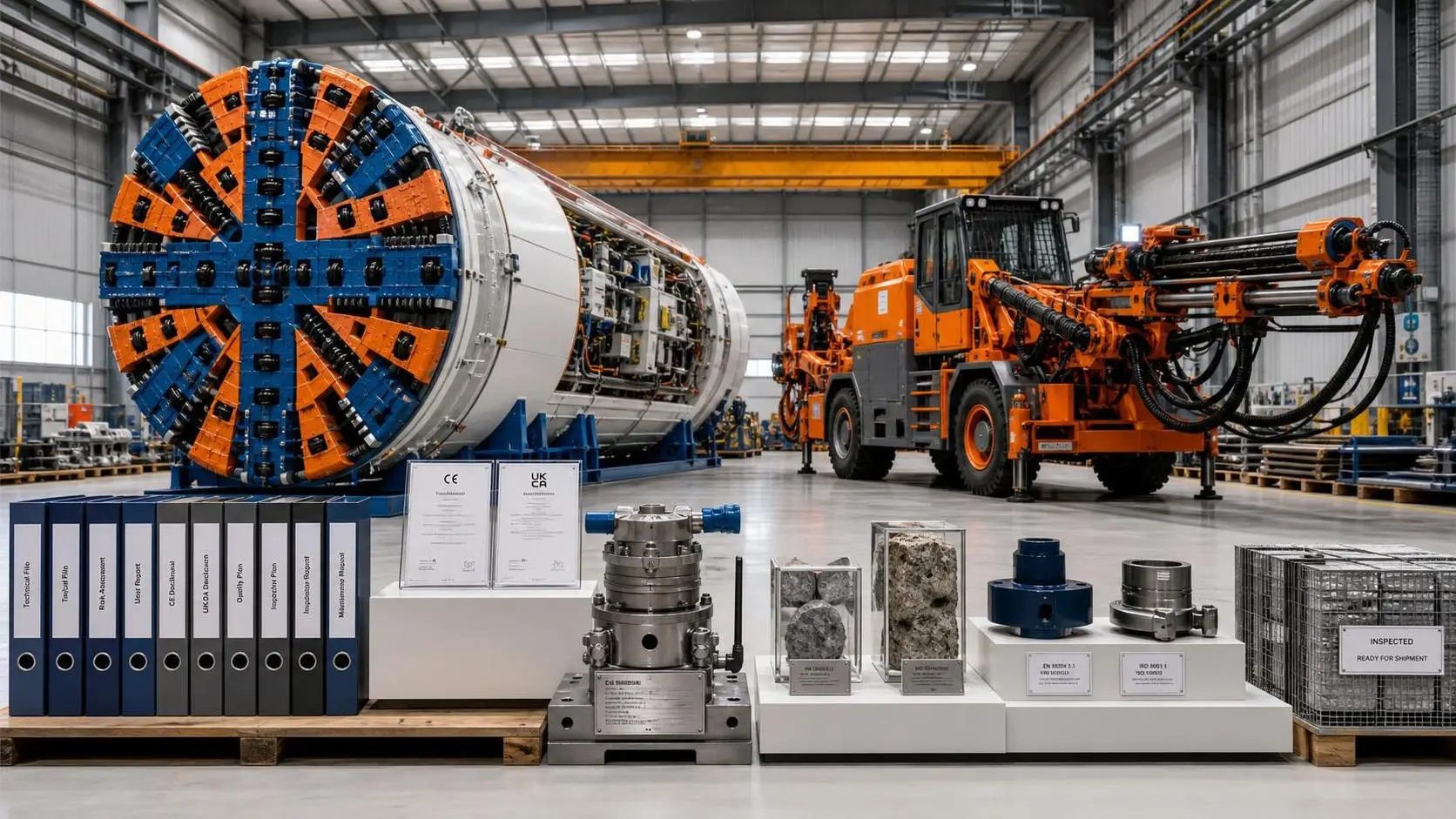
EU Eases Dual CE and UKCA Path for Chinese Tunnel Boring Equipment
EU eases CE and UKCA certification for Chinese tunnel boring equipment, cutting compliance time and helping importers move faster.
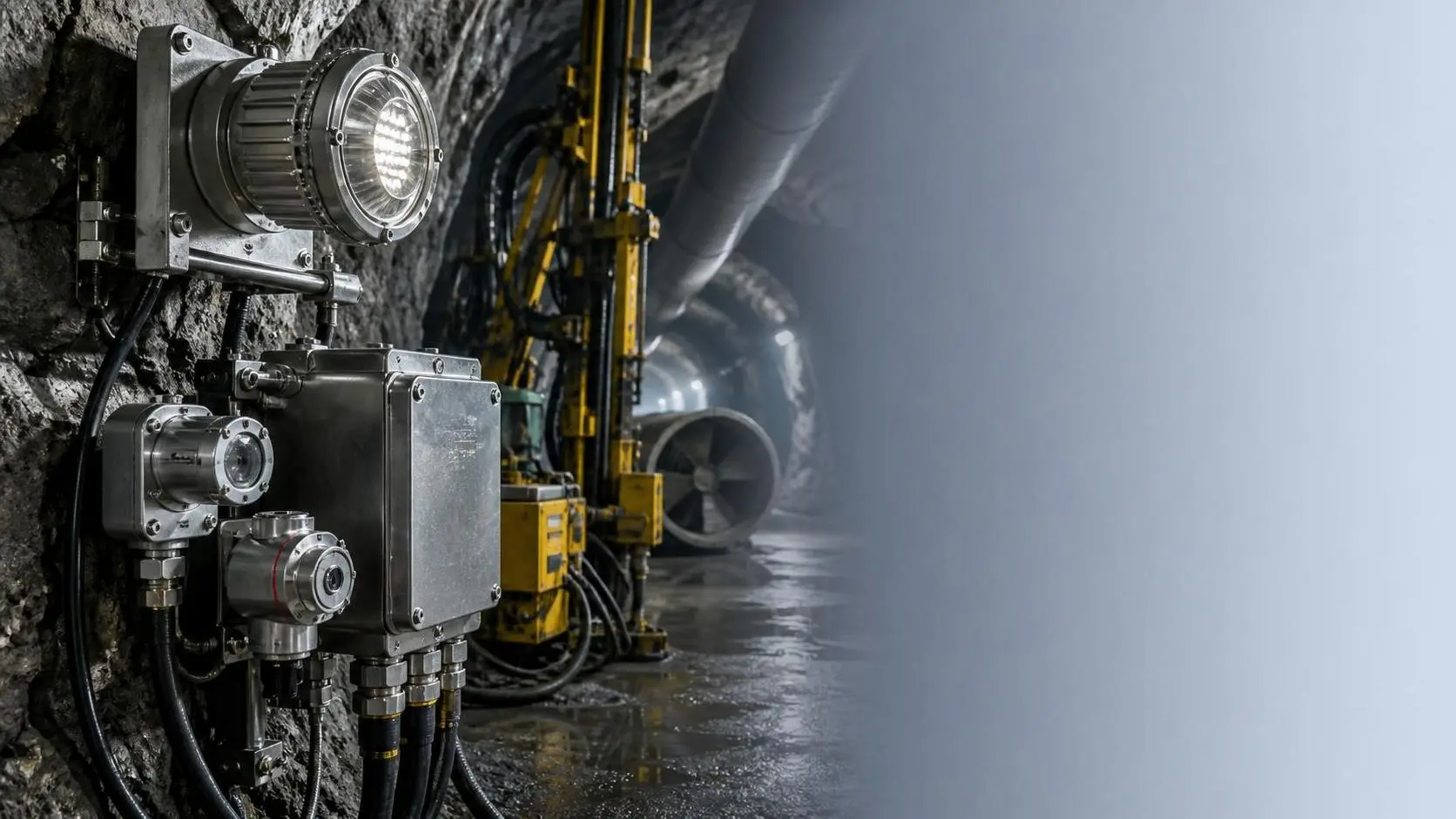
Flameproof Underground Safety Equipment: What Mine Teams Should Check Before Buying
Underground Safety Equipment flameproof buying guide: learn how mine teams should verify certification, durability, serviceability, and supplier support before purchase.
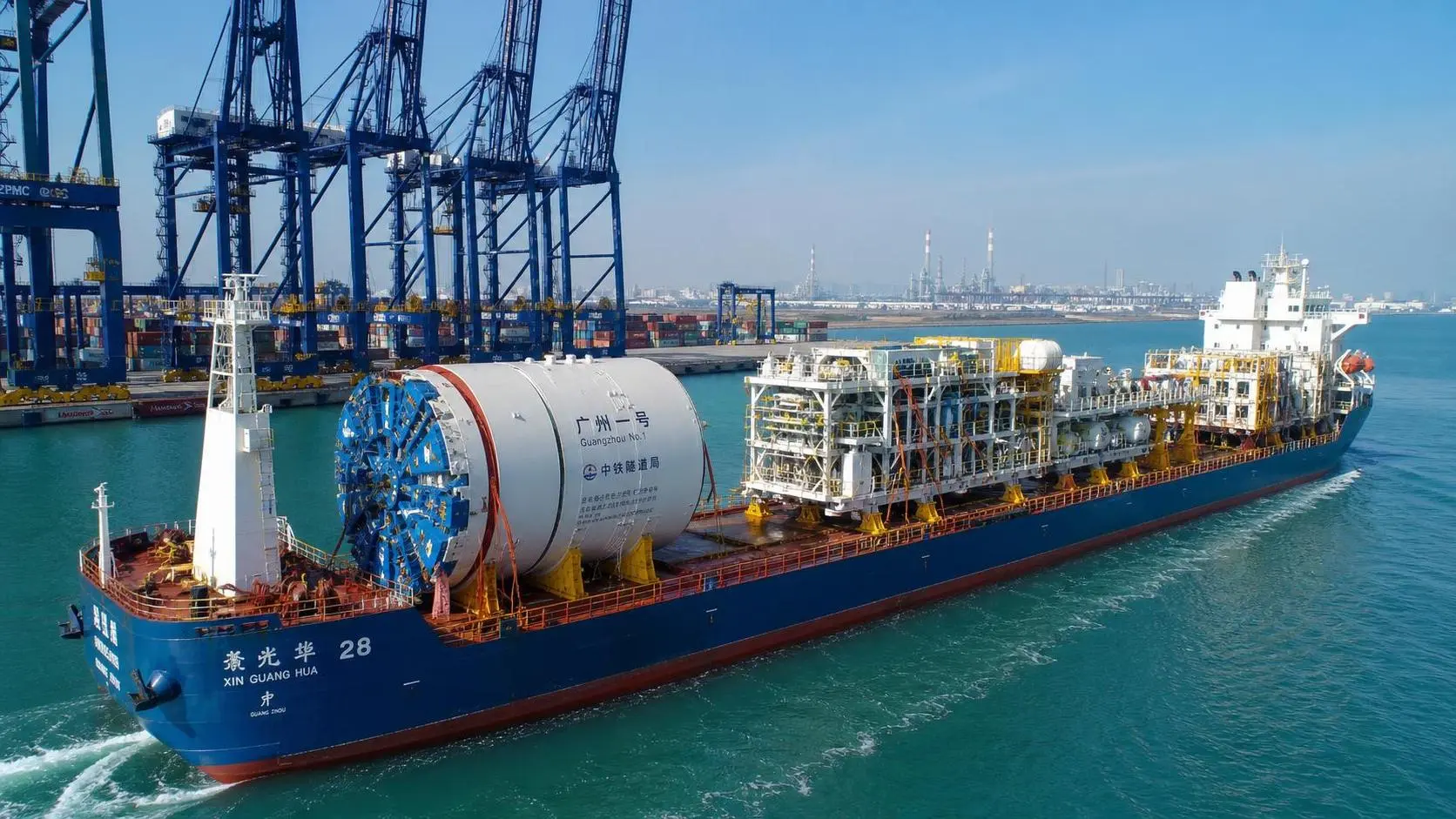
China-UAE Direct Sea Route Cuts TBM and Large Tunneling Equipment Lead Times
China-UAE direct sea route shortens TBM and large tunneling equipment lead times by 12–15 days, improving delivery predictability for major infrastructure projects. Read the full impact.
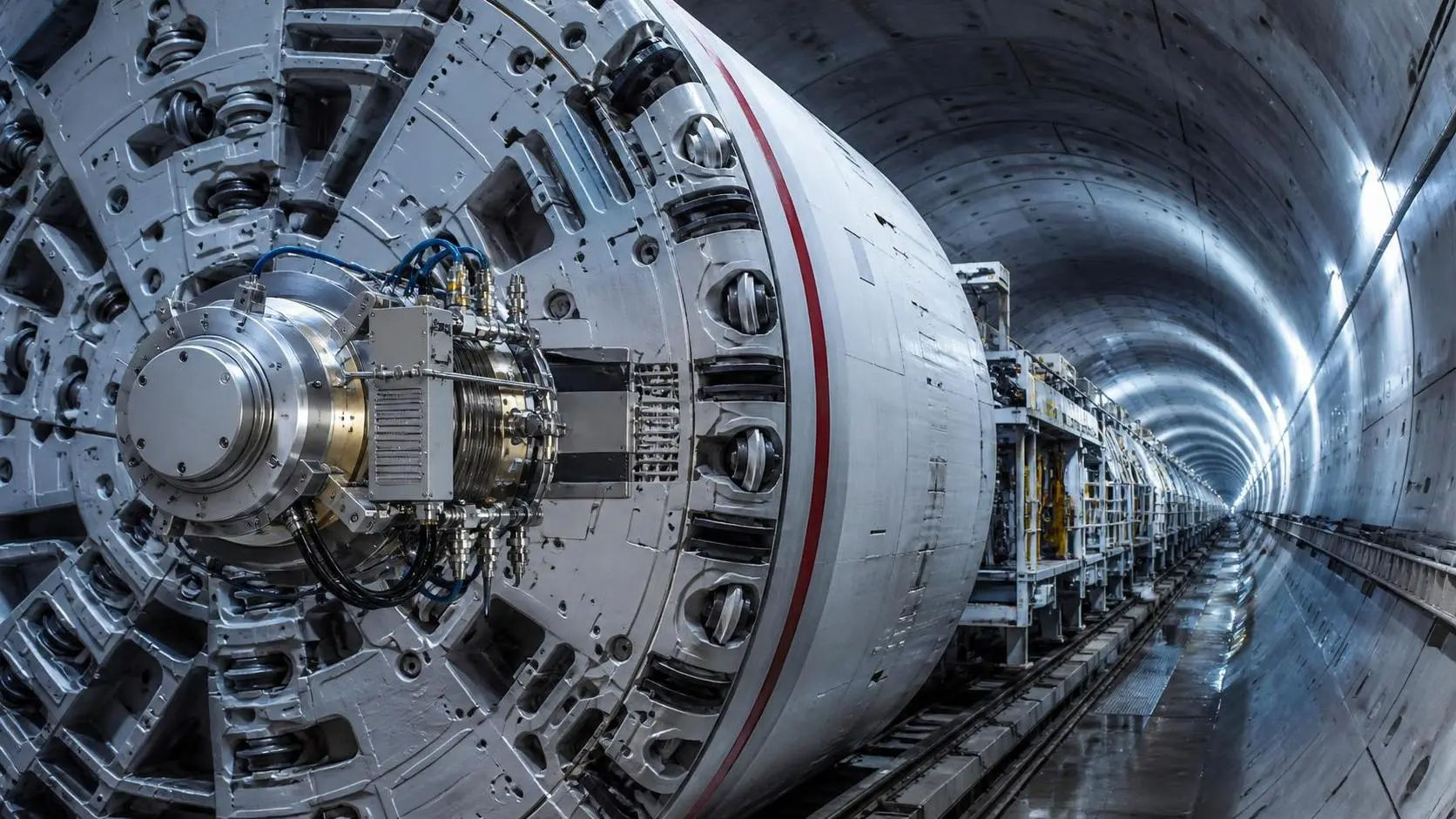
What Is a TBM Guidance System Gyroscope, and Why Does It Matter Underground?
TBM Guidance Systems gyroscope improves underground accuracy, reduces drift, and helps tunnel boring machines stay on line in harsh conditions.
Related News
- 00
0000-00
How to Build a Mining Decarbonization Strategy That Balances Emissions, Cost, and Fleet Reality - 00
0000-00
How to Evaluate Articulated Dump Trucks Payload for Haul Road Conditions and Cycle Efficiency - 00
0000-00
How Pipe Fittings Material and Pressure Class Affect Water Line Selection - 00
0000-00
What Drives TBM Excavation Cost in Urban Tunneling Projects? - 00
0000-00
What Does Energy Metals Mining in Australia Mean for Supply, Cost, and Project Risk?
Weekly Insights
Stay ahead with our curated technology reports delivered every Monday.