
Tunnelling and Mining Equipment Automation: What to Evaluate Before Upgrading a Fleet





Upgrading a fleet for tunnelling and mining equipment automation is no longer a narrow control-system decision. It affects excavation rhythm, haulage continuity, ventilation strategy, safety response, maintenance planning, and asset life across underground and surface operations.
That is why the real evaluation work starts before any purchase order. Vendor claims about autonomy, zero-emission performance, or digital productivity only matter when they hold up in rock, dust, heat, gradient, and weak connectivity.
Across TBMs, pipe jacking systems, drilling jumbos, underground LHDs, and mining trucks, automation must be judged as an operating architecture. The goal is not simply more software. The goal is dependable output with lower exposure, tighter control, and measurable operational gains.
Why automation decisions carry more weight now
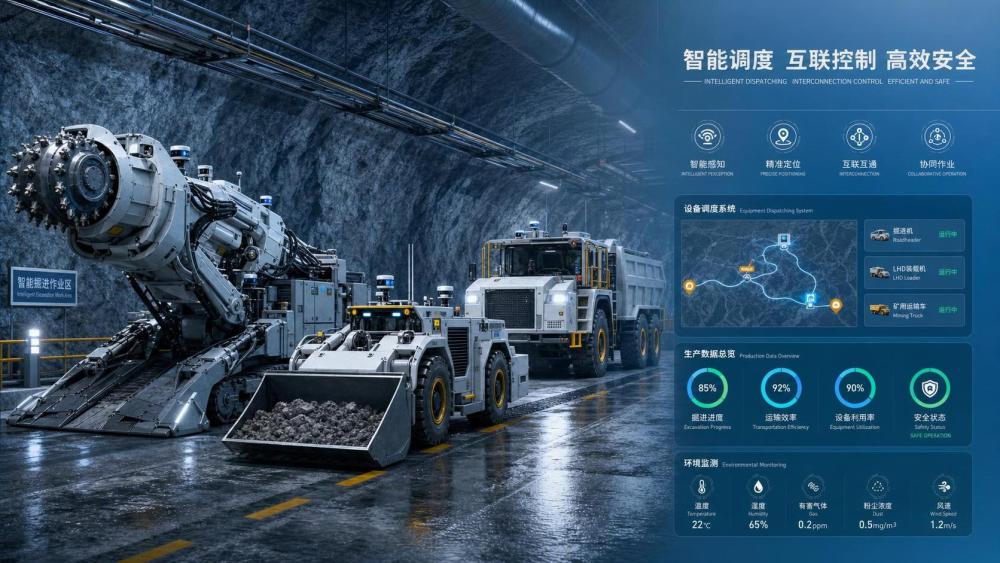
The market case for tunnelling and mining equipment automation has become stronger because project conditions are changing. Mines are going deeper. Tunnels are longer. Urban trenchless work faces tighter disruption limits. Energy, labor, and compliance pressures are also rising.
At the same time, electrification and digitalization are moving together. Battery LHDs, autonomous dump trucks, and sensor-rich TBMs create more data, but they also demand stronger fleet logic, better network reliability, and more disciplined support systems.
This is where UTMD’s industry lens is useful. Its focus on rock-cutting mechanics, zero-exhaust underground performance, and smart transport systems reflects the real shift underway: automation is no longer an add-on feature. It is becoming part of core production strategy.
What automation really means in mixed underground fleets
In practice, tunnelling and mining equipment automation covers different maturity levels. Some machines automate single tasks. Others support remote operation. The most advanced platforms coordinate navigation, cycle execution, diagnostics, and fleet dispatch in real time.
That difference matters because a fleet upgrade often includes mixed generations of equipment. A TBM may already have high process automation, while nearby logistics, drilling support, or haulage units still depend on manual decision-making.
A useful working distinction is shown below.
Without that distinction, comparisons become misleading. A machine with impressive onboard automation may still underperform if it cannot integrate with the rest of the production chain.
The first test: interoperability, not feature count
The most common upgrade mistake is evaluating machines one by one. Tunnelling and mining equipment automation delivers value when data, commands, alarms, and maintenance states can move across the fleet without manual workaround.
That means checking communication protocols, API access, historian compatibility, and integration with dispatch, SCADA, mine planning, and maintenance systems. Closed architectures can create long-term dependency even if early performance looks strong.
For TBMs and pipe jacking systems, attention often goes to excavation control and guidance. Yet logistics interfaces matter as much. Segment supply, spoil handling, slurry balance, and ring build data must feed the same decision environment.
In drill-and-blast or hard-rock mining, the same principle applies. Jumbo drilling data, LHD dispatch logic, and truck movement records should not live in disconnected islands if the site expects real cycle optimization.
Underground connectivity is a production variable
Automation performance underground depends heavily on network quality. This is especially true for tele-remote LHDs, autonomous haulage, and machine vision systems operating in wet, dusty, reflective, or geometrically complex headings.
A technical review should examine more than nominal bandwidth. Roaming delay, dead zones, handoff stability, electromagnetic interference, and redundancy during blasting or equipment relocation can decide whether an automated system feels robust or fragile.
UTMD’s attention to SLAM algorithms and smart underground transport is relevant here. Positioning quality in GPS-denied environments remains one of the hardest practical issues in tunnelling and mining equipment automation.
- Check how localization behaves in dust, water spray, and reflective steel environments.
- Confirm failover behavior when communications drop or sensors disagree.
- Review whether network design supports future fleet expansion, not only current trials.
Safety logic has to be visible and auditable
Automation should reduce exposure, but only when site teams can understand how the machine makes decisions. Black-box autonomy is hard to defend in confined underground spaces where one failure can stop production or create severe risk.
A sound evaluation asks how the system handles obstacle detection, geofencing, speed control, emergency stop hierarchy, manual takeover, and degraded-mode operation. It should also clarify which events are logged and how incident review is supported.
This matters across equipment classes. A TBM segment erector, a jumbo boom, an LHD in a drawpoint, and an autonomous dump truck on a ramp all face different hazards. One safety philosophy rarely fits them all without adaptation.
Certification status matters, but field behavior matters more. Acceptance testing should recreate realistic exceptions, not only nominal runs in ideal conditions.
Power transitions change the automation equation
Many fleet upgrades now combine automation with electrification. That is especially visible in underground LHDs, electric mining trucks, and support vehicles designed for low-emission or zero-exhaust zones.
The technical review therefore needs to connect autonomy with charging strategy, battery swapping, thermal management, regenerative braking, and ventilation savings. These are not parallel topics. They interact directly with cycle time and machine availability.
For example, an autonomous LHD may improve loader utilization, yet create bottlenecks if battery exchange infrastructure is undersized. An electric truck may recover energy downhill, but require different dispatch logic on mixed-gradient routes.
The strongest business cases usually come from evaluating production, energy, and ventilation together rather than in separate spreadsheets.
Maintenance support often decides long-term value
In tunnelling and mining equipment automation, maintenance complexity rises even when mechanical wear falls. Sensors, controllers, drives, cameras, and networking hardware add failure points that traditional service routines may not cover.
That does not make automation unattractive. It means the evaluation should include spare part strategy, software update governance, cyber hygiene, diagnostic transparency, and local service depth.
UTMD’s emphasis on cutter wear, haulage efficiency, and operational reliability points to an important discipline: do not separate asset health from automation performance. If the machine cannot explain why it is slowing down, productivity forecasts become weak.
- Ask which failures can be diagnosed remotely and which require site intervention.
- Review how software versions are controlled across mixed fleets.
- Check whether sensor cleaning and calibration routines are realistic underground.
Where measurable gains usually appear
The value of tunnelling and mining equipment automation is rarely captured by a single KPI. Better results usually show up as a combination of steadier cycle times, reduced idle exposure, lower rework, improved shift consistency, and more predictable maintenance windows.
For TBMs, that may mean tighter advance stability, fewer manual interventions, and better segment placement repeatability. For jumbos, it may mean more accurate drilling patterns and cleaner blast outcomes. For LHDs and trucks, haulage regularity often becomes the main gain.
A practical scorecard helps keep the review grounded.
A disciplined way to move forward
The best next step is usually not a full fleet commitment. It is a structured assessment built around actual operating constraints, machine interaction, and measurable site outcomes.
Start by mapping the production chain, not just the target machine. Then define where automation is expected to remove exposure, stabilize output, or support electrification. After that, compare vendors on integration depth, safety behavior, service model, and expansion potential.
For anyone tracking the underground sector through UTMD, this approach aligns with the broader direction of the market. The future belongs to fleets that combine rock-cutting performance, digital coordination, and low-emission operation without sacrificing reliability.
When evaluating tunnelling and mining equipment automation, the most useful question is simple: will this upgrade improve the whole operating system, or only add isolated capability. That distinction usually determines whether the investment scales well.
Related News
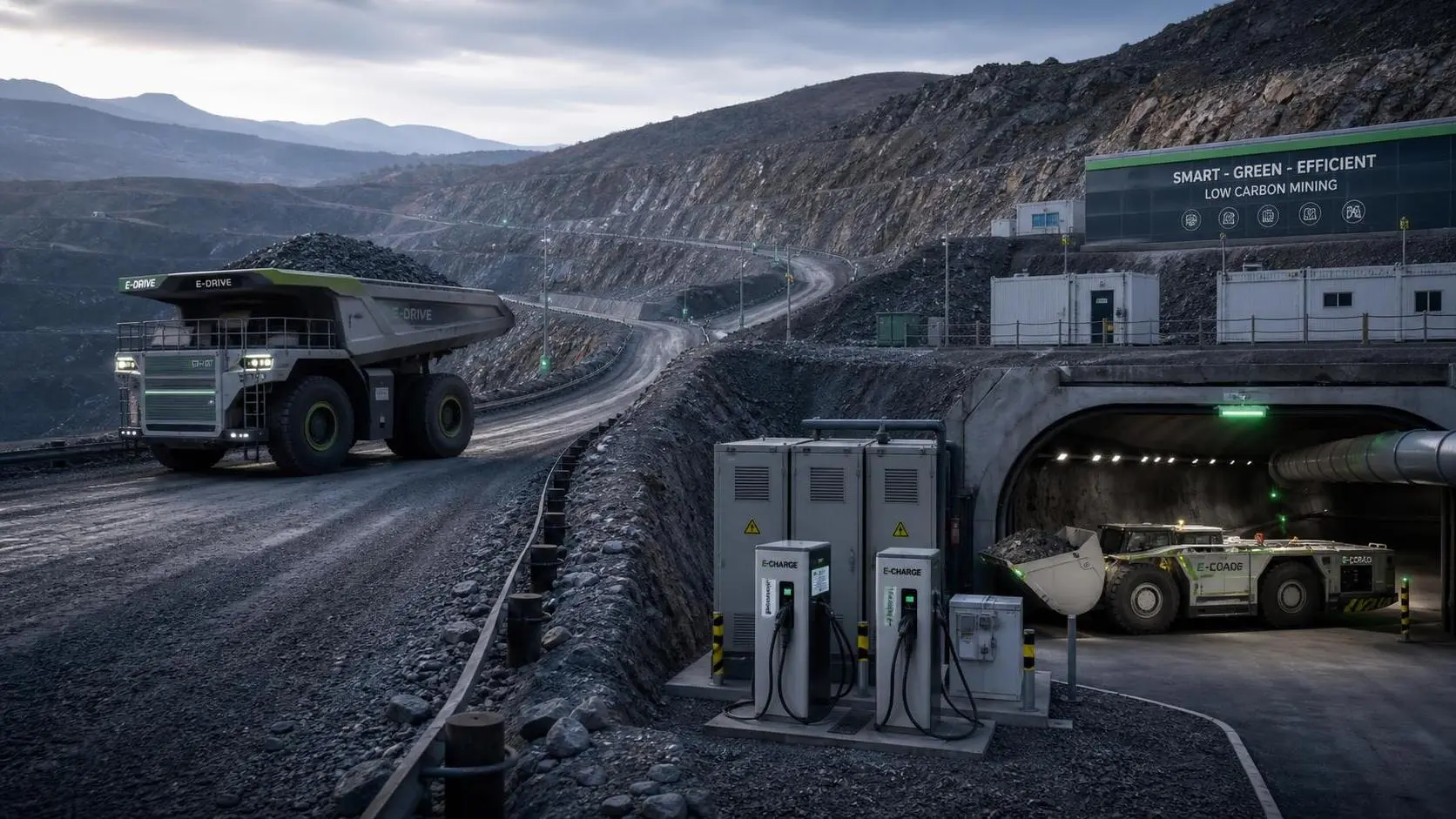
How to Build a Mining Decarbonization Strategy That Balances Emissions, Cost, and Fleet Reality
Mining decarbonization strategy starts with fleet reality. Learn how to cut emissions, control cost, and align power, ventilation, and production for a practical mine transition.
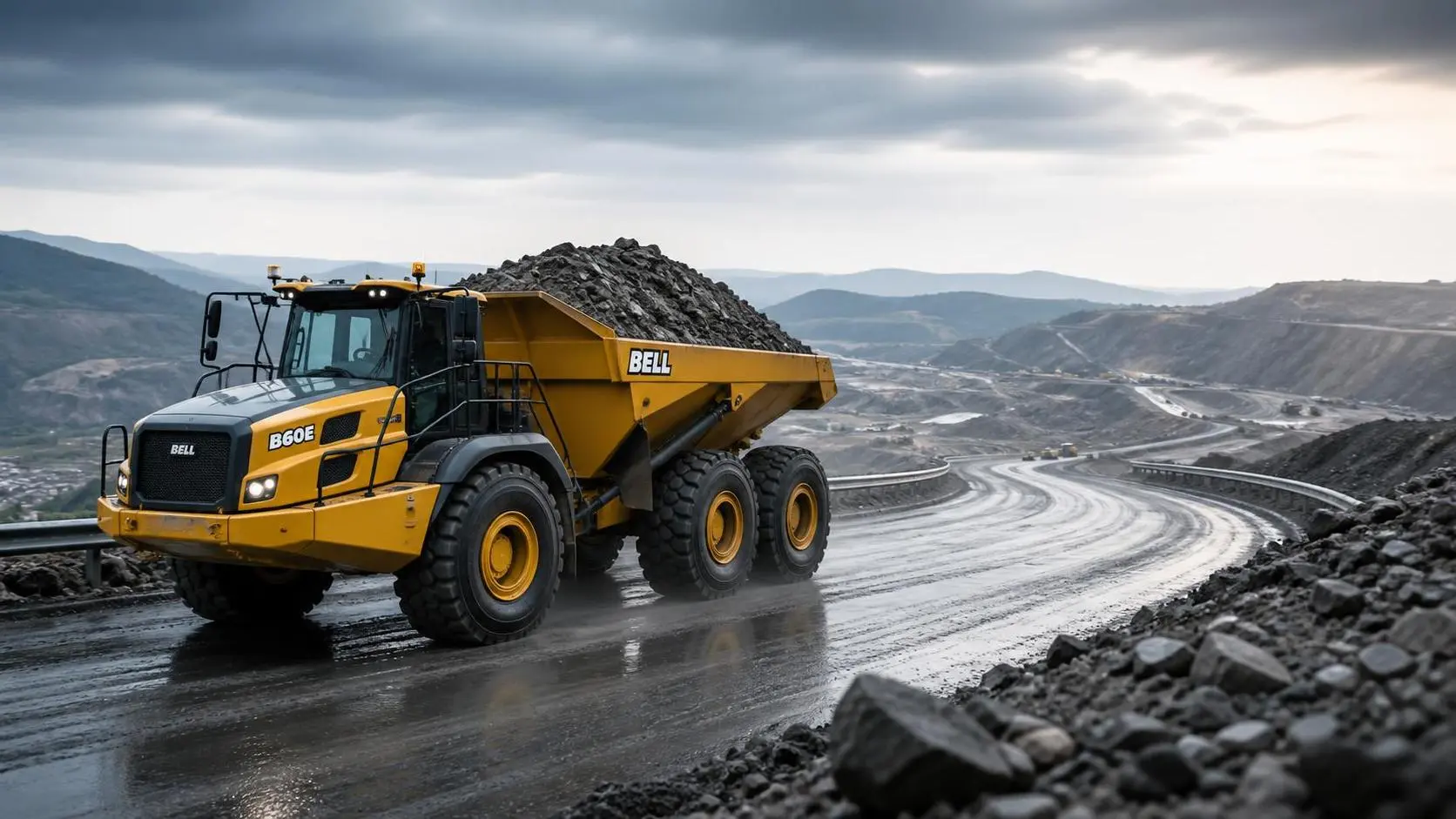
How to Evaluate Articulated Dump Trucks Payload for Haul Road Conditions and Cycle Efficiency
Articulated Dump Trucks payload evaluation starts with real haul road conditions, not brochure numbers. Learn how to balance payload, traction, grades, and cycle efficiency for safer, higher output.
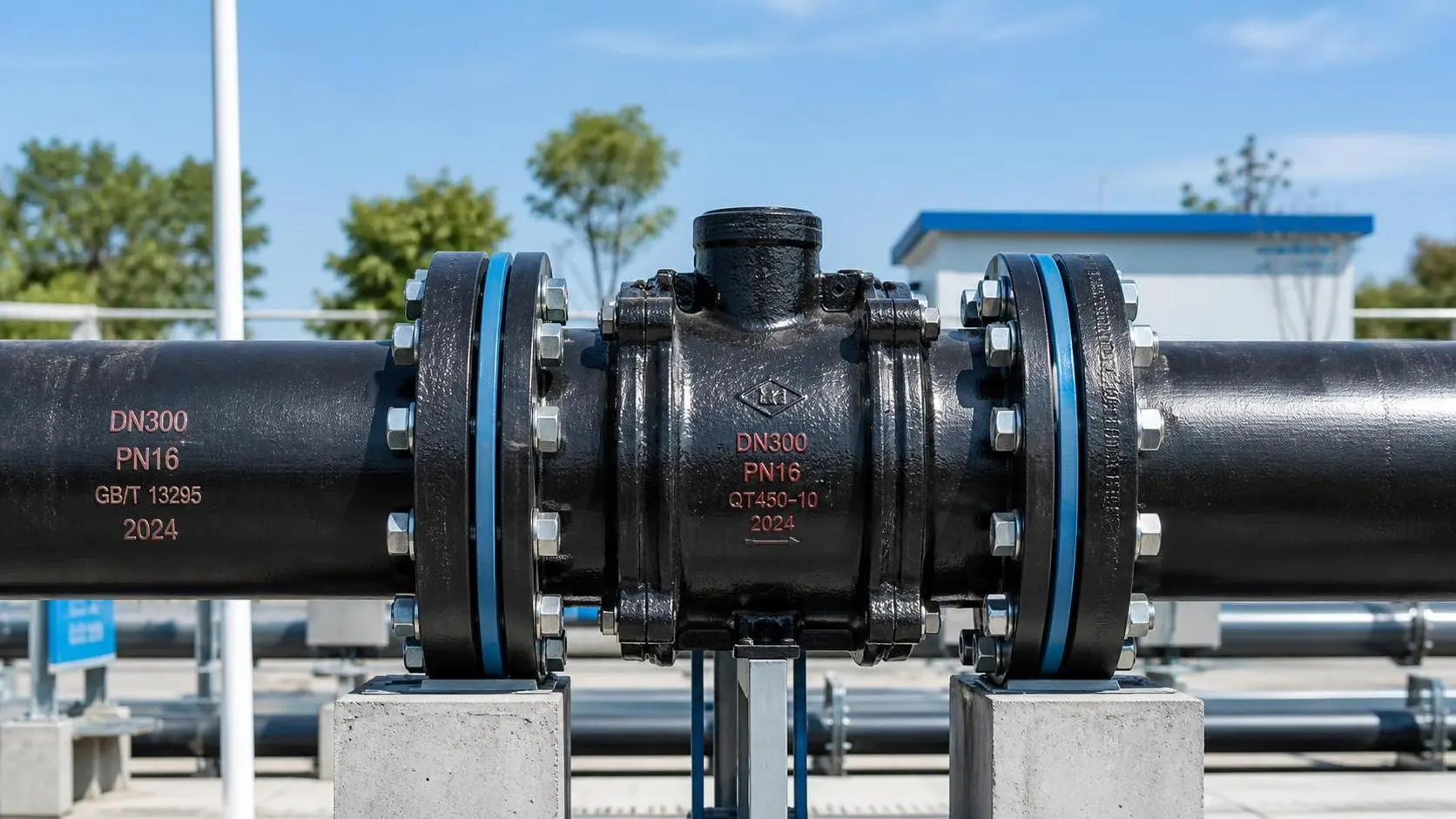
How Pipe Fittings Material and Pressure Class Affect Water Line Selection
Pipe fittings selection starts with material and pressure class. Learn how these factors affect water line reliability, corrosion resistance, installation, and long-term cost.
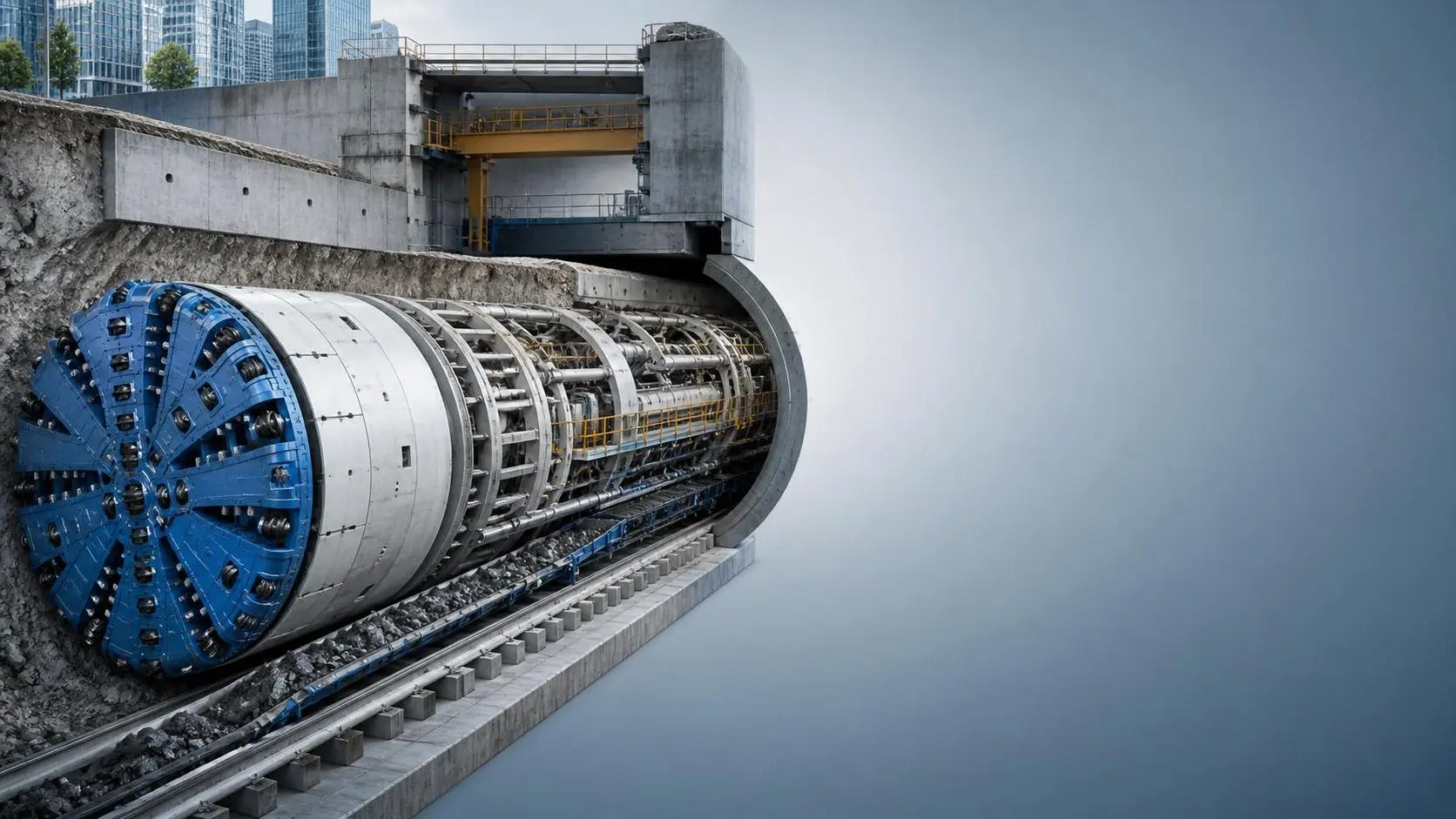
What Drives TBM Excavation Cost in Urban Tunneling Projects?
tbm excavation cost in urban tunneling depends on geology, shafts, segment lining, logistics, and risk. Discover the key cost drivers and compare bids with greater confidence.
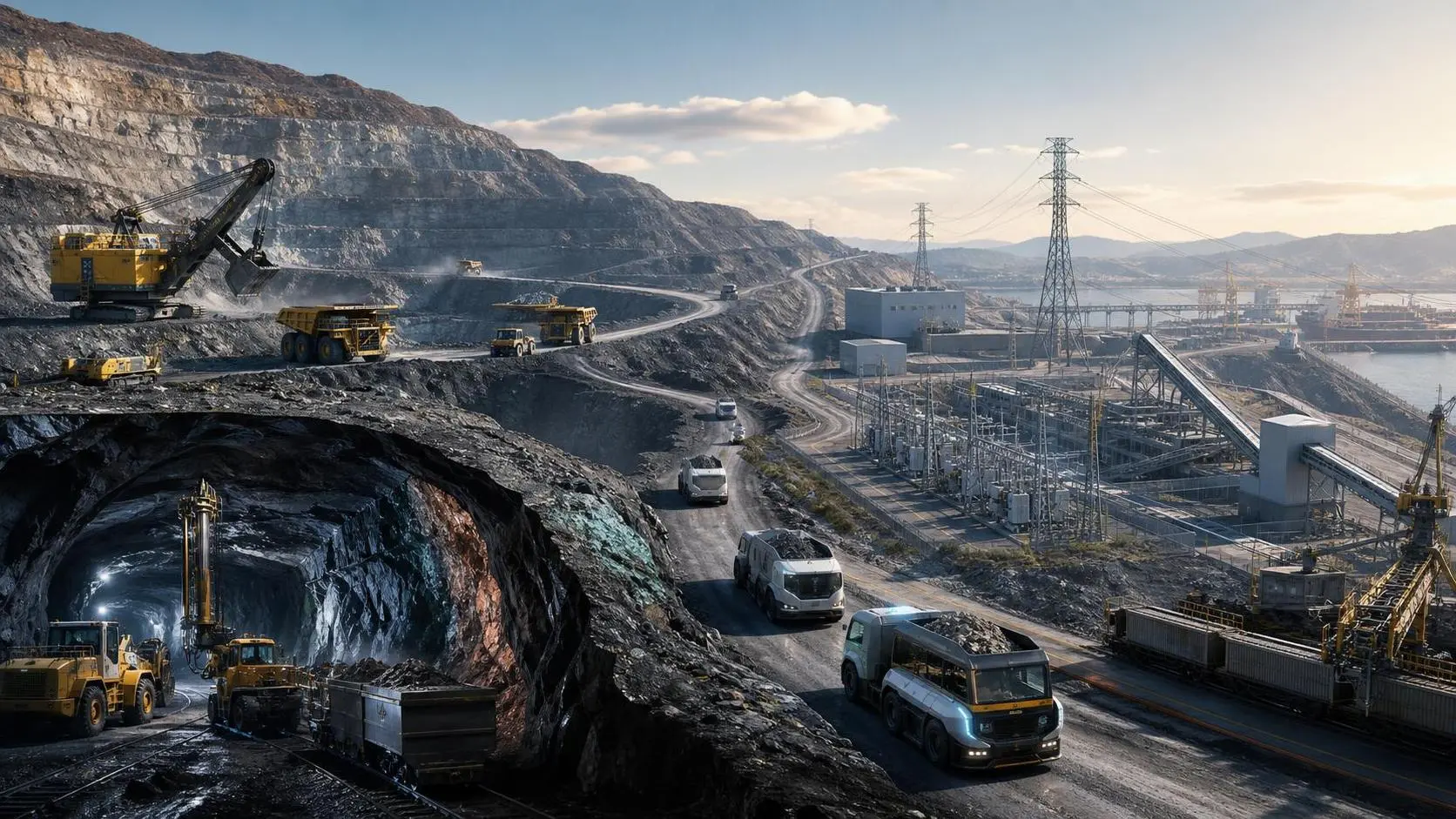
What Does Energy Metals Mining in Australia Mean for Supply, Cost, and Project Risk?
Energy metals mining Australia is reshaping supply, cost, and project risk. Discover what it means for buyers, investors, and operators.
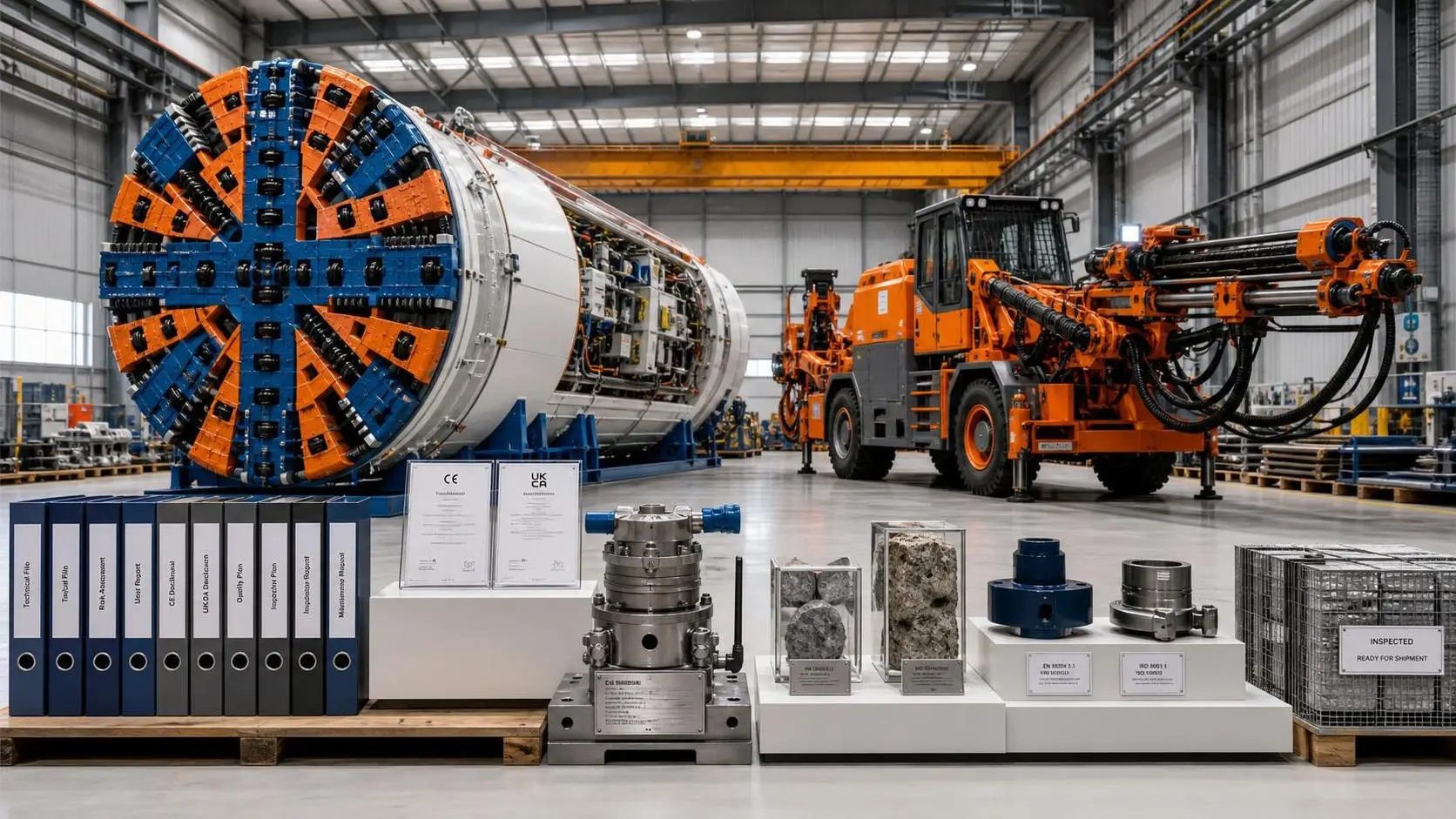
EU Eases Dual CE and UKCA Path for Chinese Tunnel Boring Equipment
EU eases CE and UKCA certification for Chinese tunnel boring equipment, cutting compliance time and helping importers move faster.
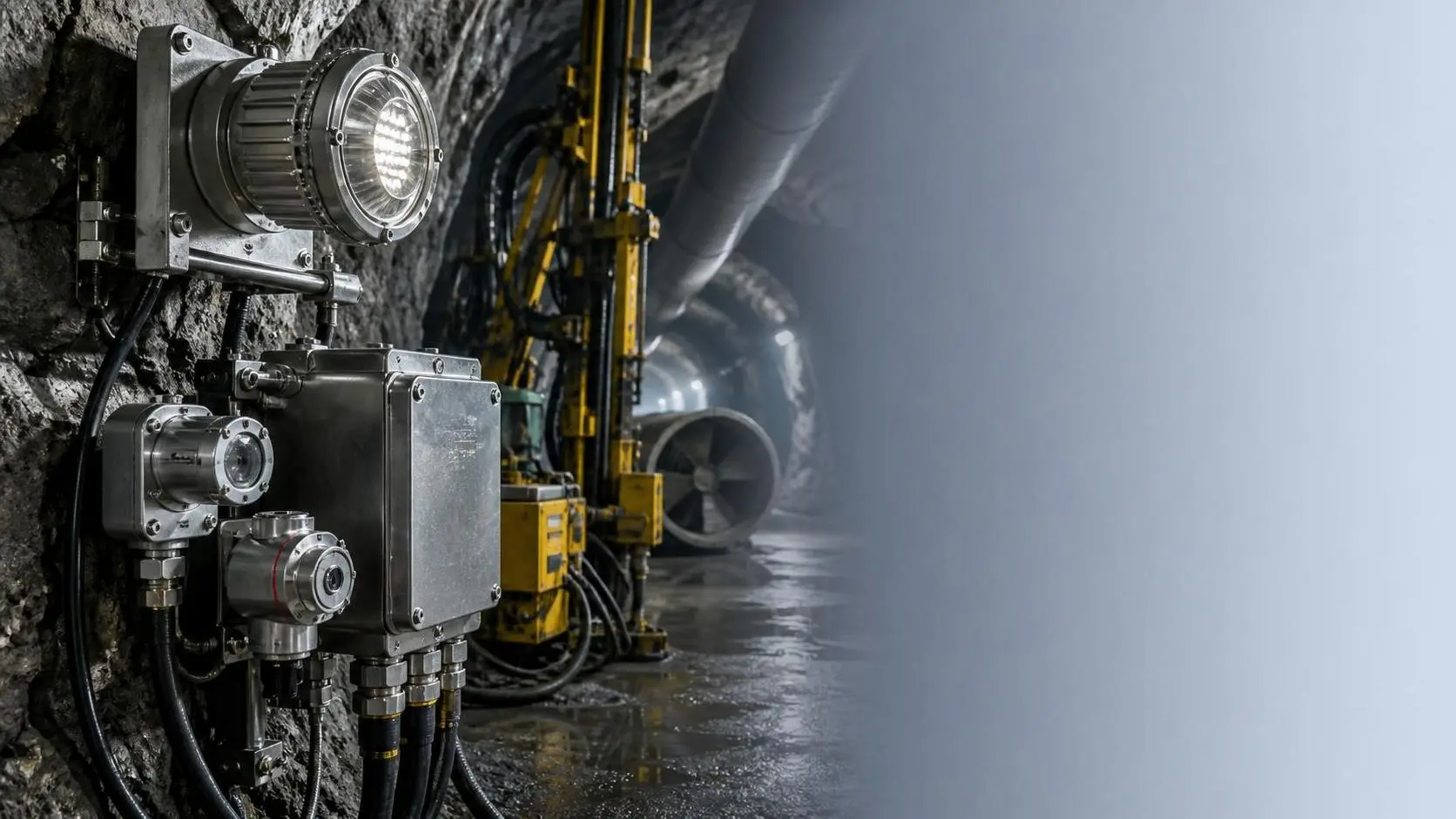
Flameproof Underground Safety Equipment: What Mine Teams Should Check Before Buying
Underground Safety Equipment flameproof buying guide: learn how mine teams should verify certification, durability, serviceability, and supplier support before purchase.
China-UAE Direct Sea Route Cuts TBM and Large Tunneling Equipment Lead Times
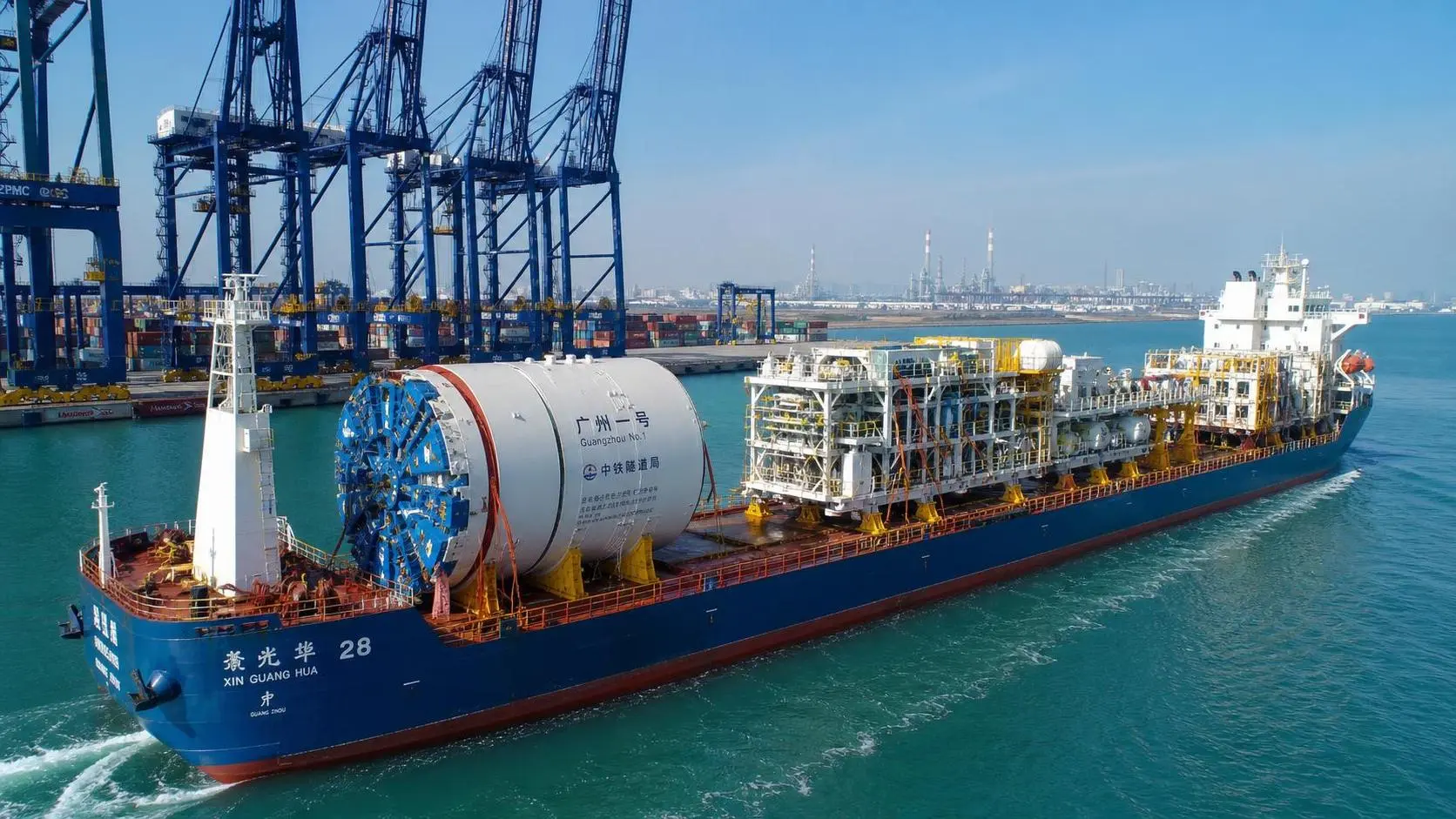
China-UAE direct sea route shortens TBM and large tunneling equipment lead times by 12–15 days, improving delivery predictability for major infrastructure projects. Read the full impact.
What Is a TBM Guidance System Gyroscope, and Why Does It Matter Underground?
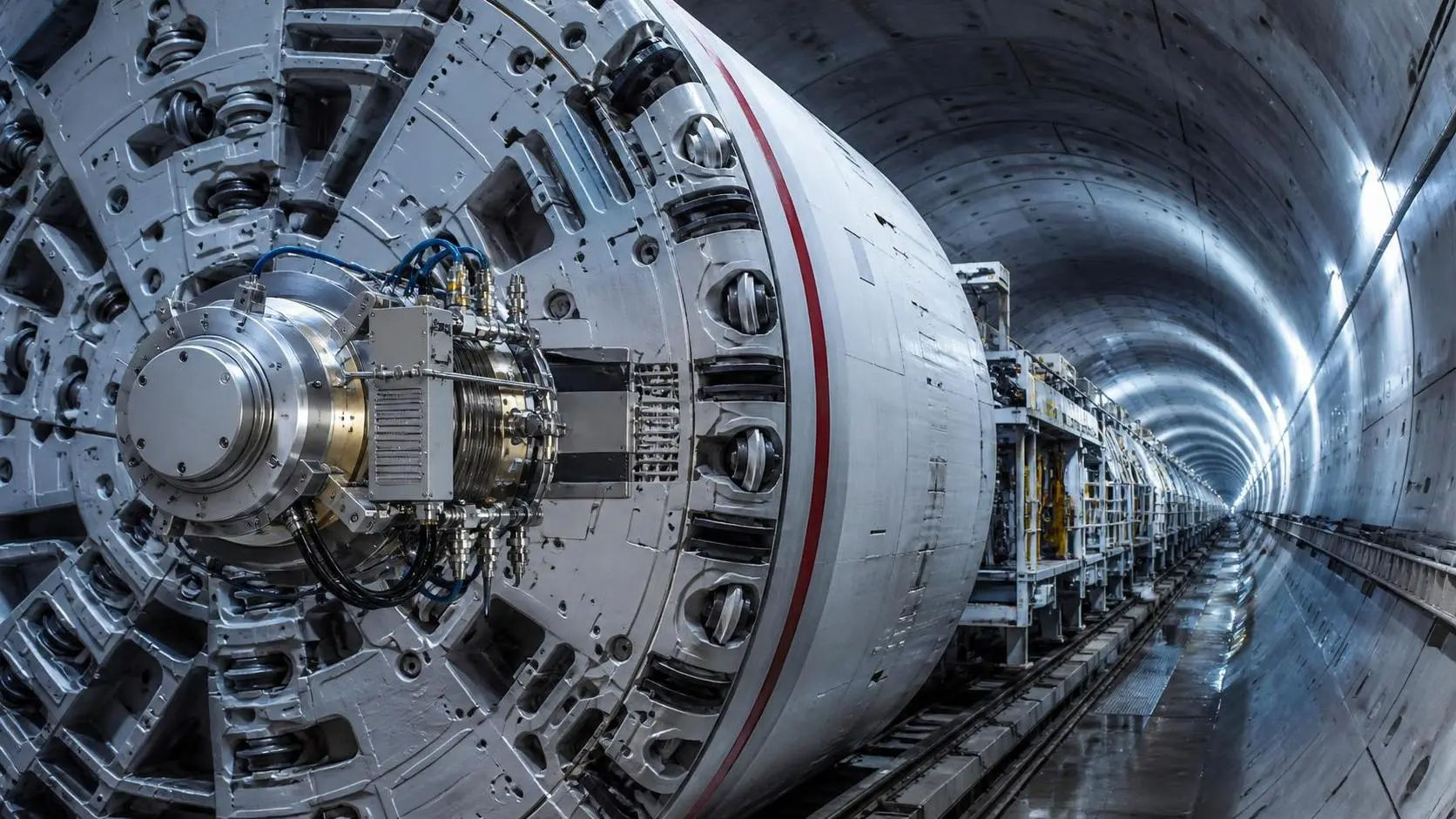
TBM Guidance Systems gyroscope improves underground accuracy, reduces drift, and helps tunnel boring machines stay on line in harsh conditions.
Related News
- 00
0000-00
How to Build a Mining Decarbonization Strategy That Balances Emissions, Cost, and Fleet Reality - 00
0000-00
How to Evaluate Articulated Dump Trucks Payload for Haul Road Conditions and Cycle Efficiency - 00
0000-00
How Pipe Fittings Material and Pressure Class Affect Water Line Selection - 00
0000-00
What Drives TBM Excavation Cost in Urban Tunneling Projects? - 00
0000-00
What Does Energy Metals Mining in Australia Mean for Supply, Cost, and Project Risk?
Weekly Insights
Stay ahead with our curated technology reports delivered every Monday.