
Red Sea Risks Push Asia-Europe Freight Rates Higher





The timing of the underlying incident was not specified in the provided information, but the latest data released by the Shanghai Shipping Exchange on July 5, 2026 points to a clear logistics shift: freight rates on the Shanghai-Rotterdam route have moved above $5,800 per TEU, while average sea delivery time for less-than-container-load micro-tunnelling equipment has extended from 38 days to 52 days. This matters for equipment importers, municipal contractors, project procurement teams, and supply chain service providers because the change affects both transport cost visibility and delivery reliability for specialized equipment shipments.
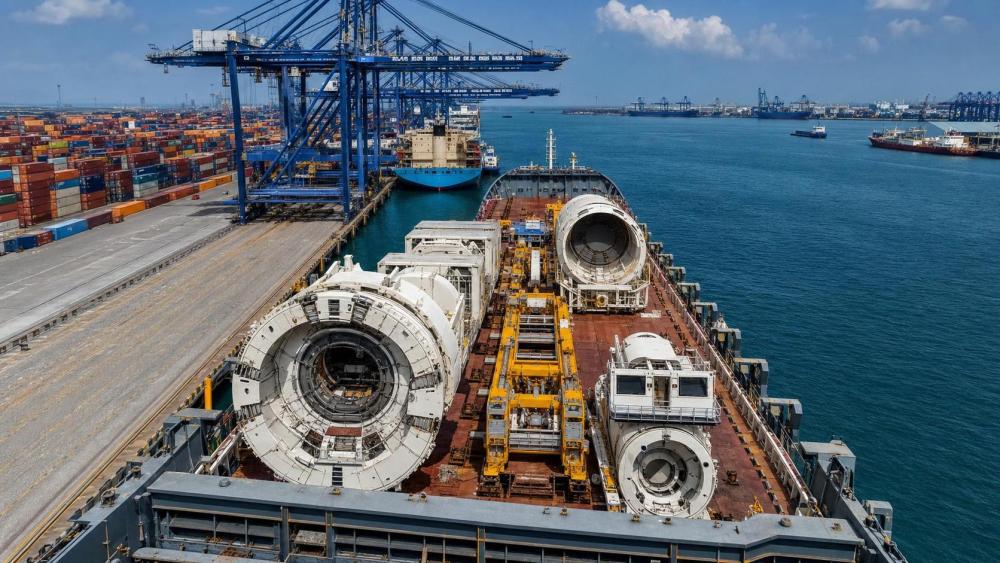
What the latest shipping data confirms
According to the provided information, the increase in Asia-Europe freight rates is linked to ongoing security risks in the Red Sea. The Shanghai Shipping Exchange's latest data, released on July 5, 2026, shows that the standard container freight rate from Shanghai to Rotterdam exceeded $5,800 per TEU.
The same information states that the average delivery cycle for less-than-container-load shipments of micro-tunnelling equipment has been extended from 38 days to 52 days. The affected cargo category includes oversized components such as guidance systems and main jacking units.
It is also confirmed that multiple municipal contractors in Singapore and the UAE have already initiated local assembly contingency plans. This development places new supply chain resilience requirements on importers of Chinese equipment.
Where the pressure is likely to be felt first
Procurement schedules are becoming harder to lock in
From an industry perspective, buyers and procurement teams involved in micro-tunnelling equipment sourcing may be among the first to feel the impact because a longer ocean transit cycle directly affects ordering windows, shipment planning, and delivery commitments. What deserves closer attention is whether procurement assumptions built around the earlier 38-day cycle are still being used in active projects.
Equipment manufacturers and exporters face tighter delivery coordination
Analysis shows that manufacturers and exporters of micro-tunnelling systems may face more pressure in shipment sequencing, documentation timing, and customer communication. When oversized or specialized components move through less-than-container-load channels, any extension in transit time can complicate coordination between factory release, port handling, and downstream installation planning.
Contractors may shift more work toward local assembly readiness
Observably, municipal contractors that rely on imported systems may need to place greater emphasis on local assembly preparation when delivery windows become less predictable. The fact that some contractors in Singapore and the UAE have already started such contingency plans suggests that the impact is no longer limited to freight cost alone; it also reaches project execution planning.
Logistics service providers will be judged on predictability, not only price
For freight forwarders and related supply chain service providers, the issue is likely to center on schedule reliability, handling of oversized cargo, and communication around revised lead times. From an industry perspective, customers in this segment may pay closer attention to how service providers manage exceptions and update delivery expectations under disrupted route conditions.
What companies should watch now
Recheck lead-time assumptions in active orders
Analysis shows that companies importing or arranging shipments of micro-tunnelling equipment should reassess whether current order schedules, tender commitments, and project handover plans still reflect the now-reported 52-day average delivery cycle for relevant less-than-container-load cargo.
Focus on cargo categories with higher coordination risk
What deserves closer attention is the treatment of oversized and specialized components, including guidance systems and main jacking units. These items often have stricter handling and coordination requirements, so any delay in shipment flow can create disproportionate disruption compared with standard cargo.
Separate freight-rate change from execution risk
Observably, the freight rate increase and the extended shipping cycle should be read as related but different business issues. One affects landed cost visibility, while the other affects delivery execution and customer timelines. Companies that treat both as a single pricing problem may underestimate the operational side of the disruption.
Prepare customer and supplier communication earlier
From an industry perspective, importers and service providers should pay closer attention to supplier qualification records, shipment documents, delivery commitments, and advance communication with customers. The reported move by some overseas contractors toward local assembly contingency planning indicates that buyers are already responding operationally, not just financially.
Why this looks like more than a temporary pricing story
Analysis shows that this development is not only about a higher freight quote on one route. It also points to a broader concern around supply chain resilience for specialized infrastructure equipment. The combination of elevated transport cost, longer delivery cycles, and early contingency action by overseas contractors suggests that market participants are adjusting their operating assumptions, at least for the near term.
At the same time, it is more appropriate to understand this as an industry signal that still requires continued observation, rather than as a fully settled long-term shift. The provided information confirms pressure in freight and transit time, but it does not establish how long the current pattern will persist or how broadly it will spread across all project categories and shipment structures.
How this update is best understood for now
From an industry perspective, the practical significance of this update lies in its effect on planning discipline. For companies tied to Asia-Europe movement of micro-tunnelling equipment, the issue is no longer limited to transport budgeting; it now touches procurement timing, delivery risk, and contingency readiness in destination markets.
It is more appropriate to understand this development as a near-term operational warning with possible longer-tail implications, rather than as a one-off freight fluctuation or a confirmed permanent restructuring of the market. Continued verification and close monitoring remain necessary.
Basis of this article and points for follow-up
This article is based on the user-provided news title, event timing note, and event summary. The specific official source link was not provided in the input, so further verification is still required.
For this type of industry update, commonly relevant source categories may include official exchange releases, company statements, industry association information, authoritative media reporting, and standard-setting or project-related documentation. Follow-up attention should remain on subsequent official disclosures, changes in freight indicators, and any further confirmation of how contractors and importers are adjusting delivery and assembly arrangements.
Related News
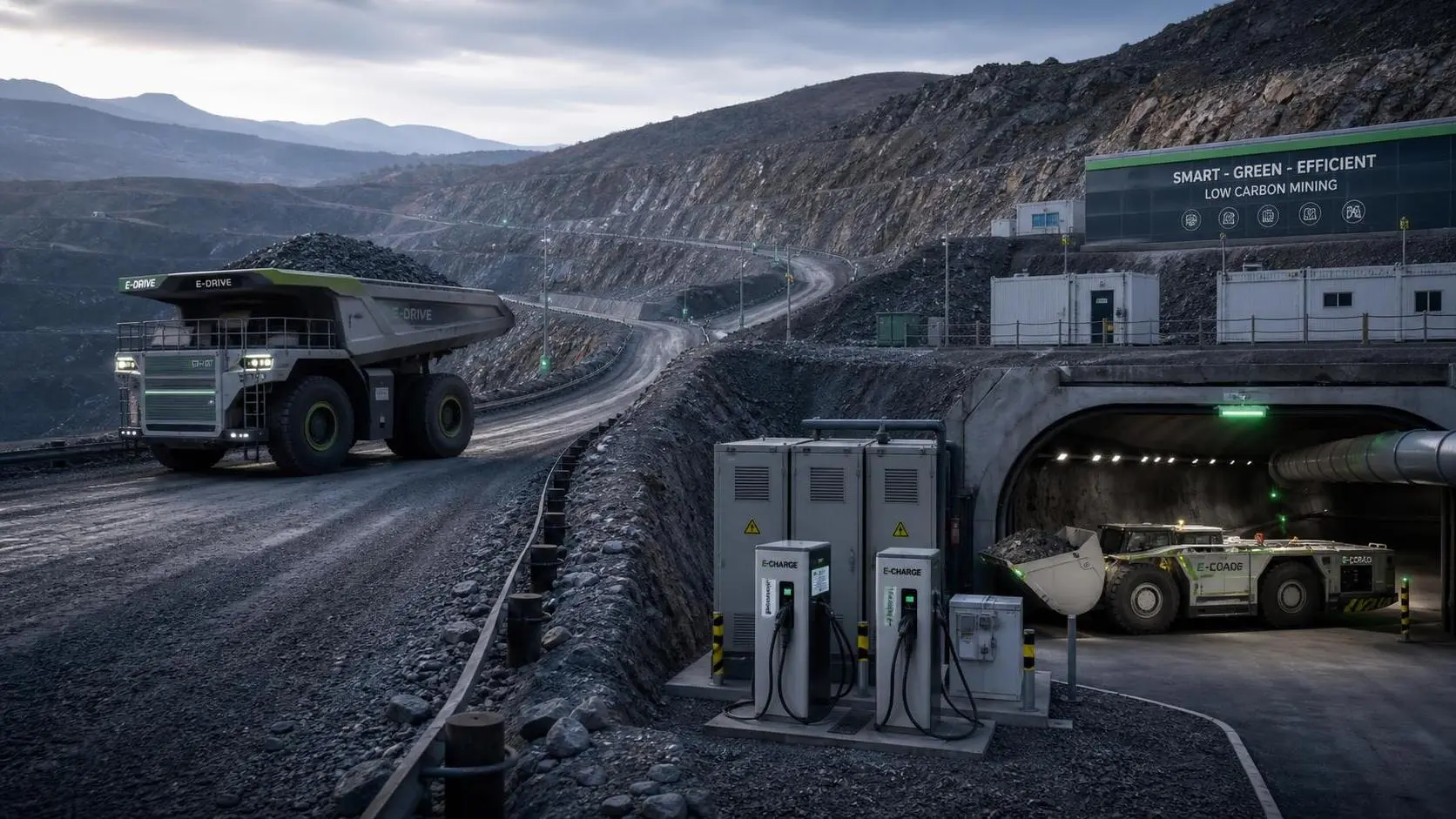
How to Build a Mining Decarbonization Strategy That Balances Emissions, Cost, and Fleet Reality
Mining decarbonization strategy starts with fleet reality. Learn how to cut emissions, control cost, and align power, ventilation, and production for a practical mine transition.

How to Evaluate Articulated Dump Trucks Payload for Haul Road Conditions and Cycle Efficiency
Articulated Dump Trucks payload evaluation starts with real haul road conditions, not brochure numbers. Learn how to balance payload, traction, grades, and cycle efficiency for safer, higher output.
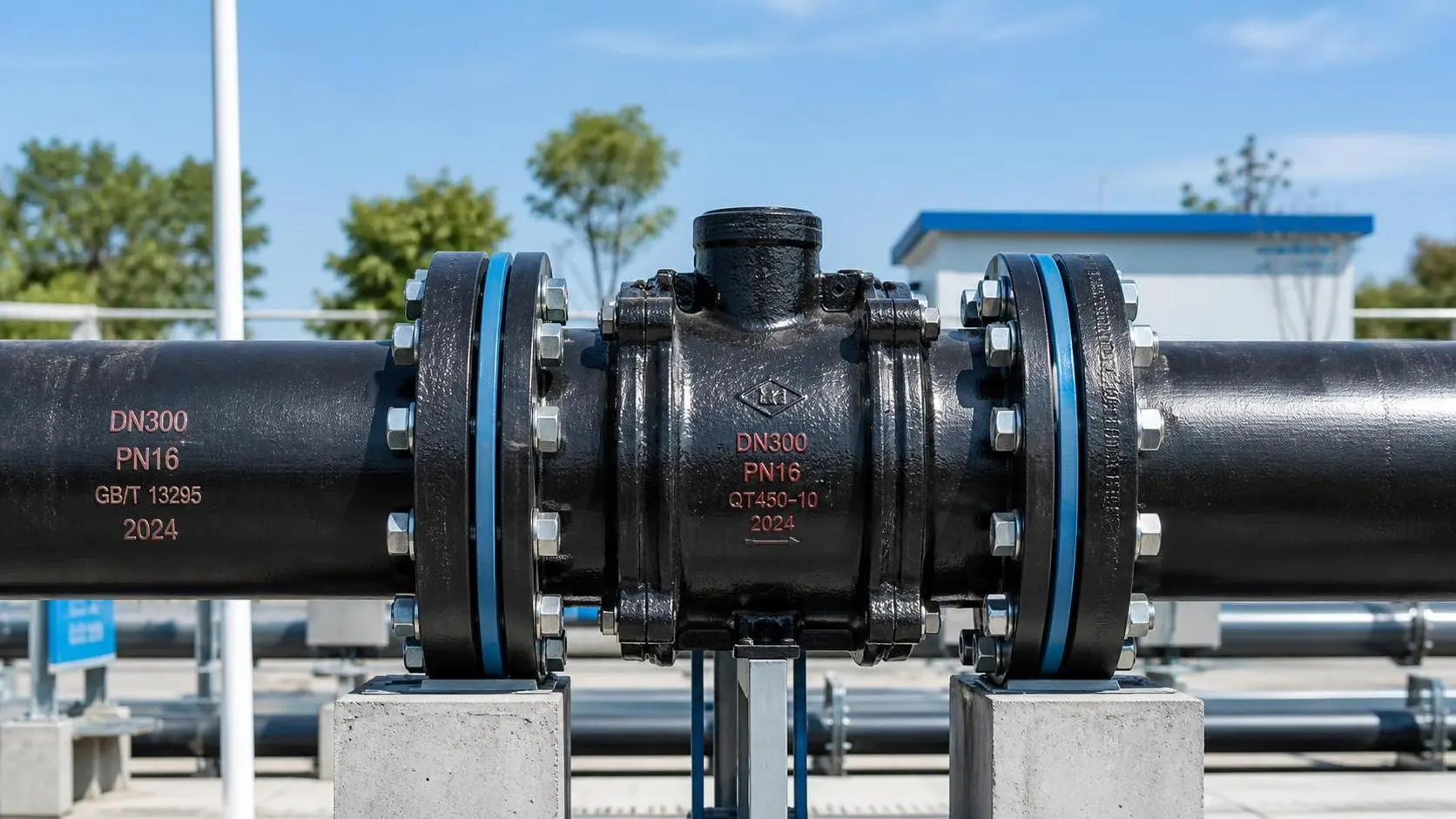
How Pipe Fittings Material and Pressure Class Affect Water Line Selection
Pipe fittings selection starts with material and pressure class. Learn how these factors affect water line reliability, corrosion resistance, installation, and long-term cost.
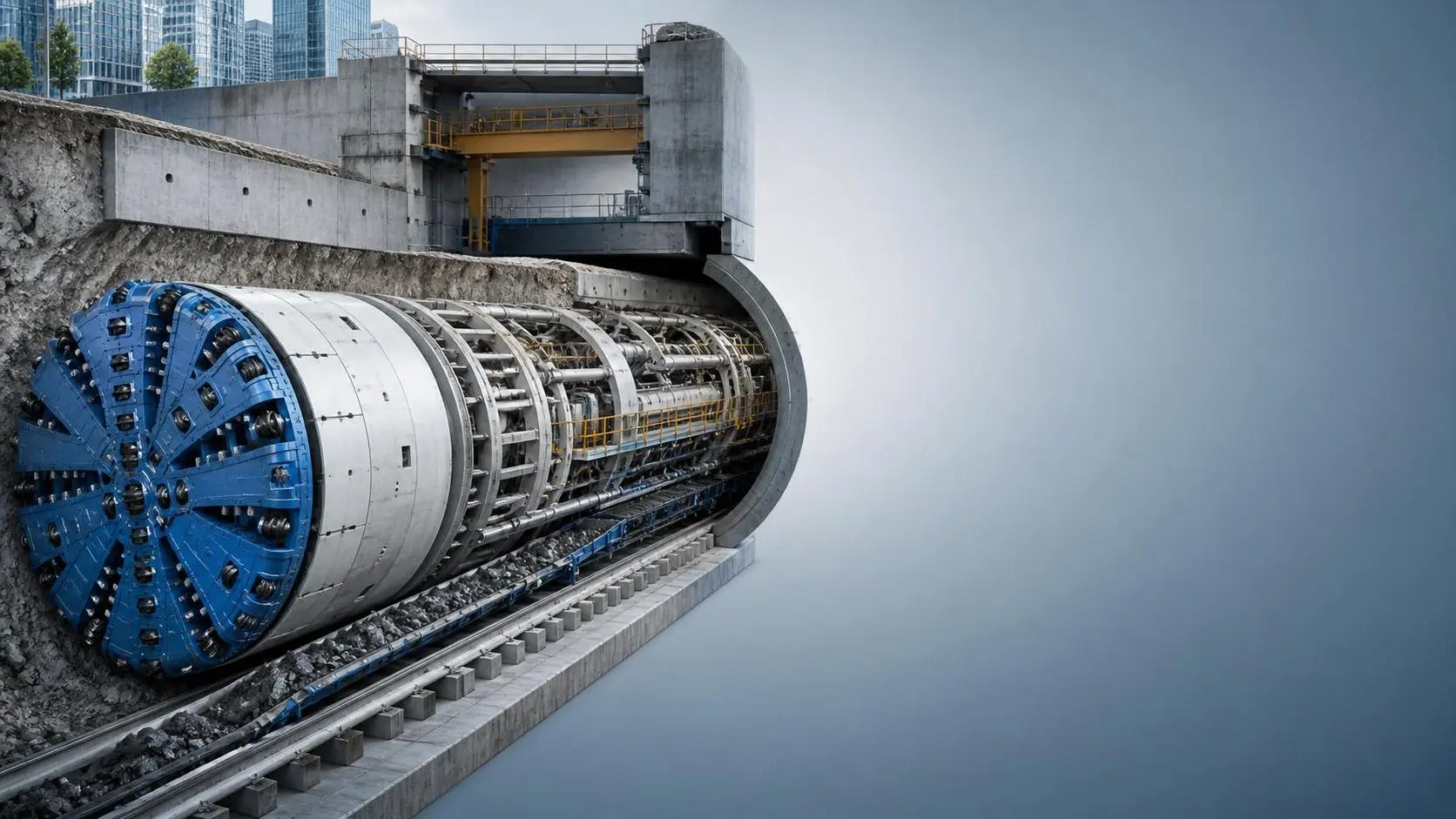
What Drives TBM Excavation Cost in Urban Tunneling Projects?
tbm excavation cost in urban tunneling depends on geology, shafts, segment lining, logistics, and risk. Discover the key cost drivers and compare bids with greater confidence.

What Does Energy Metals Mining in Australia Mean for Supply, Cost, and Project Risk?
Energy metals mining Australia is reshaping supply, cost, and project risk. Discover what it means for buyers, investors, and operators.

EU Eases Dual CE and UKCA Path for Chinese Tunnel Boring Equipment
EU eases CE and UKCA certification for Chinese tunnel boring equipment, cutting compliance time and helping importers move faster.
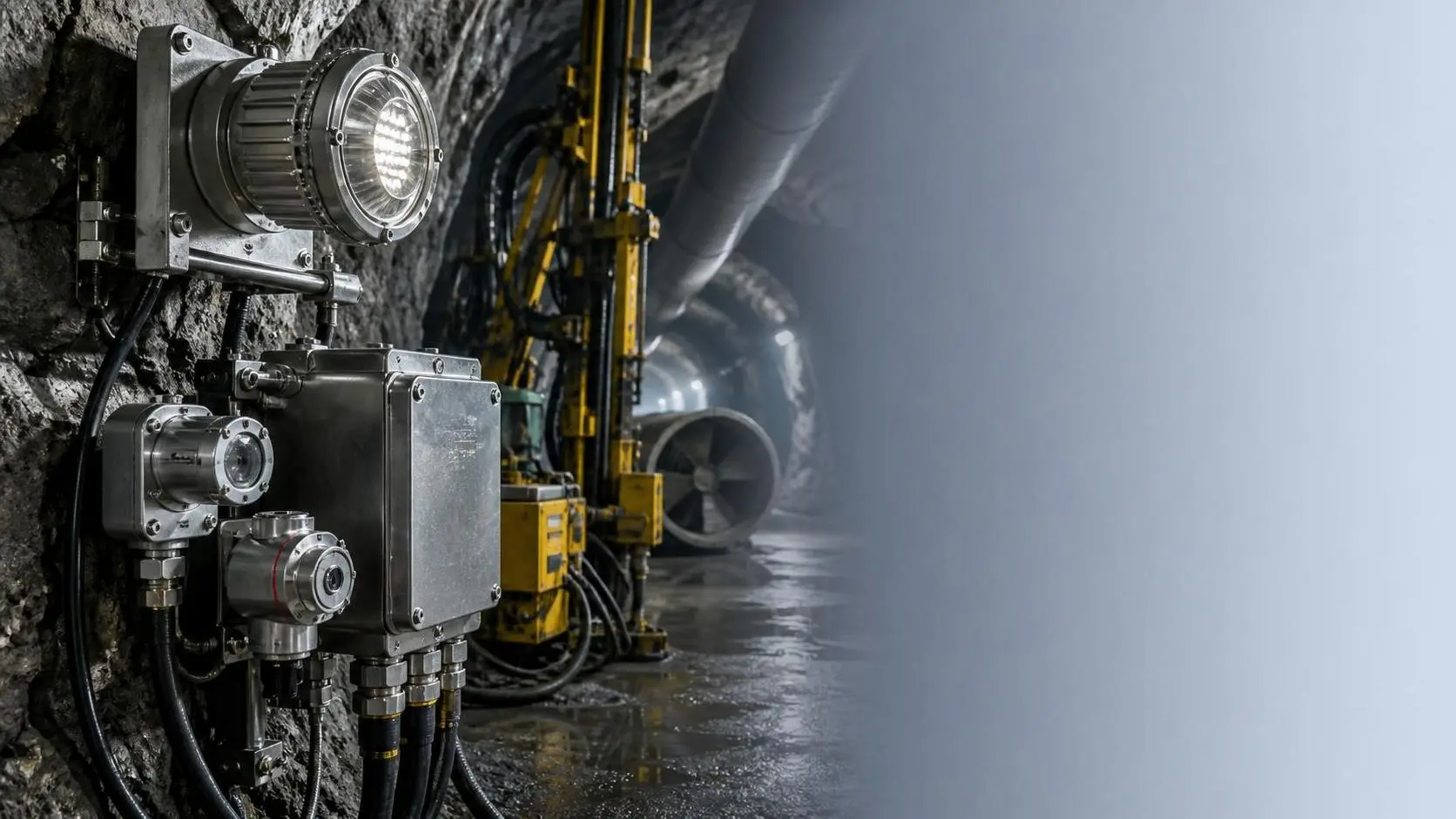
Flameproof Underground Safety Equipment: What Mine Teams Should Check Before Buying
Underground Safety Equipment flameproof buying guide: learn how mine teams should verify certification, durability, serviceability, and supplier support before purchase.
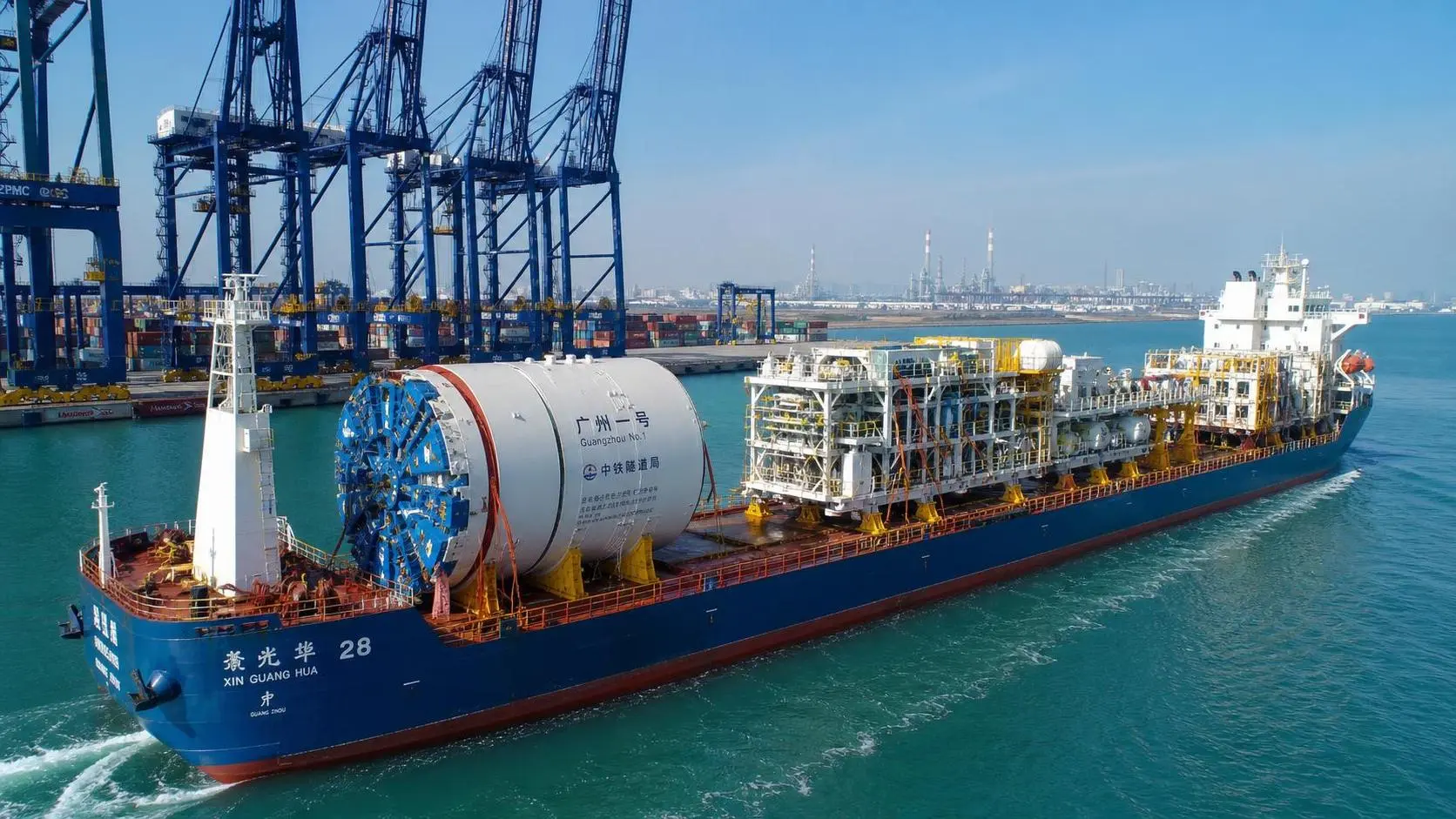
China-UAE Direct Sea Route Cuts TBM and Large Tunneling Equipment Lead Times
China-UAE direct sea route shortens TBM and large tunneling equipment lead times by 12–15 days, improving delivery predictability for major infrastructure projects. Read the full impact.

What Is a TBM Guidance System Gyroscope, and Why Does It Matter Underground?
TBM Guidance Systems gyroscope improves underground accuracy, reduces drift, and helps tunnel boring machines stay on line in harsh conditions.
Related News
- 00
0000-00
How to Build a Mining Decarbonization Strategy That Balances Emissions, Cost, and Fleet Reality - 00
0000-00
How to Evaluate Articulated Dump Trucks Payload for Haul Road Conditions and Cycle Efficiency - 00
0000-00
How Pipe Fittings Material and Pressure Class Affect Water Line Selection - 00
0000-00
What Drives TBM Excavation Cost in Urban Tunneling Projects? - 00
0000-00
What Does Energy Metals Mining in Australia Mean for Supply, Cost, and Project Risk?
Weekly Insights
Stay ahead with our curated technology reports delivered every Monday.