How Tunnel Infrastructure Shapes Metro Projects: Key Systems, Risks, and Planning Priorities





Why do tunnel infrastructure metro projects demand more than a successful excavation?
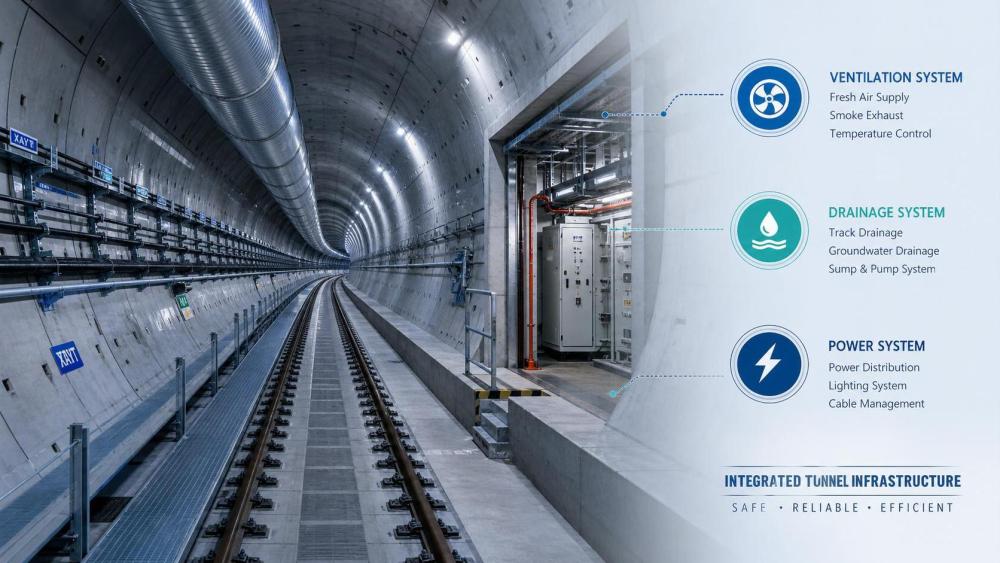
A metro tunnel may look like a civil structure first, but delivery risk usually comes from systems wrapped around the excavation.
That is why tunnel infrastructure metro projects are rarely controlled by boring speed alone.
Ventilation, drainage, temporary and permanent power, fire life safety, access logistics, and monitoring all influence cost, schedule, and commissioning readiness.
In practice, one delayed utility room or poorly planned cable route can slow several downstream work packages.
The more constrained the corridor, the tighter these interactions become.
This matters even more in dense cities, where tunnel boring machines, segment handling, spoil removal, and surface interfaces must stay synchronized.
Insights from UTMD often highlight this wider systems view.
Its coverage of TBM engineering, trenchless equipment, and digital underground operations reflects a simple truth.
Underground delivery succeeds when mechanical excavation and infrastructure support systems are planned as one operating environment.
So, when people ask what shapes tunnel infrastructure metro projects, the useful answer is broader than geology.
It includes how the tunnel will breathe, drain, communicate, evacuate, receive power, and remain maintainable for decades.
Which systems usually decide whether a metro tunnel plan is realistic?
Several systems tend to become schedule drivers long before fit-out appears on the critical path.
The first is ventilation.
Construction ventilation supports workforce safety, heat control, dust management, and diesel or electric equipment operations in confined sections.
Permanent ventilation then affects shaft size, plant rooms, tunnel cross-passage design, and emergency smoke strategy.
Drainage is another decisive system.
Groundwater inflow, seepage through joints, and cleaning water all need defined collection paths, pumping logic, backup power, and maintenance access.
If drainage is under-scoped, water becomes both a safety problem and a persistent asset issue.
Power distribution is equally central.
Temporary construction loads and permanent traction, lighting, signaling, and ventilation loads compete for space and installation sequencing.
A realistic plan also depends on safety systems.
That includes cross passages, fire detection, emergency communications, walkways, escape signage, and access control for operations and maintenance.
Then comes logistics, which is often underestimated.
Segment supply, muck removal, equipment maintenance, shaft hoisting, and spoil handling define daily productivity more than many desktop schedules assume.
Digital control now sits across all of these systems.
Sensors, SCADA, asset monitoring, positioning, and condition data help teams see where tunnel infrastructure metro projects are drifting before failures become visible onsite.
A quick planning table helps clarify what usually needs early attention
Where do tunnel infrastructure metro projects usually run into avoidable risk?
Most avoidable risk appears at interfaces, not inside isolated disciplines.
A common example is designing the tunnel envelope before confirming equipment clearances and maintenance zones.
Another is treating temporary works as disposable, even though they often constrain permanent installation sequencing.
Ground conditions also create indirect risk.
Variable rock, mixed faces, abrasive strata, or water-bearing formations change cutter wear, advance rates, spoil behavior, and support demands.
UTMD’s technical coverage of disc cutter wear and rock-cutting performance is relevant here.
Those factors do not stay inside the TBM domain.
They ripple into spare parts strategy, intervention windows, ventilation load, labor planning, and access time.
Digital blind spots are another frequent issue.
If monitoring is fragmented across contractors, emerging failures remain hidden until productivity has already fallen.
The same pattern appears with utility interfaces.
A power upgrade, drainage sump relocation, or ventilation fan change can affect civil, mechanical, and operational approvals at once.
More often than not, tunnel infrastructure metro projects suffer because one team assumes another has already checked the operational consequence.
That assumption is expensive.
Risk signs worth watching early
- Repeated redesign of plant rooms, cross passages, or service corridors
- TBM production plans that ignore spoil, segment, or maintenance logistics
- Temporary power and ventilation plans with no transition path to permanent systems
- Safety approvals starting after major layout decisions are already fixed
- Monitoring data stored separately, with no shared threshold or response rule
How should planning priorities be set when budget and schedule pressure increase?
The practical move is to rank systems by interface consequence, not by procurement value alone.
Some lower-cost items can delay major packages if their installation sequence blocks access or testing.
A useful planning logic for tunnel infrastructure metro projects starts with five checks.
- Confirm the critical underground interfaces between civil works, MEP systems, rail systems, and operations requirements.
- Map temporary works that remain in place long enough to affect permanent installation.
- Test whether logistics capacity supports the assumed excavation and fit-out sequence.
- Define trigger thresholds for groundwater, settlement, heat, dust, and equipment downtime.
- Use integrated reporting, so field conditions can alter plan assumptions quickly.
This is where underground intelligence platforms become useful, even without becoming part of procurement language.
UTMD’s emphasis on electrification, automation, and underground fleet performance mirrors what many metro schemes now face.
Zero-emission expectations, remote monitoring, and higher asset utilization are no longer mining-only concerns.
They increasingly affect metro construction compounds, confined haulage, and lifecycle operating decisions.
So planning priorities should not stop at getting through the ground.
They should anticipate how the tunnel will be powered, monitored, maintained, and safely operated once excavation is over.
What is often misunderstood about cost, timeline, and long-term reliability?
One common misunderstanding is that faster excavation always means faster project completion.
If downstream systems are not ready, rapid excavation simply moves congestion to another workfront.
Another misunderstanding is about cost control.
Cutting early investigation or coordination effort may reduce visible preconstruction spend, but it usually increases variation and recovery cost later.
Long-term reliability is also shaped much earlier than many teams expect.
Drainage access, cable segregation, ventilation redundancy, and inspection clearances become operational issues for decades.
When those details are compressed late, the asset inherits maintenance difficulty.
A more grounded way to compare decisions is to ask which option reduces total disruption across construction and operation.
That question often produces better answers than the cheapest package comparison.
In tunnel infrastructure metro projects, reliable systems usually come from disciplined interfaces, realistic access assumptions, and measurable performance criteria.
A simple decision check before locking the plan
So what should be reviewed first before the next metro tunnel decision?
Start with the system map, not the isolated component list.
The strongest reviews of tunnel infrastructure metro projects connect excavation method, ground behavior, logistics, utilities, safety, and digital monitoring in one sequence.
Then check whether the schedule reflects how underground work actually flows.
If ventilation, drainage, power, or access assumptions are vague, the plan is probably carrying hidden delay risk.
It also helps to compare field data and design intent early.
That is especially important where TBM performance, abrasive ground, utility congestion, or electrified underground equipment change the operating envelope.
A reliable next step is to build a review list around three themes.
- Which systems can stop progress if they fall behind?
- Which interfaces still rely on assumptions rather than verified constraints?
- Which lifecycle issues are being postponed into future operations?
That approach keeps tunnel infrastructure metro projects grounded in delivery reality.
It also creates a better basis for comparing methods, refining scope, and deciding where deeper technical intelligence is worth the effort.
Related News
How to Build a Mining Decarbonization Strategy That Balances Emissions, Cost, and Fleet Reality
Mining decarbonization strategy starts with fleet reality. Learn how to cut emissions, control cost, and align power, ventilation, and production for a practical mine transition.
How to Evaluate Articulated Dump Trucks Payload for Haul Road Conditions and Cycle Efficiency
Articulated Dump Trucks payload evaluation starts with real haul road conditions, not brochure numbers. Learn how to balance payload, traction, grades, and cycle efficiency for safer, higher output.
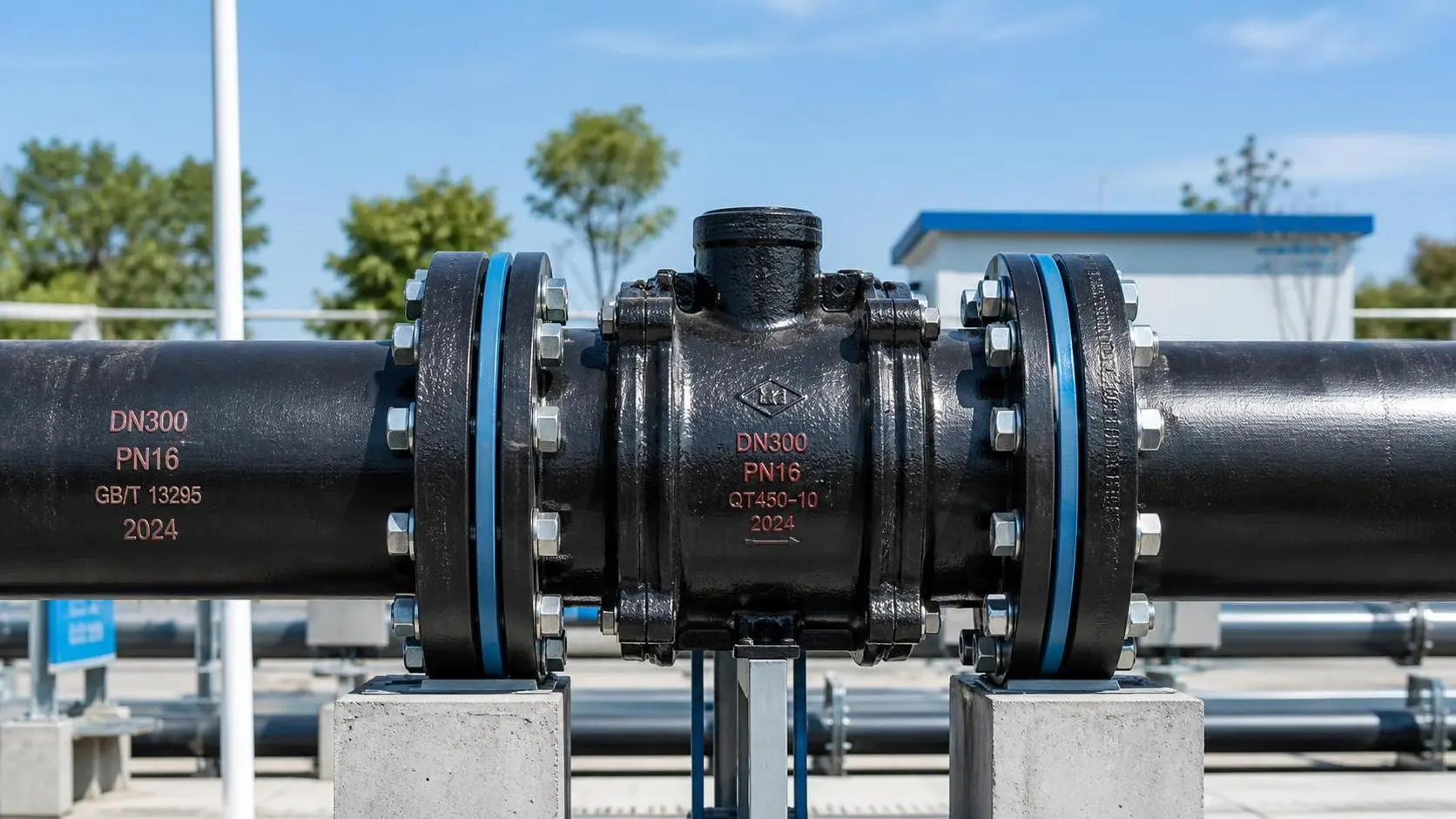
How Pipe Fittings Material and Pressure Class Affect Water Line Selection
Pipe fittings selection starts with material and pressure class. Learn how these factors affect water line reliability, corrosion resistance, installation, and long-term cost.
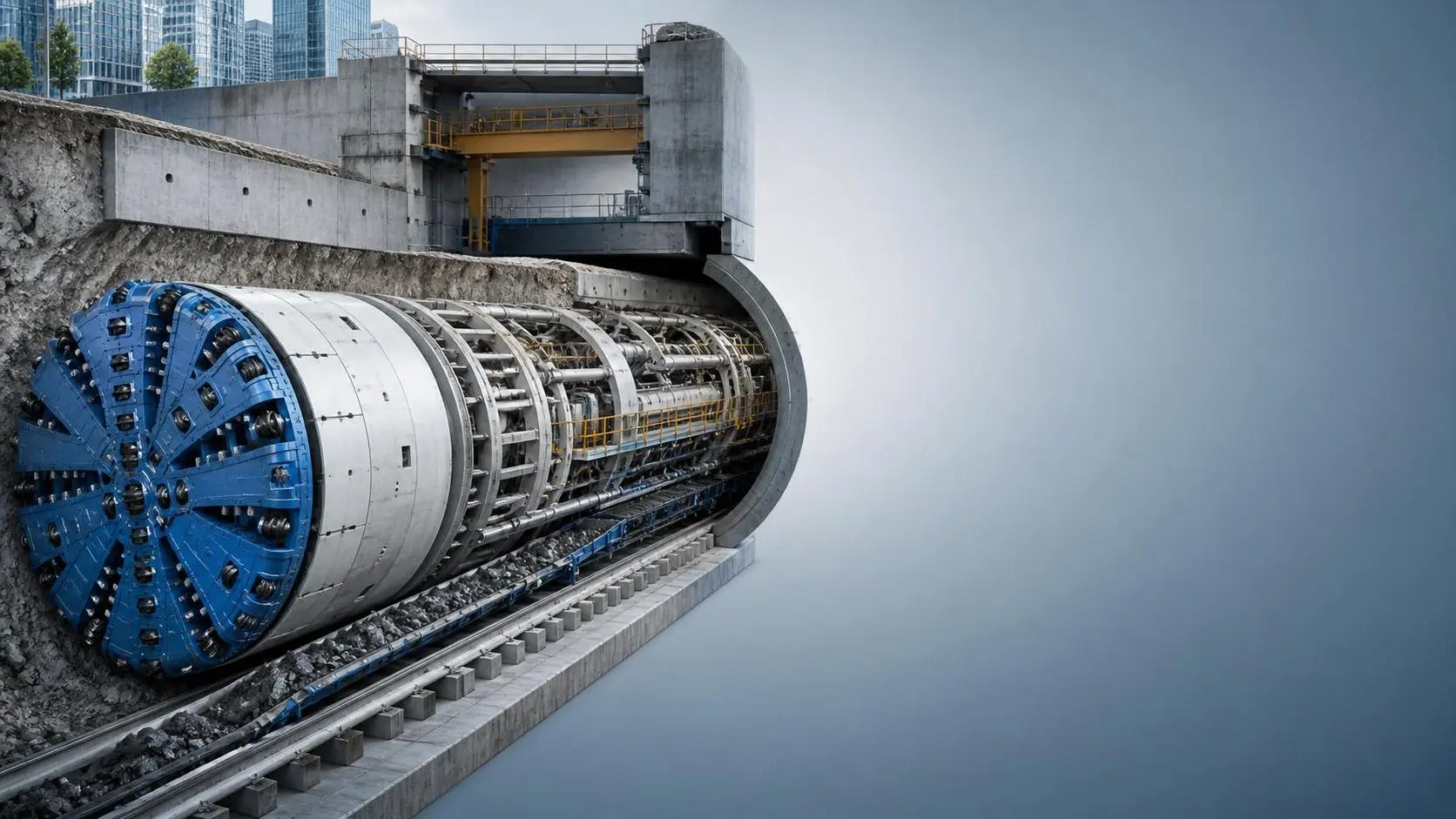
What Drives TBM Excavation Cost in Urban Tunneling Projects?
tbm excavation cost in urban tunneling depends on geology, shafts, segment lining, logistics, and risk. Discover the key cost drivers and compare bids with greater confidence.
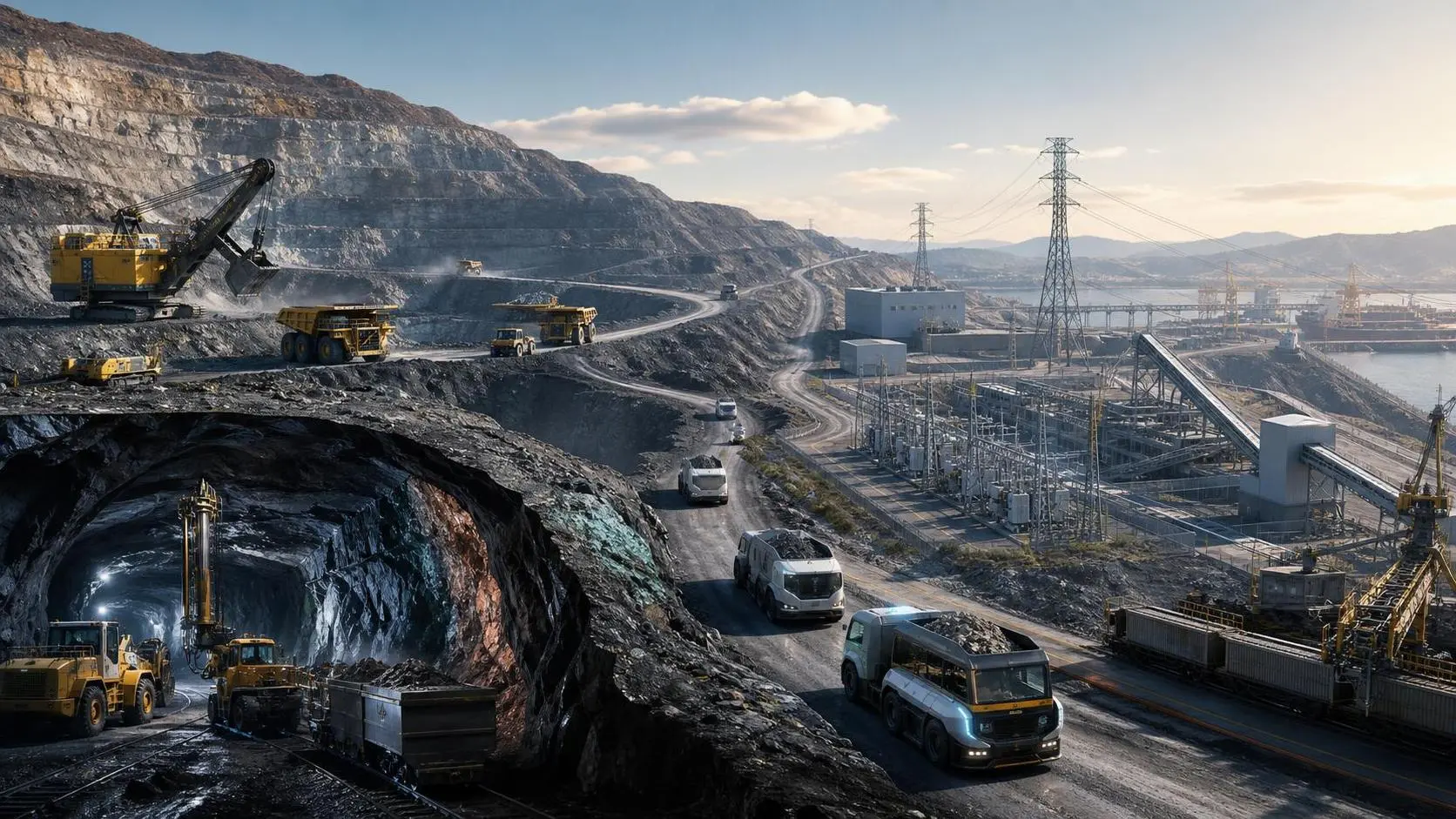
What Does Energy Metals Mining in Australia Mean for Supply, Cost, and Project Risk?
Energy metals mining Australia is reshaping supply, cost, and project risk. Discover what it means for buyers, investors, and operators.
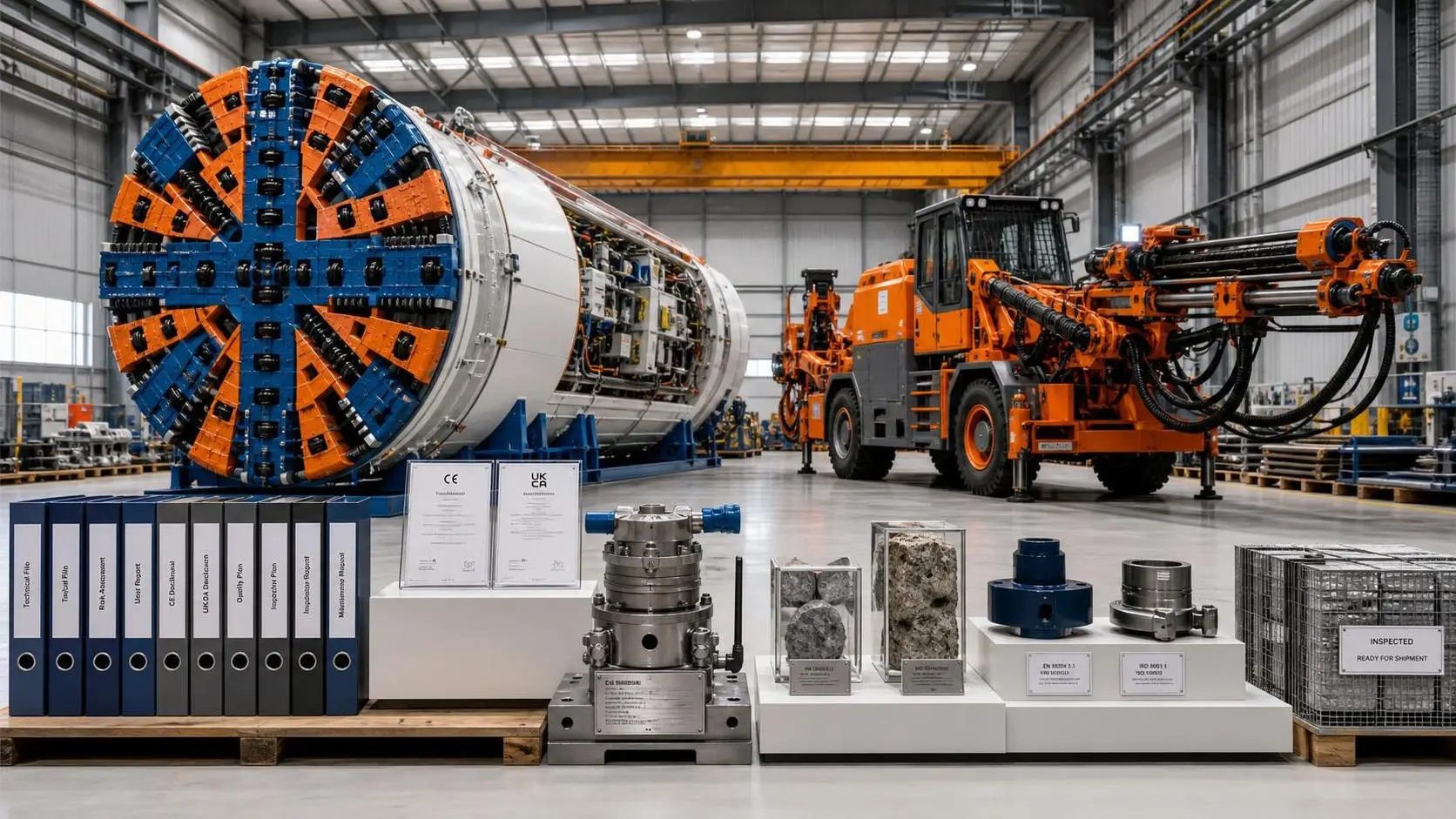
EU Eases Dual CE and UKCA Path for Chinese Tunnel Boring Equipment
EU eases CE and UKCA certification for Chinese tunnel boring equipment, cutting compliance time and helping importers move faster.
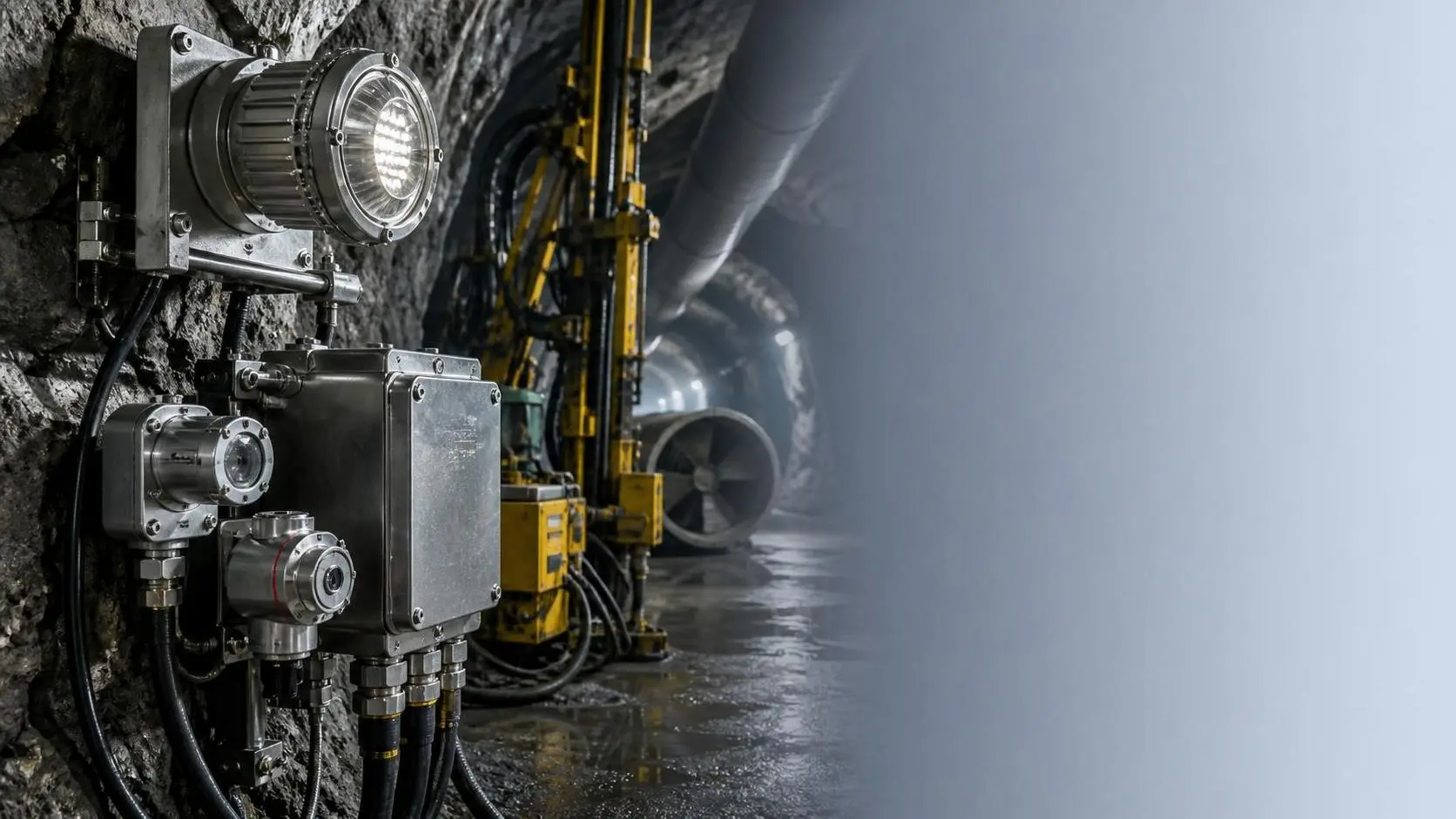
Flameproof Underground Safety Equipment: What Mine Teams Should Check Before Buying
Underground Safety Equipment flameproof buying guide: learn how mine teams should verify certification, durability, serviceability, and supplier support before purchase.
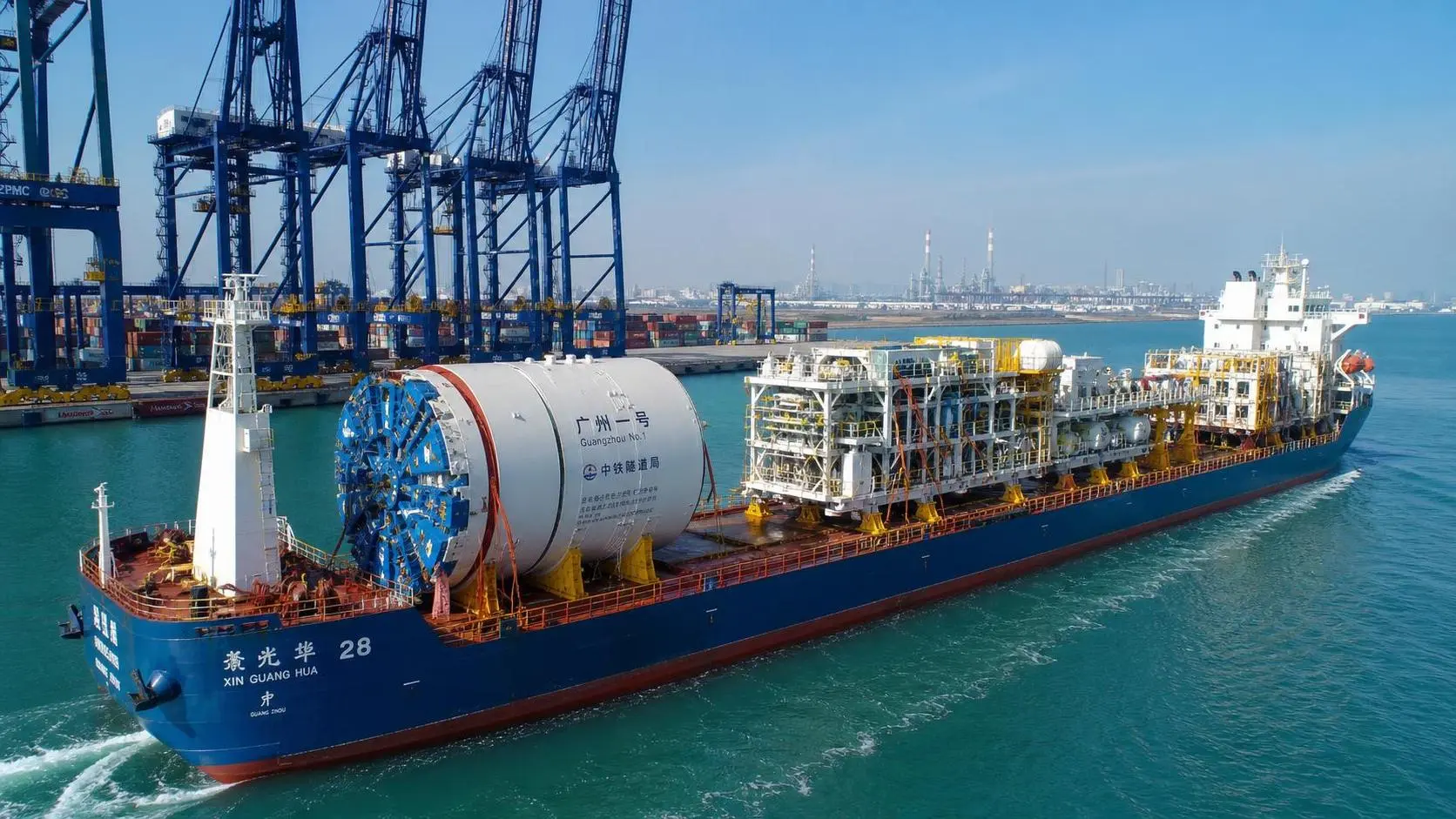
China-UAE Direct Sea Route Cuts TBM and Large Tunneling Equipment Lead Times
China-UAE direct sea route shortens TBM and large tunneling equipment lead times by 12–15 days, improving delivery predictability for major infrastructure projects. Read the full impact.
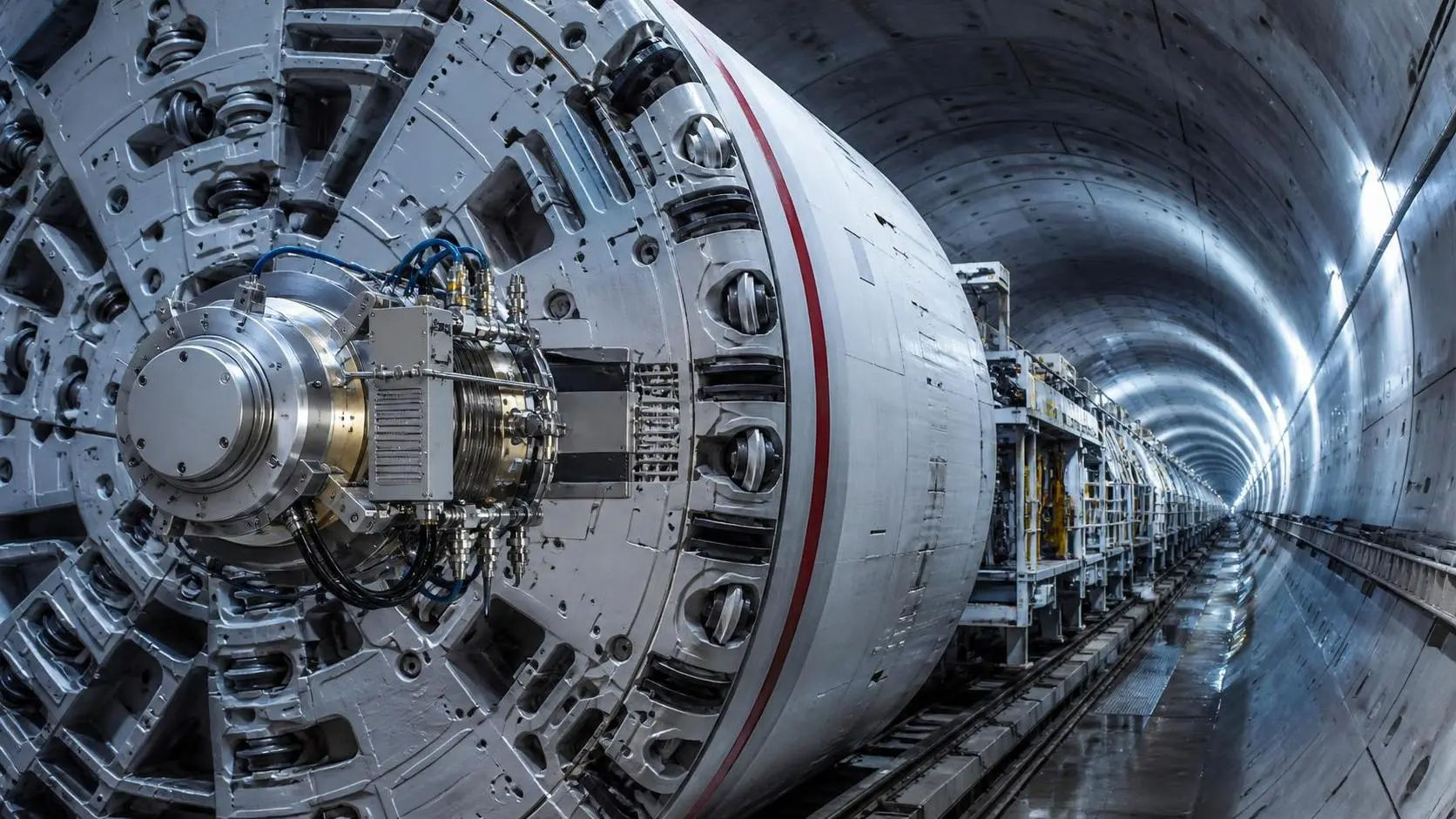
What Is a TBM Guidance System Gyroscope, and Why Does It Matter Underground?
TBM Guidance Systems gyroscope improves underground accuracy, reduces drift, and helps tunnel boring machines stay on line in harsh conditions.
Related News
- 00
0000-00
How to Build a Mining Decarbonization Strategy That Balances Emissions, Cost, and Fleet Reality - 00
0000-00
How to Evaluate Articulated Dump Trucks Payload for Haul Road Conditions and Cycle Efficiency - 00
0000-00
How Pipe Fittings Material and Pressure Class Affect Water Line Selection - 00
0000-00
What Drives TBM Excavation Cost in Urban Tunneling Projects? - 00
0000-00
What Does Energy Metals Mining in Australia Mean for Supply, Cost, and Project Risk?
Weekly Insights
Stay ahead with our curated technology reports delivered every Monday.