
Australia Mandates MineConnect Access for EV Mining Trucks





On July 4, 2026, Australia’s federal Department of Resources and Mining Safety (DMR) issued a mandatory notice requiring EV and hydrogen mining trucks operating in Australia to connect to the national MineConnect platform through ISO 15118-20 from October 1, 2026. For mining fleet operators, truck manufacturers, connectivity providers, and suppliers serving federally funded mine sites, this is worth close attention because access to those sites will now depend on whether vehicles can support real-time reporting of battery health, location, and energy use.
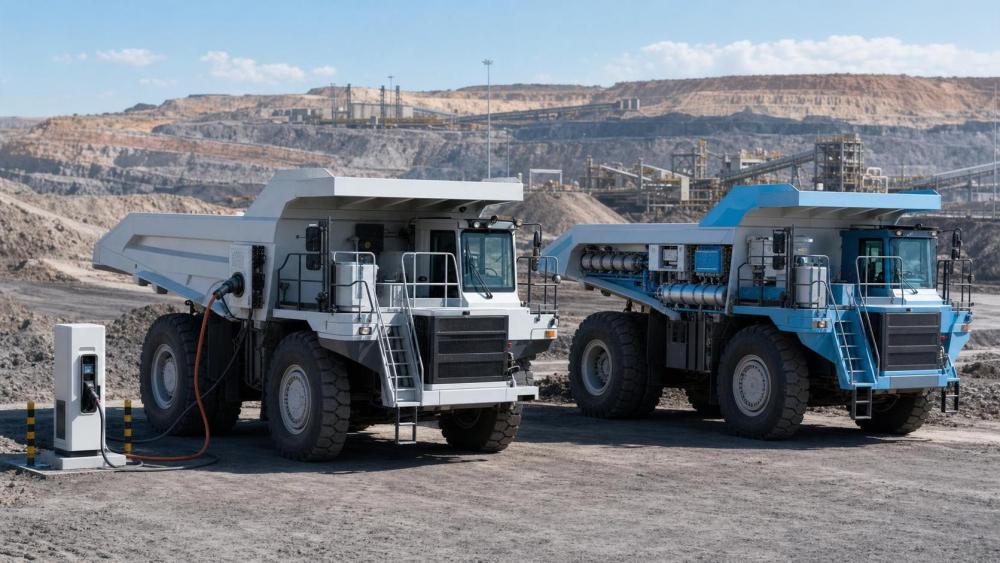
What the DMR Notice Requires
According to the information provided, the DMR released mandatory notice DMR/2026/089 on July 4, 2026. The notice applies to all EV and hydrogen mining trucks operating in Australia.
From October 1, 2026, those vehicles must connect to the national mine IoT platform, MineConnect, using the ISO 15118-20 communication protocol. The required reporting scope includes battery state-of-health, location, and energy consumption in real time.
The notice also states that non-compatible equipment will not be allowed to enter federally funded mine sites.
Where the Immediate Pressure Falls
Fleet access and site operations
From an industry perspective, mining operators using EV or hydrogen truck fleets may be affected first because site access is tied directly to technical compatibility. The main business impact is likely to appear in fleet deployment, site entry approval, and operational continuity at federally funded mining areas. What deserves closer attention is whether current vehicles can already support the required protocol and data reporting functions by the October 2026 deadline.
Vehicle manufacturing and integration work
Truck manufacturers and system integrators may be affected because compliance is framed around both connectivity and data transmission capability. The pressure point is not only vehicle hardware, but also whether onboard communication systems can connect through ISO 15118-20 and report the specified data fields to MineConnect. Observably, suppliers involved in vehicle electronics, software integration, and interface compatibility will need to watch this requirement closely.
Service providers around digital mining systems
Connectivity, telematics, and mine digitalization service providers may also see direct impact because the rule centers on real-time reporting into a national platform. The operational effect may show up in integration support, validation work, and coordination between truck systems and mine-side digital infrastructure. What deserves closer attention is how service responsibilities are divided between vehicle suppliers, operators, and platform-facing technical partners.
What Companies Should Be Checking Now
Protocol compatibility should be treated as a commercial issue
Analysis shows this is not only a technical matter. For companies delivering trucks into Australia or supporting fleets already in use, ISO 15118-20 compatibility may directly affect whether equipment remains usable in federally funded mining zones. That makes technical readiness relevant to contract performance, delivery planning, and customer communication.
Data reporting scope needs a practical review
Battery health, location, and energy use are specifically named in the provided information. Companies should therefore focus on whether these data points can be captured, transmitted, and recognized in the required format. The key distinction is between having internal vehicle data available and being able to report it in a way that satisfies the MineConnect access requirement.
October 1 creates a short operational timeline
Analysis shows the timing matters. With the notice issued on July 4, 2026 and the requirement taking effect on October 1, 2026, businesses serving the Australian market may need to review ongoing deliveries, fleet retrofits, and site-entry arrangements against that date. The practical issue is less about long-range planning and more about immediate implementation risk.
Official wording and follow-up clarification still matter
What deserves closer attention is whether further official clarification will define technical validation steps, enforcement practice, or operational exceptions. The current notice sets a clear compliance direction, but businesses should continue tracking how the rule is interpreted in procurement, site access management, and supplier qualification discussions.
Why This Reads as More Than a Narrow Technical Update
Analysis shows this development can be read as a governance signal as much as a connectivity rule. The confirmed fact is limited to MineConnect access, ISO 15118-20 connectivity, and real-time reporting requirements. But from an industry perspective, the structure of the rule suggests that digital reporting capability is becoming part of operational eligibility, not just an optional fleet management feature.
It is more appropriate to understand this as a concrete compliance change with broader signaling value. The immediate result is clear for federally funded mine sites, while the wider commercial impact beyond that still deserves continued observation rather than firm conclusion.
How This Update Is Best Understood
At this stage, the most grounded reading is that Australia has moved a specific digital access requirement into the operating conditions for EV and hydrogen mining trucks at federally funded mine sites. The short-term consequence is compliance pressure on equipment compatibility and reporting capability. The longer-term meaning is still emerging, so the industry should treat this as an active regulatory signal that already has operational effect in a defined part of the market.
Basis of This Article
This article is based on the user-provided news title, event date, and event summary concerning the DMR notice issued on July 4, 2026. For this type of industry update, relevant source categories usually include official government notices, company disclosures, industry association updates, authoritative media reporting, and standards organization documents.
A specific official source link was not provided in the input, so the exact publication record should still be continuously verified. Follow-up attention should remain on any additional official clarification related to implementation, compatibility expectations, and enforcement at federally funded mine sites.
Related News
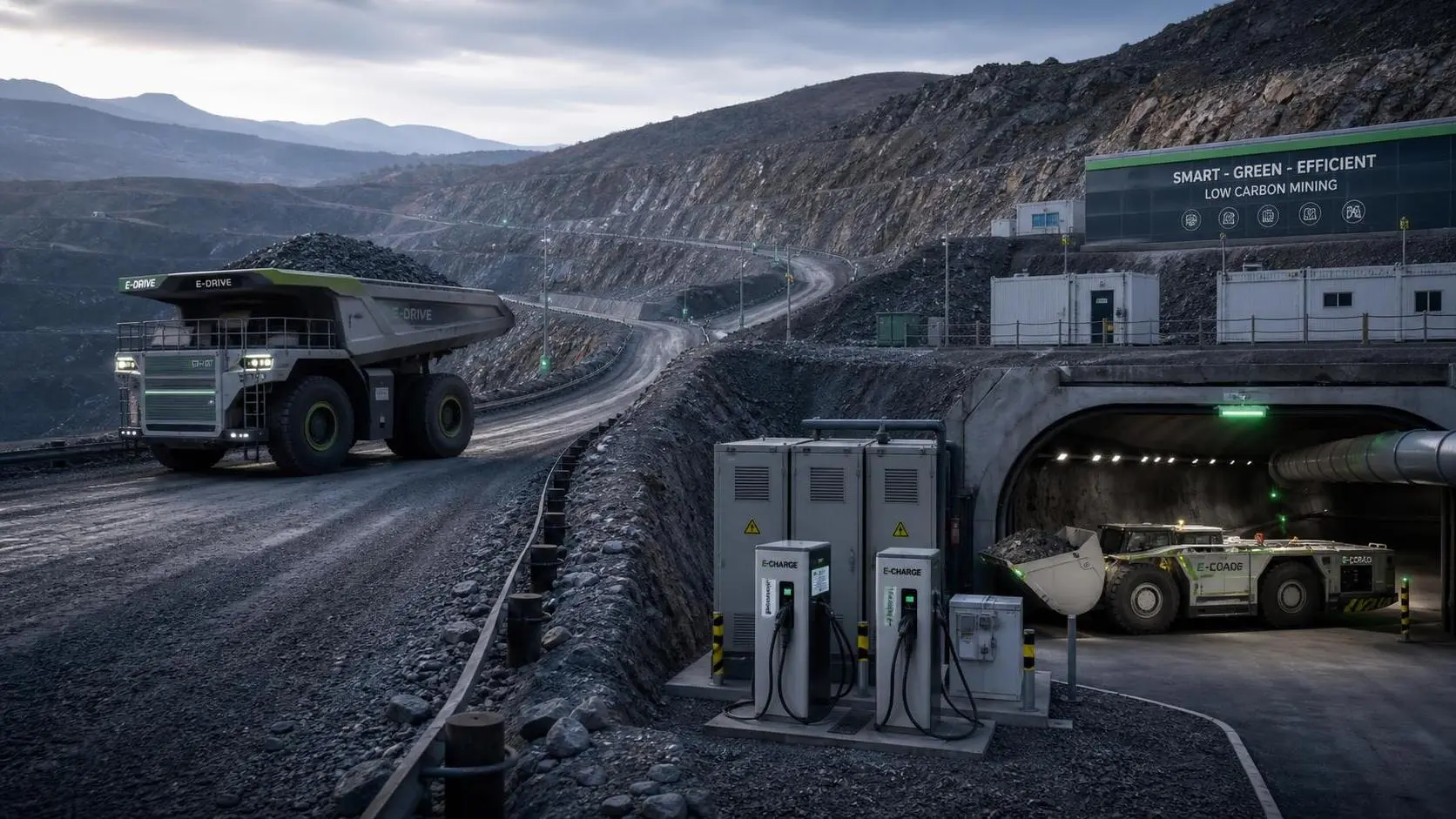
How to Build a Mining Decarbonization Strategy That Balances Emissions, Cost, and Fleet Reality
Mining decarbonization strategy starts with fleet reality. Learn how to cut emissions, control cost, and align power, ventilation, and production for a practical mine transition.
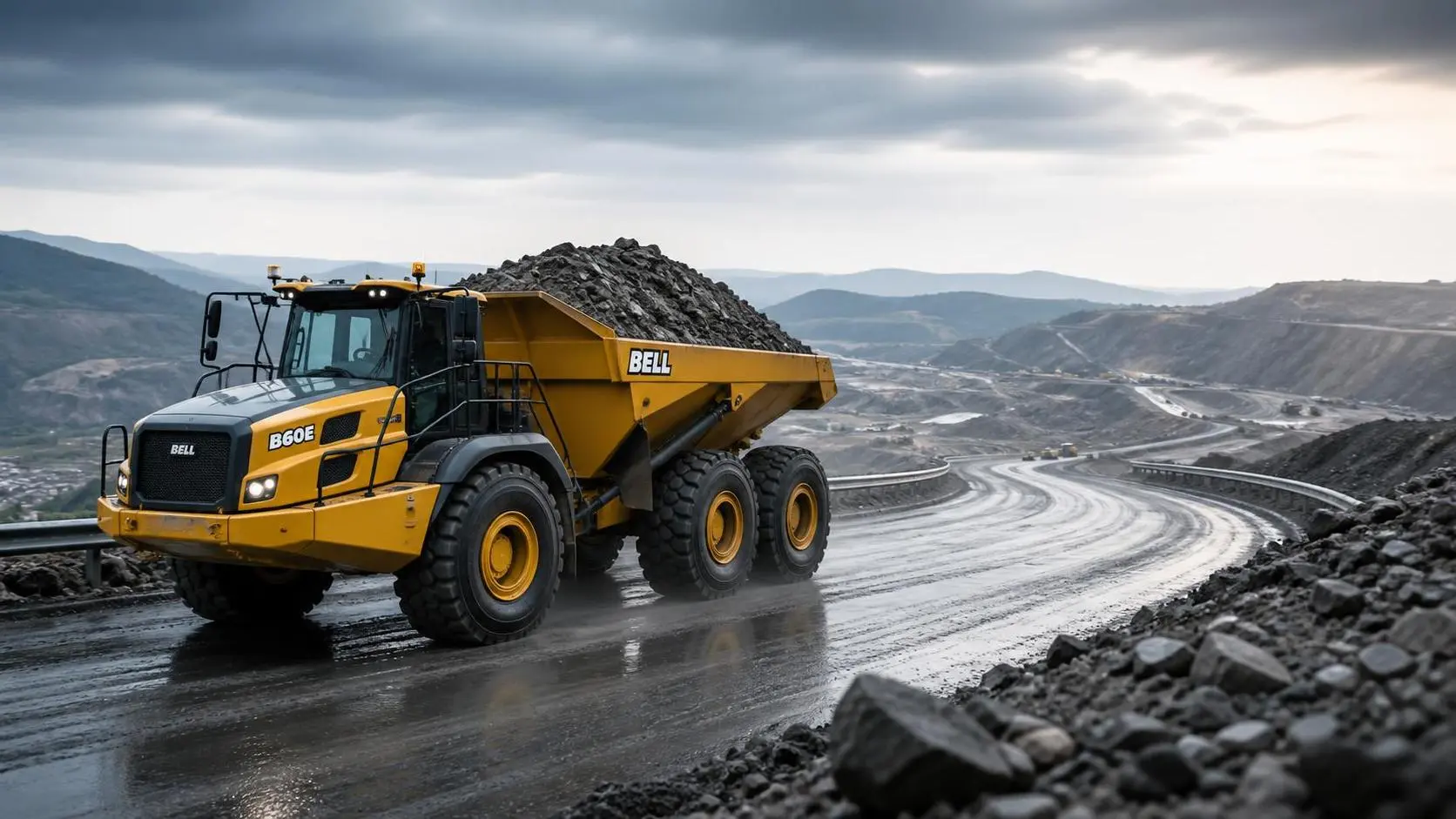
How to Evaluate Articulated Dump Trucks Payload for Haul Road Conditions and Cycle Efficiency
Articulated Dump Trucks payload evaluation starts with real haul road conditions, not brochure numbers. Learn how to balance payload, traction, grades, and cycle efficiency for safer, higher output.
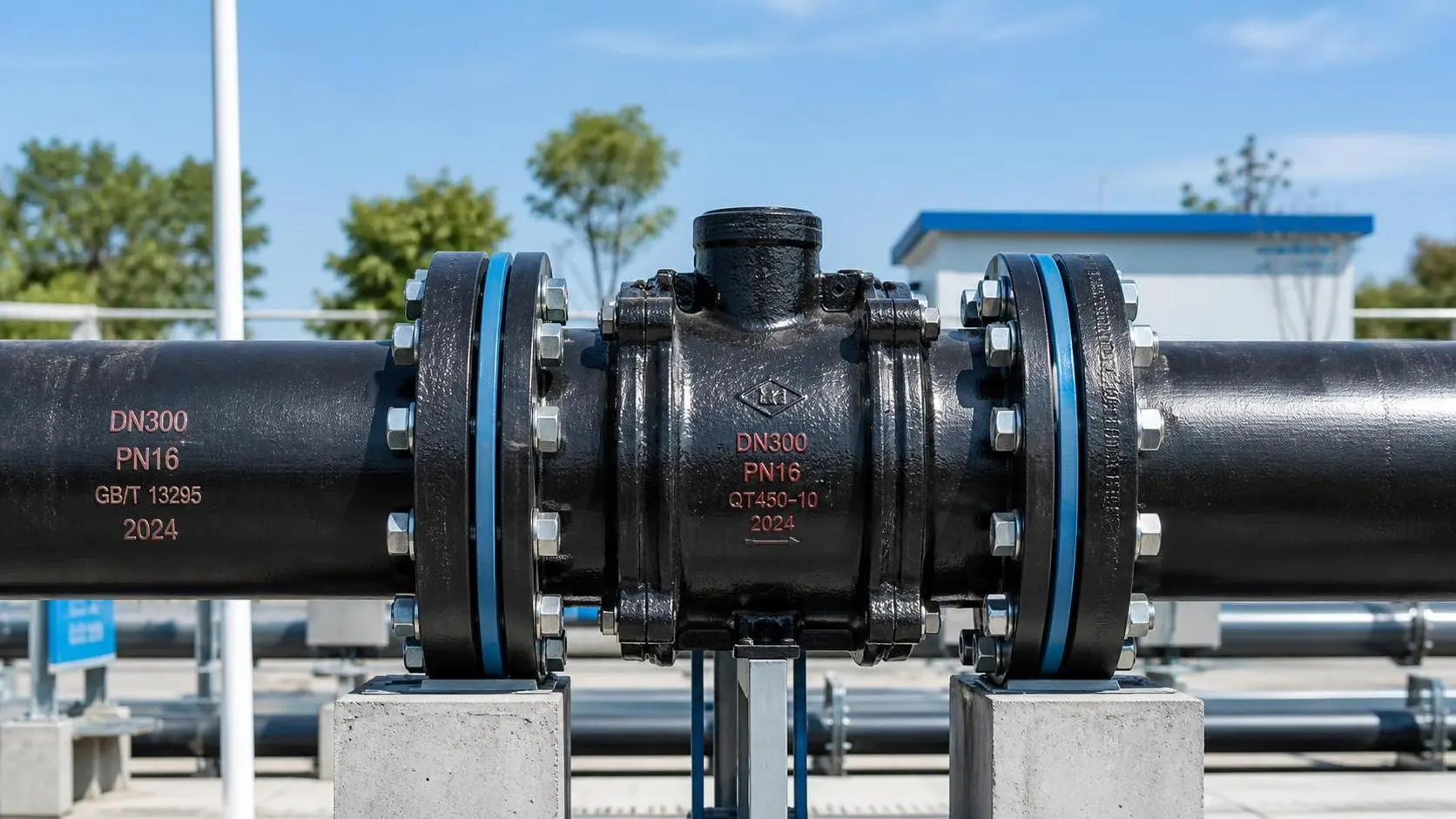
How Pipe Fittings Material and Pressure Class Affect Water Line Selection
Pipe fittings selection starts with material and pressure class. Learn how these factors affect water line reliability, corrosion resistance, installation, and long-term cost.
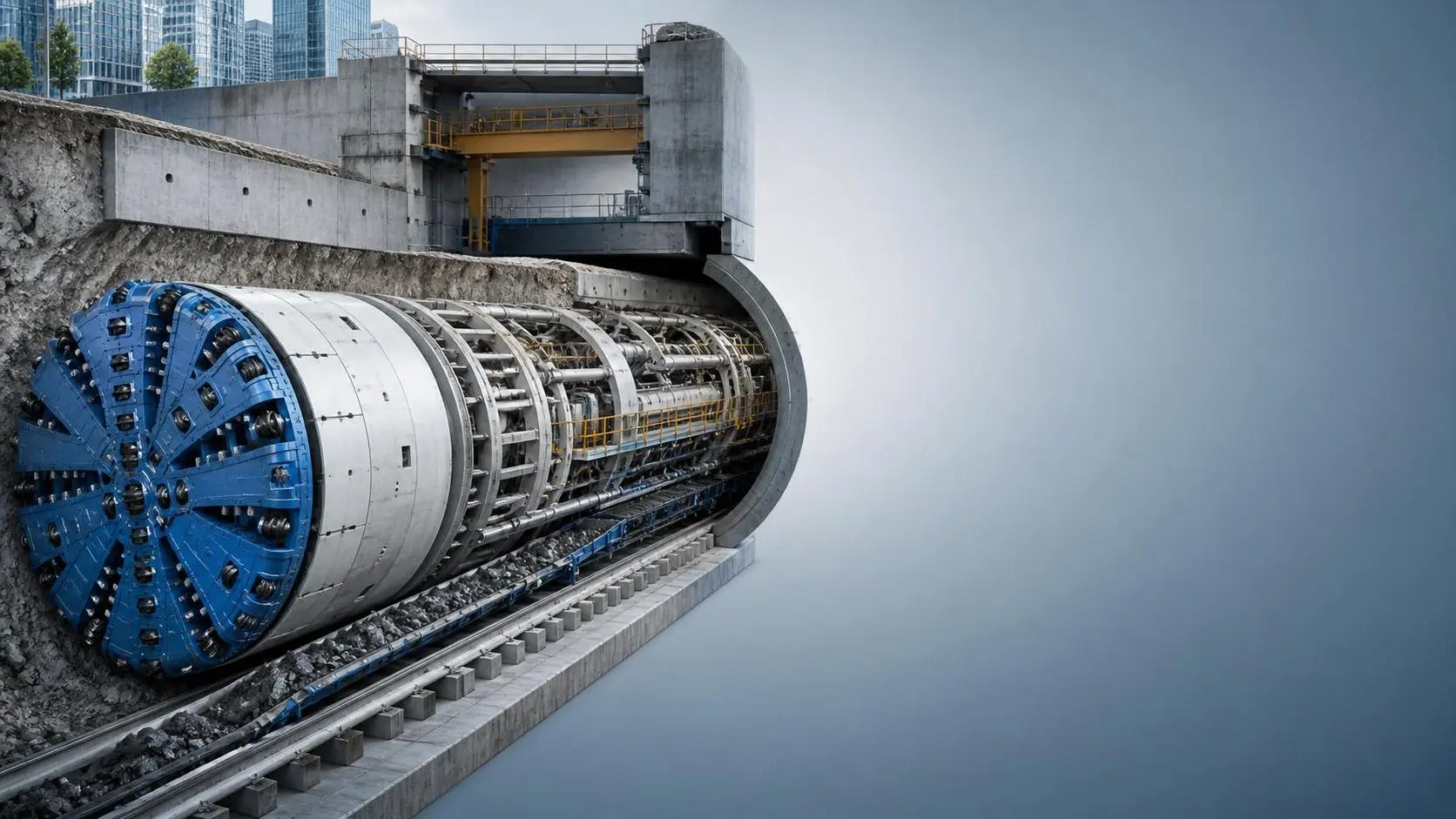
What Drives TBM Excavation Cost in Urban Tunneling Projects?
tbm excavation cost in urban tunneling depends on geology, shafts, segment lining, logistics, and risk. Discover the key cost drivers and compare bids with greater confidence.
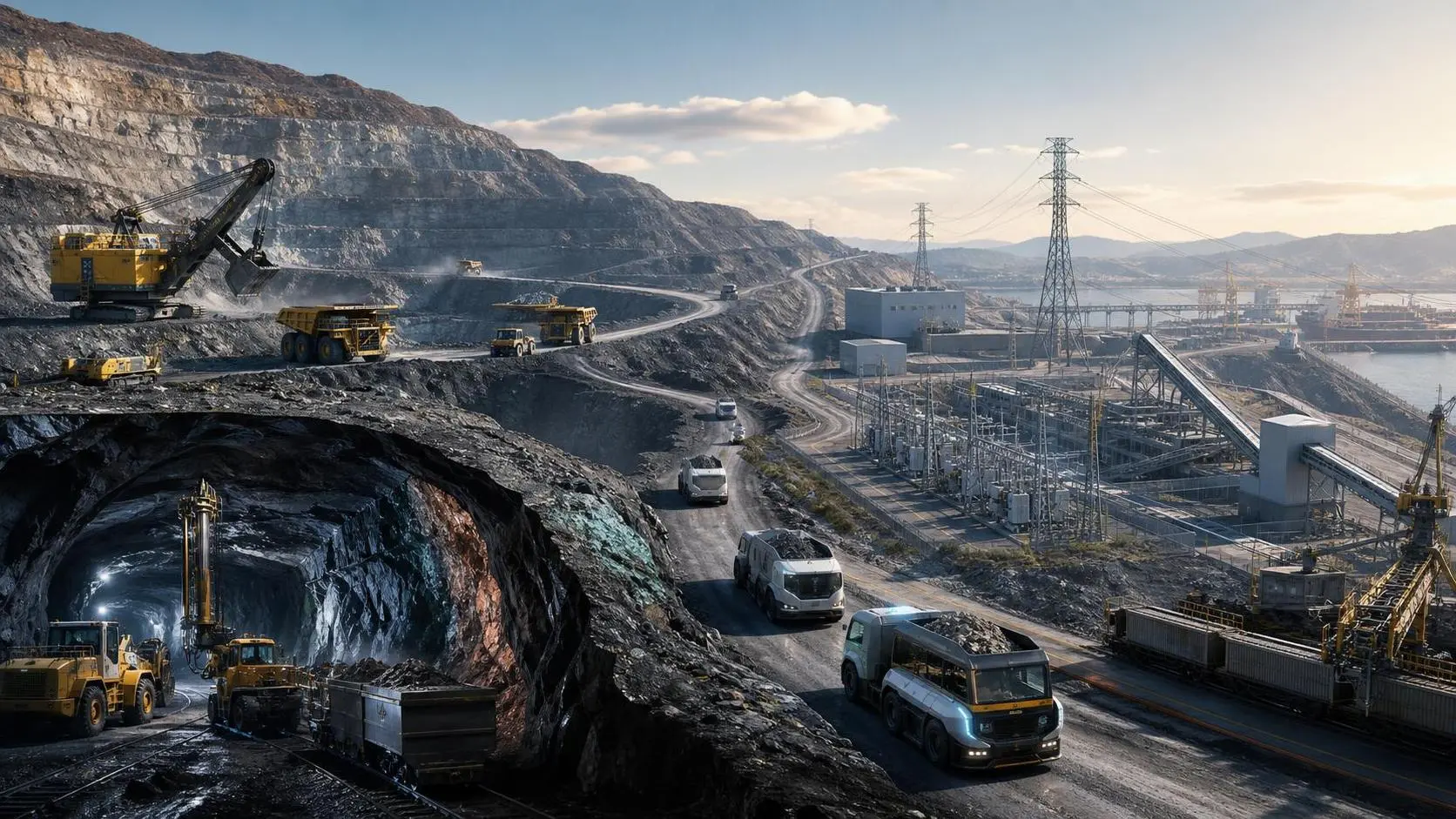
What Does Energy Metals Mining in Australia Mean for Supply, Cost, and Project Risk?
Energy metals mining Australia is reshaping supply, cost, and project risk. Discover what it means for buyers, investors, and operators.
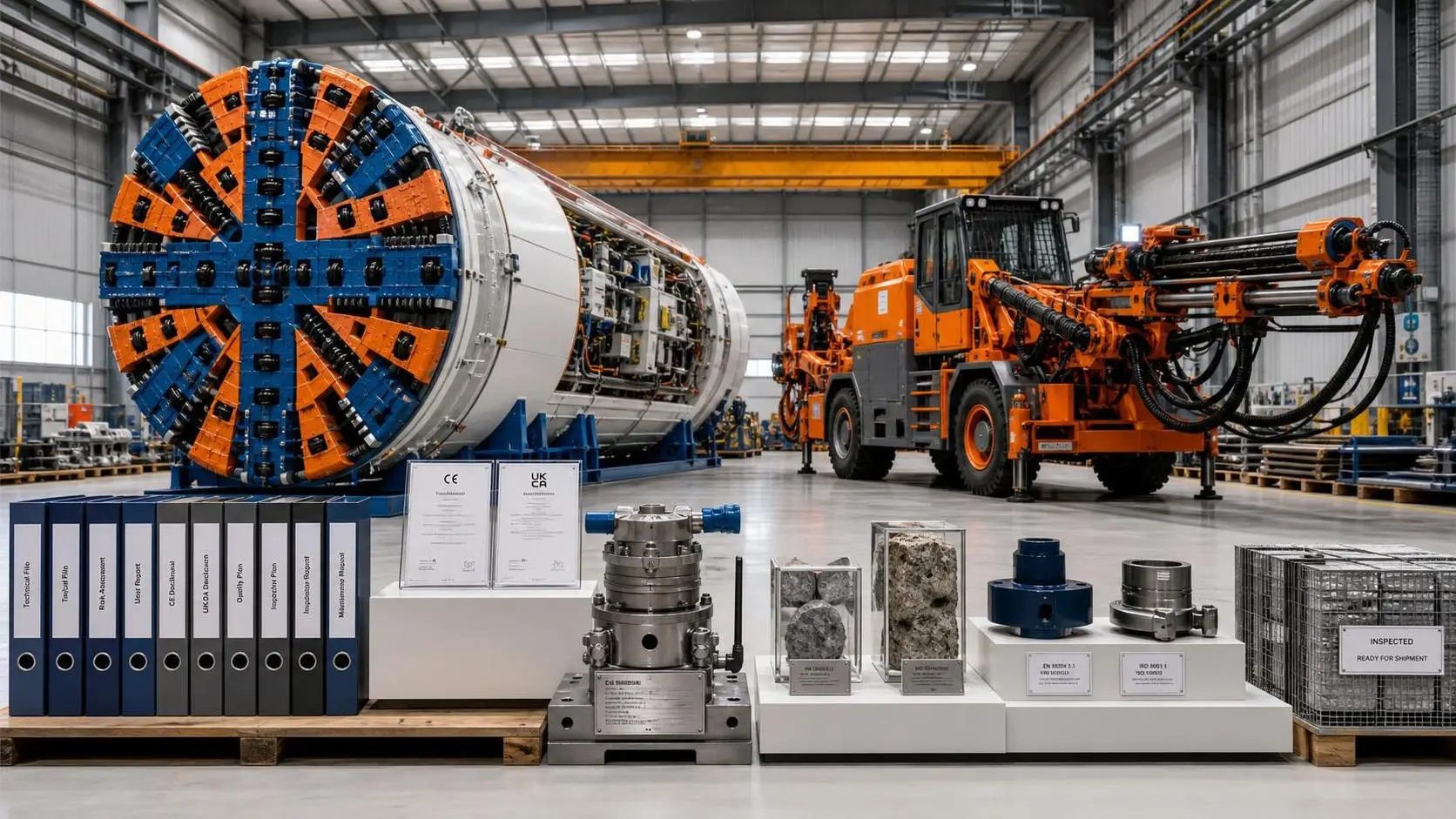
EU Eases Dual CE and UKCA Path for Chinese Tunnel Boring Equipment
EU eases CE and UKCA certification for Chinese tunnel boring equipment, cutting compliance time and helping importers move faster.
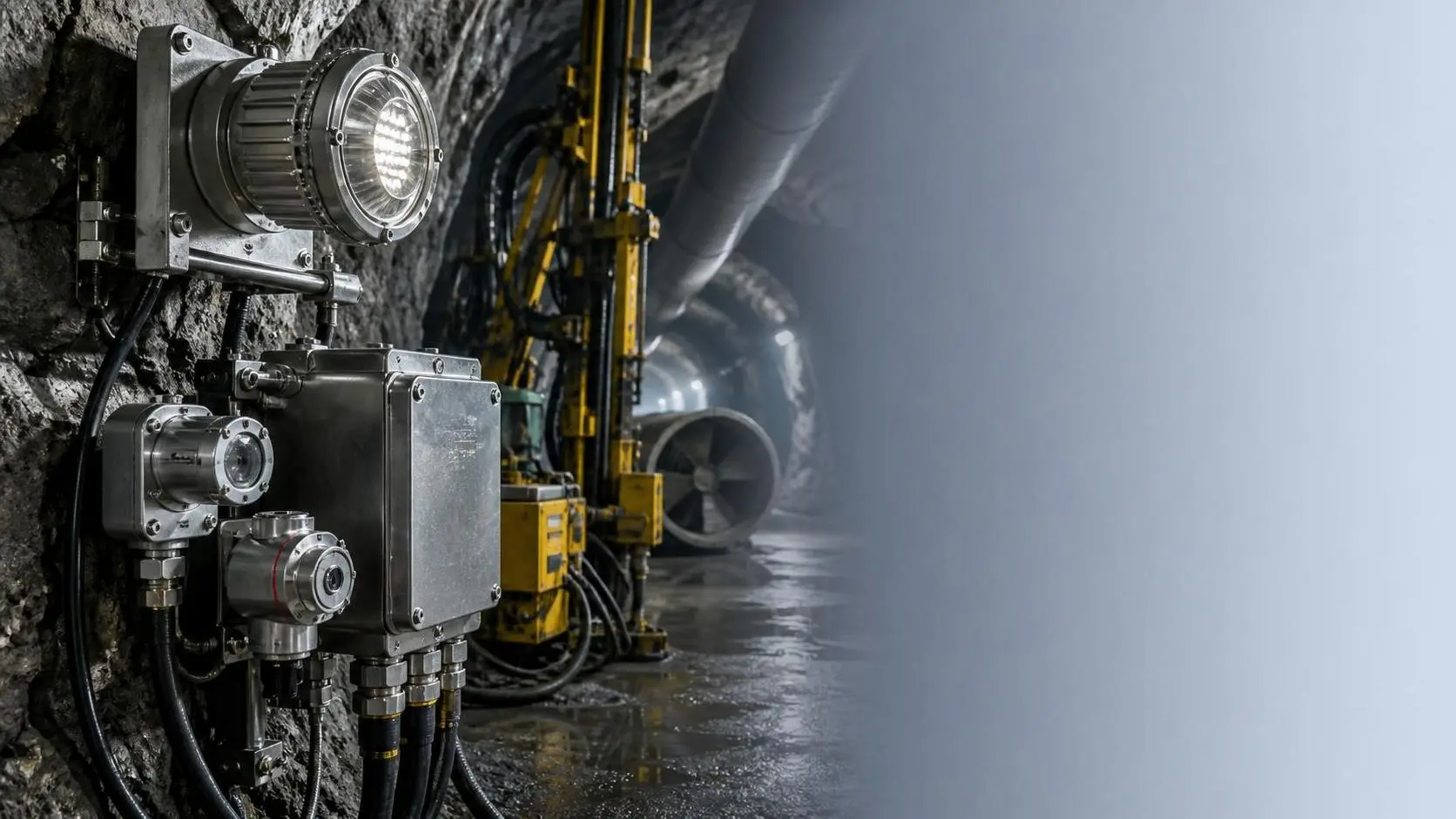
Flameproof Underground Safety Equipment: What Mine Teams Should Check Before Buying
Underground Safety Equipment flameproof buying guide: learn how mine teams should verify certification, durability, serviceability, and supplier support before purchase.
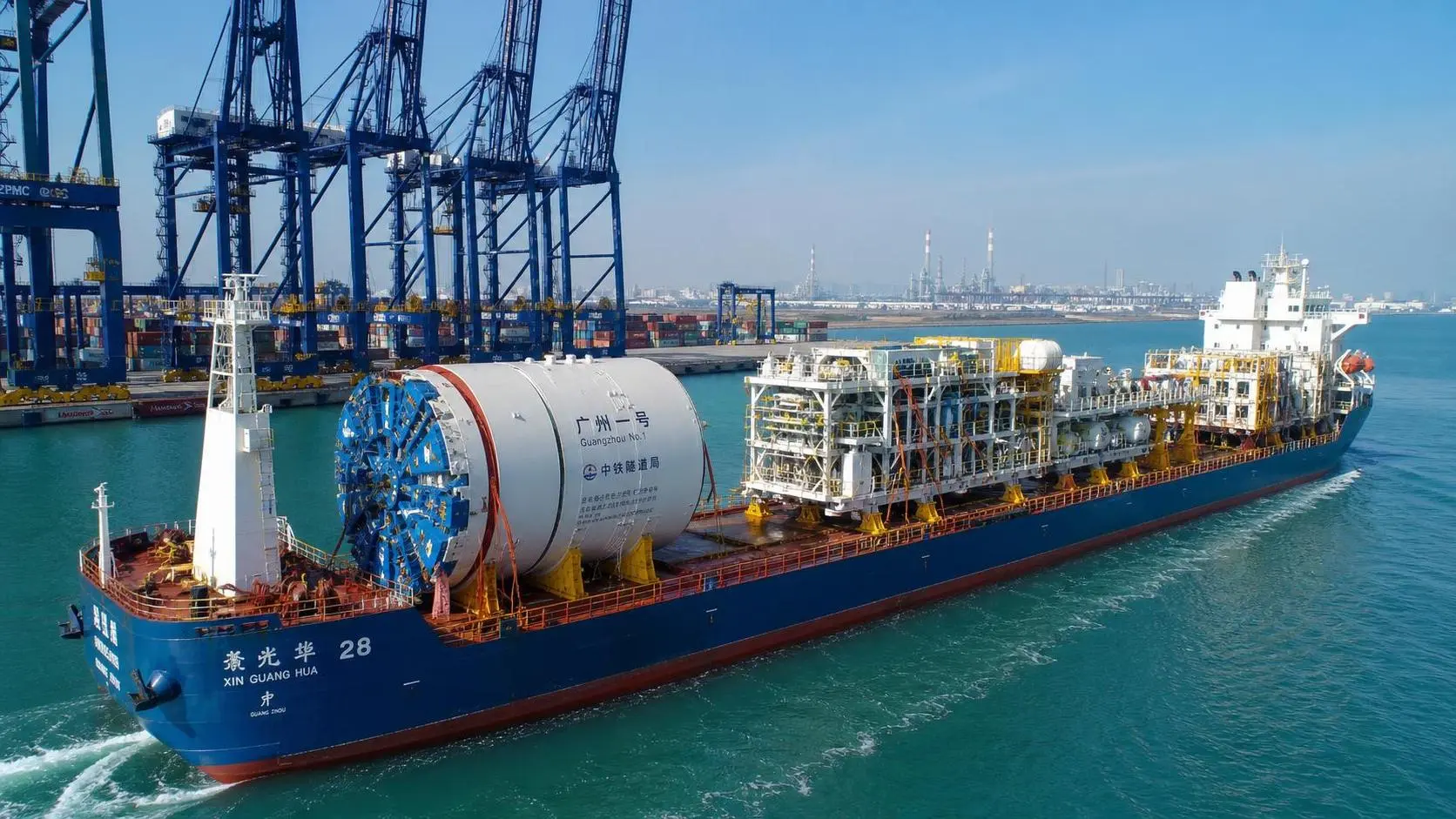
China-UAE Direct Sea Route Cuts TBM and Large Tunneling Equipment Lead Times
China-UAE direct sea route shortens TBM and large tunneling equipment lead times by 12–15 days, improving delivery predictability for major infrastructure projects. Read the full impact.

What Is a TBM Guidance System Gyroscope, and Why Does It Matter Underground?
TBM Guidance Systems gyroscope improves underground accuracy, reduces drift, and helps tunnel boring machines stay on line in harsh conditions.
Related News
- 00
0000-00
How to Build a Mining Decarbonization Strategy That Balances Emissions, Cost, and Fleet Reality - 00
0000-00
How to Evaluate Articulated Dump Trucks Payload for Haul Road Conditions and Cycle Efficiency - 00
0000-00
How Pipe Fittings Material and Pressure Class Affect Water Line Selection - 00
0000-00
What Drives TBM Excavation Cost in Urban Tunneling Projects? - 00
0000-00
What Does Energy Metals Mining in Australia Mean for Supply, Cost, and Project Risk?
Weekly Insights
Stay ahead with our curated technology reports delivered every Monday.